Fernando Amorsolo y Cueto nasceu em Paco Manila
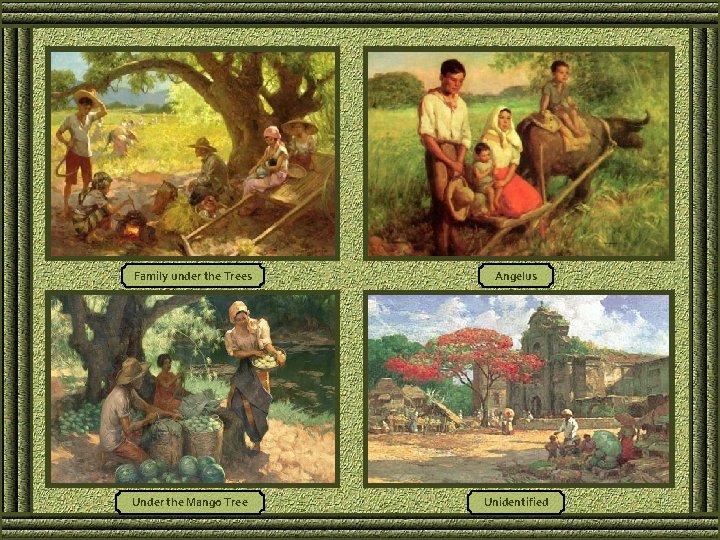
- Slides: 37
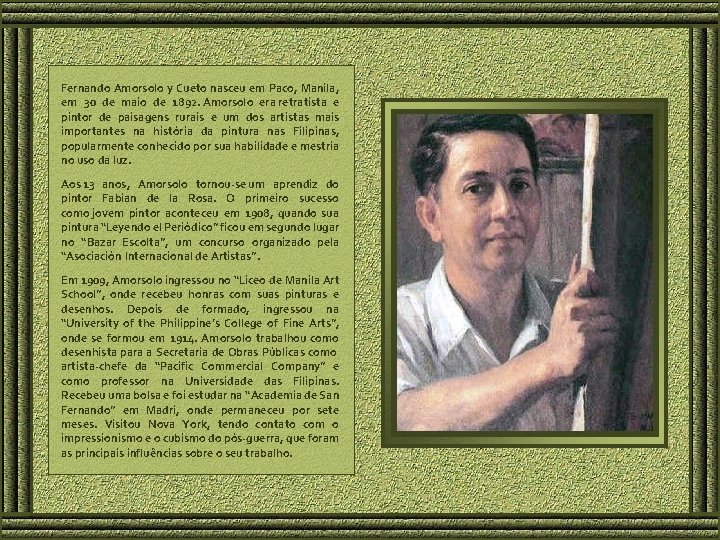
Fernando Amorsolo y Cueto nasceu em Paco, Manila, em 30 de maio de 1892. Amorsolo era retratista e pintor de paisagens rurais e um dos artistas mais importantes na história da pintura nas Filipinas, popularmente conhecido por sua habilidade e mestria no uso da luz. Aos 13 anos, Amorsolo tornou-se um aprendiz do pintor Fabian de la Rosa. O primeiro sucesso como jovem pintor aconteceu em 1908, quando sua pintura “Leyendo el Periódico” ficou em segundo lugar no “Bazar Escolta”, um concurso organizado pela “Asociación Internacional de Artistas”. Em 1909, Amorsolo ingressou no “Liceo de Manila Art School”, onde recebeu honras com suas pinturas e desenhos. Depois de formado, ingressou na “University of the Philippine’s College of Fine Arts”, onde se formou em 1914. Amorsolo trabalhou como desenhista para a Secretaria de Obras Públicas como artista-chefe da “Pacific Commercial Company” e como professor na Universidade das Filipinas. Recebeu uma bolsa e foi estudar na “Academia de San Fernando” em Madri, onde permaneceu por sete meses. Visitou Nova York, tendo contato com o impressionismo e o cubismo do pós-guerra, que foram as principais influências sobre o seu trabalho.
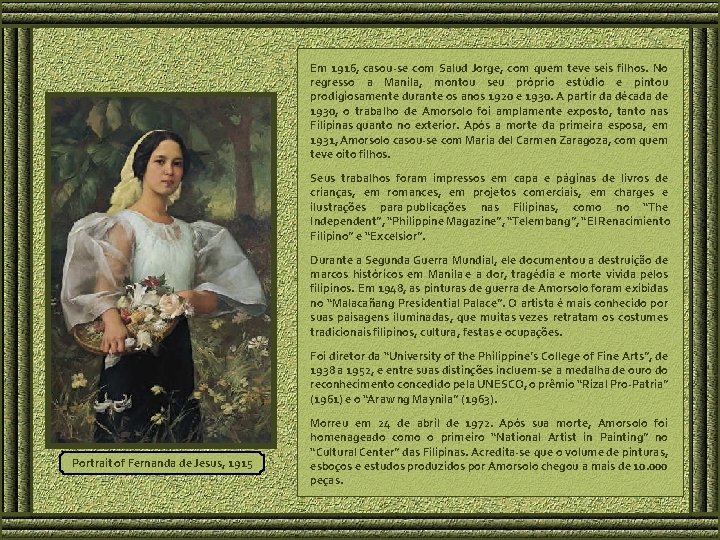
Em 1916, casou-se com Salud Jorge, com quem teve seis filhos. No regresso a Manila, montou seu próprio estúdio e pintou prodigiosamente durante os anos 1920 e 1930. A partir da década de 1930, o trabalho de Amorsolo foi amplamente exposto, tanto nas Filipinas quanto no exterior. Após a morte da primeira esposa, em 1931, Amorsolo casou-se com Maria del Carmen Zaragoza, com quem teve oito filhos. Seus trabalhos foram impressos em capa e páginas de livros de crianças, em romances, em projetos comerciais, em charges e ilustrações para publicações nas Filipinas, como no “The Independent”, “Philippine Magazine”, “Telembang”, “El Renacimiento Filipino” e “Excelsior”. Durante a Segunda Guerra Mundial, ele documentou a destruição de marcos históricos em Manila e a dor, tragédia e morte vivida pelos filipinos. Em 1948, as pinturas de guerra de Amorsolo foram exibidas no “Malacañang Presidential Palace”. O artista é mais conhecido por suas paisagens iluminadas, que muitas vezes retratam os costumes tradicionais filipinos, cultura, festas e ocupações. Foi diretor da “University of the Philippine’s College of Fine Arts”, de 1938 a 1952, e entre suas distinções incluem-se a medalha de ouro do reconhecimento concedido pela UNESCO, o prêmio “Rizal Pro-Patria” (1961) e o “Araw ng Maynila” (1963). Portrait of Fernanda de Jesus, 1915 Morreu em 24 de abril de 1972. Após sua morte, Amorsolo foi homenageado como o primeiro “National Artist in Painting” no “Cultural Center” das Filipinas. Acredita-se que o volume de pinturas, esboços e estudos produzidos por Amorsolo chegou a mais de 10. 000 peças.
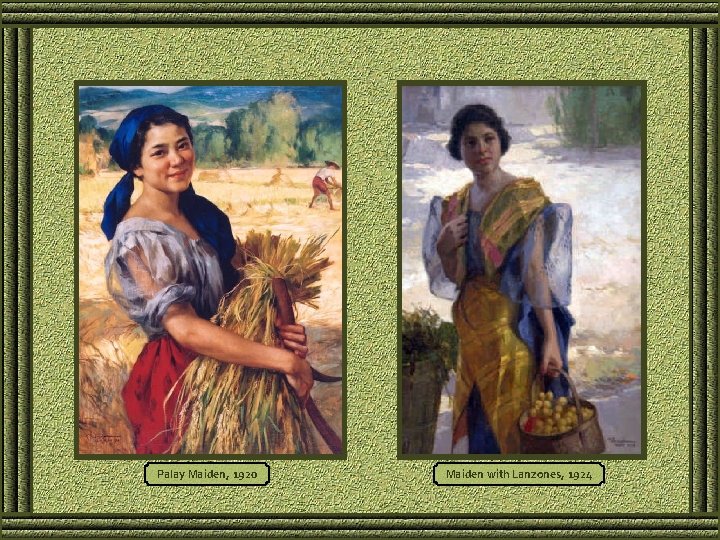
Palay Maiden, 1920 Maiden with Lanzones, 1924
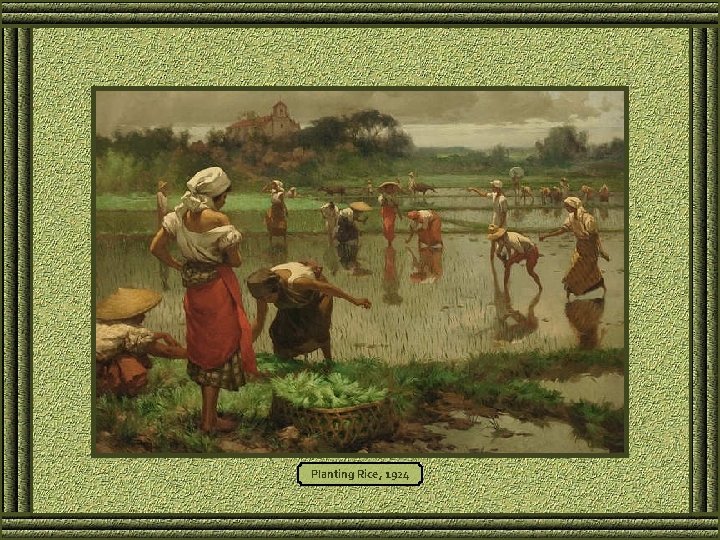
Planting Rice, 1924
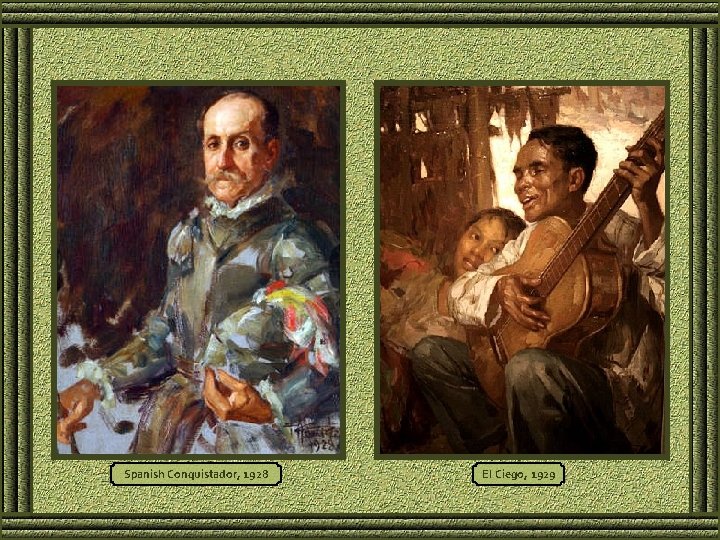
Spanish Conquistador, 1928 El Ciego, 1929
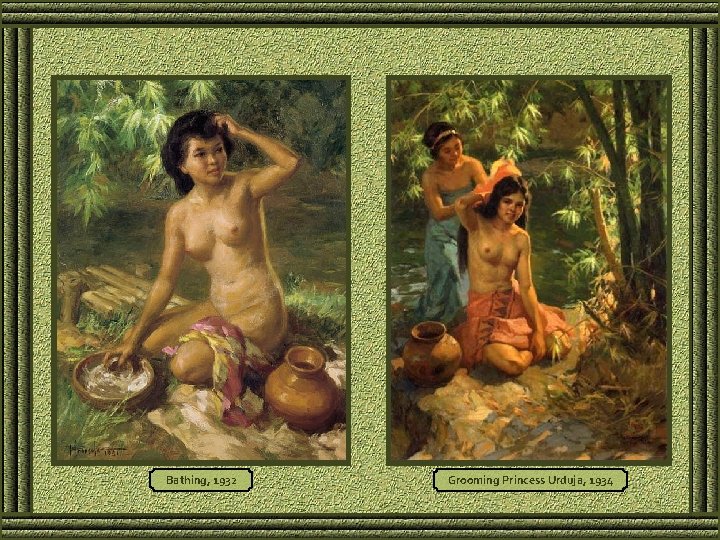
Bathing, 1932 Grooming Princess Urduja, 1934
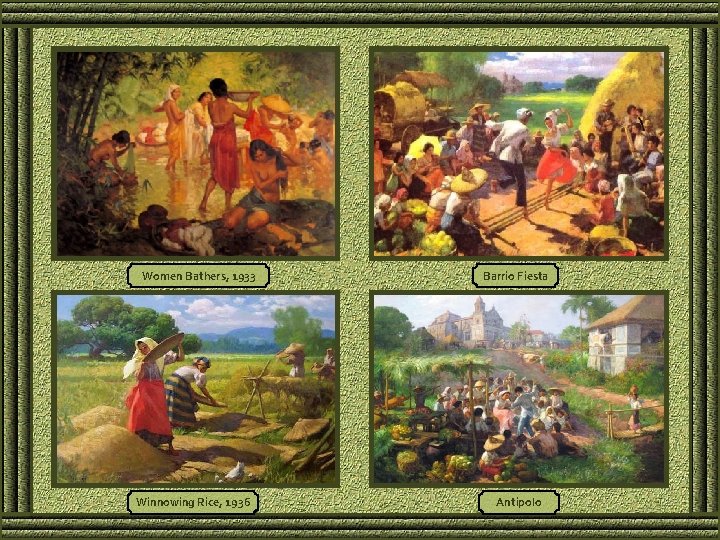
Women Bathers, 1933 Winnowing Rice, 1936 Barrio Fiesta Antipolo
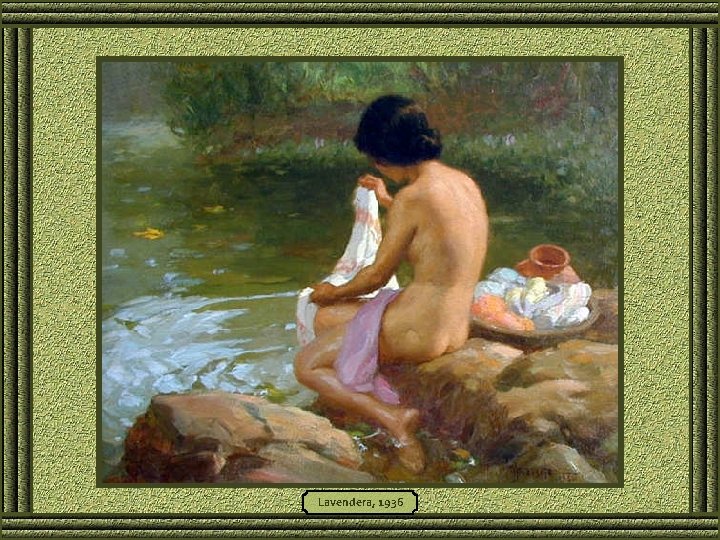
Lavendera, 1936
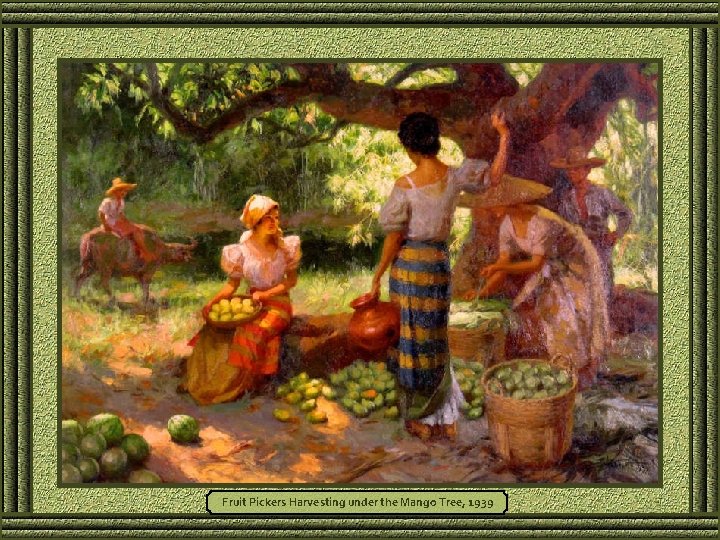
Fruit Pickers Harvesting under the Mango Tree, 1939
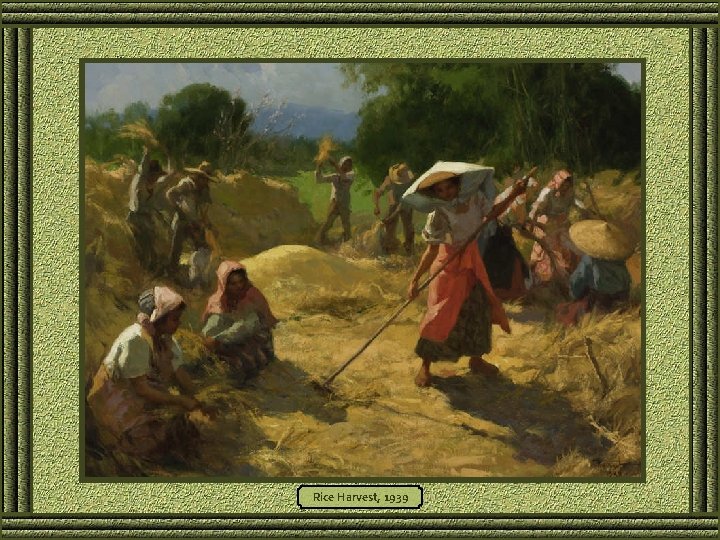
Rice Harvest, 1939
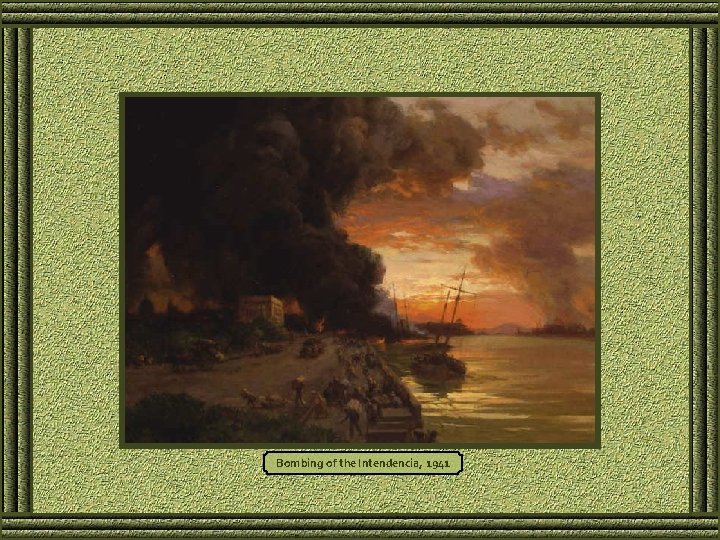
Bombing of the Intendencia, 1941
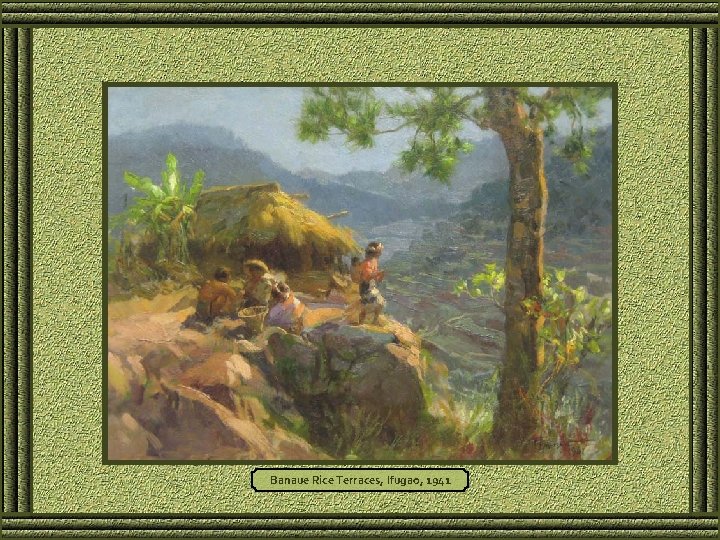
Banaue Rice Terraces, Ifugao, 1941
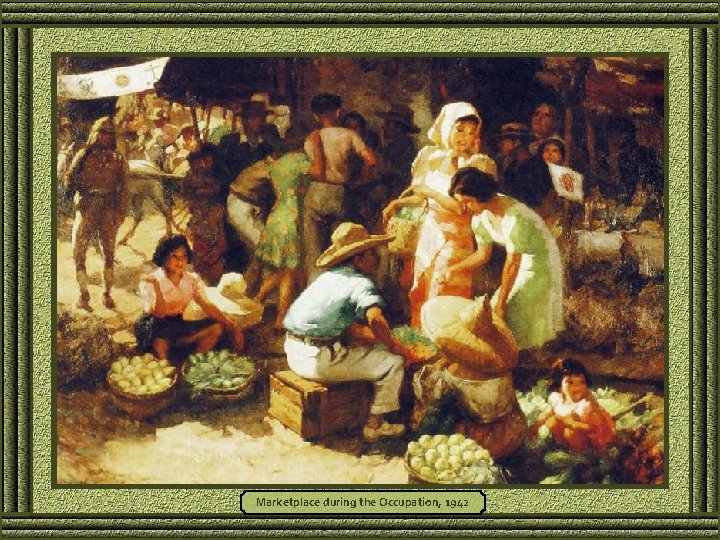
Marketplace during the Occupation, 1942
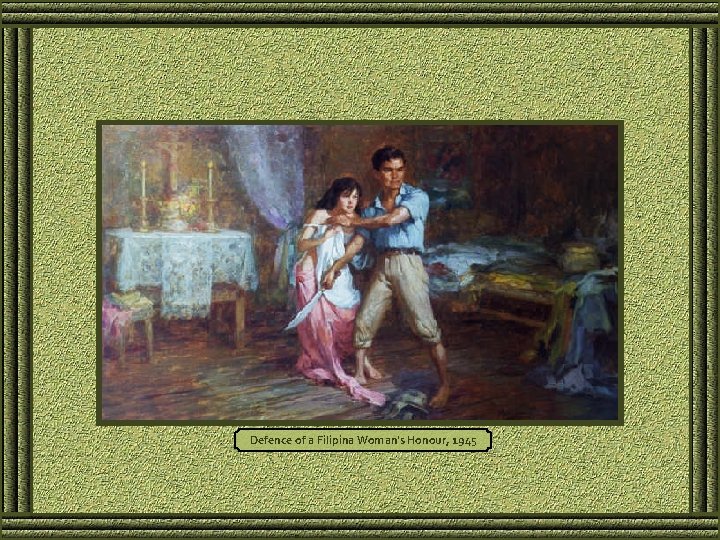
Defence of a Filipina Woman's Honour, 1945
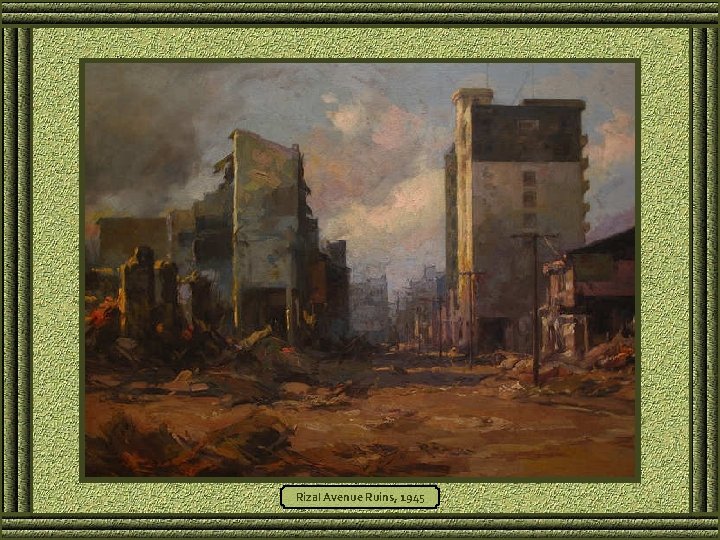
Rizal Avenue Ruins, 1945
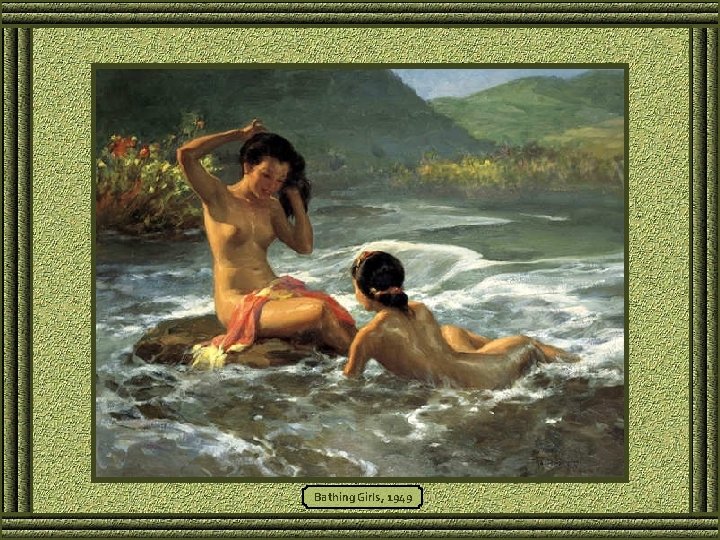
Bathing Girls, 1949
Family under the Trees Angelus Under the Mango Tree Unidentified
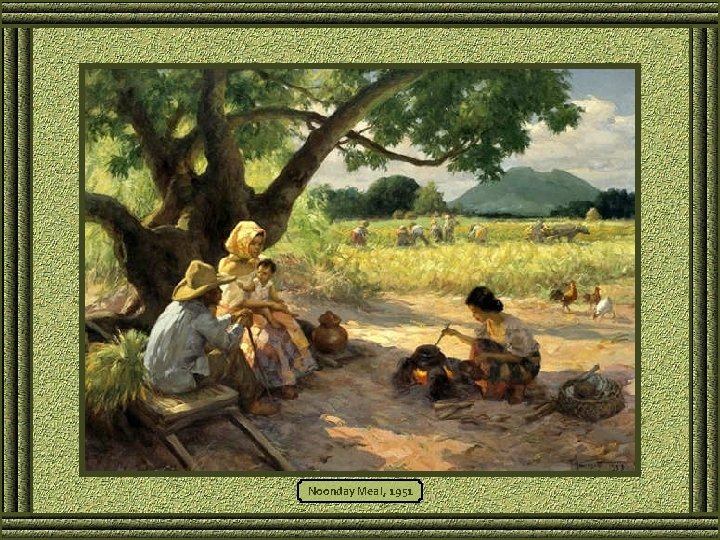
Noonday Meal, 1951
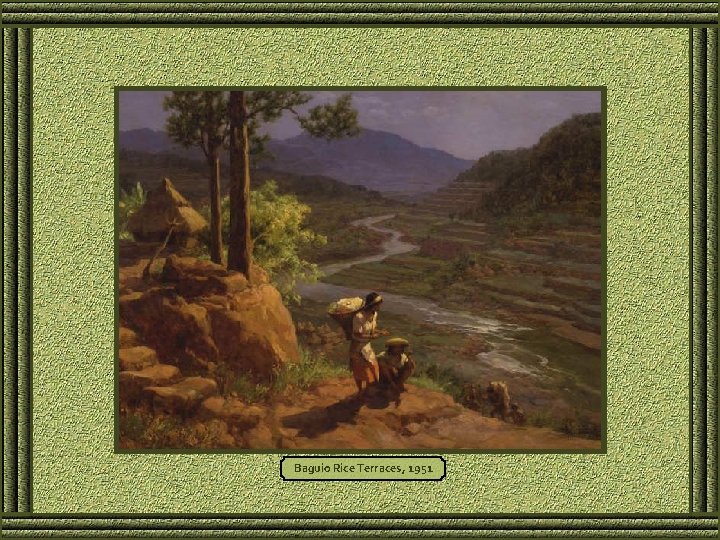
Baguio Rice Terraces, 1951
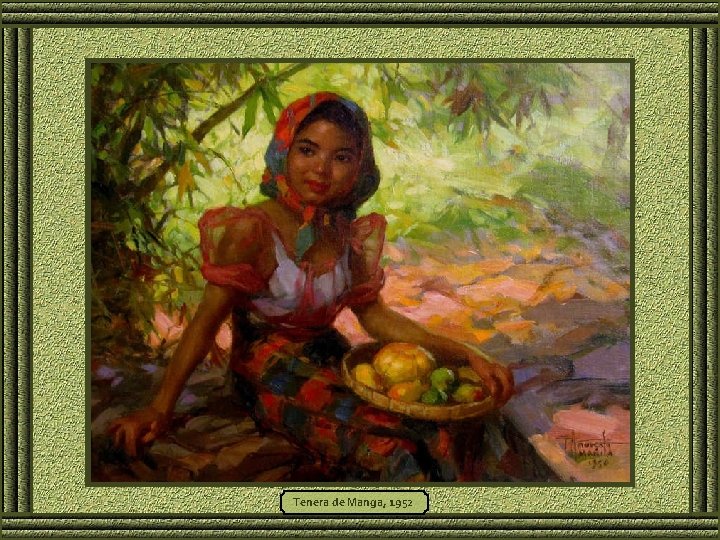
Tenera de Manga, 1952
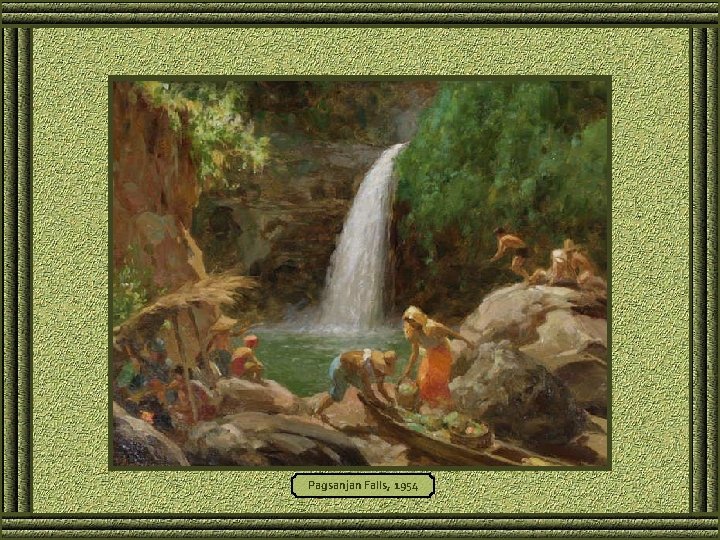
Pagsanjan Falls, 1954
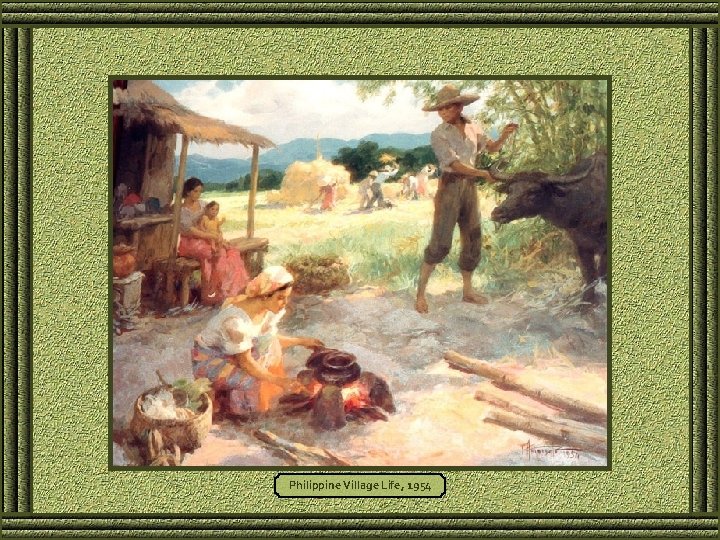
Philippine Village Life, 1954
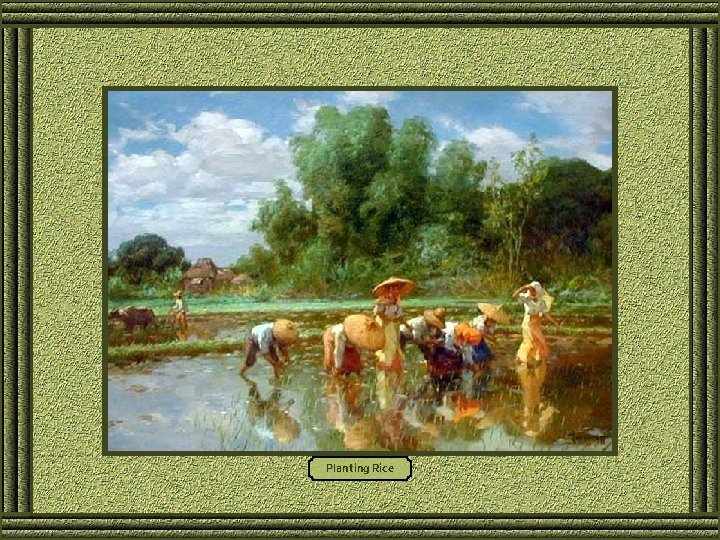
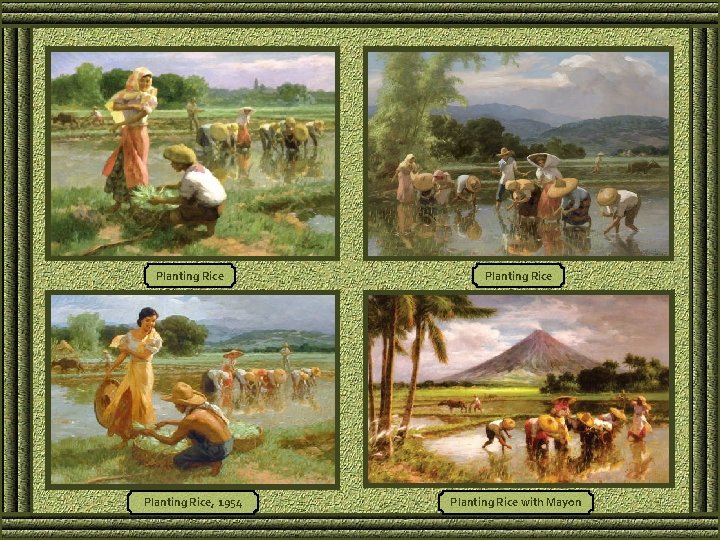
Planting Rice
Planting Rice, 1954 Planting Rice with Mayon
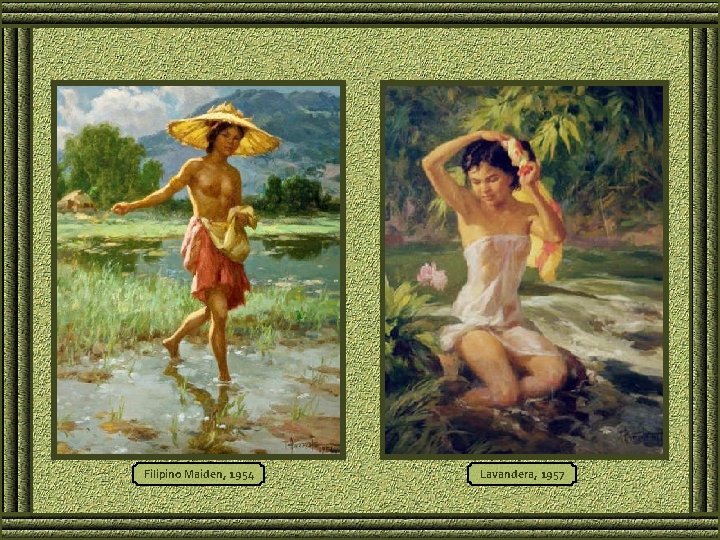
Filipino Maiden, 1954 Lavandera, 1957
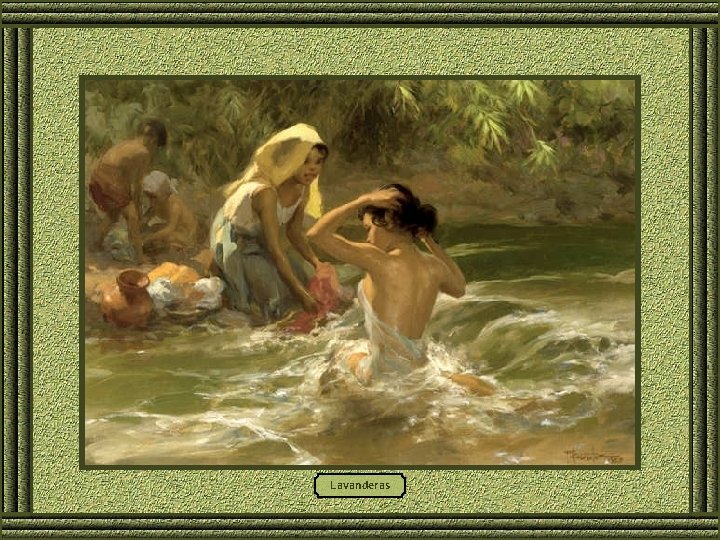
Lavanderas
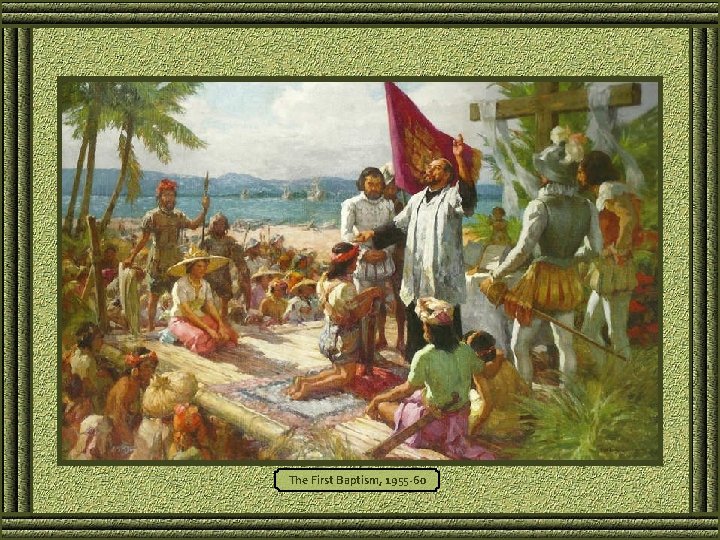
The First Baptism, 1955 -60
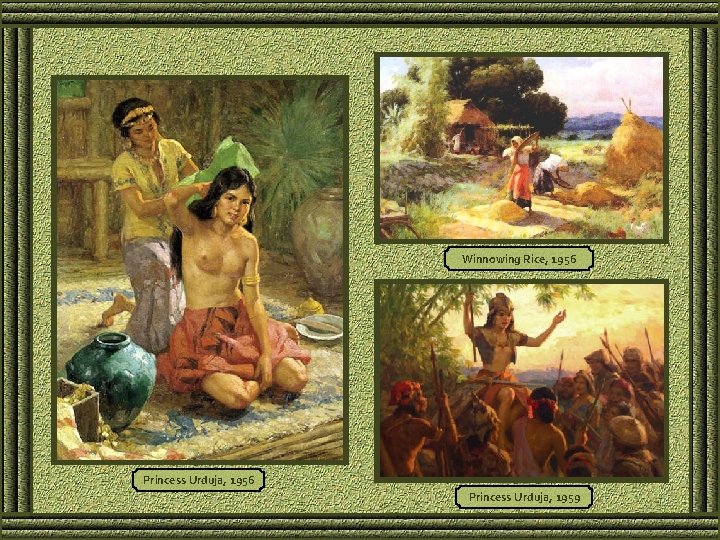
Winnowing Rice, 1956 Princess Urduja, 1959
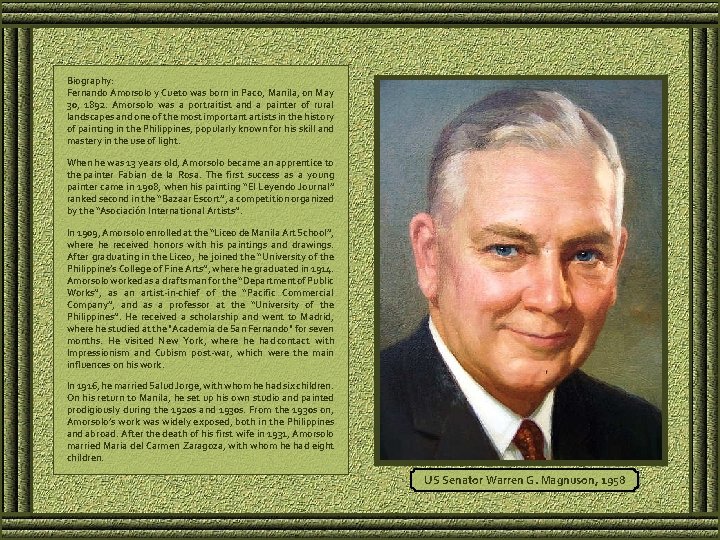
Biography: Fernando Amorsolo y Cueto was born in Paco, Manila, on May 30, 1892. Amorsolo was a portraitist and a painter of rural landscapes and one of the most important artists in the history of painting in the Philippines, popularly known for his skill and mastery in the use of light. When he was 13 years old, Amorsolo became an apprentice to the painter Fabian de la Rosa. The first success as a young painter came in 1908, when his painting “El Leyendo Journal” ranked second in the “Bazaar Escort”, a competition organized by the “Asociación International Artists”. In 1909, Amorsolo enrolled at the “Liceo de Manila Art School”, where he received honors with his paintings and drawings. After graduating in the Liceo, he joined the “University of the Philippine’s College of Fine Arts”, where he graduated in 1914. Amorsolo worked as a draftsman for the “Department of Public Works”, as an artist-in-chief of the “Pacific Commercial Company”, and as a professor at the “University of the Philippines”. He received a scholarship and went to Madrid, where he studied at the "Academia de San Fernando" for seven months. He visited New York, where he had contact with Impressionism and Cubism post-war, which were the main influences on his work. In 1916, he married Salud Jorge, with whom he had six children. On his return to Manila, he set up his own studio and painted prodigiously during the 1920 s and 1930 s. From the 1930 s on, Amorsolo’s work was widely exposed, both in the Philippines and abroad. After the death of his first wife in 1931, Amorsolo married Maria del Carmen Zaragoza, with whom he had eight children. US Senator Warren G. Magnuson, 1958
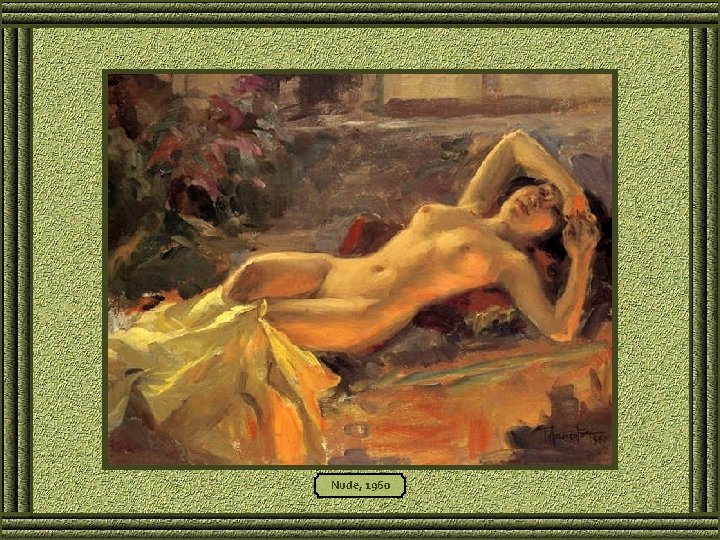
Nude, 1960
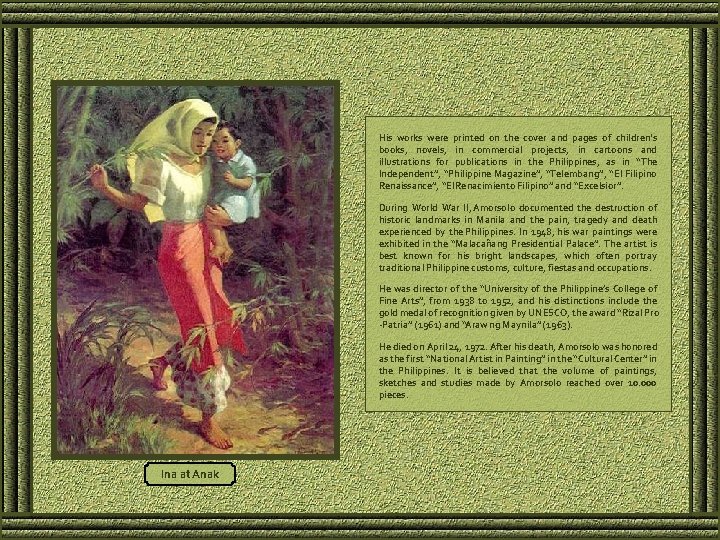
His works were printed on the cover and pages of children's books, novels, in commercial projects, in cartoons and illustrations for publications in the Philippines, as in “The Independent”, “Philippine Magazine”, “Telembang”, “El Filipino Renaissance”, “El Renacimiento Filipino” and “Excelsior”. During World War II, Amorsolo documented the destruction of historic landmarks in Manila and the pain, tragedy and death experienced by the Philippines. In 1948, his war paintings were exhibited in the “Malacañang Presidential Palace”. The artist is best known for his bright landscapes, which often portray traditional Philippine customs, culture, fiestas and occupations. He was director of the “University of the Philippine’s College of Fine Arts”, from 1938 to 1952, and his distinctions include the gold medal of recognition given by UNESCO, the award “Rizal Pro -Patria” (1961) and “Araw ng Maynila” (1963). He died on April 24, 1972. After his death, Amorsolo was honored as the first “National Artist in Painting” in the “Cultural Center” in the Philippines. It is believed that the volume of paintings, sketches and studies made by Amorsolo reached over 10. 000 pieces. Ina at Anak
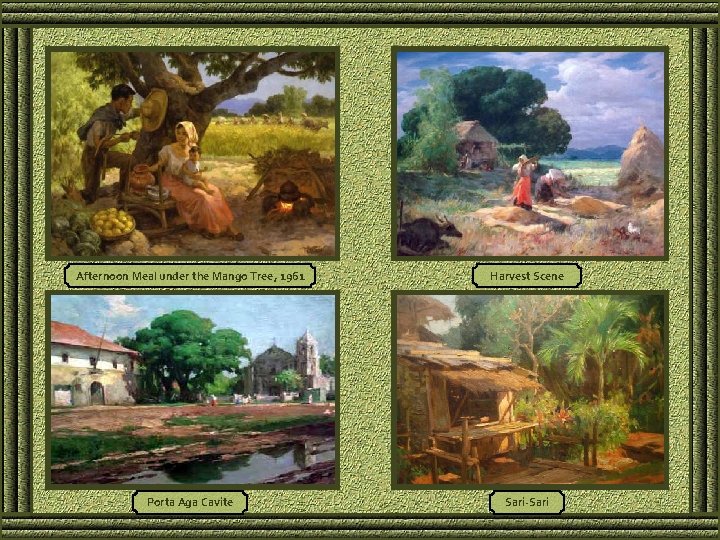
Afternoon Meal under the Mango Tree, 1961 Harvest Scene Porta Aga Cavite Sari-Sari
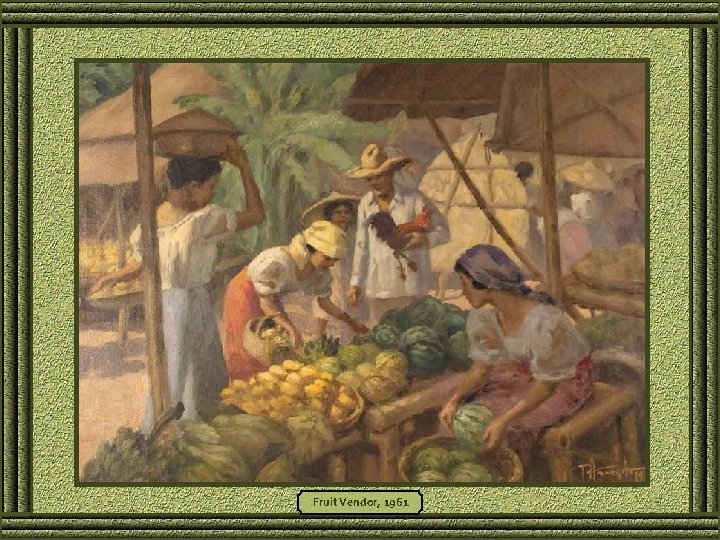
Fruit Vendor, 1961
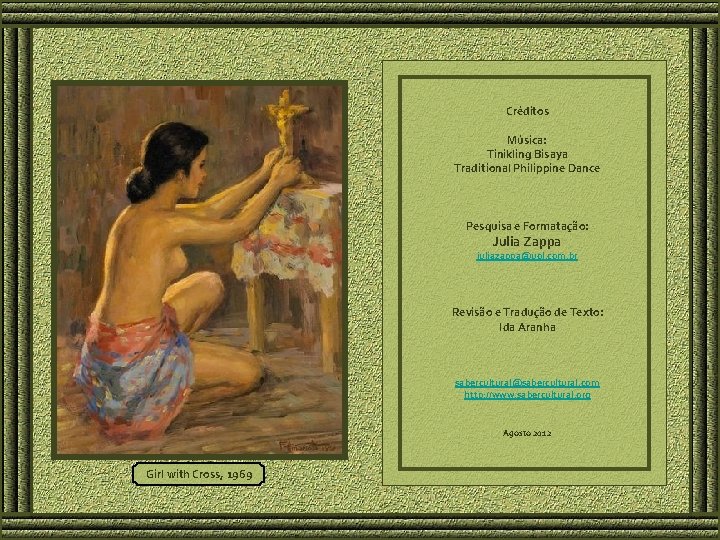
Créditos Música: Tinikling Bisaya Traditional Philippine Dance Pesquisa e Formatação: Julia Zappa juliazappa@uol. com. br Revisão e Tradução de Texto: Ida Aranha sabercultural@sabercultural. com http: //www. sabercultural. org Agosto 2012 Girl with Cross, 1969
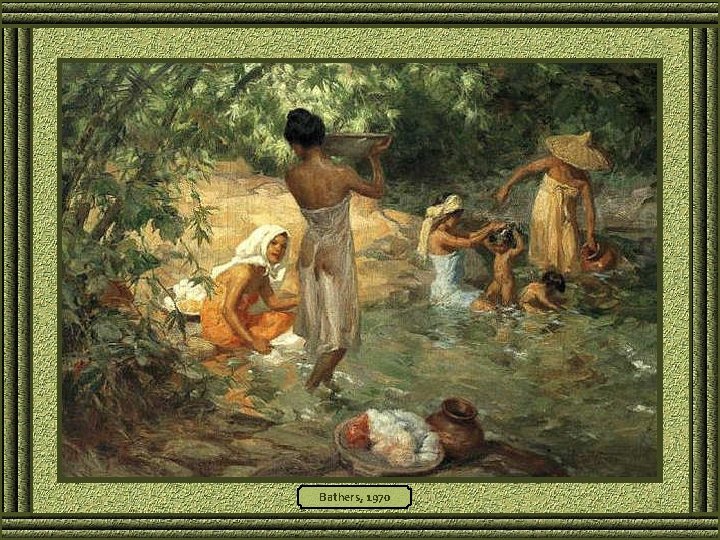
Bathers, 1970
Fontes: http: //www. fernandoamorsolo. com/ http: //www. kulay-diwa. com/fernando_amorsolo http: //en. wikipedia. org/wiki/Fernando_Amorsolo http: //www. bonhams. com/auctions/14230/lot/372/ http: //www. geringerart. com/bios/fernandocamorsolo. html http: //en. wikipilipinas. org/index. php? title=Fernando_Amorsolo