ESY Week 1 Strand A Lesson Plan Weekly
- Slides: 18
ESY Week 1: Strand A Lesson Plan Weekly Goal: Imitating and Following Directions Weekly Theme: Fun in the Summer
Greeting/Circle Attendance
Greeting/Circle Attendance (Click for video)
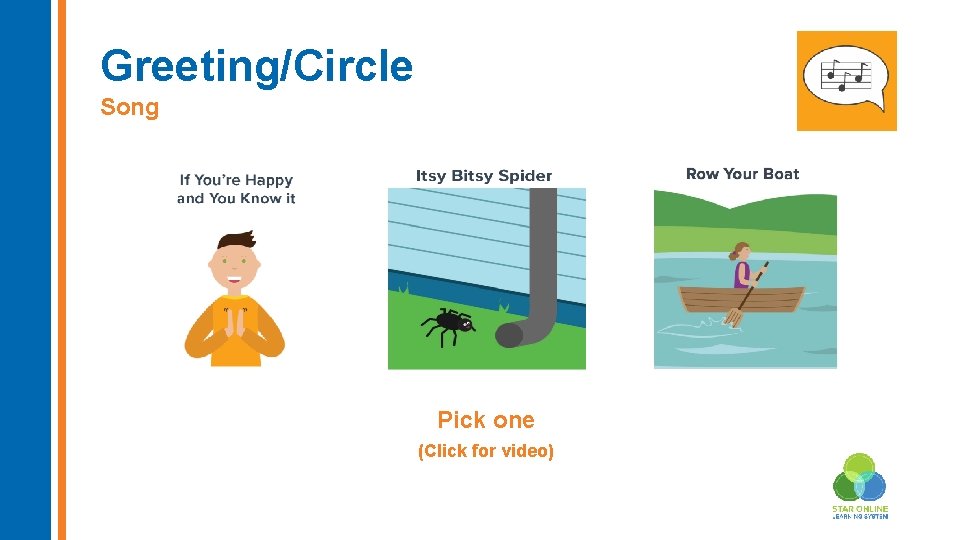
Greeting/Circle Song Pick one (Click for video)
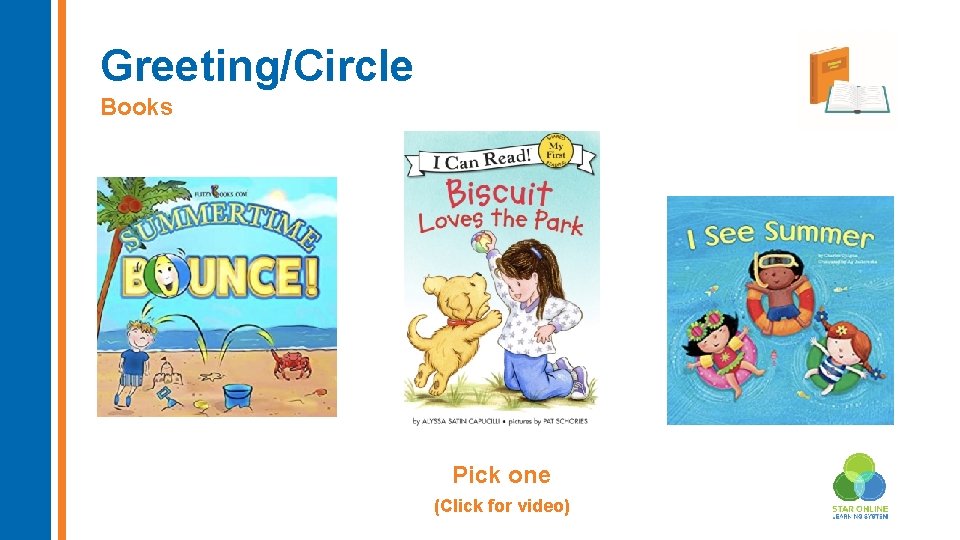
Greeting/Circle Books Pick one (Click for video)
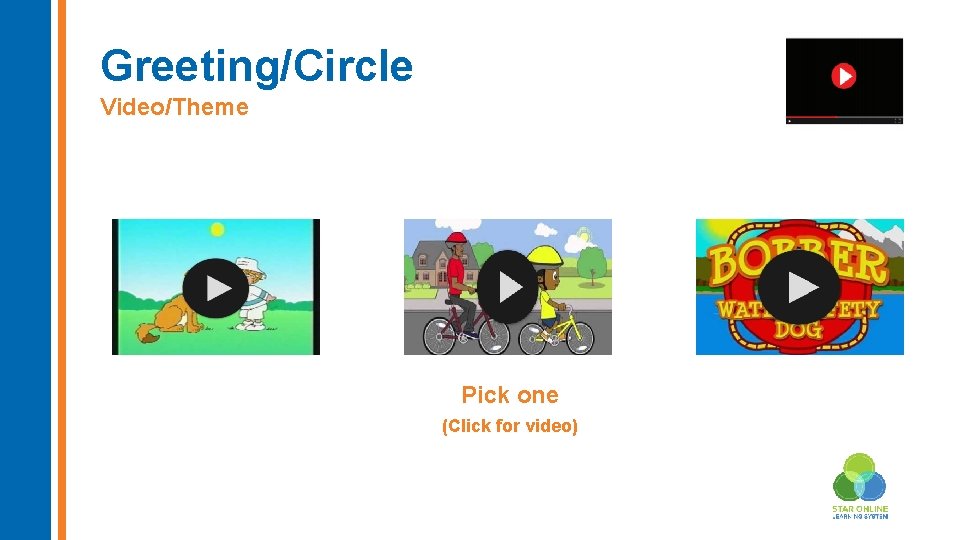
Greeting/Circle Video/Theme Pick one (Click for video)
Greeting/Circle Finished The caregiver should: • Give the student a choice of a reinforcer • Or transition the student to work with another adult to prepare for the next activity
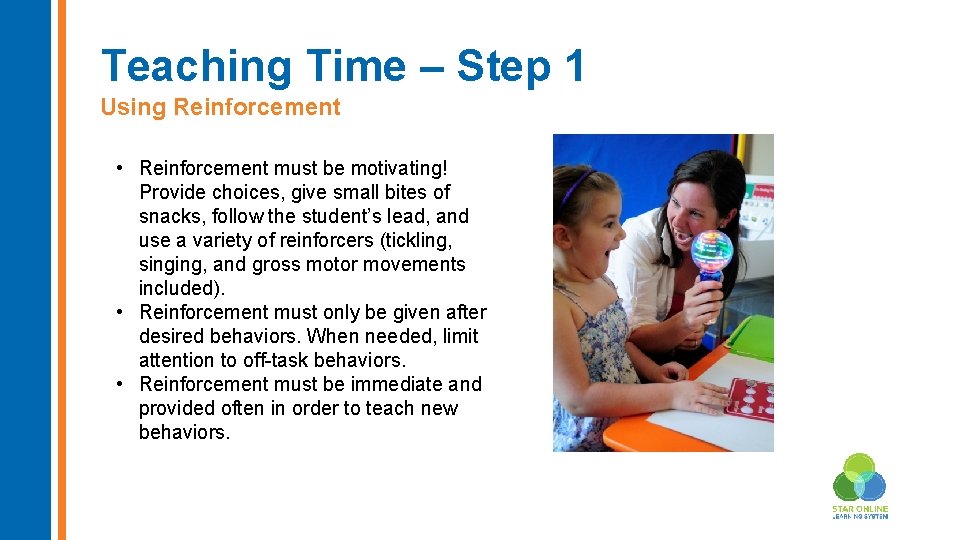
Teaching Time – Step 1 Using Reinforcement • Reinforcement must be motivating! Provide choices, give small bites of snacks, follow the student’s lead, and use a variety of reinforcers (tickling, singing, and gross motor movements included). • Reinforcement must only be given after desired behaviors. When needed, limit attention to off-task behaviors. • Reinforcement must be immediate and provided often in order to teach new behaviors.
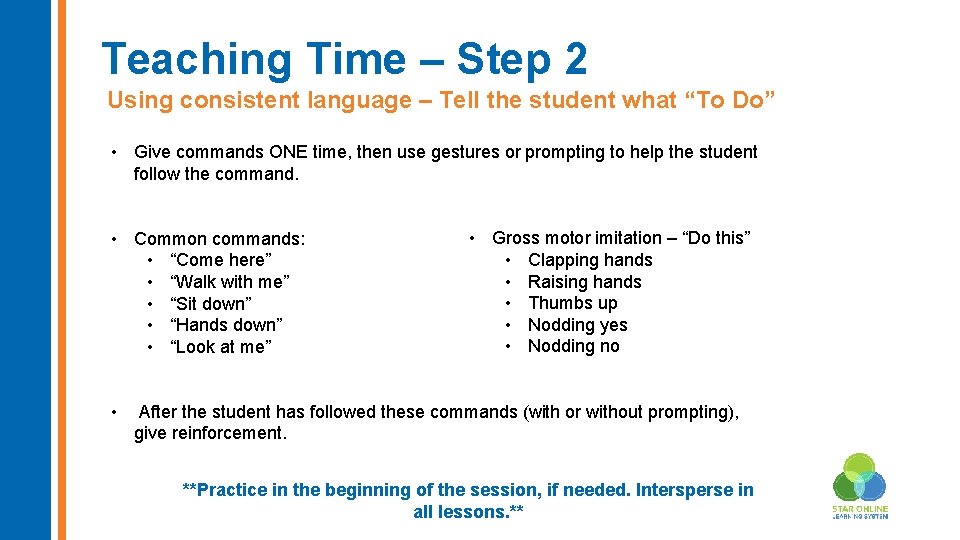
Teaching Time – Step 2 Using consistent language – Tell the student what “To Do” • Give commands ONE time, then use gestures or prompting to help the student follow the command. • Common commands: • “Come here” • “Walk with me” • “Sit down” • “Hands down” • “Look at me” • • Gross motor imitation – “Do this” • Clapping hands • Raising hands • Thumbs up • Nodding yes • Nodding no After the student has followed these commands (with or without prompting), give reinforcement. **Practice in the beginning of the session, if needed. Intersperse in all lessons. **
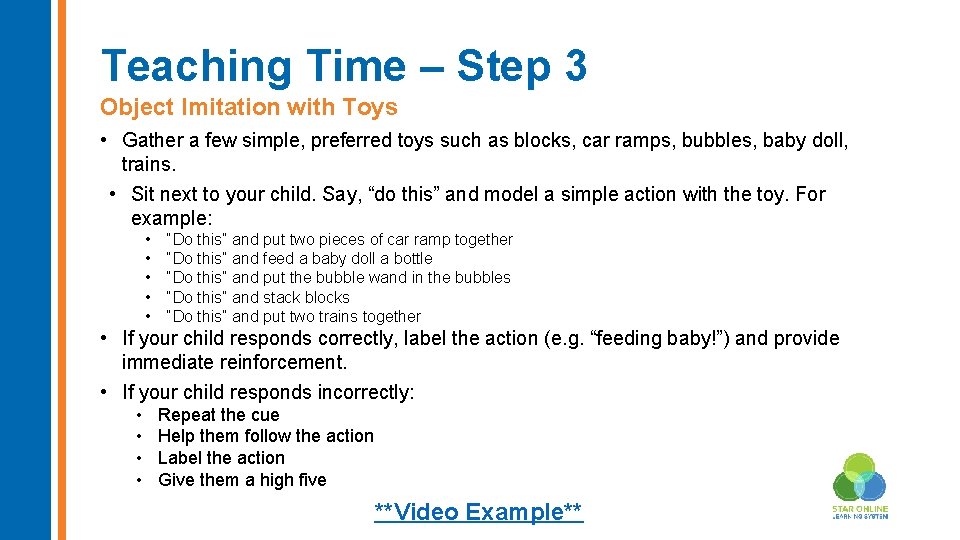
Teaching Time – Step 3 Object Imitation with Toys • Gather a few simple, preferred toys such as blocks, car ramps, bubbles, baby doll, trains. • Sit next to your child. Say, “do this” and model a simple action with the toy. For example: • • • “Do this” and put two pieces of car ramp together “Do this” and feed a baby doll a bottle “Do this” and put the bubble wand in the bubbles “Do this” and stack blocks “Do this” and put two trains together • If your child responds correctly, label the action (e. g. “feeding baby!”) and provide immediate reinforcement. • If your child responds incorrectly: • • Repeat the cue Help them follow the action Label the action Give them a high five **Video Example**
Teaching Time Finished
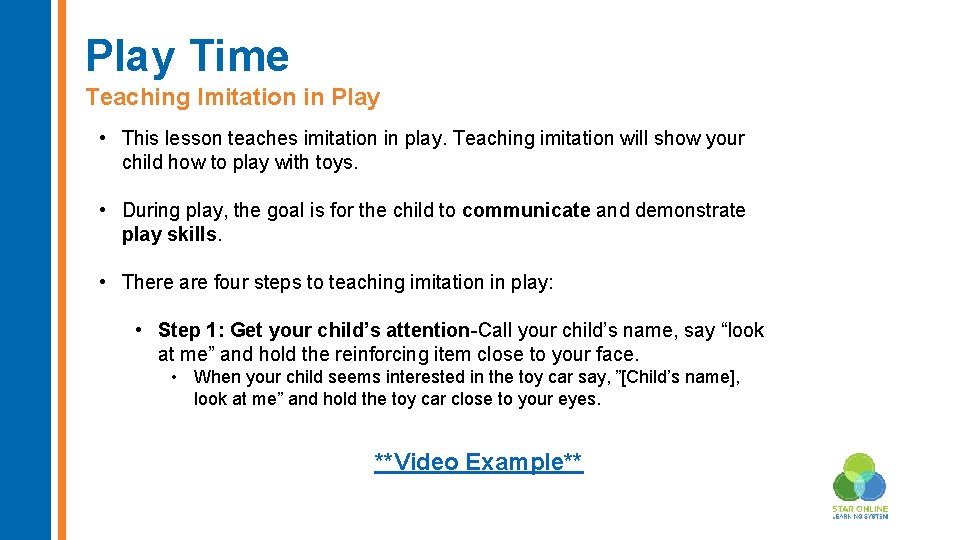
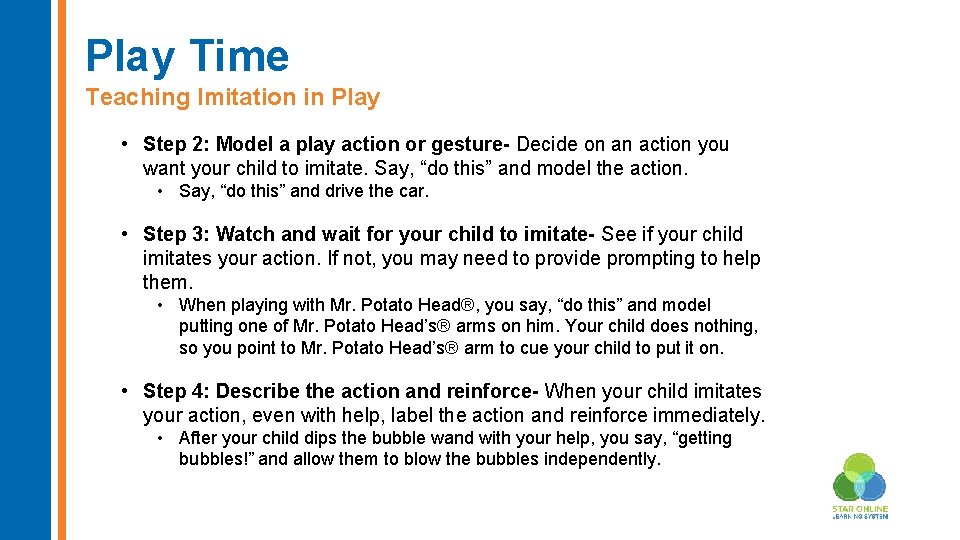
Play Time Teaching Imitation in Play • This lesson teaches imitation in play. Teaching imitation will show your child how to play with toys. • During play, the goal is for the child to communicate and demonstrate play skills. • There are four steps to teaching imitation in play: • Step 1: Get your child’s attention-Call your child’s name, say “look at me” and hold the reinforcing item close to your face. • When your child seems interested in the toy car say, ”[Child’s name], look at me” and hold the toy car close to your eyes. **Video Example**
Play Time Teaching Imitation in Play • Step 2: Model a play action or gesture- Decide on an action you want your child to imitate. Say, “do this” and model the action. • Say, “do this” and drive the car. • Step 3: Watch and wait for your child to imitate- See if your child imitates your action. If not, you may need to provide prompting to help them. • When playing with Mr. Potato Head®, you say, “do this” and model putting one of Mr. Potato Head’s® arms on him. Your child does nothing, so you point to Mr. Potato Head’s® arm to cue your child to put it on. • Step 4: Describe the action and reinforce- When your child imitates your action, even with help, label the action and reinforce immediately. • After your child dips the bubble wand with your help, you say, “getting bubbles!” and allow them to blow the bubbles independently.
Play Time Finished
Goodbye Song The caregiver should: • Give the student a choice of a reinforcer • Transition to student to work with another adult • Or engage the student in an independent work task (Click for video)
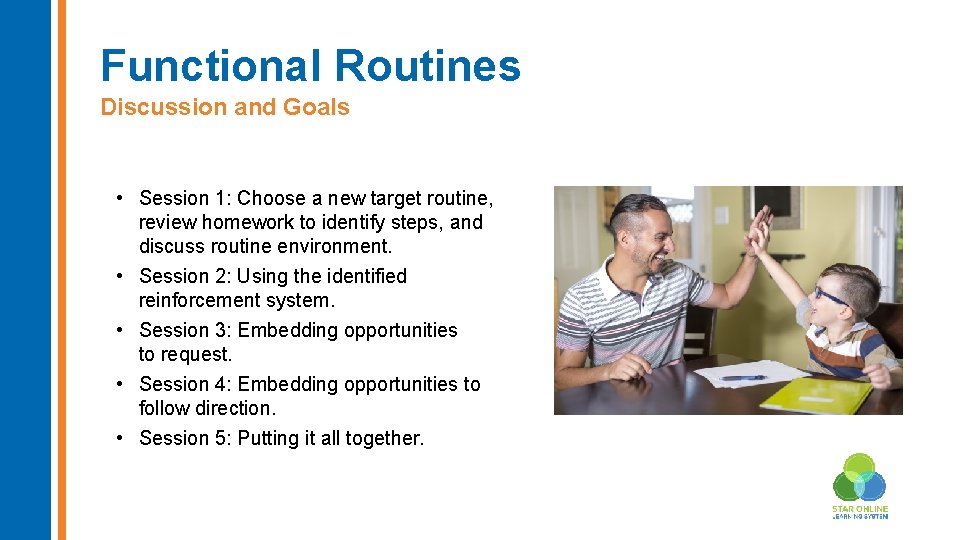
Functional Routines Discussion and Goals • Session 1: Choose a new target routine, review homework to identify steps, and discuss routine environment. • Session 2: Using the identified reinforcement system. • Session 3: Embedding opportunities to request. • Session 4: Embedding opportunities to follow direction. • Session 5: Putting it all together.
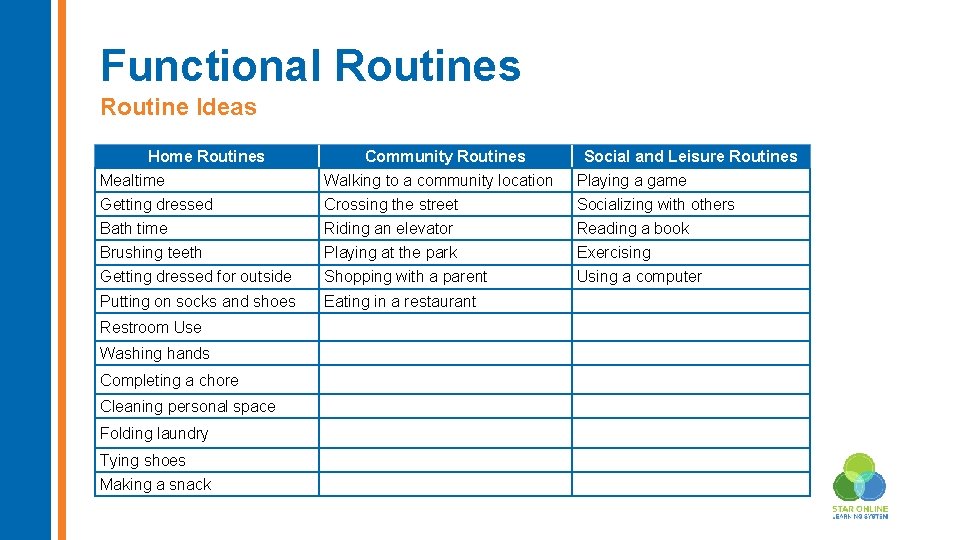
Functional Routines Routine Ideas Home Routines Community Routines Social and Leisure Routines Mealtime Walking to a community location Playing a game Getting dressed Crossing the street Socializing with others Bath time Riding an elevator Reading a book Brushing teeth Playing at the park Exercising Getting dressed for outside Shopping with a parent Using a computer Putting on socks and shoes Eating in a restaurant Restroom Use Washing hands Completing a chore Cleaning personal space Folding laundry Tying shoes Making a snack
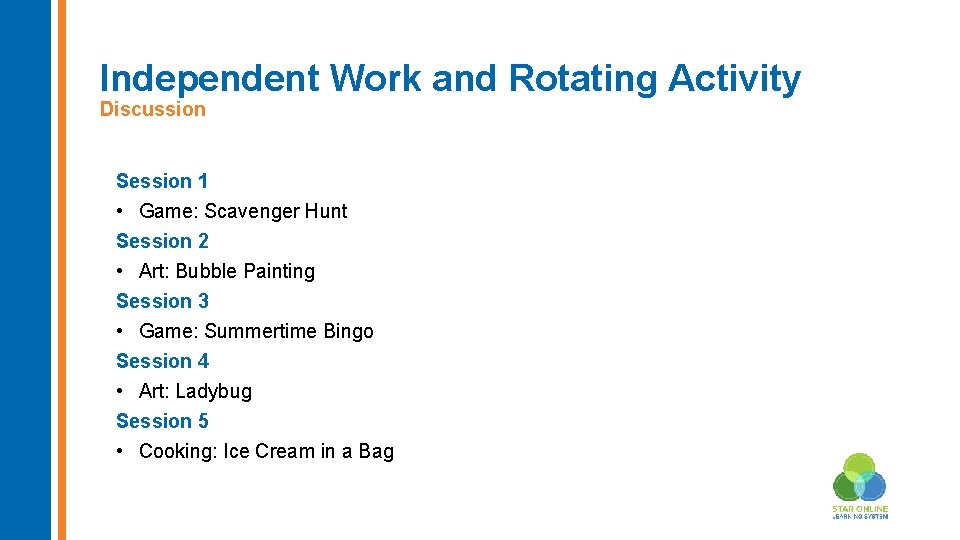
Independent Work and Rotating Activity Discussion Session 1 • Game: Scavenger Hunt Session 2 • Art: Bubble Painting Session 3 • Game: Summertime Bingo Session 4 • Art: Ladybug Session 5 • Cooking: Ice Cream in a Bag