Copyrights Terms and Derivative versus Transformative Use IM
- Slides: 16
Copyrights Terms and Derivative versus Transformative Use IM 350: Intellectual Property Law and New Media February 10, 2015
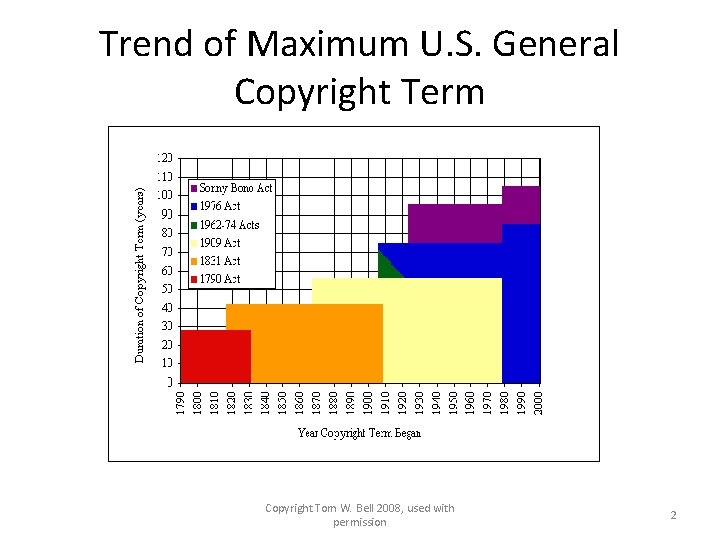
Trend of Maximum U. S. General Copyright Term Copyright Tom W. Bell 2008, used with permission 2
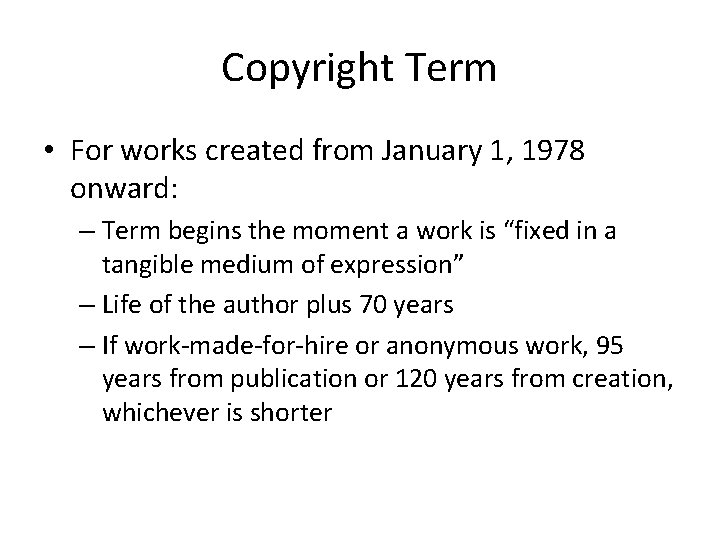
Copyright Term • For works created from January 1, 1978 onward: – Term begins the moment a work is “fixed in a tangible medium of expression” – Life of the author plus 70 years – If work-made-for-hire or anonymous work, 95 years from publication or 120 years from creation, whichever is shorter
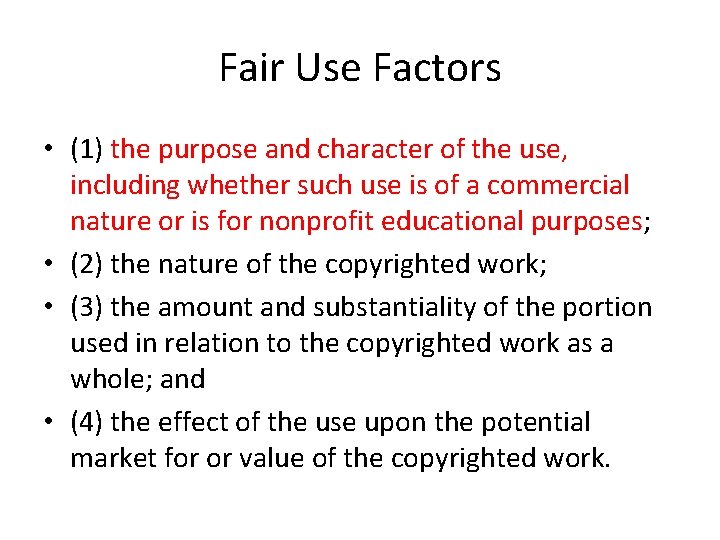
Fair Use Factors • (1) the purpose and character of the use, including whether such use is of a commercial nature or is for nonprofit educational purposes; • (2) the nature of the copyrighted work; • (3) the amount and substantiality of the portion used in relation to the copyrighted work as a whole; and • (4) the effect of the use upon the potential market for or value of the copyrighted work.
Derivative v. Transformative • Why does it matter? – A copyright owner owns the right to control who can create derivative works based on the copyrighted work. – A copyright owner does not own the right to control who can create transformative works.
What is a “derivative work”? • Based on or derived from one or more already existing works • Examples: – translations, musical arrangements, – motion picture versions of literary material or plays, art reproductions, – abridgments, and condensations of preexisting works – a “new edition” of a preexisting work in which the editorial revisions, annotations, elaborations, or other modifications represent, as a whole, an original work.
What is “transformative use”? • “whether the new work merely supersede[s] the objects of the original creation or instead adds something new, with a further purpose or different character, altering the first with new expression, meaning, or message; it asks, in other words, whether and to what extent the new work is `transformative. '" • Campbell v. Acuff-Rose Music, Inc. , 510 U. S. 569, 579 (1994)
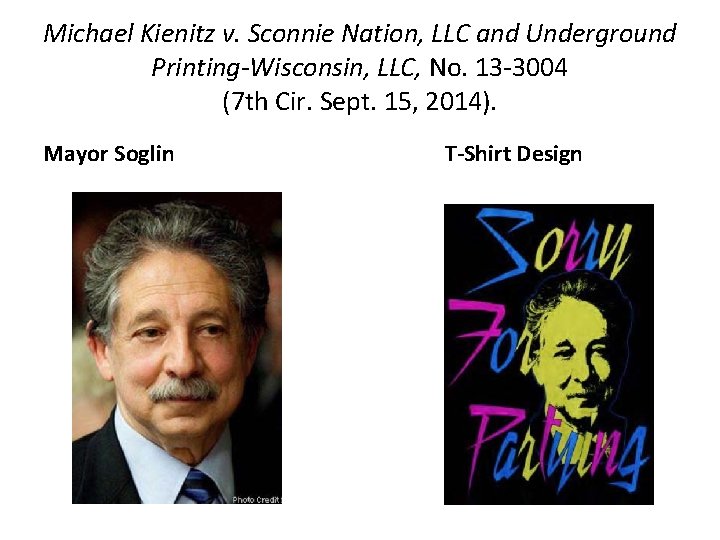
Michael Kienitz v. Sconnie Nation, LLC and Underground Printing-Wisconsin, LLC, No. 13 -3004 (7 th Cir. Sept. 15, 2014). Mayor Soglin T-Shirt Design
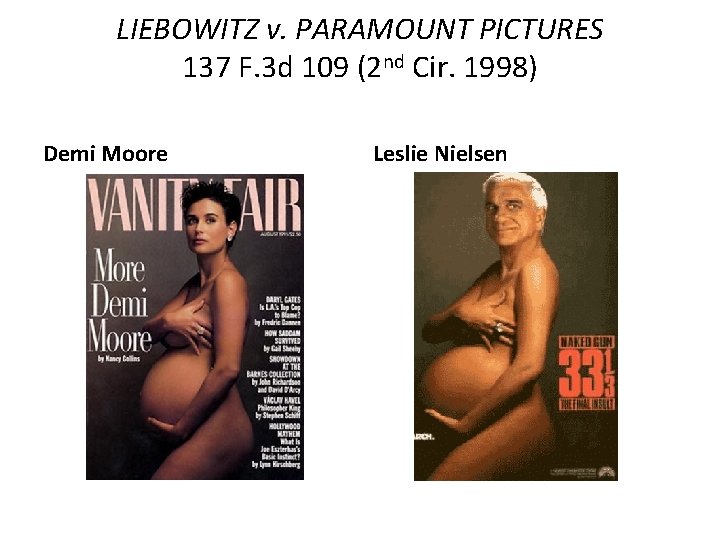
LIEBOWITZ v. PARAMOUNT PICTURES 137 F. 3 d 109 (2 nd Cir. 1998) Demi Moore Leslie Nielsen
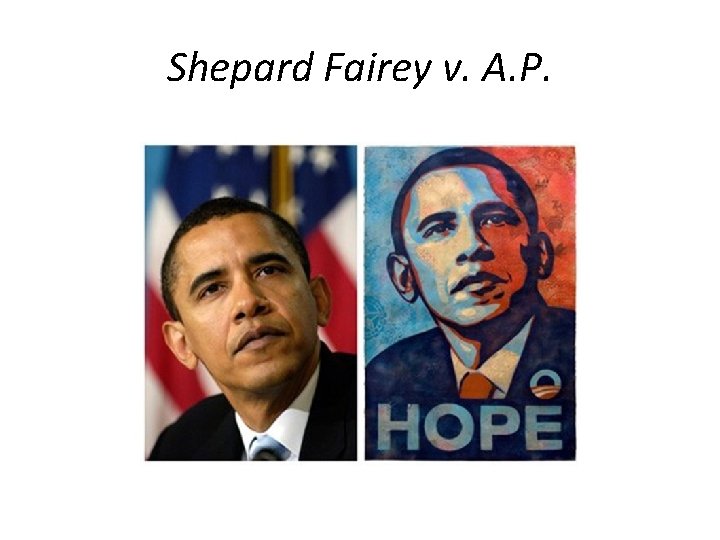
Shepard Fairey v. A. P.
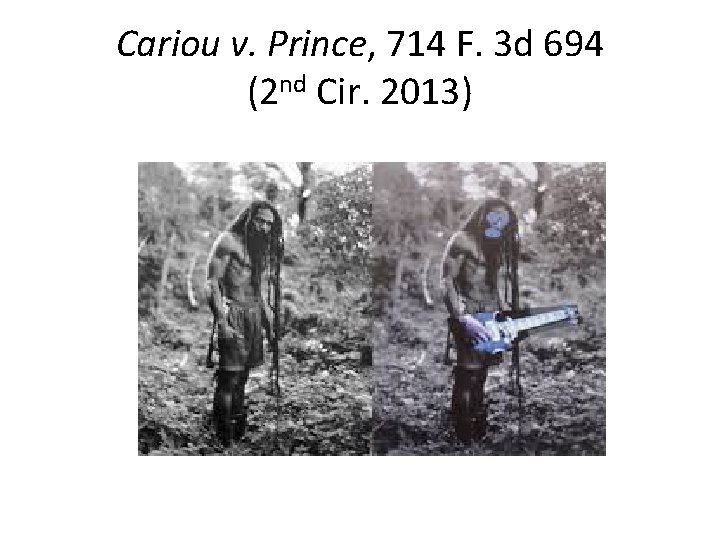
Cariou v. Prince, 714 F. 3 d 694 (2 nd Cir. 2013)
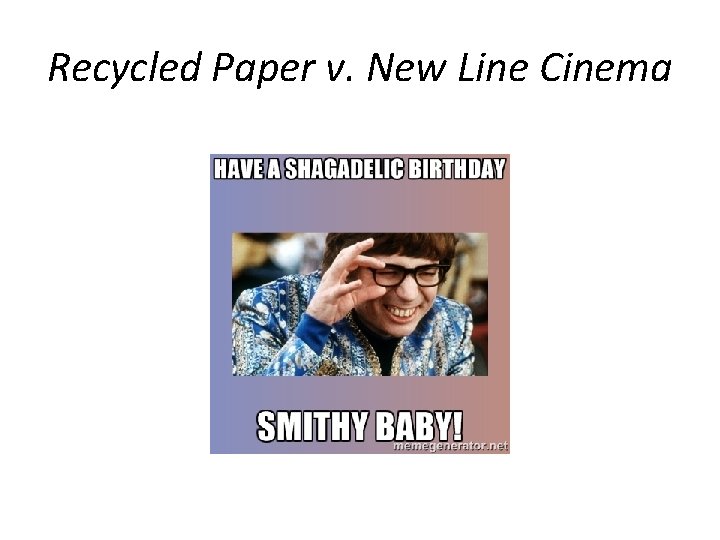
Recycled Paper v. New Line Cinema
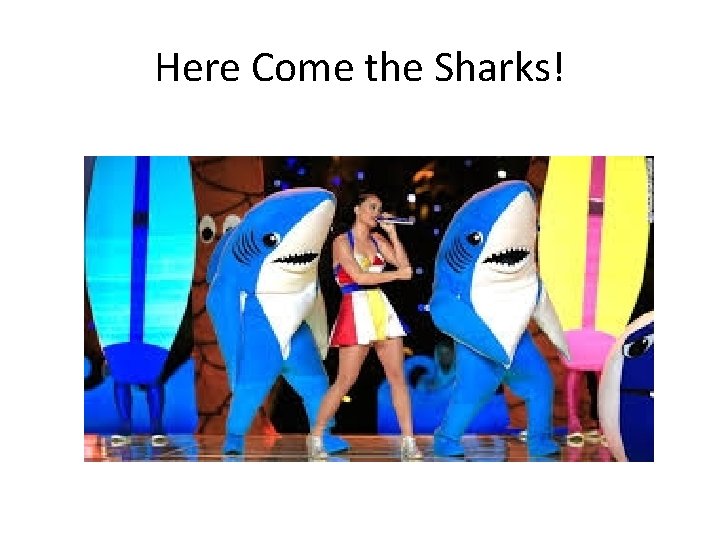
Here Come the Sharks!
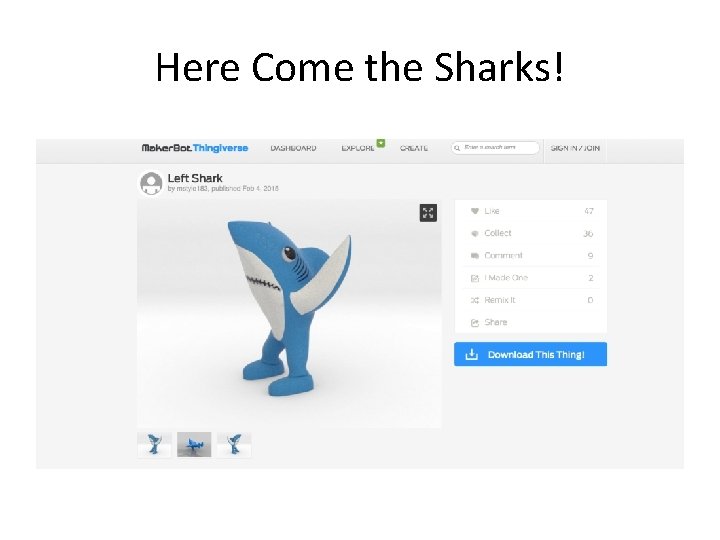
Here Come the Sharks!
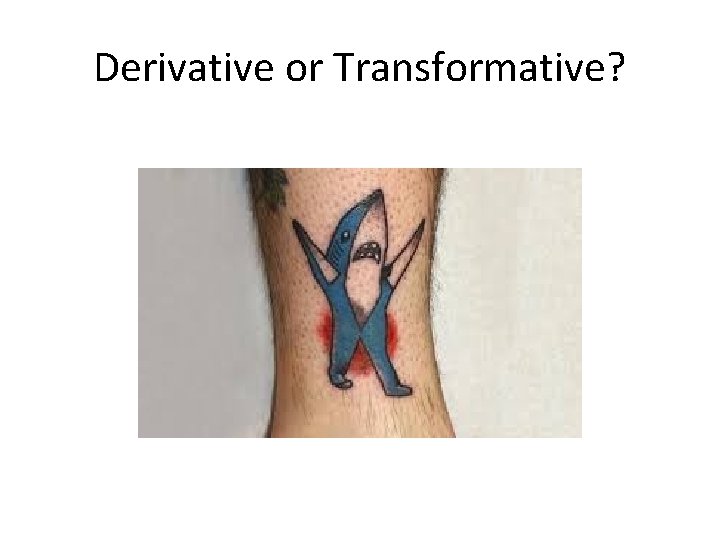
Derivative or Transformative?
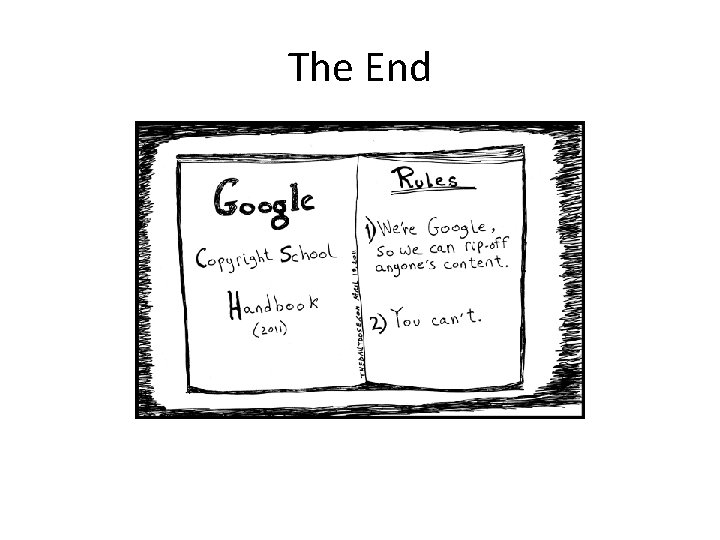
The End