CHAPTER 14 Risk Management and Worker Protection SECTION





- Slides: 32
CHAPTER 14 Risk Management and Worker Protection SECTION 5 Employee Relations Power. Point Presentation by Charlie Cook The University of West Alabama
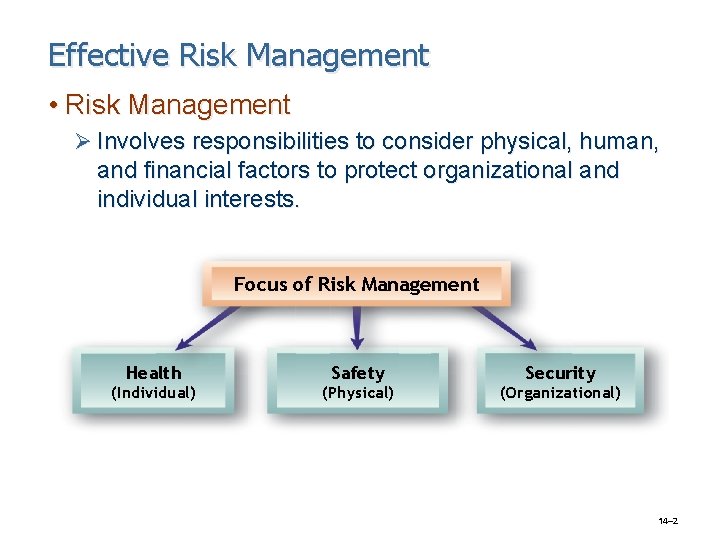
Effective Risk Management • Risk Management Ø Involves responsibilities to consider physical, human, and financial factors to protect organizational and individual interests. Focus of Risk Management Health Safety Security (Individual) (Physical) (Organizational) 14– 2
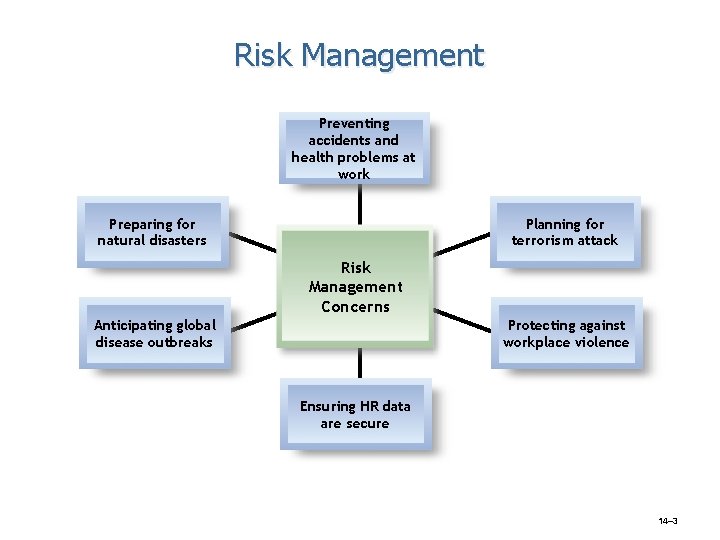
Risk Management Preventing accidents and health problems at work Preparing for natural disasters Planning for terrorism attack Risk Management Concerns Anticipating global disease outbreaks Protecting against workplace violence Ensuring HR data are secure 14– 3
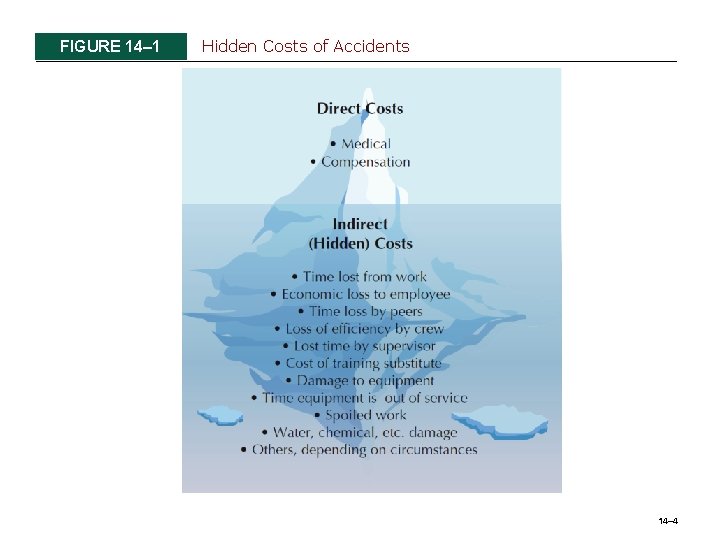
FIGURE 14– 1 Hidden Costs of Accidents 14– 4
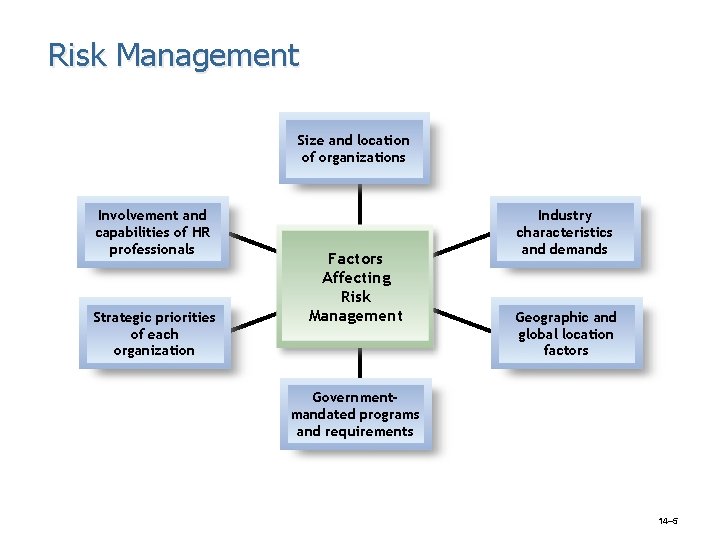
Risk Management Size and location of organizations Involvement and capabilities of HR professionals Strategic priorities of each organization Factors Affecting Risk Management Industry characteristics and demands Geographic and global location factors Governmentmandated programs and requirements 14– 5
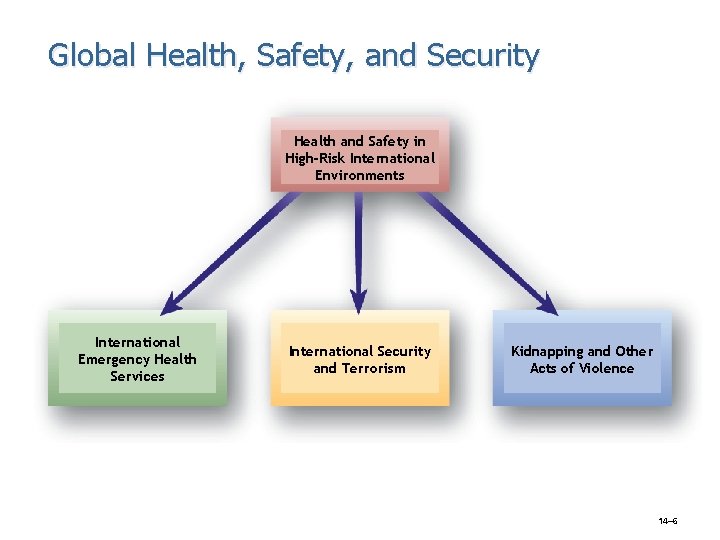
Global Health, Safety, and Security Health and Safety in High-Risk International Environments International Emergency Health Services International Security and Terrorism Kidnapping and Other Acts of Violence 14– 6
Legal Requirements for Safety and Health Major Legal Areas Workers’ Compensation Americans with Disabilities Act and Safety Issues Child Labor Laws 14– 7
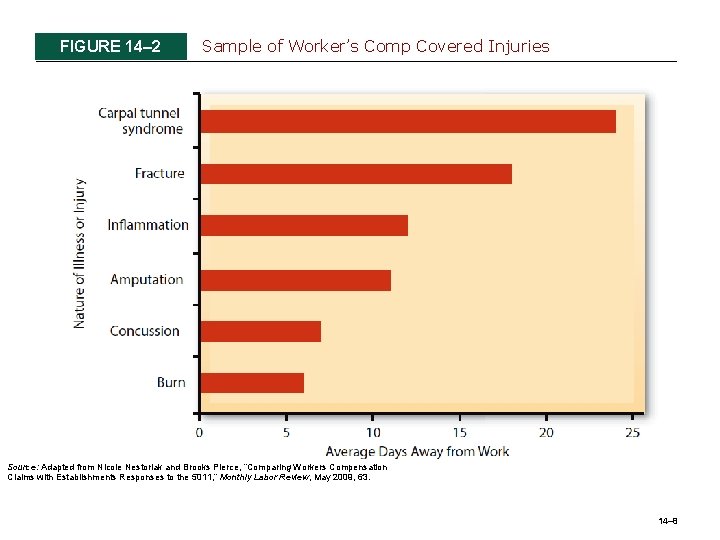
FIGURE 14– 2 Sample of Worker’s Comp Covered Injuries Source: Adapted from Nicole Nestoriak and Brooks Pierce, “Comparing Workers Compensation Claims with Establishments Responses to the 5011, ” Monthly Labor Review, May 2009, 63. 14– 8
FIGURE 14– 3 Selected Child Labor Hazardous Occupations (minimum age: 18 years) 14– 9
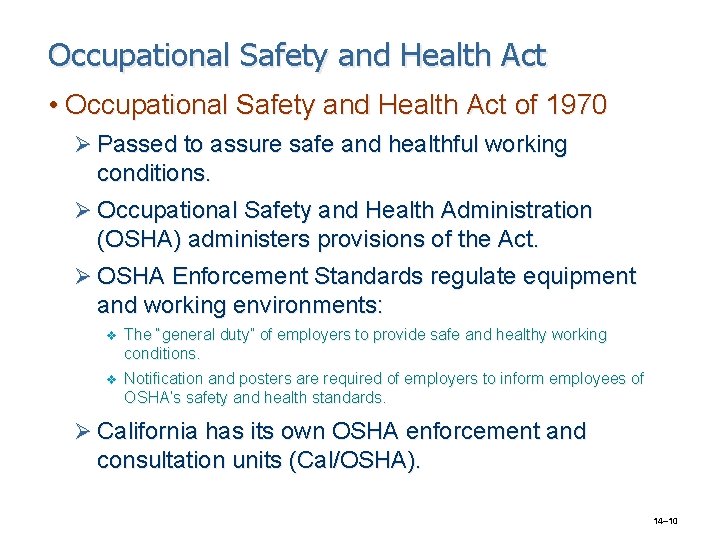
Occupational Safety and Health Act • Occupational Safety and Health Act of 1970 Ø Passed to assure safe and healthful working conditions. Ø Occupational Safety and Health Administration (OSHA) administers provisions of the Act. Ø OSHA Enforcement Standards regulate equipment and working environments: v The “general duty” of employers to provide safe and healthy working conditions. v Notification and posters are required of employers to inform employees of OSHA’s safety and health standards. Ø California has its own OSHA enforcement and consultation units (Cal/OSHA). 14– 10
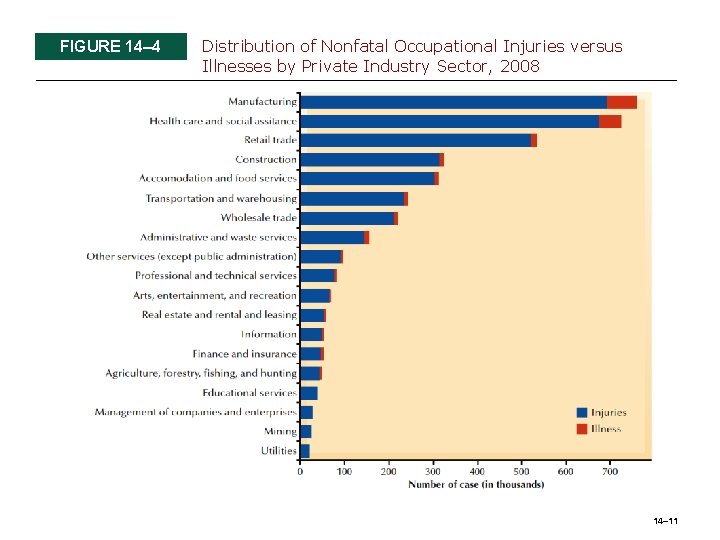
FIGURE 14– 4 Distribution of Nonfatal Occupational Injuries versus Illnesses by Private Industry Sector, 2008 14– 11
Occupational Safety and Health Act (cont’d) Hazard Communication Bloodborne Pathogens Personal Protective Equipment (PPE) OSHA Enforcement Standards Cumulative Stress Disorders Work Assignments 14– 12
Occupational Safety and Health Act (cont’d) Work Assignments and OSHA: Employer Obligations and Employee Rights Reproductive Health Refusing Unsafe Work • Maintain safe workplace by seeking safest working methods. • Comply with state and federal safety laws. • Inform employees of known risks. • Document employee acceptance of any risks. • The employee’s fear is objectively reasonable. • The employee has tried to have the dangerous condition corrected. • Using normal procedures to solve the problem has not worked. 14– 13
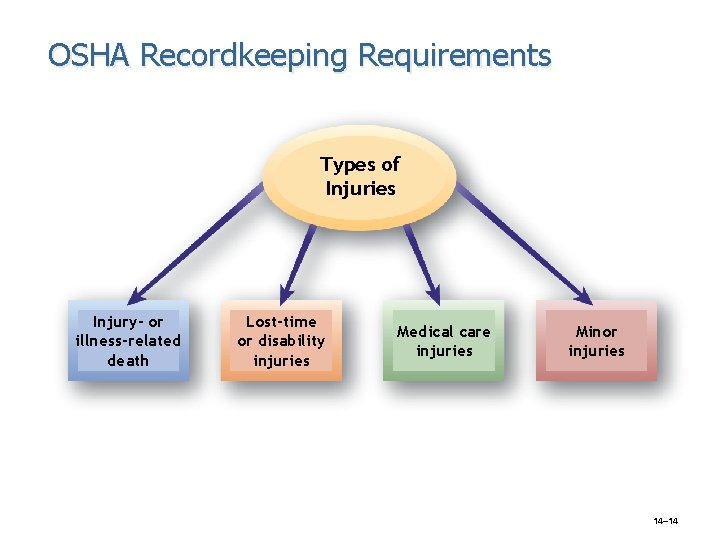
OSHA Recordkeeping Requirements Types of Injuries Injury- or illness-related death Lost-time or disability injuries Medical care injuries Minor injuries 14– 14
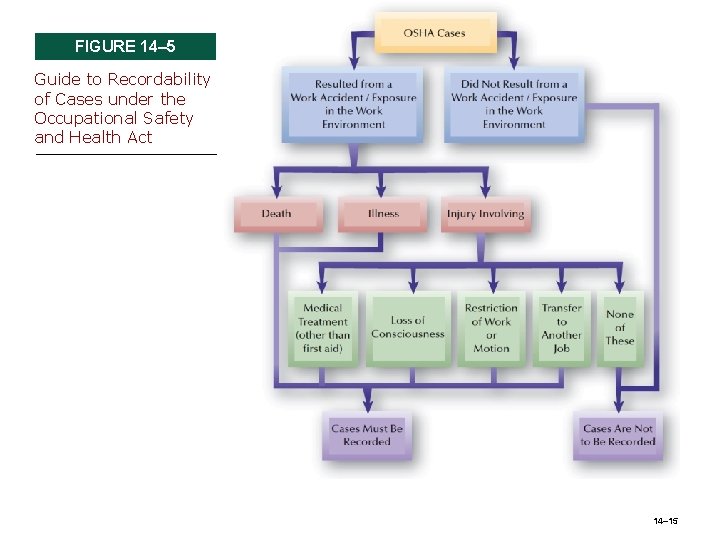
FIGURE 14– 5 Guide to Recordability of Cases under the Occupational Safety and Health Act 14– 15
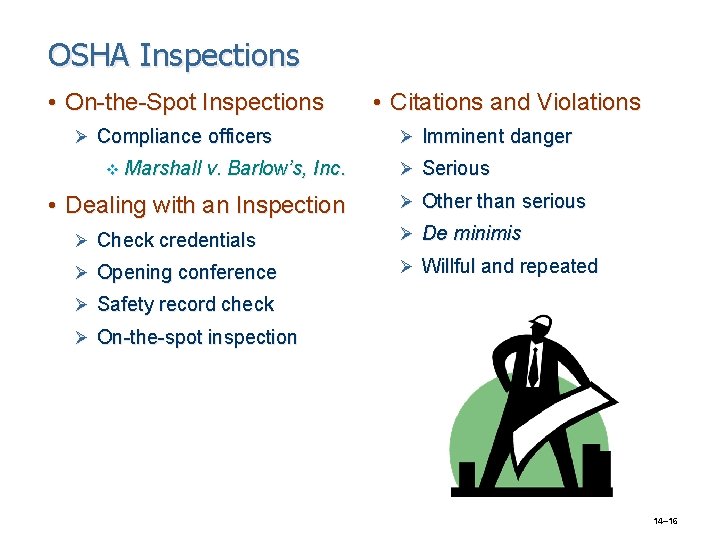
OSHA Inspections • On-the-Spot Inspections Ø Compliance officers v Marshall v. Barlow’s, Inc. • Dealing with an Inspection • Citations and Violations Ø Imminent danger Ø Serious Ø Other than serious Ø Check credentials Ø De minimis Ø Opening conference Ø Willful and repeated Ø Safety record check Ø On-the-spot inspection 14– 16
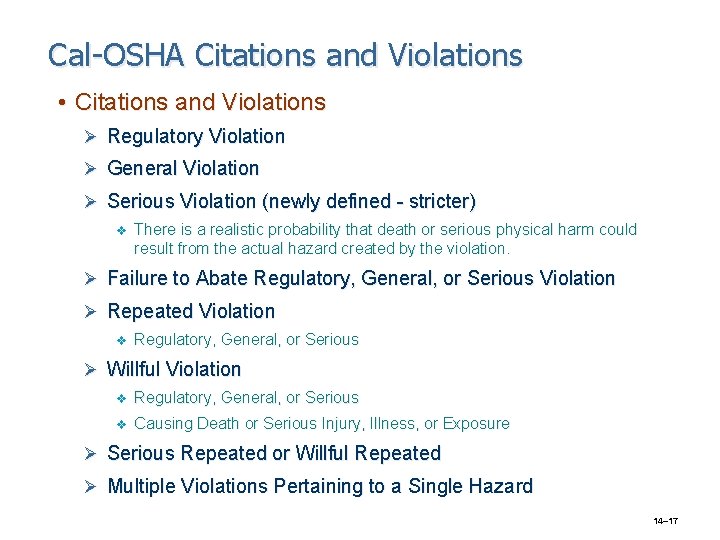
Cal-OSHA Citations and Violations • Citations and Violations Ø Regulatory Violation Ø General Violation Ø Serious Violation (newly defined - stricter) v There is a realistic probability that death or serious physical harm could result from the actual hazard created by the violation. Ø Failure to Abate Regulatory, General, or Serious Violation Ø Repeated Violation v Regulatory, General, or Serious Ø Willful Violation v Regulatory, General, or Serious v Causing Death or Serious Injury, Illness, or Exposure Ø Serious Repeated or Willful Repeated Ø Multiple Violations Pertaining to a Single Hazard 14– 17
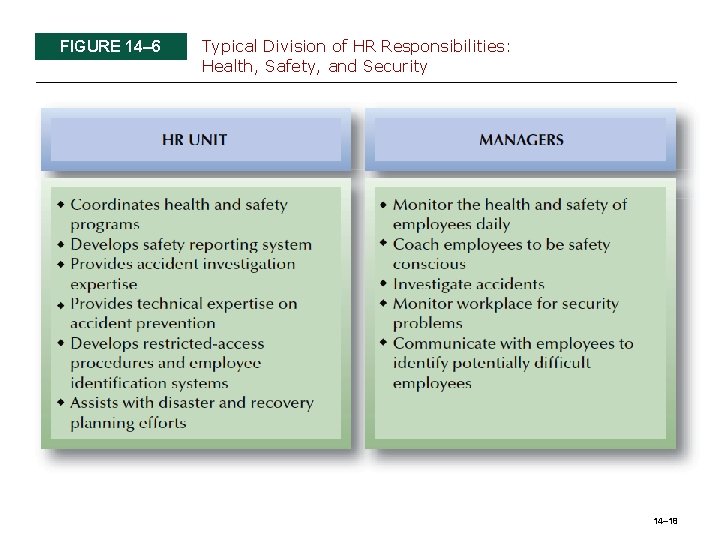
FIGURE 14– 6 Typical Division of HR Responsibilities: Health, Safety, and Security 14– 18
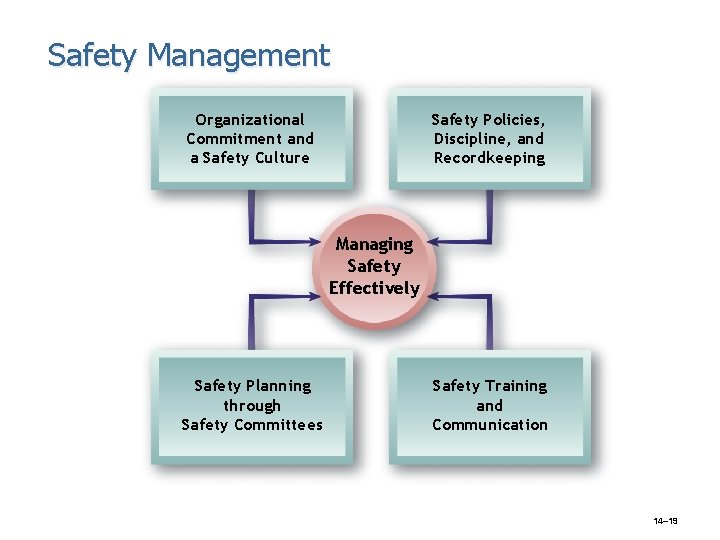
Safety Management Organizational Commitment and a Safety Culture Safety Policies, Discipline, and Recordkeeping Managing Safety Effectively Safety Planning through Safety Committees Safety Training and Communication 14– 19
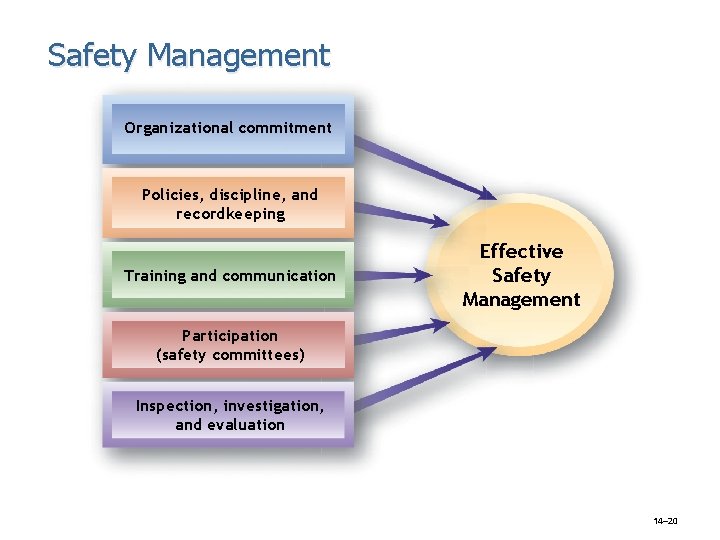
Safety Management Organizational commitment Policies, discipline, and recordkeeping Training and communication Effective Safety Management Participation (safety committees) Inspection, investigation, and evaluation 14– 20
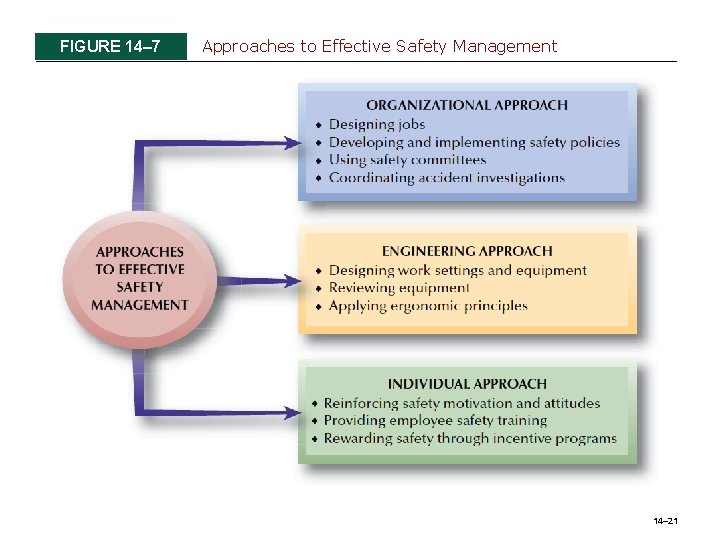
FIGURE 14– 7 Approaches to Effective Safety Management 14– 21
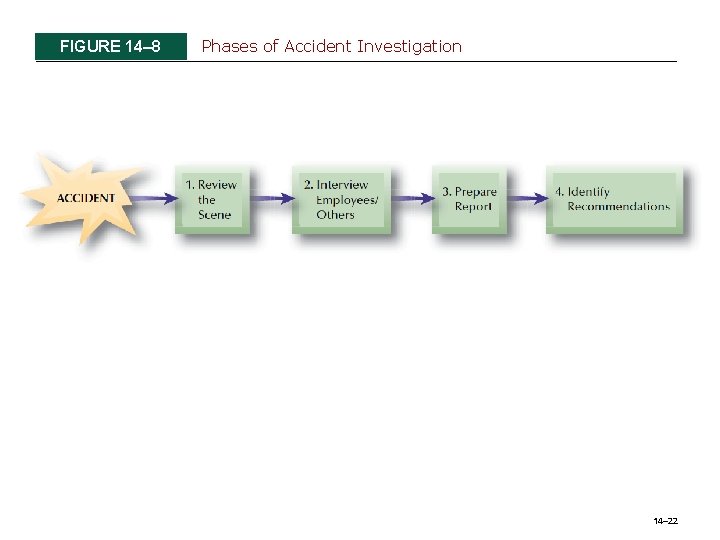
FIGURE 14– 8 Phases of Accident Investigation 14– 22
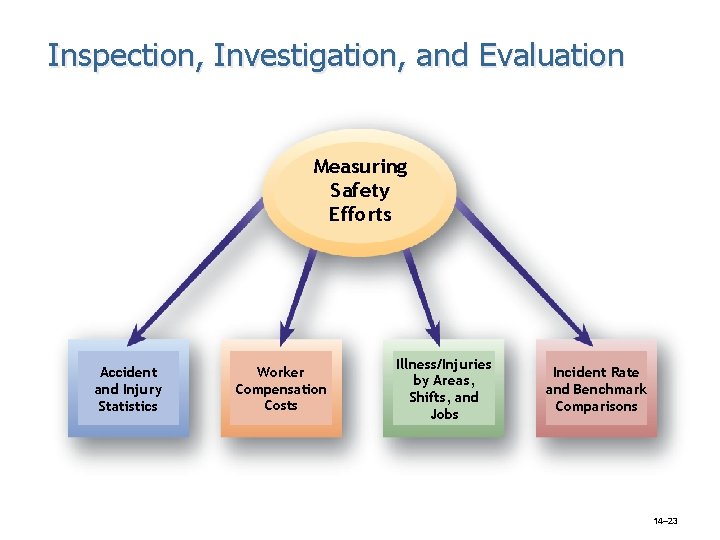
Inspection, Investigation, and Evaluation Measuring Safety Efforts Accident and Injury Statistics Worker Compensation Costs Illness/Injuries by Areas, Shifts, and Jobs Incident Rate and Benchmark Comparisons 14– 23
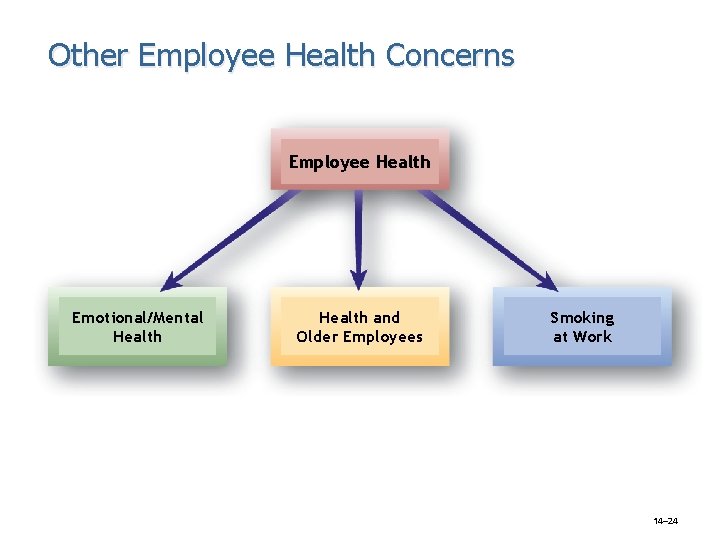
Other Employee Health Concerns Employee Health Emotional/Mental Health and Older Employees Smoking at Work 14– 24
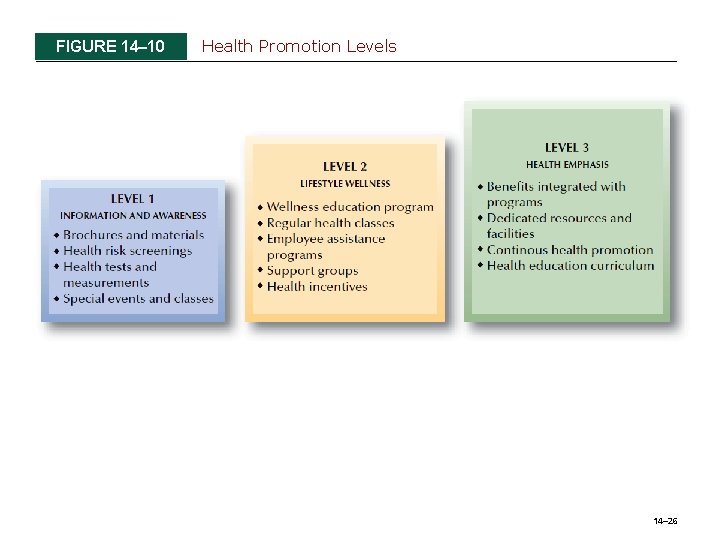
Health Promotion • Health Promotion Ø A supportive approach of facilitating and encouraging healthy actions and lifestyles among employees. • Wellness Programs Ø Programs designed to maintain or improve employee health before problems arise. • Employee Assistance Program (EAP) Ø A program that provides counseling and other help to employees having emotional, physical, or other personal problems. 14– 25
FIGURE 14– 10 Health Promotion Levels 14– 26
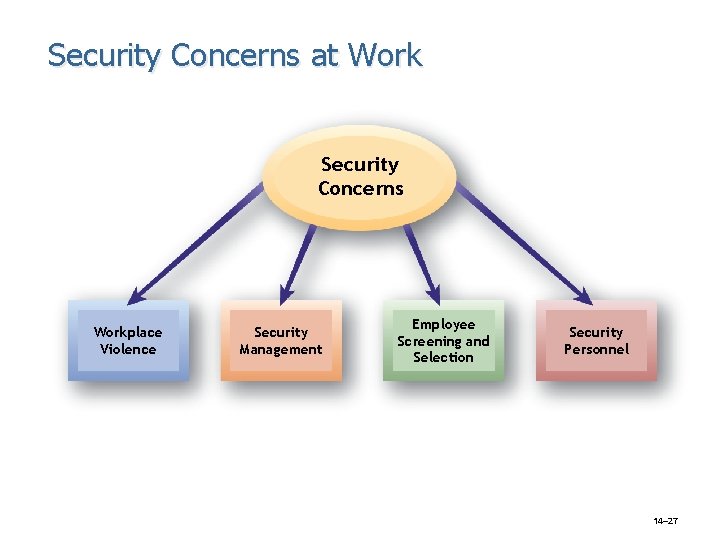
Security Concerns at Work Security Concerns Workplace Violence Security Management Employee Screening and Selection Security Personnel 14– 27
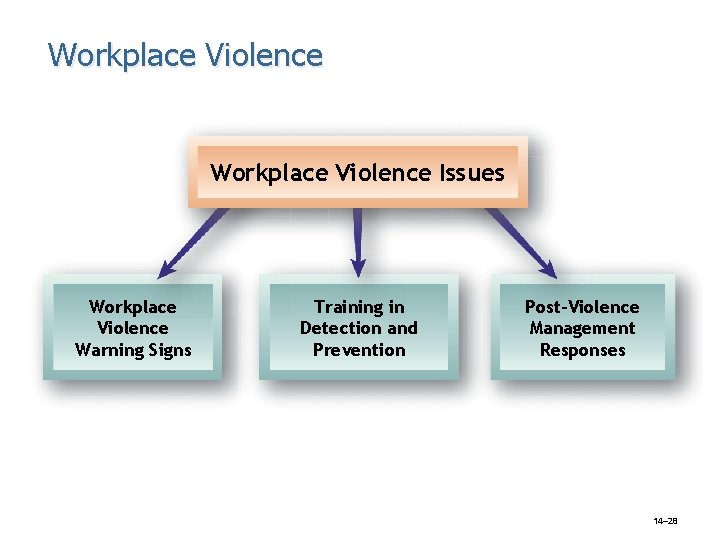
Workplace Violence Issues Workplace Violence Warning Signs Training in Detection and Prevention Post-Violence Management Responses 14– 28
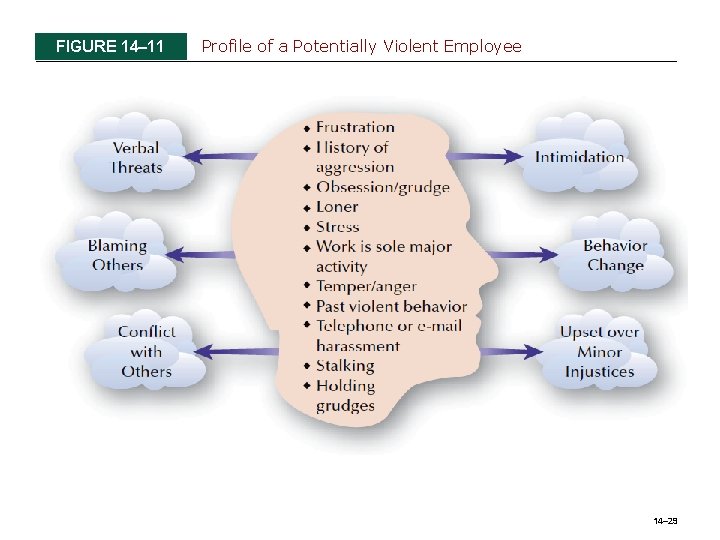
FIGURE 14– 11 Profile of a Potentially Violent Employee 14– 29
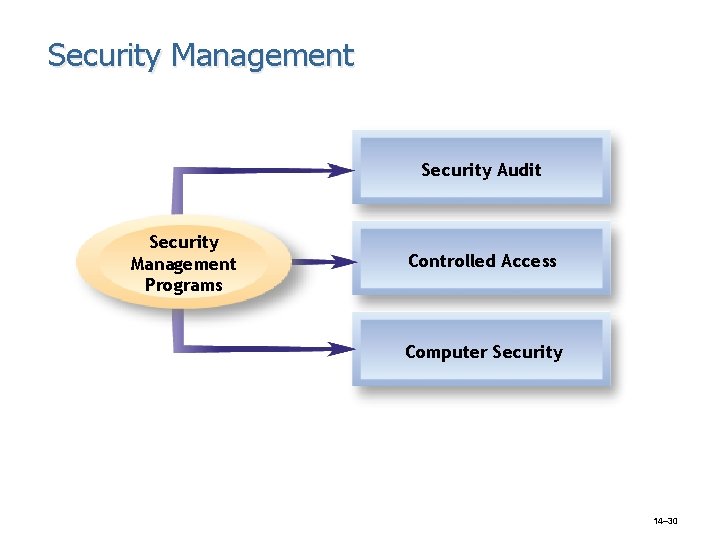
Security Management Security Audit Security Management Programs Controlled Access Computer Security 14– 30
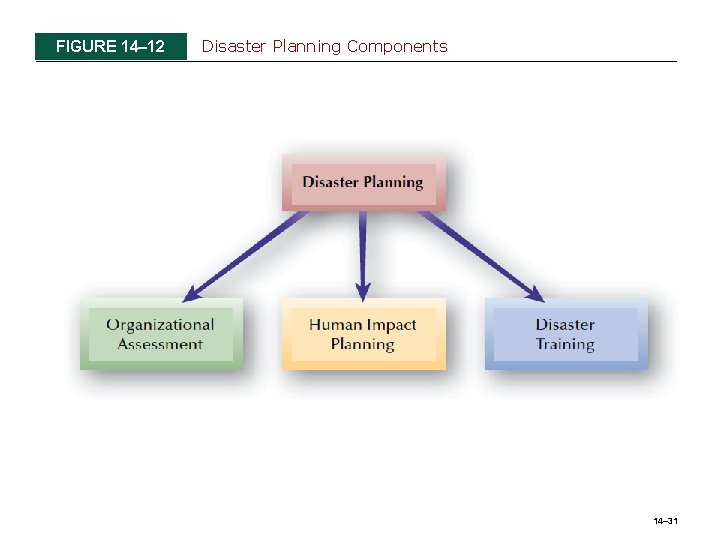
FIGURE 14– 12 Disaster Planning Components 14– 31
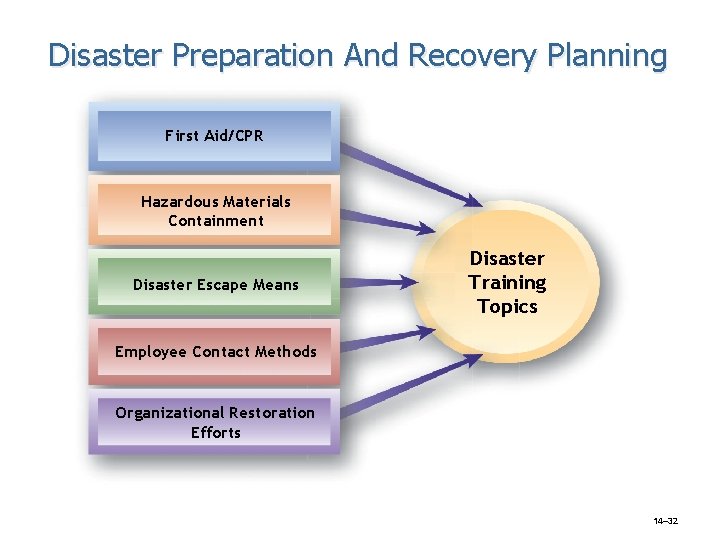
Disaster Preparation And Recovery Planning First Aid/CPR Hazardous Materials Containment Disaster Escape Means Disaster Training Topics Employee Contact Methods Organizational Restoration Efforts 14– 32