CH 7 South America Geography and History 1
- Slides: 27
CH. 7 South America Geography and History
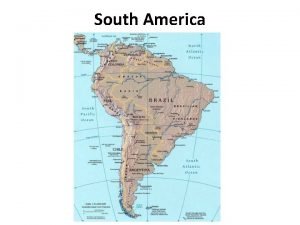
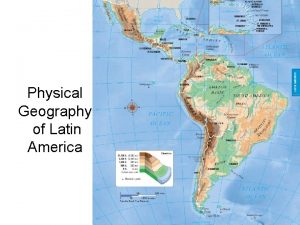
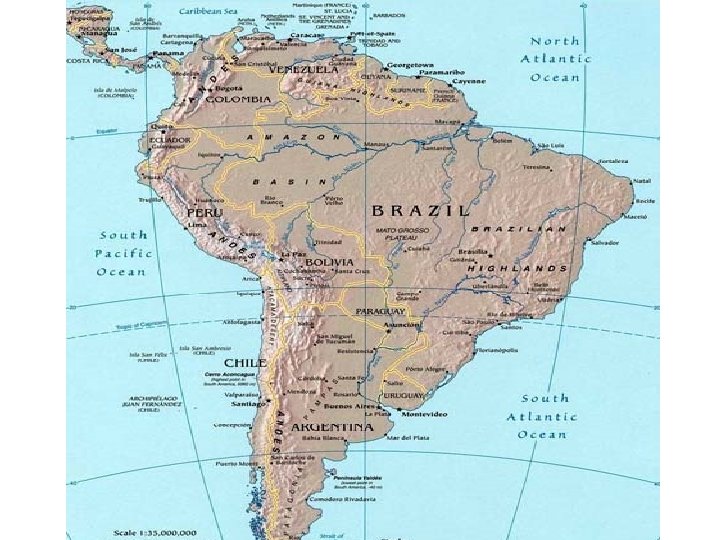
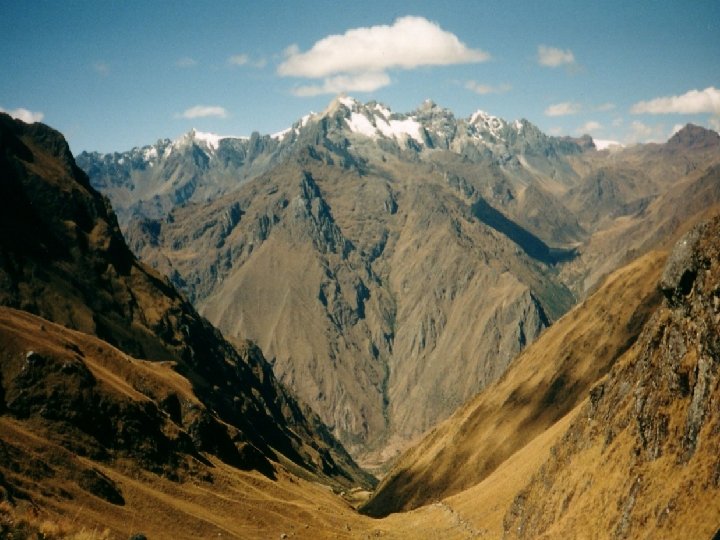
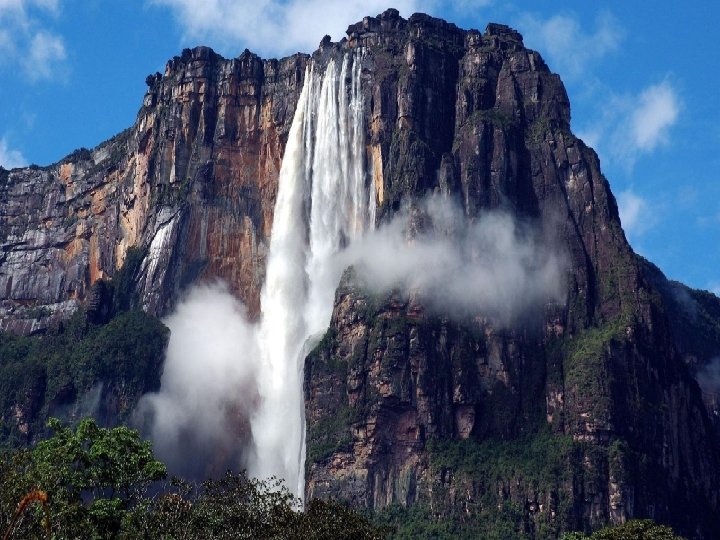
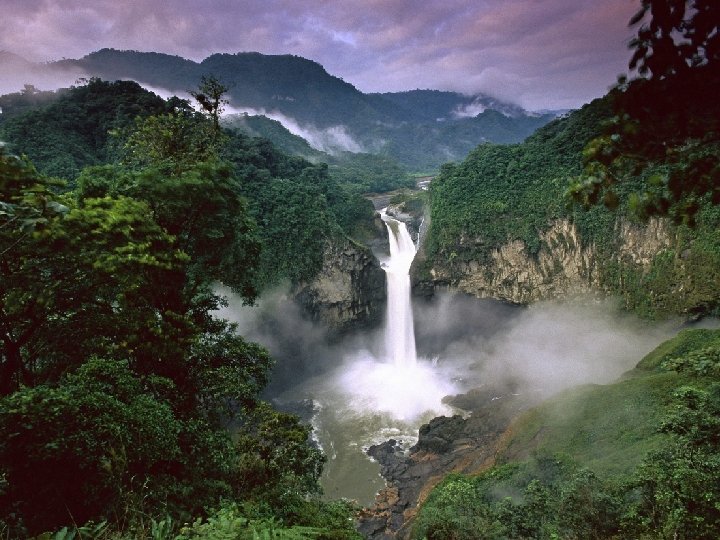
1. 1 Physical Geography • Mountains – Andes run 5, 500 miles along the western side of South America – Guiana Highlands are located in the northern part of South America ( Venezuela, Guyana, and Suriname) Angel Falls is located within these highlands – Brazilian Highlands are located in eastern South America
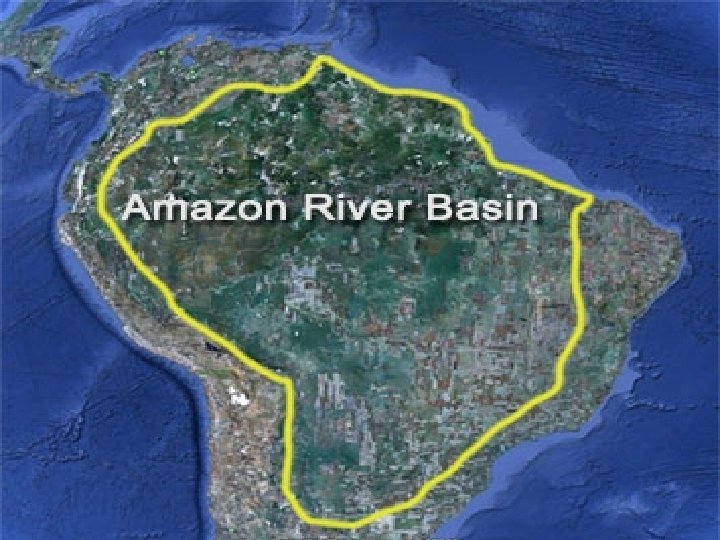
Amazon River Basin • Largest basin in the world – 2, 700. 000 sq. miles • Located in the north central part of South America • Climate is hot and wet( equatorial)
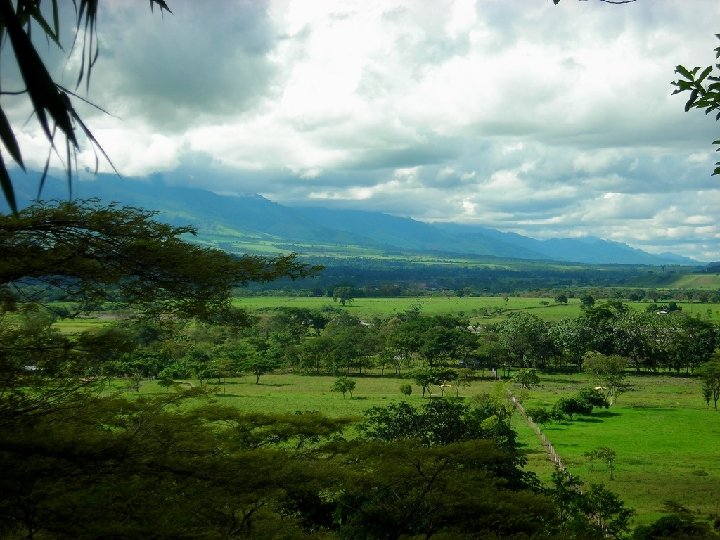
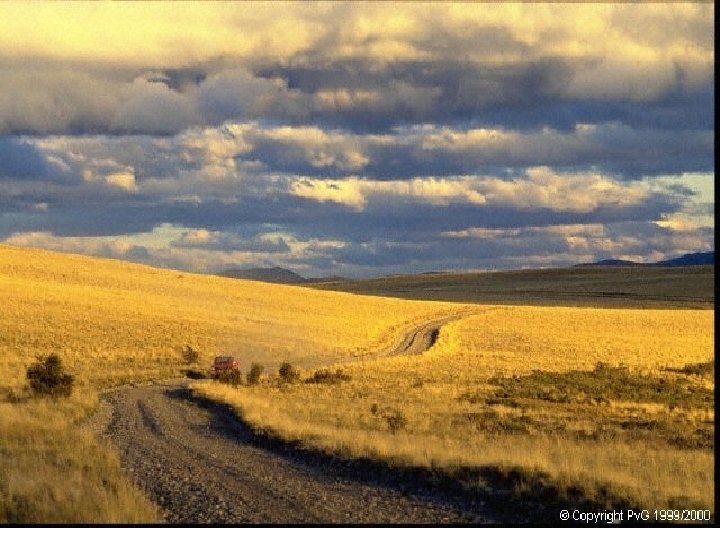
Northern Grasslands and Southern Plains • Llanos – Wide open areas used for grazing and crop production – Warm climate with adequate rainfall • Pampas – Rich soil and grassy plains used for grazing and crop production – Mild climate with adequate rainfall
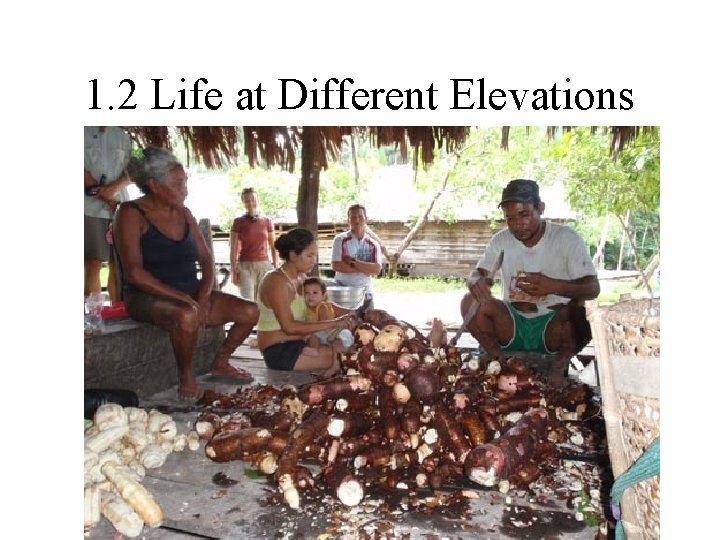
1. 2 Life at Different Elevations
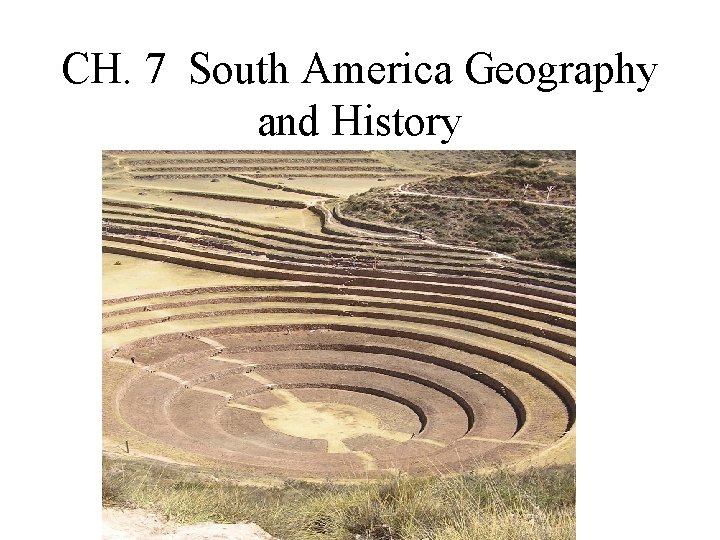
1. 2 Life at Different Elevations • Tierra Caliente – 0 to 2500 ft. – Lowest elevation includes the Amazon Basin – Hot and humid – Adequate to heavy rainfall – Crops: bananas, peppers, sugarcane, and cacao
1. 2 Life at different Elevations • Tierra Templada – 2, 500 -6, 000 ft. – Includes the Llanos, Pampas, and Coastal plains – Moderate in both temperature and rainfall – Crops: beans, corn, wheat, coffee, and vegetables – Cattle ranching very important
1. 2 Life at Different Elevations • Tierra Fria – 6, 000 - 12, 000 ft. – Cool to cold – Some rainfall – Crops: wheat , barley, and potatoes
1. 2 Life at Different Elevations • Tierra Halada – 12, 000 – 15, 000 ft. – Cold to very cold – Little rainfall – No substantial crops
Using the Land • Andes mostly subsistence farming and herding • Plains produce cattle and large scale farms • Amazon basin produces hot weather crops
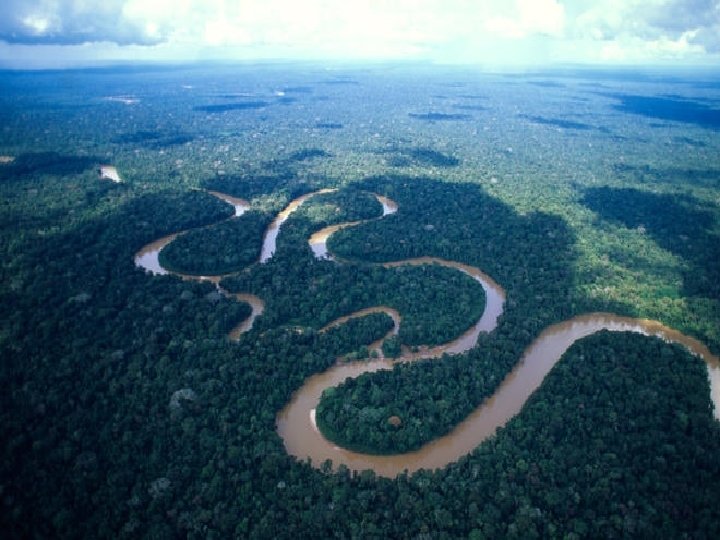
1. 3 The Amazon River • 4, 000 miles long making it the second longest river in the world • Has the largest volume of water of any river in the world • Has more than 1000 tributaries • Supports a vast amount of plant, insect and animal life • Floods bring rich nutrients to the rainforest floor
1. 3 Amazon River • Today's growing population threatens the rainforest – Mining – Deforestation – logging – Farming – Land development
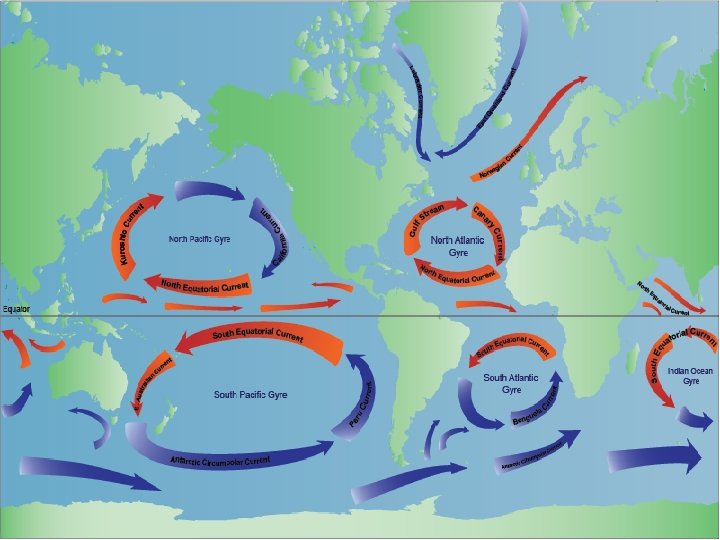
1. 4 Cold and Warm Currents • Western South America – Generally cool and dry because of cold water currents and cold winds from the South Pole – Peru current brings cold waters from depths of the Pacific Ocean • Brings nutrients from the depths • Fish thrive off the coasts of Chile, Peru and Ecuador
1. 4 Cold and Warm Currents • Eastern South America – Brazil current brings warm water from the Atlantic Ocean – Area also receives warm and humid winds – Andes block warm moist air from reaching the western side- rain shadow effect
1. 4 Cold and Warm Currents • Reversal of winds and ocean currents • Brings warm winds and ocean currents to the western side of South America, causing heavy rainfall and unusual weather patterns
1. 5 Rainforest and Climate Change • Rainforest produce moisture and clouds through the process of transpiration. • This moisture spurs growth in the rainforest and surrounding areas • The rainforest also absorbs greenhouse gases and helps clean the air and prevent heat from being trapped
1. 5 Changes in the Rainforest • Amazon rainforest has lost 20% in the last 40 years • Threatens biodiversity in the Amazon • Fewer trees to absorb greenhouse gases and to produce moisture and cloud cover
1. 5 Global Climate Change • Global warming – 1. 4 degrees warmer since 1900, caused by heavy releases of carbon dioxide • Answers – Protect the Amazon and other rainforest – Limit the use of fossil fuels – Pollution control