Cell Organelles and Structures Notes What is a







- Slides: 24
Cell Organelles and Structures Notes
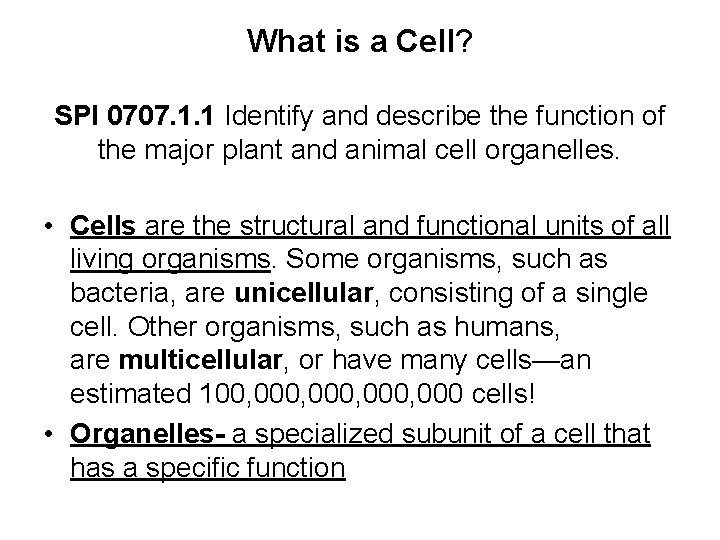
What is a Cell? SPI 0707. 1. 1 Identify and describe the function of the major plant and animal cell organelles. • Cells are the structural and functional units of all living organisms. Some organisms, such as bacteria, are unicellular, consisting of a single cell. Other organisms, such as humans, are multicellular, or have many cells—an estimated 100, 000, 000 cells! • Organelles- a specialized subunit of a cell that has a specific function
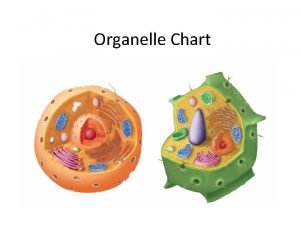
Taking a look at plant and animal cells
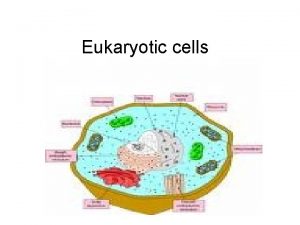
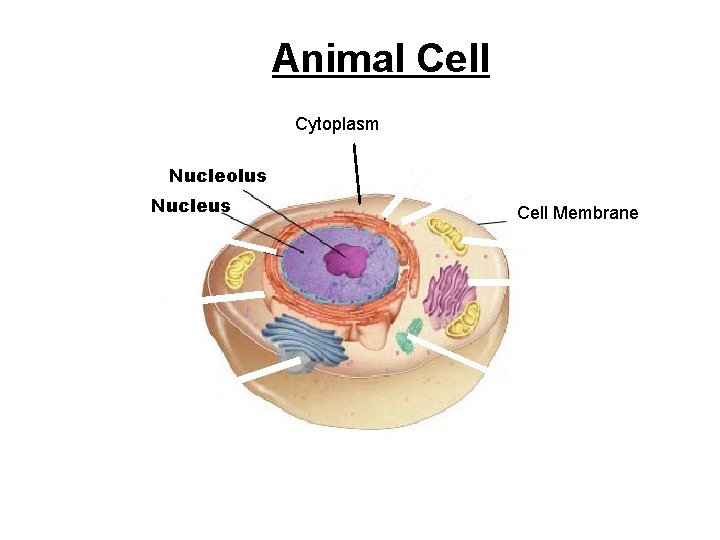
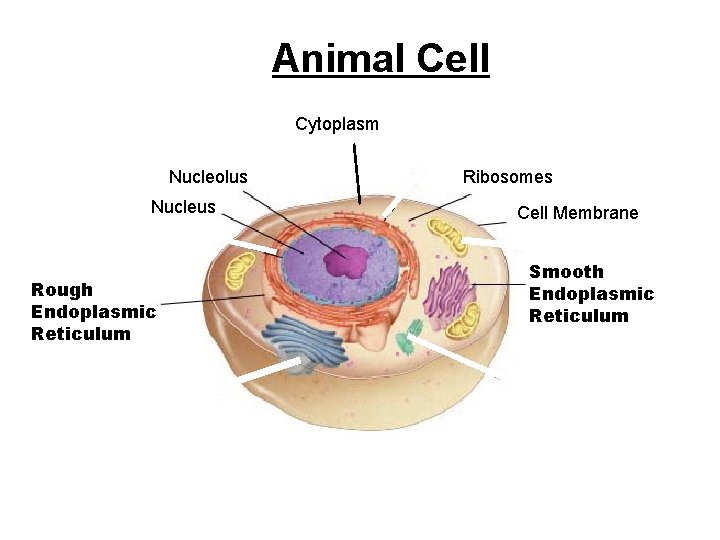
Figure 7 -5 Plant and Animal Cells Animal Cell Section 7 -2 Cytoplasm Nucleolus Nucleus Go to Section: Cell Membrane
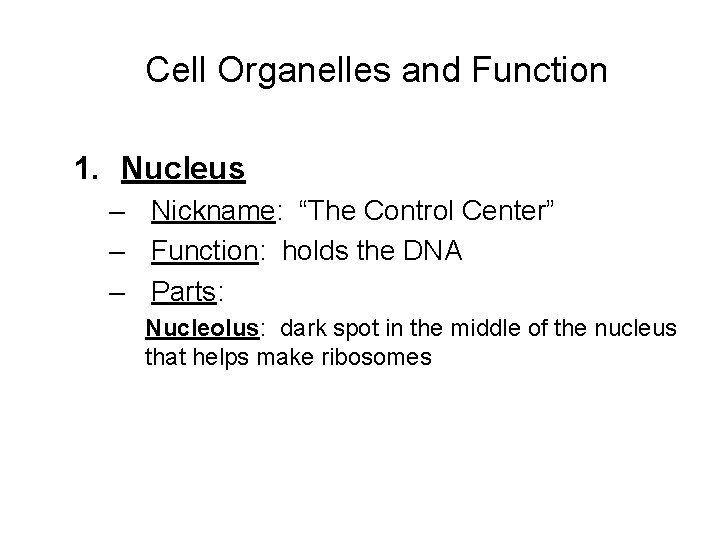
Cell Organelles and Function 1. Nucleus – Nickname: “The Control Center” – Function: holds the DNA – Parts: Nucleolus: dark spot in the middle of the nucleus that helps make ribosomes
Cell Organelles and Structures • • • 2. Cytoplasm Nickname: Jell -O like “filler. Function: Where the organelles float around.
Figure 7 -5 Plant and Animal Cells Animal Cell Section 7 -2 Cytoplasm Nucleolus Nucleus Go to Section: Ribosomes Cell Membrane
Eukaryotic Cell Organelles and Function 3. Ribosomes – Function: makes proteins – Found in all cells, prokaryotic and eukaryotic
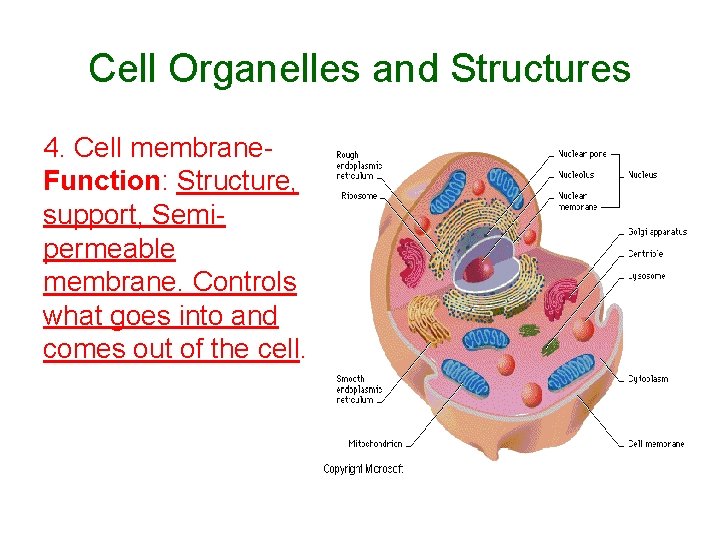
Cell Organelles and Structures 4. Cell membrane- Function: Structure, support, Semipermeable membrane. Controls what goes into and comes out of the cell.
Figure 7 -5 Plant and Animal Cells Animal Cell Section 7 -2 Cytoplasm Nucleolus Nucleus Rough Endoplasmic Reticulum Go to Section: Ribosomes Cell Membrane Smooth Endoplasmic Reticulum
Eukaryotic Cell Organelles and Function 5. Endoplasmic Reticulum (ER) – Nickname: “Roads” – Function: The internal delivery system of the cell n 2 Types: 1. Rough ER: n Description: Rough appearance because it has ribosomes n Function: helps make proteins, that’s why it has ribosomes 2. Smooth ER: n Description: NO ribosomes n Function: makes fats or lipids
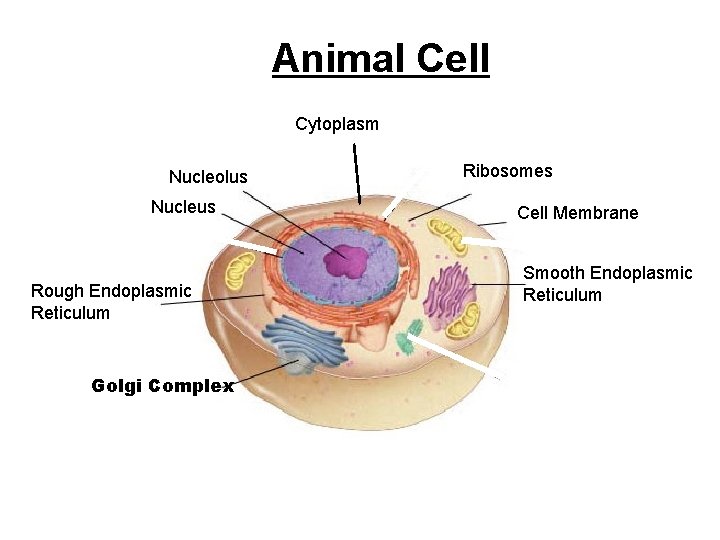
Figure 7 -5 Plant and Animal Cells Animal Cell Section 7 -2 Cytoplasm Nucleolus Nucleus Rough Endoplasmic Reticulum Golgi Complex Go to Section: Ribosomes Cell Membrane Smooth Endoplasmic Reticulum
Eukaryotic Cell Organelles and Function 6. Golgi Complex, Golgi Bodies, Golgi Apparatus – Nickname: The shippers – Function: packages, modifies, and transports materials to different location inside/outside of the cell – Appearance: stack of pancakes
Cell Organelles and Structures • 7. Lysosomes- Nickname-“clean-up crews” of the cell. • Function- Contain digestive chemicals that help break down food molecules, cell wastes, and worn out cell parts (cells also).
Figure 7 -5 Plant and Animal Cells Animal Cell Section 7 -2 Cytoplasm Nucleolus Nucleus Ribosomes Cell Membrane Mitochondria Rough Endoplasmic Reticulum Golgi Bodies Smooth Endoplasmic Reticulum
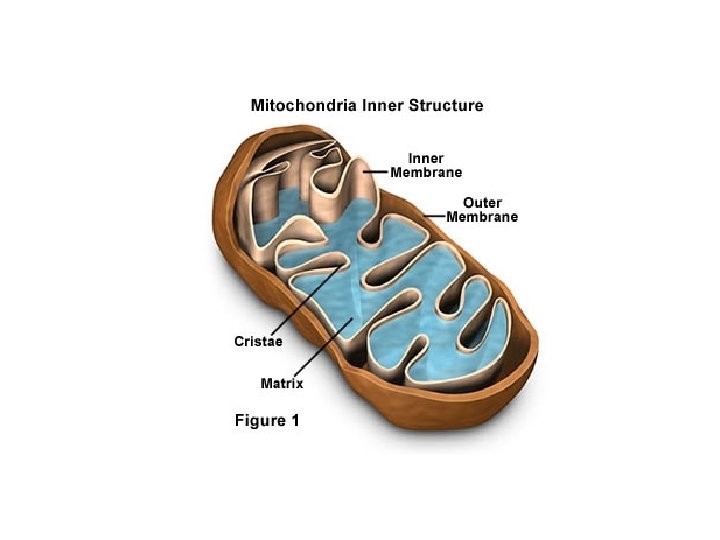
Eukaryotic Cell Organelles and Function 8. Mitochondria – Nickname: “The Powerhouse” – Function: Energy formation • Breaks down food to make ATP – ATP: is the major fuel for all cell activities that require energy
• Now let’s talk about structures only found in PLANT Cells!!
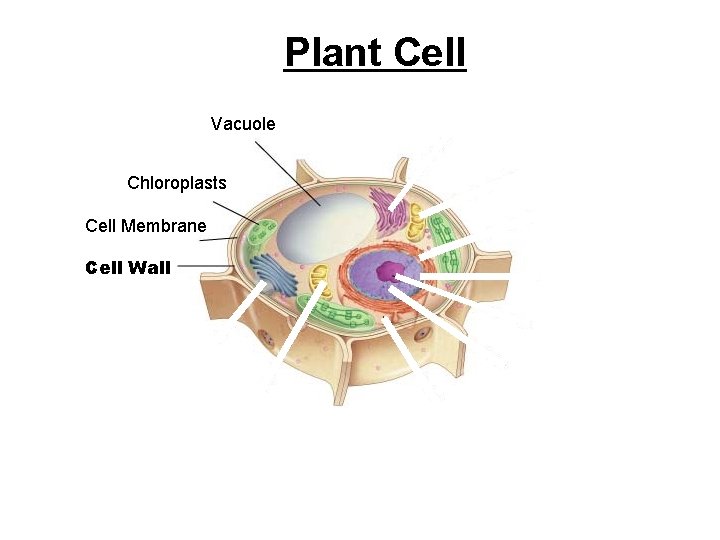
Cell Organelles and Structures 9. Cell Wall Function: Structure, support, in Plant Cells only, Very rigid
Figure 7 -5 Plant and Animal Cells Plant Cell Section 7 -2 Vacuole Chloroplasts Cell Membrane Cell Wall Go to Section:
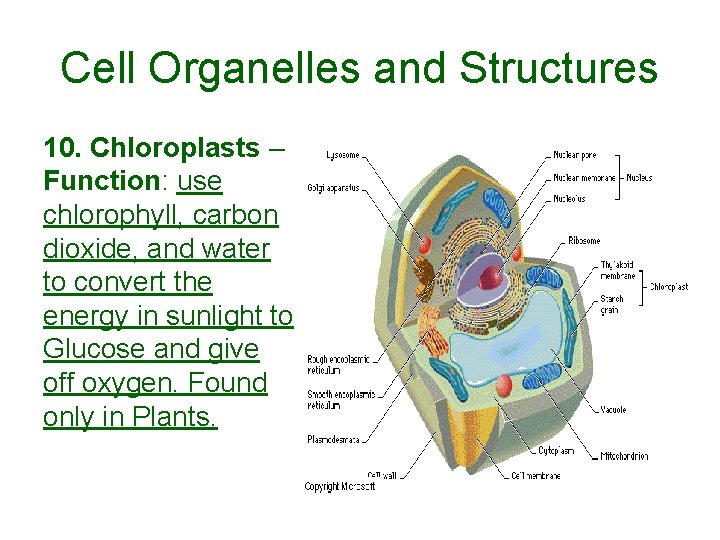
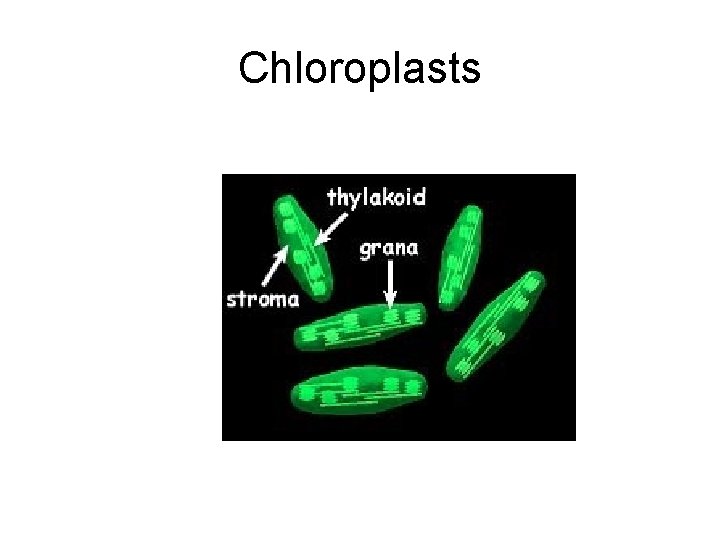
Cell Organelles and Structures 10. Chloroplasts – Function: use chlorophyll, carbon dioxide, and water to convert the energy in sunlight to Glucose and give off oxygen. Found only in Plants.
Chloroplasts
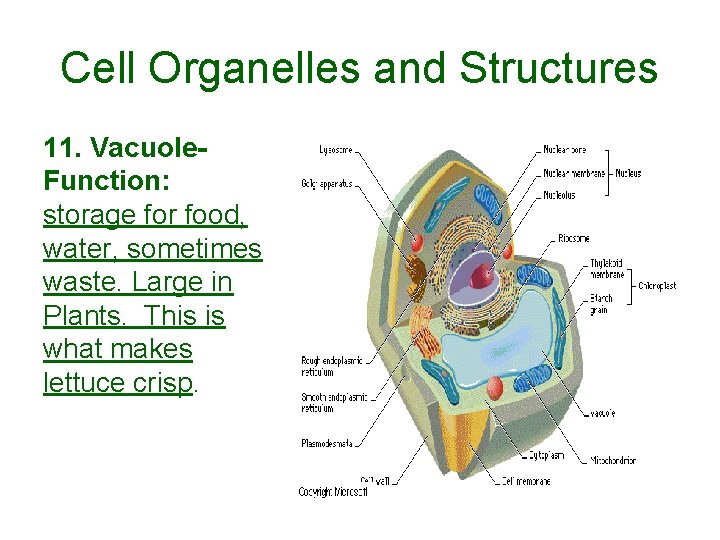
Cell Organelles and Structures 11. Vacuole. Function: storage for food, water, sometimes waste. Large in Plants. This is what makes lettuce crisp.
PLANT CELL ANIMAL CELL Directions: Fill in the VENN Diagram to compare PLANT CELLS to ANIMAL CELLS. Use the words in the word box. Cell Wall, Cell Membrane, Ribosomes, Golgi Bodies, Cytoplasm, Chloroplasts, Mitochondria, Vacuole, Endoplasmic Reticulum, Lysosomes, Nucleus