A World Without Laws Stephen Mumford University of








- Slides: 47
A World Without Laws Stephen Mumford University of Nottingham, UK, China and Malaysia
Birmingham – Bristol – Nottingham
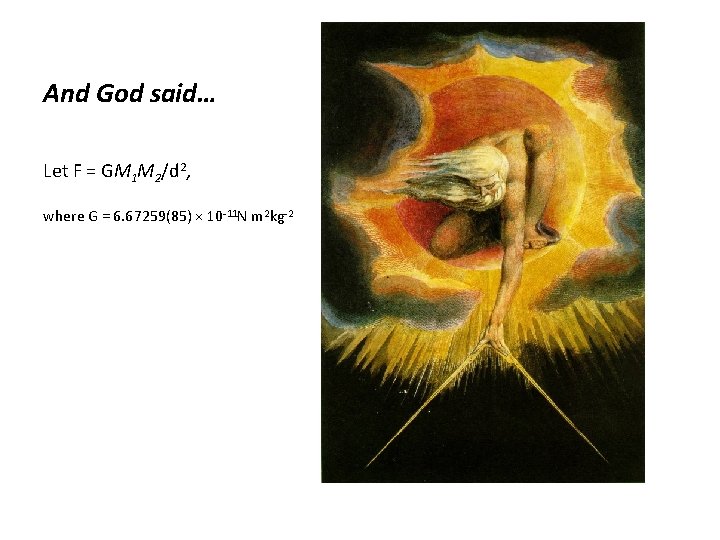
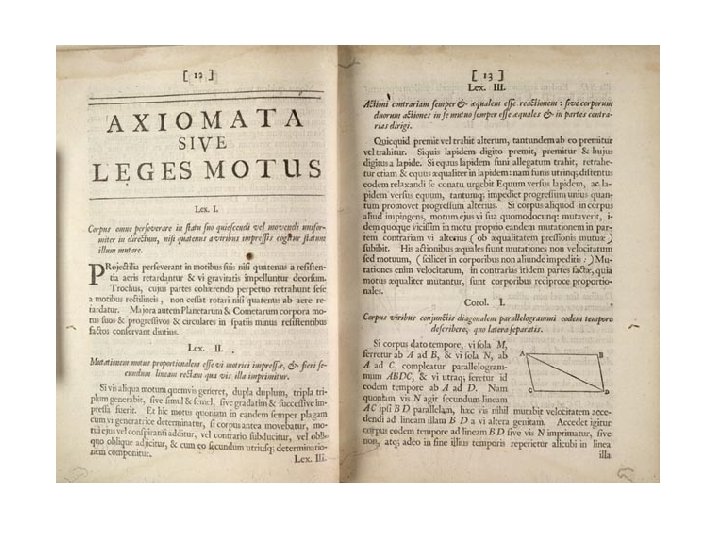
And God said… Let F = GM 1 M 2/d 2, where G = 6. 67259(85) × 10 -11 N m 2 kg-2
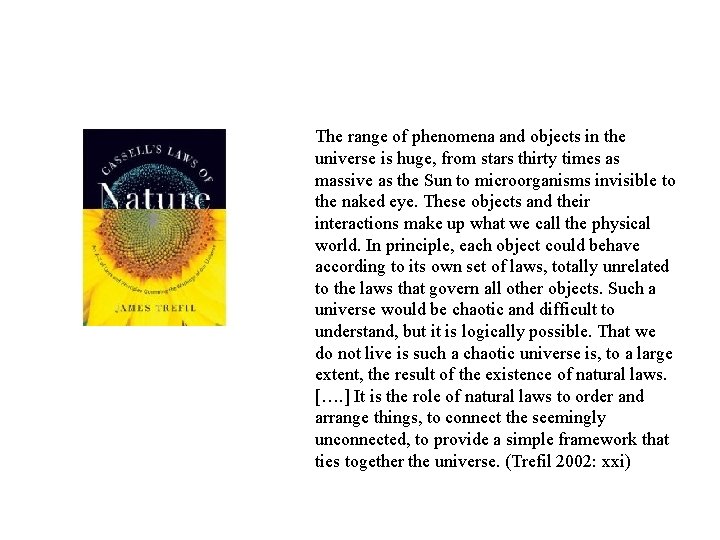
The range of phenomena and objects in the universe is huge, from stars thirty times as massive as the Sun to microorganisms invisible to the naked eye. These objects and their interactions make up what we call the physical world. In principle, each object could behave according to its own set of laws, totally unrelated to the laws that govern all other objects. Such a universe would be chaotic and difficult to understand, but it is logically possible. That we do not live is such a chaotic universe is, to a large extent, the result of the existence of natural laws. […. ] It is the role of natural laws to order and arrange things, to connect the seemingly unconnected, to provide a simple framework that ties together the universe. (Trefil 2002: xxi)
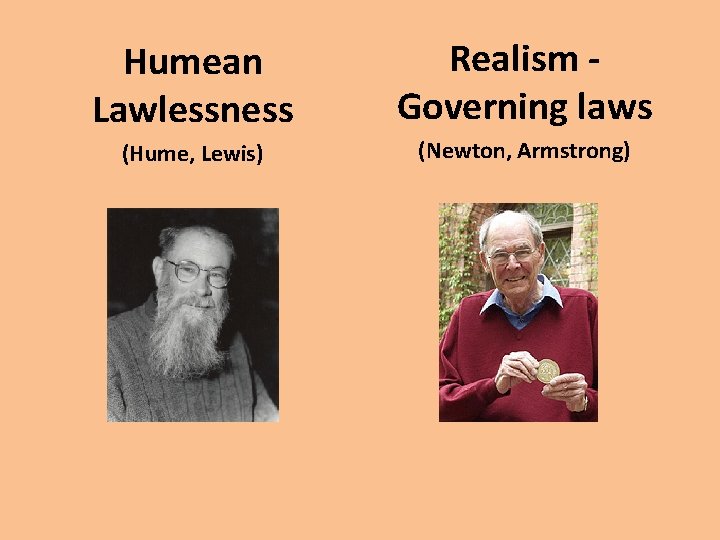
Humean Lawlessness Realism Governing laws (Hume, Lewis) (Newton, Armstrong)
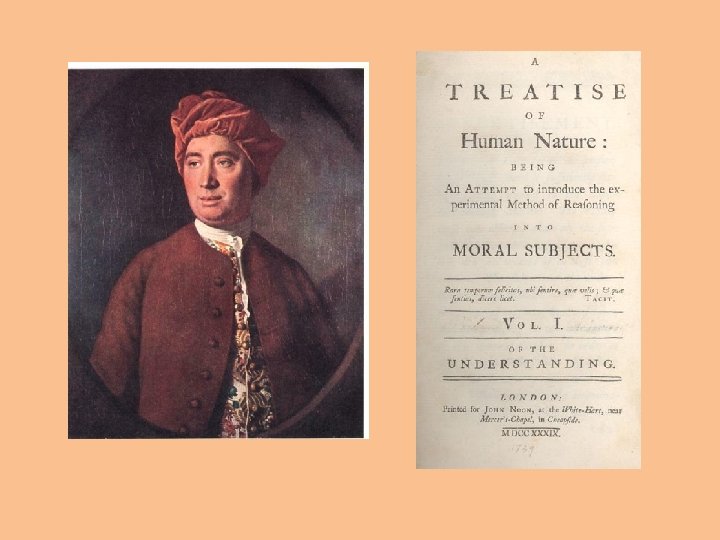
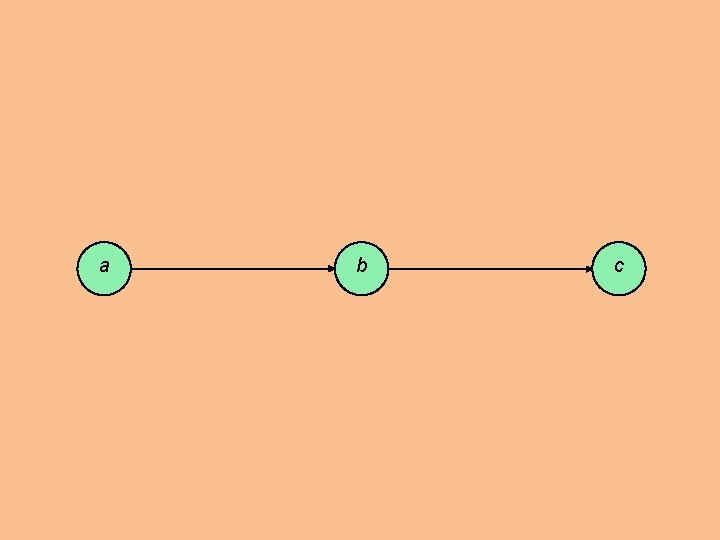
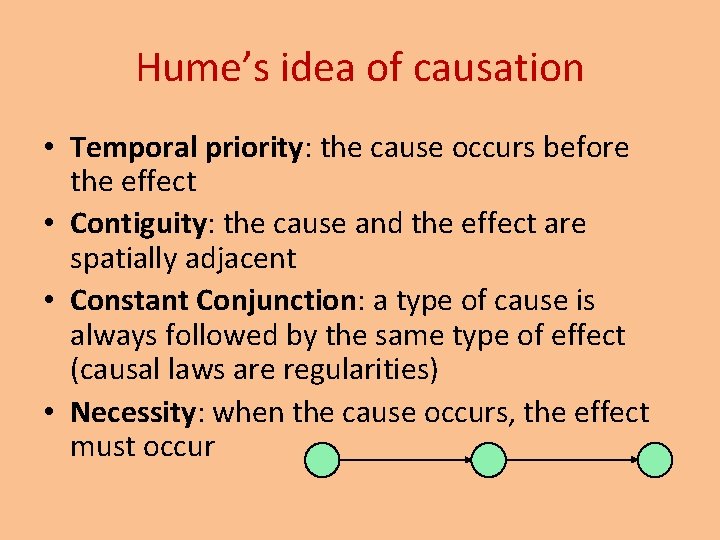
Hume’s idea of causation • Temporal priority: the cause occurs before the effect • Contiguity: the cause and the effect are spatially adjacent • Constant Conjunction: a type of cause is always followed by the same type of effect (causal laws are regularities) • Necessity: when the cause occurs, the effect must occur
a b c
a b c
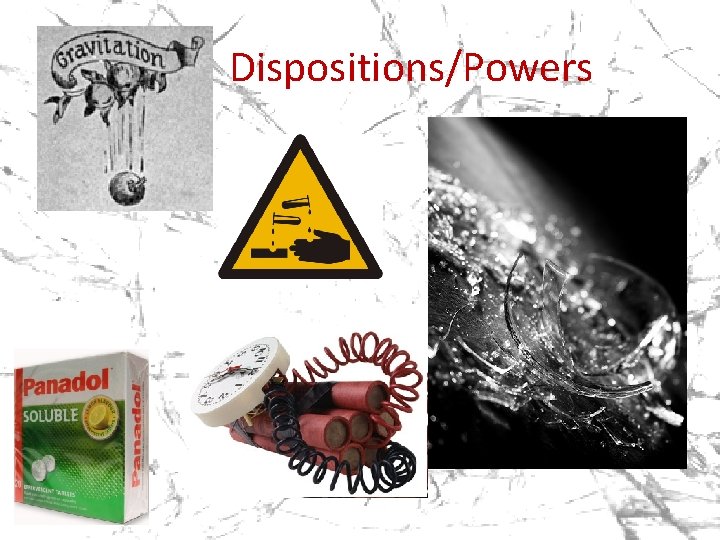
Dispositions/Powers
Passing powers around
Hume’s idea of causation • Temporal priority: the cause occurs before the effect • Contiguity: the cause and the effect are spatially adjacent • Constant Conjunction: a type of cause is always followed by the same type of effect (causal laws are regularities) • Necessity: when the cause occurs, the effect must occur
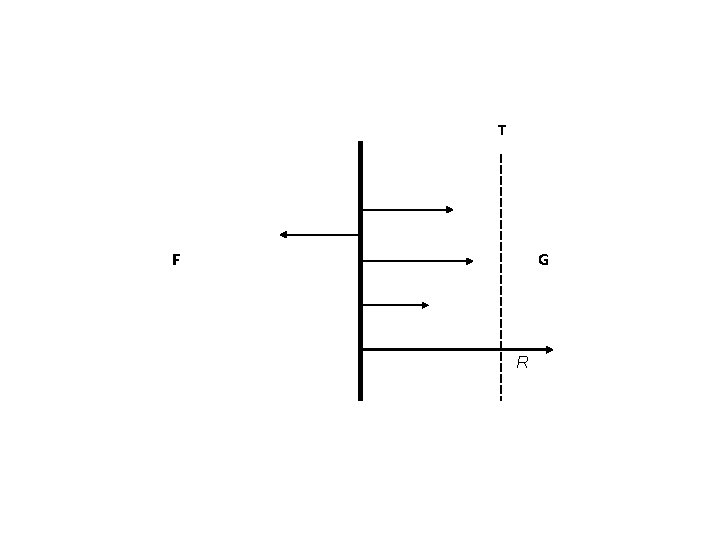
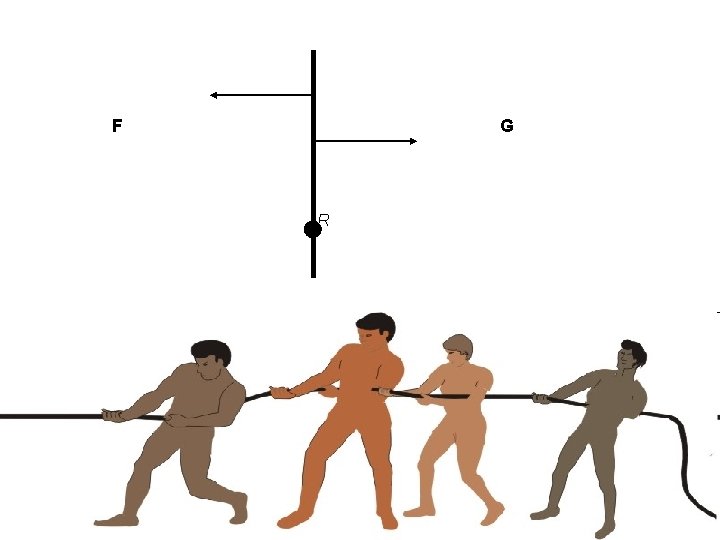
The powers view of causation • Simultaneity: the cause occurs at the same time as its effect • Contiguity: the cause and the effect are spatially adjacent, though this is an empirical truth • Tendencies: a type of cause only tends to be followed by the same type of effect • Dispositionality: a cause disposes towards its effect F G
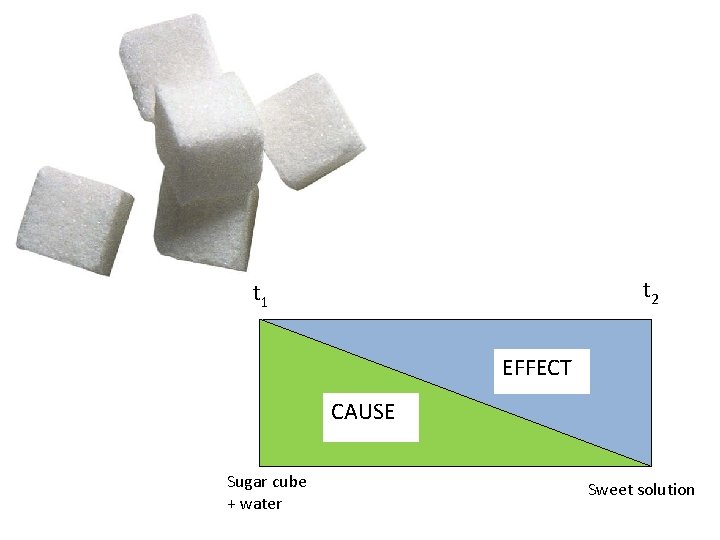
t 2 t 1 EFFECT CAUSE Sugar cube + water Sweet solution
T F G R
F G R
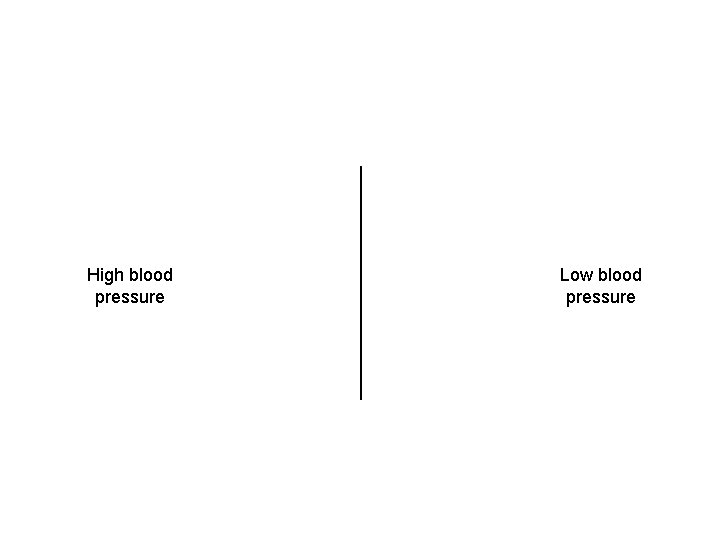
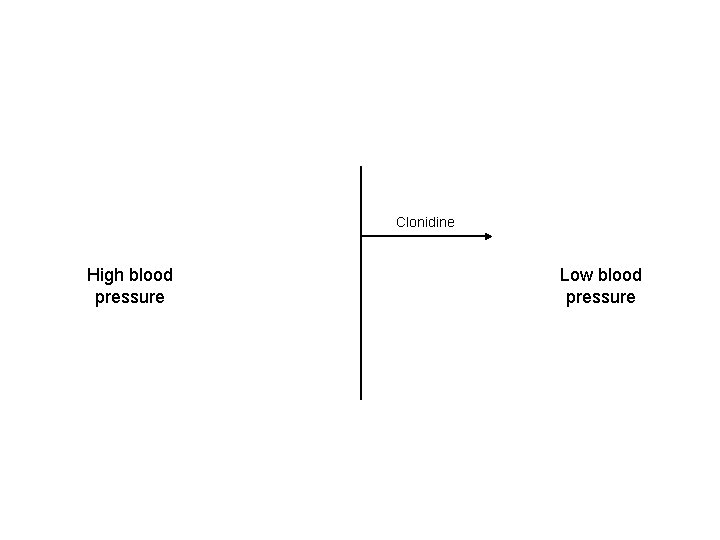
High blood pressure Low blood pressure
Clonidine High blood pressure Low blood pressure
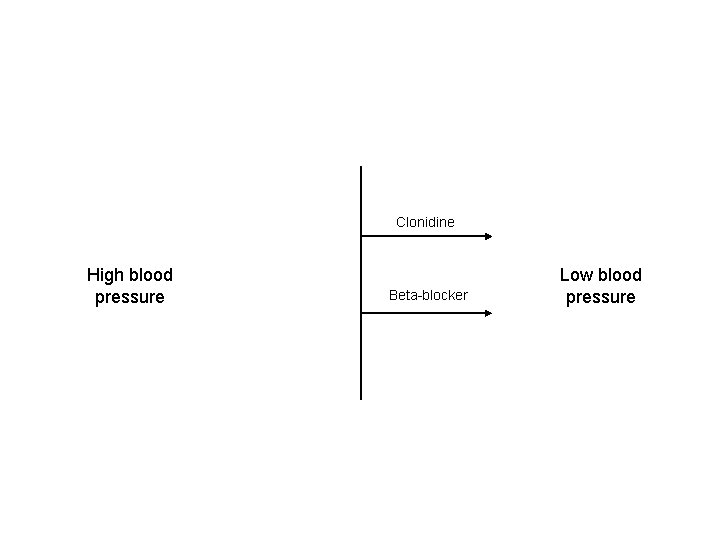
Clonidine High blood pressure Beta-blocker Low blood pressure
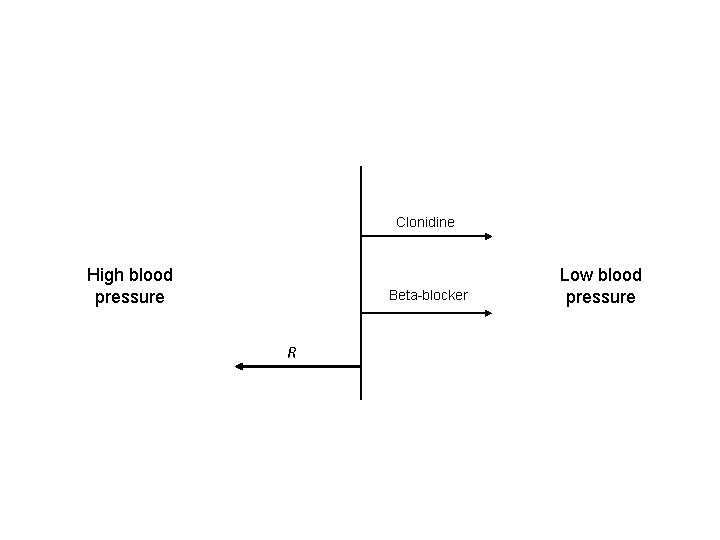
Clonidine High blood pressure Beta-blocker R Low blood pressure
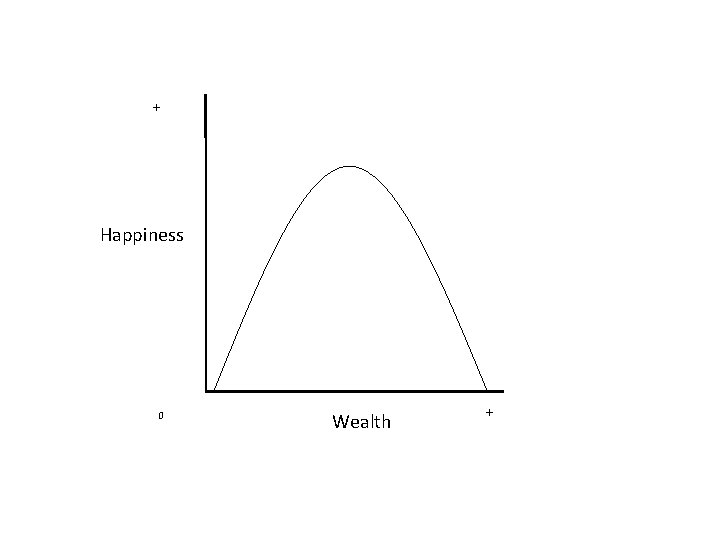
+ Happiness 0 Wealth +
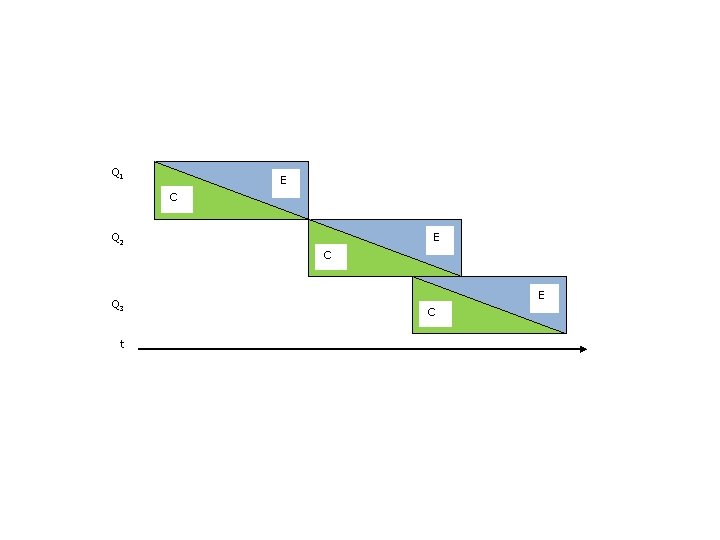
Q 1 E C Q 2 E C Q 3 t E C
How do we know powers? Proprioception!
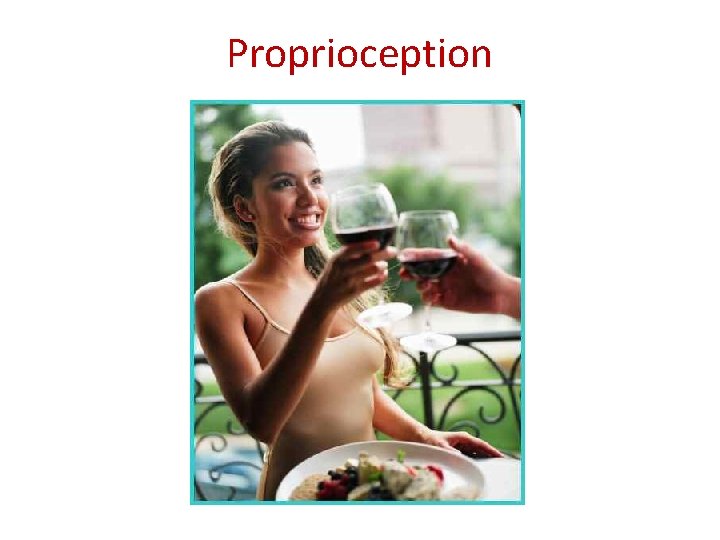
Proprioception
Physics – Biology – Social Sciences – Psychology
Getting Causes from Powers Stephen Mumford & Rani Lill Anjum Oxford University Press 2011