A Naturalistic Worldview James Fodor August 2017 Key

- Slides: 46
A Naturalistic Worldview James Fodor, August 2017
Key Ideas Key principles I will discuss: • Principle 1: Naturalism • Principle 2: Nominalism • Principle 3: Reductionism • Application: Morality • Arguments in favour of reductive naturalism
Key Ideas Tonight I am not arguing that ‘nature is all there is’. Rather I am arguing that we have no good (philosophical/scientific) reasons to think there is anything beyond nature.
1. Naturalism
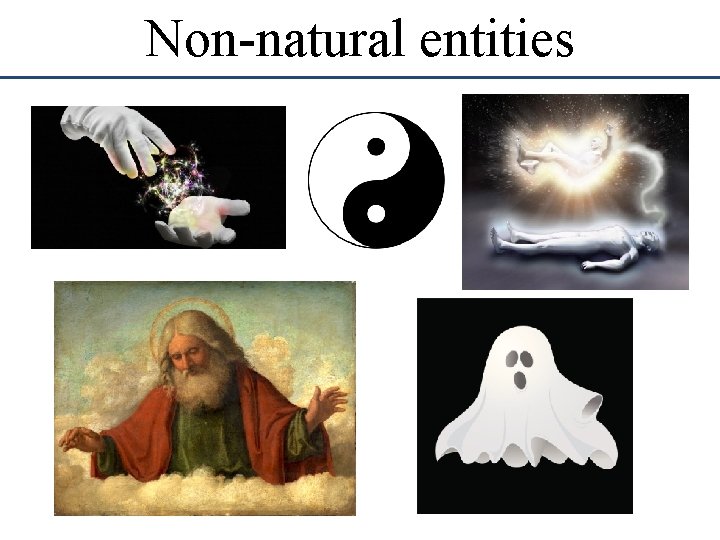
Non-natural entities
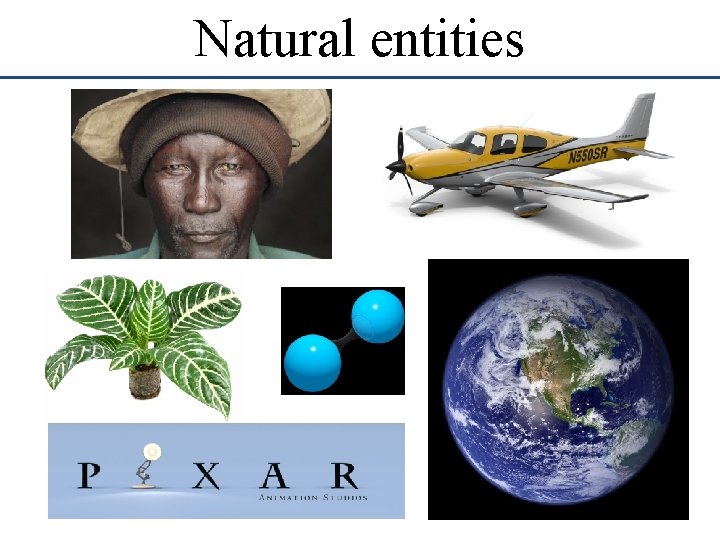
Natural entities
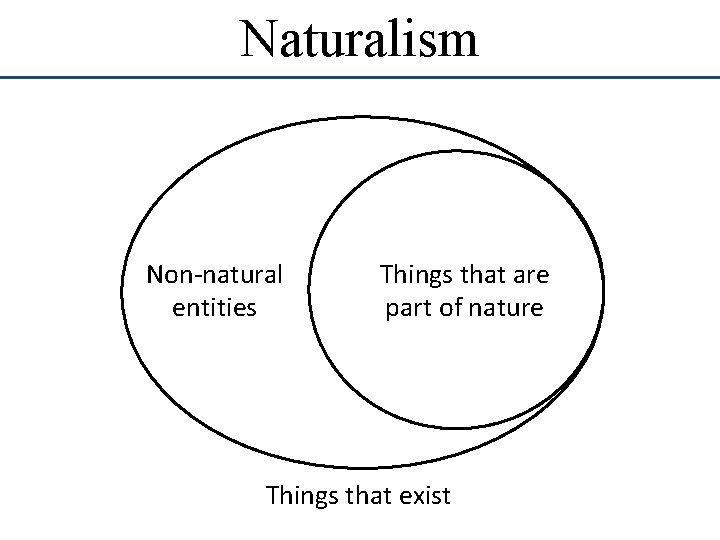
Naturalism Non-natural entities Things that are part of nature Things that exist
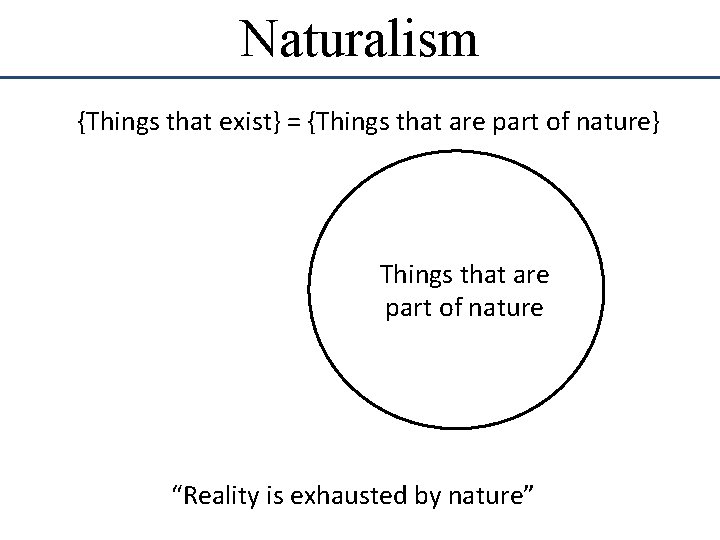
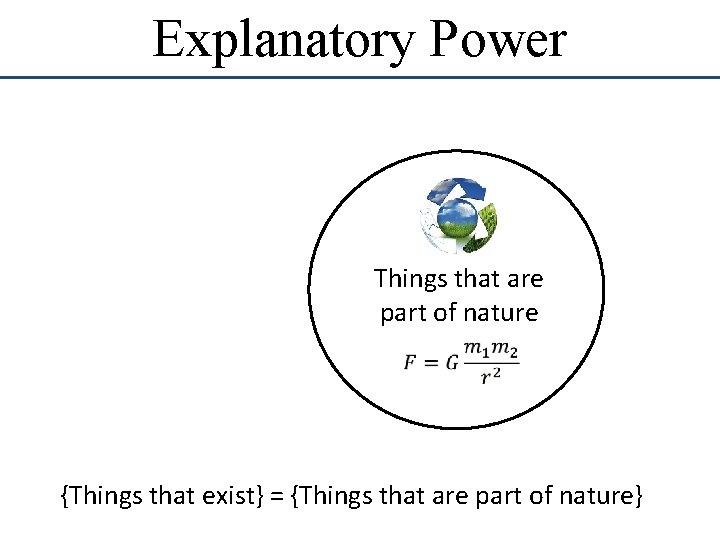
Naturalism {Things that exist} = {Things that are part of nature} Things that are part of nature “Reality is exhausted by nature”
2. Nominalism
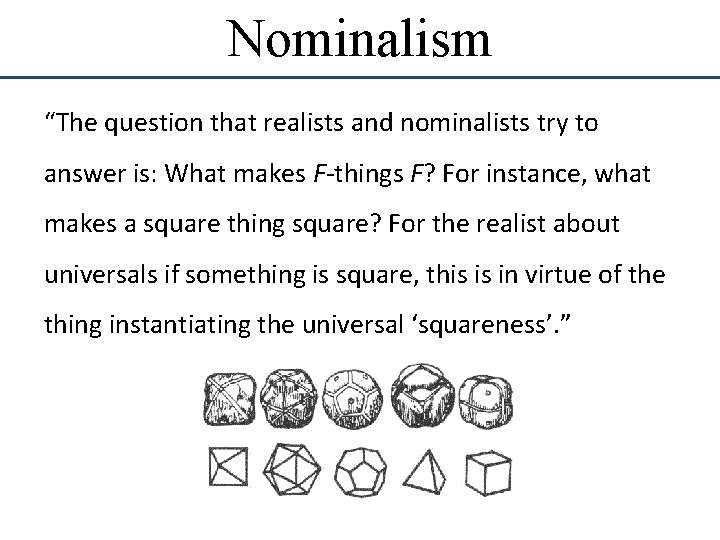
Nominalism “The question that realists and nominalists try to answer is: What makes F-things F? For instance, what makes a square thing square? For the realist about universals if something is square, this is in virtue of the thing instantiating the universal ‘squareness’. ”
Nominalism • Nominalism holds that universals do not exist • Only particulars exist • Concept nominalism holds that (for example) something is square if it fits our concept of ‘square’ • Direct link to macrostates (stay tuned)
3. Reductionism
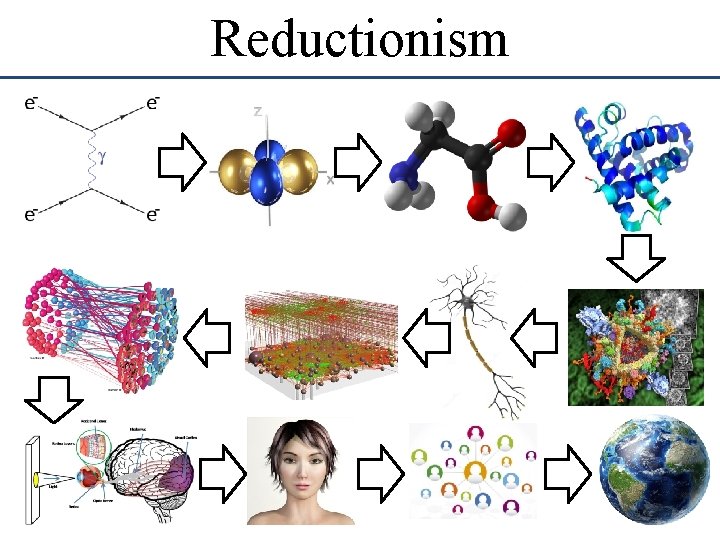
Reductionism Everything (or all properties) that exists is either: • A fundamental particle/field/etc, or • Exists in virtue of certain specified arrangements and interactions of particles/fields/etc
Reductionism
Reductionism
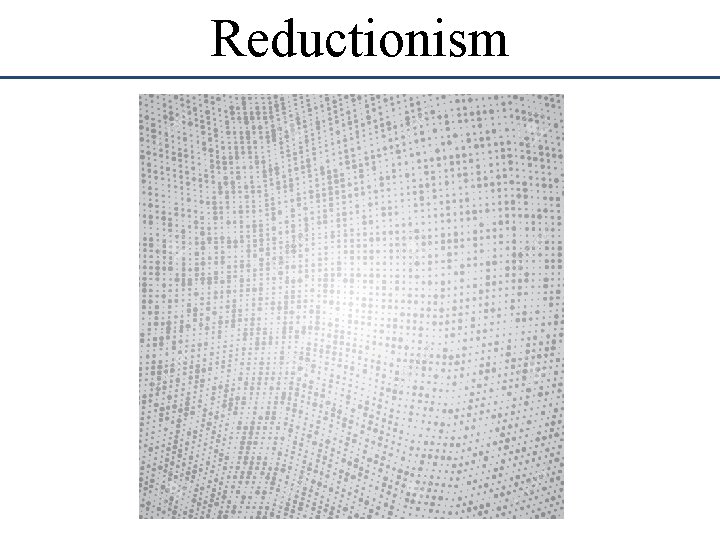
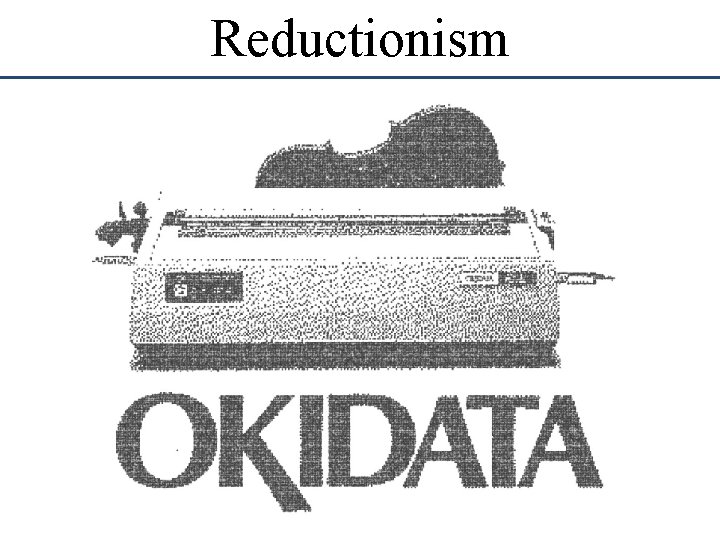
Reductionism “A dot-matrix picture has global properties — it is symmetrical, it is cluttered, and whatnot — and yet all there is to the picture is dots and non-dots at each point of the matrix. The global properties are nothing but patterns in the dots. They supervene: no two pictures could differ in their global properties without differing, somewhere, in whethere is or there isn't a dot. ”
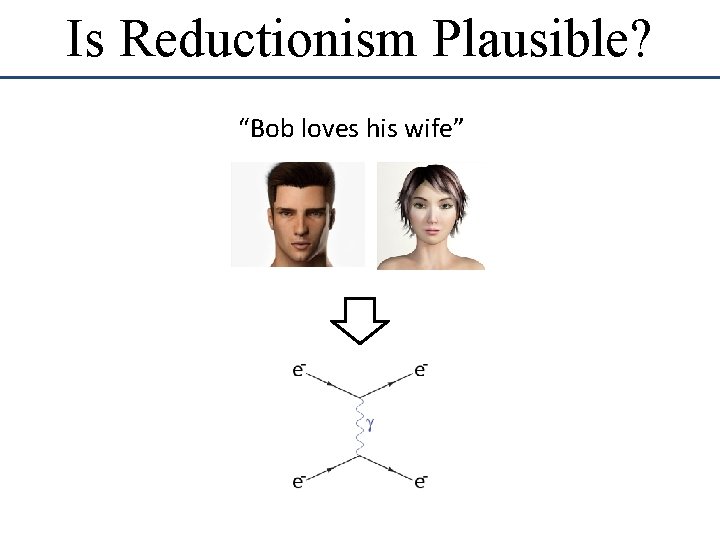
Is Reductionism Plausible? “Bob loves his wife”
Is Reductionism Plausible? • Not a semantic claim about mental content • Not an epistemological claim about knowledge • An ontological claim about basis of existence
Reductionism
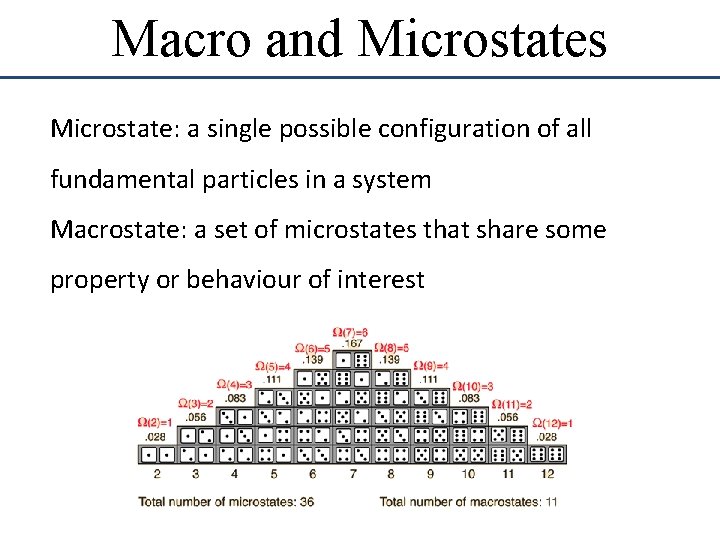
Macro and Microstates Microstate: a single possible configuration of all fundamental particles in a system Macrostate: a set of microstates that share some property or behaviour of interest
Application: Morality
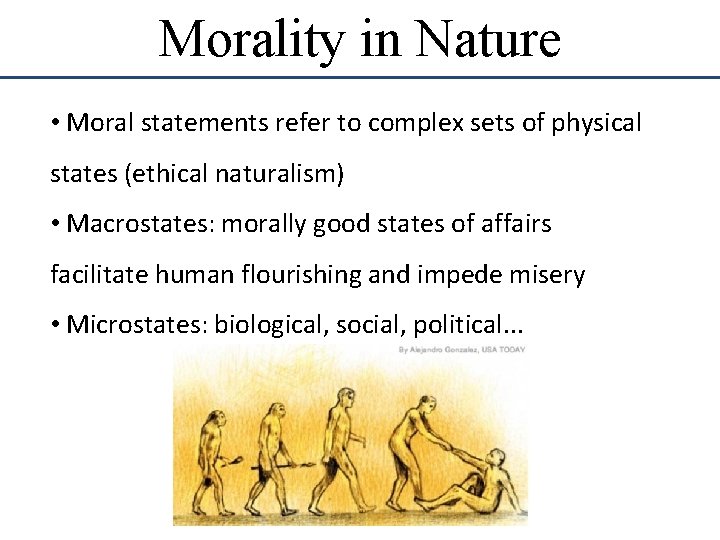
Morality in Nature • Moral statements refer to complex sets of physical states (ethical naturalism) • Macrostates: morally good states of affairs facilitate human flourishing and impede misery • Microstates: biological, social, political. . .
Morality in Nature • Morality is real and objective, based on characteristics of the natural world • No need for anything beyond nature to account for morality • Moral progress is possible as we learn more about human suffering and flourishing
Advantages of Naturalism
Advantages of Naturalism • Parsimony • Explanatory power • Paradoxes of identity
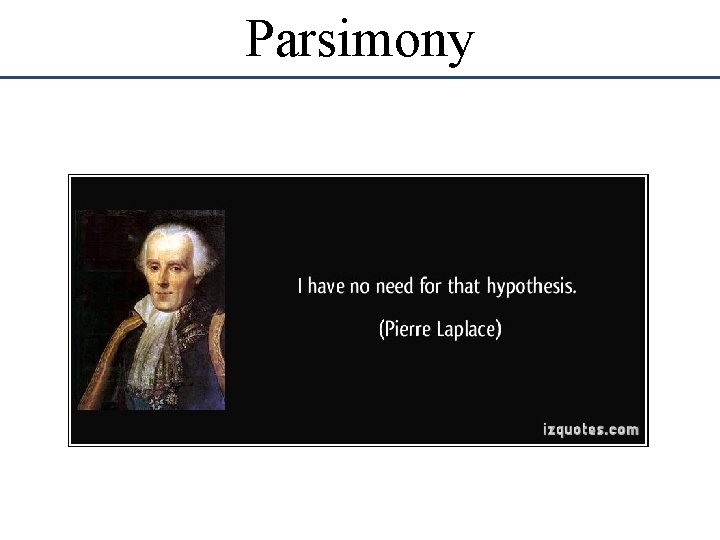
Parsimony • Naturalism is a minimal ontology • Can we account for what we need with so little? • If yes, no need to postulate anything else (Ockham's razor)
Parsimony
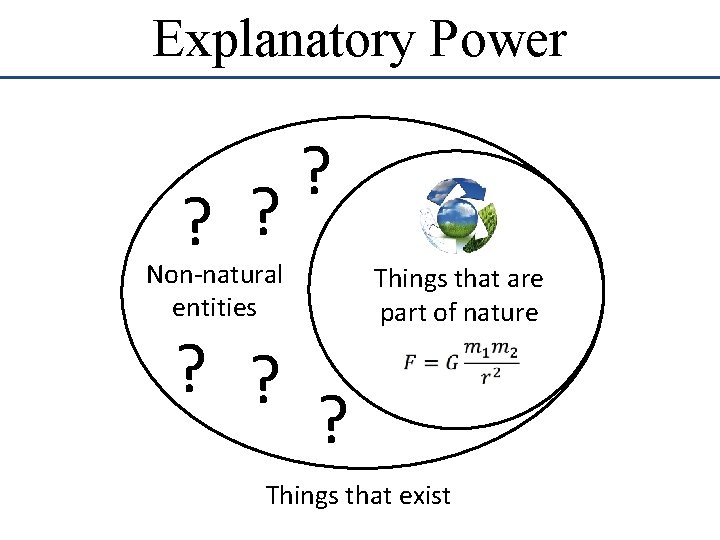
Explanatory Power • Non-natural entities are understood to be fundamentally mysterious and inexplicable • Not subject to regular causal laws • Thus they cannot give us explanatory power to account for other phenomena
Explanatory Power ? ? ? Non-natural entities ? ? Things that are part of nature ? Things that exist
Explanatory Power Things that are part of nature {Things that exist} = {Things that are part of nature}
Paradoxes of Identity
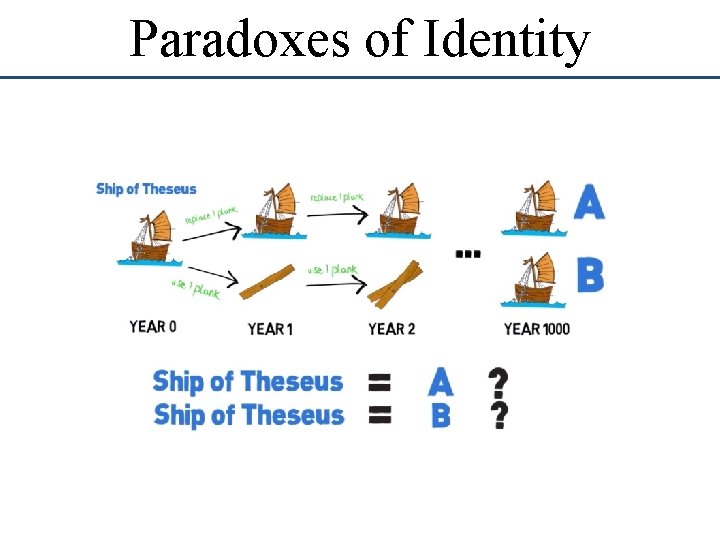
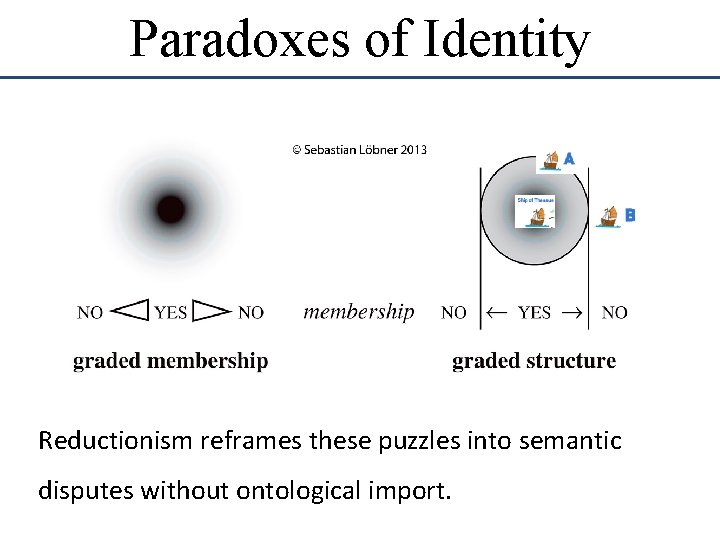
Paradoxes of Identity • Many other related paradoxes of identity, change, personal continuity, etc • Trouble arises from granting macroscopic complex objects fundamental ontological standing • Resolved by using the language of macrostates; how broadly or narrowly are they defined?
Paradoxes of Identity Reductionism reframes these puzzles into semantic disputes without ontological import.
Summary • Principle 1: Naturalism • Principle 2: Nominalism • Principle 3: Reductionism • Application: Morality • Arguments for reductive naturalism o Parsimony o Explanatory power o Paradoxes of identity
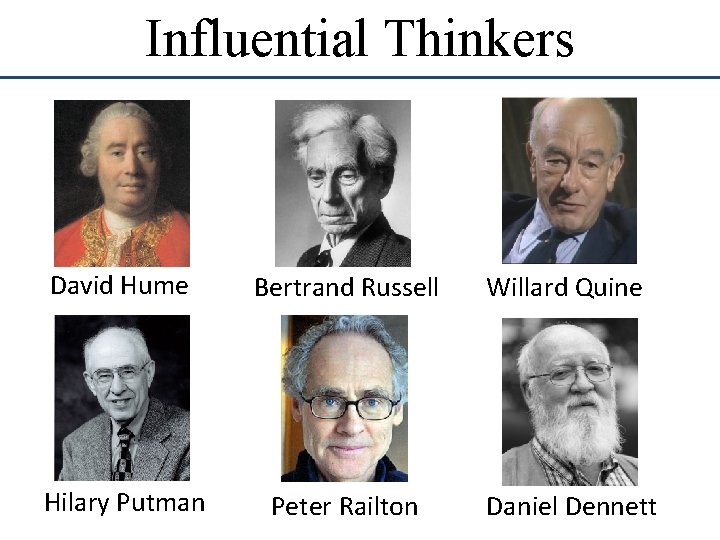
Influential Thinkers David Hume Bertrand Russell Willard Quine Hilary Putman Peter Railton Daniel Dennett
Rebuttals
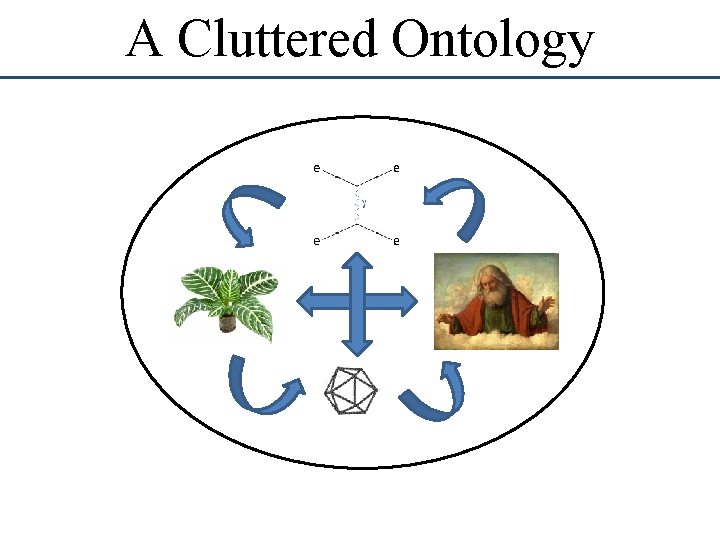
A Cluttered Ontology
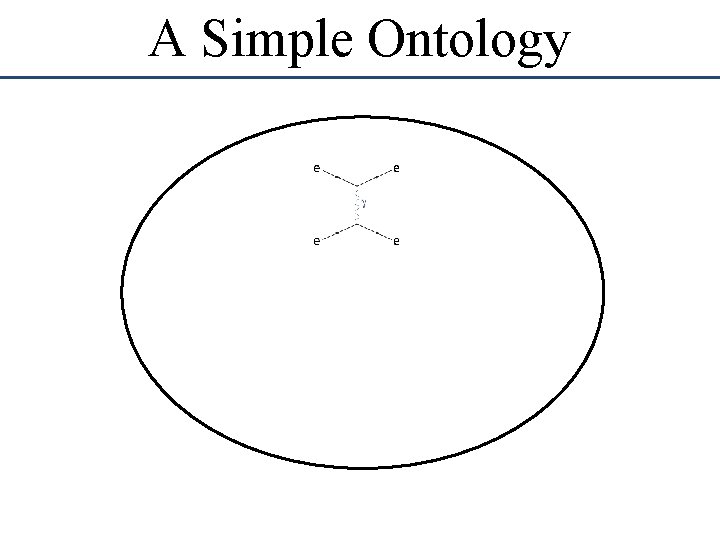
A Simple Ontology
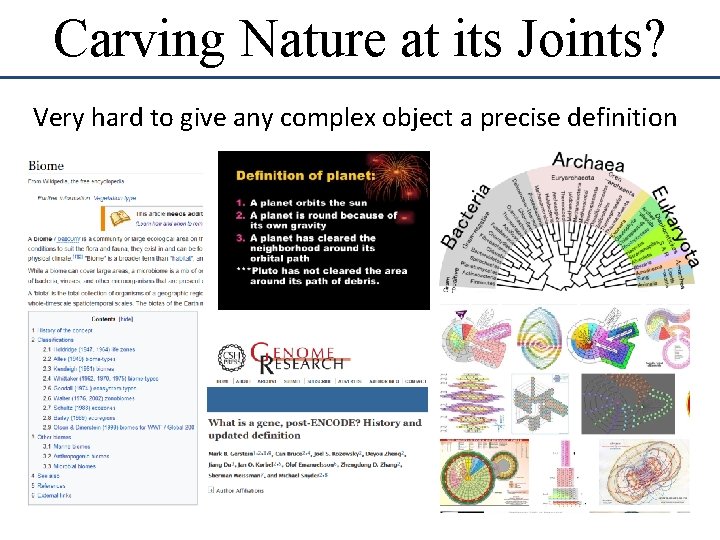
Carving Nature at its Joints? Very hard to give any complex object a precise definition
A Puzzling Ontology • How do we establish the boundaries between universals and between particulars? • How do objects have causal powers beyond those of their component parts? • How do particulars ‘instantiate’ abstract objects if abstract objects have no causal powers? • How to reconcile abstract objects with divine aseity? • Et cetera
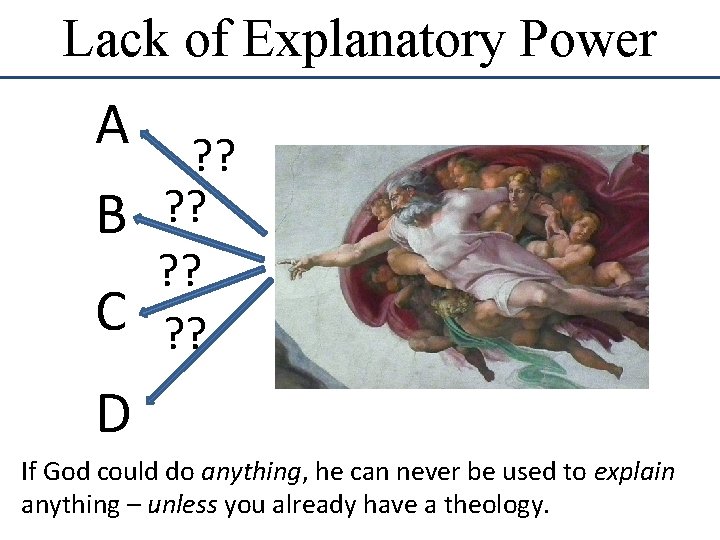
Lack of Explanatory Power A B C ? ? ? ? D If God could do anything, he can never be used to explain anything – unless you already have a theology.
Other Slides
The Mind in Nature • Mental states are real (contra behaviourism); supervene on physical states • Free will exists as an emergent property of a fundamentally causal system • ‘How’ questions now amenable to scientific inquiry • A place for the mind in nature
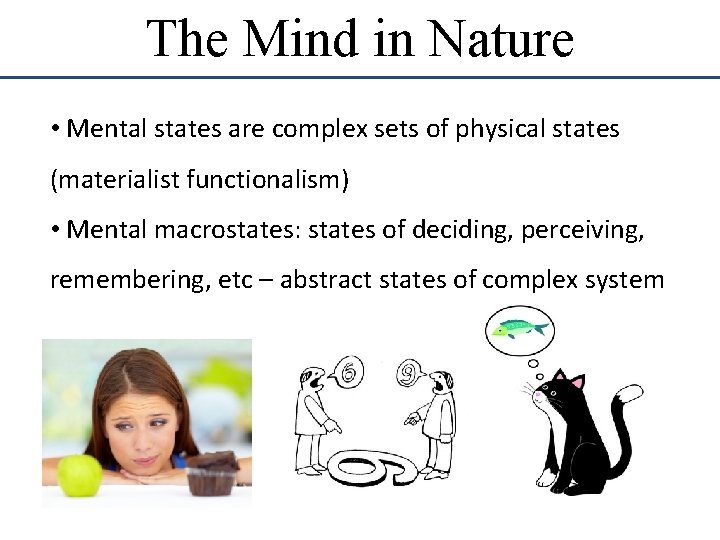
The Mind in Nature • Mental states are complex sets of physical states (materialist functionalism) • Mental macrostates: states of deciding, perceiving, remembering, etc – abstract states of complex system
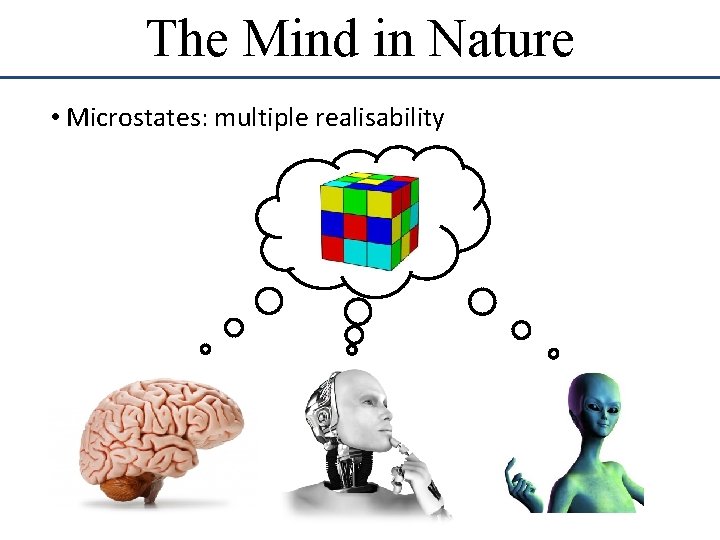
The Mind in Nature • Microstates: multiple realisability
Philosophical Method 1. Use conceptual analysis to determine what macrostates our concepts refer to 2. Use empirical analysis to identify which (if any) microstates instantiate those macrostates 3. Iterate between the two until reaching reflective equilibrium