500 CE 1453 CE SPLITS INTO Middle Ages
- Slides: 36
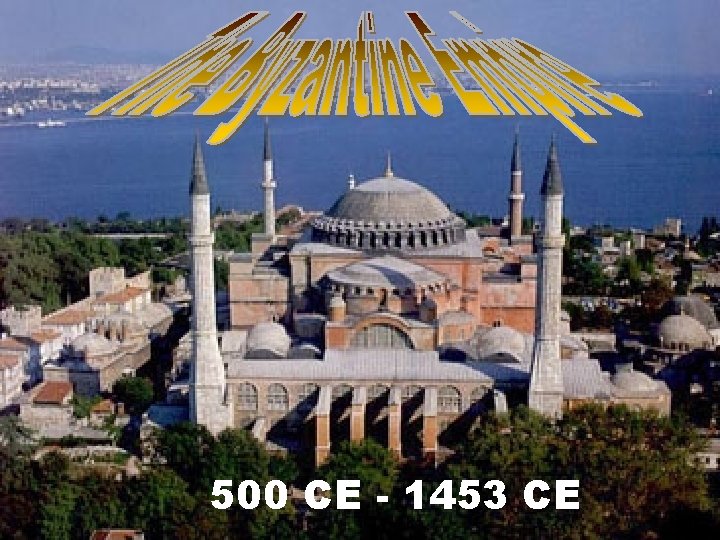
500 CE - 1453 CE
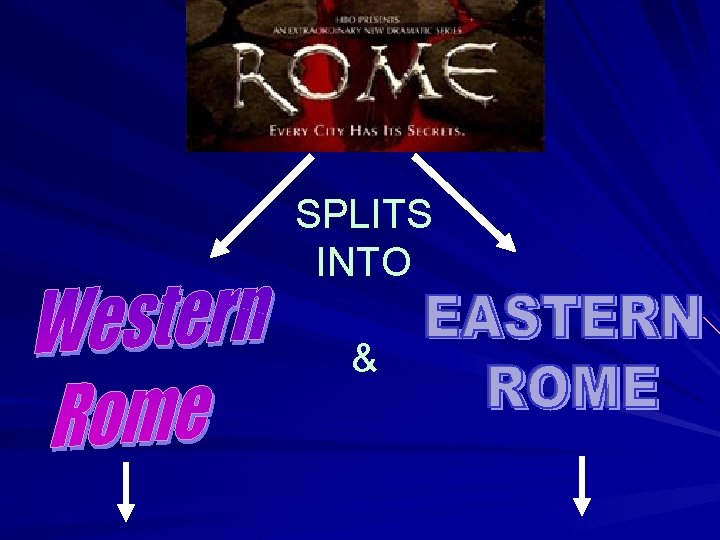
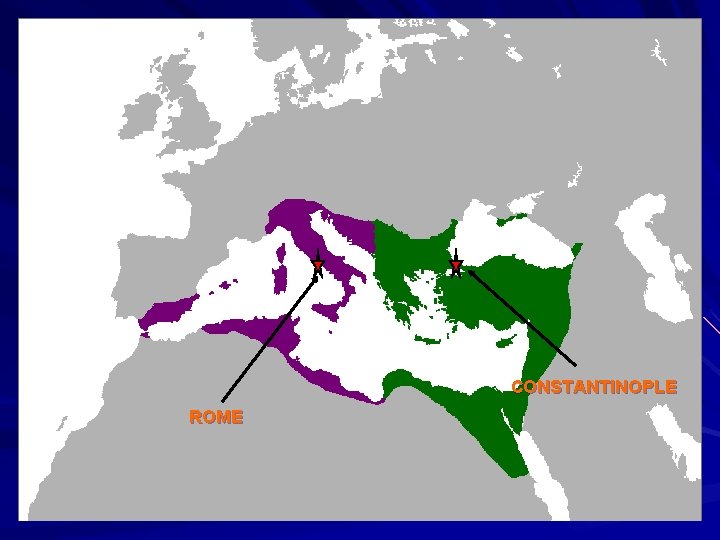
SPLITS INTO &
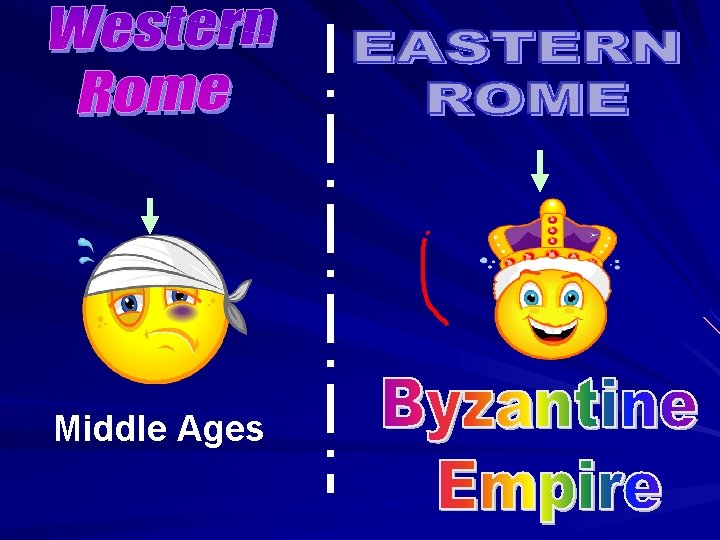
Middle Ages
CONSTANTINOPLE ROME
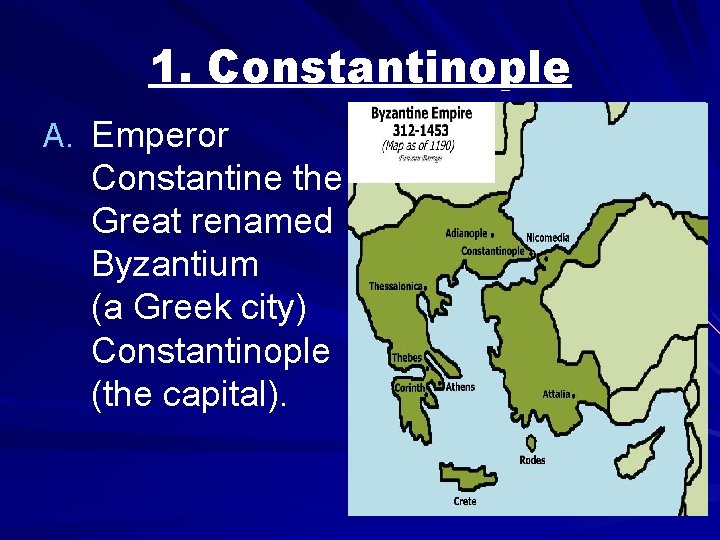
1. Constantinople A. Emperor Constantine the Great renamed Byzantium (a Greek city) Constantinople (the capital).
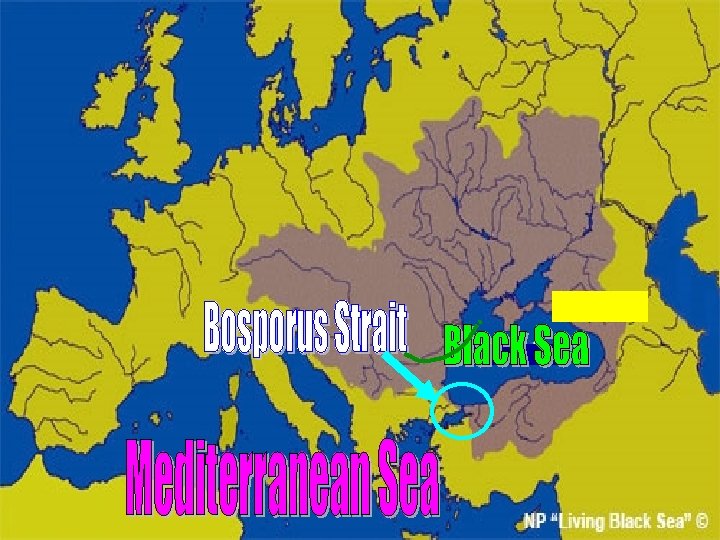
B. Its Strategic location on the Bosporus strait made it a center of trade - Greek, Roman, and Christian culture spread.
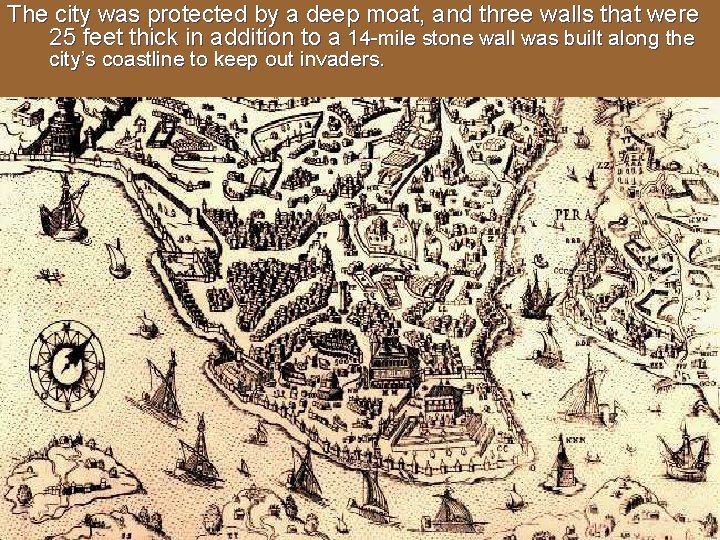
The city was protected by a deep moat, and three walls that were 25 feet thick in addition to a 14 -mile stone wall was built along the city’s coastline to keep out invaders.
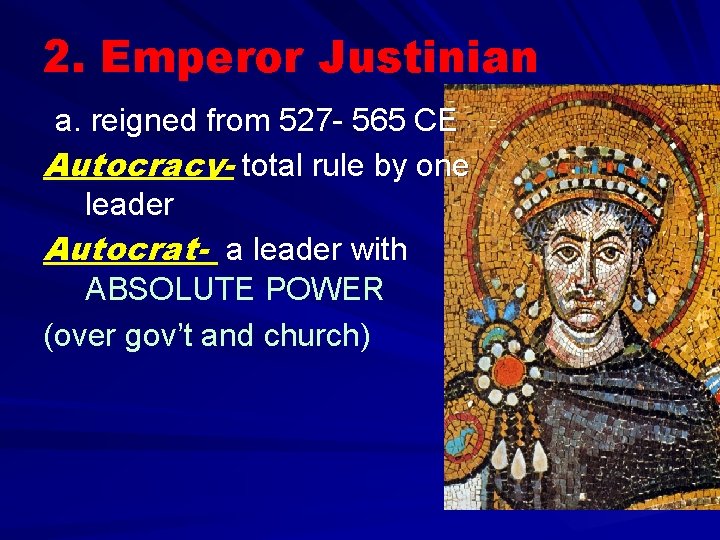
2. Emperor Justinian a. reigned from 527 - 565 CE Autocracy- total rule by one leader Autocrat- a leader with ABSOLUTE POWER (over gov’t and church)
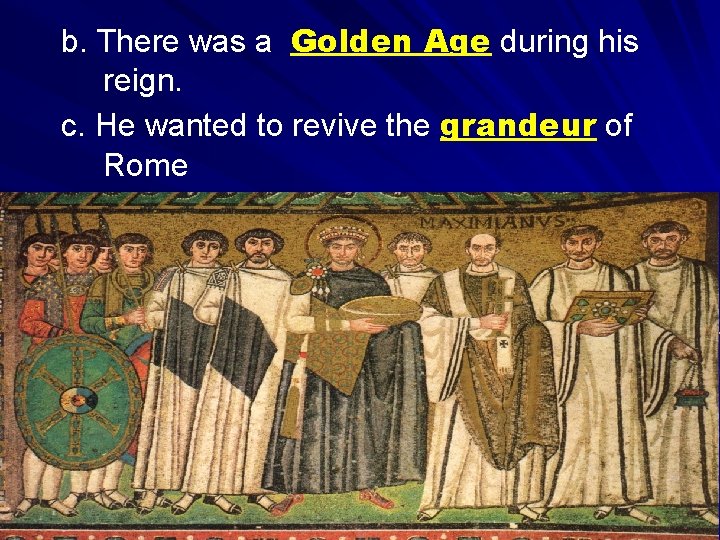
b. There was a Golden Age during his reign. c. He wanted to revive the grandeur of Rome
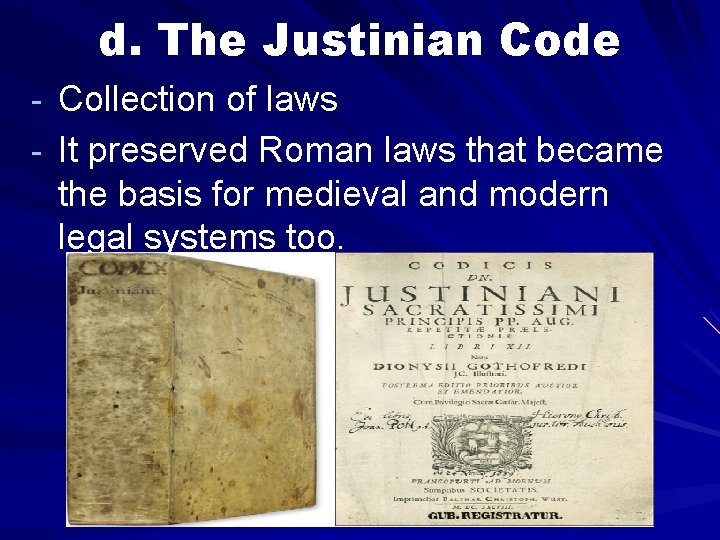
d. The Justinian Code - Collection of laws - It preserved Roman laws that became the basis for medieval and modern legal systems too.
Justinian’s Code of Laws were fairer to women. They could own property and raise their own children after their husbands died. Children allowed to choose their own marriage partners. Slavery was legal and slaves must obey their masters. Punishments were detailed and fit the crime His work inspired the modern concept and, indeed, the very spelling of "justice".
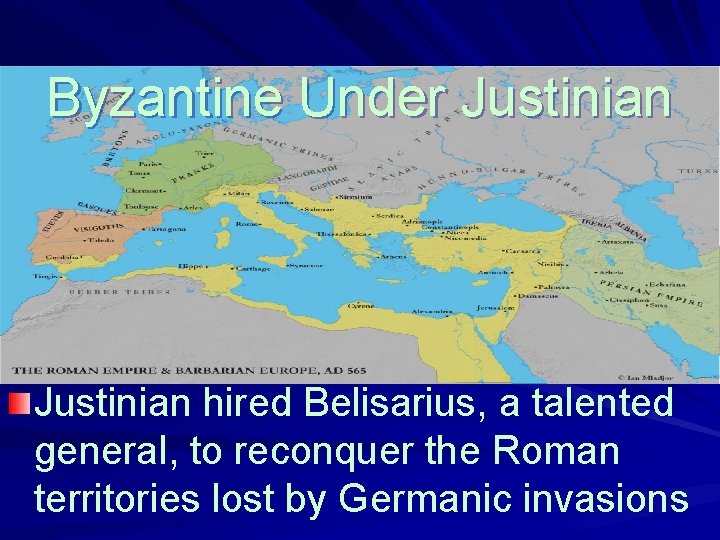
Byzantine Under Justinian hired Belisarius, a talented general, to reconquer the Roman territories lost by Germanic invasions
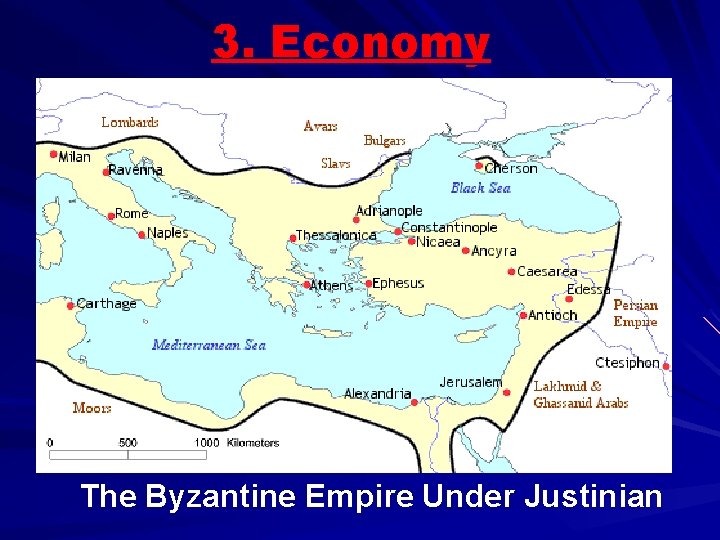
3. Economy The Byzantine Empire Under Justinian
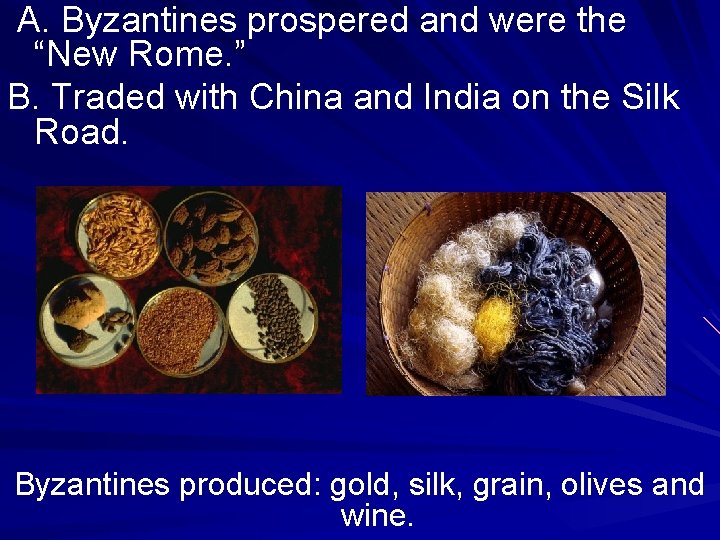
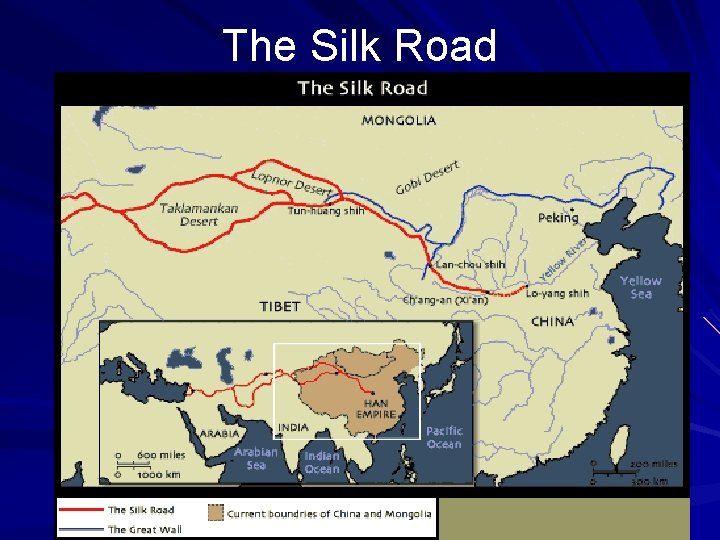
A. Byzantines prospered and were the “New Rome. ” B. Traded with China and India on the Silk Road. Byzantines produced: gold, silk, grain, olives and wine.
The Silk Road
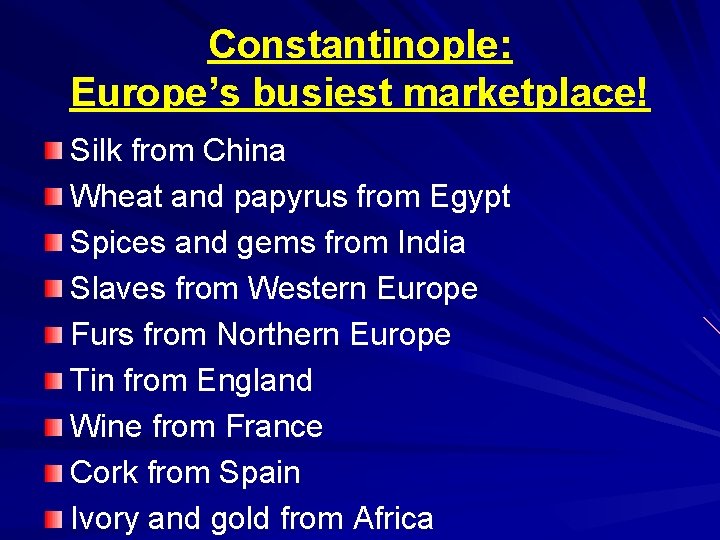
Constantinople: Europe’s busiest marketplace! Silk from China Wheat and papyrus from Egypt Spices and gems from India Slaves from Western Europe Furs from Northern Europe Tin from England Wine from France Cork from Spain Ivory and gold from Africa
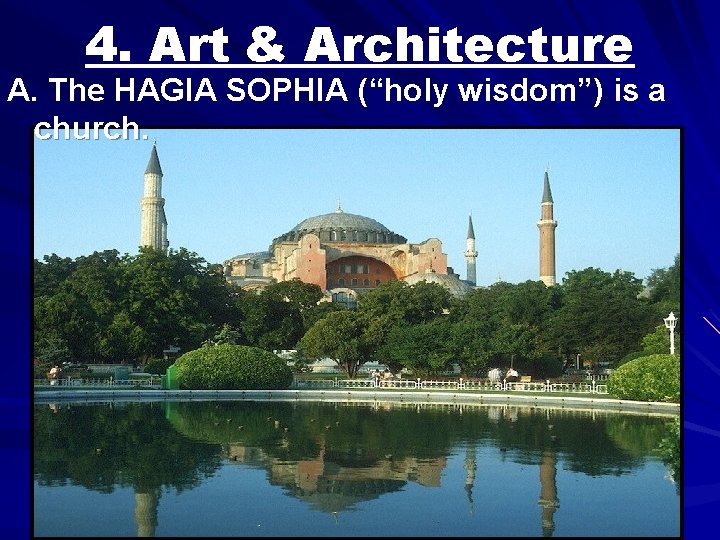
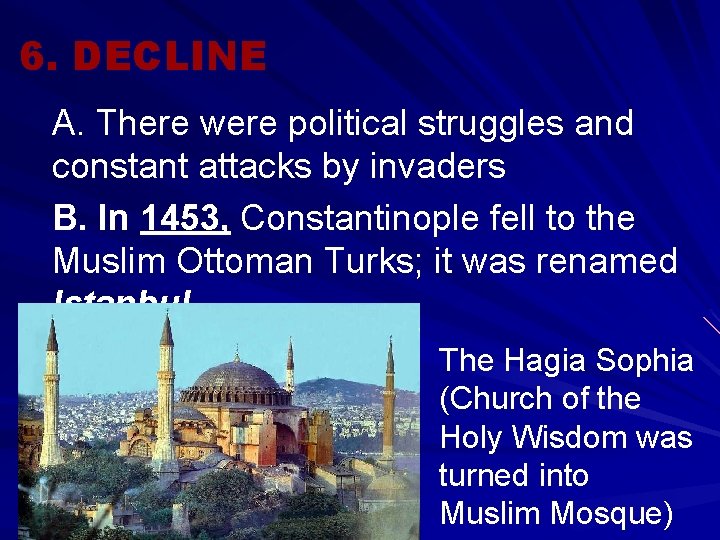
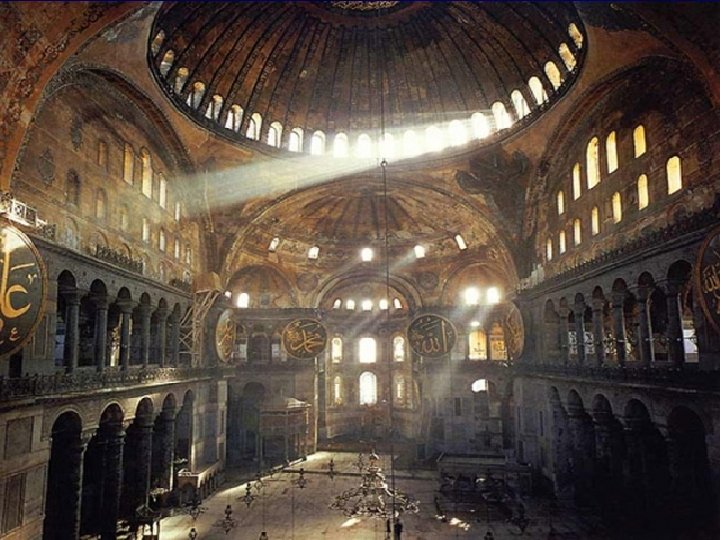
4. Art & Architecture A. The HAGIA SOPHIA (“holy wisdom”) is a church.
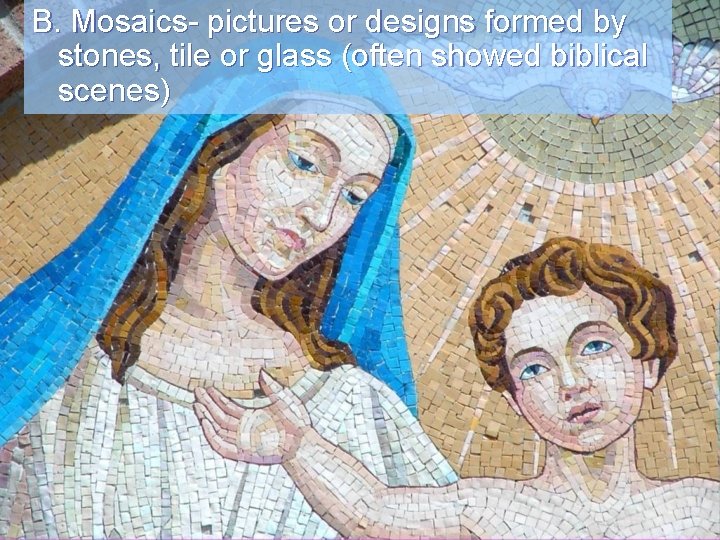
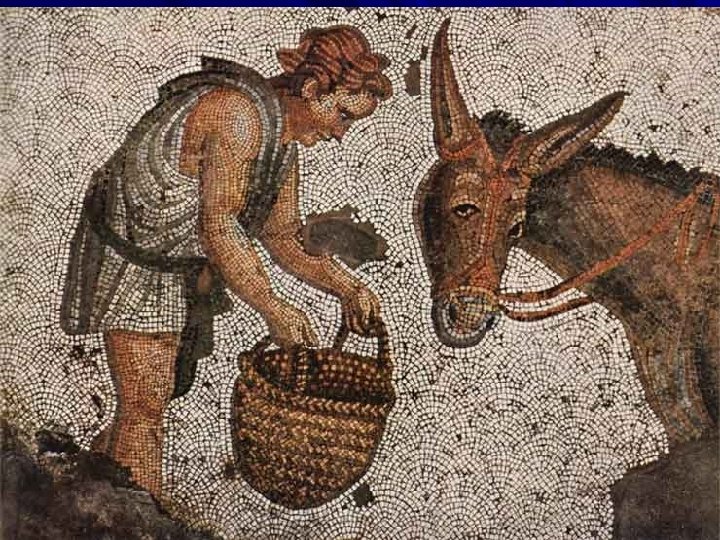
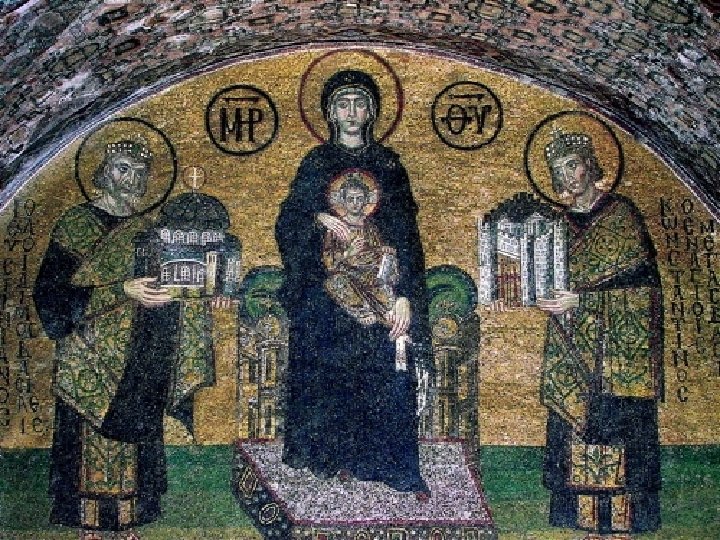
B. Mosaics- pictures or designs formed by stones, tile or glass (often showed biblical scenes)
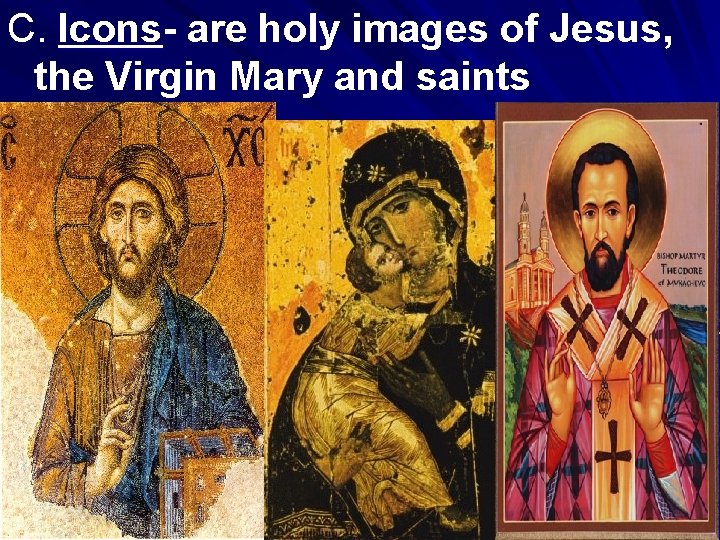
C. Icons- are holy images of Jesus, the Virgin Mary and saints
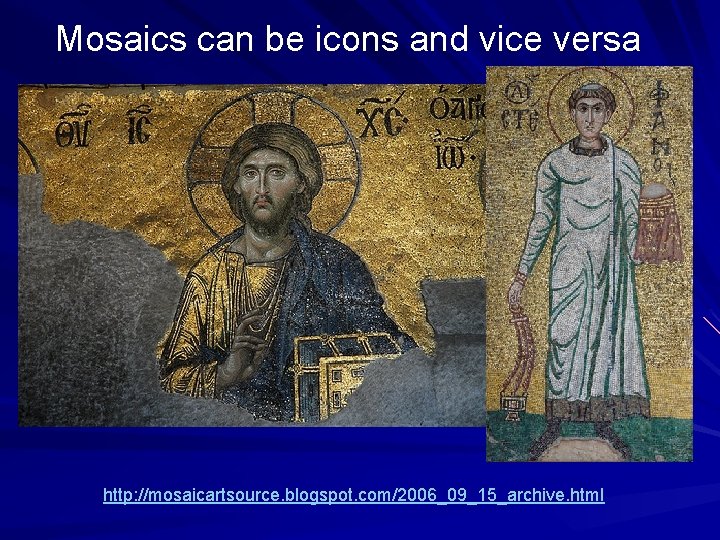
Mosaics can be icons and vice versa http: //mosaicartsource. blogspot. com/2006_09_15_archive. html
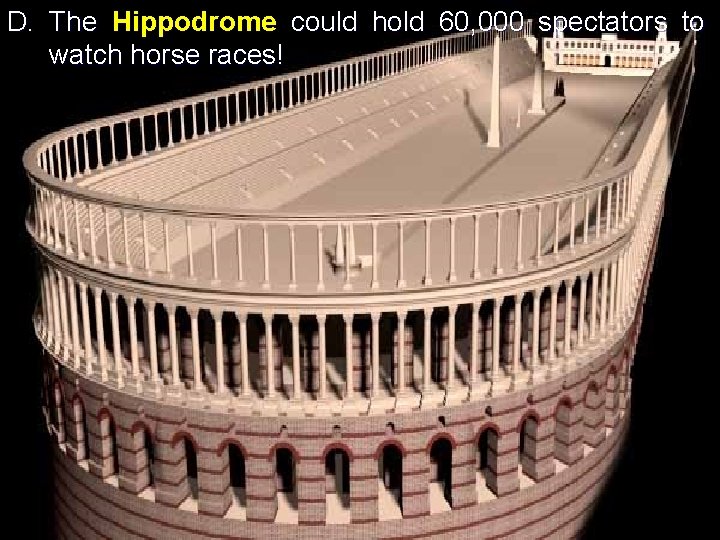
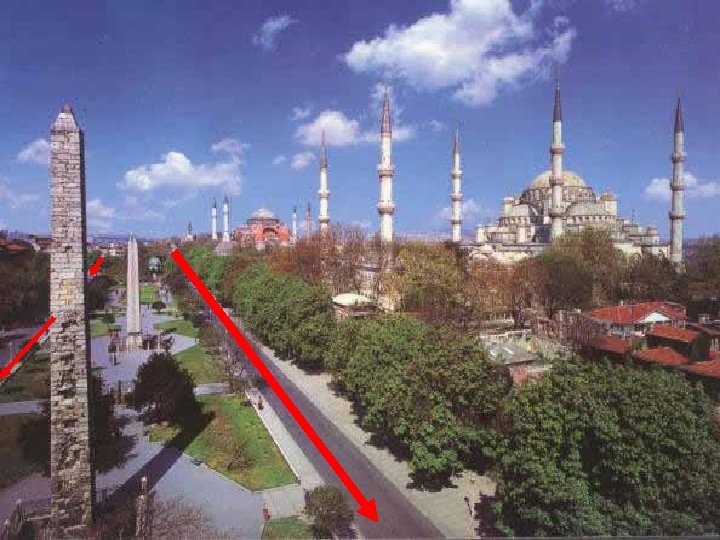
D. The Hippodrome could hold 60, 000 spectators to watch horse races!
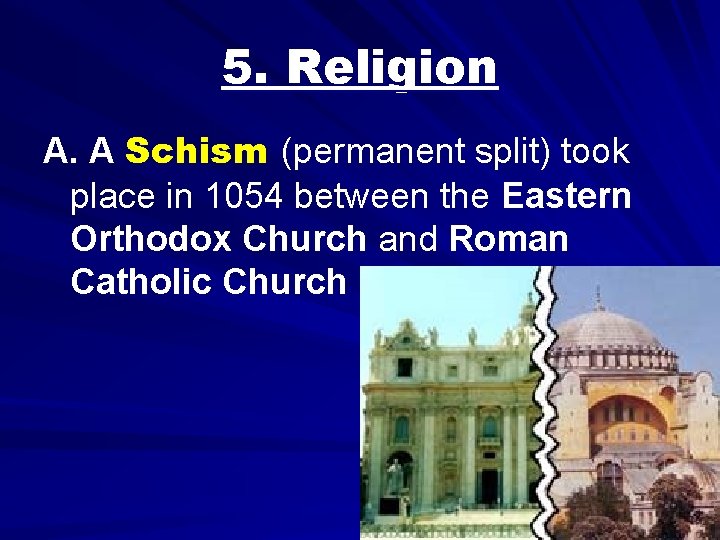
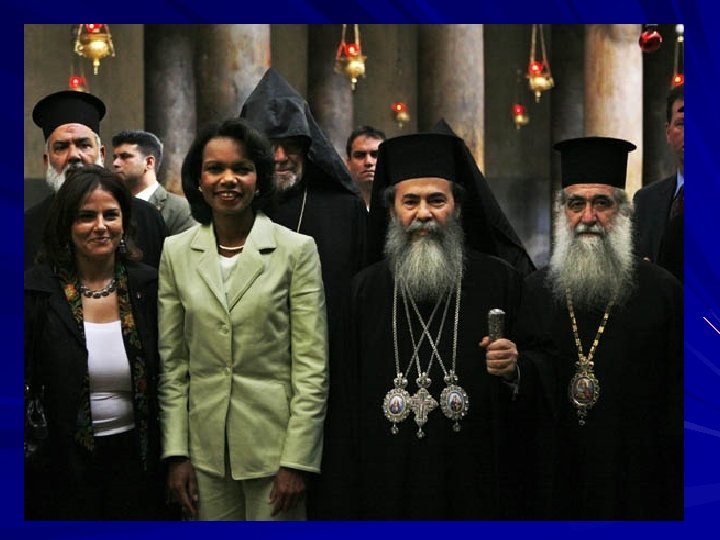
5. Religion A. A Schism (permanent split) took place in 1054 between the Eastern Orthodox Church and Roman Catholic Church
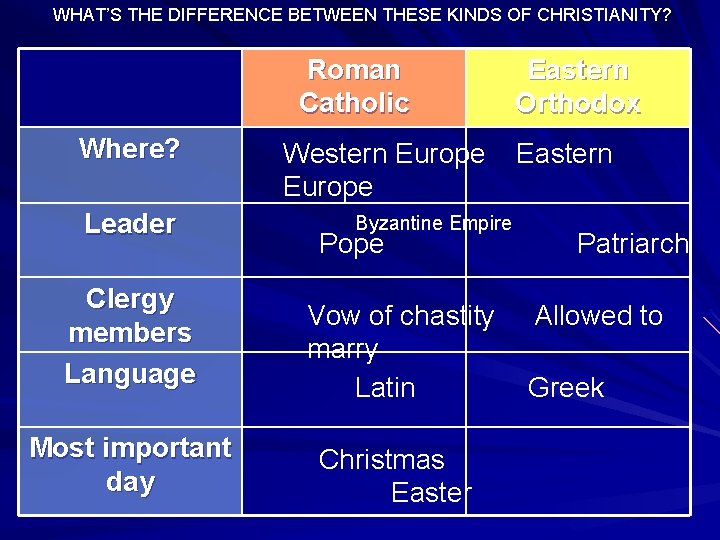
WHAT’S THE DIFFERENCE BETWEEN THESE KINDS OF CHRISTIANITY? Roman Catholic Where? Leader Western Europe Byzantine Empire Pope Clergy members Language Vow of chastity marry Latin Most important day Christmas Eastern Orthodox Eastern Patriarch Allowed to Greek
6. DECLINE A. There were political struggles and constant attacks by invaders B. In 1453, Constantinople fell to the Muslim Ottoman Turks; it was renamed Istanbul The Hagia Sophia (Church of the Holy Wisdom was turned into Muslim Mosque)
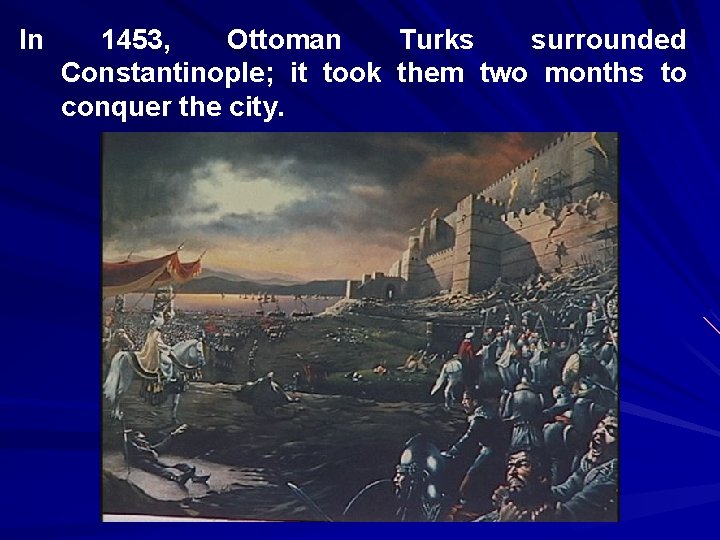
In 1453, Ottoman Turks surrounded Constantinople; it took them two months to conquer the city.
7. LEGACY A. Byzantines blended Hellenistic culture with Roman law and engineering B. Classical Greek and Roman ideas were preserved
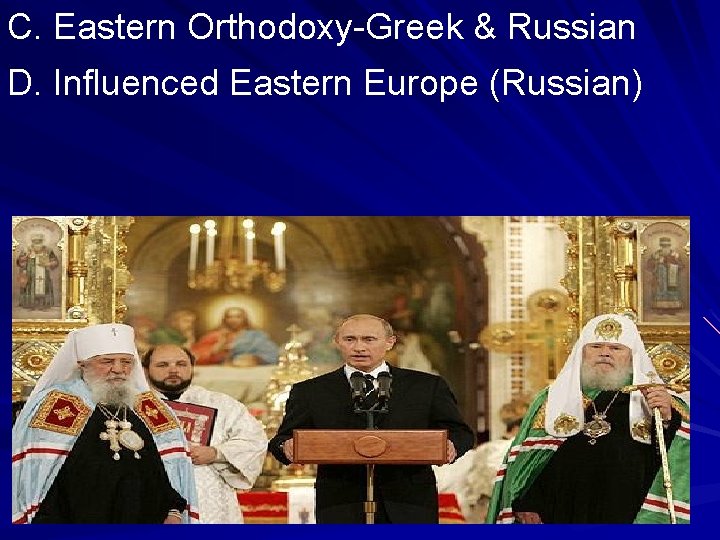
C. Eastern Orthodoxy-Greek & Russian D. Influenced Eastern Europe (Russian)
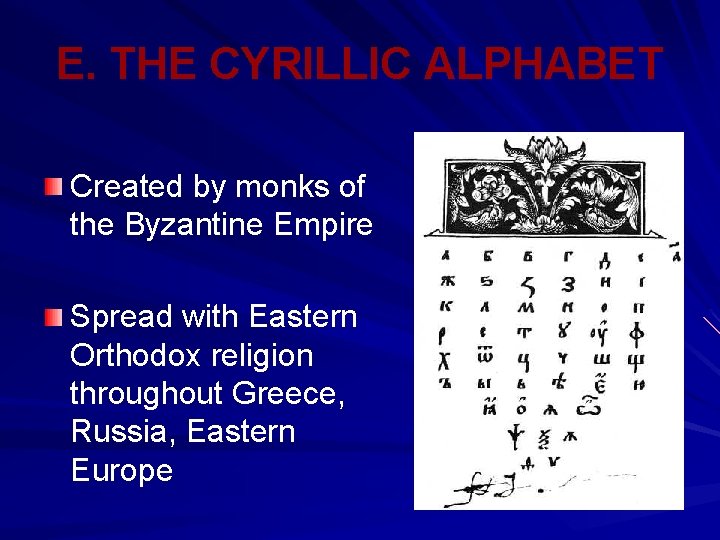
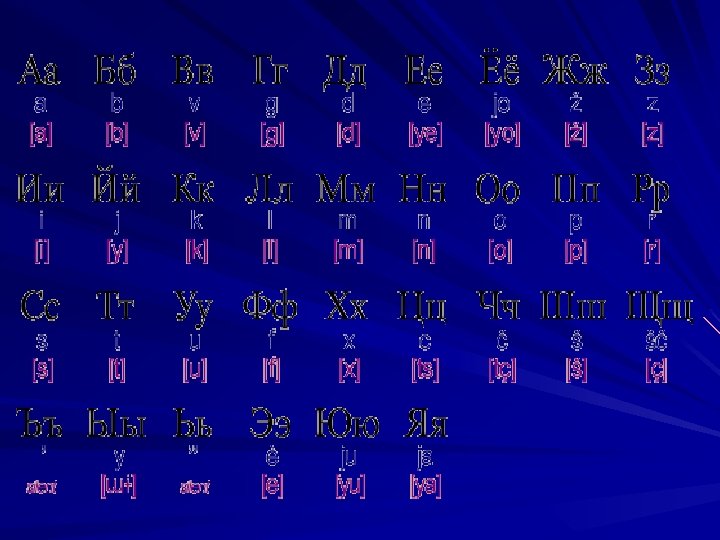
E. THE CYRILLIC ALPHABET Created by monks of the Byzantine Empire Spread with Eastern Orthodox religion throughout Greece, Russia, Eastern Europe
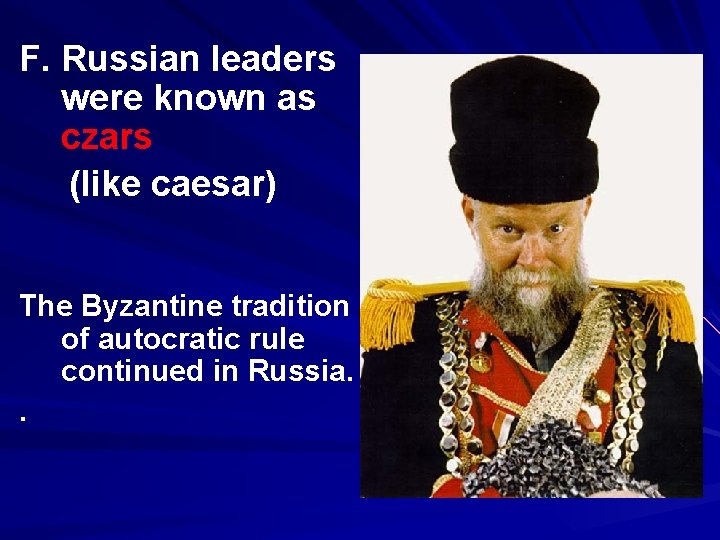
F. Russian leaders were known as czars (like caesar) The Byzantine tradition of autocratic rule continued in Russia. .