Sensation of Taste 1432 Professor A M A




- Slides: 34
Sensation of Taste 1432 Professor A. M. A Abdel Gader MD, Ph. D, FRCP (Lond. , Edin), FRSH (London) Professor of Physiology, College of Medicine & King Khalid University Hospital Riyadh, Saudi Arabia
Chemical Senses - TASTE SMELL Both determine the flavour of food Taste and smell are closely linked even though they involve different receptors and receptive processes. This suggests an overlap in central processing.
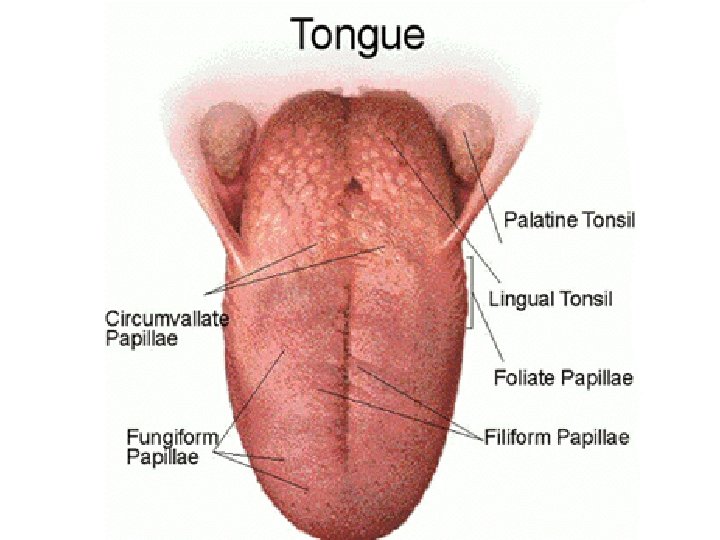
Anatomy of Taste Sensation
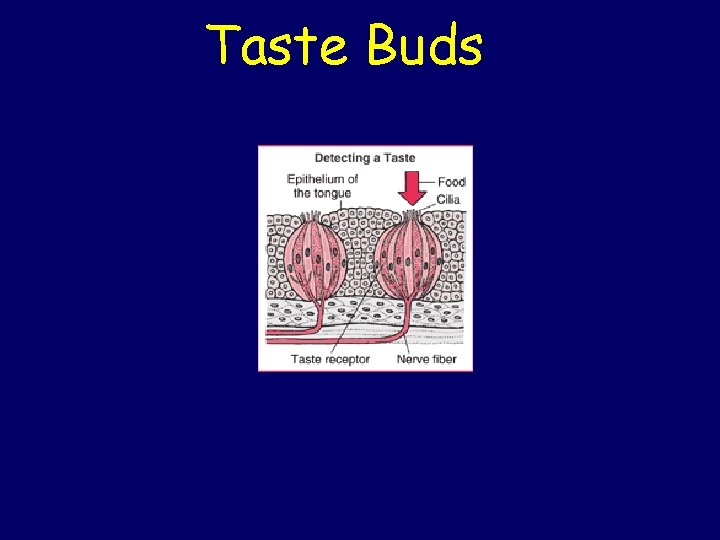
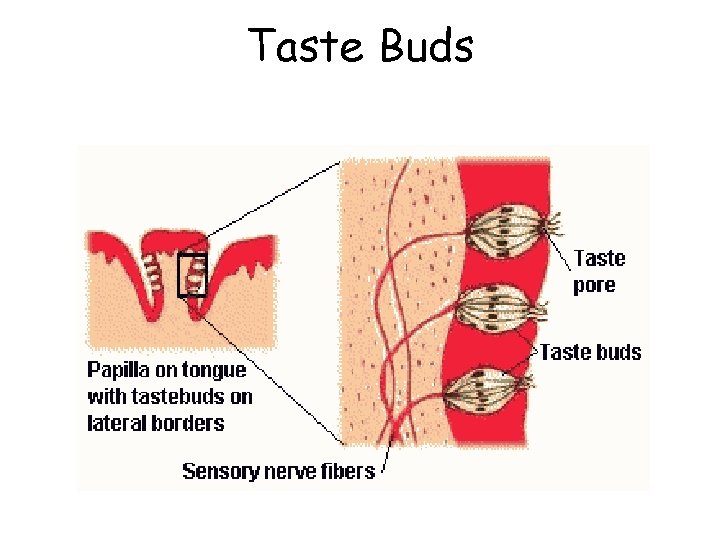
Taste Buds
Sensation of Taste – cont. Receptors: • Located in taste buds in: – Tongue – Epiglottis – Soft Palate – Pharynx
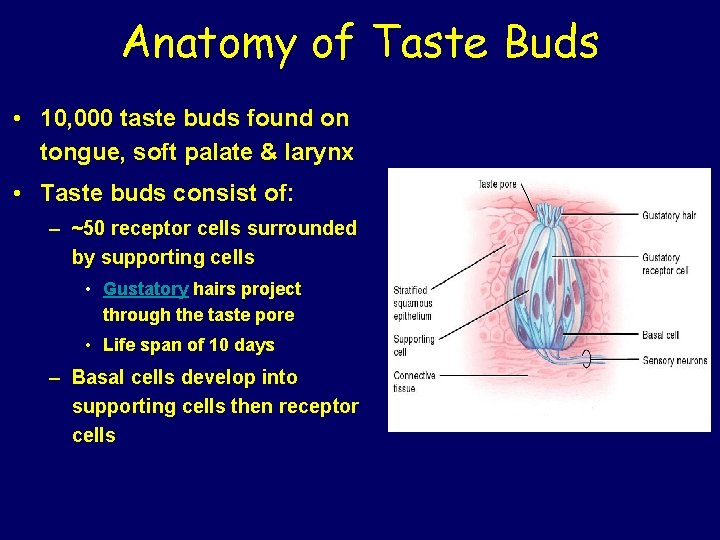
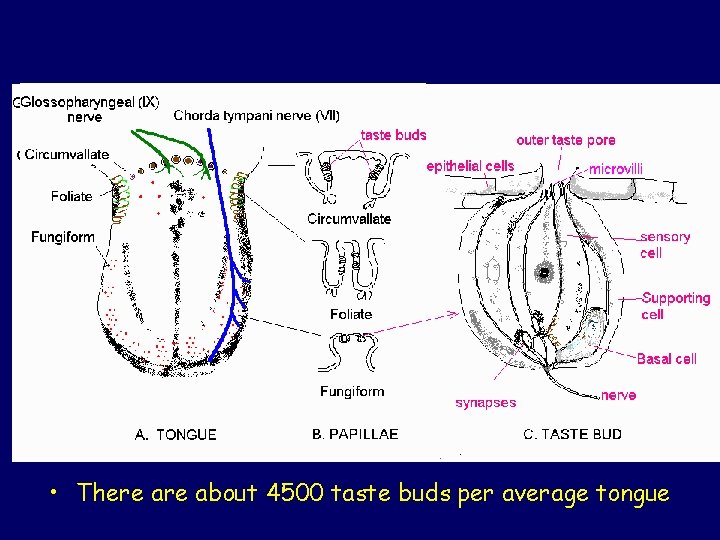
Anatomy of Taste Buds • 10, 000 taste buds found on tongue, soft palate & larynx • Taste buds consist of: – ~50 receptor cells surrounded by supporting cells • Gustatory hairs project through the taste pore • Life span of 10 days – Basal cells develop into supporting cells then receptor cells
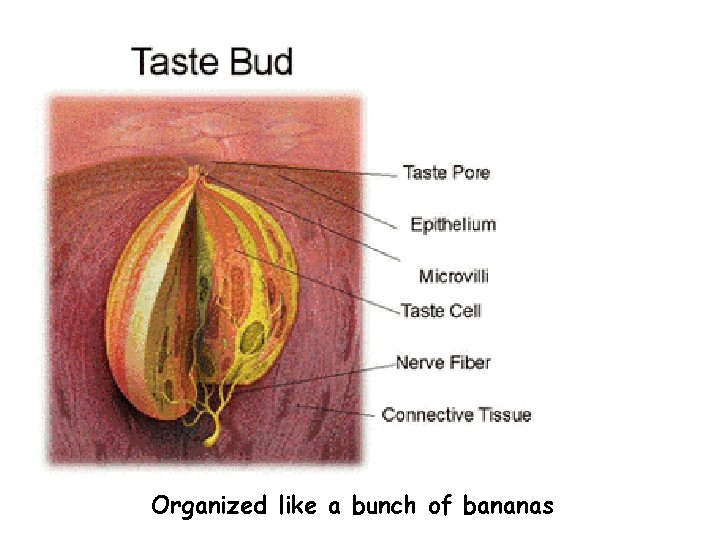
Organized like a bunch of bananas
Taste Buds
• There about 4500 taste buds per average tongue
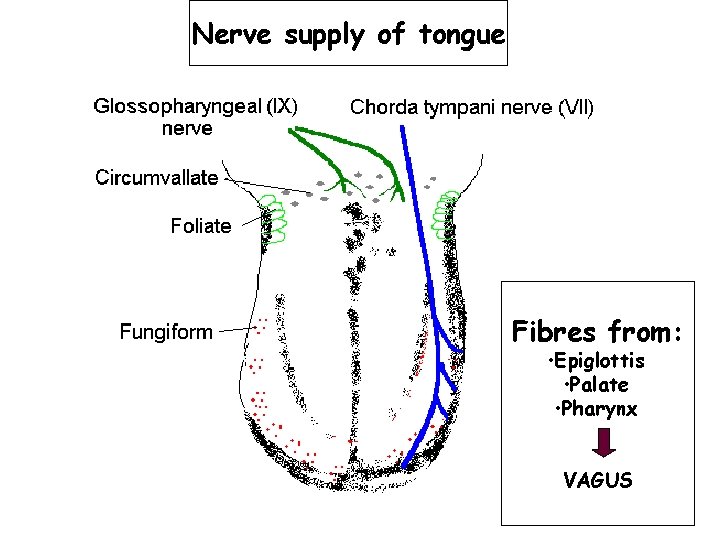
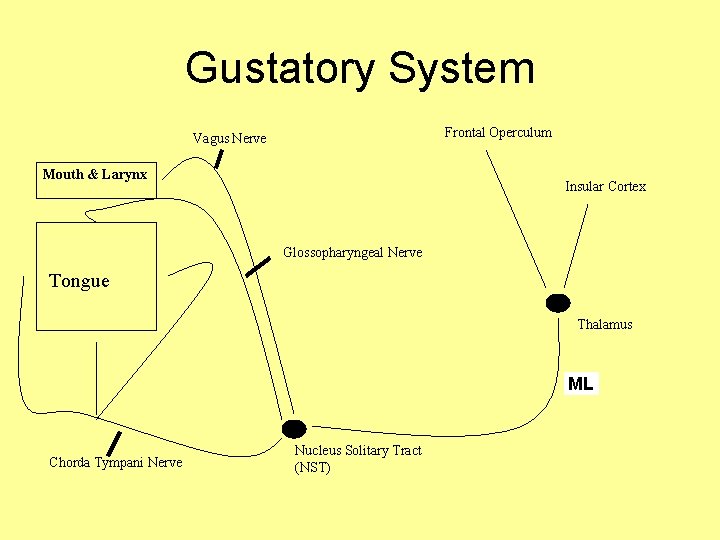
Nerve supply of tongue Fibres from: • Epiglottis • Palate • Pharynx VAGUS
Gustatory System Frontal Operculum Vagus Nerve Mouth & Larynx Insular Cortex Glossopharyngeal Nerve Tongue Thalamus ML Chorda Tympani Nerve Nucleus Solitary Tract (NST)
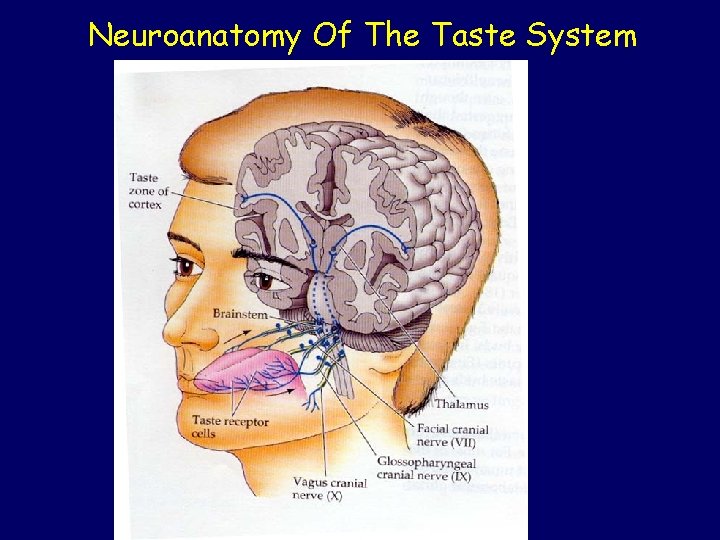
Neuroanatomy Of The Taste System
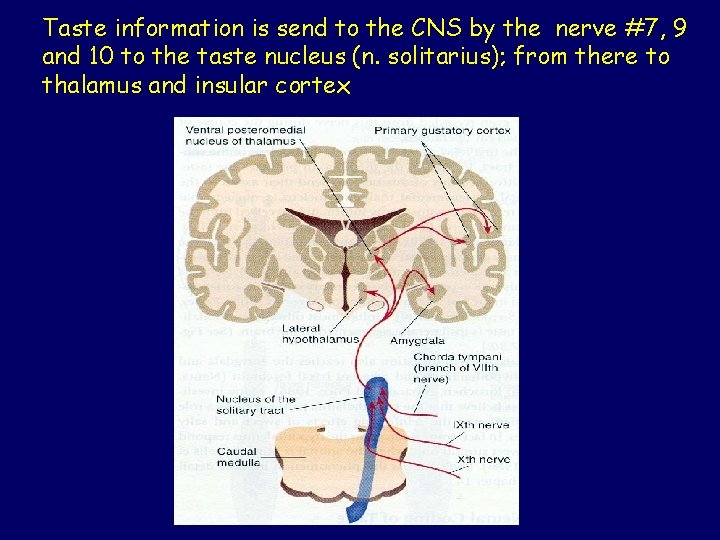
Taste information is send to the CNS by the nerve #7, 9 and 10 to the taste nucleus (n. solitarius); from there to thalamus and insular cortex
Physiology of Taste
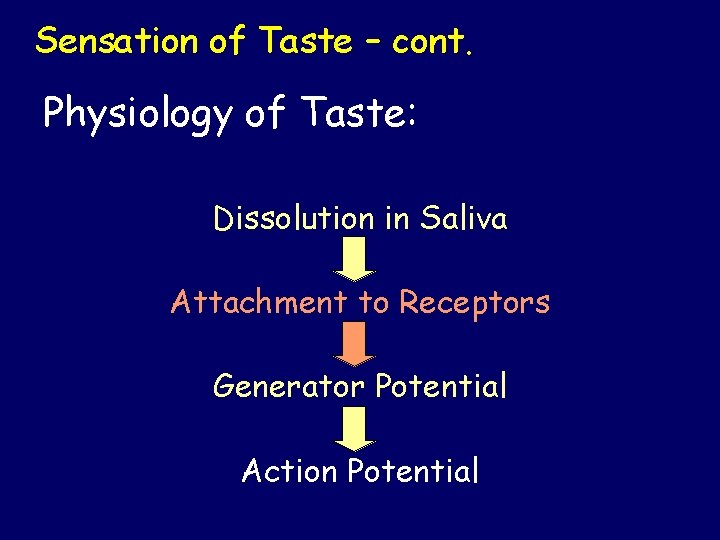
Sensation of Taste – cont. Physiology of Taste: Dissolution in Saliva Attachment to Receptors Generator Potential Action Potential
Sensation of Taste – Physiology of Taste – cont: Primary modalities of taste: – Sour – Salt – Sweet – Bitter – umami (deliciousness), a taste associated with glutamate & other nucleotides has receptors located at the back of the pharynx.
Sensation of Taste – Physiology of Taste – cont: Primary modalities of taste: – Sour – Salt – Sweet – Bitter Evidence for 4 modalities? ? ?
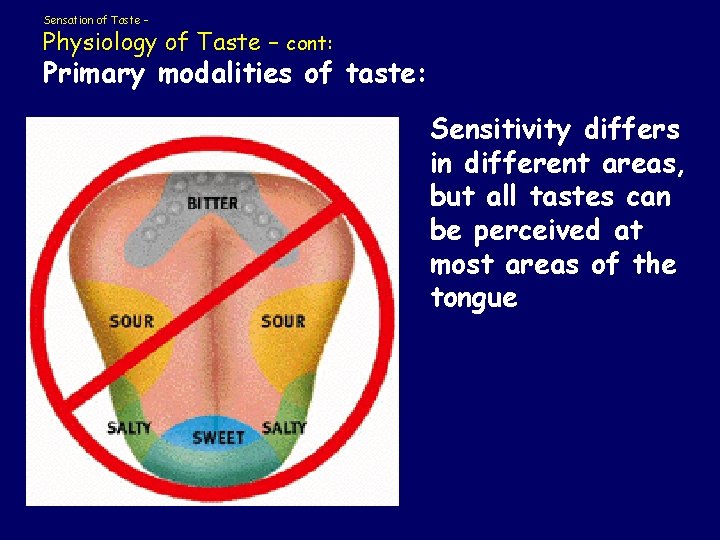
Sensation of Taste – Physiology of Taste – cont: Primary modalities of taste: Sensitivity differs in different areas, but all tastes can be perceived at most areas of the tongue
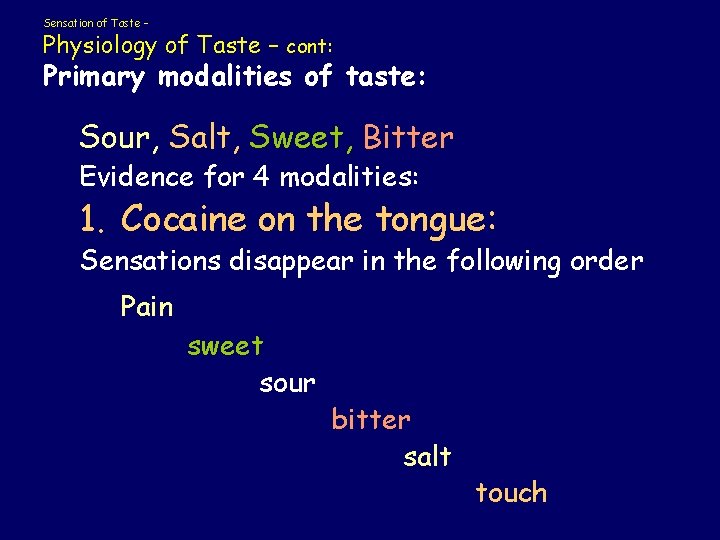
Sensation of Taste – Physiology of Taste – cont: Primary modalities of taste: Sour, Salt, Sweet, Bitter Evidence for 4 modalities: 1. Cocaine on the tongue: Sensations disappear in the following order Pain sweet sour bitter salt touch
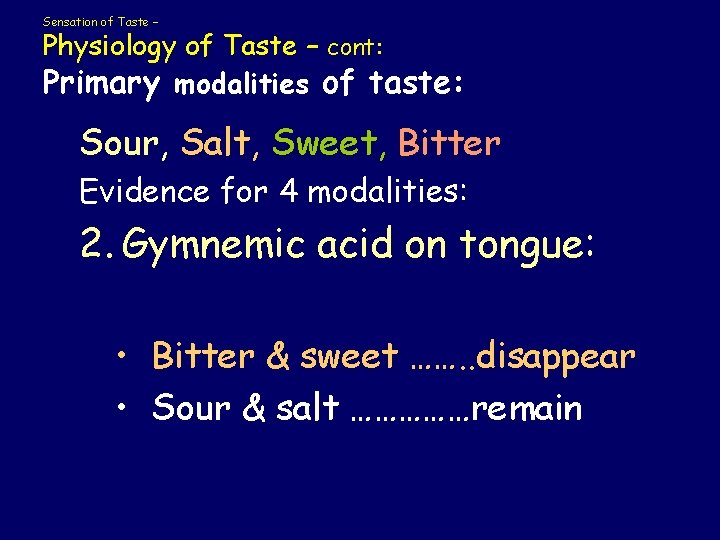
Sensation of Taste – Physiology of Taste – cont: Primary modalities of taste: Sour, Salt, Sweet, Bitter Evidence for 4 modalities: 2. Gymnemic acid on tongue: • Bitter & sweet ……. . disappear • Sour & salt ……………remain
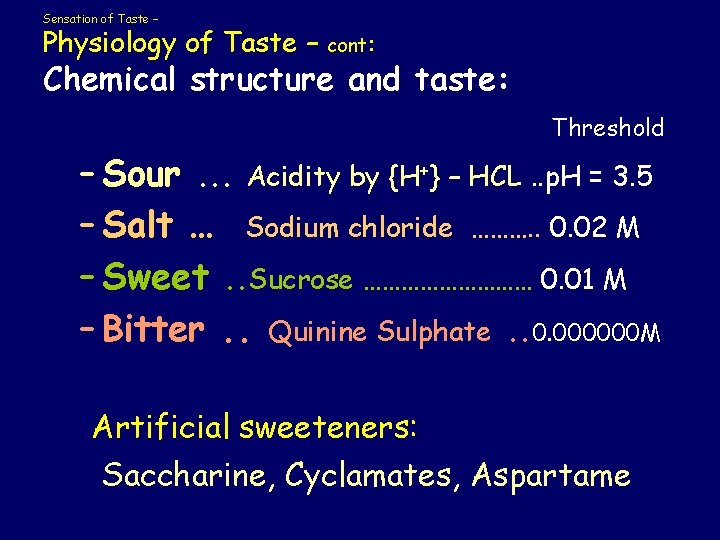
Sensation of Taste – Physiology of Taste – cont: Chemical structure and taste: Threshold – Sour. . . Acidity by {H+} – HCL. . p. H = 3. 5 – Salt … Sodium chloride ………. . 0. 02 M – Sweet. . Sucrose …………… 0. 01 M – Bitter. . Quinine Sulphate. . 0. 000000 M Artificial sweeteners: Saccharine, Cyclamates, Aspartame
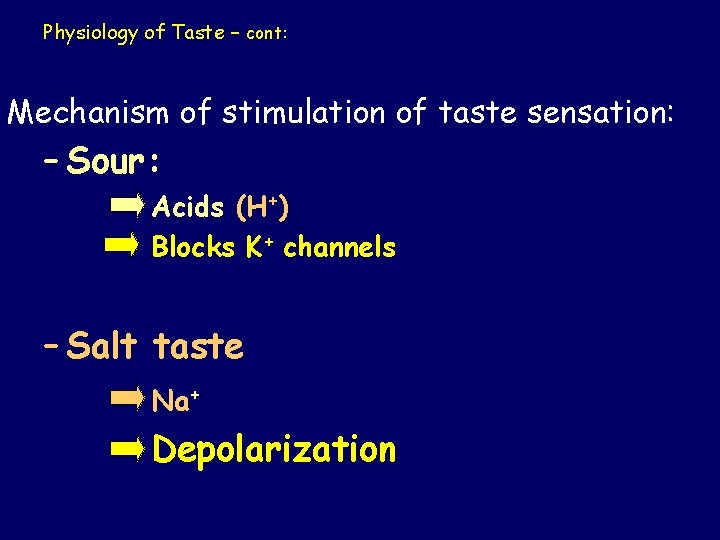
Physiology of Taste – cont: Mechanism of stimulation of taste sensation: – Sour: Acids (H+) Blocks K+ channels – Salt taste Na+ Depolarization
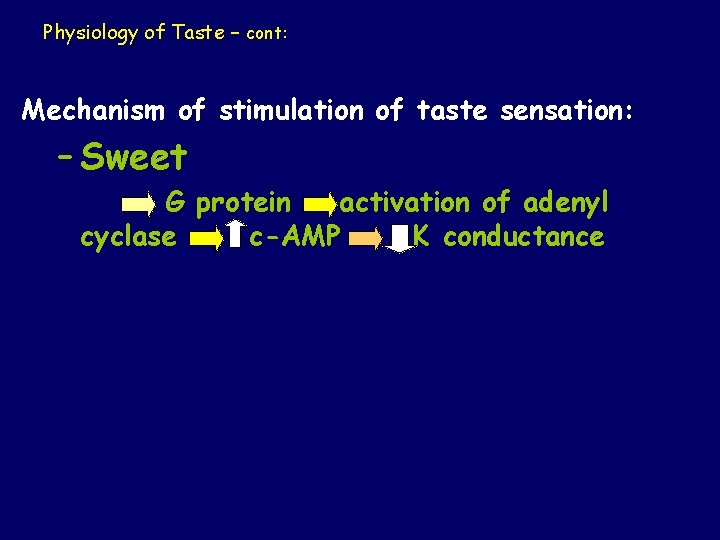
Physiology of Taste – cont: Mechanism of stimulation of taste sensation: – Sweet G protein activation of adenyl cyclase c-AMP K conductance – Bitter G protein Activatn. of Phospholipase C IC-insitol (PO 4)3 Ca 2 release
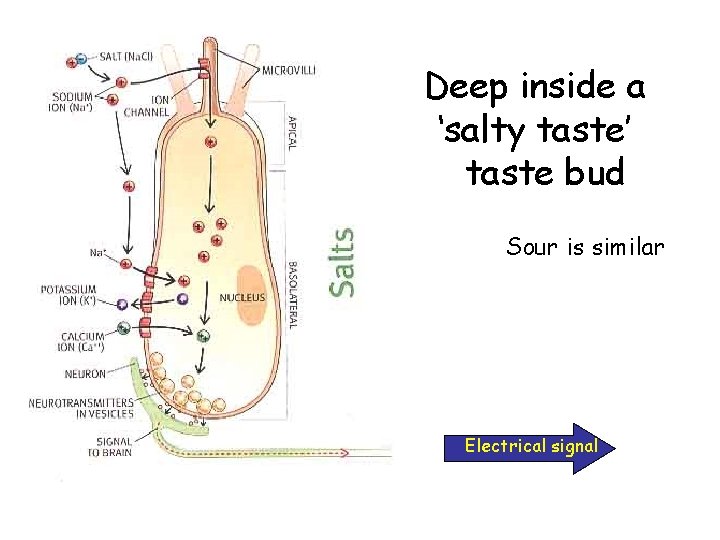
Deep inside a ‘salty taste’ taste bud Sour is similar Electrical signal
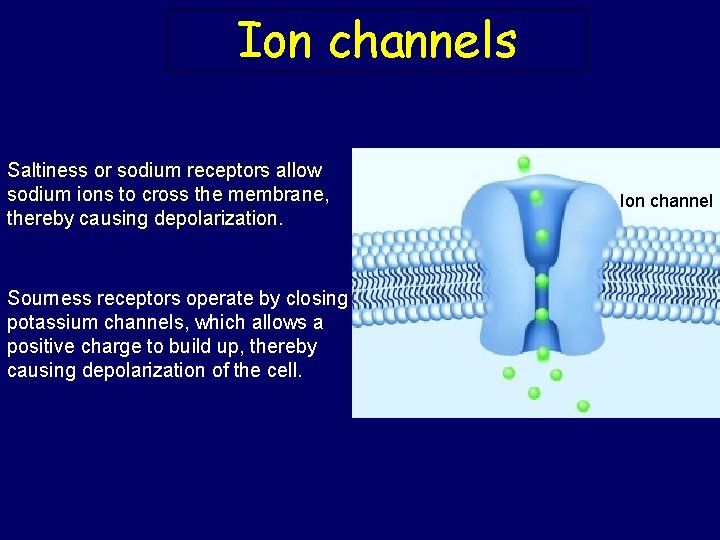
Ion channels Saltiness or sodium receptors allow sodium ions to cross the membrane, thereby causing depolarization. Sourness receptors operate by closing potassium channels, which allows a positive charge to build up, thereby causing depolarization of the cell. Ion channel
Mechanism of stimulation of taste sensation - cont: Saltiness and sourness are transduced directly by sodium and hydrogen ions respectively. The transduction process for sweetness and bitterness involve second messengers.
Sensation of Taste – cont. Discrimination of intensity of taste: – Poor (like smell) – Requires 30% change to allow discrimination of intensity
Sensation of Taste – cont. Adaptation to taste: Decreased sensation from repeated stimulus Entirely peripheral at the receptors
Clinical considerations • Ageusia: Absence of sense of taste • Dysgeusia: Disturbed sense of taste • Hypogeusia: Diminshed sense of taste • Hypergeusia: increased sense of taste
Thank you