Richard Katesmark Registered Osteopath special interest Headaches and






- Slides: 33
Richard Katesmark Registered Osteopath (special interest; Headaches and Migraines)
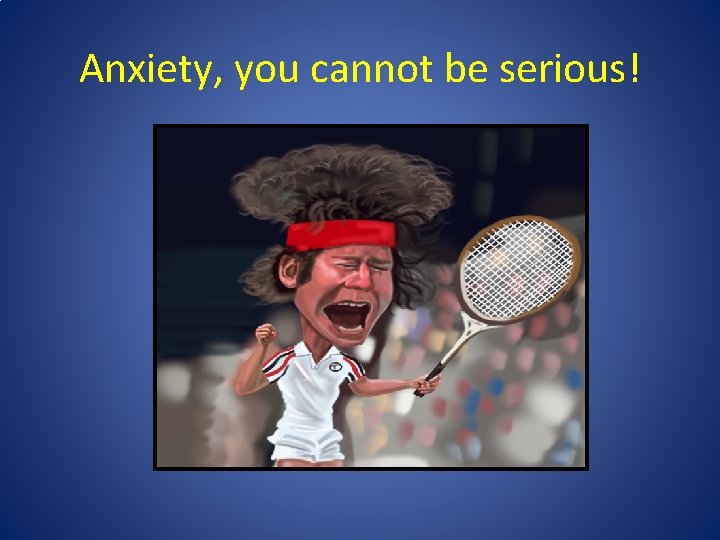
Anxiety, you cannot be serious!
BIG problem…. • 1 in 6 adults had experienced some form of ‘neurotic health problem’ in the previous week (1) The most common neurotic disorders were anxiety and depressive disorders. • More than 1 in 10 people are likely to have a ‘disabling anxiety disorder’ at some stage in their life. • There approximately 3 million adults in the UK with an anxiety disorder. • At present 40% of disability worldwide is due to depression and anxiety.
. . & more statistics…. . • Just 15% of people with mixed anxiety and depression – the most common anxiety related diagnosis - are receiving medical treatment. • 800, 000 more UK adults would have qualified for the diagnosis of an anxiety disorder in 2007 than in 1993. • The highest incidence of the onset of anxiety attack disorder occurs in the 17 to 25 years of age range.
HIDDEN COSTS…. .
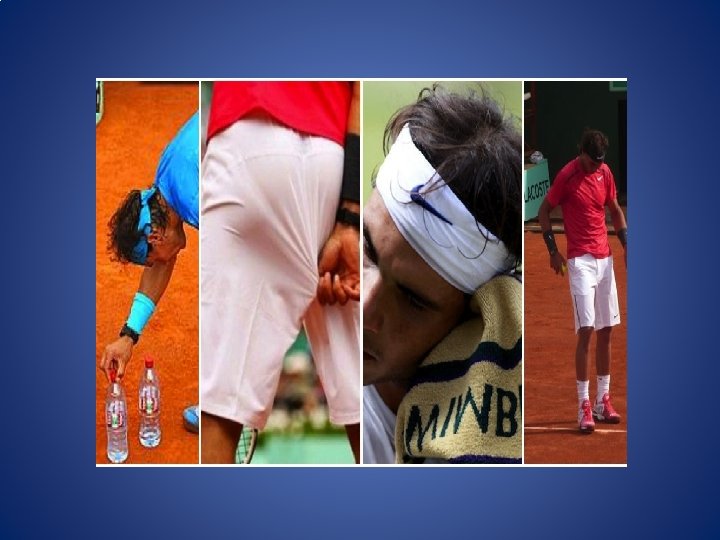
Does it make you ill?
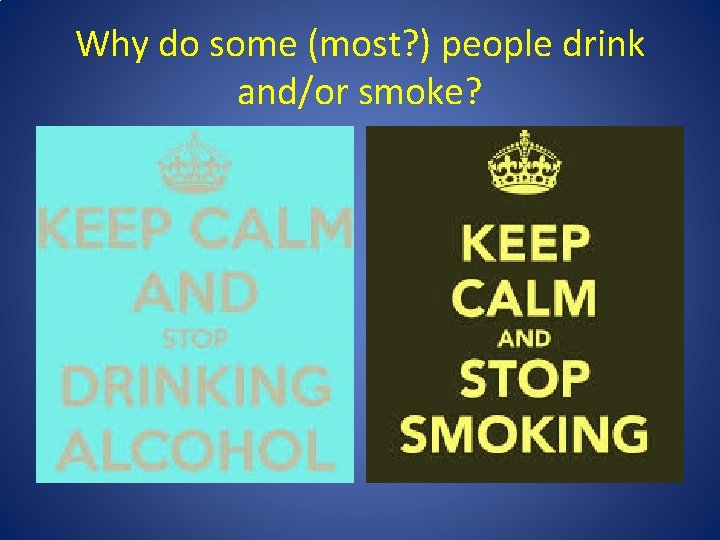
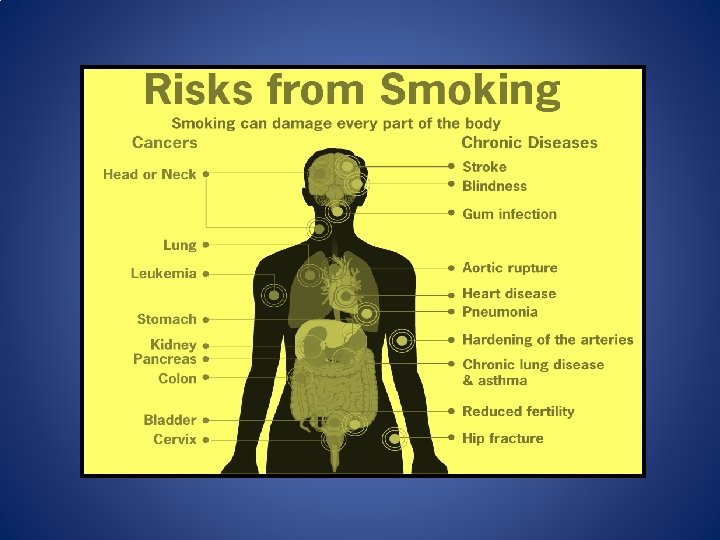
Why do some (most? ) people drink and/or smoke?
AND YET… • Mental health is chronically underfunded. It accounts for 28% of the disease burden, but gets just 13% of the NHS budget. • The recent decision by NHS England & the health regulator Monitor to recommend cutting funding for mental health services by 20% more than that for acute hospitals. • mental health trusts suffered a 2. 3 per cent real terms funding cut between 2011 -12 and 2013 -14, when figures were adjusted for inflation. • One in five trusts saw income reduce by 5 -9 per cent, while five saw budgets plunge by more than 10 per cent.
Anxious, me ? You cannot be serious!
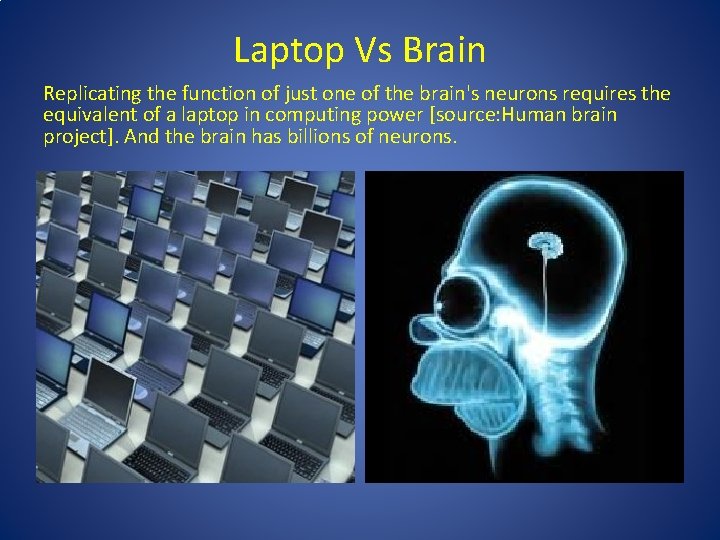
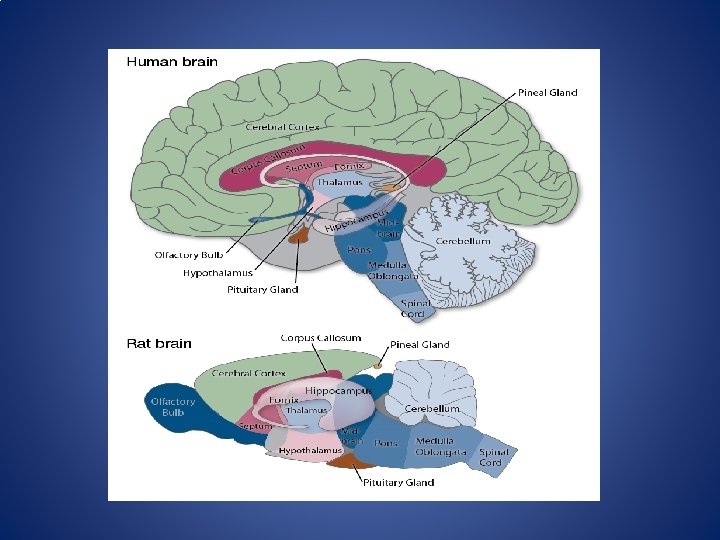
Laptop Vs Brain Replicating the function of just one of the brain's neurons requires the equivalent of a laptop in computing power [source: Human brain project]. And the brain has billions of neurons.
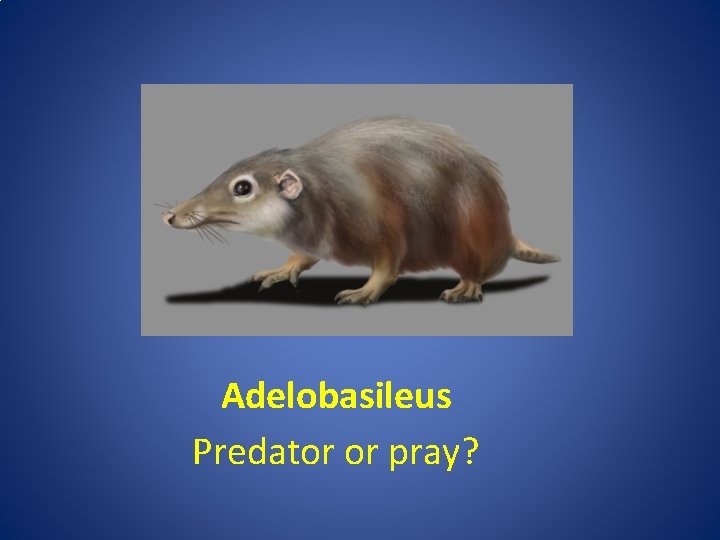
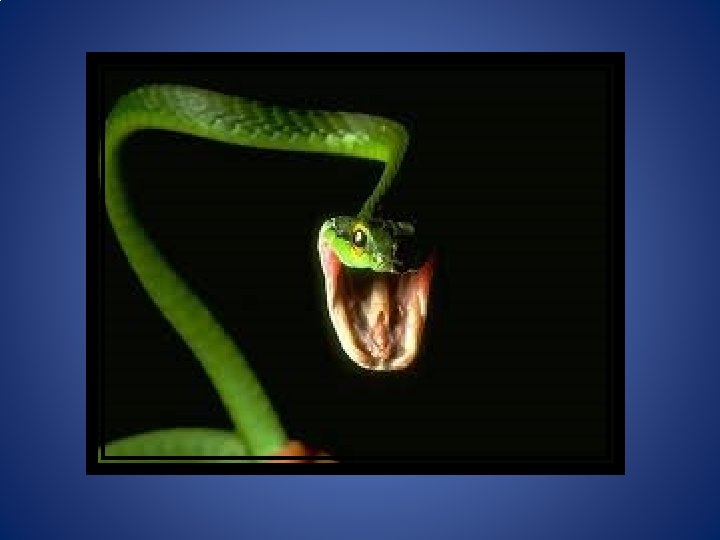
adelobasileus Adelobasileus Predator or pray?
‘Normal’ or not?
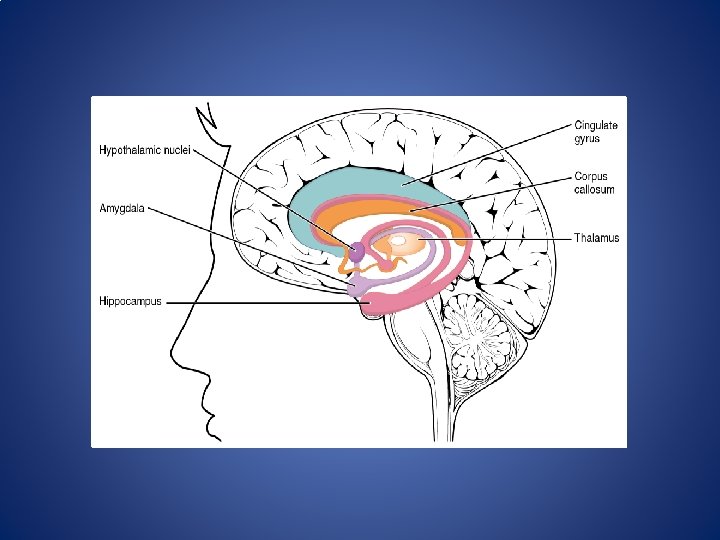
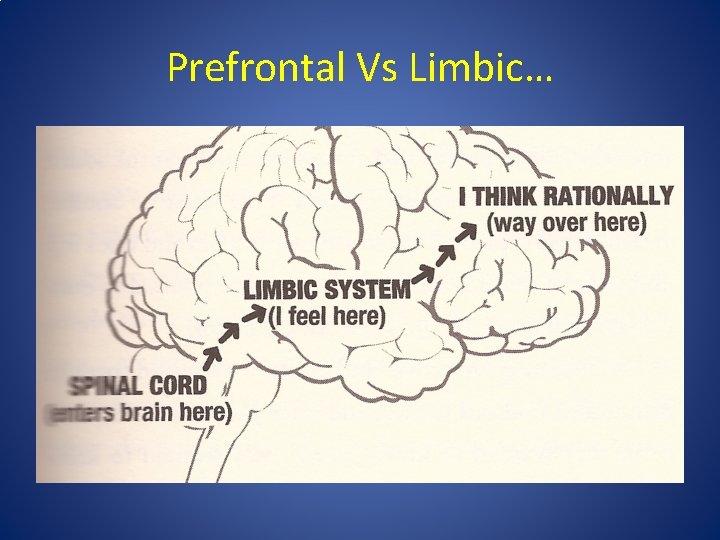
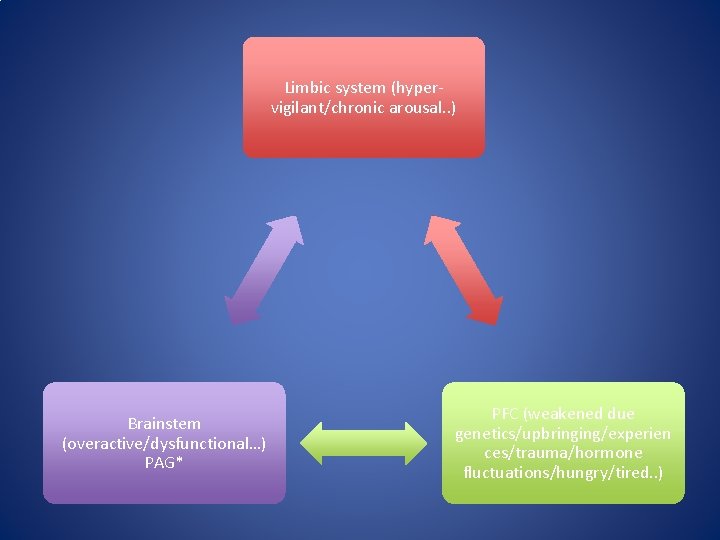
Prefrontal Vs Limbic…
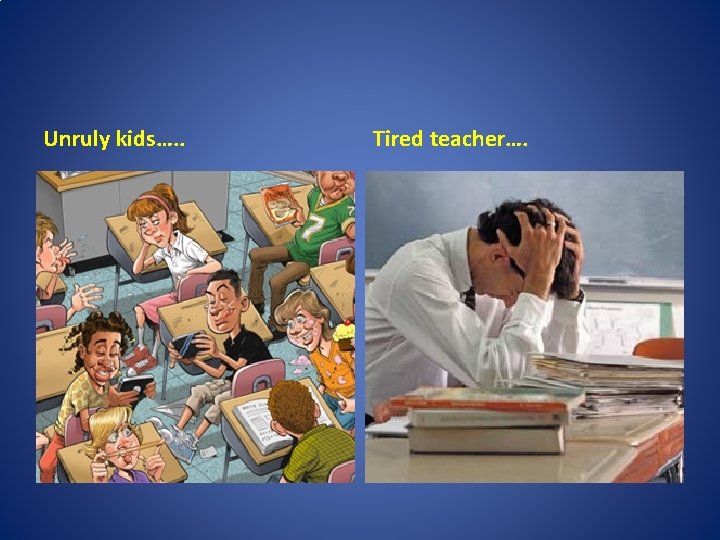
Unruly kids…. . Tired teacher….
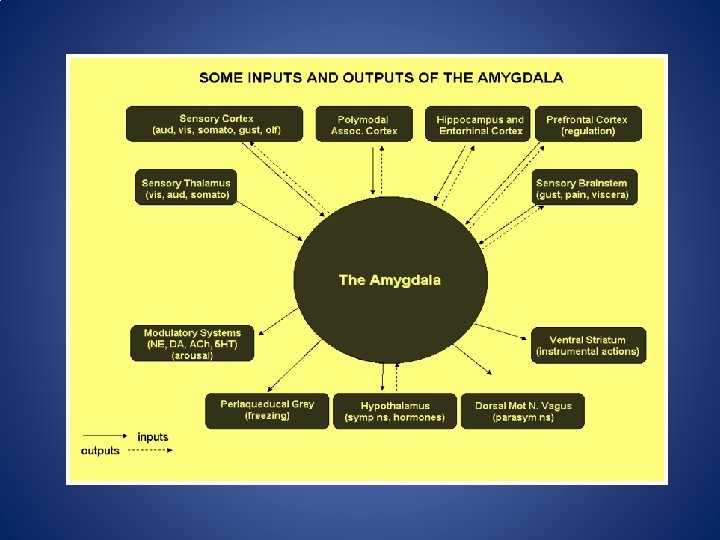
Limbic system (hypervigilant/chronic arousal. . ) Brainstem (overactive/dysfunctional…) PAG* PFC (weakened due genetics/upbringing/experien ces/trauma/hormone fluctuations/hungry/tired. . )
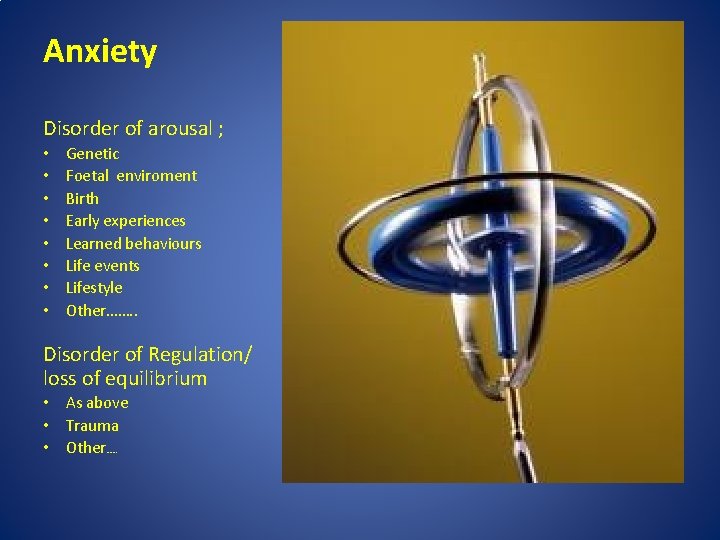
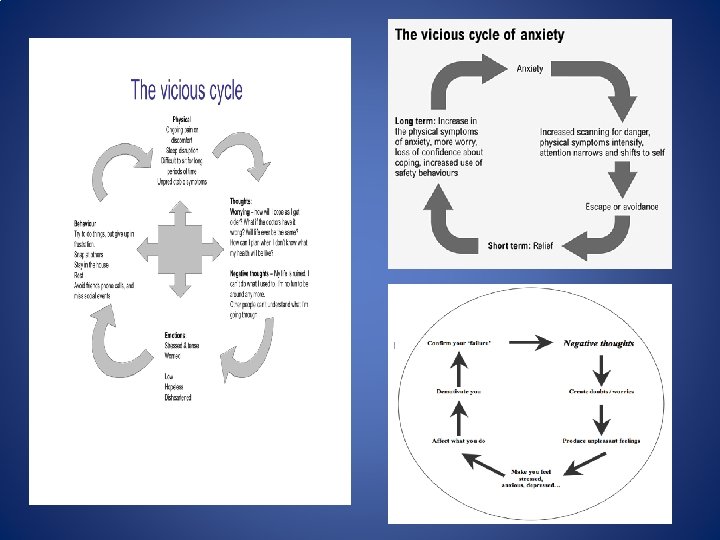
Anxiety Disorder of arousal ; • • Genetic Foetal enviroment Birth Early experiences Learned behaviours Life events Lifestyle Other……. . Disorder of Regulation/ loss of equilibrium • As above • Trauma • Other….
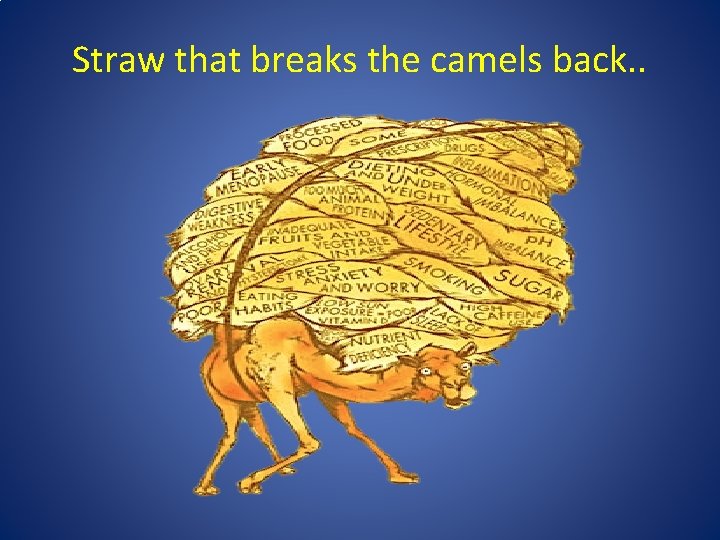
Straw that breaks the camels back. .
Early Recognition
Management/treatment Reassurance* Advice Self-help Exercises Talk therapies Complementary medicine • Medication • • •
Reassurance • Pros and Cons (see handout)
Any Questions?