Respiratory Emergencies Chapter 8 Topic Overview Anatomy and
- Slides: 41
Respiratory Emergencies Chapter 8
Topic Overview § § § Anatomy and Physiology Adequate and Inadequate breathing Airway positioning § Head/tilt-Chin/lift § Jaw Thrust
Topic Overview § Techniques of Artificial Ventilation. § Rescue Breathing (adult, child, infant) § Mouth-to-Mask, Bag-Valve Mask, Mouthto-mouth, Mouth-to-nose, Mouth-to-stoma rescue breathing. § Foreign Body Airway Obstruction § Conscious (adult, child, infant) § Unconscious (adult, child, infant)
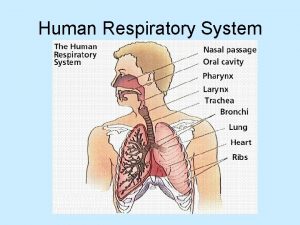
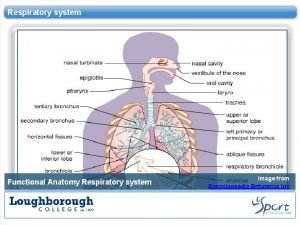
Respiratory Emergencies § Respiratory Anatomy § You are responsible for this information § Respiratory Physiology § You are responsible for this information
Respiratory Emergencies § Introduction § Oxygen § Essential component § Inadequate perfusion can have irreversible effects from organ failure, loss of brain function to death. § Any and all Patient Care Situations You Must § Evaluate, establish and maintain a patent airway
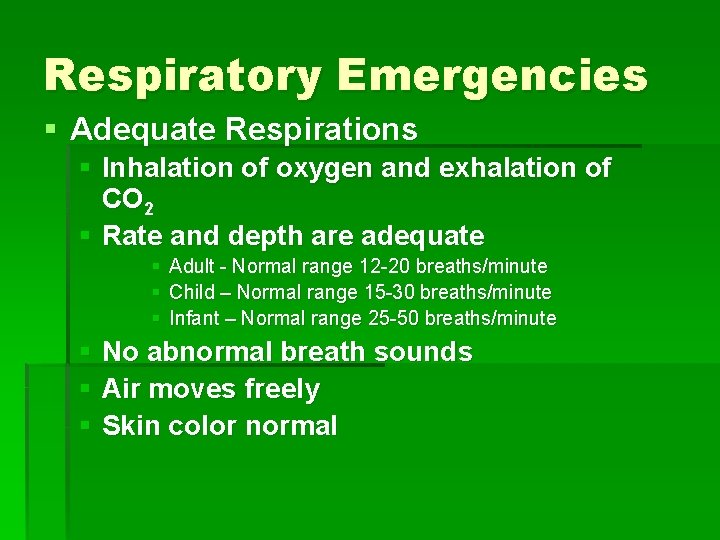
Respiratory Emergencies § Adequate Respirations § Inhalation of oxygen and exhalation of CO 2 § Rate and depth are adequate § Adult - Normal range 12 -20 breaths/minute § Child – Normal range 15 -30 breaths/minute § Infant – Normal range 25 -50 breaths/minute § No abnormal breath sounds § Air moves freely § Skin color normal
Respiratory Emergencies § Inadequate Respirations § Respiratory failure § Reduction of breathing to the point where oxygen intake in insufficient to support life. § Respiratory Arrest § Breathing stops completely
Respiratory Emergencies § Inadequate Breathing § Signs of breathing but inadequate to support life § Rate of breathing or depth of breathing or both fall outside normal ranges. § Shallow ventilations § Diminished or absent breath sounds § Decreased minute volume
Respiratory Emergencies § Inadequate Breathing § General Signs and Symptoms § Nasal Flaring § Grunting § Retractions between the ribs, above the clavicles and above the sternum § Increased Pulse Rate § Decreased Pulse Rate (infants and children) § Changes in the rate § Changes in the rhythm
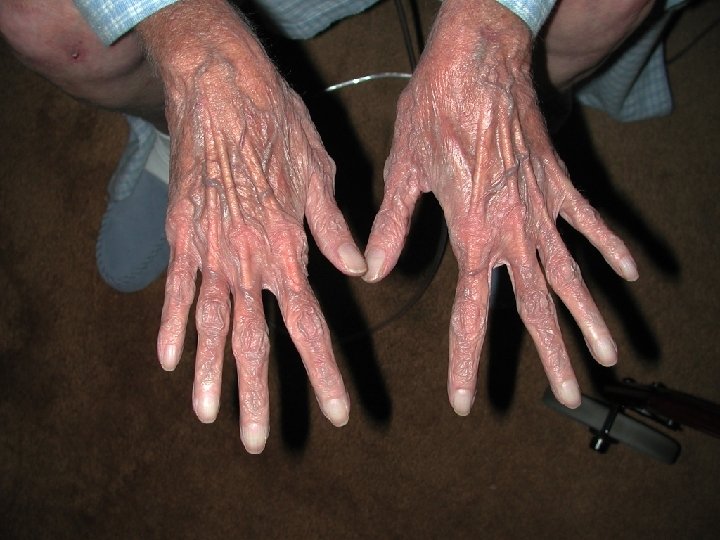
Respiratory Emergencies § Skin Color § § § Central Cyanosis (Lips and Mouth) Peripheral Cyanosis (fingers, toes, tip of nose) Gray skin color § Diaphoresis § Restlessness, anxiety, irritability, drowsiness § Coughing up sputum § Clubbing
Respiratory Emergencies § Noisy breathing § Crackles (rales) § Fine, wet, crackling sounds. Air passing through fluid § Rhonchi § Coarse, rattling sounds, air passing through mucus § Wheezes § High-pitched, musical sounds of narrowed airways
Respiratory Emergencies § Stridor § Harsh sounding respirations indicating narrowing or obstruction § Pleural friction rub § Continuous low-pitched, rubbing sound § Inability to speak full sentences § Use of accessory muscles to breathe § Gasping for air
Respiratory Emergencies § § § Altered mental status Breathing through pursed lips Tripod position Unusual anatomy (barrel chest) Unusually Slow § less than 8 bpm in adults or less than 10 bpm for children
Respiratory Emergencies § Infants and Children § Can be a very serious problem § Statistically respiratory conditions are the leading killer of infants and children § Airway is smaller thus more easily obstructed § The tongue is proportionately larger and take up more space in the mouth § Trachea is smaller, softer and more flexible in § More dependant on the diaphragm for respirations. exhibit a seesaw breathing pattern
Respiratory Emergencies § Breathing Difficulty Patient Care § Assessment § Oxygen § If breathing adequately – nonrebreather at 12 -15 liters per minute. § Inadequate breathing – BVM or resuscitation mask with supplement oxygen. § Positoning § Sitting up § Prescribed inhaler
Respiratory Emergencies § Most Commonly Encountered Problems § COPD § Emphysema § Chronic Bronchitis § Asthma § Hyperventilation § Anaphylaxis (also covered under shock)
Respiratory Emergencies § COPD § Chronic Bronchitis § Excessive mucus in the airways § Cilia in bronchioles damaged or destroyed § Patient typically overweight and cyanotic § “blue bloater”
Respiratory Emergencies § Emphysema § Destroys alveoli § Decreased ability to exchange oxygen and wastes § Lungs lose elasticity and excessive mucus is formed § Patient becomes barrel-chested over time § Typically thin, uses pursed lip breathing and have pink or reddish skin § “pink puffer”
Respiratory Emergencies § COPD § Hypoxic Drive § Respirations regulated by the level of oxygen in the body (they have developed a tolerance to higher than normal levels of CO 2) § Only a SMALL percentage of COPD patients use hypoxic drive § High flow O 2 for extended periods of time, could result in decreased respiratory function - RARE
Respiratory Emergencies § Asthma § Bronchioles spasm during exhalation § Air trapping during exhalation § Forceful exhalation producing classic wheezing sound § Hyper production of thick mucus § Affects both young and old
Respiratory Emergencies § Status Asthmatics § Severe prolonged asthma attack that cannot be broken despite repeated dosages of epinephrine § Activate EMS rapidly § THESE PATIENTS OFTEN DIE
Respiratory Emergencies § Hyperventilation Syndrome § Rapid breathing (Tachypnea) § Dyspnea § Chest pain § Numbness or tingling in the fingers, toes and around lips. § Carpal/Pedal spasms § Dry mouth § Lightheadedness
Respiratory Emergencies § Emotional stress, some medications and trauma can cause hyperventilation syndrome § Treatment § Calm patient § Oxygen § End Result
Respiratory Emergencies § Anaphylaxis § Severe Allergic Reaction § A life-threatening problem which requires immediate attention § Covered in detail under shock
Respiratory Emergencies § General Care for Respiratory Emergencies § Summon more advanced medical personnel § Place patient in a sitting position § Provide Oxygen if available § Maintain body temperature § Help with meds § Monitor vital signs, LOC and initial assessment
Respiratory Emergencies § NEVER DENY OXYGEN TO ANY PATIENT WHO NEEDS IT!
Respiratory Emergencies § Additional Problems § Pneumothorax or Hemothorax § Lung on affected side collapses § If untreated, a Tension Pneumothorax is created whereby the mediastinum is shifted over and other lung is affected § Sudden dyspnea, chest pain, tachypnea, diminished breath sounds on one side, subcutaneous emphysema, progressing to tracheal deviation § If due to trauma, sucking chest wound may be present
Respiratory Emergencies § Pulmonary Edema § Causes § § § Congestive heart failure Inhaled substances Narcotic overdose High altitudes Compression injuries § Rapid shallow breathing, crackles, JVD, pink frothy sputum
Respiratory Emergencies § Toxic Inhalation § If the patient has been exposed to a hazardous chemical or substance § You should not deal with this patient until after decontamination has taken place. § The symptoms you see will depend on what substance the patient has been exposed to
Respiratory Emergencies § Carbon Monoxide Inhalation § Odorless, colorless, tasteless § Binds 200 times faster to hemoglobin than O 2 § Signs and Symptoms § § § Headache Seizures Vomiting Chest pain Confusion Initially cyanosis / near death cherry red lips and nail beds
Respiratory Emergencies § Carbon Monoxide Inhalation § Treatment § § § Activation of EMS High flow oxygen Hyperbaric oxygen therapy
Respiratory Emergencies § Pickwickian Syndrome § Very obese patient § Periods of apnea and somnolence (extreme drowsiness) § Complaints of headache, inappropriate dozing, cyanosis, muscle twitching § Treatment is supportive, assist ventilations as needed
Respiratory Emergencies § Injury § Electrocution § Poisoning § Drowning or near-drowning § Infectious Diseases § Influenza § Tuberculosis
Respiratory Emergencies § Dysfunction of the Spinal Cord, Nerves, or Respiratory Muscles § Several disease processes can effect spinal cord, nerves, and or respiratory muscles § § § Spinal cord trauma Polio Myasthenia gravis § Often times this group of patients require assisted breathing § Establish an open airway § Provide respiratory support § High flow oxygen
Respiratory Emergencies § General Care § Primary Goal § Establish and maintain an adequate airway § § § § Provide supplemental oxygen Assist with ventilations Place patient in a sitting position Maintain body temperature Help with meds Summon more advanced medical personnel Monitor vital signs, LOC and initial assessment
Respiratory Emergencies § It is not enough to simply make sure the patient is breathing. § The patient must be breathing adequately.
Respiratory Emergencies § Never Deny any Patient Oxygen Who Needs It!
Respiratory Emergencies § Basic Airway Management § Heimlich Maneuver § Chest Thrusts § Infant Airway Obstruction § Manual Airway § Head-tilt/Chin-lift § Jaw-Thrust Maneuver § Application of a cervical collar
Respiratory Emergencies § Sellick’s Maneuver (Cricoid Pressure) § Apply slight pressure using the thumb and index finger to the lateral and anterior aspects of the cricoid cartilage.
Respiratory Emergencies § Special Considerations in Rescue Breathing § Air in the stomach § Vomiting § Mouth-to-nose breathing § Mouth-to-stoma breathing § Victims with dentures § Suspected spinal injuries