Realism Mid19 th century cultural movements Roots in

- Slides: 42
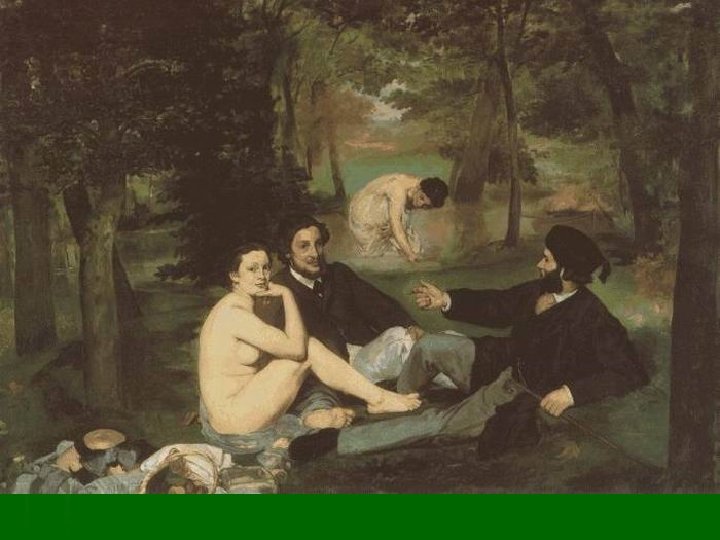
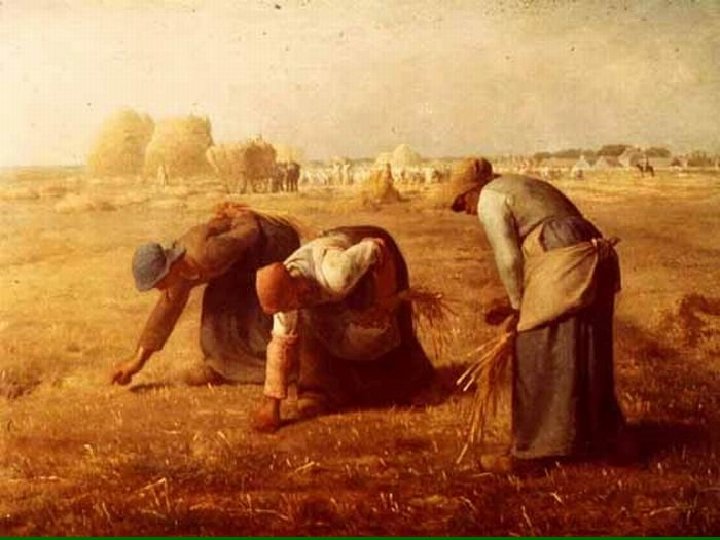
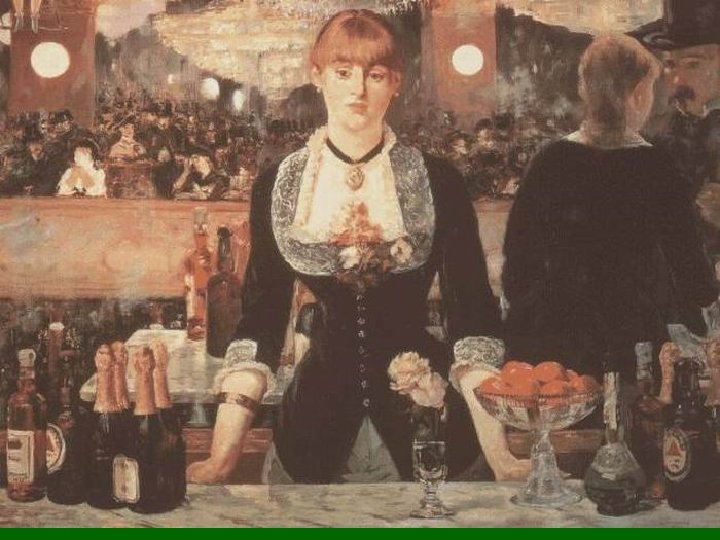
Realism • Mid-19 th century cultural movements • Roots in France • In art, the depiction of subjects as they would appear in everyday life. • In revealing the “truth” of everyday life, this art may emphasize the ugly or the sordid. • Came about with the introduction of photography which. . • Created a desire to create things that looked objectively “real” • Against romanticism – for objective reality
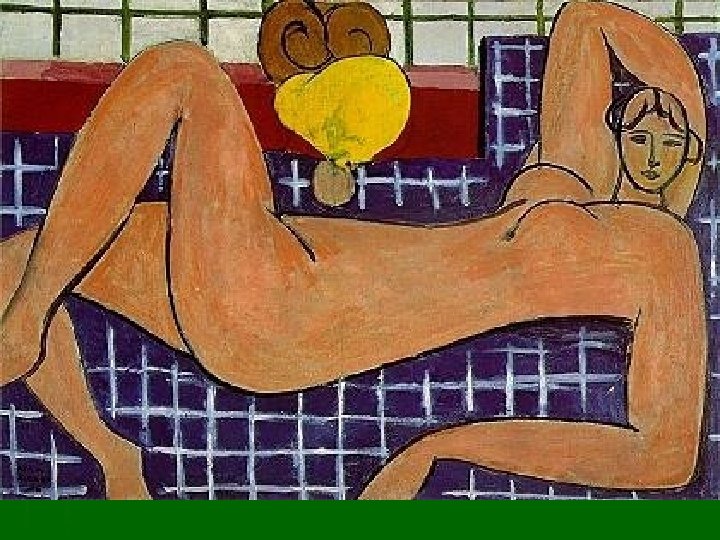
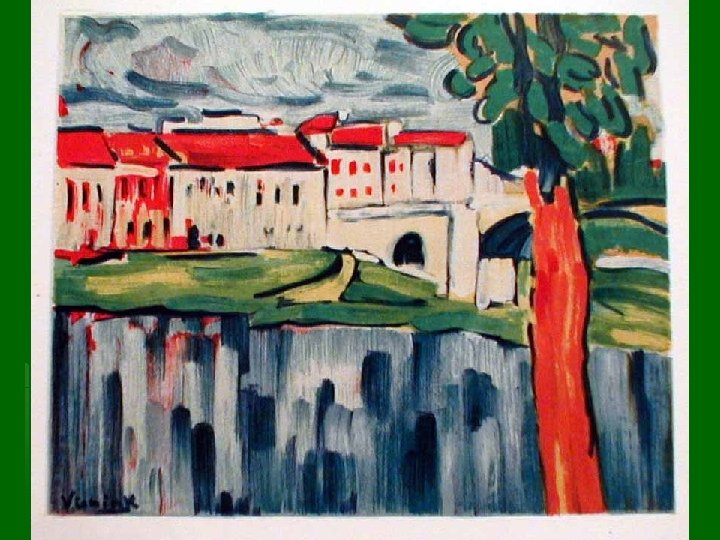
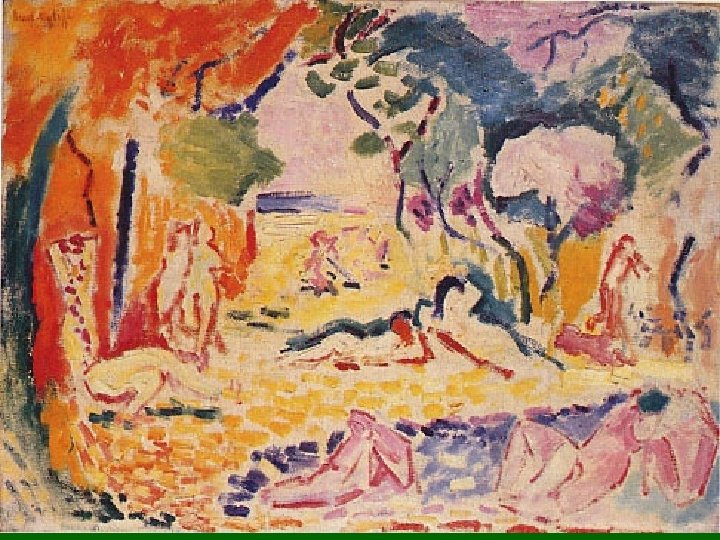
Fauvism § § § § Exuberant color and bold distortion of form An Expressionist style that began in Paris The term Fauve means “wild beast” in French, Its exponents rebelled against prevailing Academic Realism and focused, instead, on the artist’s unique personal vision. Interest in Fauvism was relatively short lived, because of the introduction of Cubism and its emphasis on form rather than color. 1 st explosive 20 th century art movement Artists: Matisse & Cezanne
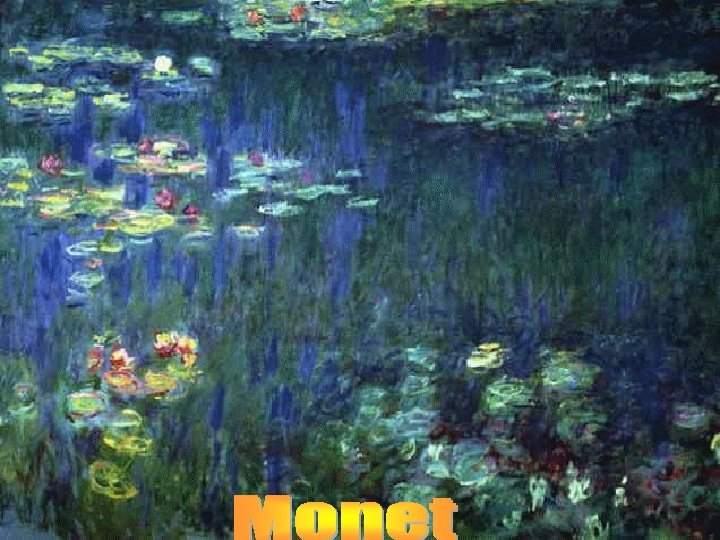
Impressionism § A 19 th century art movement that began as a loose association of Paris based artists who began exhibiting their art publicly in the 1860 s. § The name of the movement is derived from the title of a Claude Monet work, Impression, Sunrise (Impression, soleil levant), which provoked the critic Louis Leroy to coin the term in a satiric review published in Le Charivari.
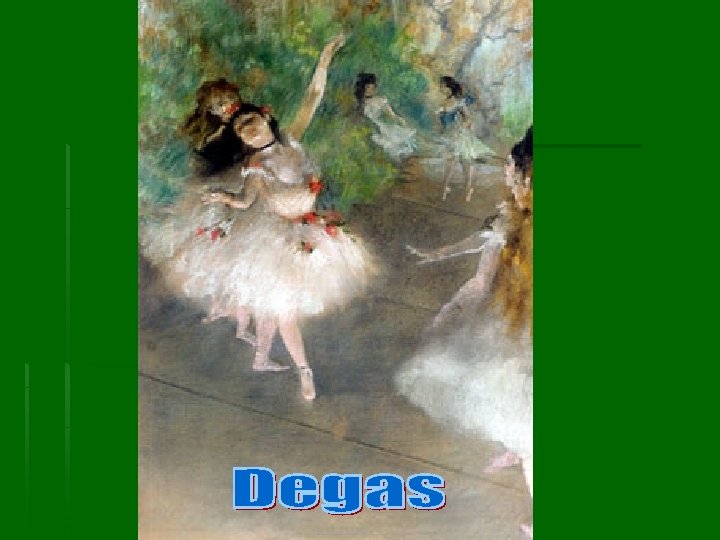
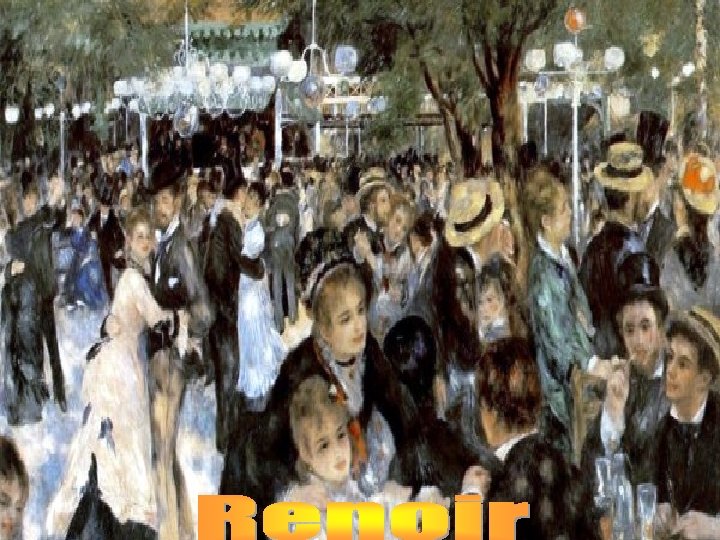
Impressionism § Characteristics of Impressionist painting include § visible brushstrokes § open composition § emphasis on light in its changing qualities (often accentuating the effects of the passage of time), § ordinary subject matter § unusual visual angles.
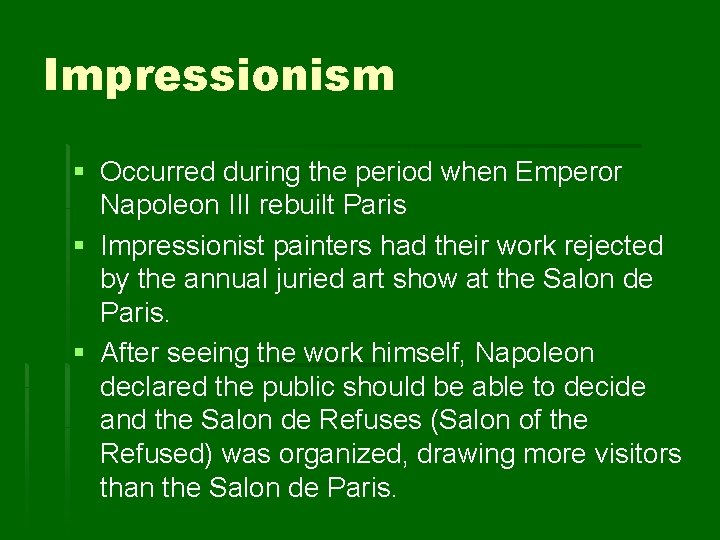
Impressionism § Occurred during the period when Emperor Napoleon III rebuilt Paris § Impressionist painters had their work rejected by the annual juried art show at the Salon de Paris. § After seeing the work himself, Napoleon declared the public should be able to decide and the Salon de Refuses (Salon of the Refused) was organized, drawing more visitors than the Salon de Paris.
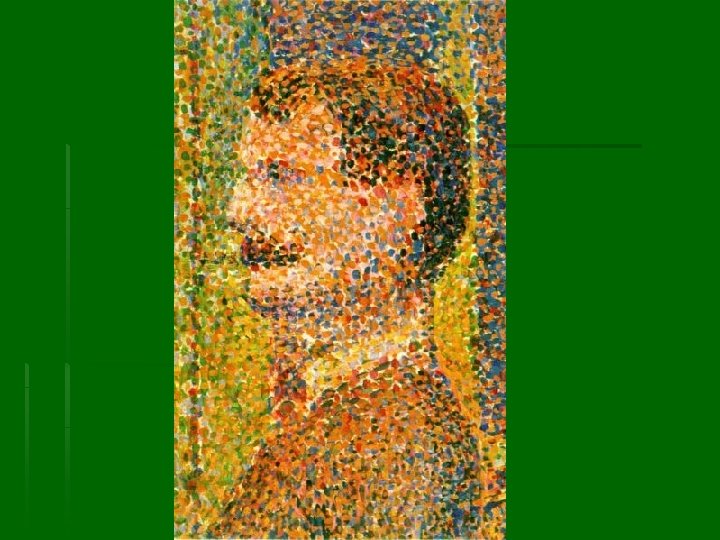
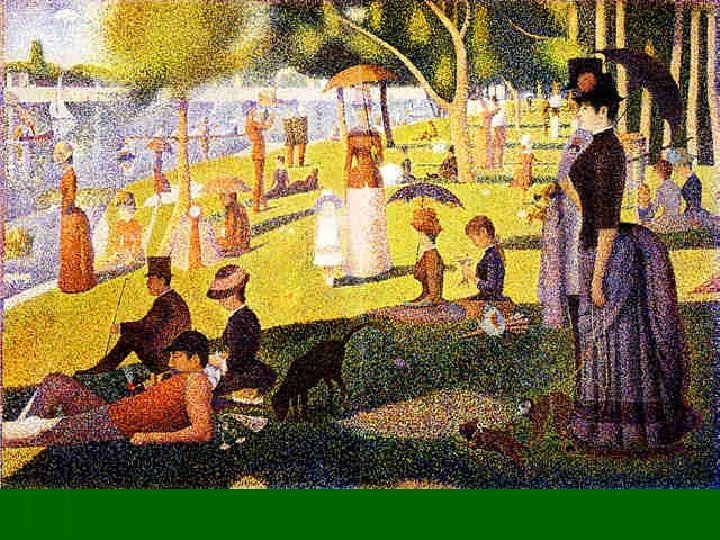
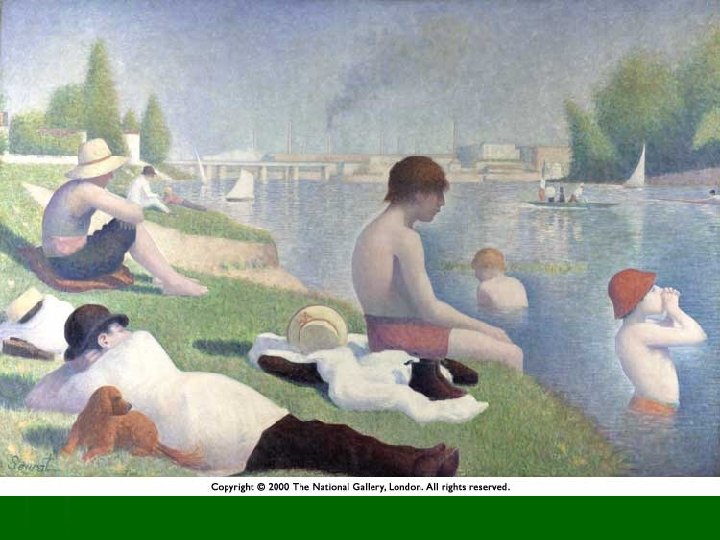
Pointillism § § § Post-impressionist style of painting Late 19 th-century France style of painting in which small distinct points of primary colors create the impression of a wide selection of secondary colors.
Pointillism § Georges Seurat, in the late 19 th century, was an artist who was greatly influenced by scientific principles of the times. § Color wheel created by a French scientist Chevreul § Geometry and algebraic formulas used to create harmony by coordinating line and color § During the 19 th century, several scientists published works on color theory and perception and these ideas were presented to the public in a way that was understandable to non-scientists and were particularly aimed at artists and art connoisseurs.
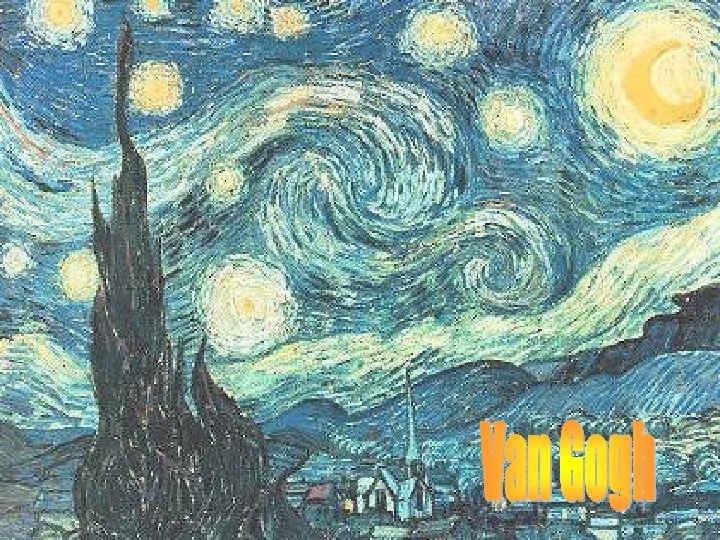
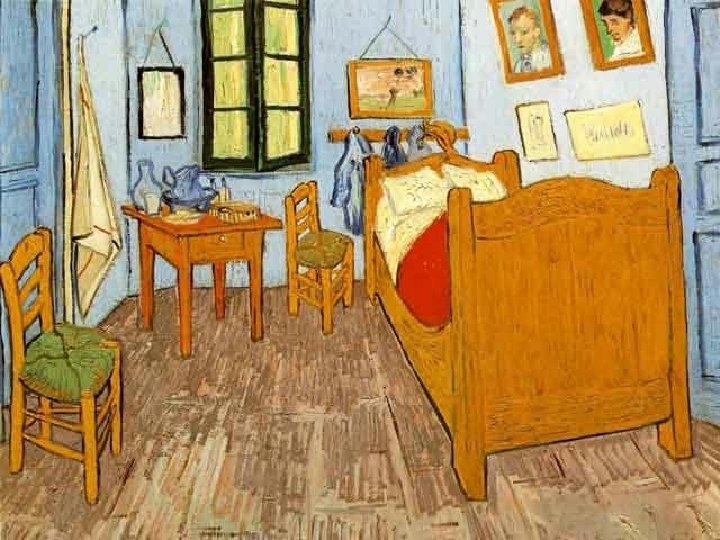
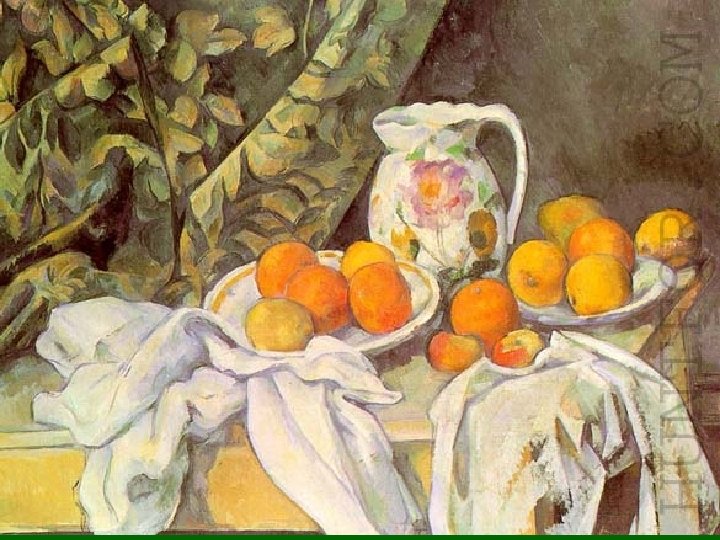
Post-Impressionism § Post-Impressionism was both an extension of Impressionism and a rejection of their limitations. § Post-Impressionists continued using vivid colors, thick application of paint, distinctive brushstrokes and real-life subject matter, but they were more inclined to emphasize § geometric forms § to distort form for expressive effect § to use unnatural or arbitrary color.
Post-Impressionism § The years between 1880 and the outbreak of WW II testified to a fruitfulness of different styles and artistic movements in Western Europe. § Post-Impressionism is a French art movement in early Modernism § Breaking free of the naturalism of Impressionism in the late 1880 s, a group of young painters sought independent artistic styles for expressing emotions rather than simply optical impressions, concentrating on themes of deeper symbolism.
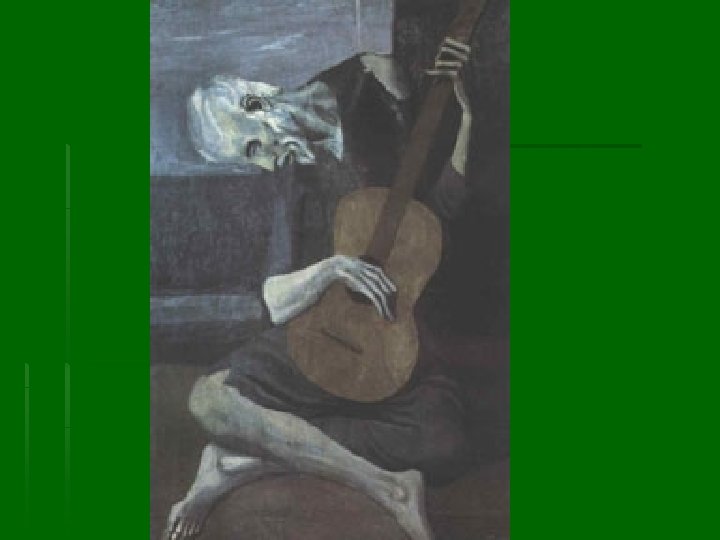
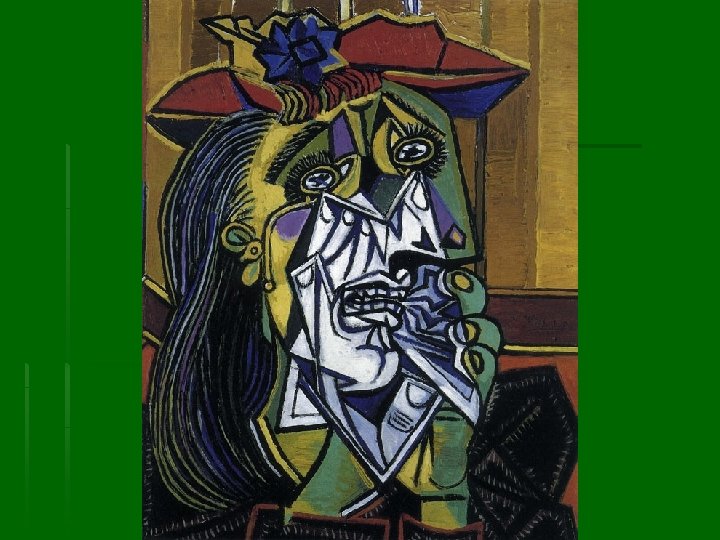
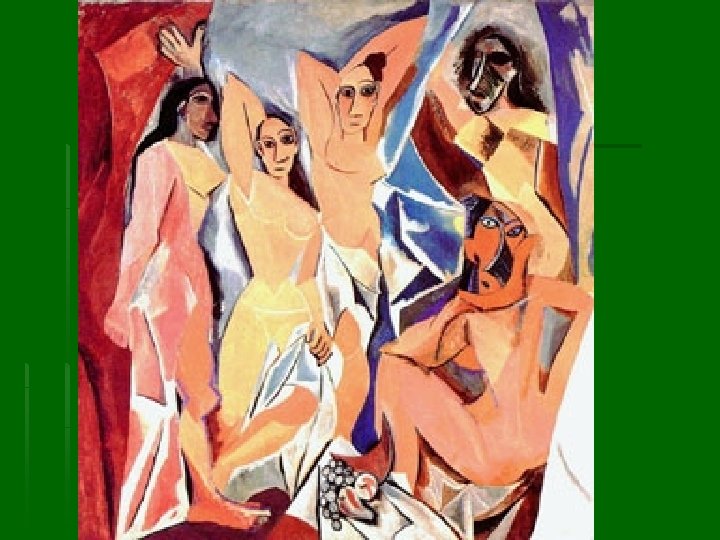
Cubism § By 1907, a collaboration between Pablo Picasso and Georges Braque was beginning. § The two artists worked side by side, both experimenting with a system which sought to totally flatten space. § One of the primary goals of cubism was to depart from the traditional understanding of perspective and spacial cues.
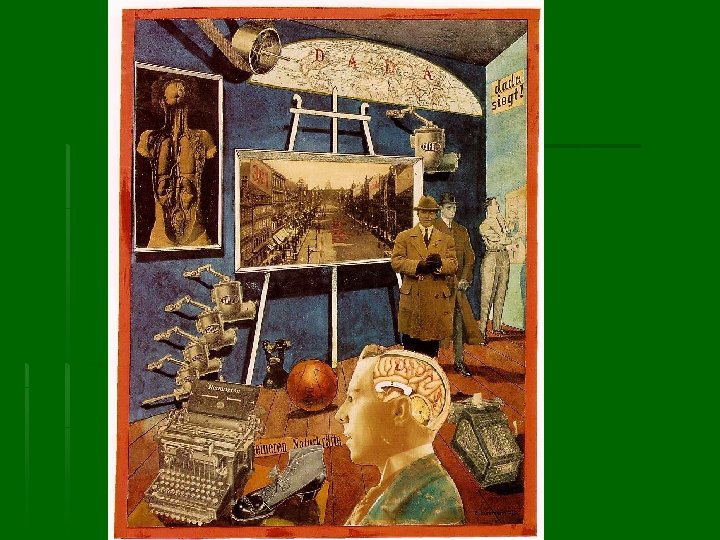
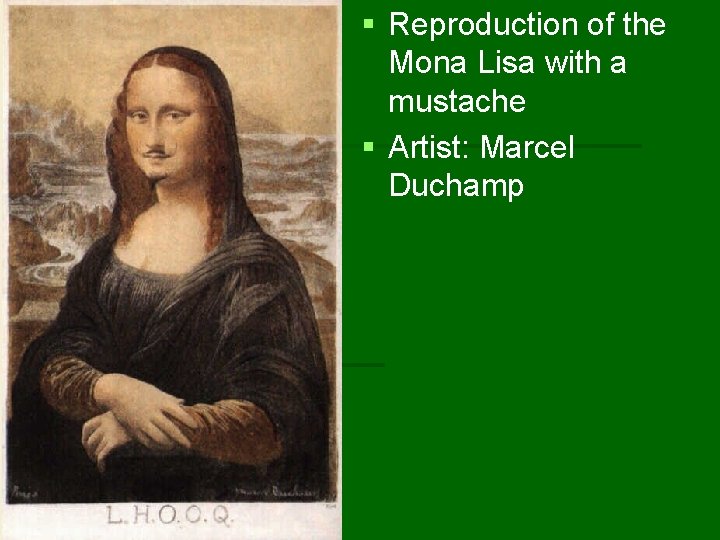
Dada (or Dadaism) § Dada or Dadaism is a cultural movement that began in neutral Zürich, Switzerland, during World War I and peaked from 1916 to 1920. A product of hysteria and shock. § The movement primarily involved visual arts, literature (poetry, art manifestoes, art theory), theatre, and graphic design § It concentrated its anti war politic through a rejection of the prevailing standards in art through anti-art cultural works. § Dada activities included public gatherings, demonstrations, and publication of art/literary journals. Passionate coverage of art, politics, and culture filled their publications. The movement influenced later styles, movements, and groups including Surrealism, Pop Art
Dada Movement § World War I scattered the writers and artists who had been based in Paris, and while away from Paris many involved themselves in the Dada movement believing that excessive rational thought and bourgeois values had brought the terrifying conflict upon the world. § The Dadaists protested with anti-rational anti-art gatherings, performances, writing and art works. After the war when they returned to Paris the Dada activities continued.
§ Reproduction of the Mona Lisa with a mustache § Artist: Marcel Duchamp
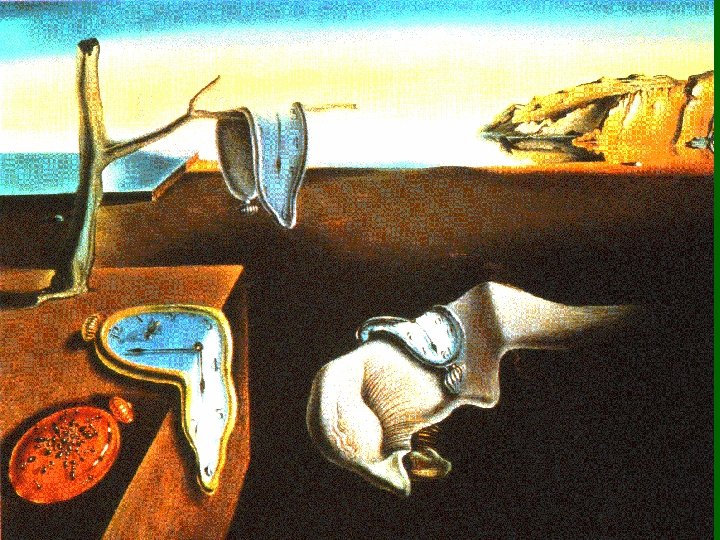
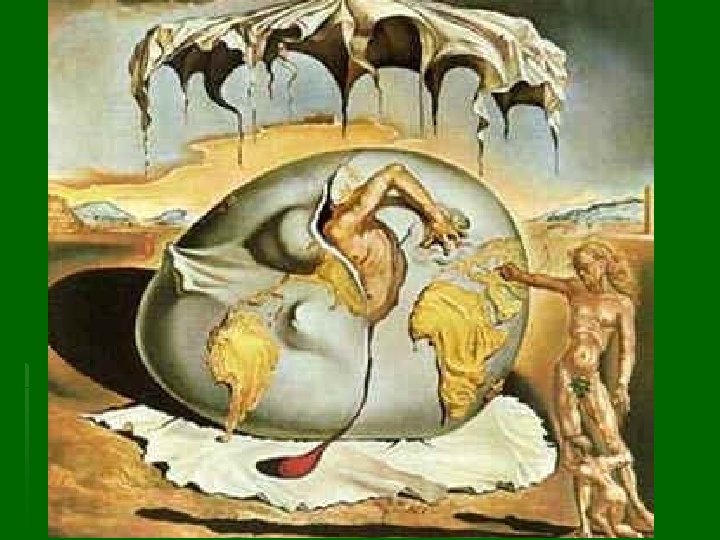
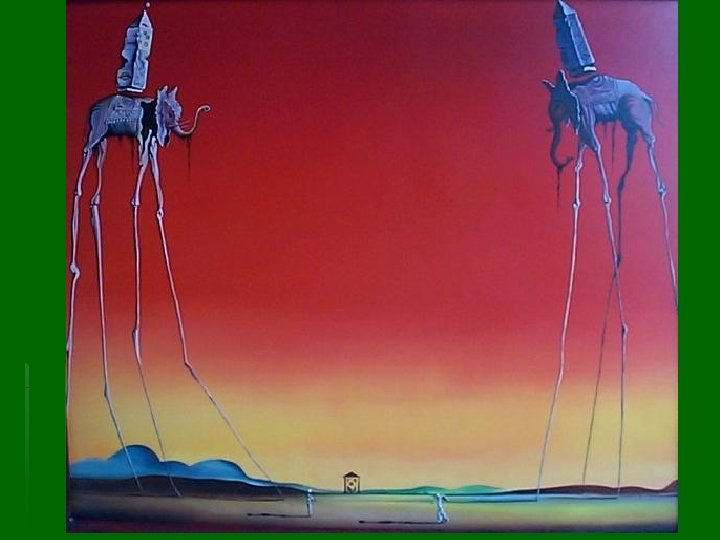
Surrealism § A cultural movement that began in the mid 1920 s § From the Dada activities of World War I, Surrealism was formed with the most important center of the movement in Paris and from the 1920 s spread around the globe. § The works feature the element of surprise, unexpected juxtapositions and non sequitur (a statement containing an illogical conclusion)
Surrealism § As they developed their philosophy they felt that while Dada rejected categories and labels, Surrealism would advocate the idea that ordinary and depictive expressions are vital and important, but that the sense of their arrangement must be open to the full range of imagination. § Freud’s work with free association, dream analysis and the hidden unconscious was of the utmost importance to the Surrealists in developing methods to liberate imagination.
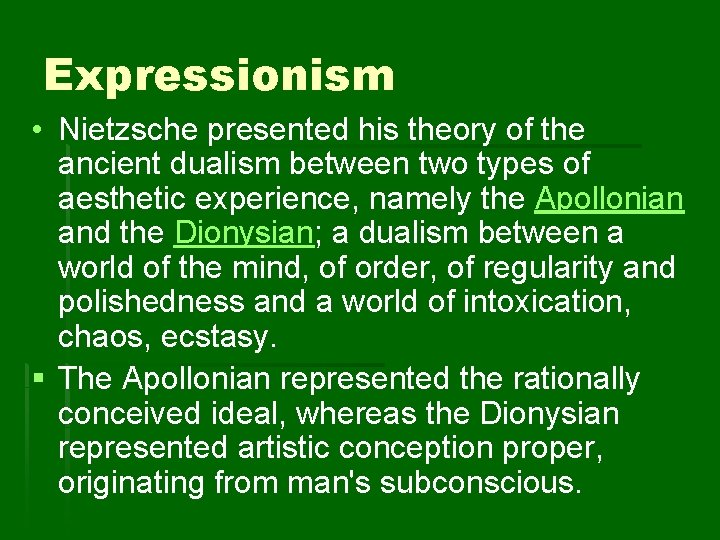
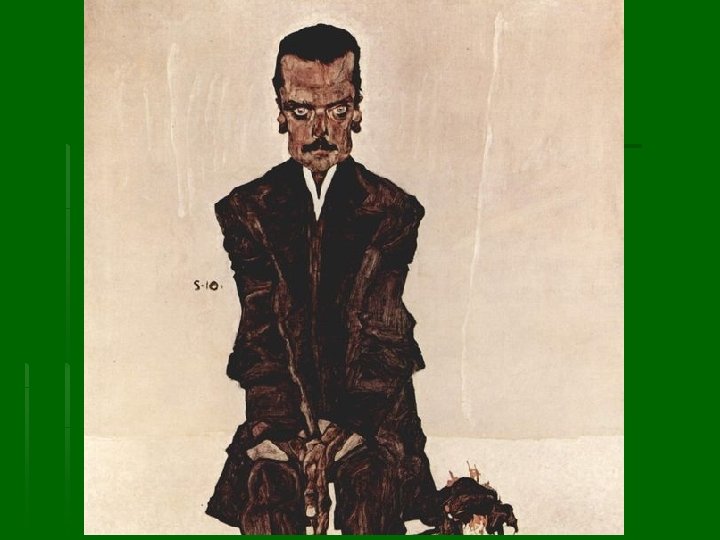
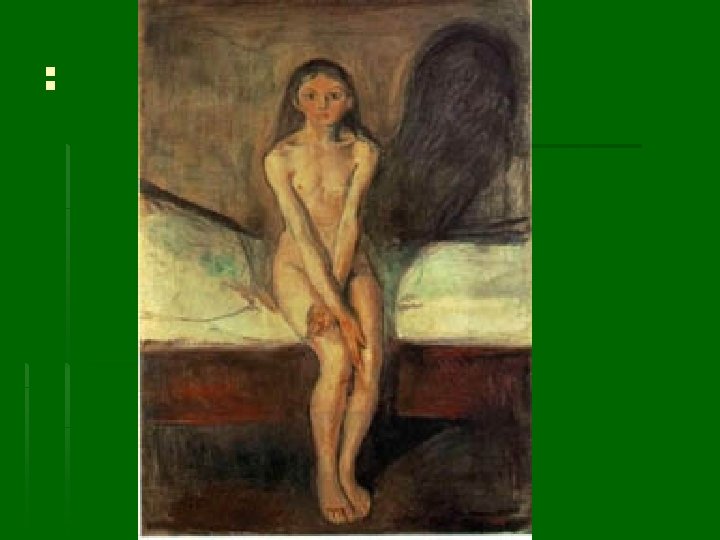
Expressionism § Expressionism is the tendency of an artist to distort reality for an intense emotional effect. § It is a subjective art form. § The movement is primarily German and Austrian, though following World War II it began to influence young American artists. § Influenced by the Fauves, Expressionism worked with arbitrary colors as well as jarring compositions. § In reaction and opposition to French Impressionism which focused on rendering the sheer visual appearance of objects, Expressionist artists sought to capture emotions and subjective interpretations:
Expressionism • Nietzsche presented his theory of the ancient dualism between two types of aesthetic experience, namely the Apollonian and the Dionysian; a dualism between a world of the mind, of order, of regularity and polishedness and a world of intoxication, chaos, ecstasy. § The Apollonian represented the rationally conceived ideal, whereas the Dionysian represented artistic conception proper, originating from man's subconscious.
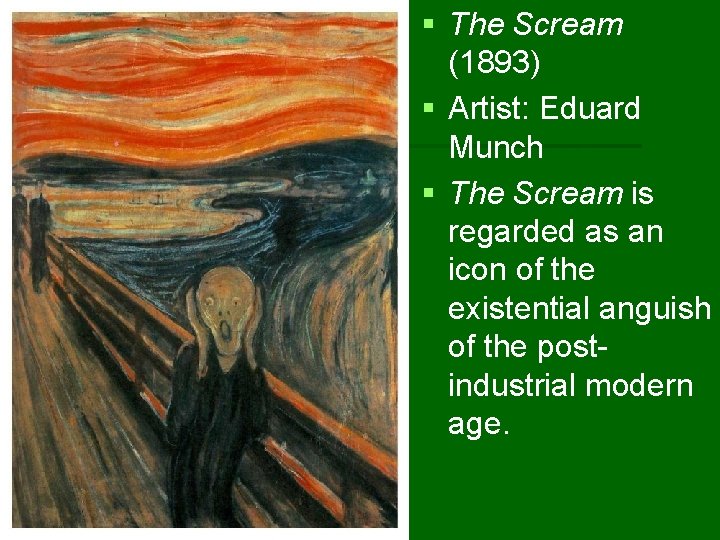
§ The Scream (1893) § Artist: Eduard Munch § The Scream is regarded as an icon of the existential anguish of the postindustrial modern age.