Raphael Sanzio 1483 1520 Why famous His work
- Slides: 27
Raphael Sanzio 1483 -1520
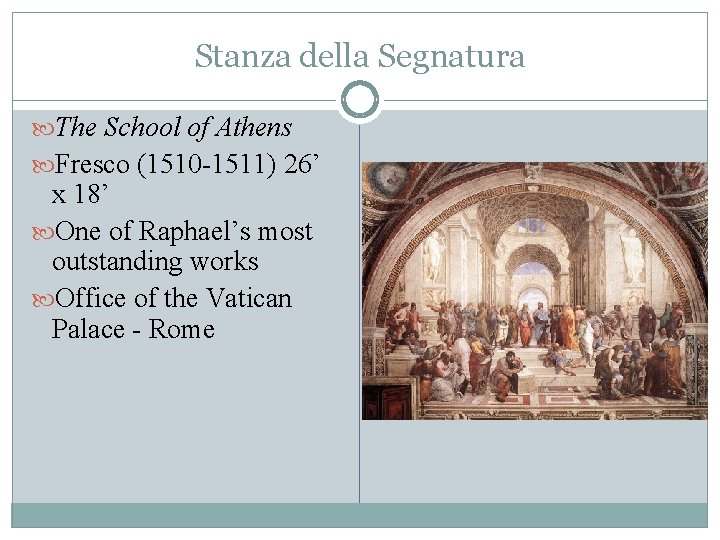
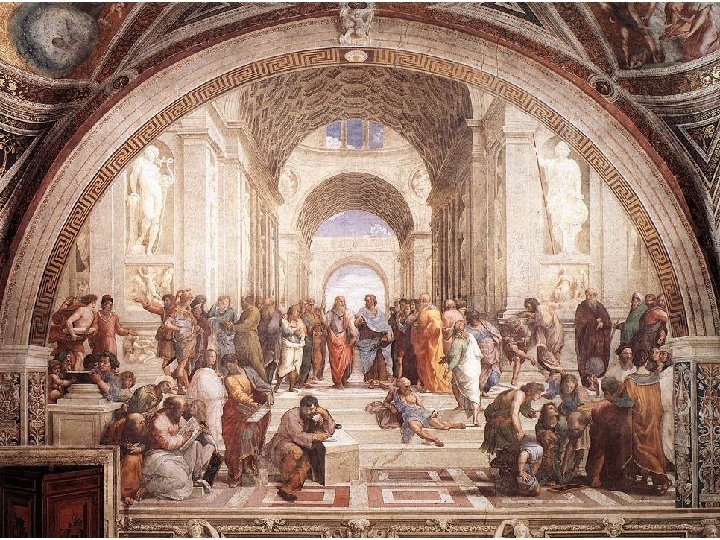
Why famous? His work is admired for: Its clarity of form and ease of composition Its visual achievement of the Neoplatonic ideal of human grandeur Together with Michelangelo and Leonardo da Vinci, he forms the traditional trinity of great masters of that period. Many of his works are found in the Apostolic Palace of The Vatican, where the frescoed Raphael Rooms were the central, and the largest, work of his career. The best known work is The School of Athens in the Vatican Stanza della Segnatura.
After his death, the influence of his great rival Michelangelo was more widespread until the 18 th and 19 th centuries, when Raphael's more serene and harmonious qualities were again regarded as the highest models. His career falls naturally into three phases and three styles, first described by Giorgio Vasari: his early years in Umbria then a period of about four years (from 1504– 1508) absorbing the artistic traditions of Florence followed by his last hectic and triumphant twelve years in Rome, working for two Popes and their close associates
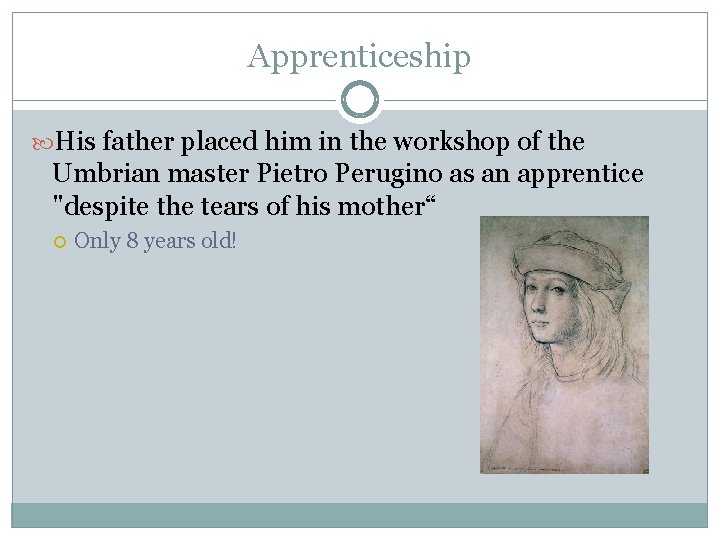
Apprenticeship His father placed him in the workshop of the Umbrian master Pietro Perugino as an apprentice "despite the tears of his mother“ Only 8 years old!
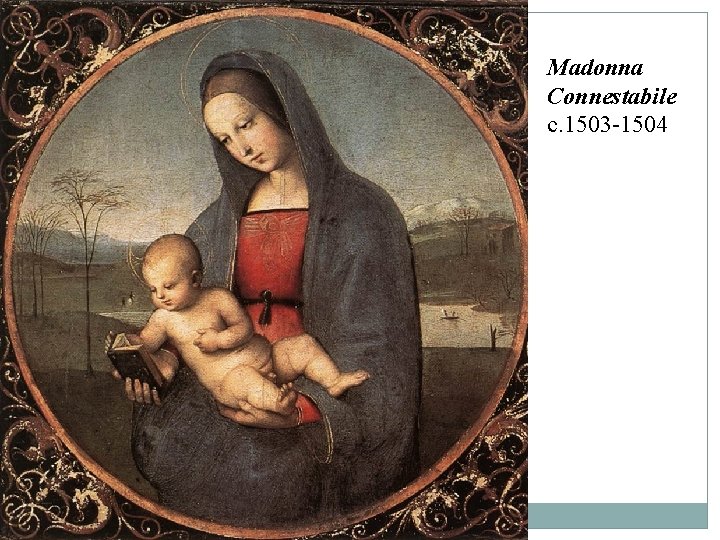
Madonna Connestabile c. 1503 -1504
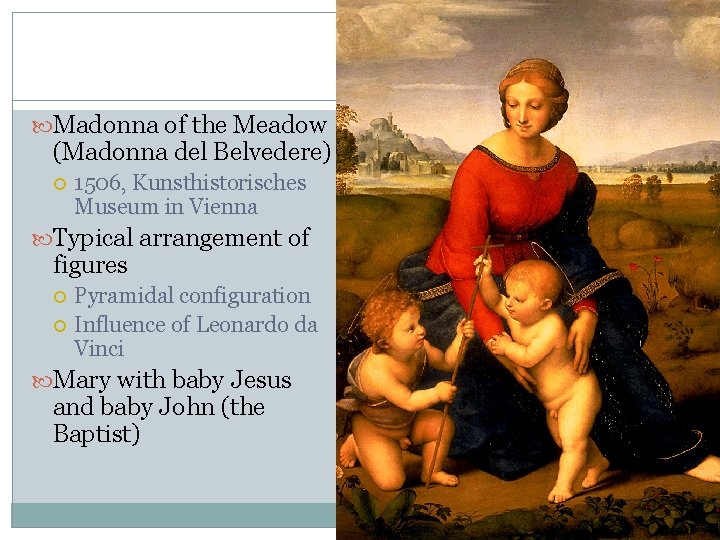
Madonna of the Meadow (Madonna del Belvedere) 1506, Kunsthistorisches Museum in Vienna Typical arrangement of figures Pyramidal configuration Influence of Leonardo da Vinci Mary with baby Jesus and baby John (the Baptist)
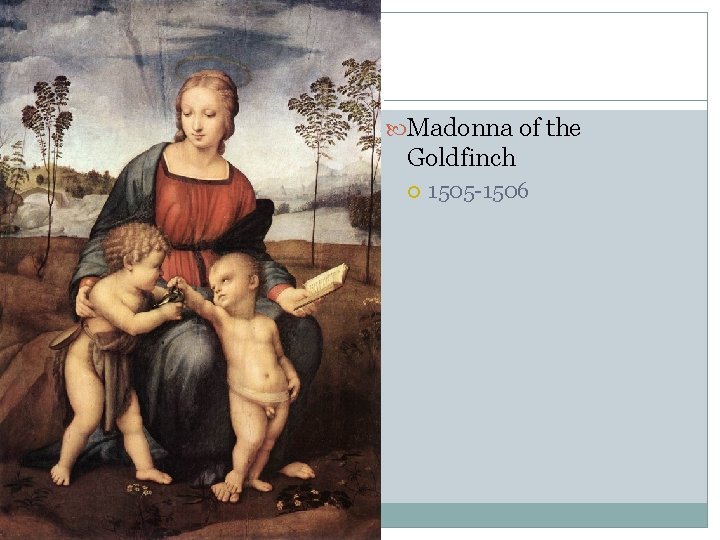
Madonna of the Goldfinch 1505 -1506
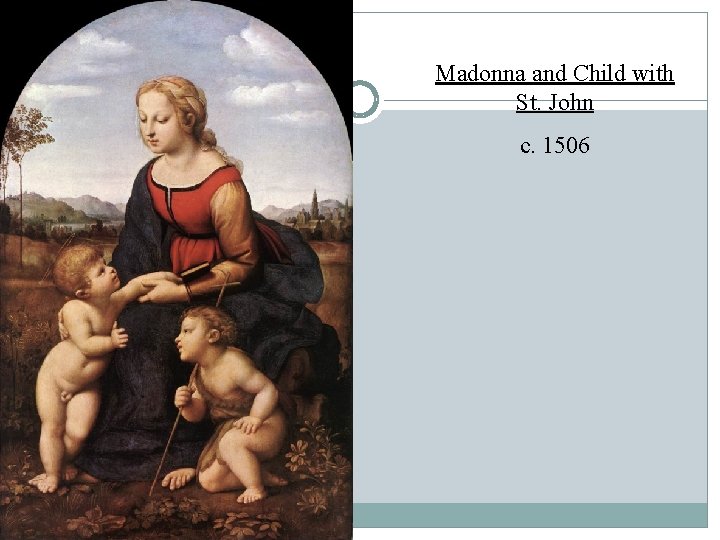
Madonna and Child with St. John c. 1506
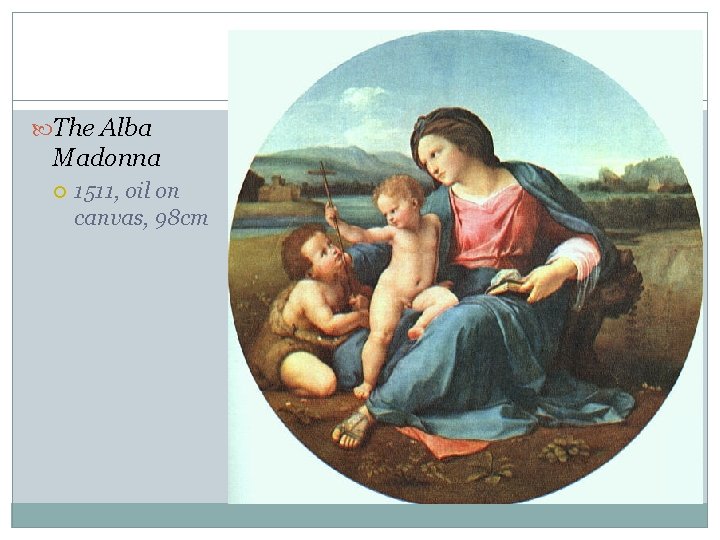
The Alba Madonna 1511, oil on canvas, 98 cm
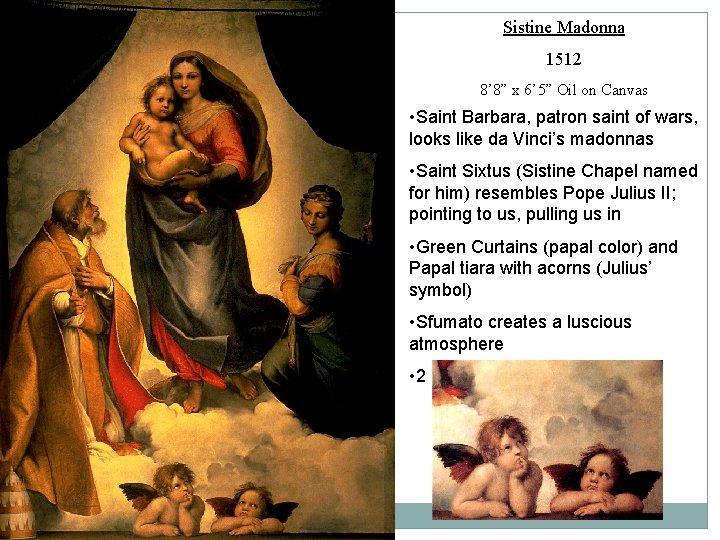
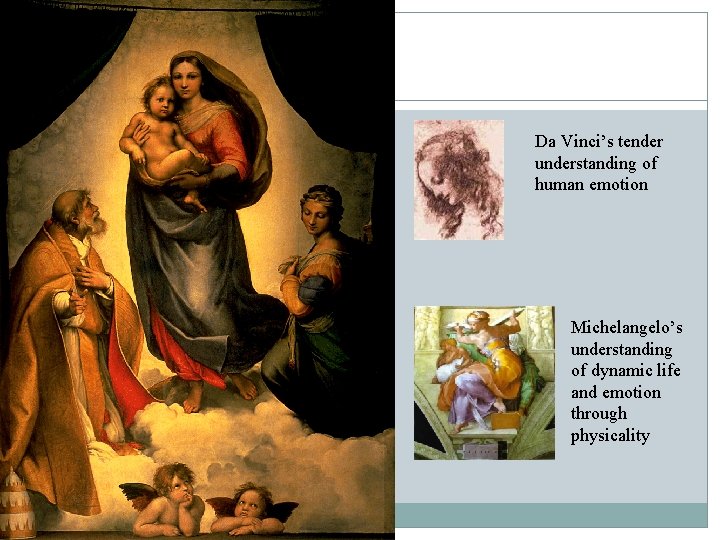
Sistine Madonna 1512 8’ 8” x 6’ 5” Oil on Canvas • Saint Barbara, patron saint of wars, looks like da Vinci’s madonnas • Saint Sixtus (Sistine Chapel named for him) resembles Pope Julius II; pointing to us, pulling us in • Green Curtains (papal color) and Papal tiara with acorns (Julius’ symbol) • Sfumato creates a luscious atmosphere • 2 saints foreshortened
Da Vinci’s tender understanding of human emotion Michelangelo’s understanding of dynamic life and emotion through physicality
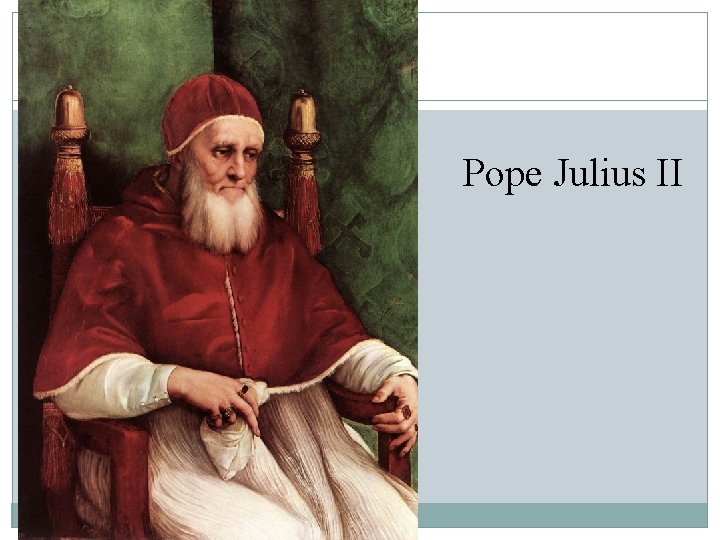
Pope Julius II
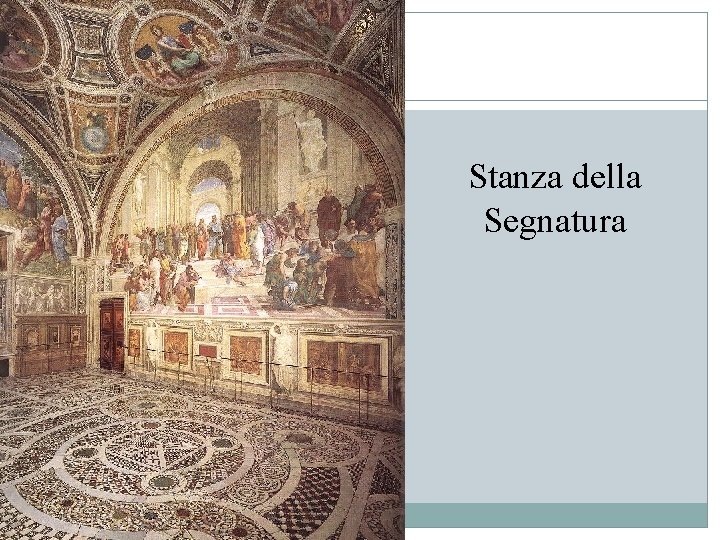
Raphael Rooms The four Stanze di Raffaello ("Raphael's rooms") in the Palace of the Vatican form a suite of reception rooms, the public part of the papal apartments. They are famous for their frescoes, painted by Raphael and his workshop. Intended as a suite of apartments for Pope Julius II The rooms are the Sala di Costantino ("Hall of Constantine"), the Stanza di Eliodoro ("Room of Heliodorus"), the Stanza della Segnatura ("Room of the Signatura") and the Stanza dell'Incendio del Borgo ("The Room of the Fire in the Borgo") Together with Michelangelo's ceiling frescoes in the Sistine Chapel, they are the grand fresco sequences that mark the High Renaissance in Rome.
Stanza della Segnatura The School of Athens Fresco (1510 -1511) 26’ x 18’ One of Raphael’s most outstanding works Office of the Vatican Palace - Rome
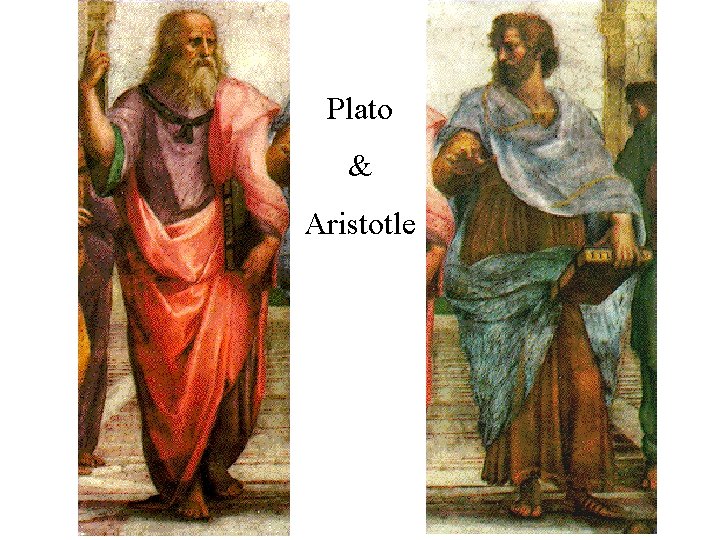
Plato & Aristotle
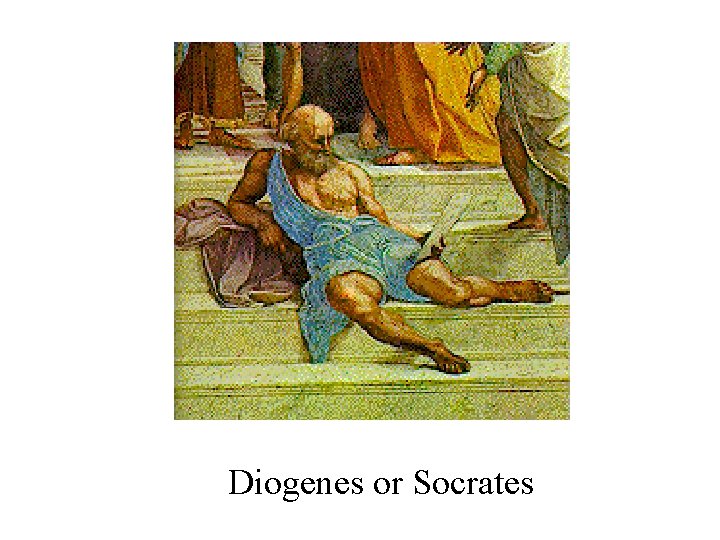
Diogenes or Socrates
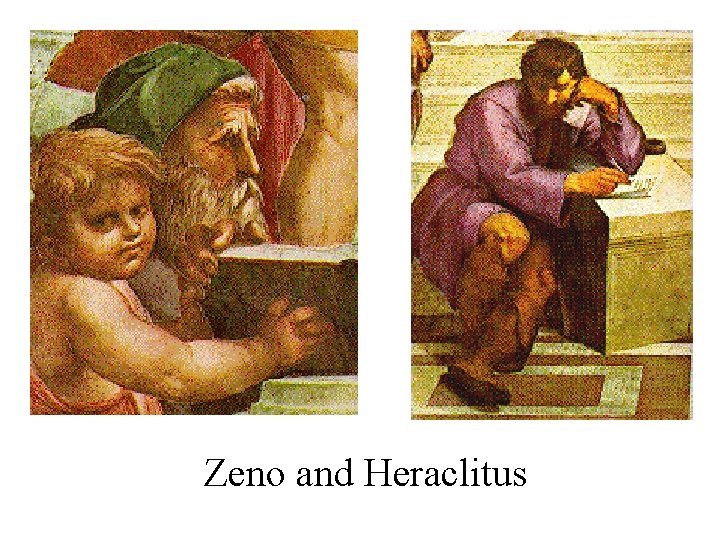
Zeno and Heraclitus
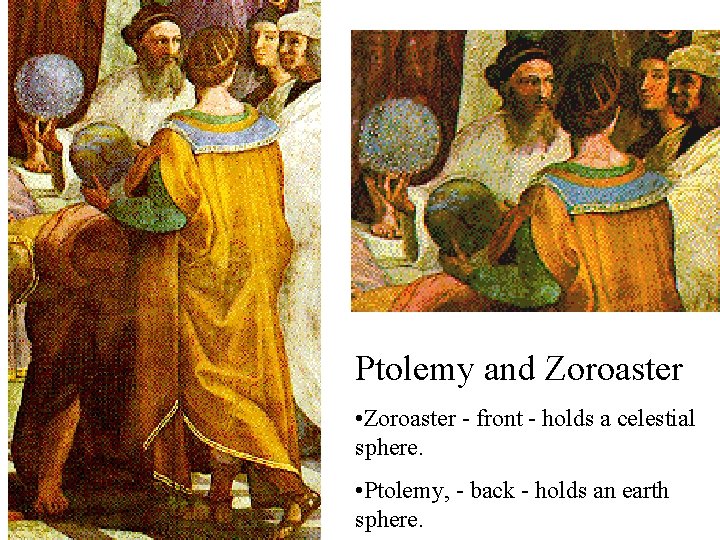
Ptolemy and Zoroaster • Zoroaster - front - holds a celestial sphere. • Ptolemy, - back - holds an earth sphere.
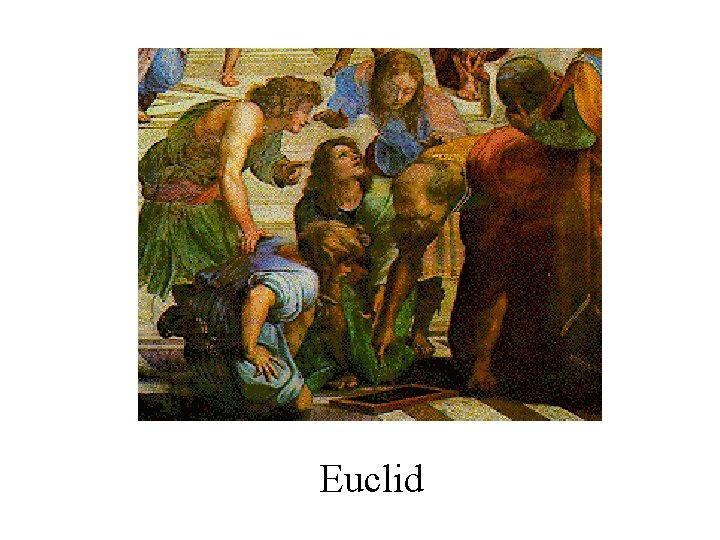
Euclid
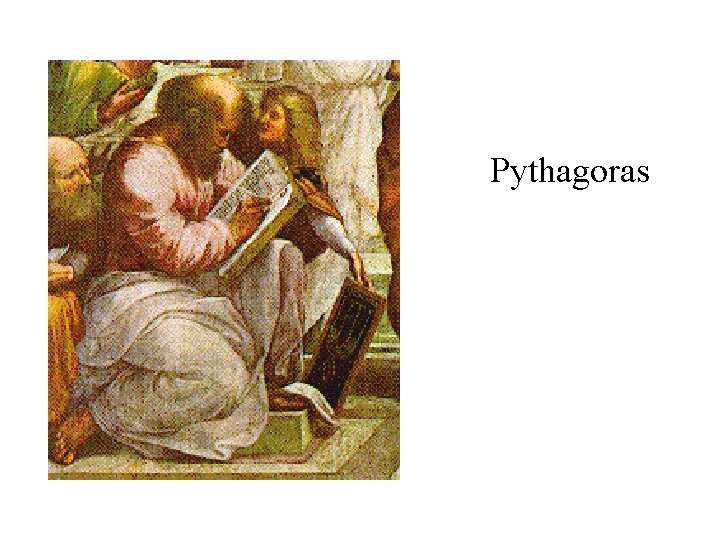
Pythagoras
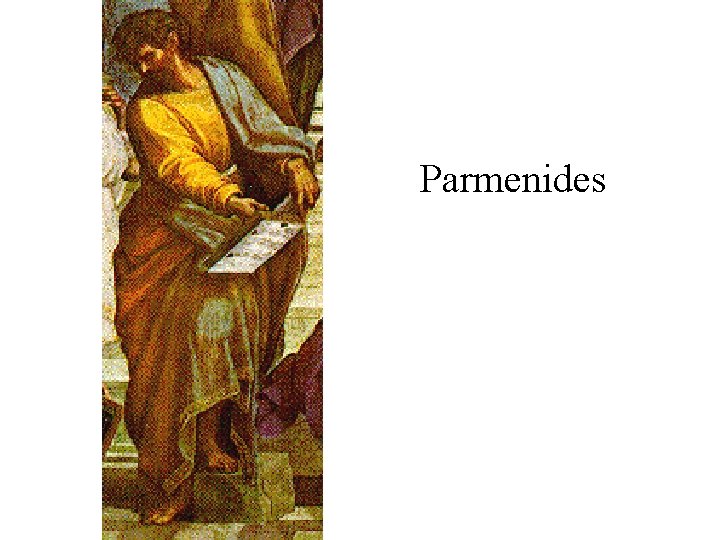
Parmenides
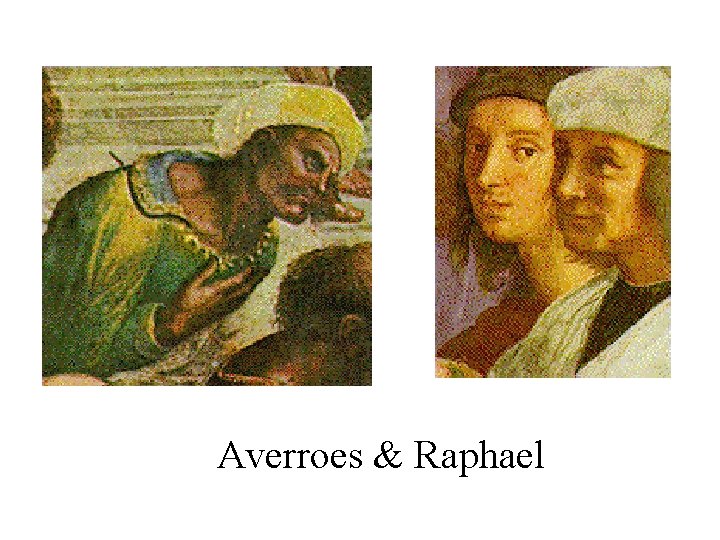
Averroes & Raphael
Stanza della Segnatura
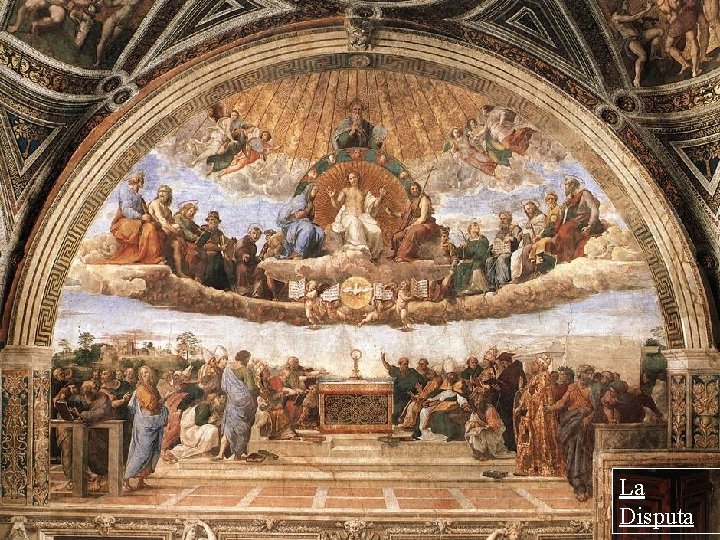
La Disputa
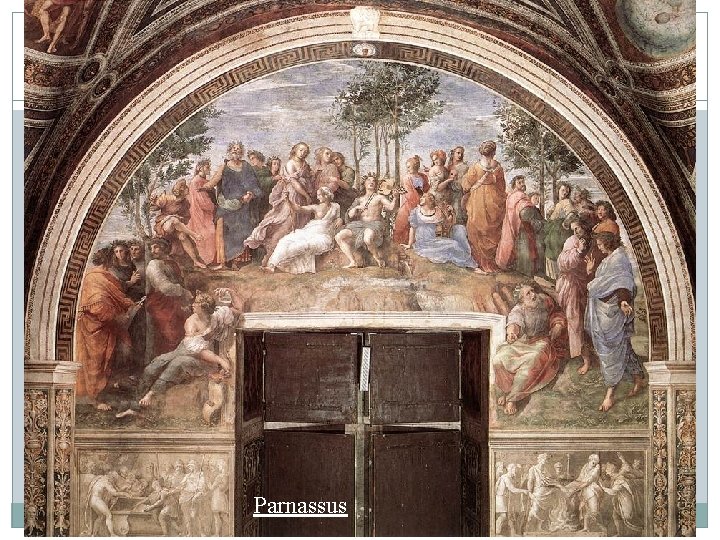
Parnassus
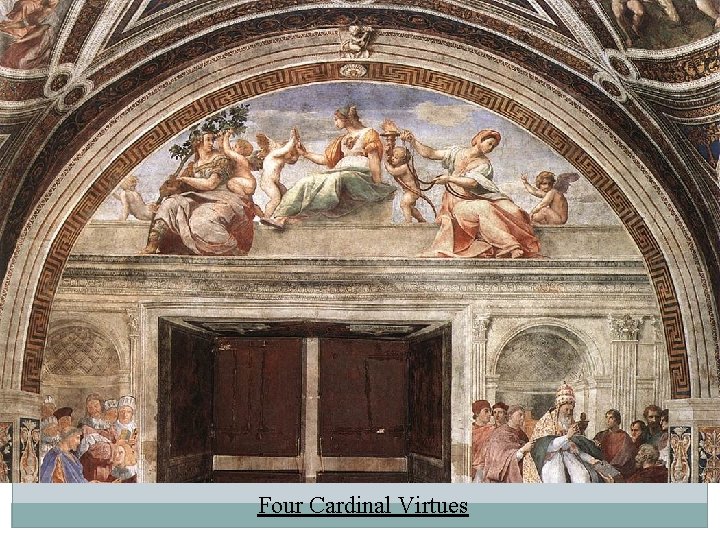
Four Cardinal Virtues