Protein Synthesis The Stuff of Life Proteins n
- Slides: 25
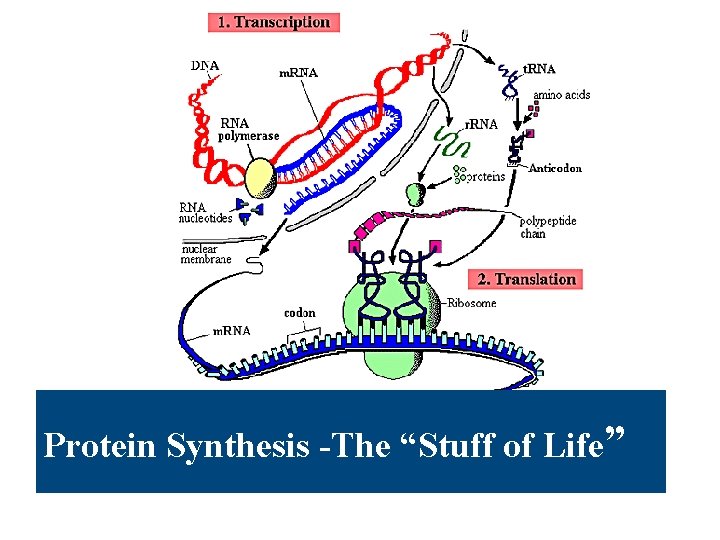
Protein Synthesis -The “Stuff of Life”
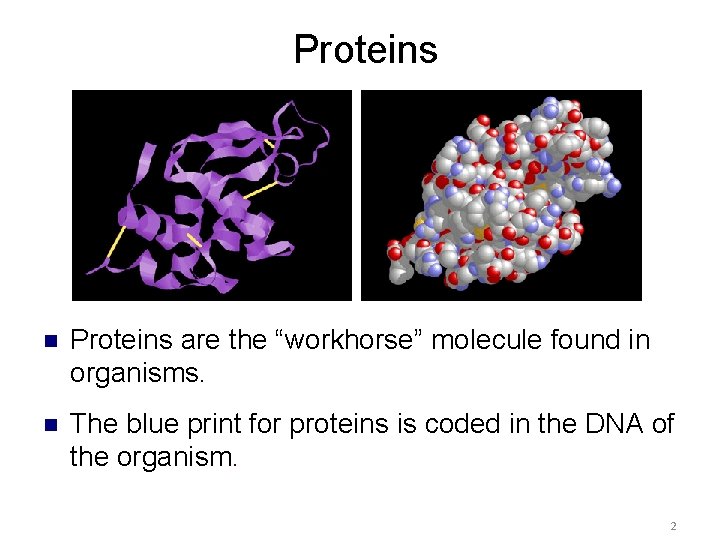
Proteins n Proteins are the “workhorse” molecule found in organisms. n The blue print for proteins is coded in the DNA of the organism. 2
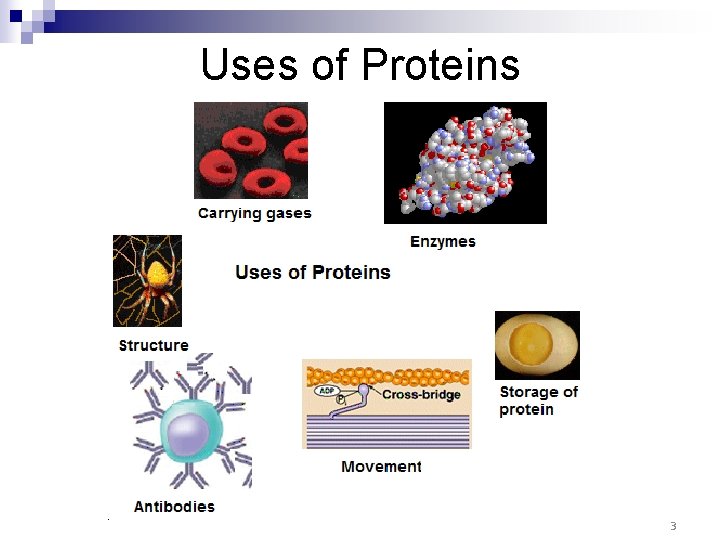
Uses of Proteins 3
History n 1909 Archibald Gerrod suggested that genes determine phenotype through defective enzymes controlling biochemical pathways. 4
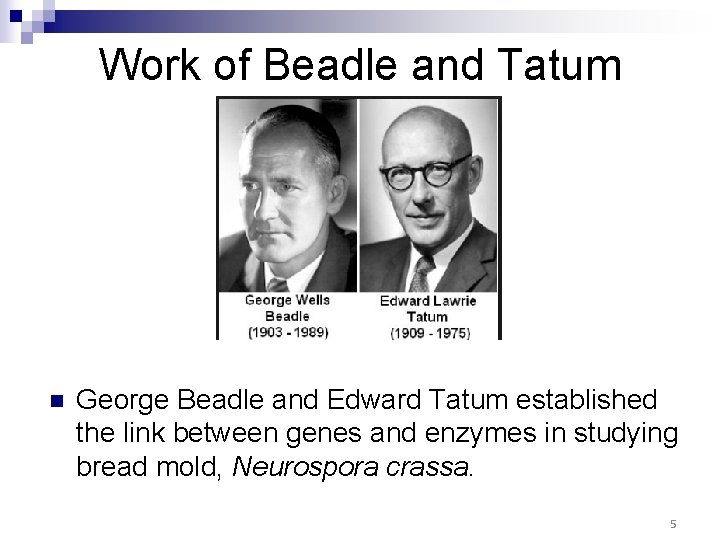
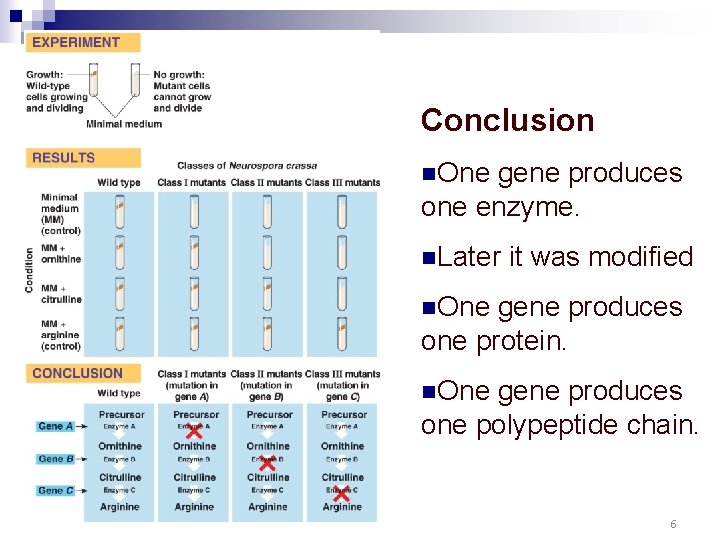
Work of Beadle and Tatum n George Beadle and Edward Tatum established the link between genes and enzymes in studying bread mold, Neurospora crassa. 5
Conclusion n. One gene produces one enzyme. n. Later it was modified n. One gene produces one protein. n. One gene produces one polypeptide chain. 6
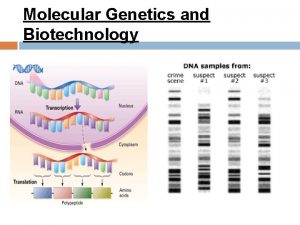
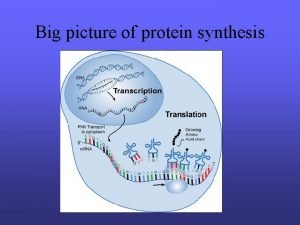
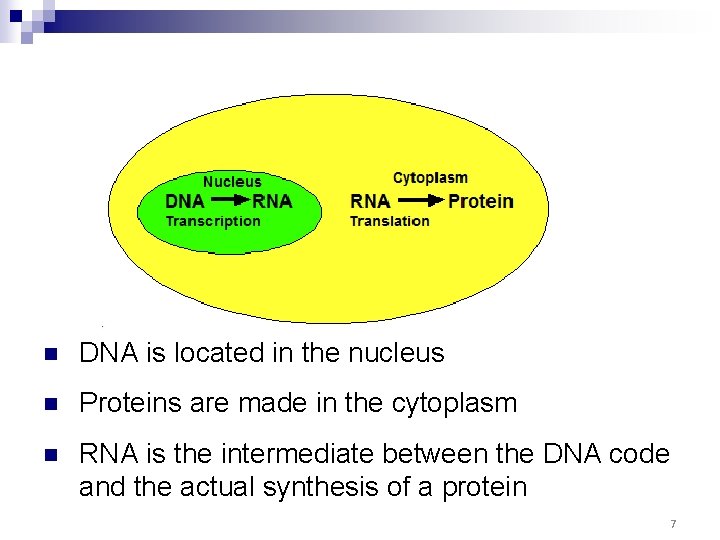
Overview of Protein Synthesis n DNA is located in the nucleus n Proteins are made in the cytoplasm n RNA is the intermediate between the DNA code and the actual synthesis of a protein 7
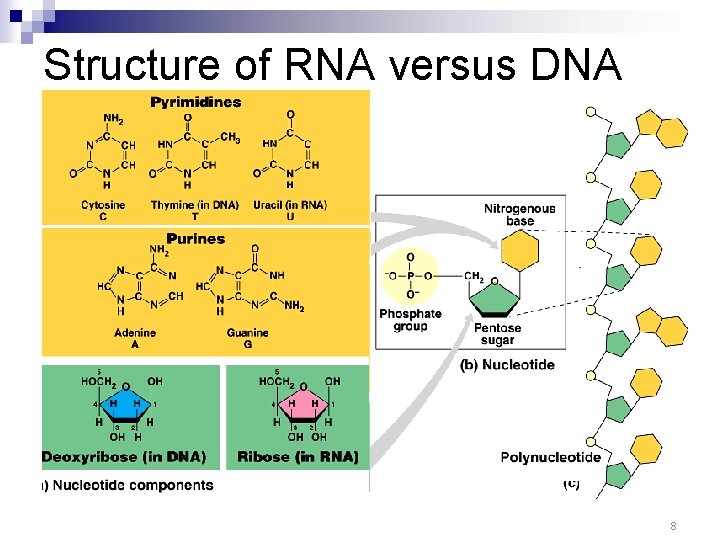
Structure of RNA versus DNA 8
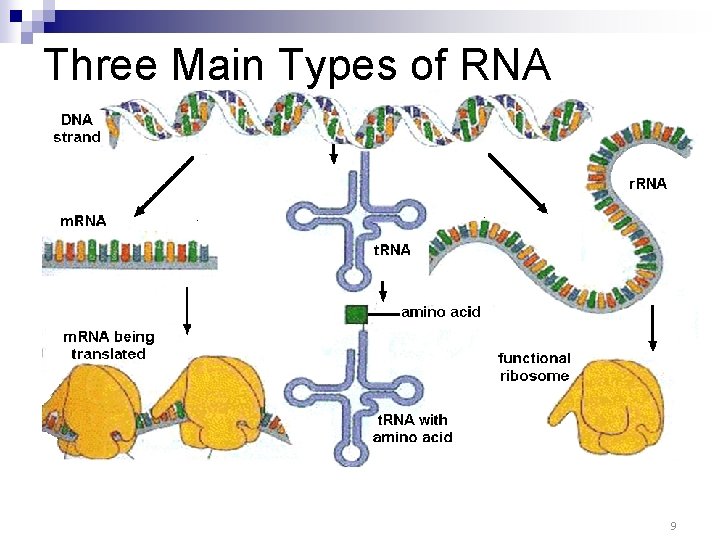
Three Main Types of RNA 9
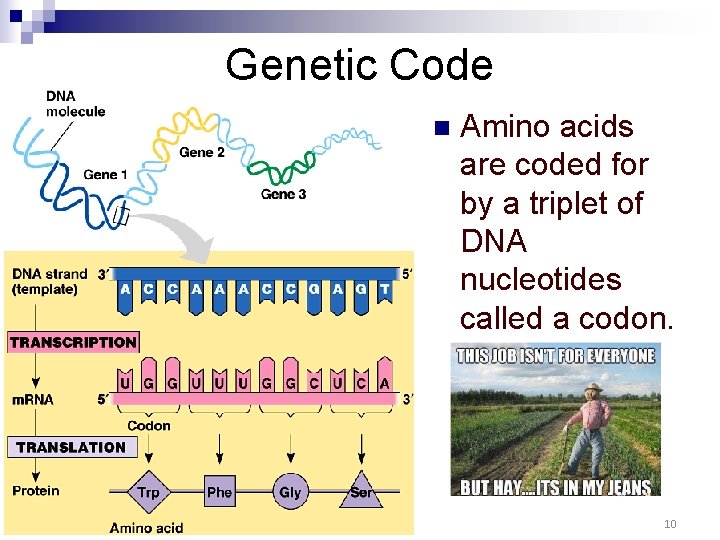
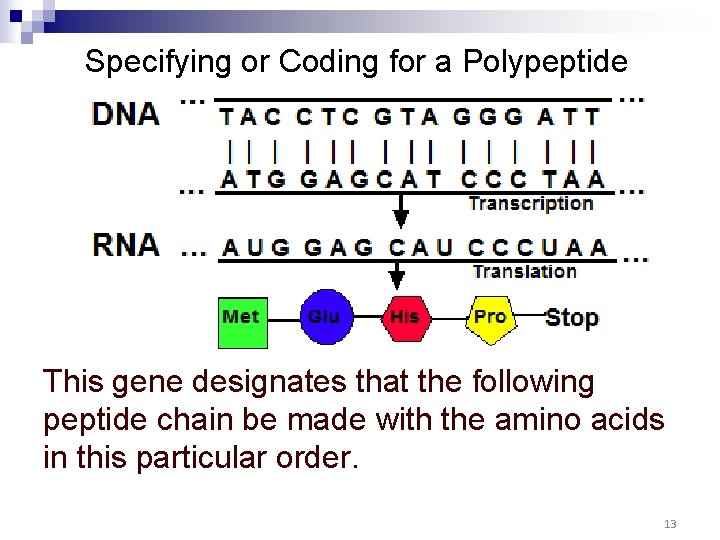
Genetic Code n Amino acids are coded for by a triplet of DNA nucleotides called a codon. 10
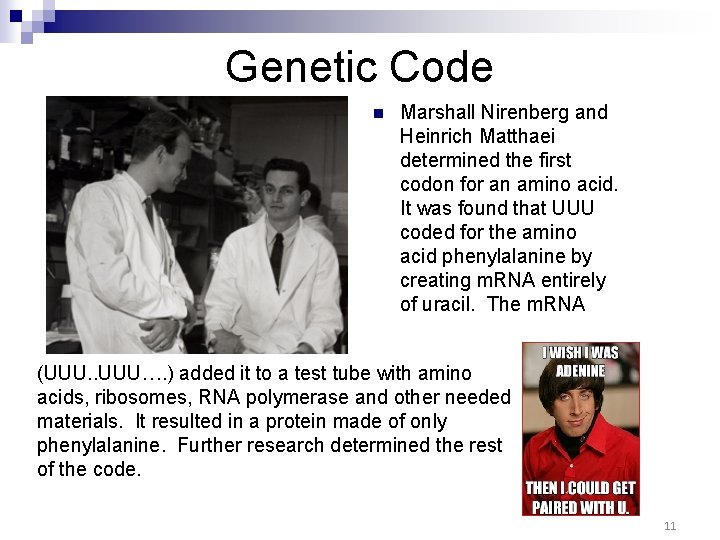
Genetic Code n Marshall Nirenberg and Heinrich Matthaei determined the first codon for an amino acid. It was found that UUU coded for the amino acid phenylalanine by creating m. RNA entirely of uracil. The m. RNA (UUU. . UUU…. ) added it to a test tube with amino acids, ribosomes, RNA polymerase and other needed materials. It resulted in a protein made of only phenylalanine. Further research determined the rest of the code. 11
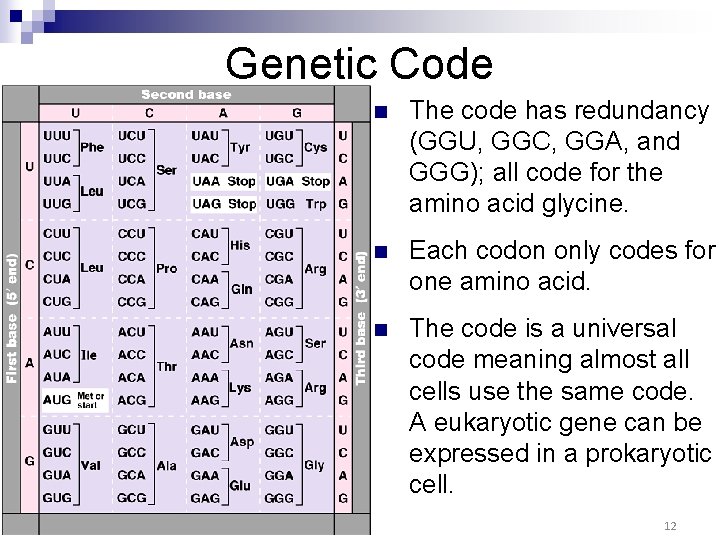
Genetic Code n The code has redundancy (GGU, GGC, GGA, and GGG); all code for the amino acid glycine. n Each codon only codes for one amino acid. n The code is a universal code meaning almost all cells use the same code. A eukaryotic gene can be expressed in a prokaryotic cell. 12
Specifying or Coding for a Polypeptide This gene designates that the following peptide chain be made with the amino acids in this particular order. 13
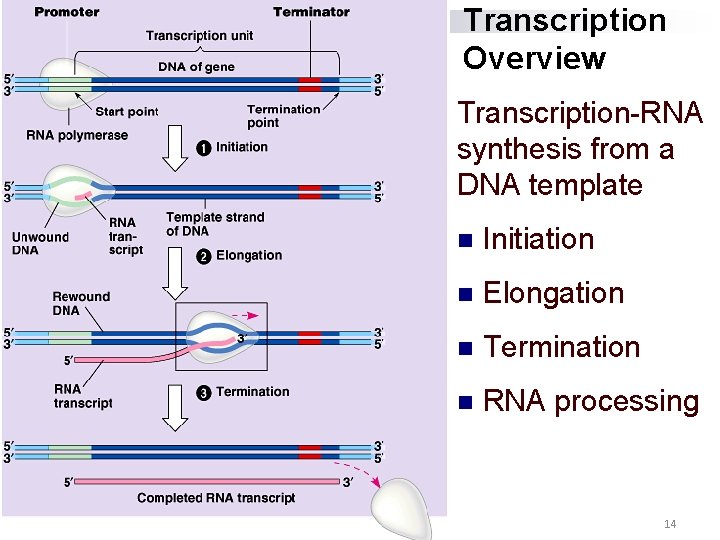
Transcription Overview Transcription-RNA synthesis from a DNA template n Initiation n Elongation n Termination n RNA processing 14
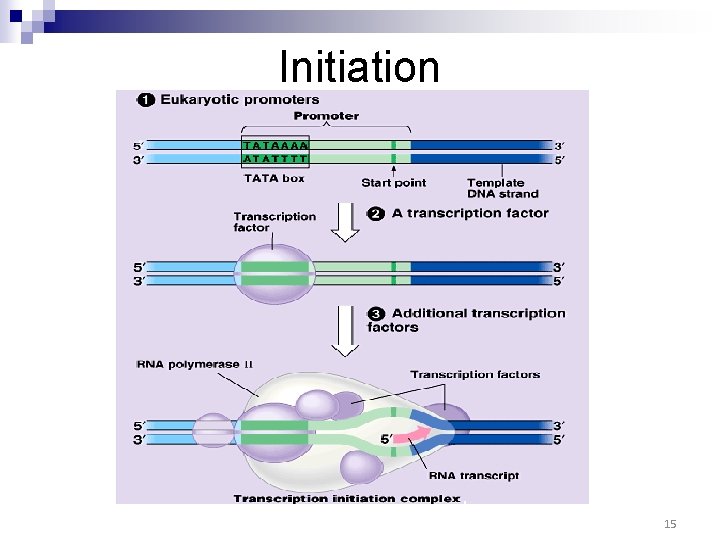
Initiation 15
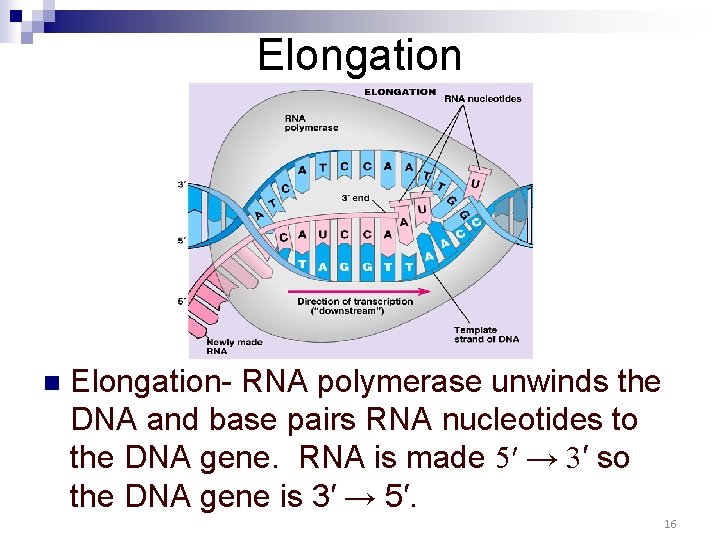
Elongation n Elongation- RNA polymerase unwinds the DNA and base pairs RNA nucleotides to the DNA gene. RNA is made 5′ → 3′ so the DNA gene is 3′ → 5′. 16
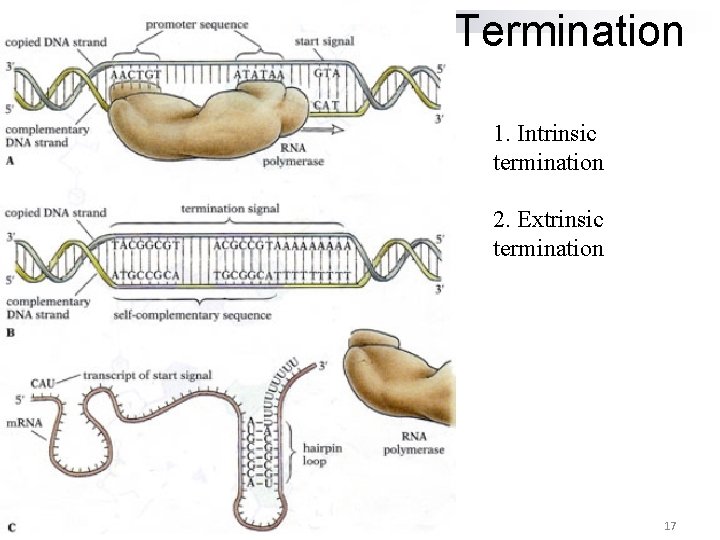
Termination 1. Intrinsic termination 2. Extrinsic termination 17
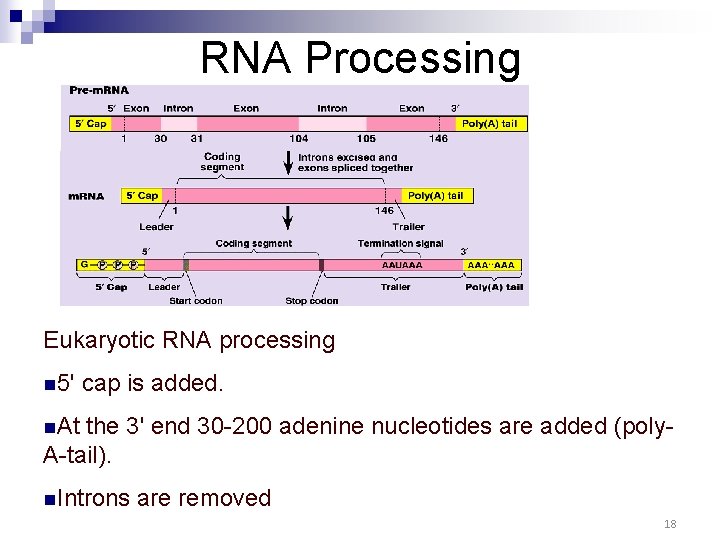
RNA Processing Eukaryotic RNA processing n 5' cap is added. n. At the 3' end 30 -200 adenine nucleotides are added (poly. A-tail). n. Introns are removed 18
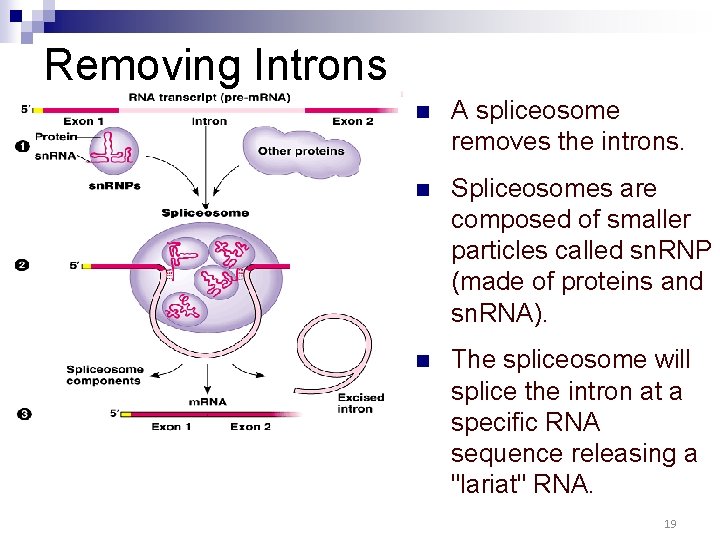
Removing Introns n A spliceosome removes the introns. n Spliceosomes are composed of smaller particles called sn. RNP (made of proteins and sn. RNA). n The spliceosome will splice the intron at a specific RNA sequence releasing a "lariat" RNA. 19
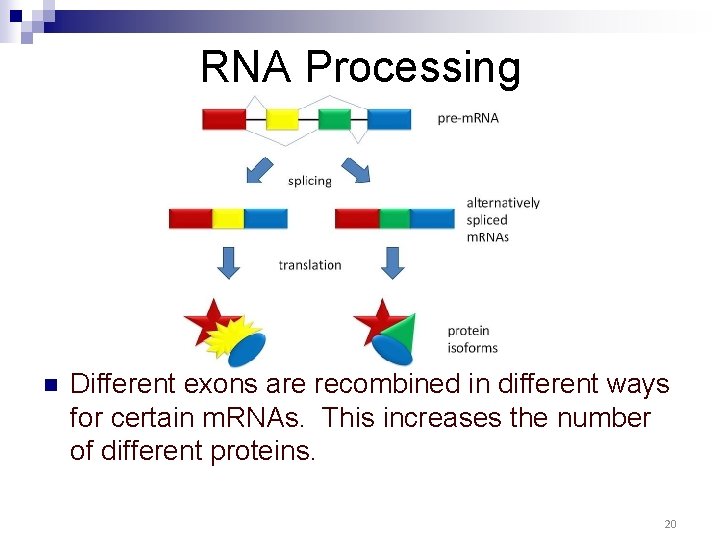
RNA Processing n Different exons are recombined in different ways for certain m. RNAs. This increases the number of different proteins. 20
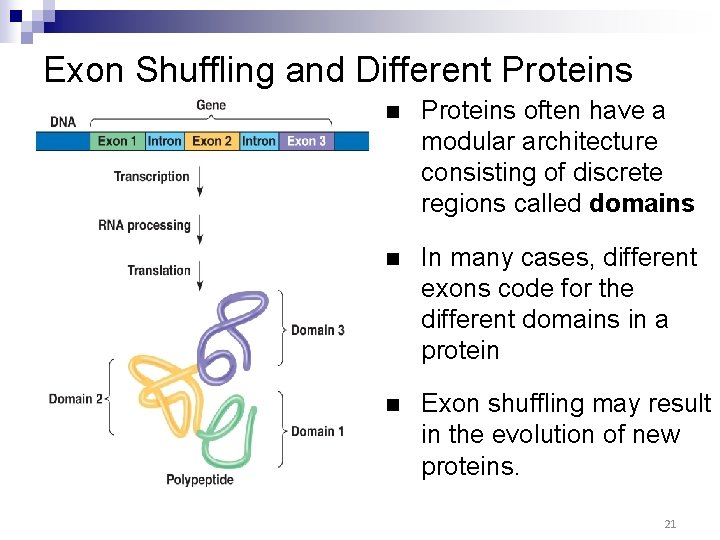
Exon Shuffling and Different Proteins n Proteins often have a modular architecture consisting of discrete regions called domains n In many cases, different exons code for the different domains in a protein n Exon shuffling may result in the evolution of new proteins. 21
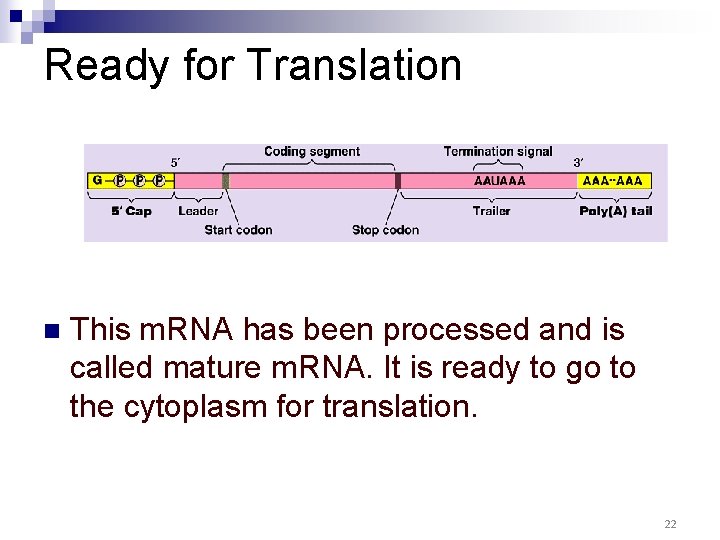
Ready for Translation n This m. RNA has been processed and is called mature m. RNA. It is ready to go to the cytoplasm for translation. 22
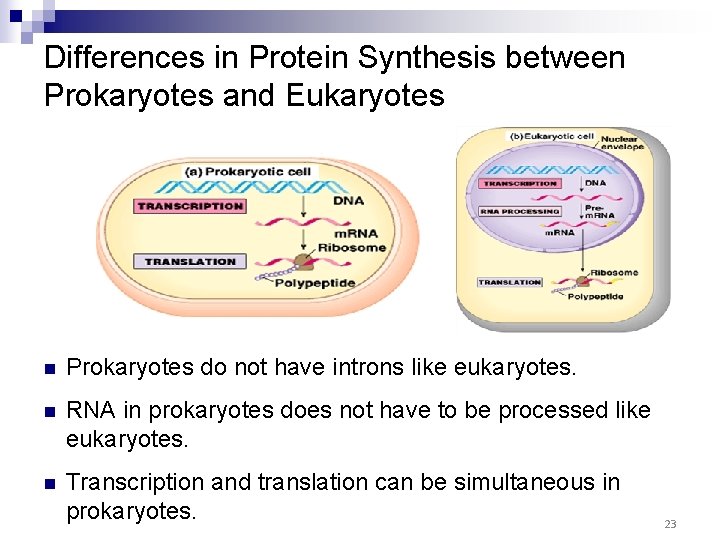
Differences in Protein Synthesis between Prokaryotes and Eukaryotes n Prokaryotes do not have introns like eukaryotes. n RNA in prokaryotes does not have to be processed like eukaryotes. n Transcription and translation can be simultaneous in prokaryotes. 23
Protein Syntheis: A Review 24
Homework n n Explaining the role of RNA polymerase and Spliceosomes (sn. RNPs) in protein synthesis. Explain the organization of the genetic material in prokaryotes and eukaryotes and contrast the process of Transcription in prokaryotes and eukaryotes