PERCEPTION Our Essential Questions l How does perception


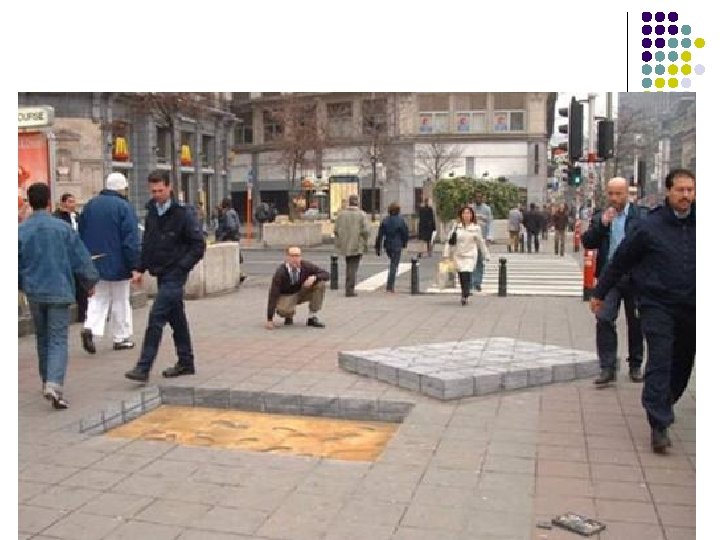
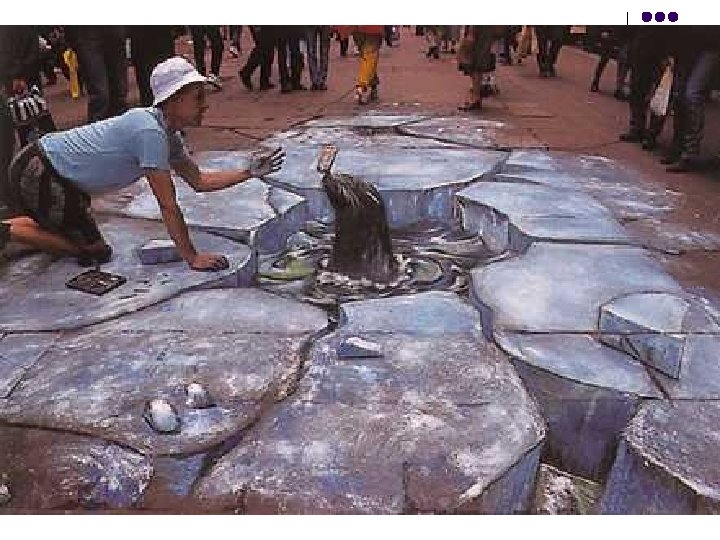
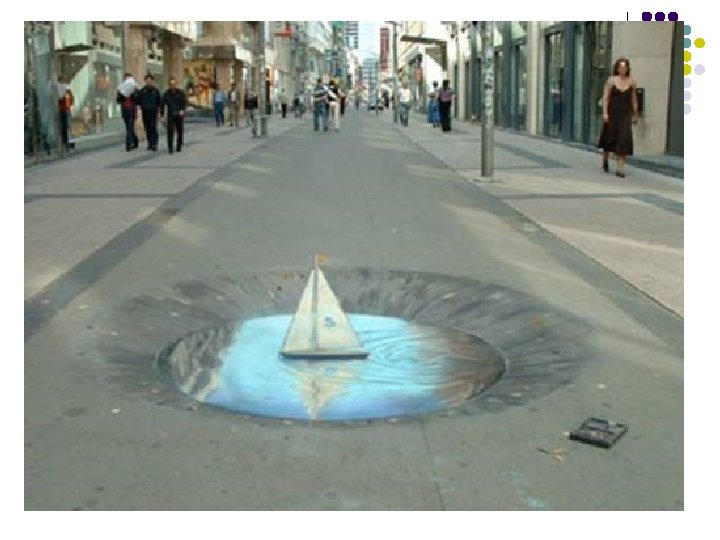
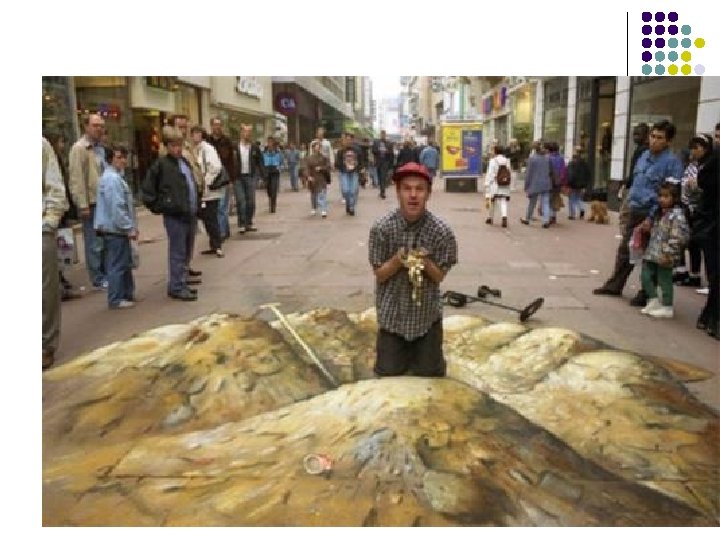
- Slides: 79
PERCEPTION!
Our Essential Questions l How does perception influence our perspectives? l What is the Gestalt perspective? l What are the various types of perceptions we have?
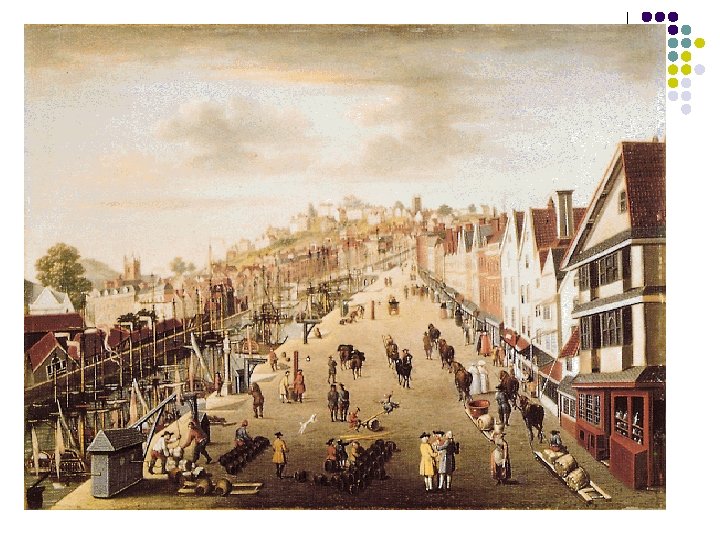
Perception l The process of integrating, organizing, and interpreting sensation l Sensation is the stimulation, perception is the interpretation
l What do you think this mental integration, organization and interpretation is influenced by?
Perceptions influenced by: ----Motivation ----Values ----Expectations ----Experience ----Culture ----Cognitive Style ----Personality
Perception l. Selective Attention focus of conscious awareness on a particular stimulus
l. Visual Capture ltendency for vision to dominate the other senses
Perception – say it l. The process of integrating, organizing, and interpreting sensation
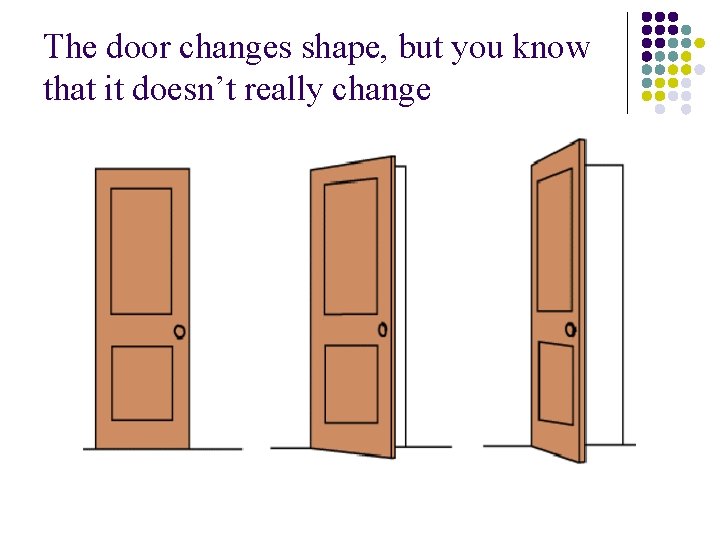
Perceptual Constancy l We perceive objects as unchanging despite changes in retinal image lcolor/ brightness lshape lsize
The door changes shape, but you know that it doesn’t really change
Visual capture ltendency for vision to dominate the other senses
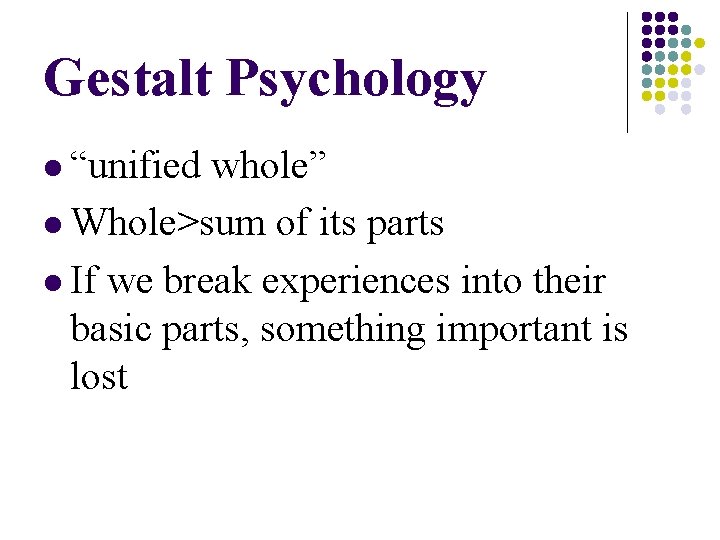
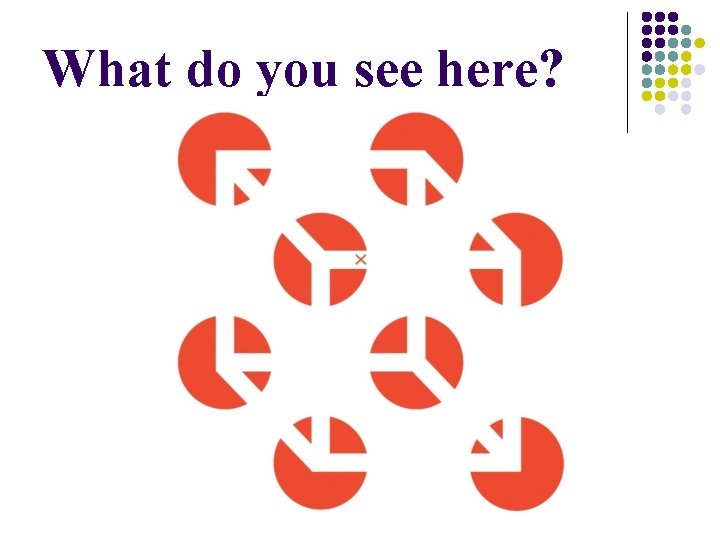
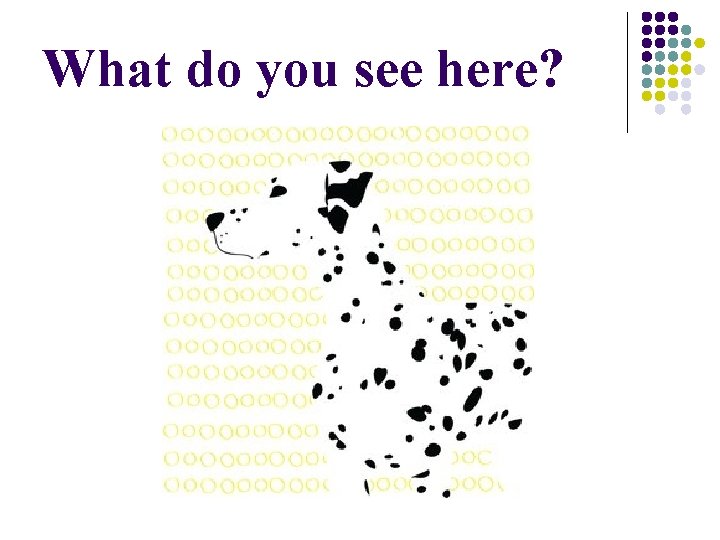
Gestalt Psychology l “unified whole” l Whole>sum of its parts l If we break experiences into their basic parts, something important is lost
What do you see here?
What do you see here?
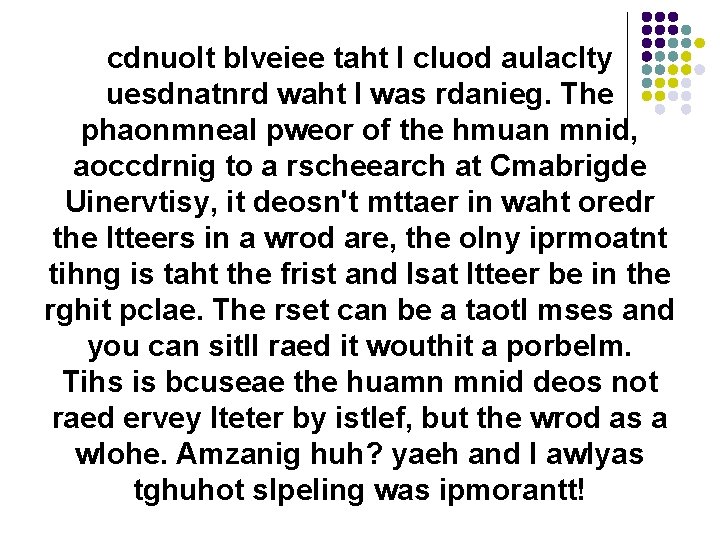
cdnuolt blveiee taht I cluod aulaclty uesdnatnrd waht I was rdanieg. The phaonmneal pweor of the hmuan mnid, aoccdrnig to a rscheearch at Cmabrigde Uinervtisy, it deosn't mttaer in waht oredr the ltteers in a wrod are, the olny iprmoatnt tihng is taht the frist and lsat ltteer be in the rghit pclae. The rset can be a taotl mses and you can sitll raed it wouthit a porbelm. Tihs is bcuseae the huamn mnid deos not raed ervey lteter by istlef, but the wrod as a wlohe. Amzanig huh? yaeh and I awlyas tghuhot slpeling was ipmorantt!
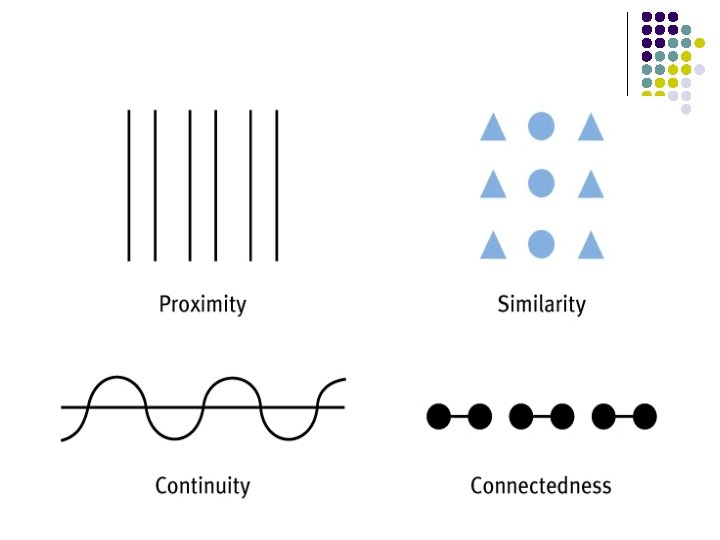
Gestalt Psychology l Gestalt Psychologists focus on how we normally perceive images as groups, not isolated elements l Several factors influence how we will group objects: -Proximity -Similarity -Continuity -Closure
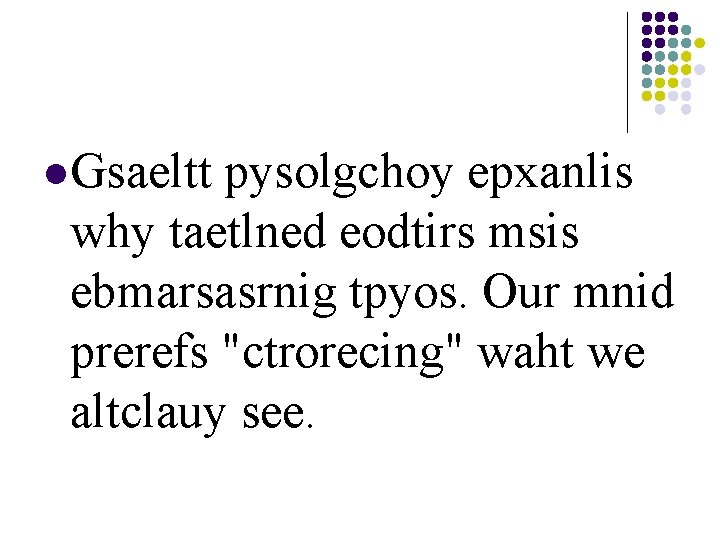
l. Gsaeltt pysolgchoy epxanlis why taetlned eodtirs msis ebmarsasrnig tpyos. Our mnid prerefs "ctrorecing" waht we altclauy see.
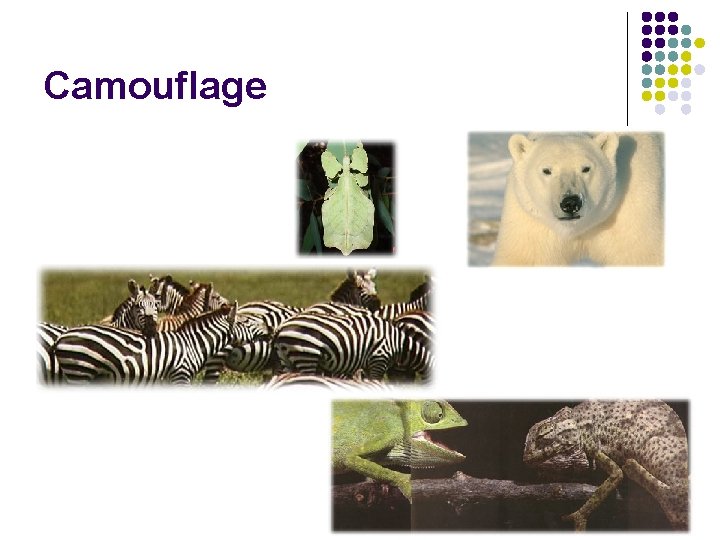
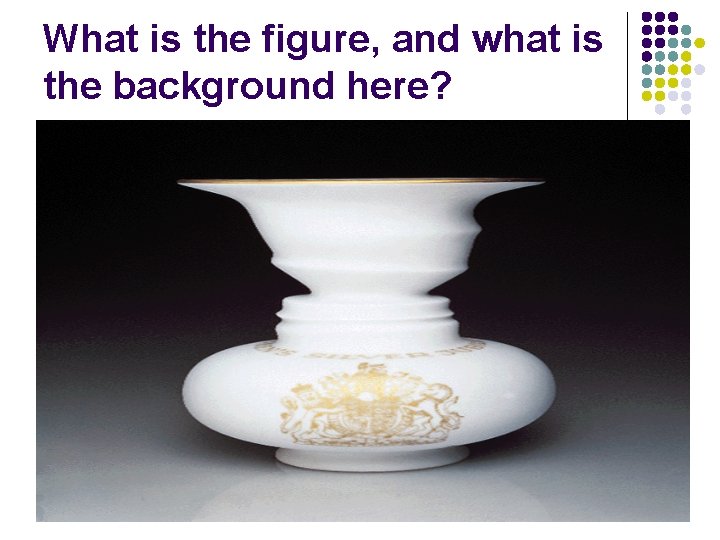
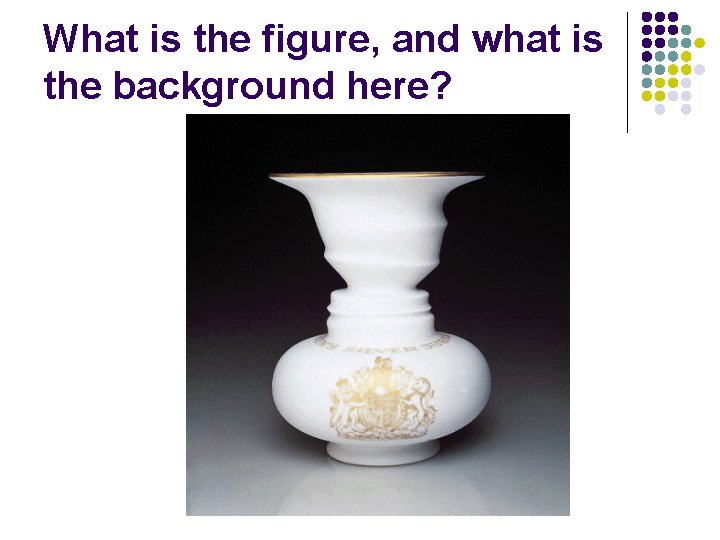
Figure- Ground relationship l organization of the visual field into object (figures) that stand out from their surroundings (ground) l Analyzing separate information allows us to re-act to each individual object accordingly l Camouflage – when figures blend into the background
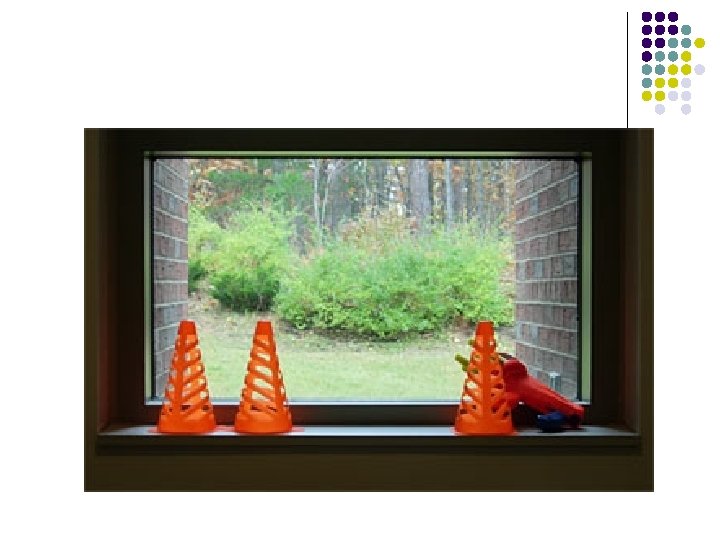
Camouflage
What is the figure, and what is the background here?
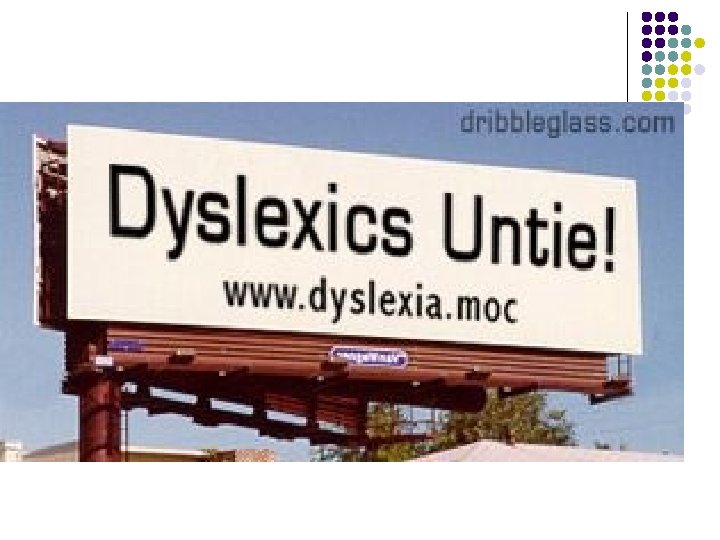
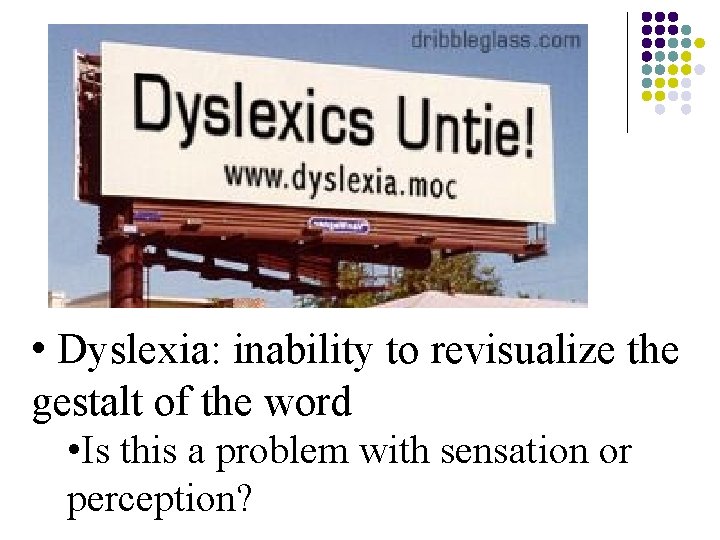
• Dyslexia: inability to revisualize the gestalt of the word • Is this a problem with sensation or perception?
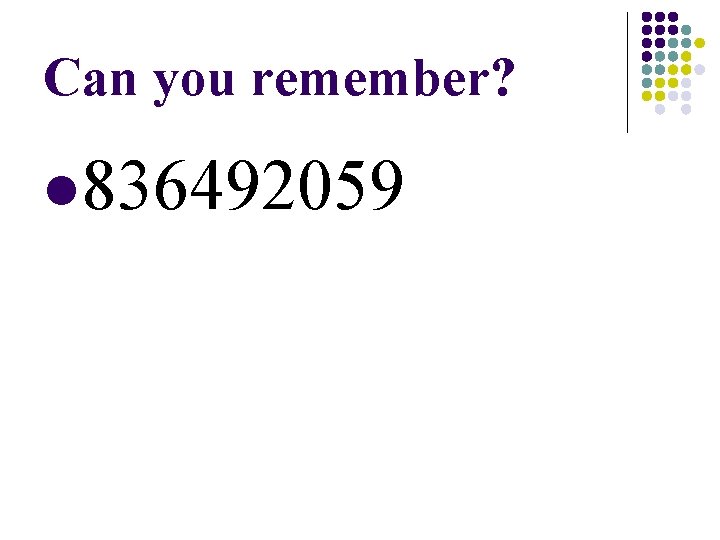
Can you remember? l 836492059
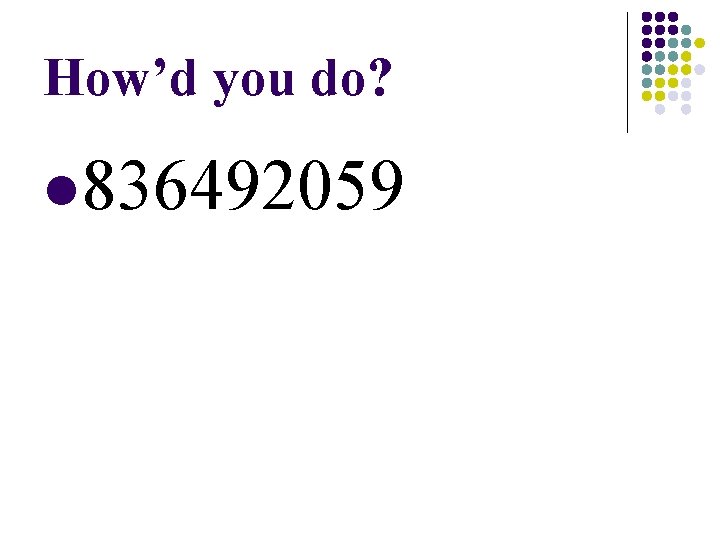
How’d you do? l 836492059
Grouping l tendency to organize stimuli into groups l Aka “chunking” l Patterns, shapes, forms l How many #s can we remember?
So how do we group? l Similarity l Proximity l Continuity l Closure
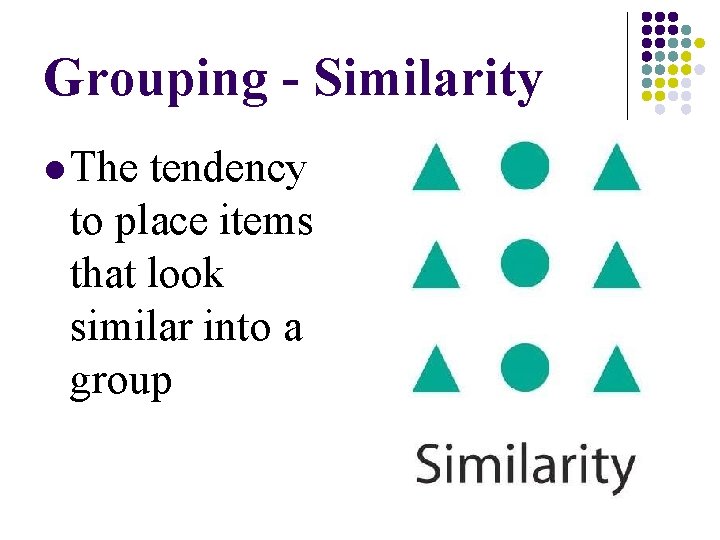
Grouping - Similarity l The tendency to place items that look similar into a group
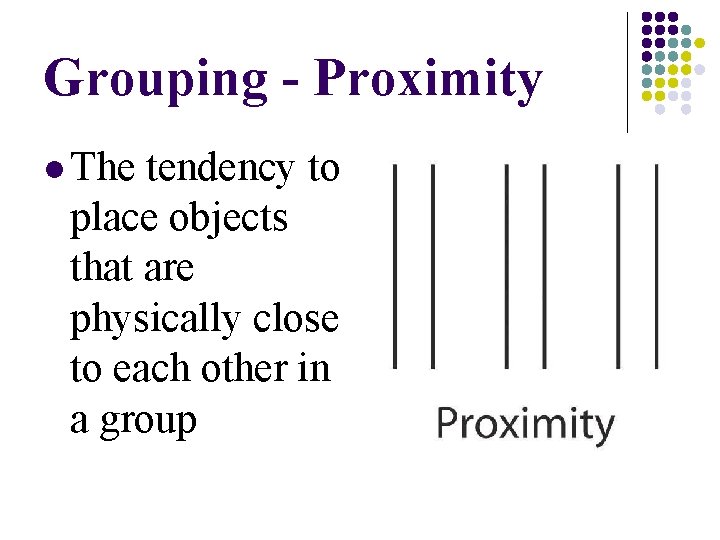
Grouping - Proximity l The tendency to place objects that are physically close to each other in a group
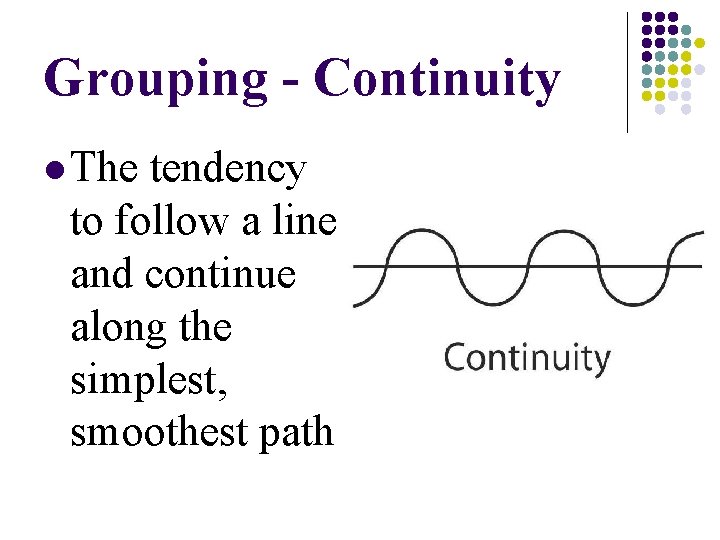
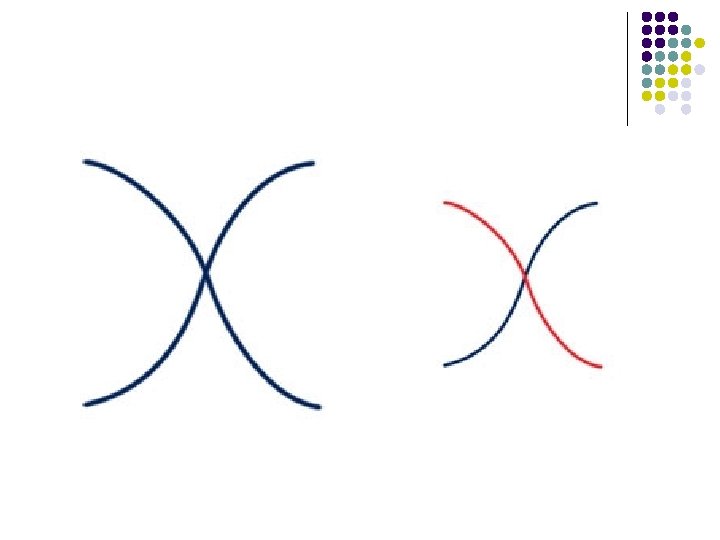
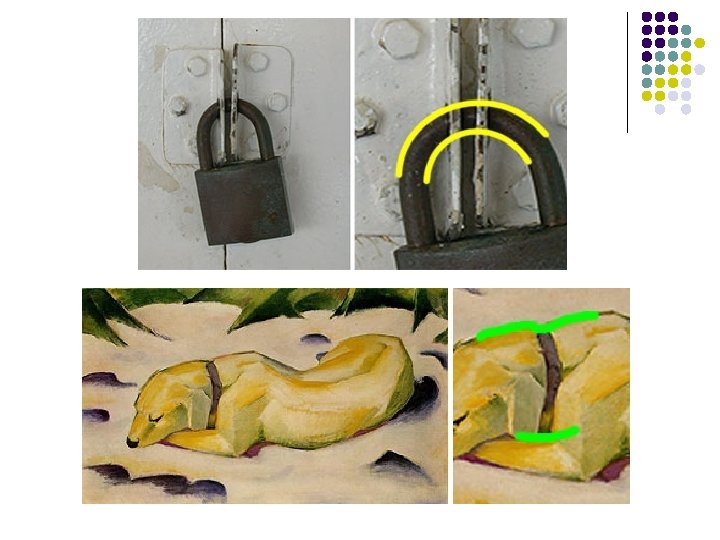
Grouping - Continuity l The tendency to follow a line and continue along the simplest, smoothest path
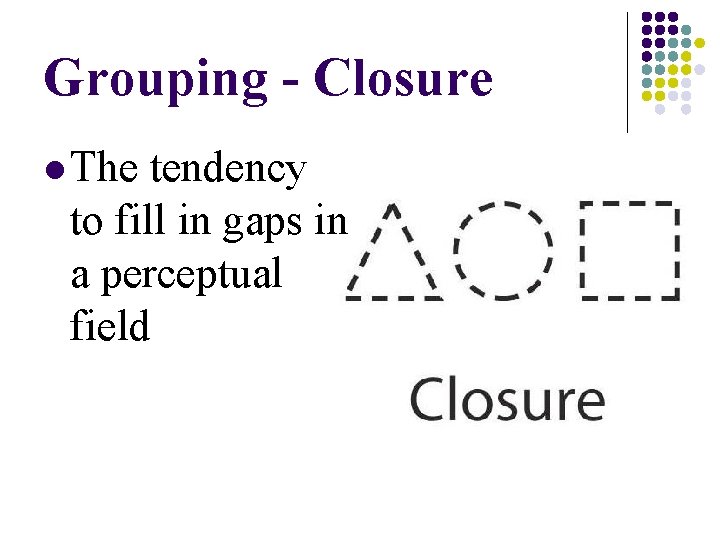
Grouping - Closure l The tendency to fill in gaps in a perceptual field
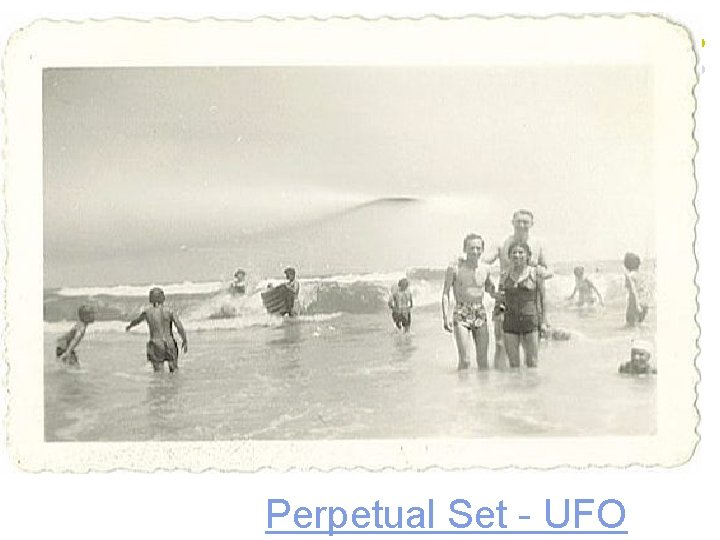
Perceptual Set la bias or readiness to perceive certain aspects of available sensory data and to ignore others l Stereotypes?
Perpetual Set - UFO
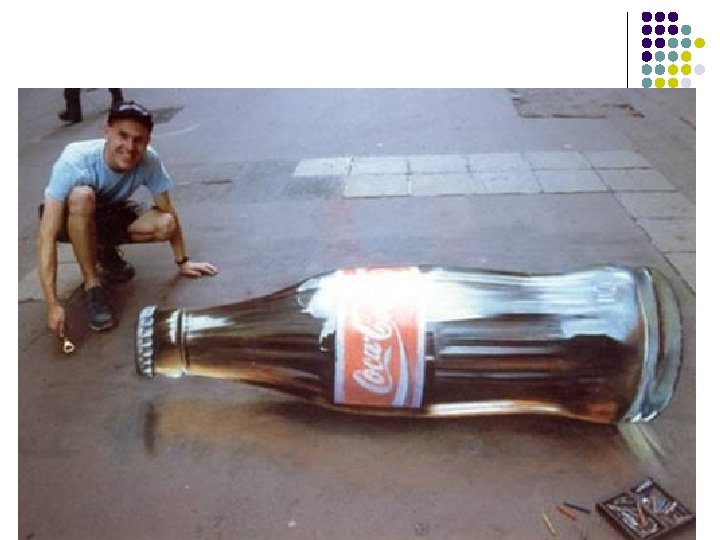
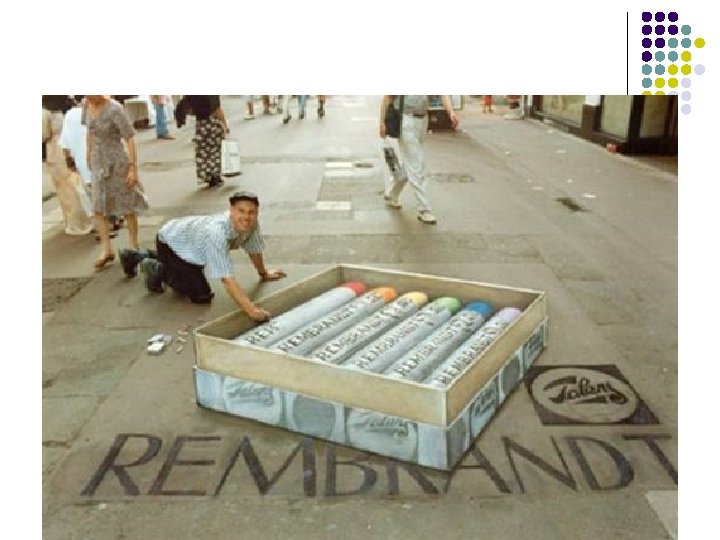
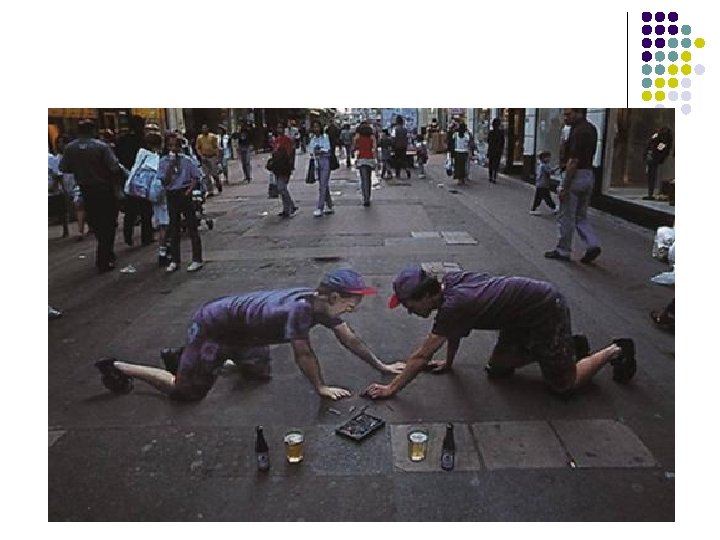
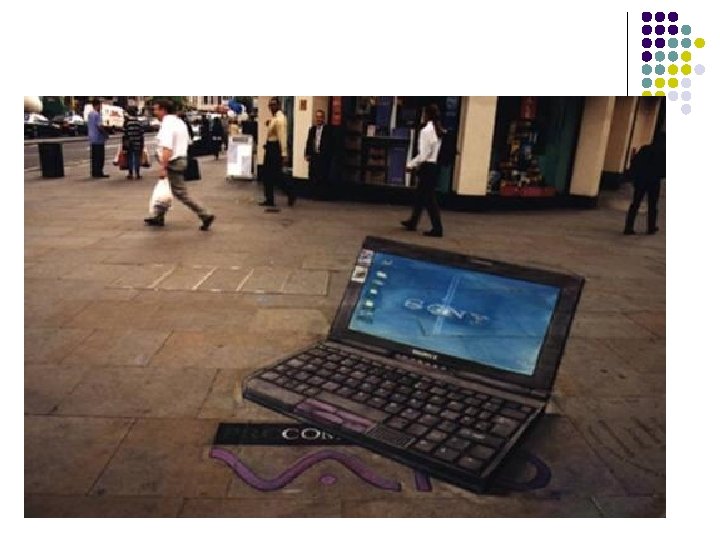
Depth Perception lability to see objects in 3 D lallows us to judge distance
Let’s try it! Binocular vs. monocular…which one’s better? l With both eyes open, touch your index fingers together in front of your face. l Now close one eye and try. l Try at different distances. l
Module 10: Perception Depth Perception: Binocular Depth Cues
Depth Perception – Binocular Cues l Retinal disparity: differences between 2 images of 1 scene l most effective when the item is quite close to the person
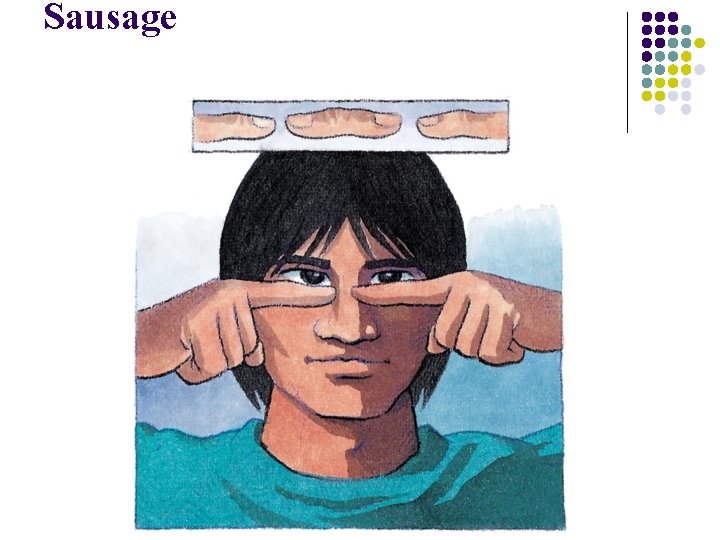
Depth Perception – Binocular Cues 2 eyes focusing on the same object creates tension l Convergence: l The more tension, the closer the object l Works best at close distances
Sausage
Module 10: Perception Depth Perception: Monocular Depth Cues
Depth Perception Monocular Cues l Relative size: Using the perceived size of a familiar object to determine depth l The larger the object appears, the closer the object is to the viewer
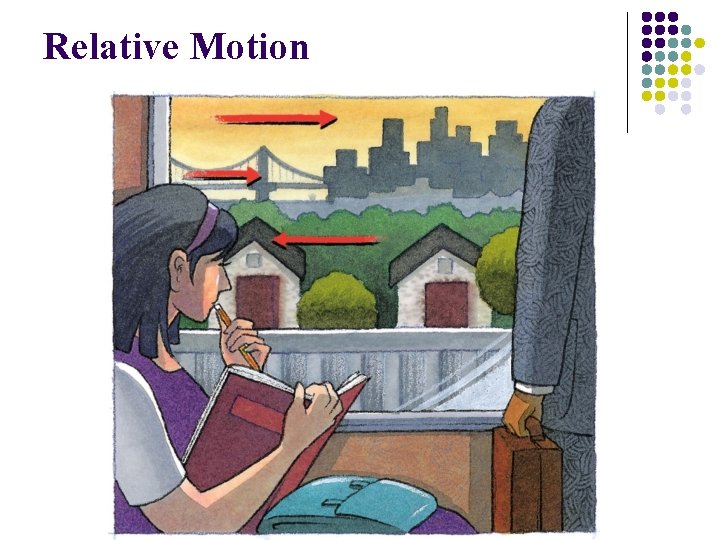
Depth Perception Monocular Cues l Relative motion: when moving, we can determine depth by focusing on a distant object l Aka motion parallax l http: //psych. hanover. edu/krantz/motionparal lax/motionparallax. html
Relative Motion
Depth Perception – Monocular Cues l Figure-ground: tendency to organize stimuli into objects (the figures) that stand out from their surrounding (the ground) l figure = object (s) that draws one’s attention l ground = background
What is the figure, and what is the background here?
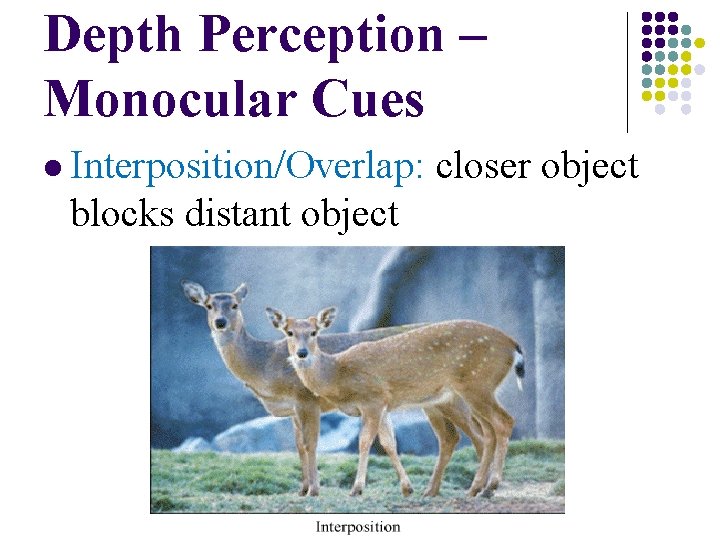
Depth Perception – Monocular Cues l Interposition/Overlap: blocks distant object closer object
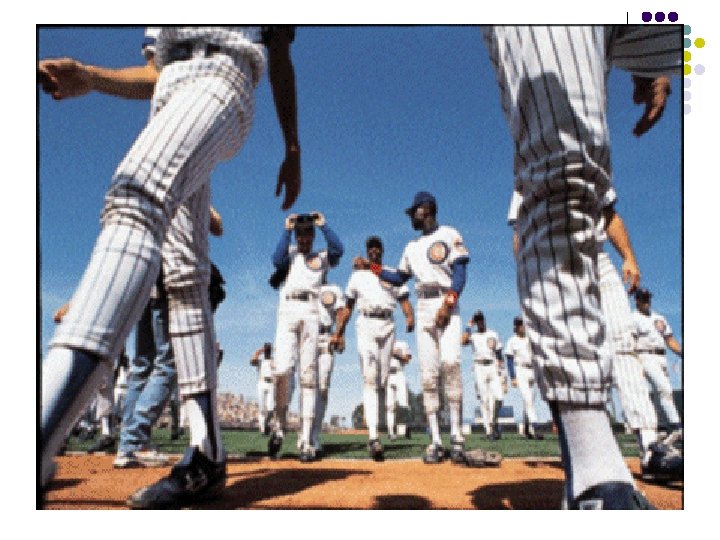
Depth Perception – Monocular Cues l Relative clarity: distant objects are less clear than nearby objects l Texture gradient: distant objects have a smoother texture than nearby objects
Depth Perception – Monocular Cues l Relative height: distant objects appear higher in your field of vision than do closer objects l Linear perspective: parallel lines appear to converge in the distance l horizon
Let’s Wrap Up l Explain the following: “Everyday experience is not a literal transcript of the world, but an ongoing process of construction by the mind. ” l How does perception influence our perspectives?
limages reality that differ from objective
Illusions l Stroboscopic motion: timed flashing lights that gives the illusion of movement
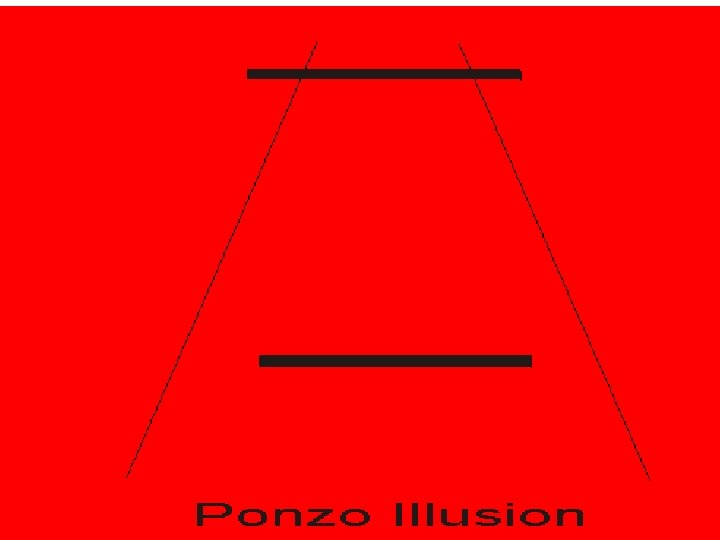
Perceptual Illusions l When our normal, automatic perception processes guide us to the wrong conclusions
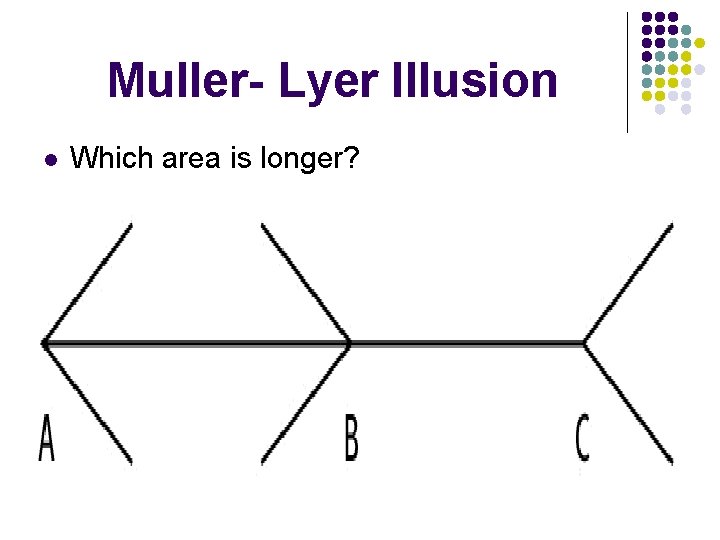
Muller- Lyer Illusion l Which area is longer?
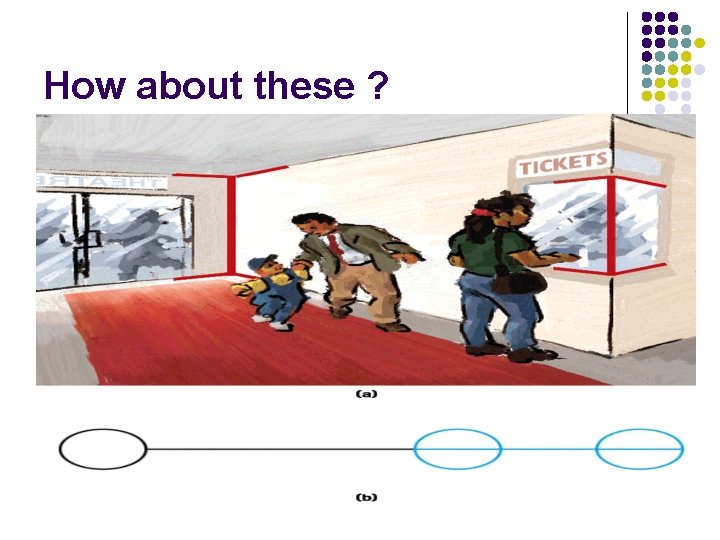
How about these ?
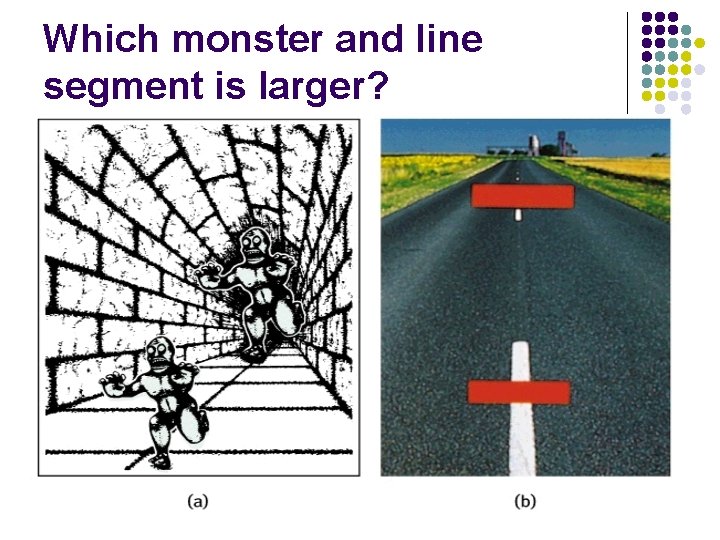
Which monster and line segment is larger?
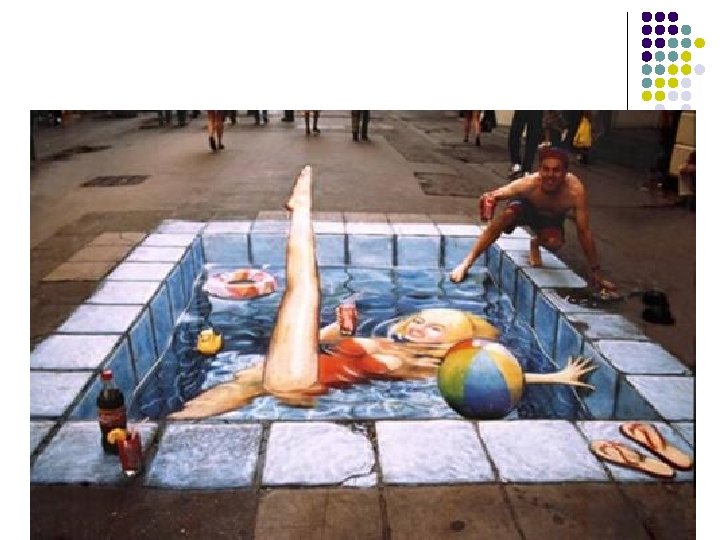
Examples l Depth perception in action
Binocular Cues l Depth cues that require the use of both eyes