The Renaissance in Europe ESSENTIAL QUESTIONS HOW CAN

- Slides: 36
The Renaissance in Europe ESSENTIAL QUESTIONS: HOW CAN TRADE LEAD TO ECONOMIC PROSPERITY AND POLITICAL POWER? HOW CAN IDEAS BE REFLECTED IN ART, SCULPTURE, AND ARCHITECTURE?
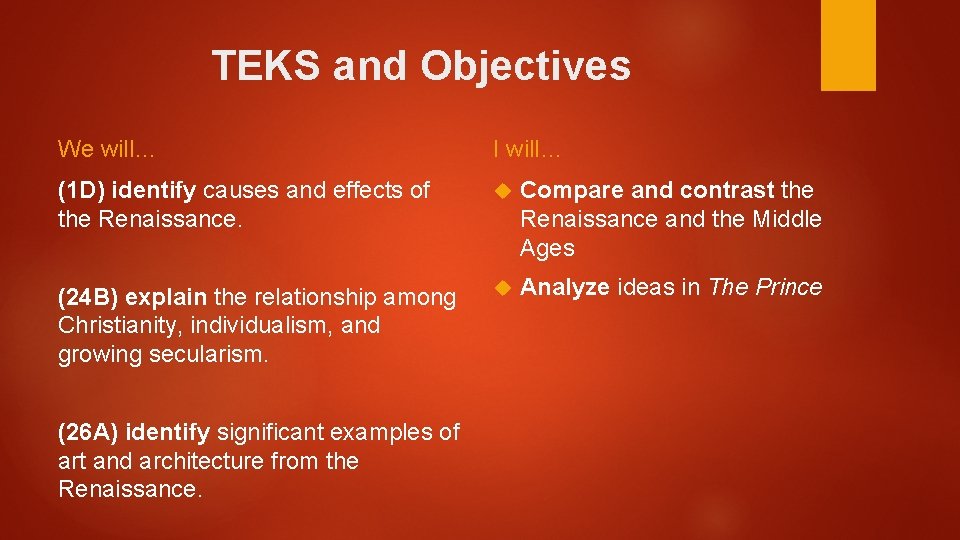
TEKS and Objectives We will… I will… (1 D) identify causes and effects of the Renaissance. Compare and contrast the Renaissance and the Middle Ages (24 B) explain the relationship among Christianity, individualism, and growing secularism. Analyze ideas in The Prince (26 A) identify significant examples of art and architecture from the Renaissance.
Renaissance Means A “rebirth” renewed interest in learning about classical civilizations of Greece and Rome
Decline of Feudalism Crusades Black Death Hundred Years’ War Great Schism
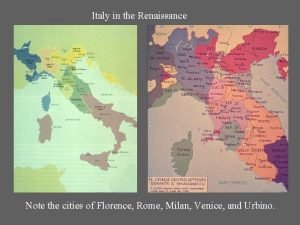
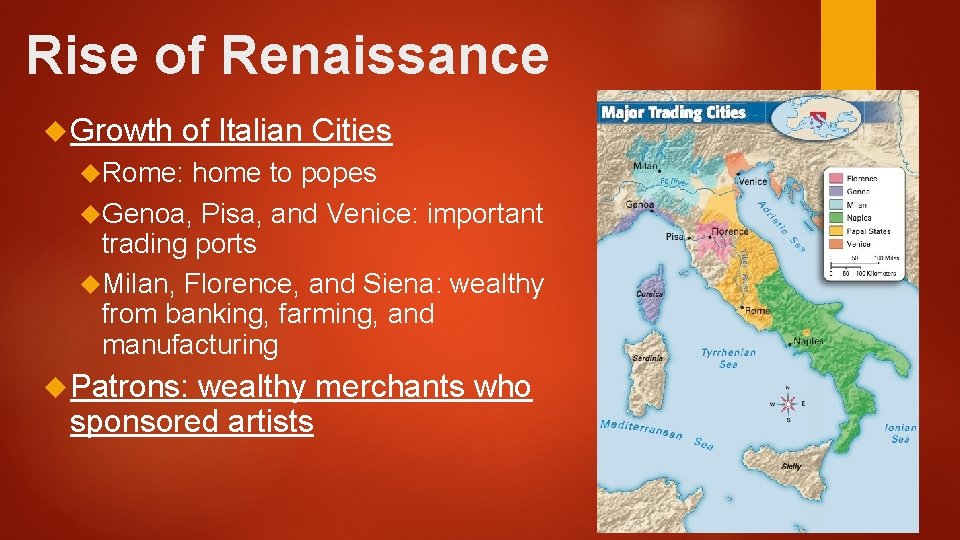
Rise of Renaissance Growth of Italian Cities Rome: home to popes Genoa, Pisa, and Venice: important trading ports Milan, Florence, and Siena: wealthy from banking, farming, and manufacturing Patrons: wealthy merchants who sponsored artists
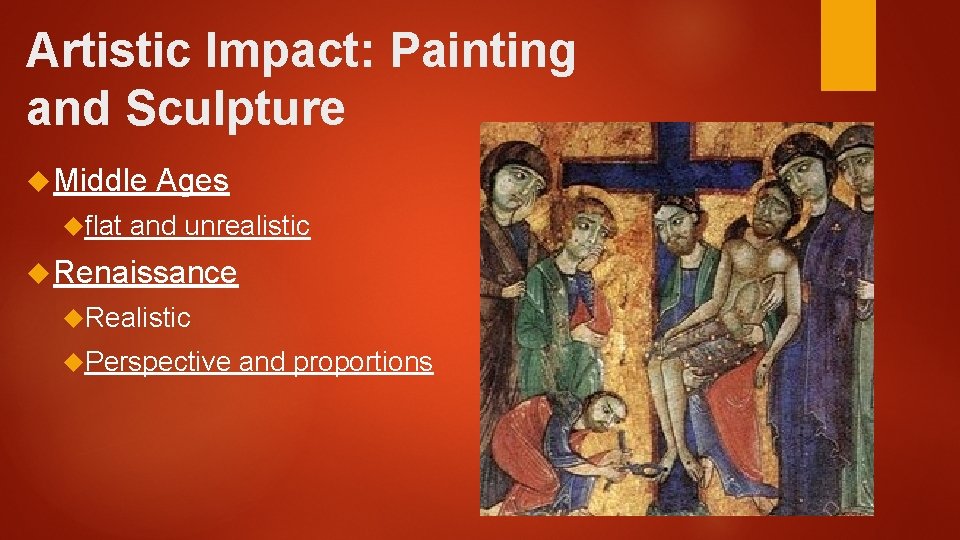
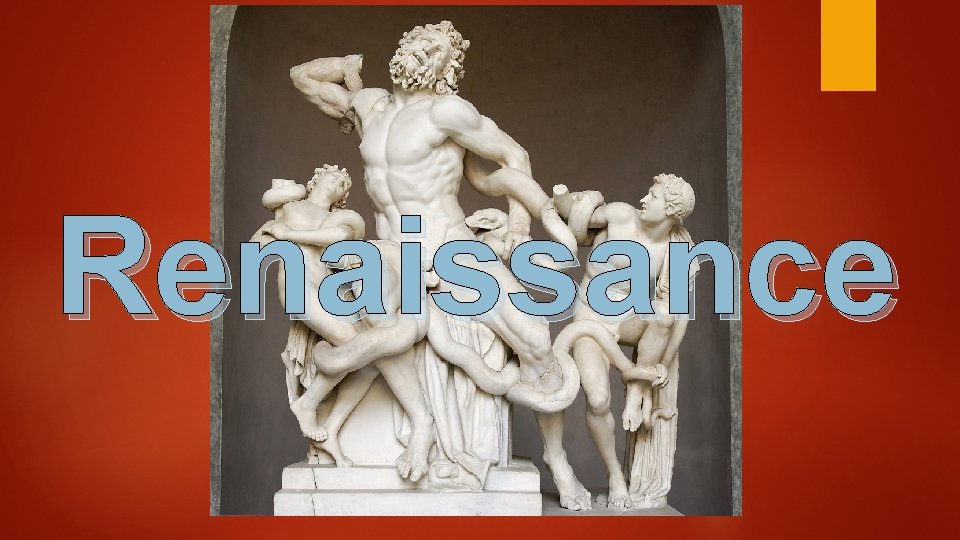
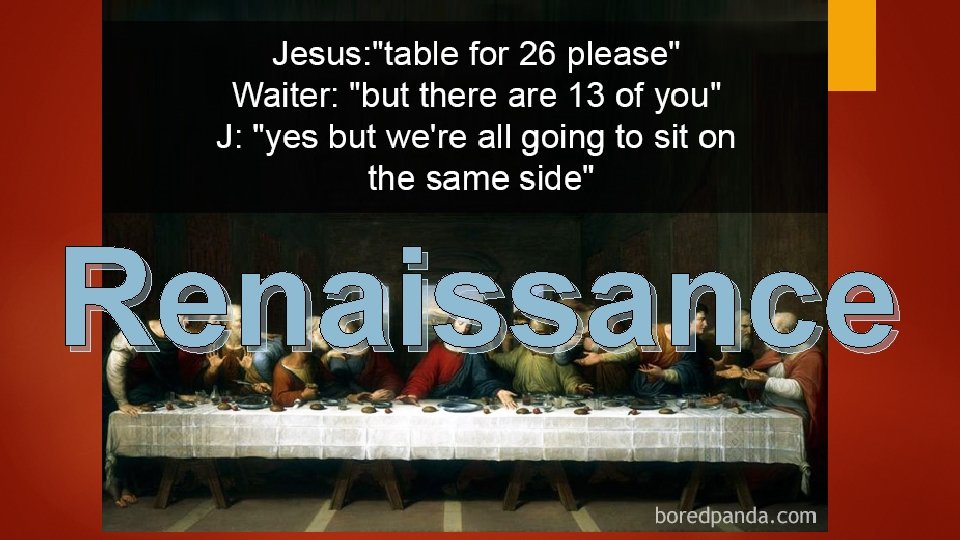
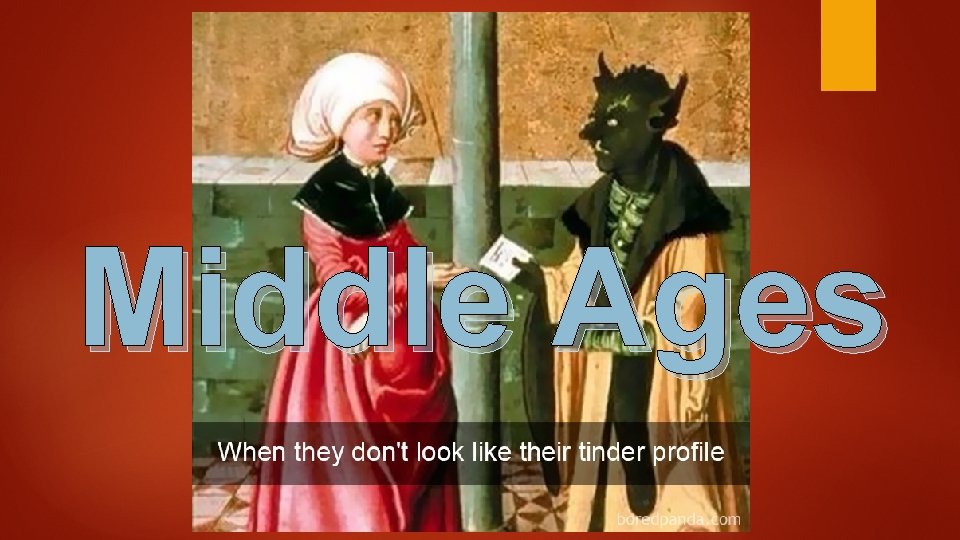
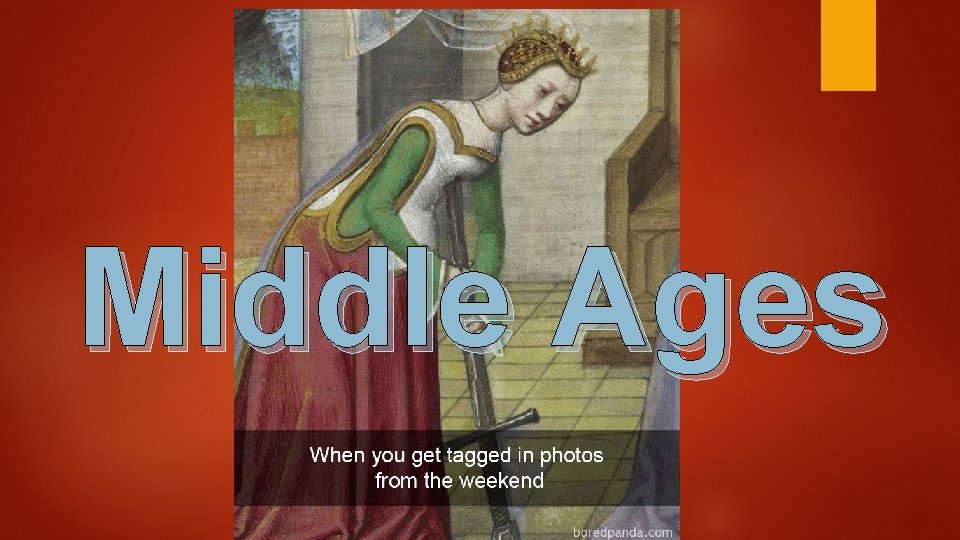
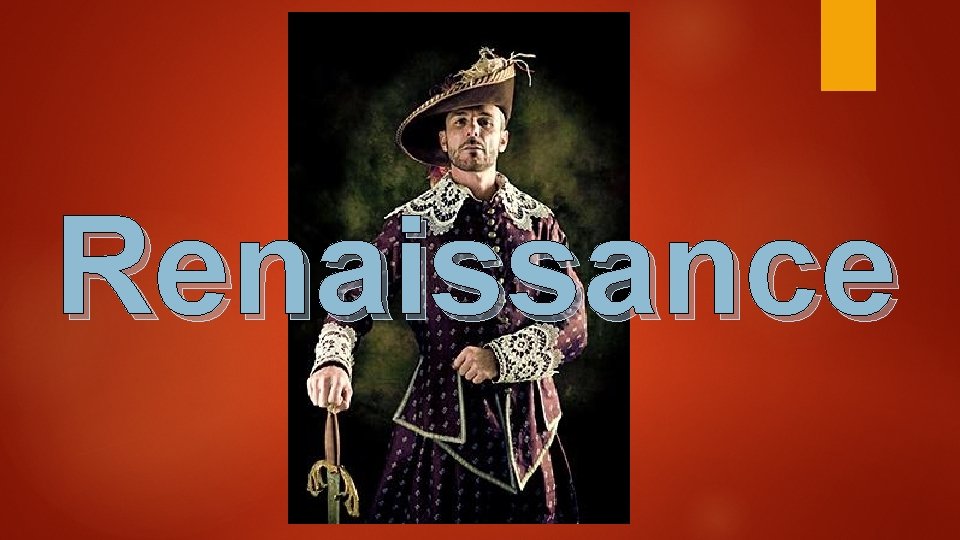
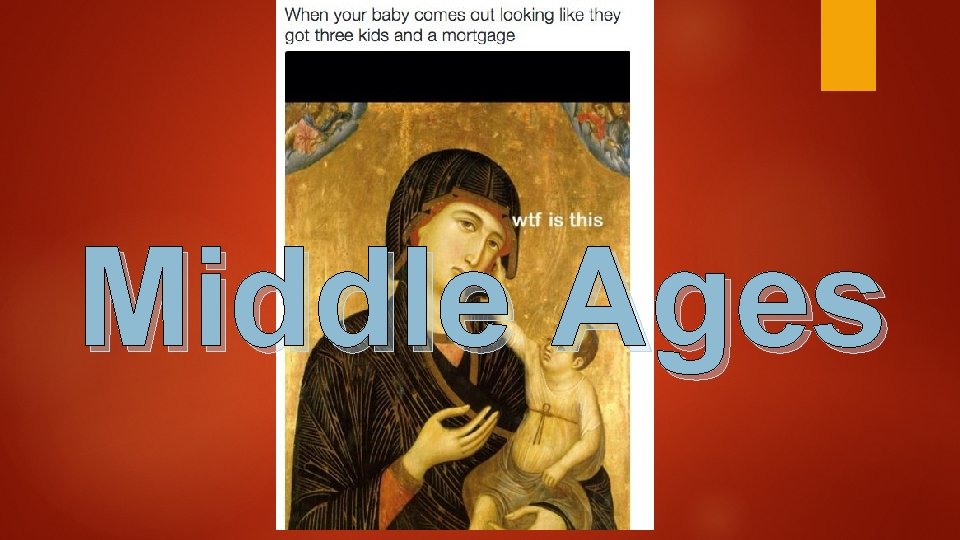
Artistic Impact: Painting and Sculpture Middle flat Ages and unrealistic Renaissance Realistic Perspective and proportions
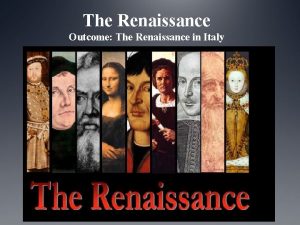
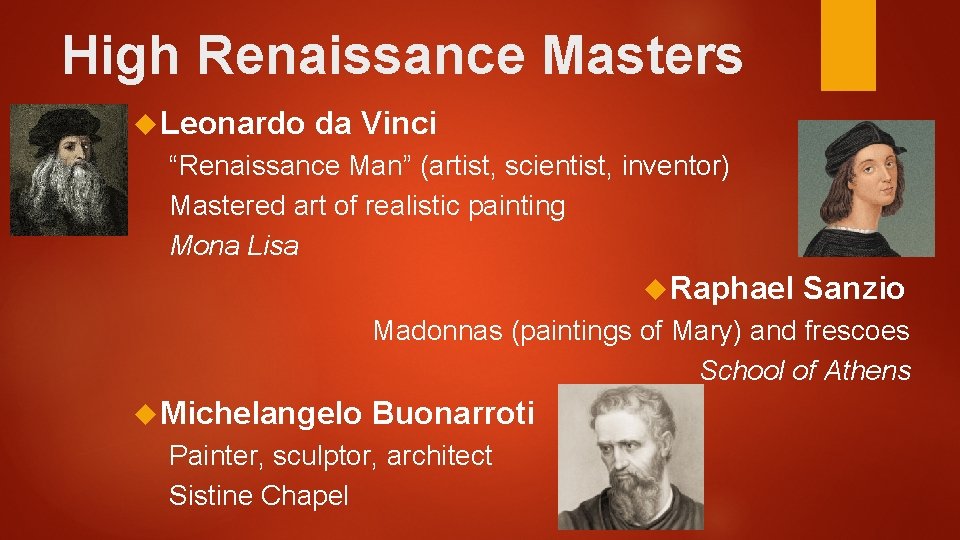
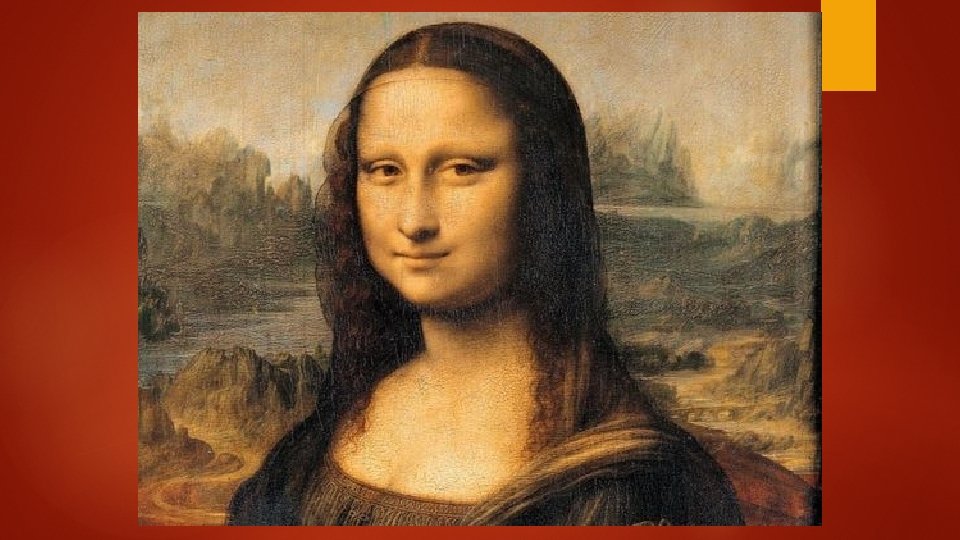
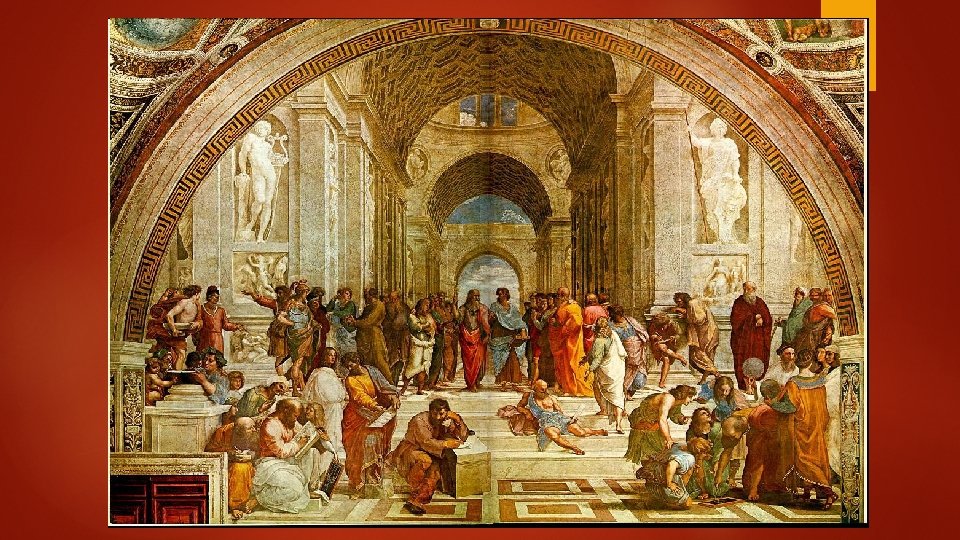
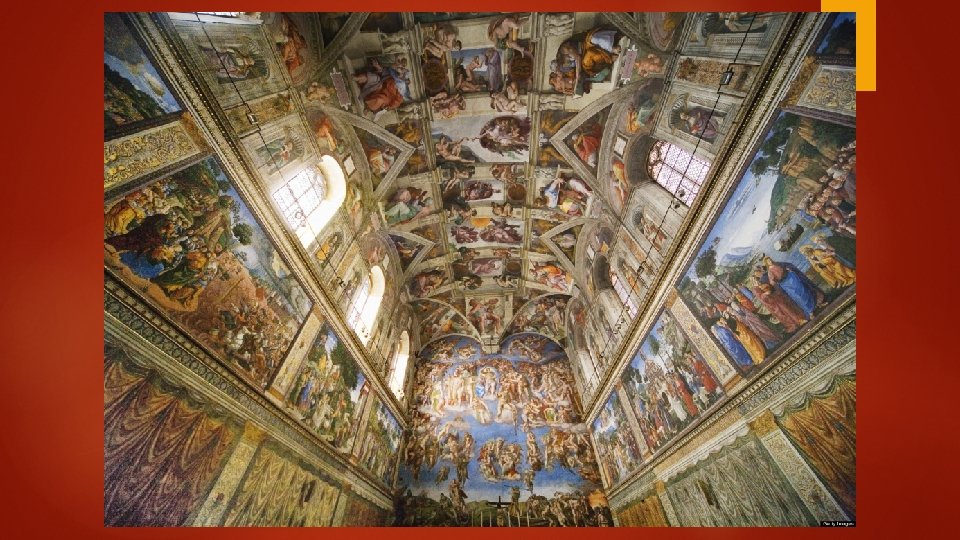
High Renaissance Masters Leonardo da Vinci “Renaissance Man” (artist, scientist, inventor) Mastered art of realistic painting Mona Lisa Raphael Sanzio Madonnas (paintings of Mary) and frescoes School of Athens Michelangelo Buonarroti Painter, sculptor, architect Sistine Chapel
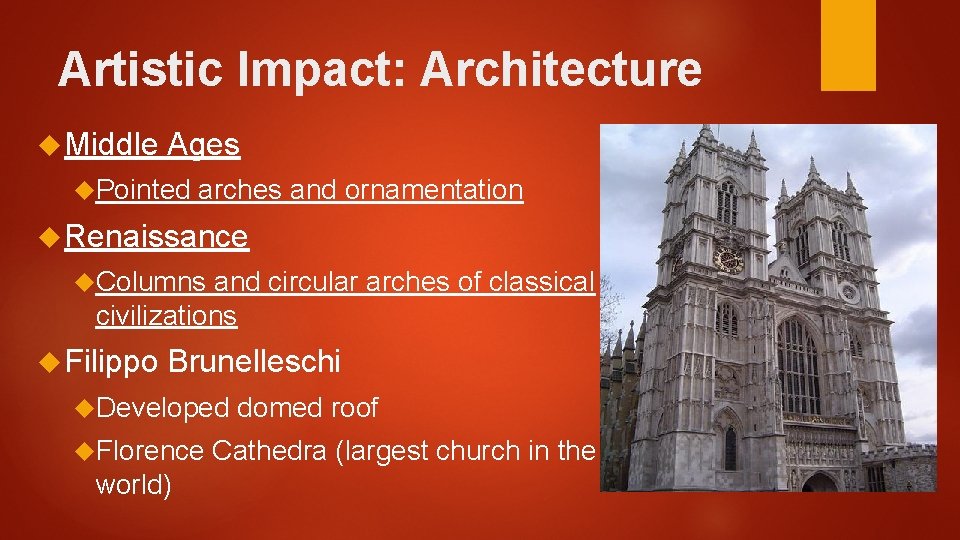
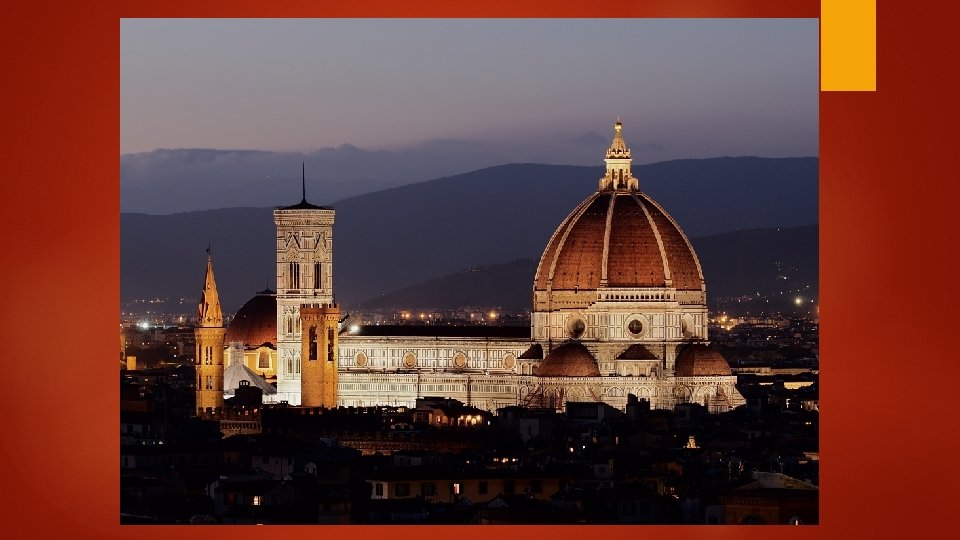
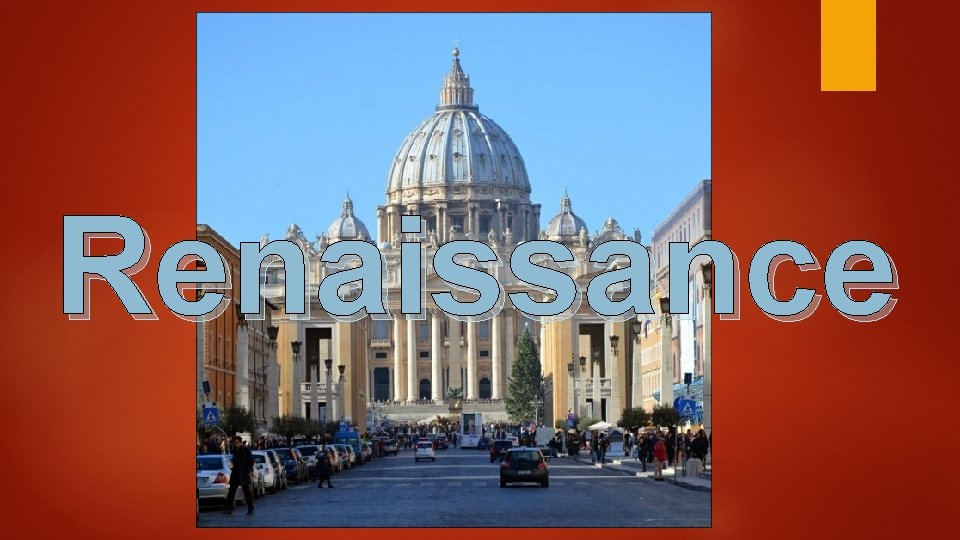
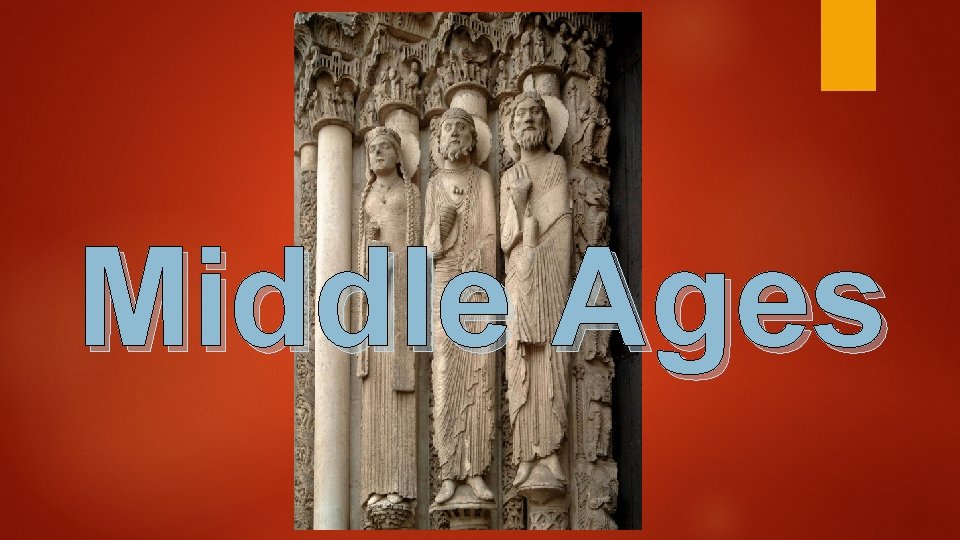
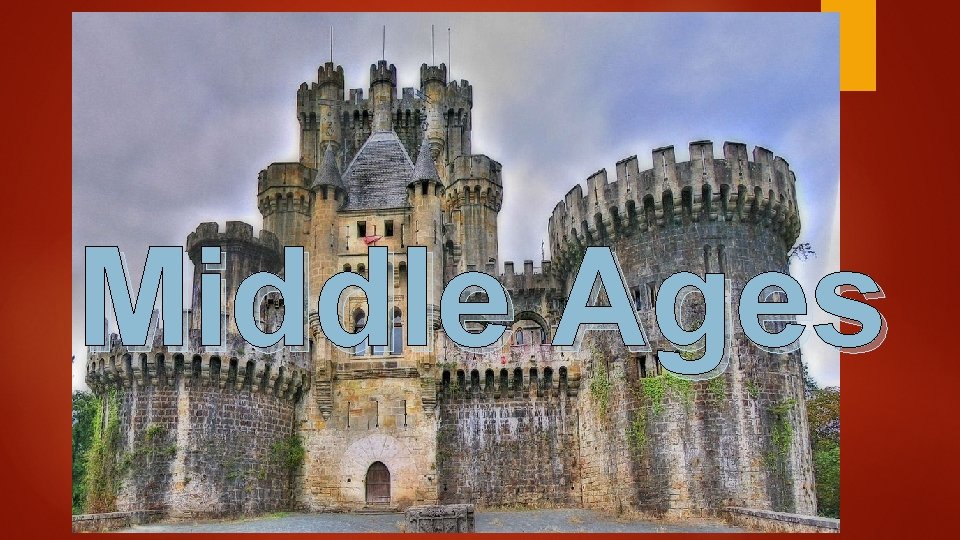
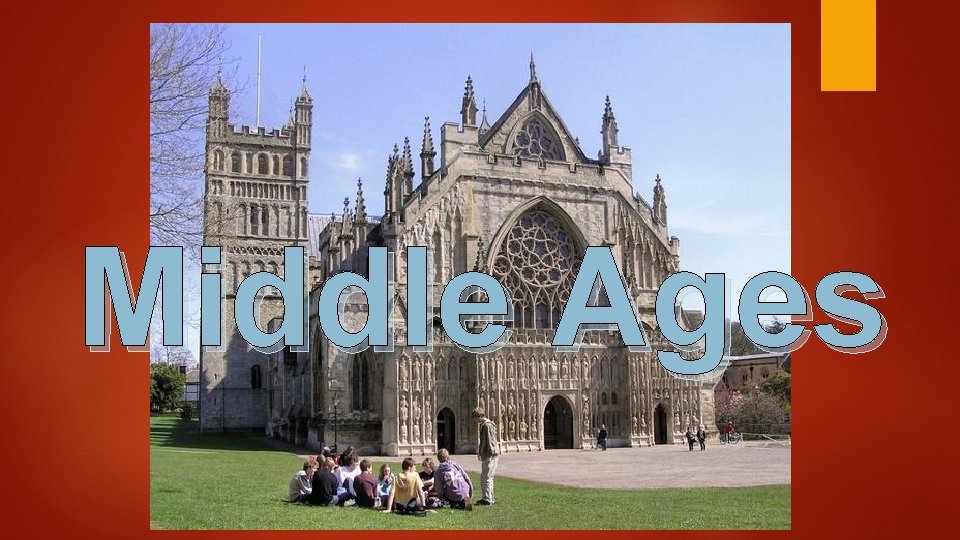
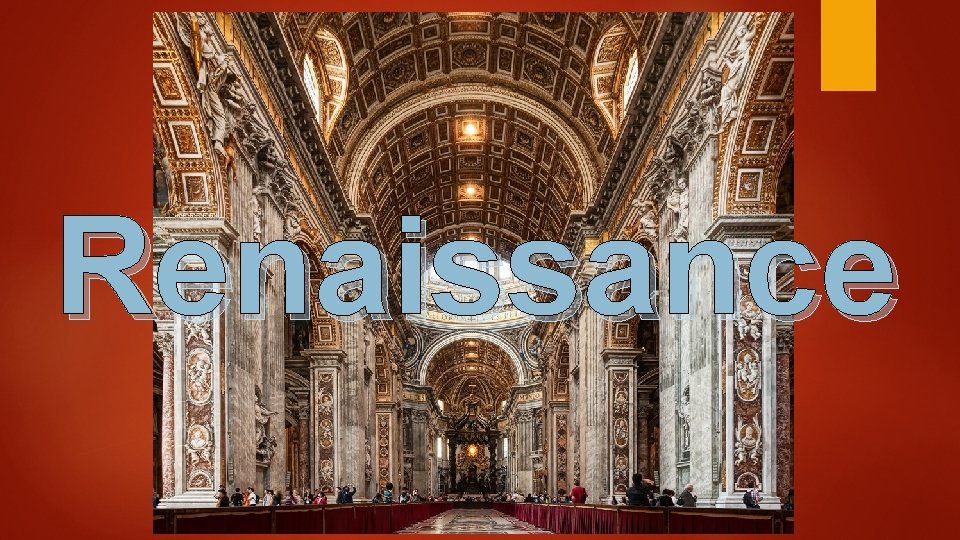
Artistic Impact: Architecture Middle Ages Pointed arches and ornamentation Renaissance Columns and circular arches of classical civilizations Filippo Brunelleschi Developed Florence world) domed roof Cathedra (largest church in the
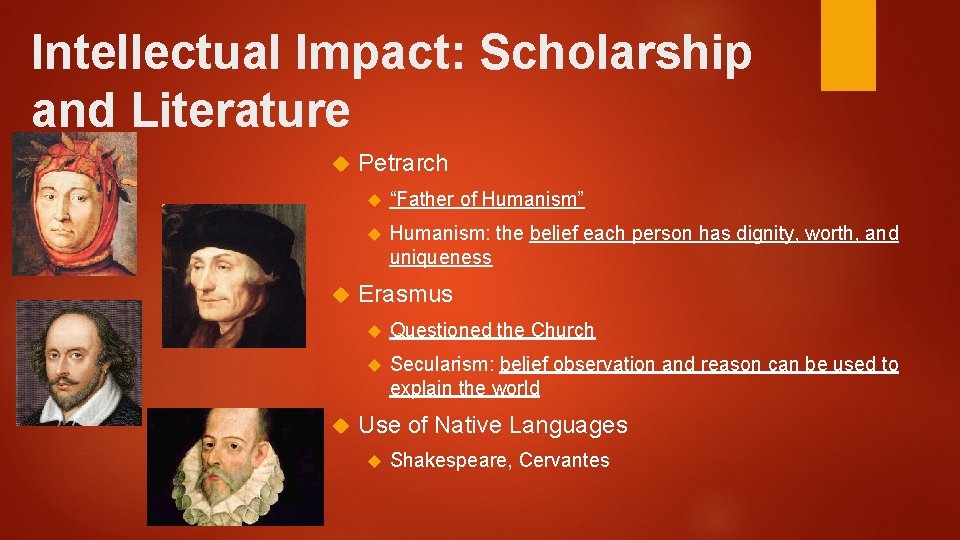
Intellectual Impact: Scholarship and Literature Petrarch “Father of Humanism” Humanism: the belief each person has dignity, worth, and uniqueness Erasmus Questioned the Church Secularism: belief observation and reason can be used to explain the world Use of Native Languages Shakespeare, Cervantes
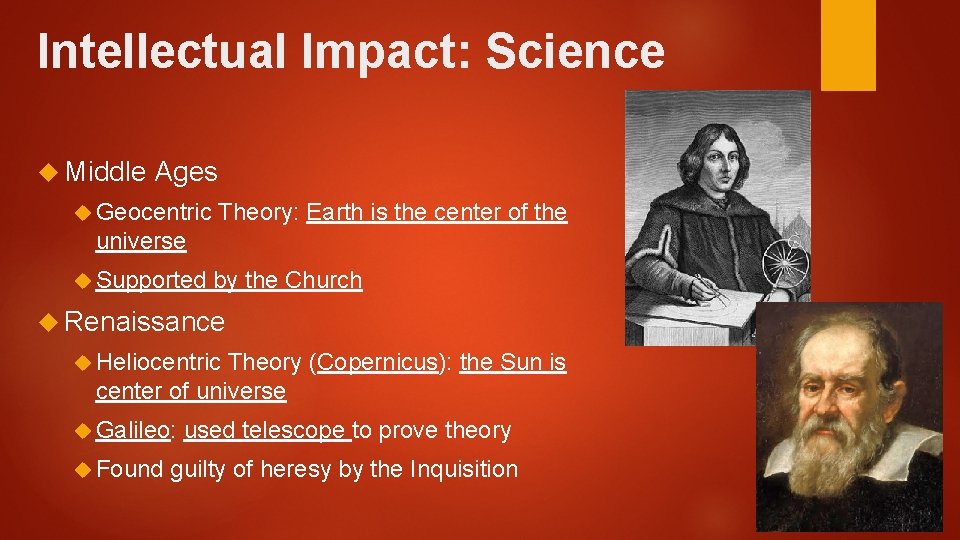
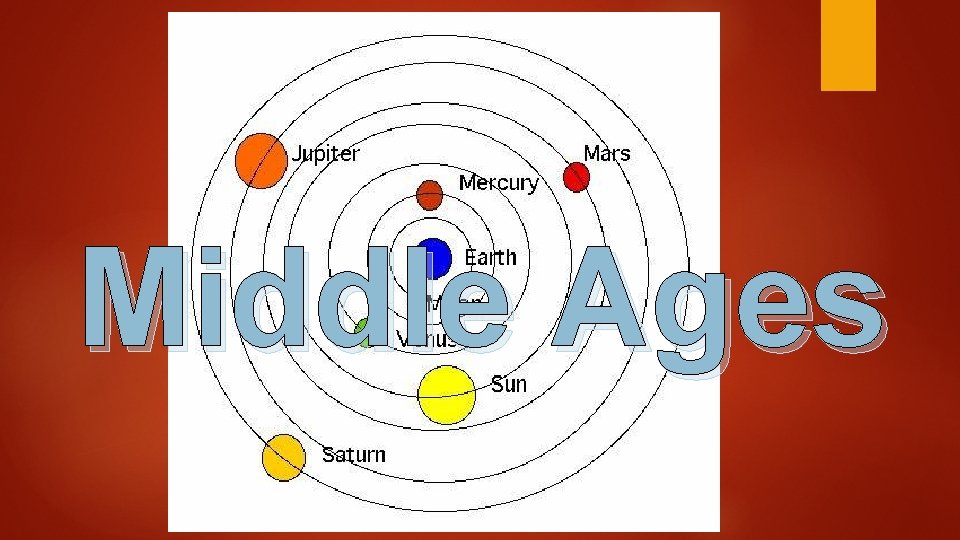
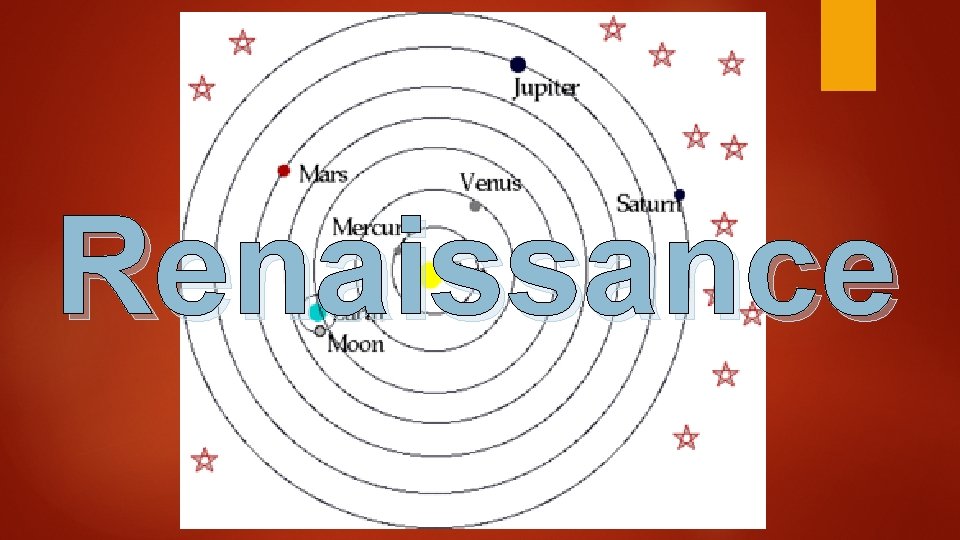
Intellectual Impact: Science Middle Ages Geocentric Theory: Earth is the center of the universe Supported by the Church Renaissance Heliocentric Theory (Copernicus): the Sun is center of universe Galileo: Found used telescope to prove theory guilty of heresy by the Inquisition
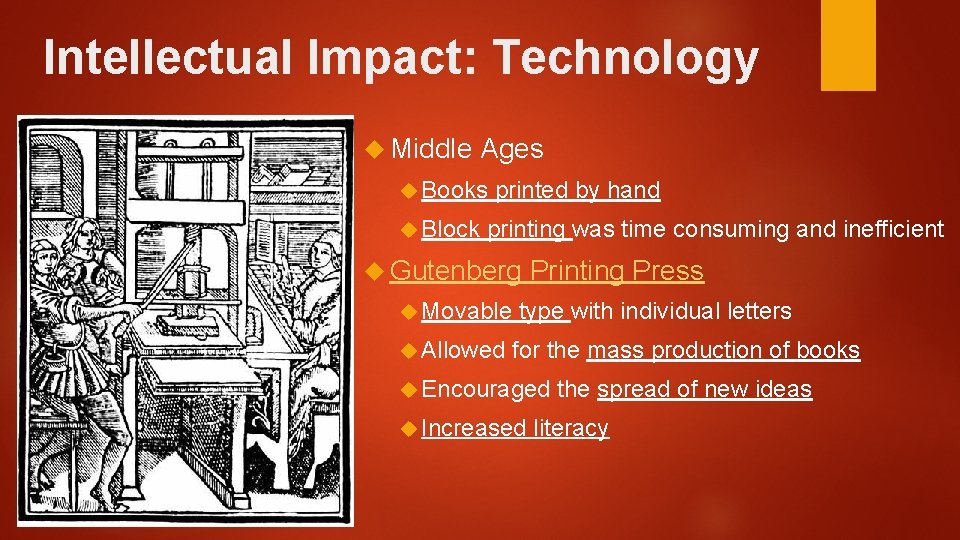
Intellectual Impact: Technology Middle Ages Books Block printed by hand printing was time consuming and inefficient Gutenberg Movable Allowed Printing Press type with individual letters for the mass production of books Encouraged Increased the spread of new ideas literacy
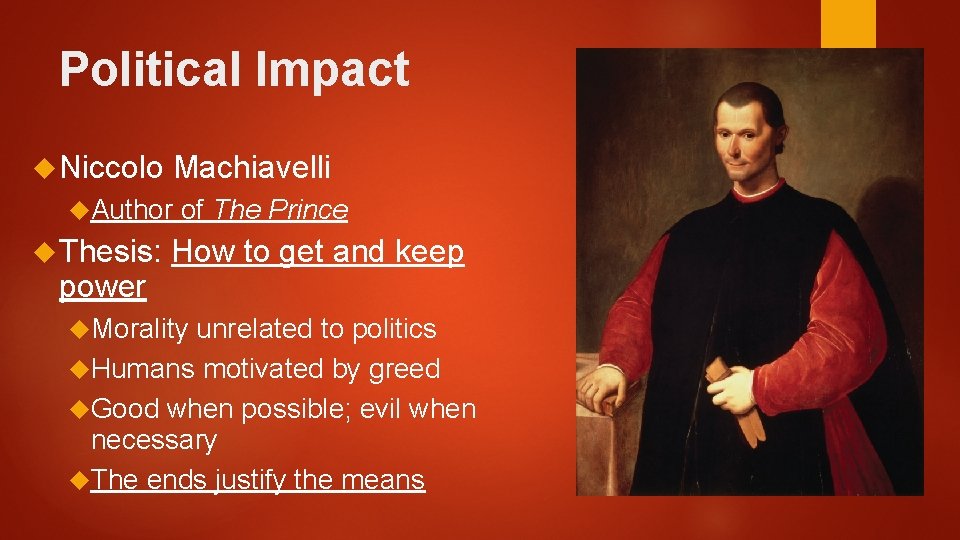
Political Impact Niccolo Machiavelli Author Thesis: power of The Prince How to get and keep Morality unrelated to politics Humans motivated by greed Good when possible; evil when necessary The ends justify the means
Journal Entry #16 Read the following document from The Prince. Then answer the question that follows. WHETHER IT IS BETTER FOR THE PRINCE TO BE LOVED OR FEARED “From this arises the question: whether it is better to be loved more than feared, or feared more than loved. The answer is that one would like to be both, but as it is difficult for fear and love to go together, it is better to be feared. One can say about men: they are ungrateful, liars, and deceivers, anxious to avoid danger, and greedy. As long as you are useful to them, they are yours. They would shed their blood for you, risk their lives, their children, so long as the danger is remote. But when you are in danger, they turn against you. Any prince who has come to depend on promises and takes no other precautions, ensures his own ruin…Men worry less about doing an injury to one who makes himself loved than to one who makes himself feared. ” Do you agree with Machiavelli’s advice in this passage? Give at least two reasons to support your stance.
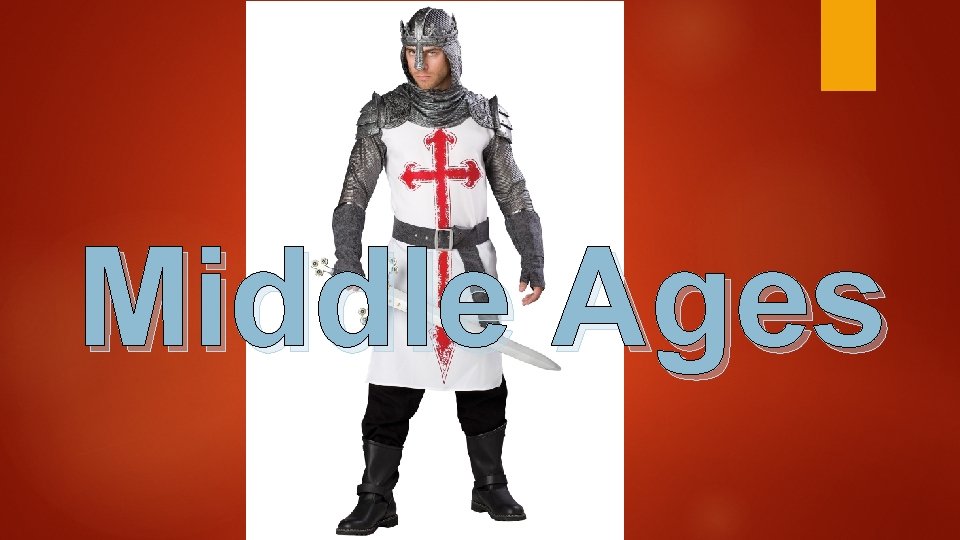
Renaissance or Middle Ages?
Renaissance
Renaissance
Middle Ages
Middle Ages
Renaissance
Middle Ages
Middle Ages
Renaissance
Middle Ages
Middle Ages
Middle Ages
Middle Ages
Renaissance
Middle Ages
Renaissance
Renaissance
Renaissance
TEKS and Objectives We will… I will… (1 D) identify causes and effects of the Renaissance. Compare and contrast the Renaissance and the Middle Ages (24 B) explain the relationship among Christianity, individualism, and growing secularism. Analyze ideas in The Prince (26 A) identify significant examples of art and architecture from the Renaissance.