PATHOLOGICAL STUDIES ON INDUCED HEPATIC CIRRHOSIS WITH EVALUATION



- Slides: 21
PATHOLOGICAL STUDIES ON INDUCED HEPATIC CIRRHOSIS WITH EVALUATION OF SOME HEPATOPROTECTIVE MATERIALS IN RATS Ph. D 2016
PATHOLOGICAL STUDIES ON INDUCED HEPATIC CIRRHOSIS WITH EVALUATION OF SOME HEPATOPROTECTIVE IN RATS Asmaa MATERIALS Khairy Mohammed Al-Mokaddem MSc. (2013) Supervision Prof. Dr. Kawkab Abd El Aziz Prof. Dr. Sahar Samir Ahmed Mahmoud Prof. of pathology Faculty of veterinary medicine Cairo University
Introduct
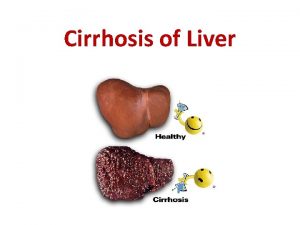
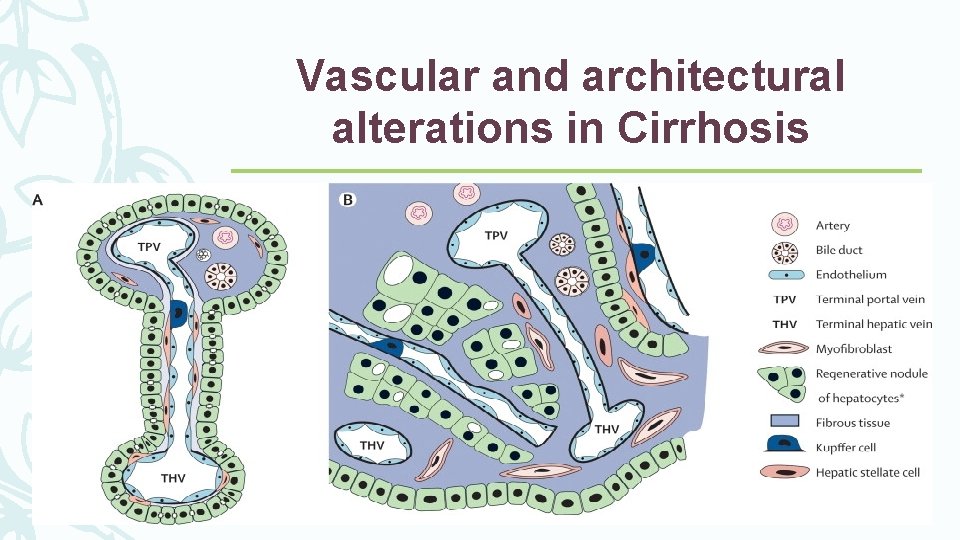
Introduction – The liver is one of the most important organs of the body. It performs a fundamental role in the regulation of diverse physiological processes, and its activity is related to different vital functions, such as metabolism, secretion, and storage. – Cirrhosis is a diffuse disorganization of normal hepatic structure by extensive fibrosis associated with regenerative nodules. Advanced cirrhosis leads to major alterations in the hepatic vascular bed and is usually irreversible – Fibrosis consists of the accumulation of extracellular matrix (ECM) proteins, mainly fibrillar collagen, as the result of both increased ECM synthesis and decreased degradation of matrix.
Vascular and architectural alterations in Cirrhosis
Interventions in Cirrhosis management – There is no standard treatment for liver fibrosis, there are several therapeutic approaches to control liver fibrosis. – The ideal antifibrotic therapy would be one that is liver-specific, well tolerated when administered for prolonged periods of time, and effective in attenuating excessive collagen deposition without affecting normal ECM synthesis – Antioxidants are the most promising drugs in treatment or prevention of liver fibrosis. They inhibit HSC activation, protect hepatocytes.
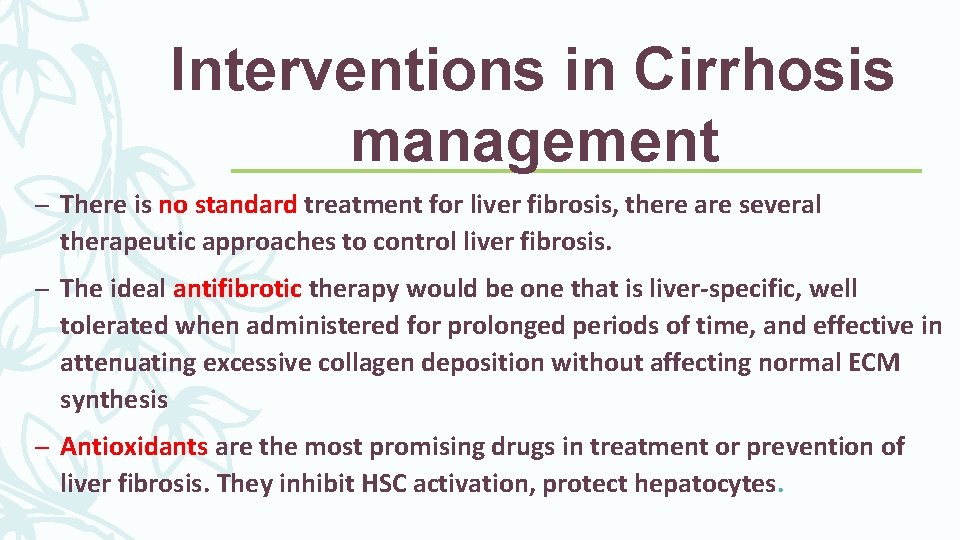
Natural products with 1 Hepatoprotective Silymarin (Silybum effect marianum)
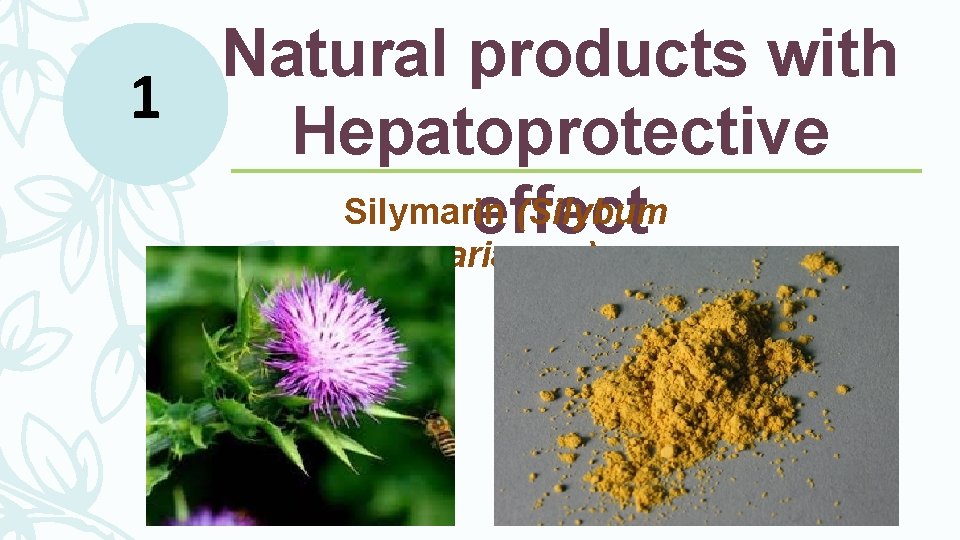
Natural products with 2 Hepatoprotective Propolis (Bee Glue) effect
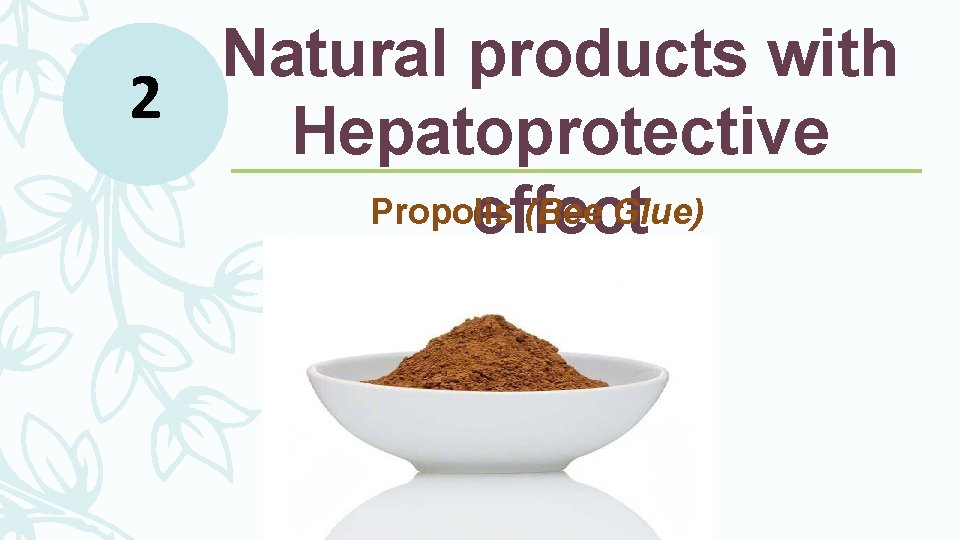
Natural products with 3 Hepatoprotective Spirulina (Spirulina platensis) effect
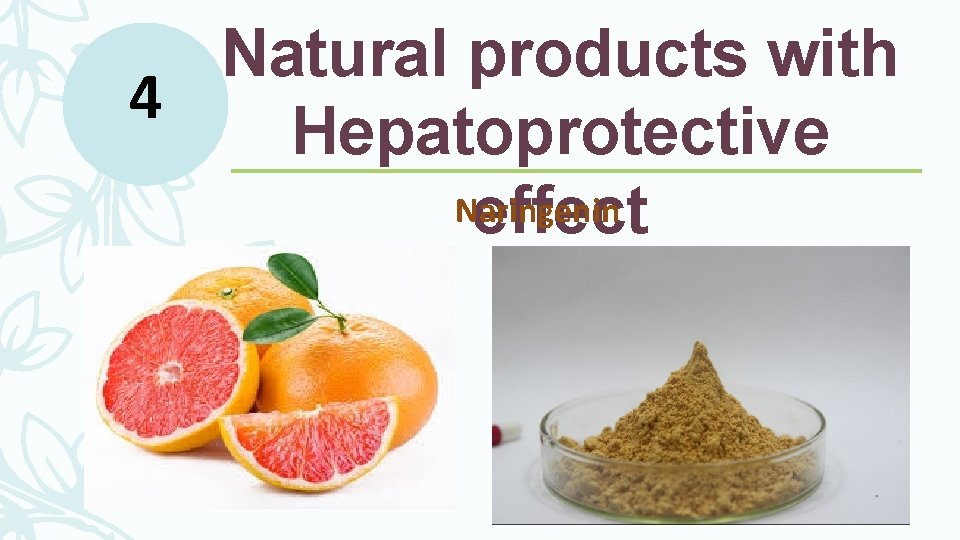
Natural products with 4 Hepatoprotective Naringenin effect
Aim of Work 1. Histopathological examination and scoring of TAA-Induced hepatic cirrhosis as a reliable model of experimentally induced cirrhosis and correlation between histopathological scores and serum biomarkers. 2. Evaluation of the hepatoprotective effects of some natural agents
Materials & Methods
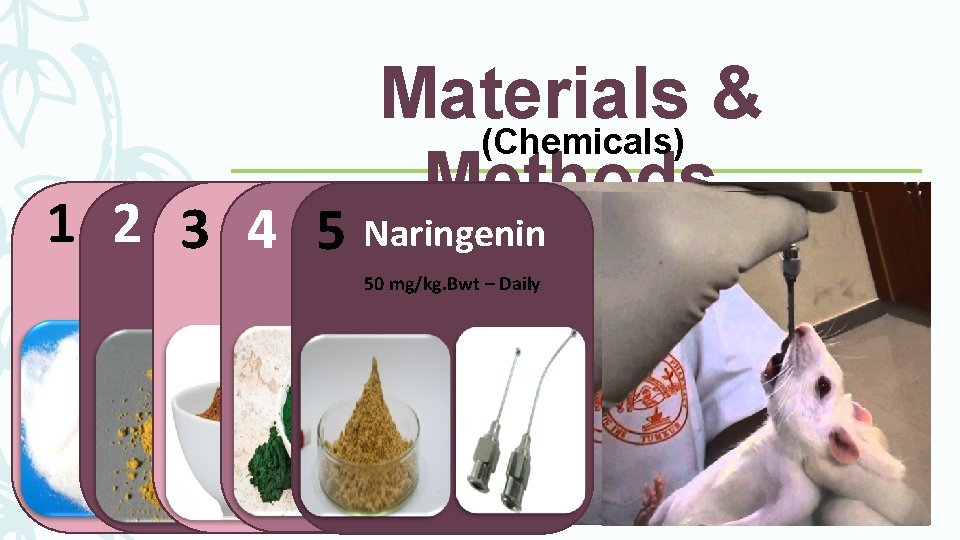
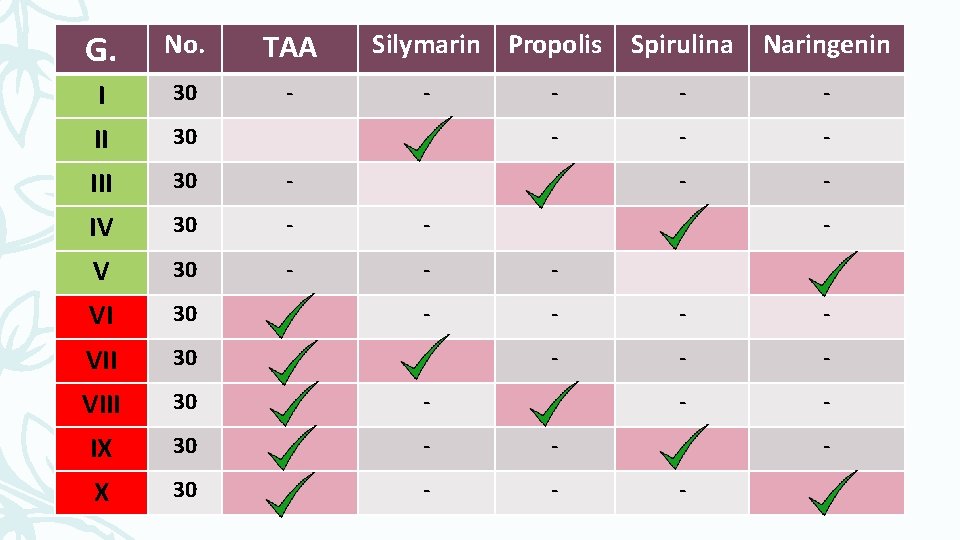
Materials & (Chemicals) Methods Thioacetamide Silymarin 1 2 (TAA) Naringenin 3 4 Propolis 5 Spirulina 100 mg/kg. Bwt – mg/kg. Bwt Daily 300 100 mg/kg. Bwt Daily– Daily 50 –mg/kg. Bwt 200 mg/kg. Bwt – Twice/ week + Distilled Water
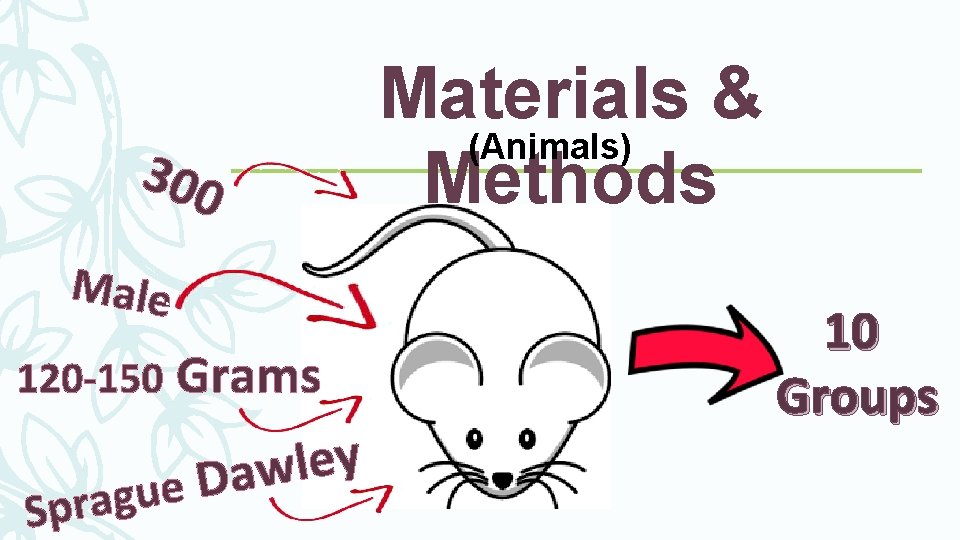
300 Male 120 -150 Grams Spra y e l w a D e gu Materials & (Animals) Methods 10 Groups
G. No. TAA I 30 - II 30 III 30 - IV 30 - - - VI 30 - - VII 30 - - - VIII 30 - - - IX 30 - - Silymarin Propolis - Spirulina Naringenin - - - - -
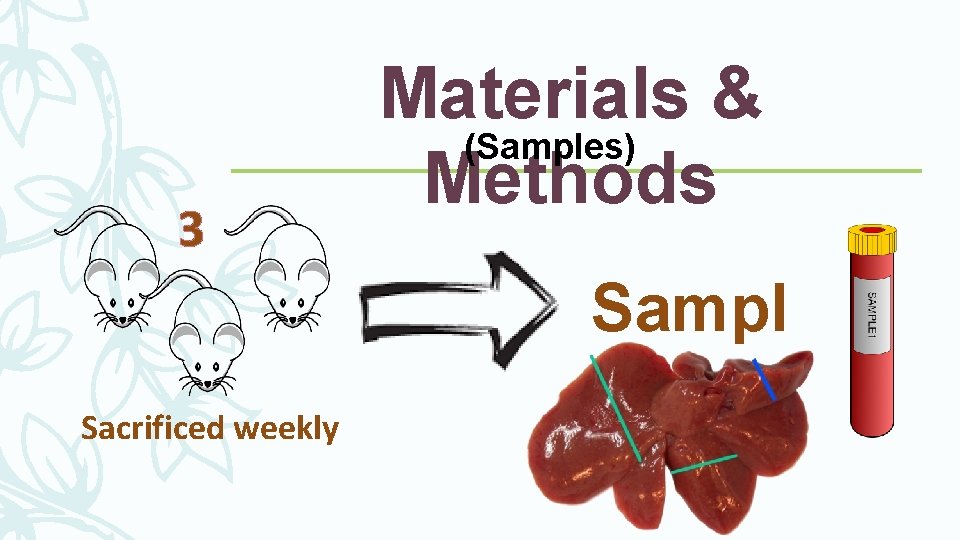
3 Sacrificed weekly Materials & (Samples) Methods Sampl es
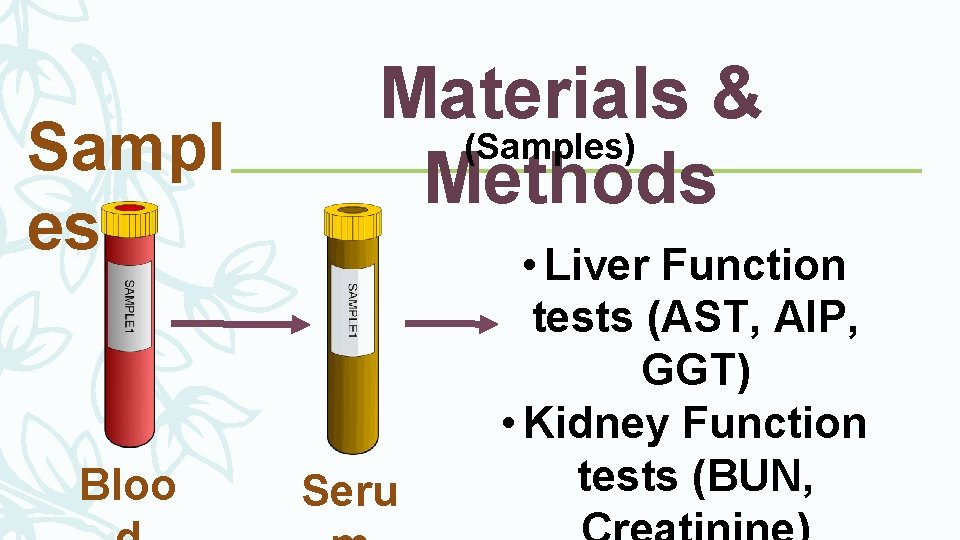
Sampl es Bloo Materials & (Samples) Methods Seru • Liver Function tests (AST, Al. P, GGT) • Kidney Function tests (BUN,
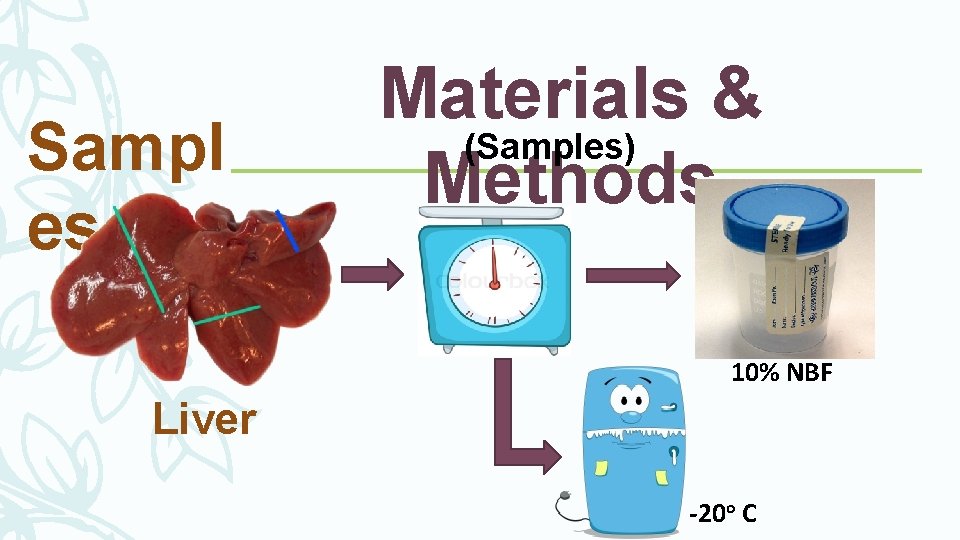
Sampl es Materials & (Samples) Methods 10% NBF Liver -20 o C
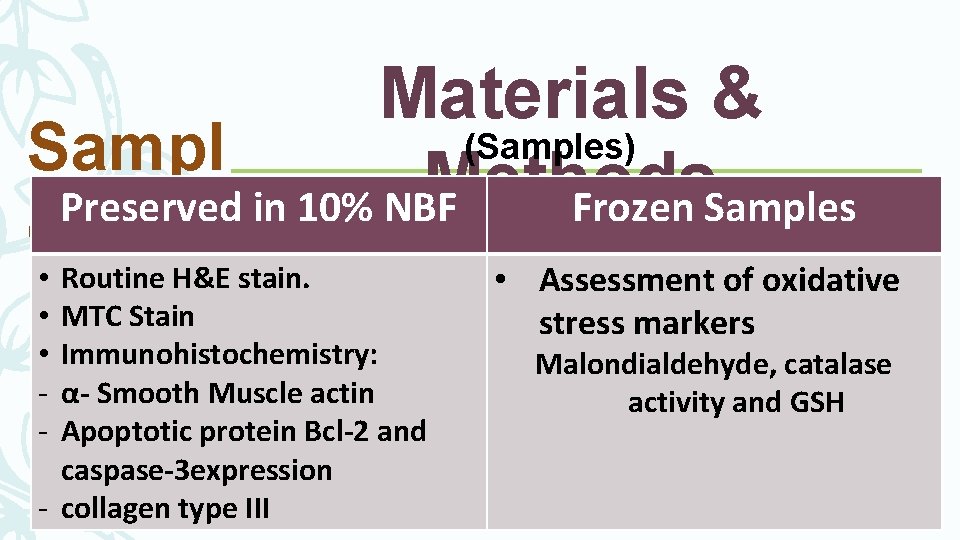
Materials & (Samples) Sampl Methods Preserved in 10% NBF Frozen Samples es Routine H&E stain. MTC Stain Immunohistochemistry: α- Smooth Muscle actin Apoptotic protein Bcl-2 and caspase-3 expression - collagen type III • • • - • Assessment of oxidative stress markers Malondialdehyde, catalase activity and GSH