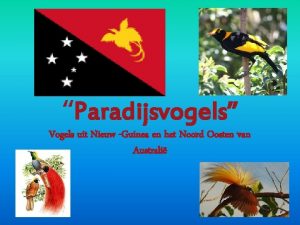
Papua New Guinea Officially the Independent State of

- Slides: 17
Papua New Guinea Officially the Independent State of Papua New Guinea
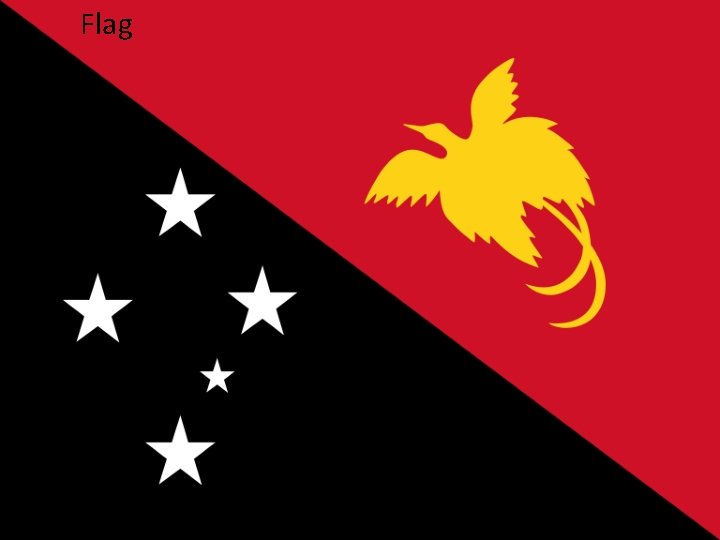
Flag
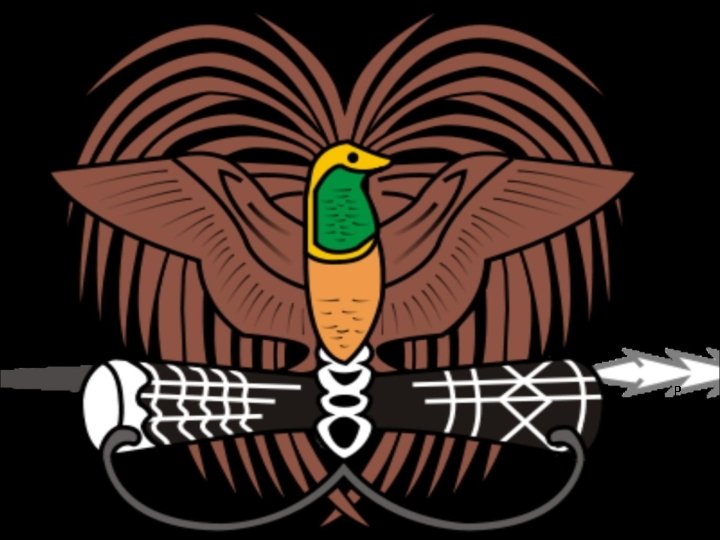
C o a t o f a r m s o f P a p u a N i n e a
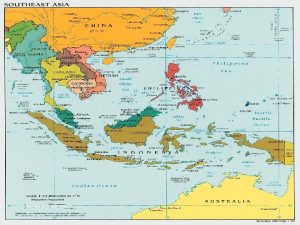
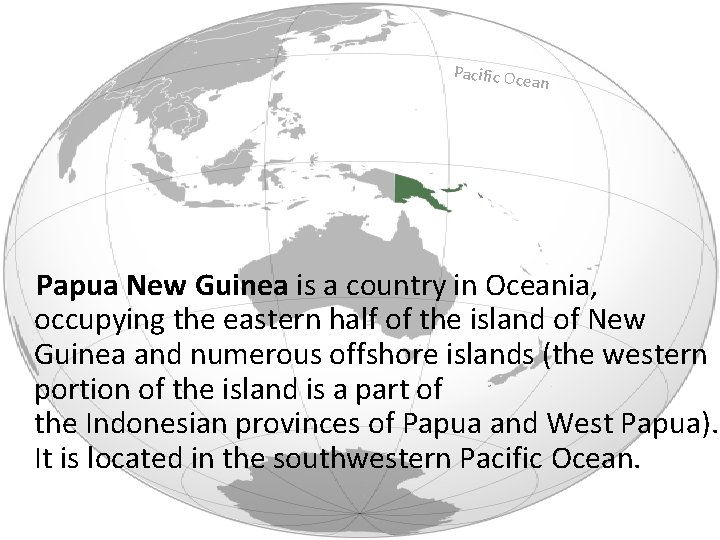
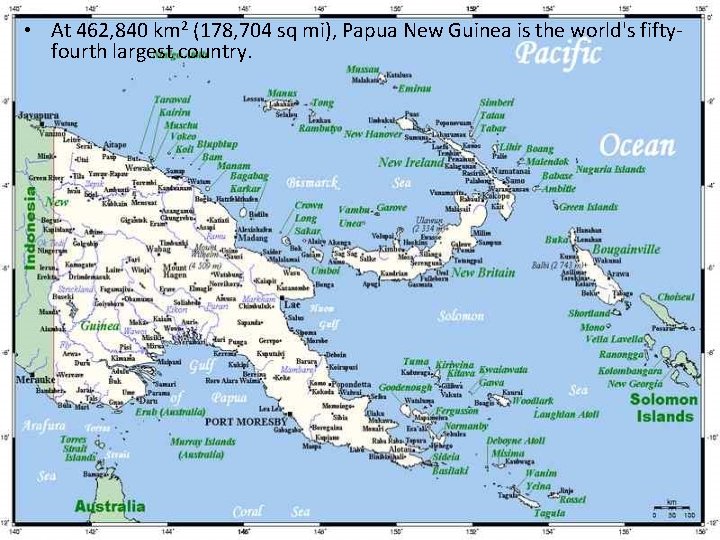
Pacific Oce an Papua New Guinea is a country in Oceania, occupying the eastern half of the island of New Guinea and numerous offshore islands (the western portion of the island is a part of the Indonesian provinces of Papua and West Papua). It is located in the southwestern Pacific Ocean.
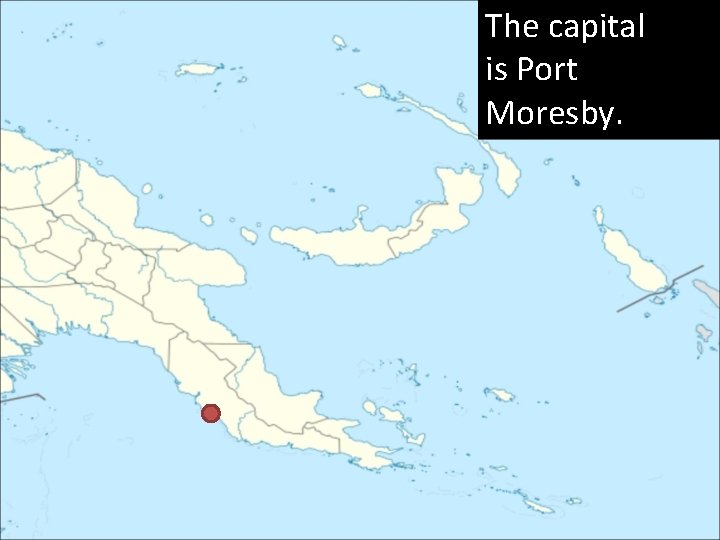
The capital is Port Moresby.
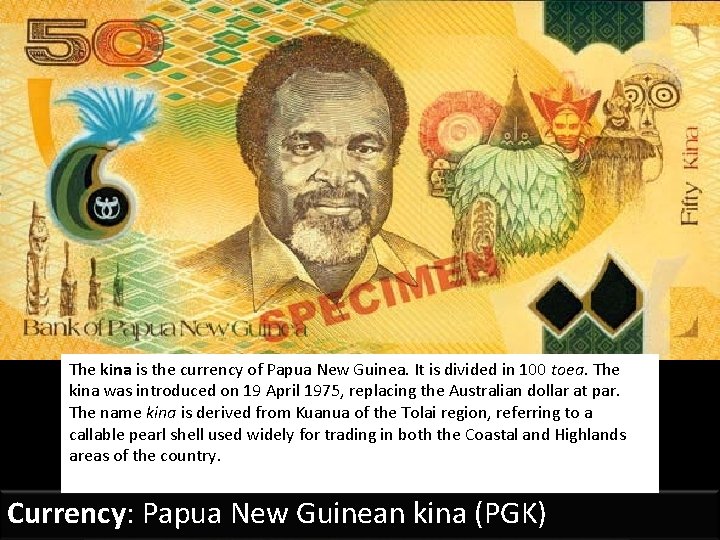
The kina is the currency of Papua New Guinea. It is divided in 100 toea. The kina was introduced on 19 April 1975, replacing the Australian dollar at par. The name kina is derived from Kuanua of the Tolai region, referring to a callable pearl shell used widely for trading in both the Coastal and Highlands areas of the country. Currency: Papua New Guinean kina (PGK)
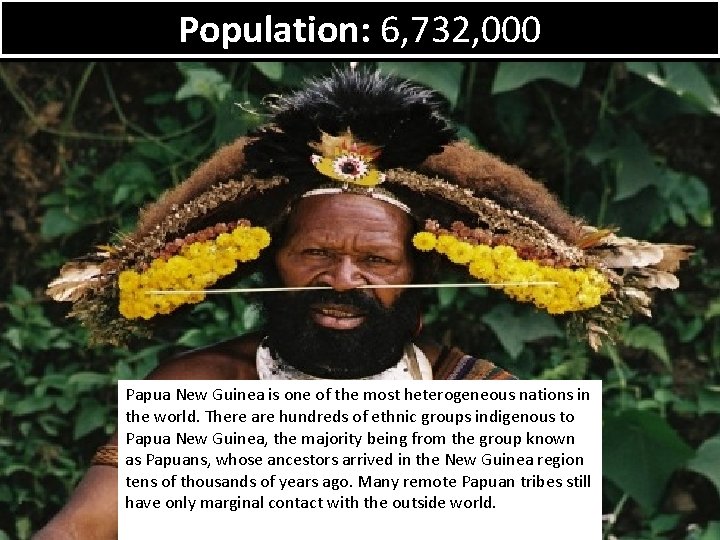
Population: 6, 732, 000 Papua New Guinea is one of the most heterogeneous nations in the world. There are hundreds of ethnic groups indigenous to Papua New Guinea, the majority being from the group known as Papuans, whose ancestors arrived in the New Guinea region tens of thousands of years ago. Many remote Papuan tribes still have only marginal contact with the outside world.
• At 462, 840 km 2 (178, 704 sq mi), Papua New Guinea is the world's fiftyfourth largest country.
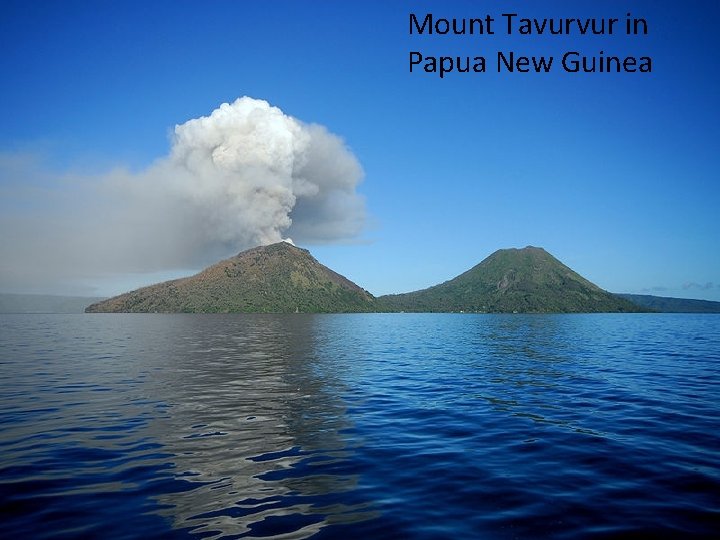
The country is situated on the Pacific Ring of Fire, at the point of collision of several tectonic plates. There a number of active volcanoes, and eruptions are frequent. Earthquakes are relatively common, sometimes accompanied by tsunamis.
Mount Tavurvur in Papua New Guinea
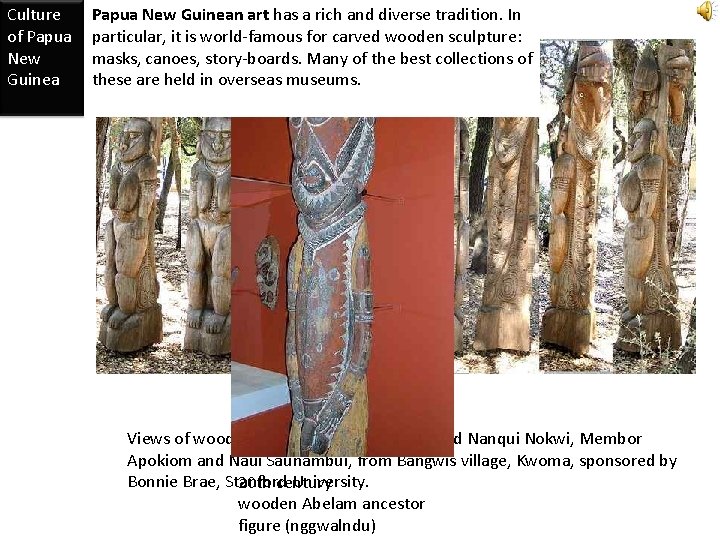
Culture of Papua New Guinean art has a rich and diverse tradition. In particular, it is world-famous for carved wooden sculpture: masks, canoes, story-boards. Many of the best collections of these are held in overseas museums. Views of wooden sculpture by Yesu Minja and Nanqui Nokwi, Membor Apokiom and Naui Saunambui, from Bangwis village, Kwoma, sponsored by Bonnie Brae, Stanford University. 20 th century wooden Abelam ancestor figure (nggwalndu)
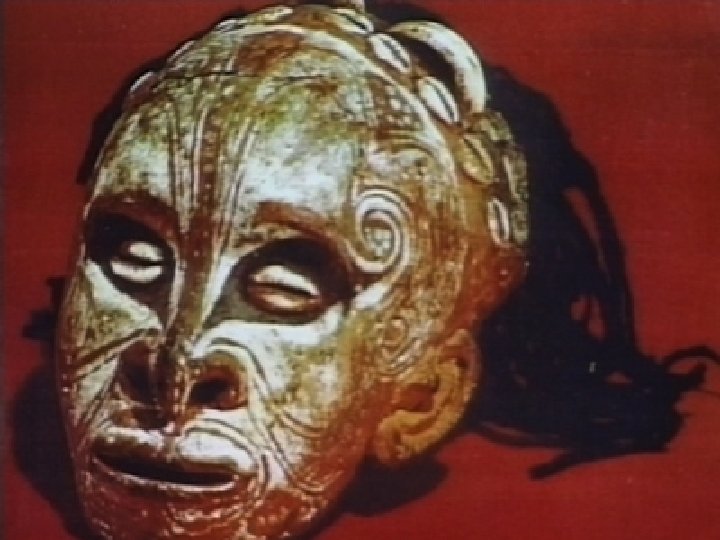
Culture of Papua New Guinea Fire Dancers of the Baining Tribe. A male spirit dance mask from Kabriman Village,
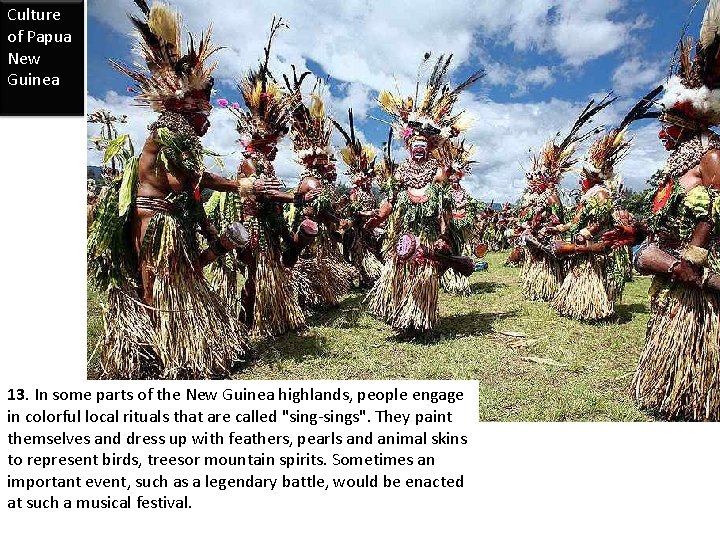
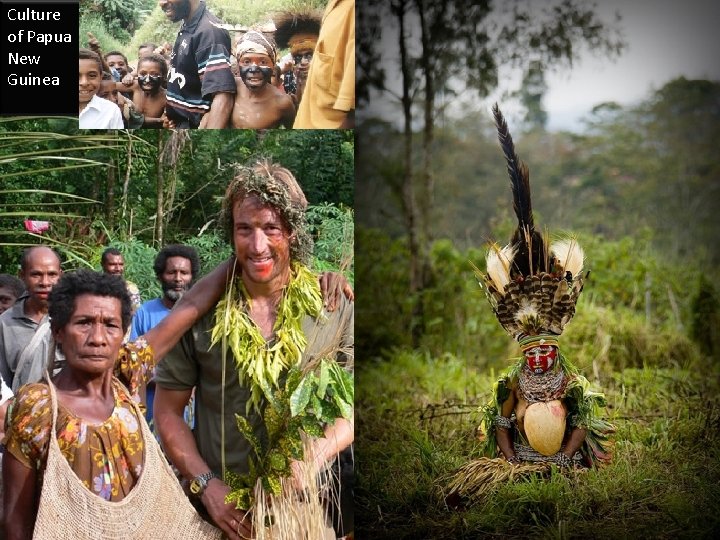
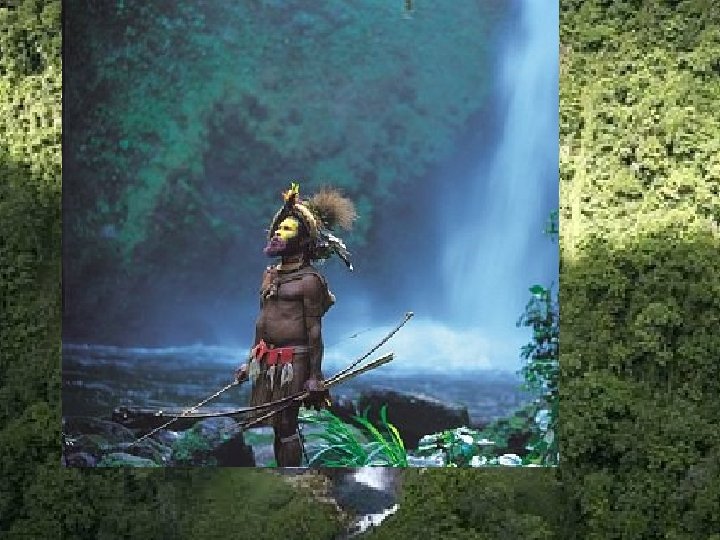
Culture of Papua New Guinea 13. In some parts of the New Guinea highlands, people engage in colorful local rituals that are called "sing-sings". They paint themselves and dress up with feathers, pearls and animal skins "sing-sings" to represent birds, treesor mountain spirits. Sometimes an important event, such as a legendary battle, would be enacted at such a musical festival.
Culture of Papua New Guinea
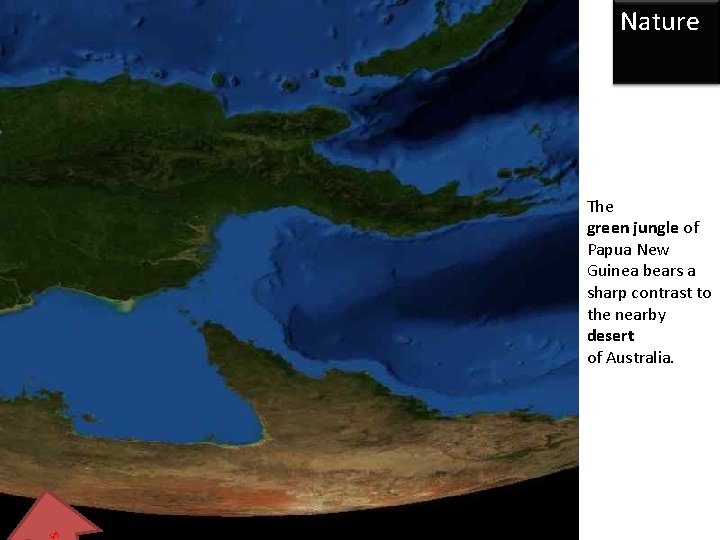
Nature s The green jungle of Papua New Guinea bears a sharp contrast to the nearby desert of Australia.
Nature
welcome