NORTHWEST AIDS EDUCATION AND TRAINING CENTER HIV and

- Slides: 27
NORTHWEST AIDS EDUCATION AND TRAINING CENTER HIV and Non Hodgkin Lymphoma Virginia C. Broudy, MD September 25, 2014 Presentation prepared by: Presenter Last Updated: Date
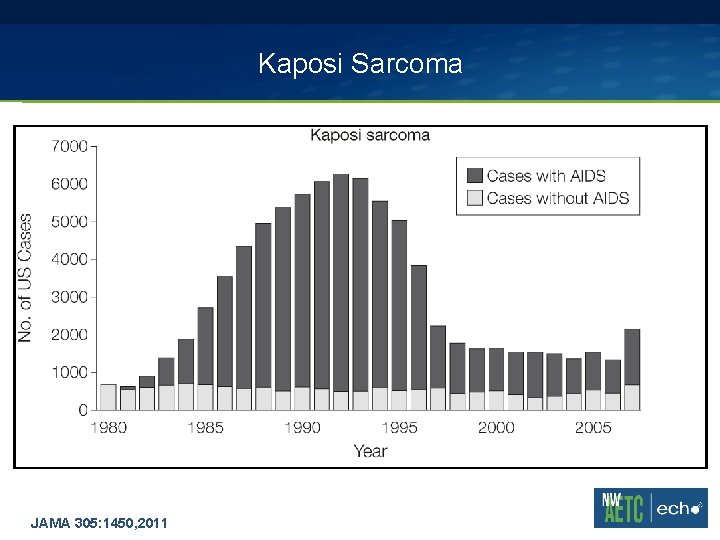
AIDS-Defining Malignancies • Kaposi sarcoma • NHL – now has a higher incidence than Kaposi Sarcoma in the US • Primary central nervous system lymphoma • Invasive cervical cancer
Non-AIDS-Defining Malignancies • • Anal cancer (120 fold ↑) Hodgkin lymphoma (20 fold ↑) Hepatocellular cancer (5 fold ↑) Lung cancer (2 fold ↑) Note: Risk of breast cancer, prostate cancer, colon cancer is not increased in HIV (+) people in comparison to HIV (-) people JCO 27: 884, 2009
Kaposi Sarcoma JAMA 305: 1450, 2011
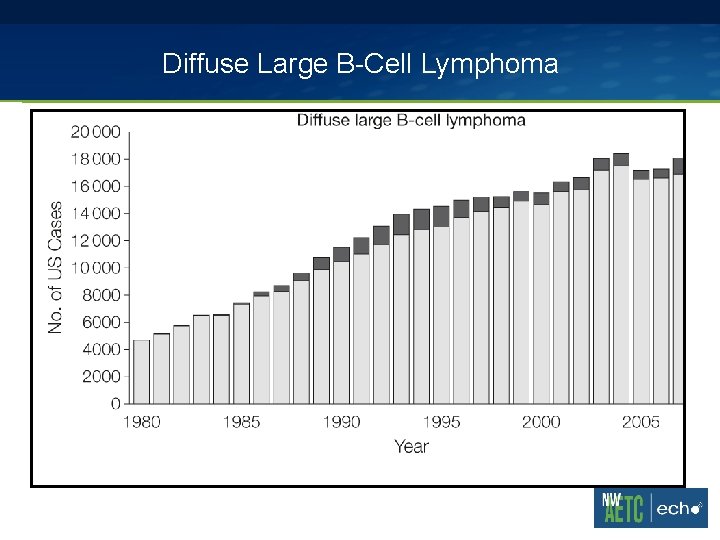
Diffuse Large B-Cell Lymphoma
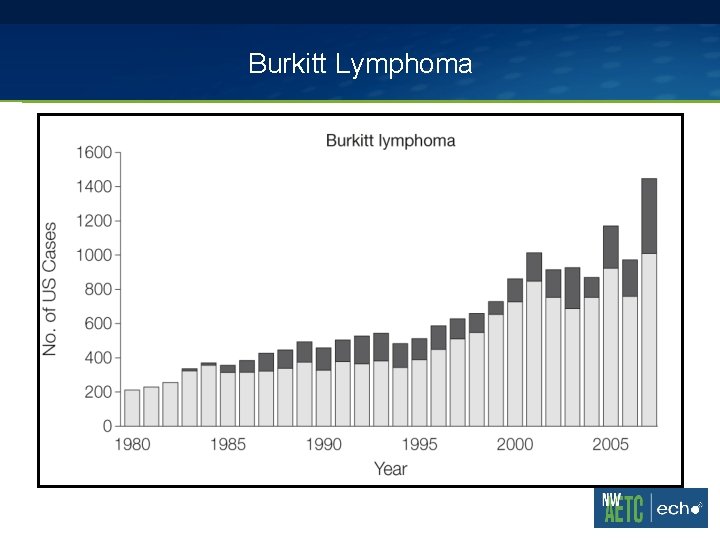
Burkitt Lymphoma
• In the US, approximately 6% of all patients with diffuse large B cell lymphoma, and approximately 25% of patients with Burkitt lymphoma are HIV (+). • These % vary by demographic group.
Malignancy and HIV • In the HAART era, non AIDS-defining malignancies comprise 50% of the cancers in people living with HIV • We should offer age-appropriate cancer screening to our HIV (+) patients • Since 20% of HIV (+) people in the US don’t know their HIV status, recommend HIV testing in patients with anal cancer, NHL, Hodgkin lymphoma, or ITP
Lymphoma in HIV-Positive People • 50 -100 fold increased incidence of aggressive NHL (in comparison to HIV-negative people) • Some increased incidence of Hodgkin lymphoma • Primary central nervous system lymphoma – CD 4 cells < 50/ml (and often < 10/ml)
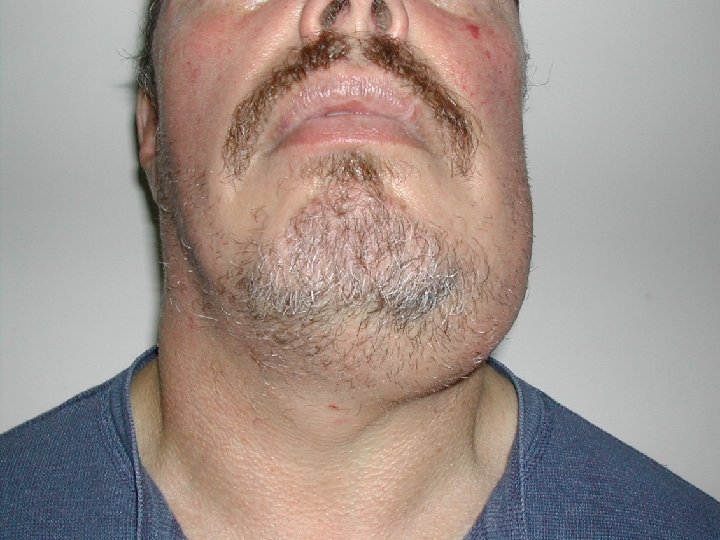
HIV-Associated NHL: Practical Approach • • • Diffuse large B cell (most common) Burkitt lymphoma Primary CNS lymphoma (rare today) Plasmablastic lymphoma (rare) Primary effusion lymphoma (rare)
HIV-Associated NHL • B symptoms common • Often extra nodal (liver, gastric, rectum, kidney, skin involvement) • Clinically aggressive • Stage similarly to HIV (-) NHL
AIDS Malignancy Consortium Clinical Trials • We are a core site for AMC clinical trials • AMC 075 R-EPOCH ± vorinostat for HIV (+) people with diffuse large B-cell lymphoma and CD 4≥ 50/µl Corey Casper, Manoj Menon, Ann Woolfrey, SCCA Ginny Broudy, Bob Harrington, HMC David Aboulafia, VMMC
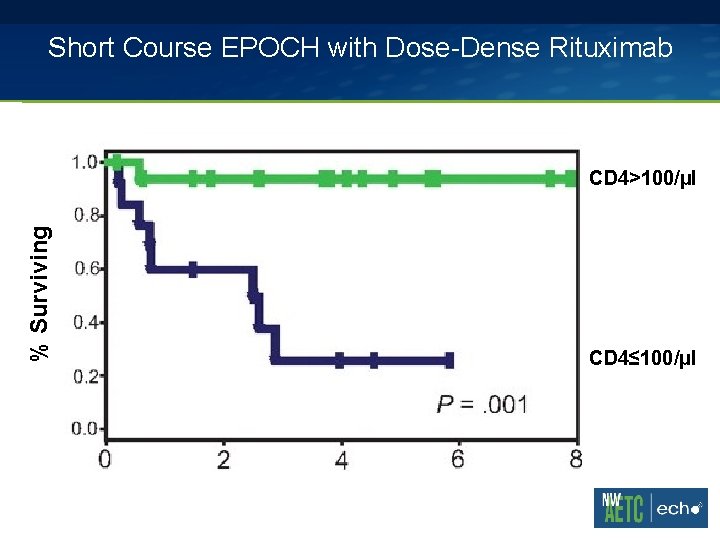
HIV-Associated DLBCL • • • Multiple studies of CHOP or EPOCH variants ± Rituximab EPOCH with concurrent or sequential rituximab (AMC 034) concurrent better, OAS 70% at 2 years* Short course EPOCH with dose-dense rituximab (NCI) OAS 68% at 5 years * 23/106 patients had Burkitt lymphoma Blood 115: 3008, 2010 Blood 115: 3017, 2010
Short Course EPOCH with Dose-Dense Rituximab % Surviving CD 4>100/µl CD 4≤ 100/µl
Treatment of HIV-Associated Diffuse Large B Cell Lymphoma • • • Dose-adjusted R-EPOCH (preferred) or R-CHOP Consider not using rituximab in patients with CD 4 < 50/ml HAART Avoid zidovudine (more cytopenias) Supportive care with peg-filgrastim, pneumocystis, candida, HSV-2 prophylaxis
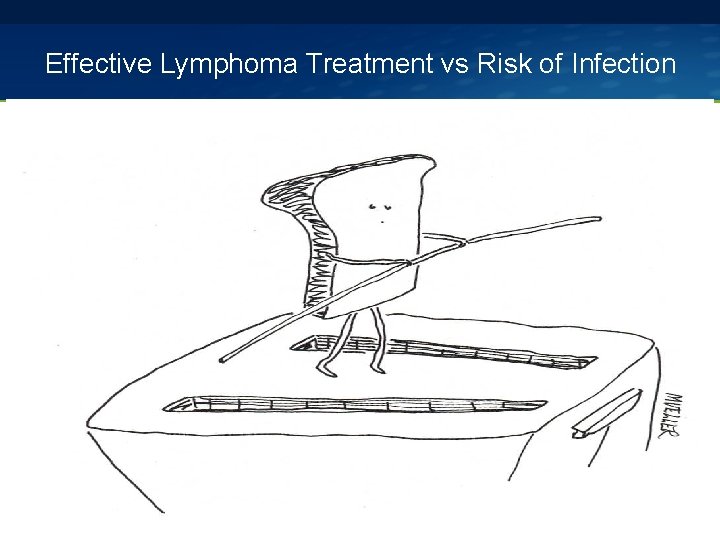
Effective Lymphoma Treatment vs Risk of Infection
Prognosis • As HAART improves, prognosis is defined mainly by lymphoma-related features, and less by HIV
HIV-Associated Burkitt Lymphoma • • About 1/3 as common as DLBCL Occurs at a higher CD 4 count Clinically very aggressive Often involves extra nodal sites
HIV-Associated Burkitt Lymphoma • Treated 29 patients with DA-EPOCH-R, plus intrathecal therapy • 10 were HIV (+), 19 were HIV(-) • All in CR, median follow up of 4 -5 years
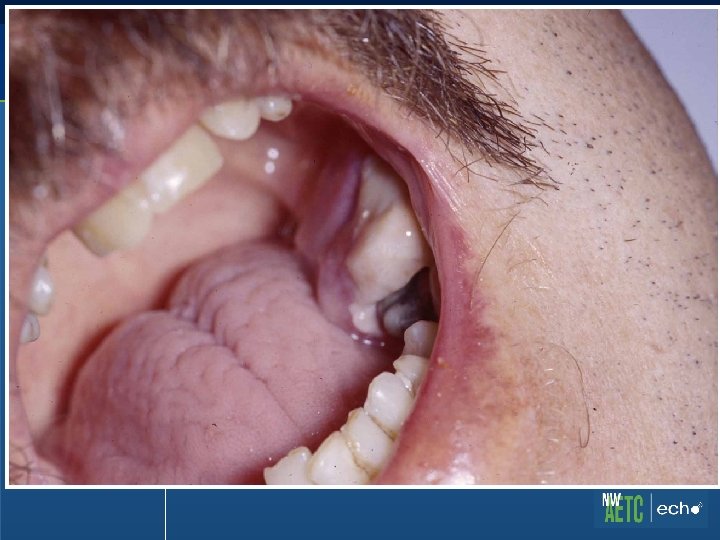
Plasmablastic Lymphoma • Rare (~3% of HIV-associated NHL) • Mass lesion in gums/palate, but can be elsewhere (liver, GI tract, lungs, muscle) • Often diagnosed by dentists • Poor outcome (median survival 11 months; 5 year survival 24%), most deaths due to lymphoma
Summary • People living with HIV have a long expected survival on HAART • As the HIV (+) population ages, ~50% of the cancers are non AIDS-defining malignancies so think about age appropriate cancer screening. • As HAART improves, prognosis is defined more by tumorrelated features and less by HIV • It is key to have these patients on HAART
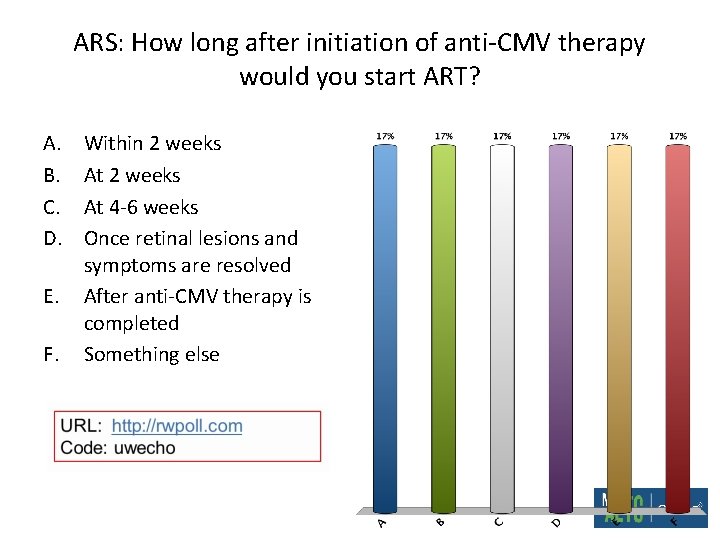
ARS: How long after initiation of anti-CMV therapy would you start ART? A. B. C. D. E. F. Within 2 weeks At 4 -6 weeks Once retinal lesions and symptoms are resolved After anti-CMV therapy is completed Something else
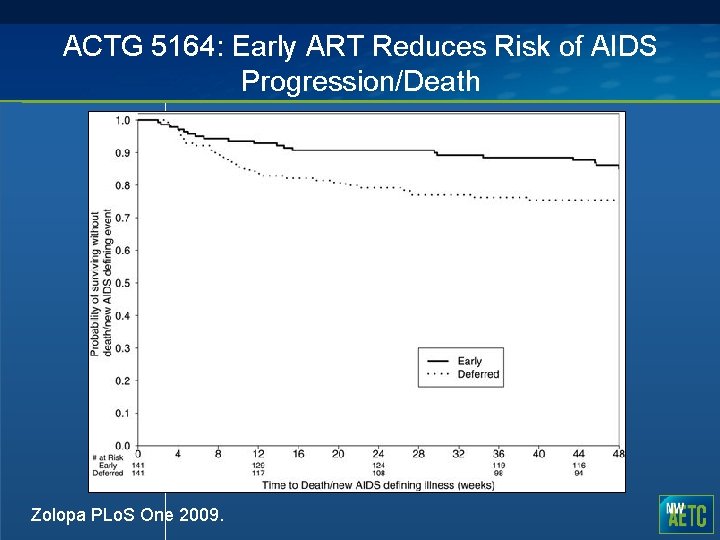
ACTG 5164: Early ART Reduces Risk of AIDS Progression/Death Zolopa PLo. S One 2009.
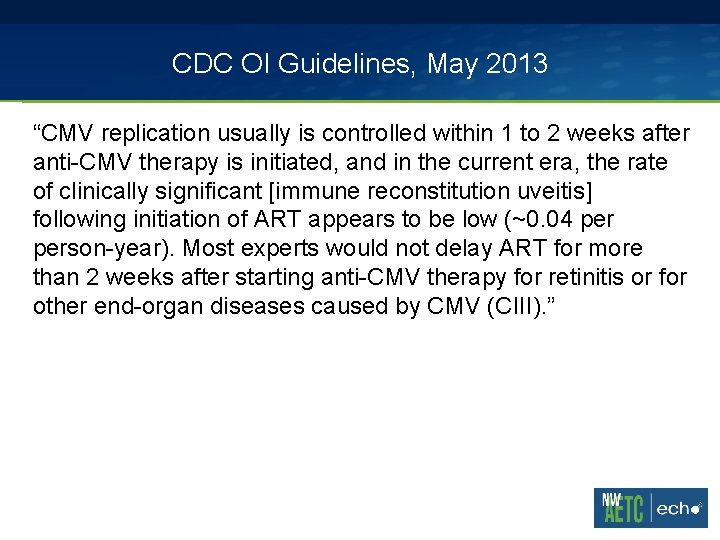
CDC OI Guidelines, May 2013 “CMV replication usually is controlled within 1 to 2 weeks after anti-CMV therapy is initiated, and in the current era, the rate of clinically significant [immune reconstitution uveitis] following initiation of ART appears to be low (~0. 04 person-year). Most experts would not delay ART for more than 2 weeks after starting anti-CMV therapy for retinitis or for other end-organ diseases caused by CMV (CIII). ”