
Monday Journal I say genre You say genre
- Slides: 44
Monday
Journal
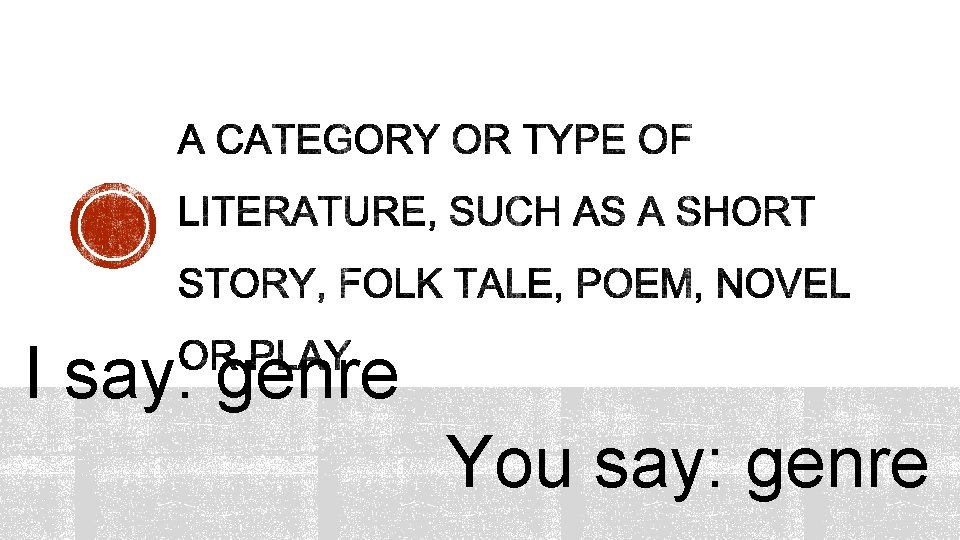
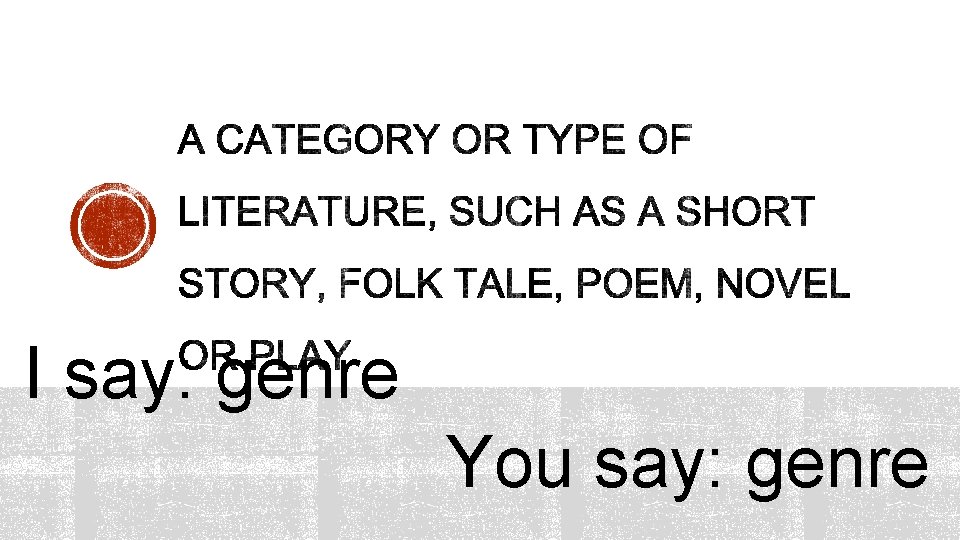
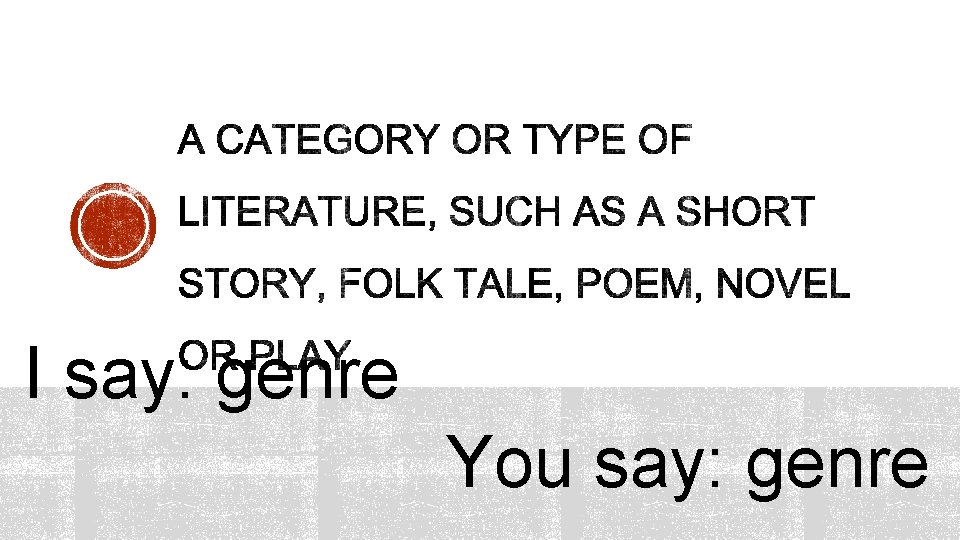
I say: genre You say: genre
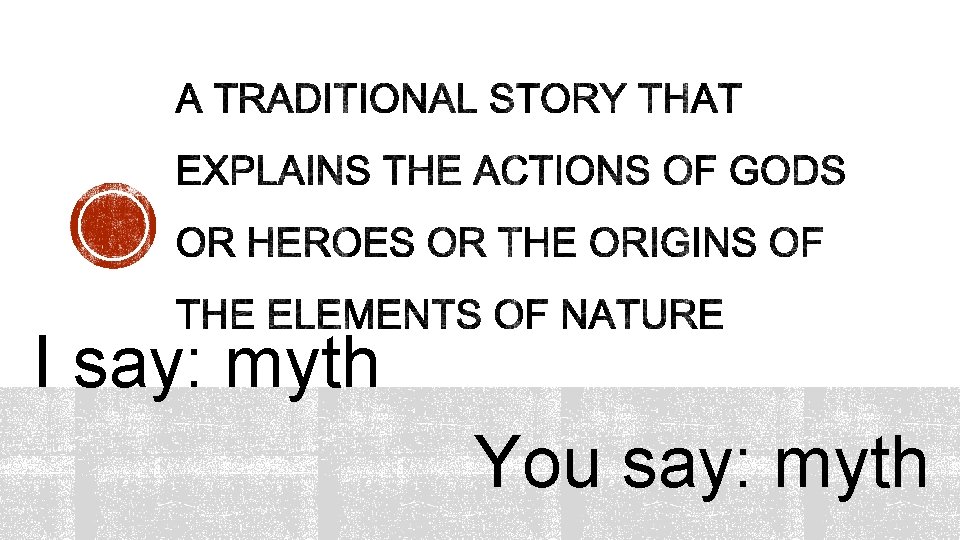
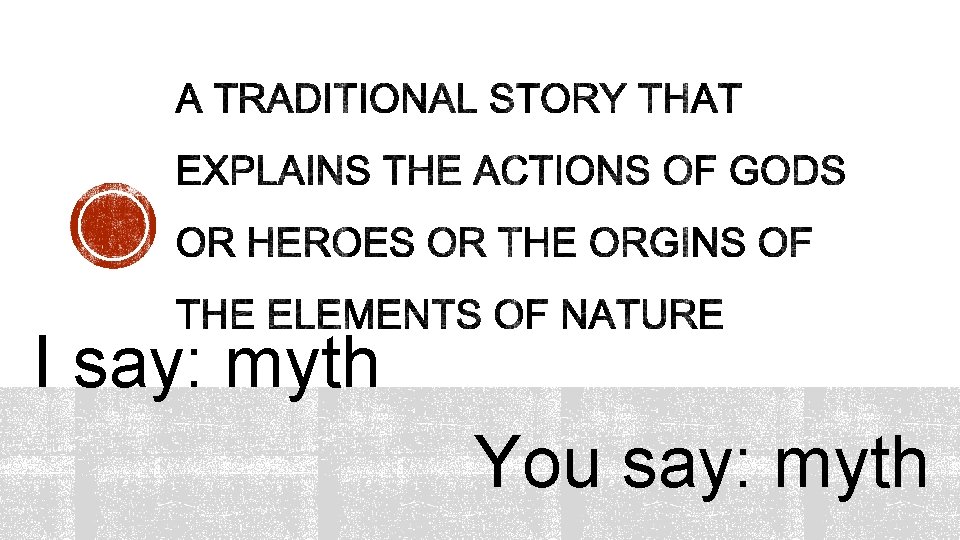
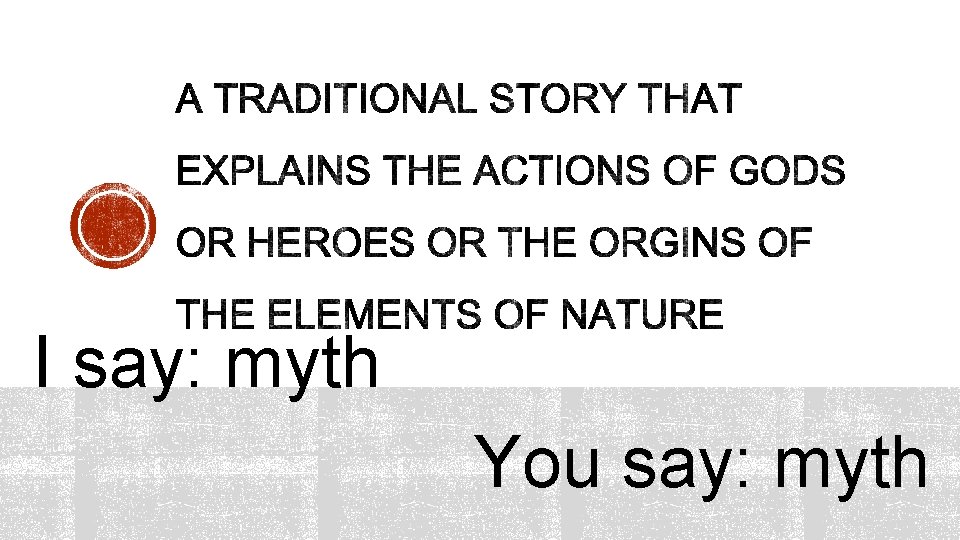
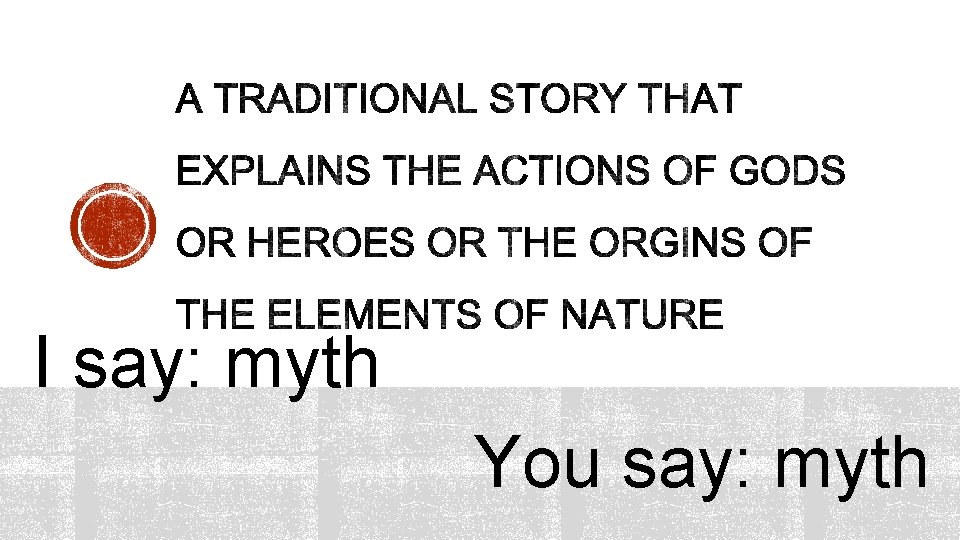
I say: myth You say: myth
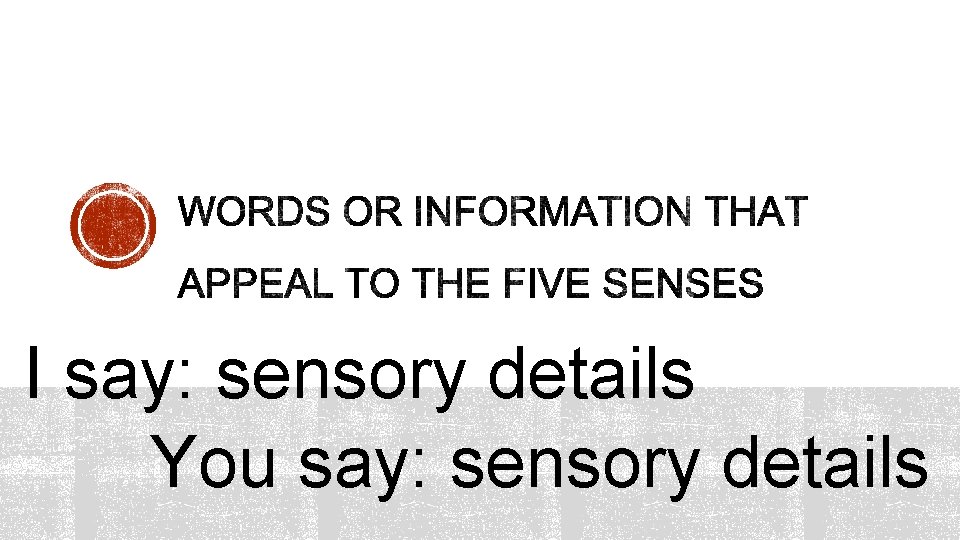
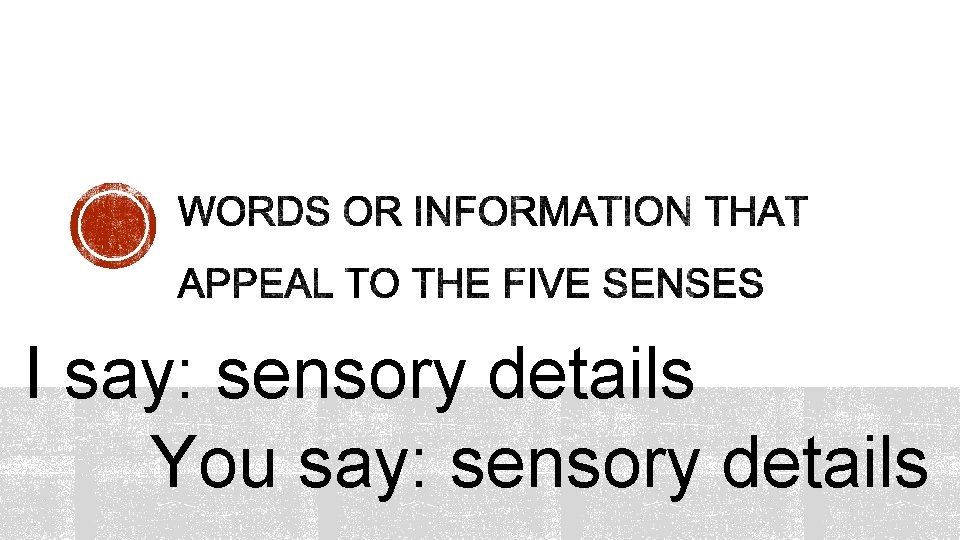
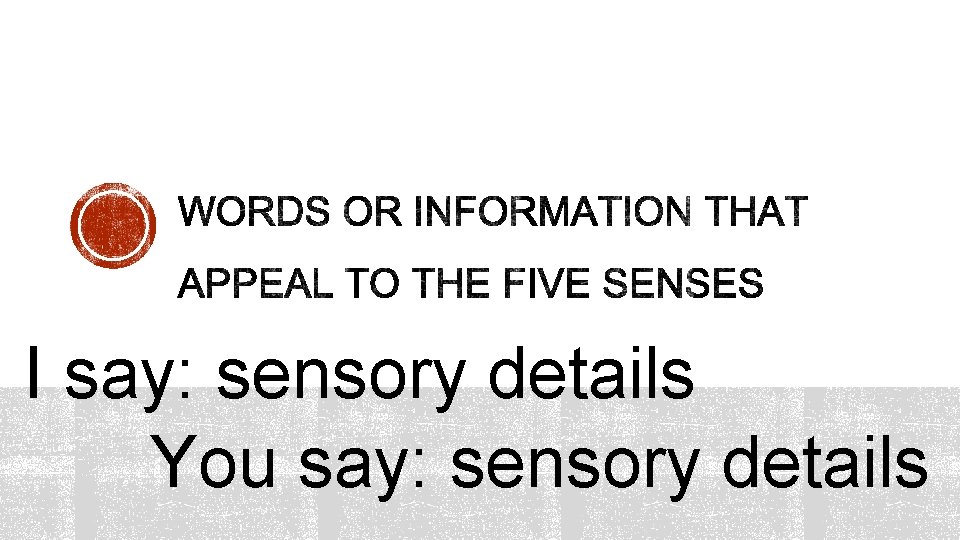
I say: sensory details You say: sensory details
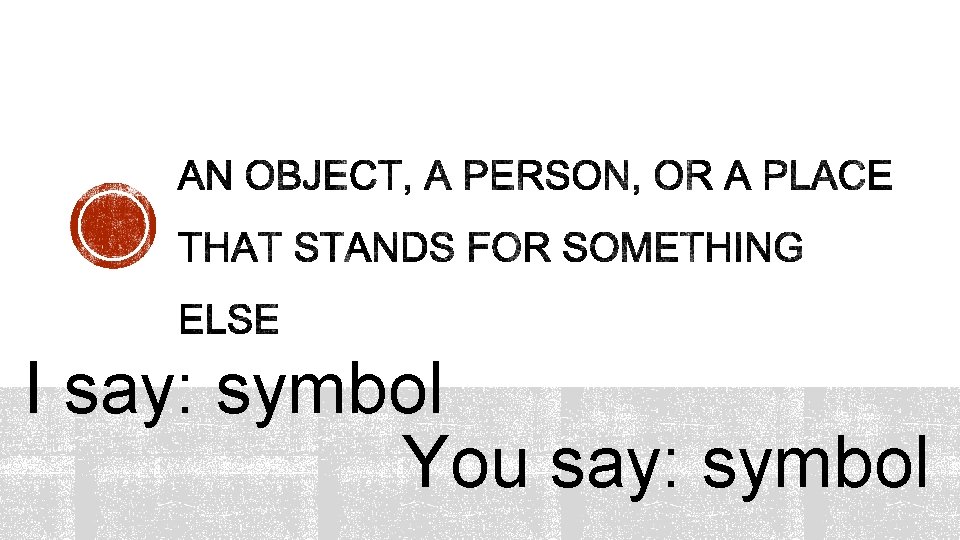
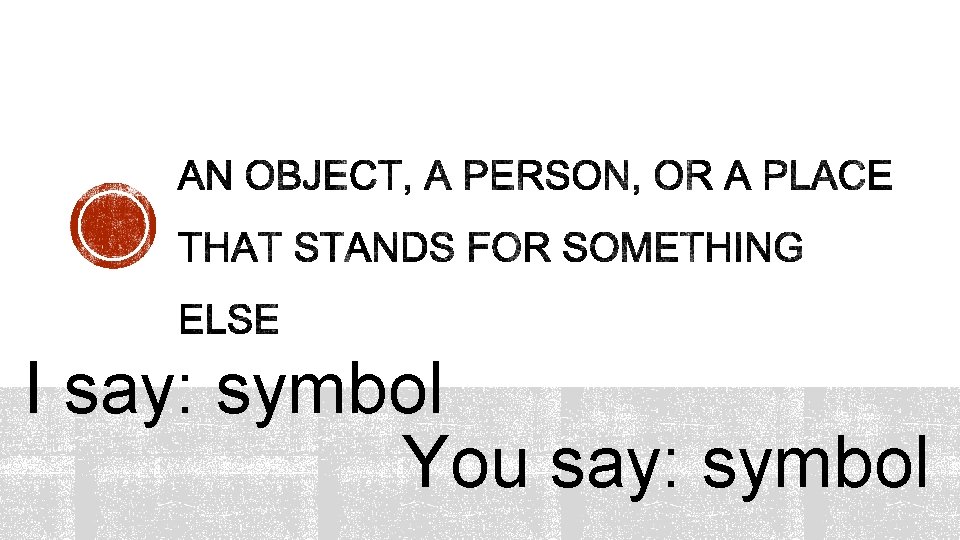
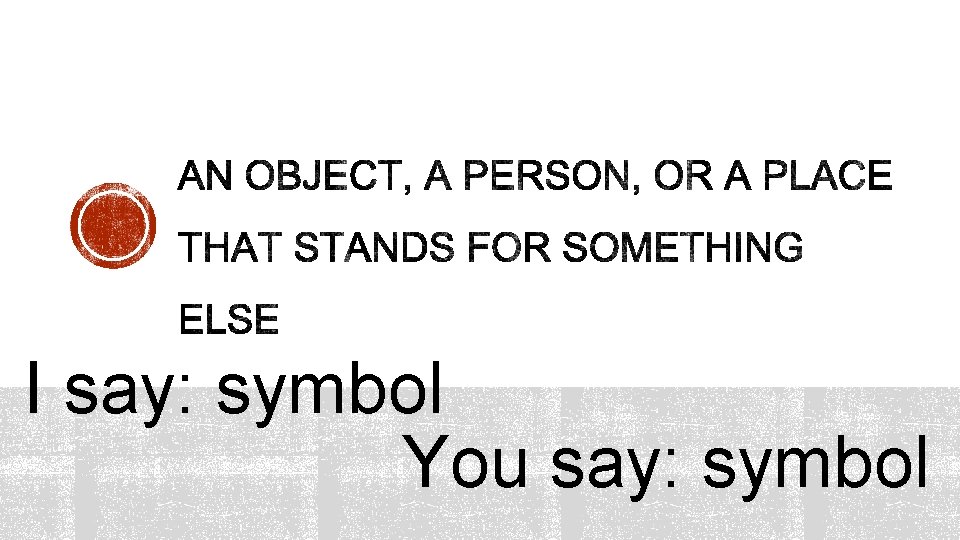
I say: symbol You say: symbol
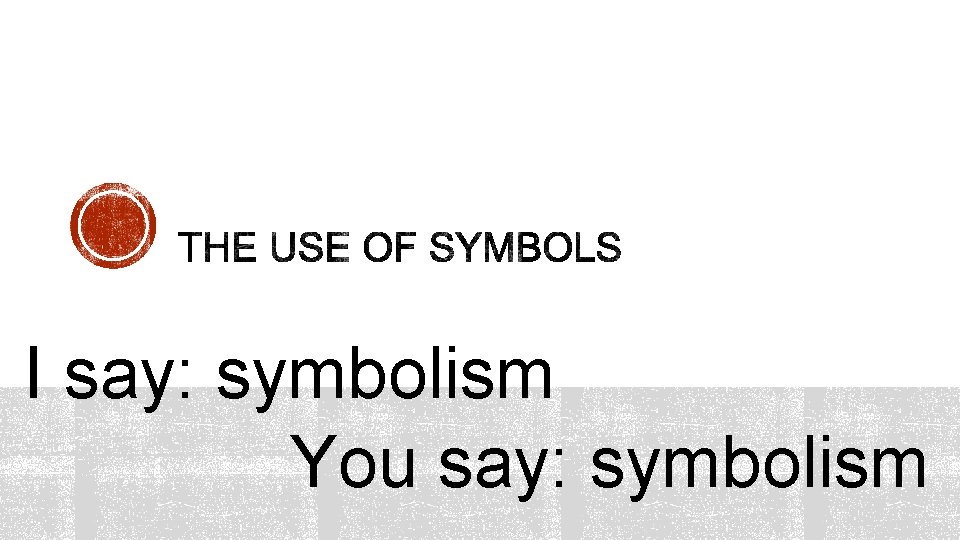
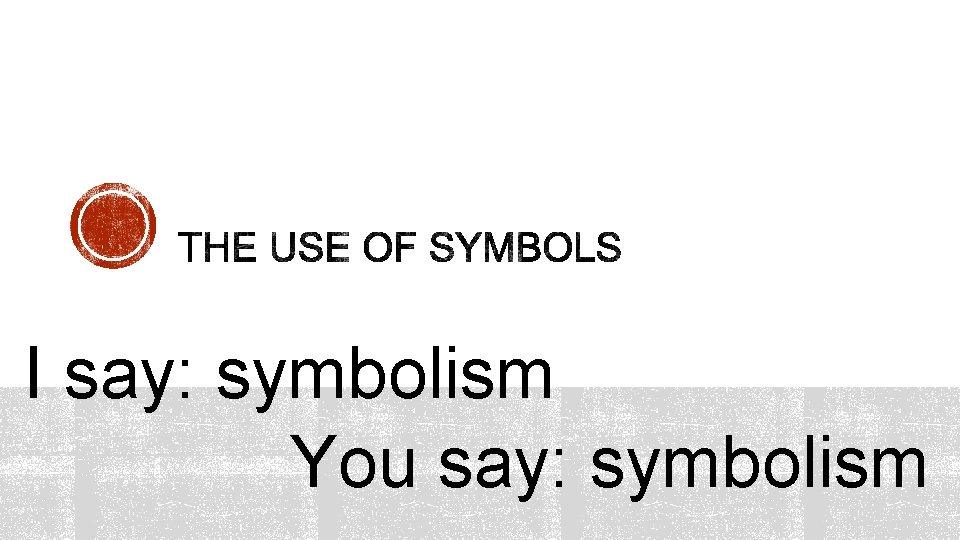
I say: symbolism You say: symbolism
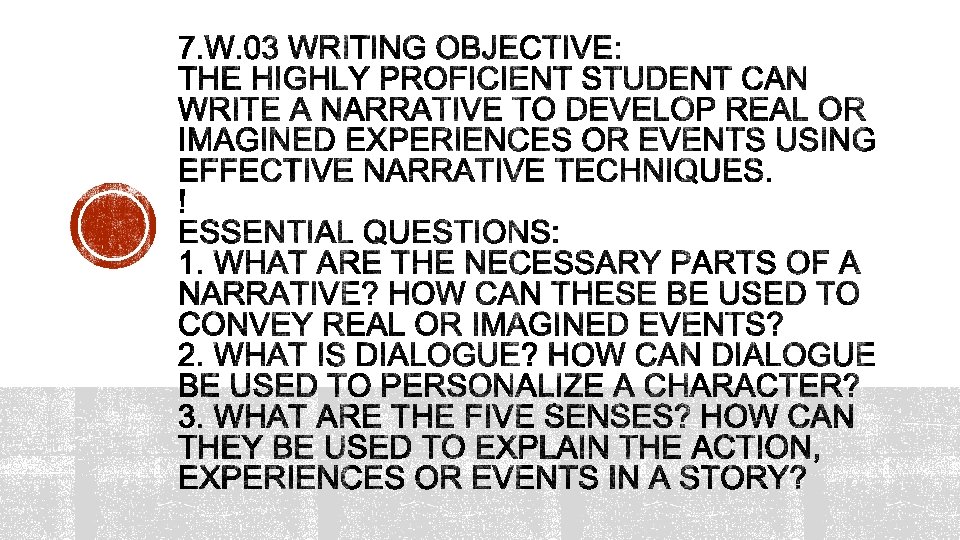
7. W. 03 Writing Objective: The Highly Proficient student can write a narrative to develop real or imagined experiences or events using effective narrative techniques. Essential Questions: 1. What are the necessary parts of a narrative? How can these be used to convey real or imagined events? 2. What is dialogue? How can dialogue be used to personalize a character? 3. What are the five senses? How can they be used to explain the action, experiences or events in a story?
Tuesday
Journal
I say: genre You say: genre
I say: myth You say: myth
I say: sensory details You say: sensory details
I say: symbol You say: symbol
I say: symbolism You say: symbolism
Respond in complete sentences!
Wednesday
Journal
I say: genre You say: genre
I say: myth You say: myth
I say: sensory details You say: sensory details
I say: symbol You say: symbol
I say: symbolism You say: symbolism
Thursday
Journal
I say: genre You say: genre
I say: myth You say: myth
I say: sensory details You say: sensory details
I say: symbol You say: symbol
I say: symbolism You say: symbolism
Write the definitions in your own words.
Friday
Journal
I say: genre You say: genre
I say: myth You say: myth
I say: sensory details You say: sensory details
I say: symbol You say: symbol
I say: symbolism You say: symbolism
Review the definitions!
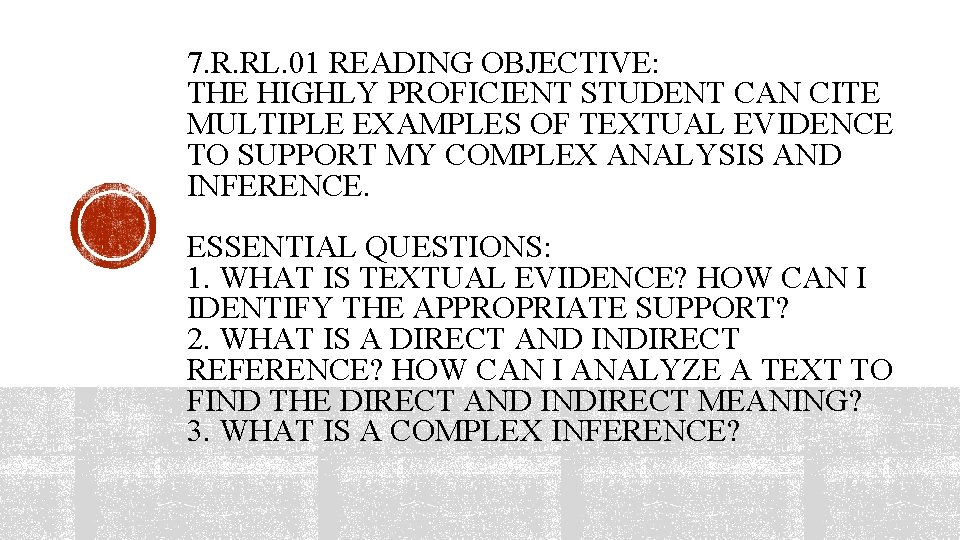
7. R. RL. 01 READING OBJECTIVE: THE HIGHLY PROFICIENT STUDENT CAN CITE MULTIPLE EXAMPLES OF TEXTUAL EVIDENCE TO SUPPORT MY COMPLEX ANALYSIS AND INFERENCE. ESSENTIAL QUESTIONS: 1. WHAT IS TEXTUAL EVIDENCE? HOW CAN I IDENTIFY THE APPROPRIATE SUPPORT? 2. WHAT IS A DIRECT AND INDIRECT REFERENCE? HOW CAN I ANALYZE A TEXT TO FIND THE DIRECT AND INDIRECT MEANING? 3. WHAT IS A COMPLEX INFERENCE?