
Michele Kahane Associate Dean Educational Innovation and Social

- Slides: 23
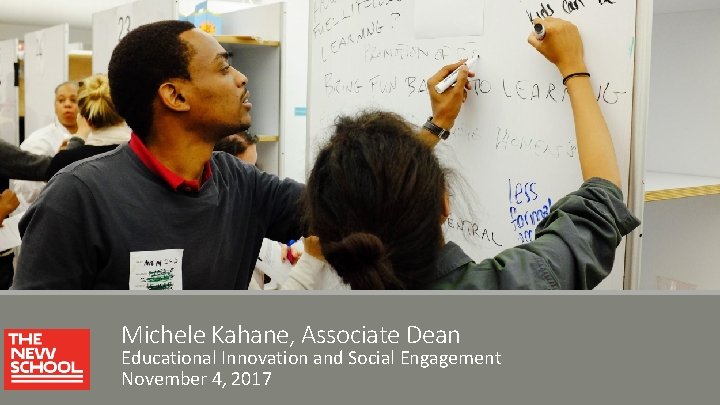
Michele Kahane, Associate Dean Educational Innovation and Social Engagement November 4, 2017
Presentation q. About the New School q. Examples: Courses, Labs, and Student Work q. Challenges/Opportunities
The New School
History q. The New School was founded in New York City 1919 q. Founded by American intellectuals and progressive educators including John Dewey q. Group of faculty at Columbia University who resigned because of their public stand in reaction to WWI q. Design and Social Research focus
A progressive educational approach q Developing critically engaged citizens with 21 st century competencies: Critical thinking, creativity, problem solving, and collaboration q To do this Higher Education needs to transform is structures and practices by breaking boundaries: temporal, credit, disciplinary and location
Design Principles q. WHO: Students, faculty, and external partners are co-creators of new knowledge and practice q. WHAT: Students create social innovations: new interactions, organizations, policies, products and services, technologies, and systems q. HOW: Socially engaged, project based and experiential
LEARNING CONTEXTS CREATING A MORE JUST, RESILIENT AND EQUITABLE SOCIETY
Diverse Pedagogical Approaches q Co-creation/co-design with partners/communities q Client-based q Issue or location focused projects inspired by real-world q. Taking it beyond the Course and Degree
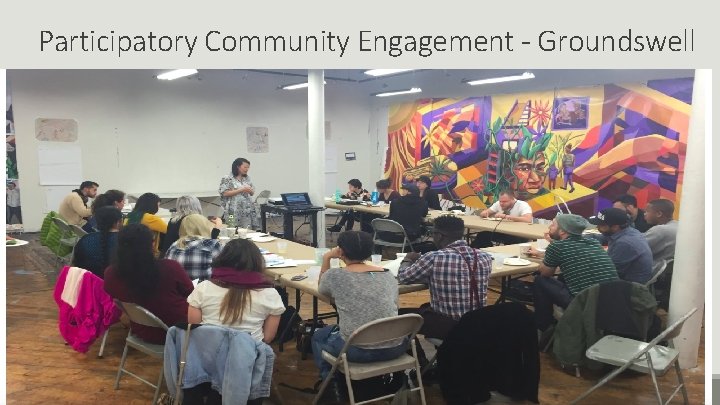
Participatory Community Engagement - Groundswell
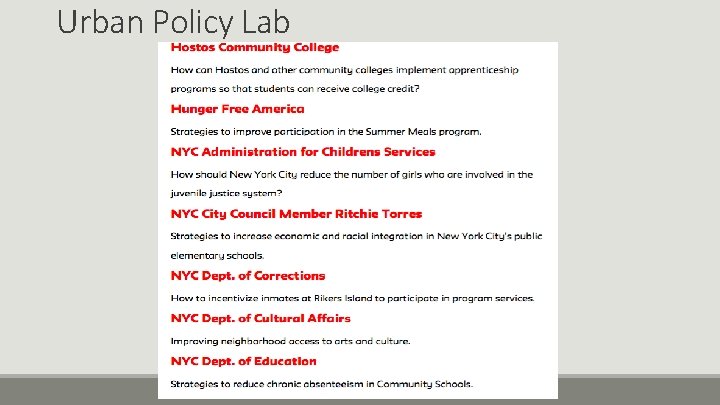
Urban Policy Lab
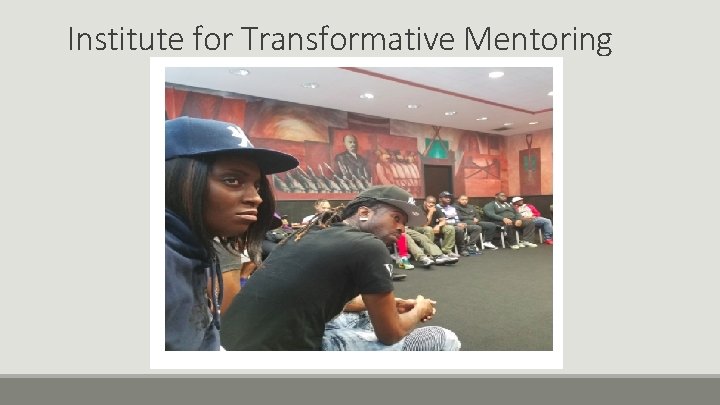
Institute for Transformative Mentoring
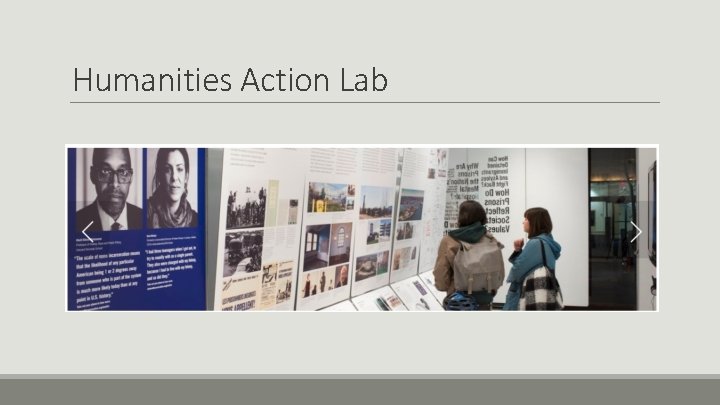
Humanities Action Lab
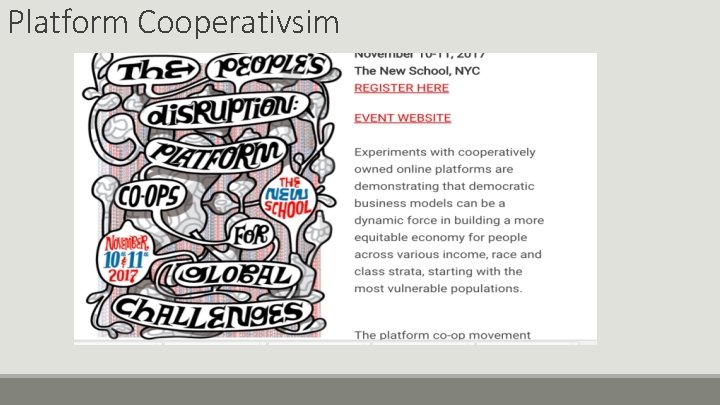
Platform Cooperativsim
Student Work
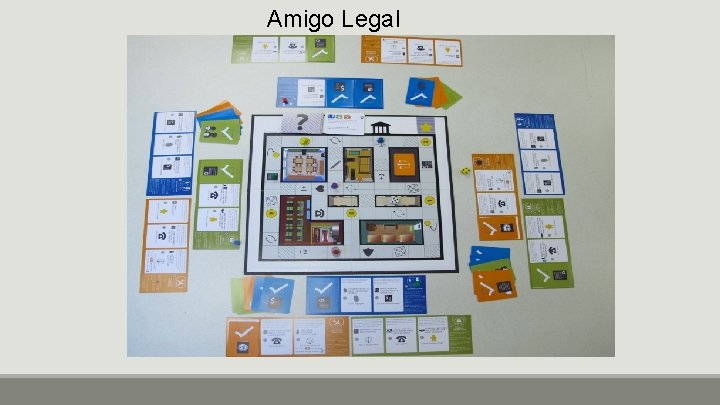
Amigo Legal
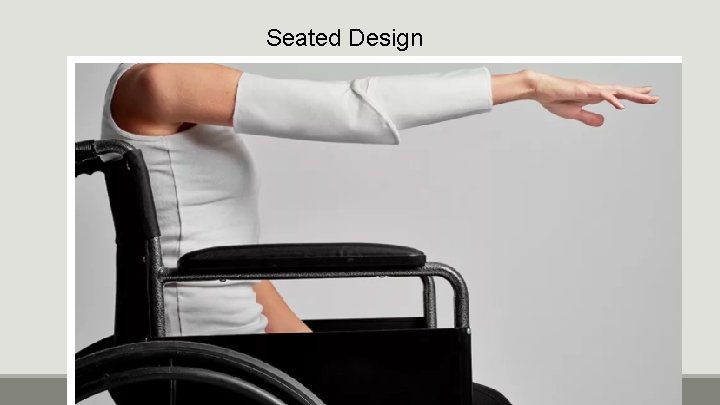
Seated Design
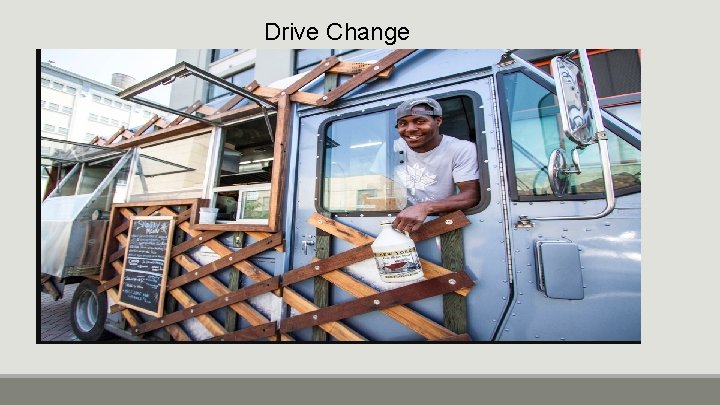
Drive Change
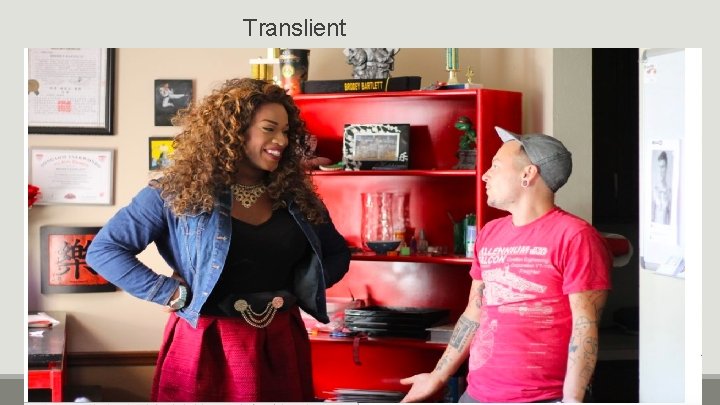
Translient
The Challenges/Opportunities
Challenges Traditional structures – course, semester, degree • Faculty workload and developent • Student Preparation • Building strong partnerships • Lack of support infrastructure to sustain partnerships • Valuing Public Scholars in tenure and promotion review •
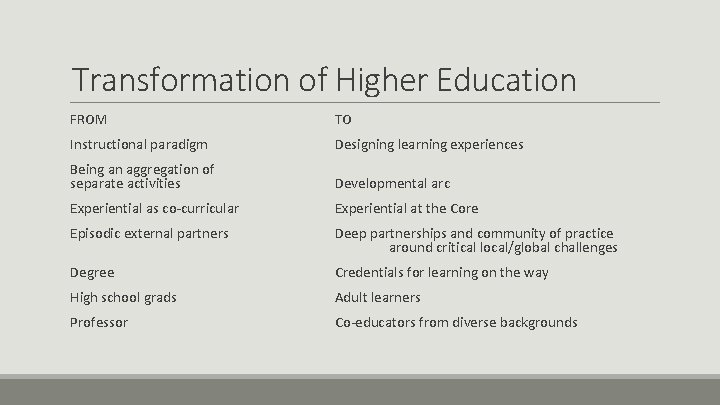
Transformation of Higher Education FROM TO Instructional paradigm Designing learning experiences Being an aggregation of separate activities Developmental arc Experiential as co-curricular Experiential at the Core Episodic external partners Deep partnerships and community of practice around critical local/global challenges Degree Credentials for learning on the way High school grads Adult learners Professor Co-educators from diverse backgrounds
THANK YOU!