INVASIVE ALIEN PLANT SPECIES Soekisman Tjitrosoedirdjo Ph D


- Slides: 39
INVASIVE (ALIEN) PLANT SPECIES Soekisman Tjitrosoedirdjo Ph. D Presiden HIGI periode 2009 – 2011 Gd. BIOTROP, Lt 2, Jln Raya Tajur Km 6, Bogor sukisman@indo. net. id
WHAT IS IAPS ? • Invasive aliens species, defined by CBD (Convention on Biological Diversity ) announced during the Earth Summit in 1992, Rio de Janeiro, Brasilia. • IAPS - Invasive Alien Plant Species - Indonesia ratified CBD in 1994 • the contracting party shall as appropriate as possible to prevent the introduction of, eradicate and control alien species that threaten the ecosystems, habitats and species • The invasive criteria thretening ecosystems habitat and local – biodiversity in general
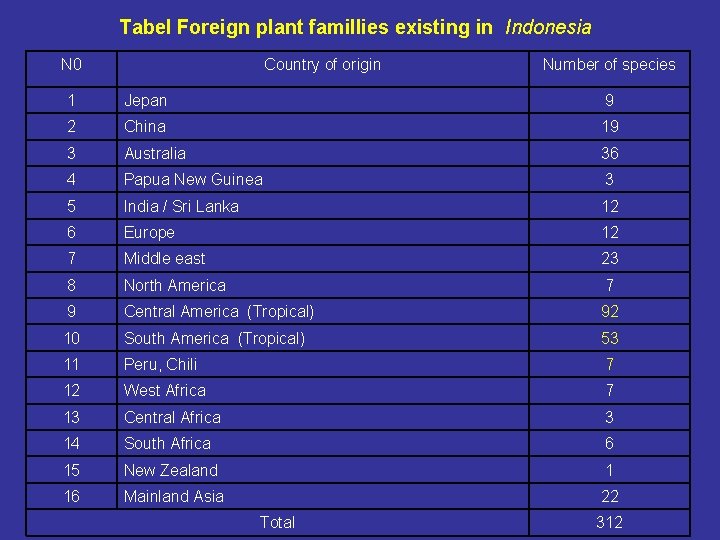
Tabel Foreign plant famillies existing in Indonesia N 0 Country of origin Number of species 1 Jepan 9 2 China 19 3 Australia 36 4 Papua New Guinea 3 5 India / Sri Lanka 12 6 Europe 12 7 Middle east 23 8 North America 7 9 Central America (Tropical) 92 10 South America (Tropical) 53 11 Peru, Chili 7 12 West Africa 7 13 Central Africa 3 14 South Africa 6 15 New Zealand 1 16 Mainland Asia 22 Total 312
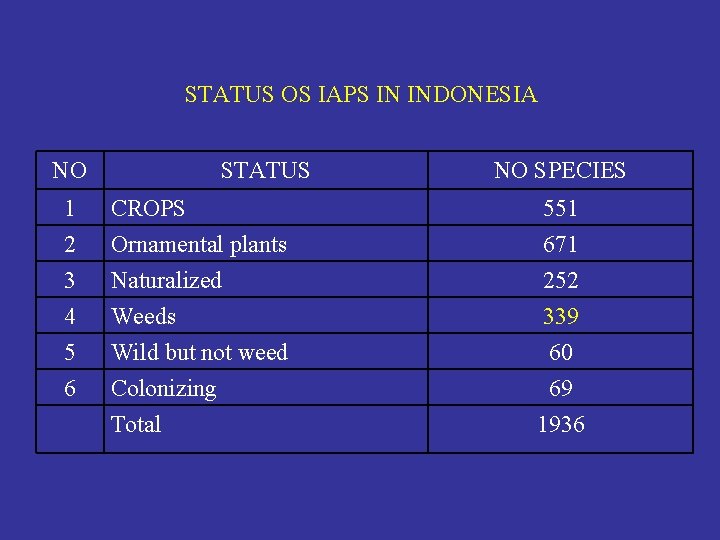
STATUS OS IAPS IN INDONESIA NO STATUS NO SPECIES 1 2 3 CROPS Ornamental plants Naturalized 551 671 252 4 5 6 Weeds Wild but not weed Colonizing Total 339 60 69 1936
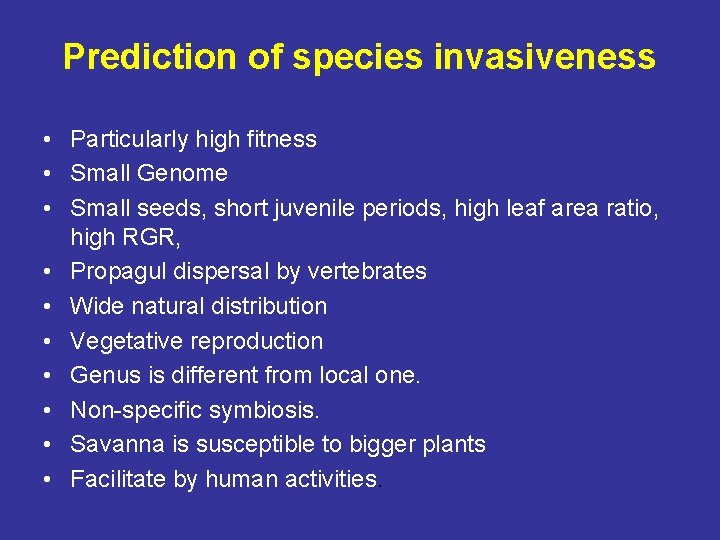
Prediction of species invasiveness • Particularly high fitness • Small Genome • Small seeds, short juvenile periods, high leaf area ratio, high RGR, • Propagul dispersal by vertebrates • Wide natural distribution • Vegetative reproduction • Genus is different from local one. • Non-specific symbiosis. • Savanna is susceptible to bigger plants • Facilitate by human activities.
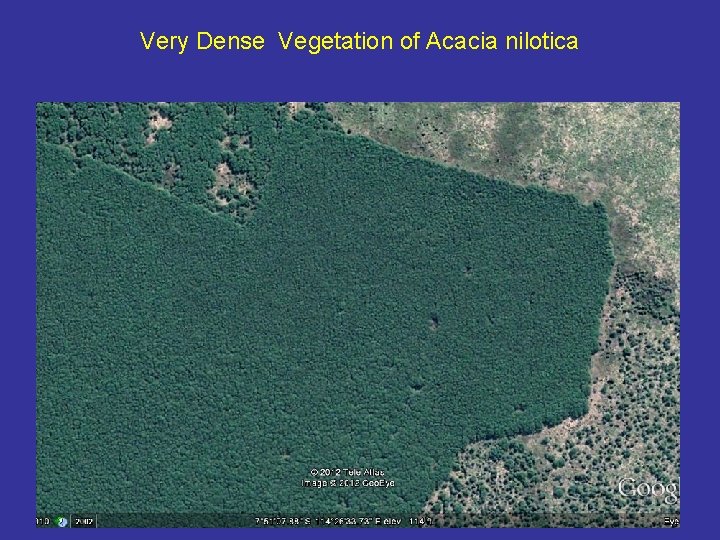
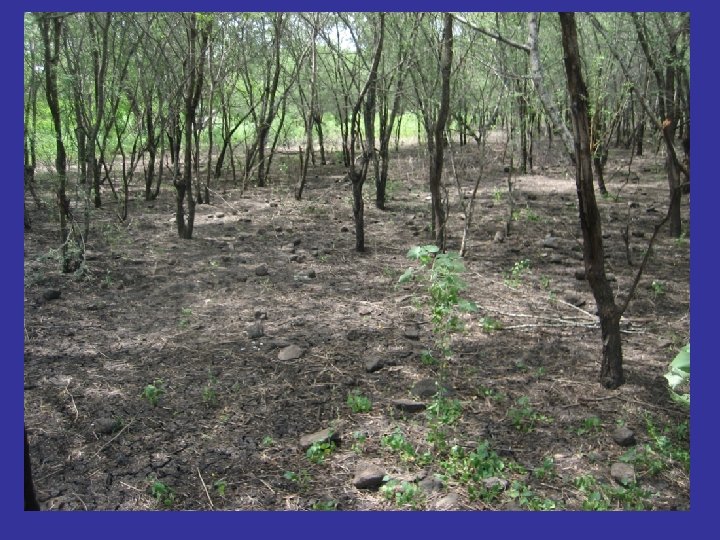
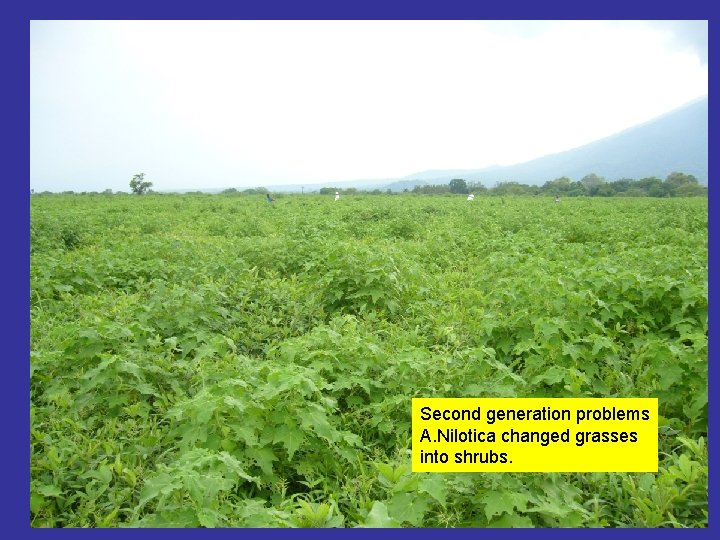
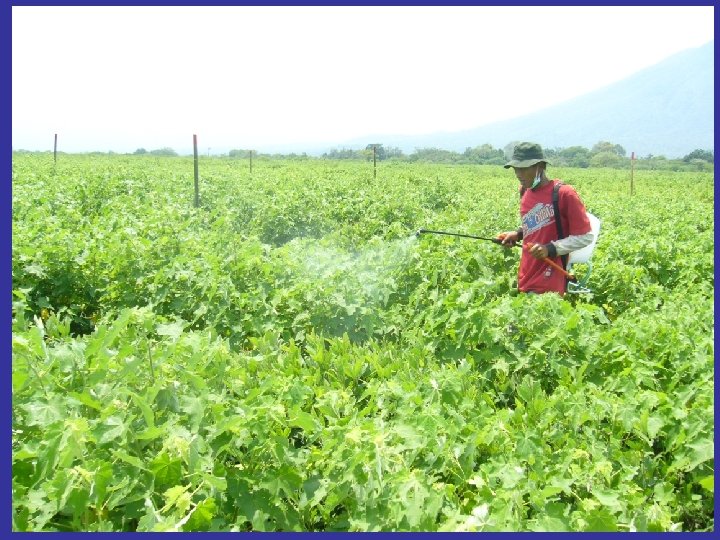
Very Dense Vegetation of Acacia nilotica
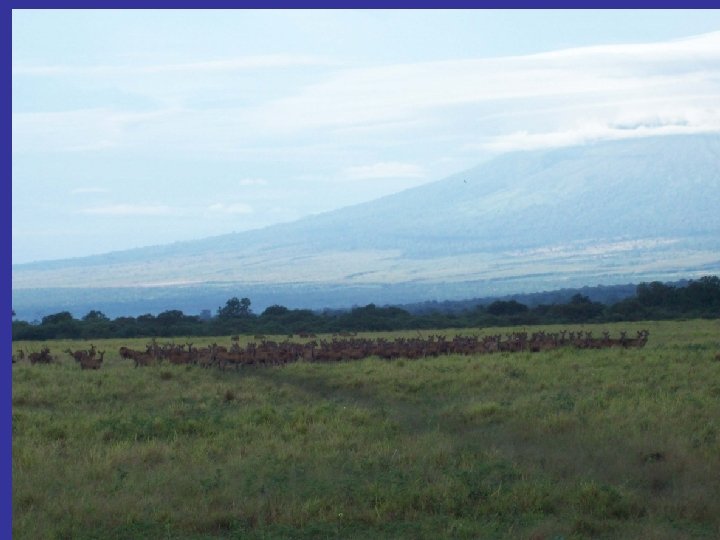
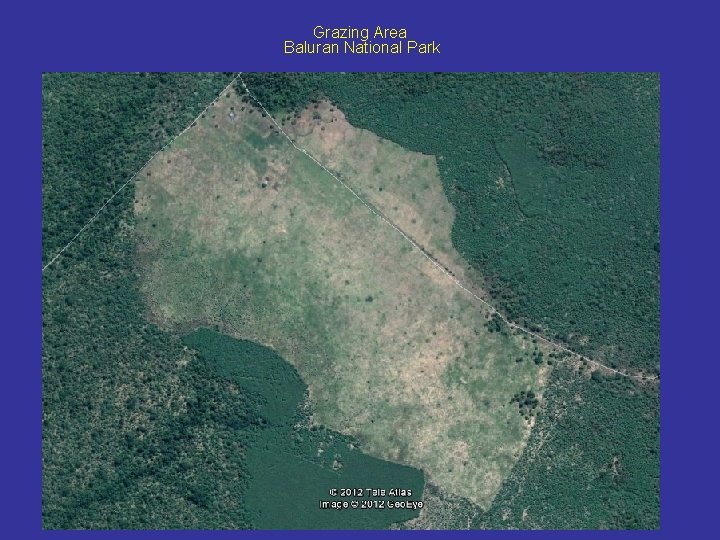
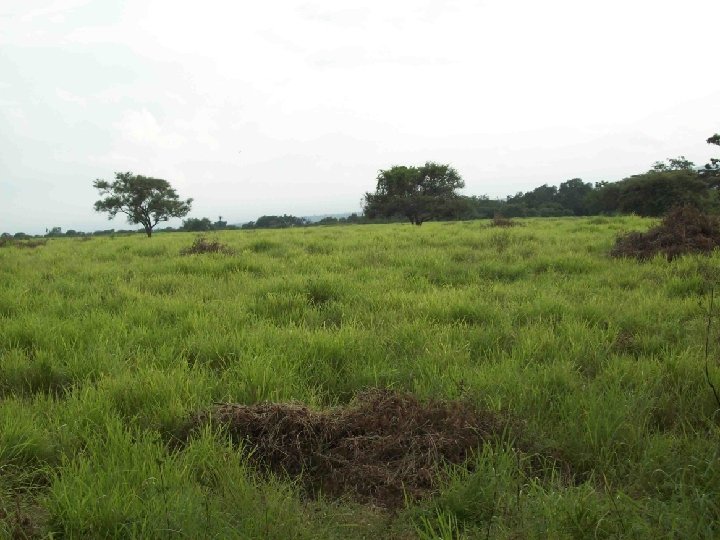
Grazing Area Baluran National Park
Second generation problems A. Nilotica changed grasses into shrubs.
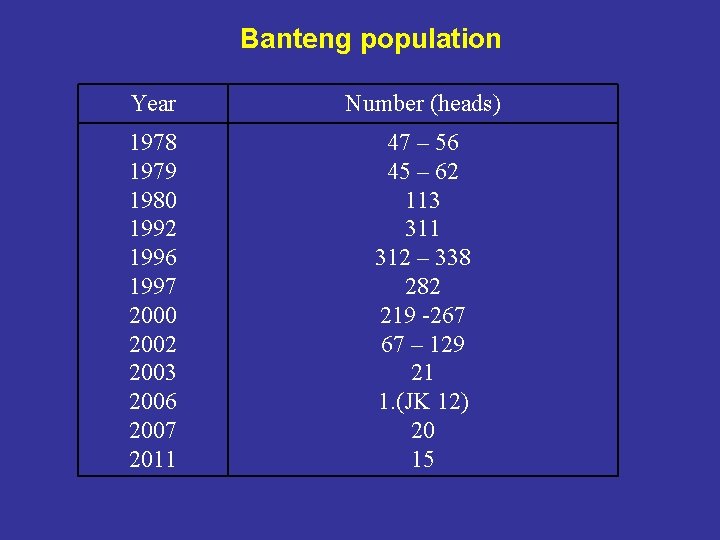
Banteng population Year Number (heads) 1978 1979 1980 1992 1996 1997 2000 2002 2003 2006 2007 2011 47 – 56 45 – 62 113 311 312 – 338 282 219 -267 67 – 129 21 1. (JK 12) 20 15
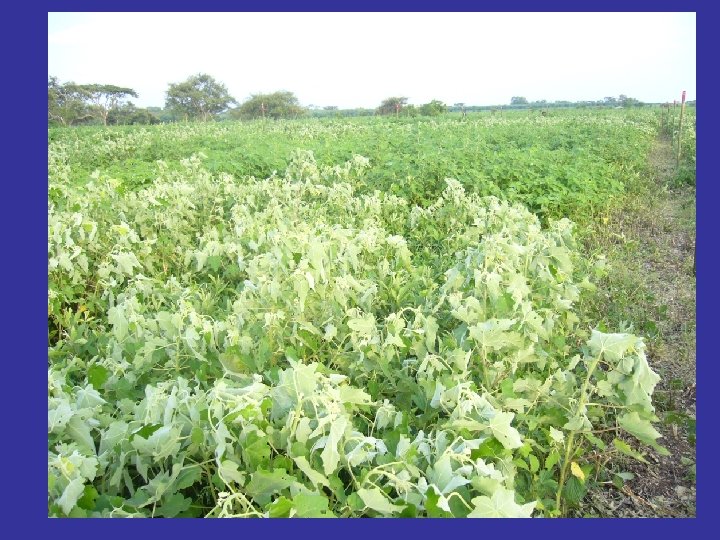
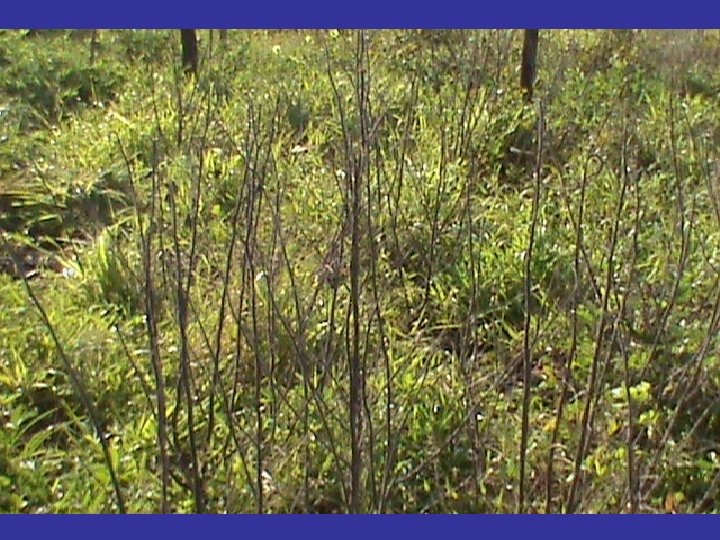
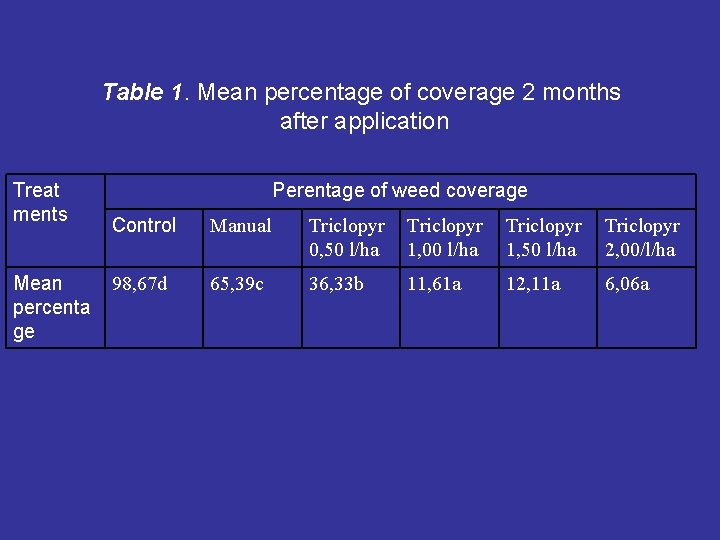
Table 1. Mean percentage of coverage 2 months after application Treat ments Mean percenta ge Perentage of weed coverage Control Manual Triclopyr 0, 50 l/ha Triclopyr 1, 00 l/ha Triclopyr 1, 50 l/ha Triclopyr 2, 00/l/ha 98, 67 d 65, 39 c 36, 33 b 11, 61 a 12, 11 a 6, 06 a
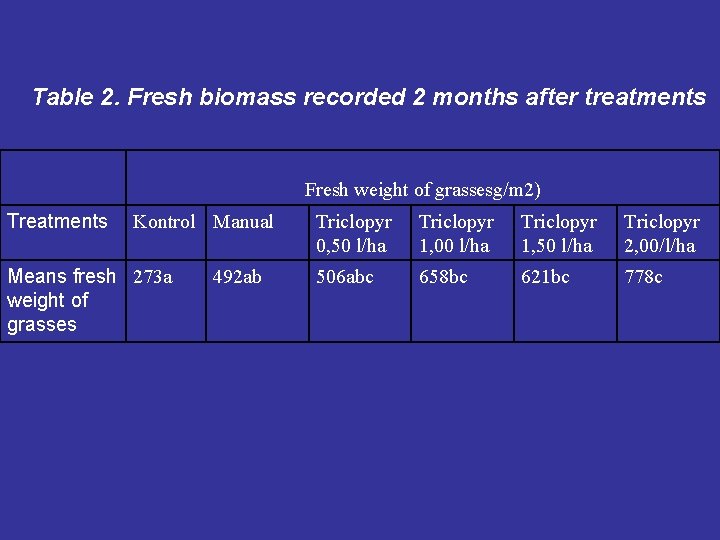
Table 2. Fresh biomass recorded 2 months after treatments Fresh weight of grassesg/m 2) Treatments Kontrol Manual Means fresh 273 a weight of grasses 492 ab Triclopyr 0, 50 l/ha Triclopyr 1, 00 l/ha Triclopyr 1, 50 l/ha Triclopyr 2, 00/l/ha 506 abc 658 bc 621 bc 778 c
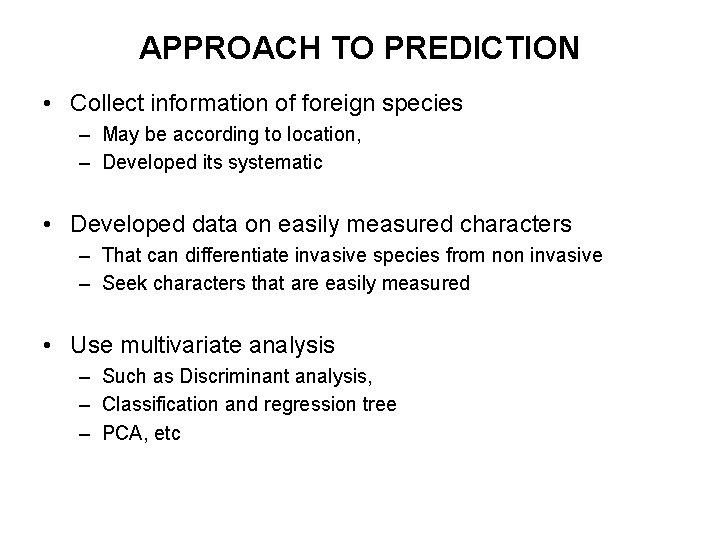
APPROACH TO PREDICTION • Collect information of foreign species – May be according to location, – Developed its systematic • Developed data on easily measured characters – That can differentiate invasive species from non invasive – Seek characters that are easily measured • Use multivariate analysis – Such as Discriminant analysis, – Classification and regression tree – PCA, etc
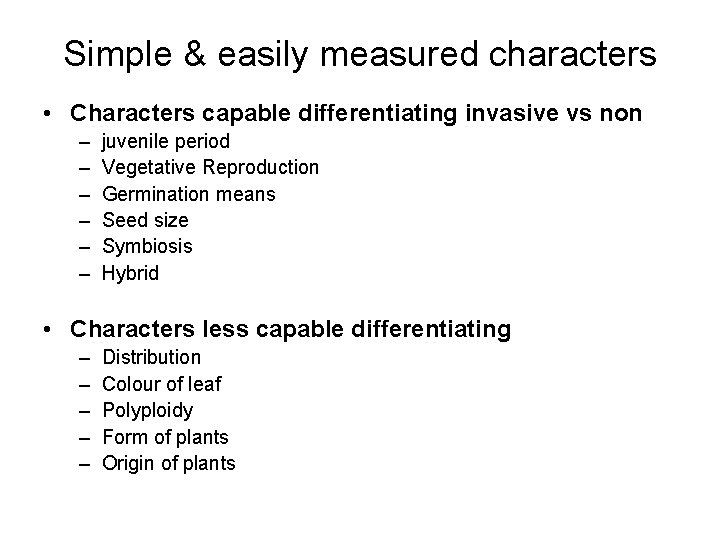
Simple & easily measured characters • Characters capable differentiating invasive vs non – – – juvenile period Vegetative Reproduction Germination means Seed size Symbiosis Hybrid • Characters less capable differentiating – – – Distribution Colour of leaf Polyploidy Form of plants Origin of plants
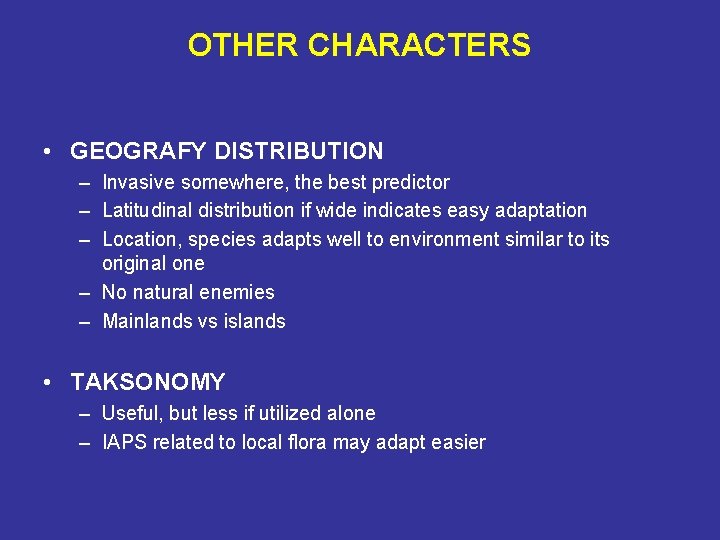
OTHER CHARACTERS • GEOGRAFY DISTRIBUTION – Invasive somewhere, the best predictor – Latitudinal distribution if wide indicates easy adaptation – Location, species adapts well to environment similar to its original one – No natural enemies – Mainlands vs islands • TAKSONOMY – Useful, but less if utilized alone – IAPS related to local flora may adapt easier
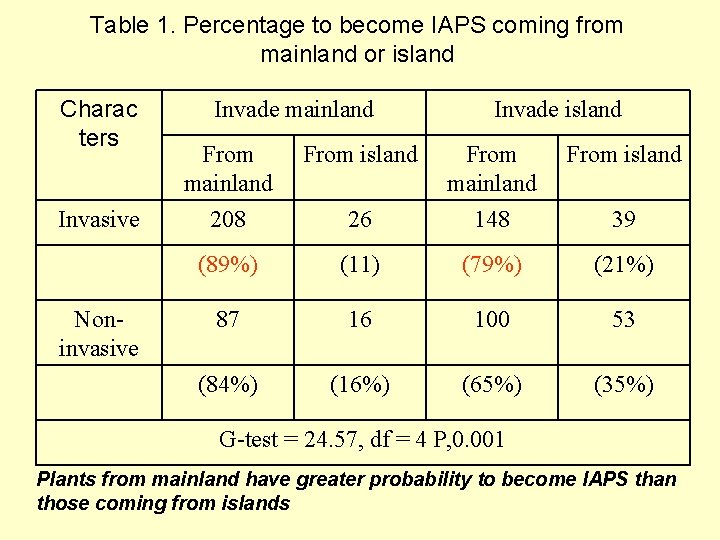
Table 1. Percentage to become IAPS coming from mainland or island Charac ters Invasive Noninvasive Invade mainland Invade island From mainland From island 208 26 148 39 (89%) (11) (79%) (21%) 87 16 100 53 (84%) (16%) (65%) (35%) G-test = 24. 57, df = 4 P, 0. 001 Plants from mainland have greater probability to become IAPS than those coming from islands
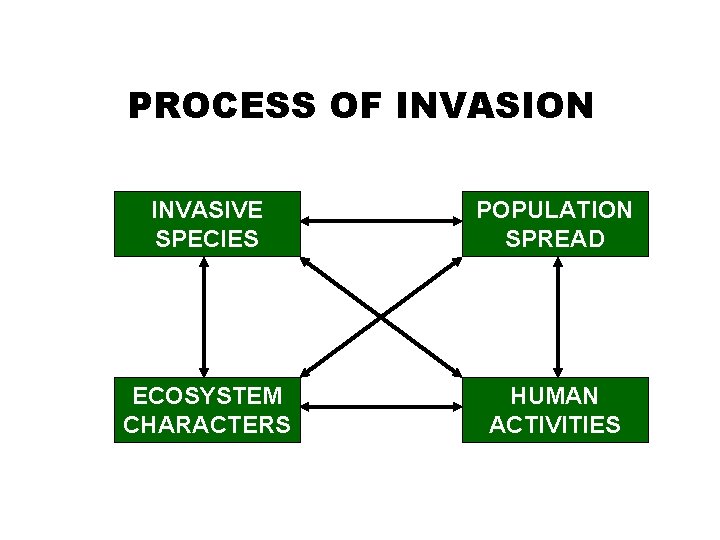
PROCESS OF INVASION INVASIVE SPECIES POPULATION SPREAD ECOSYSTEM CHARACTERS HUMAN ACTIVITIES
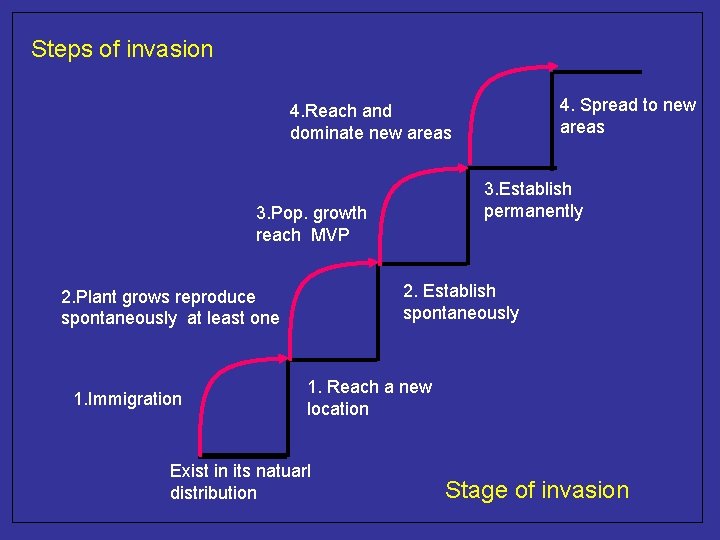
Steps of invasion 4. Spread to new areas 4. Reach and dominate new areas 3. Establish permanently 3. Pop. growth reach MVP 2. Establish spontaneously 2. Plant grows reproduce spontaneously at least one 1. Immigration 1. Reach a new location Exist in its natuarl distribution Stage of invasion
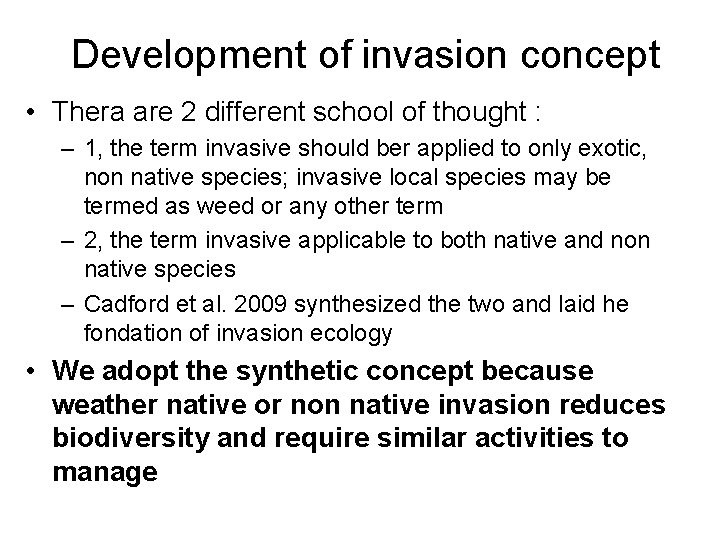
Development of invasion concept • Thera are 2 different school of thought : – 1, the term invasive should ber applied to only exotic, non native species; invasive local species may be termed as weed or any other term – 2, the term invasive applicable to both native and non native species – Cadford et al. 2009 synthesized the two and laid he fondation of invasion ecology • We adopt the synthetic concept because weather native or non native invasion reduces biodiversity and require similar activities to manage
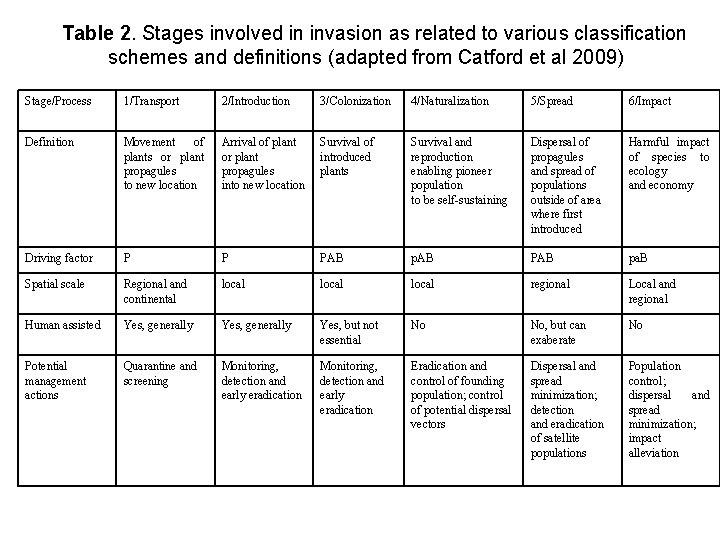
Table 2. Stages involved in invasion as related to various classification schemes and definitions (adapted from Catford et al 2009) Stage/Process 1/Transport 2/Introduction 3/Colonization 4/Naturalization 5/Spread 6/Impact Definition Movement of plants or plant propagules to new location Arrival of plant or plant propagules into new location Survival of introduced plants Survival and reproduction enabling pioneer population to be self-sustaining Dispersal of propagules and spread of populations outside of area where first introduced Harmful impact of species to ecology and economy Driving factor P P PAB p. AB PAB pa. B Spatial scale Regional and continental local regional Local and regional Human assisted Yes, generally Yes, but not essential No No, but can exaberate No Potential management actions Quarantine and screening Monitoring, detection and early eradication Eradication and control of founding population; control of potential dispersal vectors Dispersal and spread minimization; detection and eradication of satellite populations Population control; dispersal and spread minimization; impact alleviation
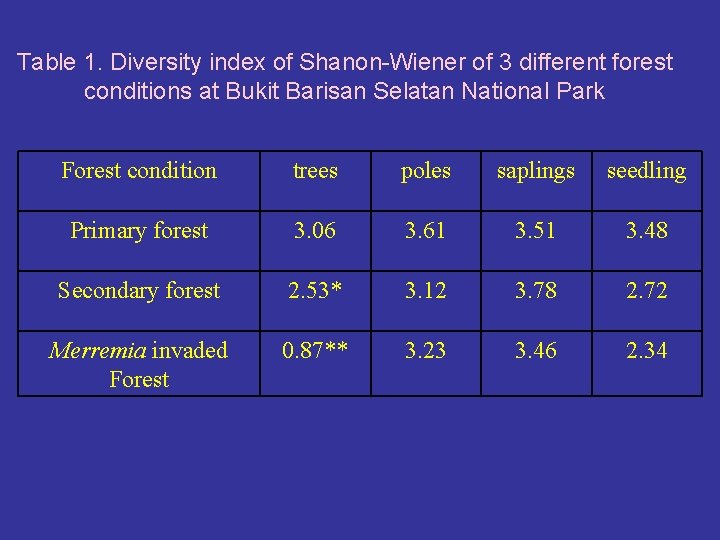
Table 1. Diversity index of Shanon-Wiener of 3 different forest conditions at Bukit Barisan Selatan National Park Forest condition trees poles saplings seedling Primary forest 3. 06 3. 61 3. 51 3. 48 Secondary forest 2. 53* 3. 12 3. 78 2. 72 Merremia invaded Forest 0. 87** 3. 23 3. 46 2. 34
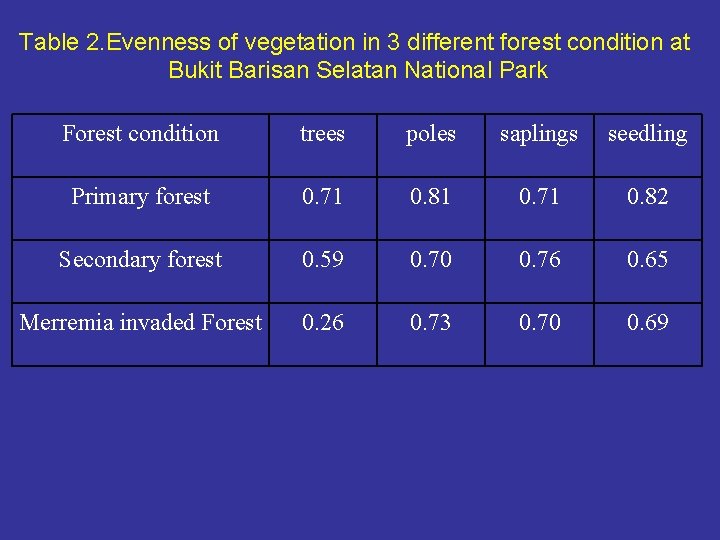
Table 2. Evenness of vegetation in 3 different forest condition at Bukit Barisan Selatan National Park Forest condition trees poles saplings seedling Primary forest 0. 71 0. 81 0. 71 0. 82 Secondary forest 0. 59 0. 70 0. 76 0. 65 Merremia invaded Forest 0. 26 0. 73 0. 70 0. 69
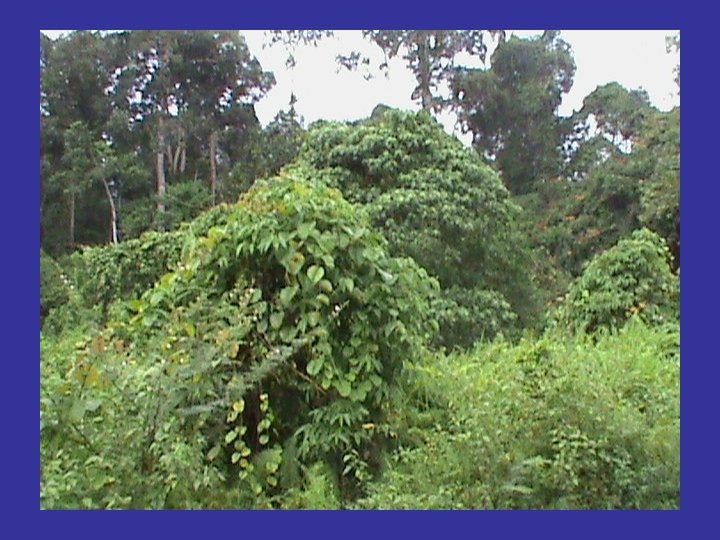
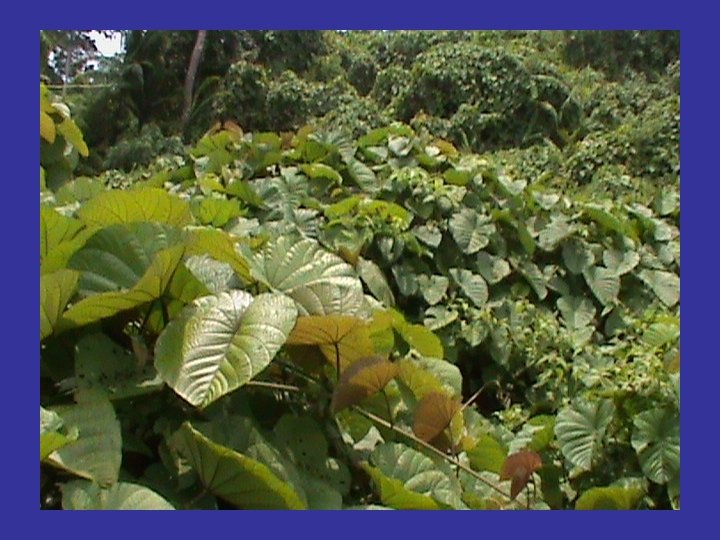
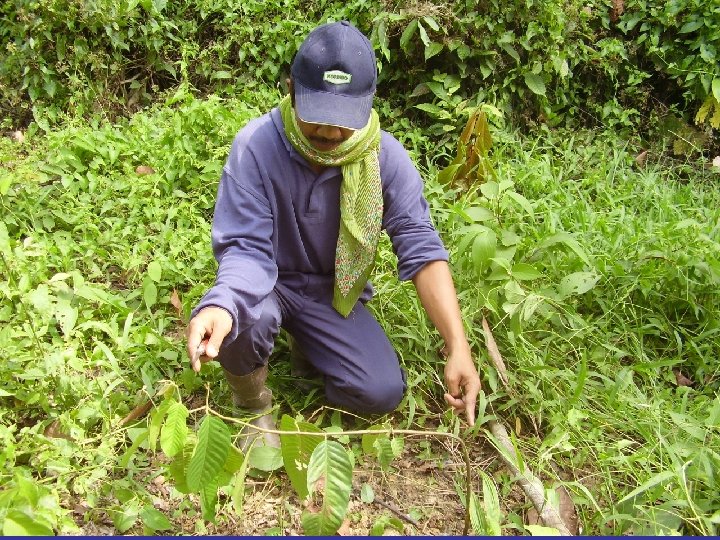
The prominent impact of Meremia invasion is driving elephants, rhinos and tigers to migrate northward, meeting villages, and creating a deadly conflict
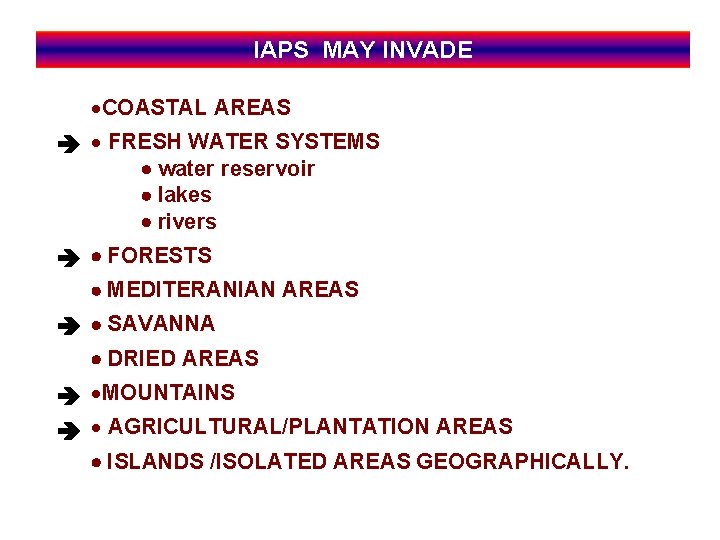
IAPS MAY INVADE ·COASTAL AREAS · FRESH WATER SYSTEMS water reservoir lakes rivers FORESTS MEDITERANIAN AREAS SAVANNA DRIED AREAS ·MOUNTAINS · AGRICULTURAL/PLANTATION AREAS ISLANDS /ISOLATED AREAS GEOGRAPHICALLY.
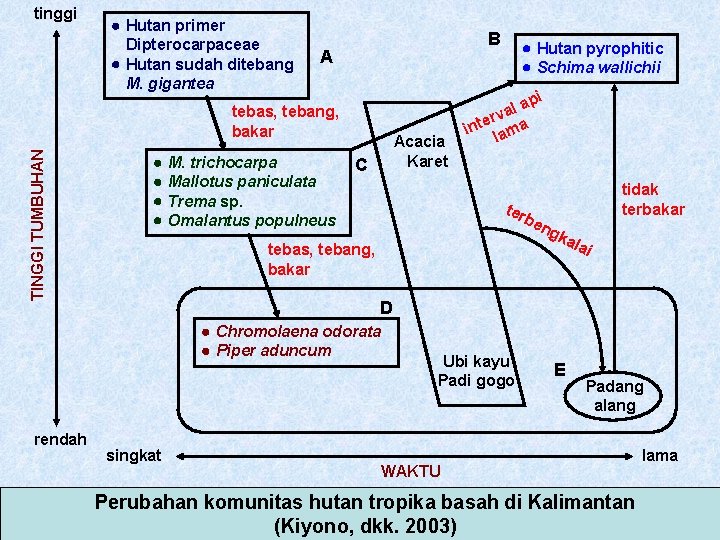
tinggi Hutan primer Dipterocarpaceae Hutan sudah ditebang M. gigantea B A i TINGGI TUMBUHAN tebas, tebang, bakar M. trichocarpa Mallotus paniculata Trema sp. Omalantus populneus Acacia Karet C ap l a rv inte lama ter be tebas, tebang, bakar tidak terbakar ng ka lai D Chromolaena odorata Piper aduncum rendah Hutan pyrophitic Schima wallichii singkat Ubi kayu Padi gogo E Padang alang WAKTU Perubahan komunitas hutan tropika basah di Kalimantan (Kiyono, dkk. 2003) lama
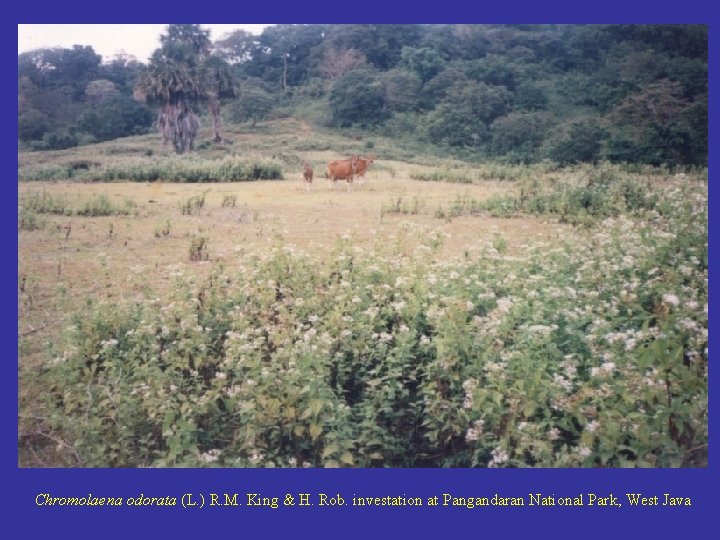
Chromolaena odorata (L. ) R. M. King & H. Rob. investation at Pangandaran National Park, West Java
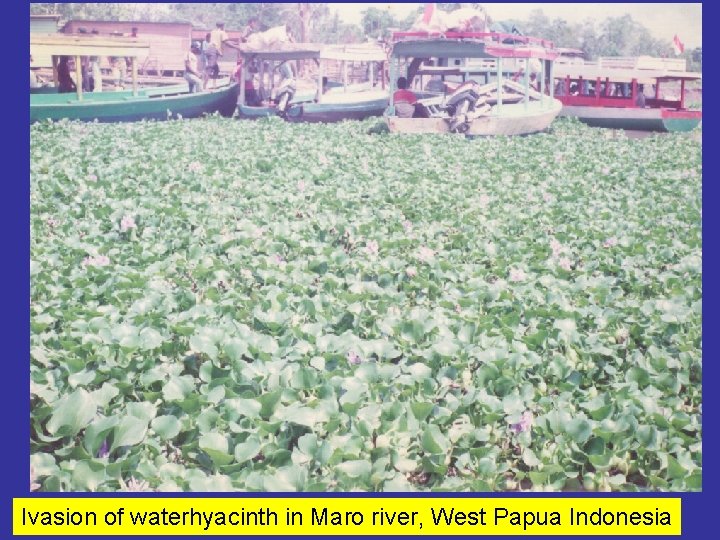
Ivasion of waterhyacinth in Maro river, West Papua Indonesia
THANK YOU FOR YOUR ATTENTION