Introduction to Dementia Rectory Meadow Surgery Dr Vivien


- Slides: 16
Introduction to Dementia Rectory Meadow Surgery Dr Vivien Carter
Outline • What exactly is dementia? • How can we prevent it? • Why and how do we diagnose it? • How can we improve what we’re doing?
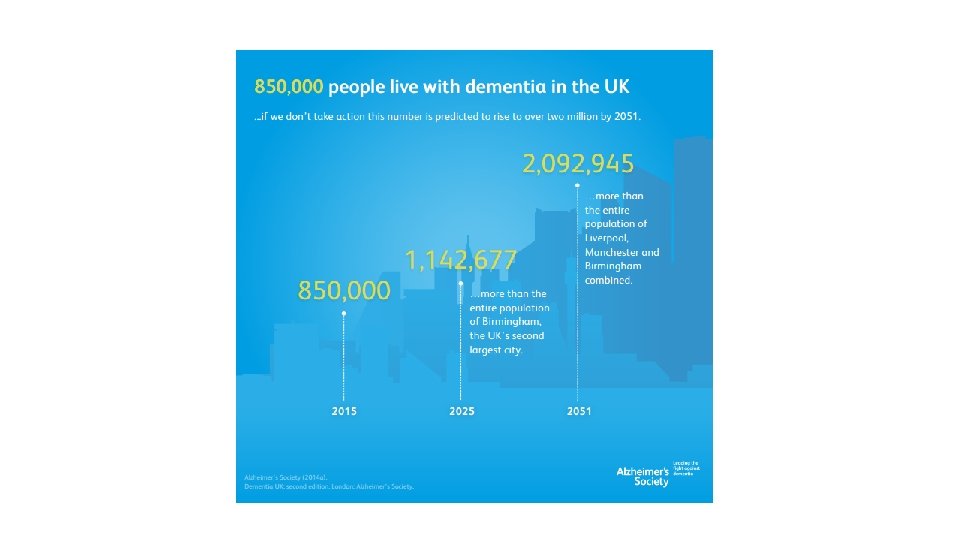
Dementia at Rectory Meadow • 76 patients diagnosed with dementia • National drive to increase diagnosis rates • We’re trying to ensure that everyone who needs a memory assessment gets one • All of us have different types of contacts with patients • Becoming more “dementia friendly” • • Premises Audit Community Safe Place Status Staff Training Becoming Dementia Friends
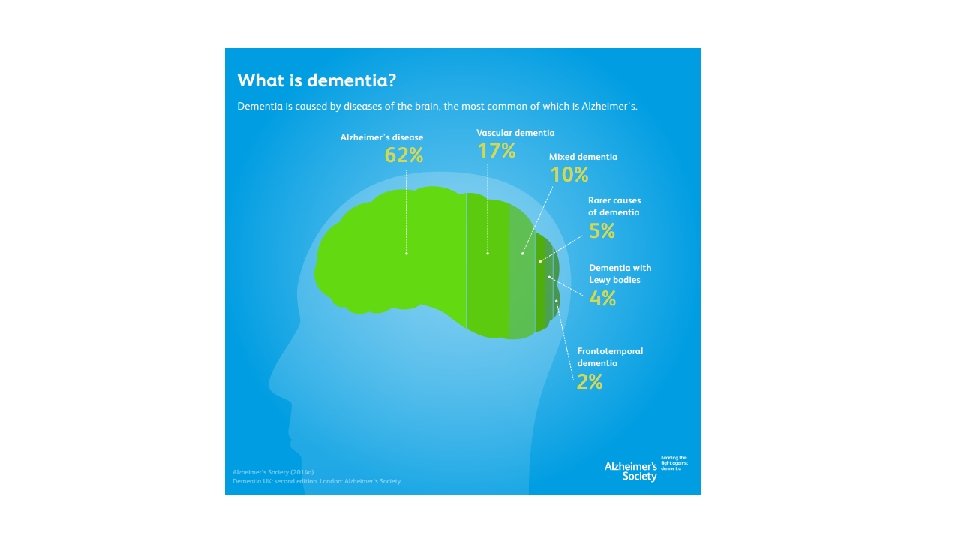
What is dementia? • Loss of memory • Difficulty with • • Problem solving Decision making Language Planning
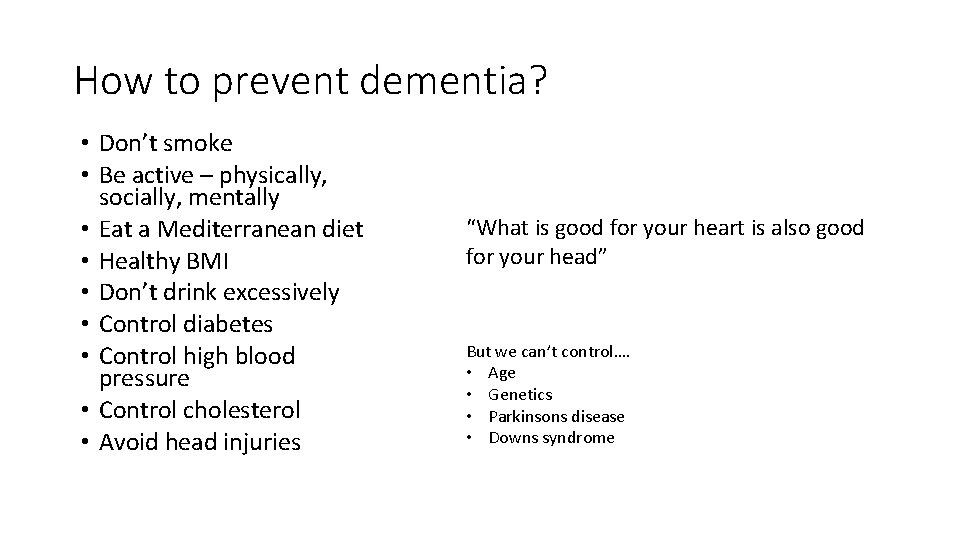
How to prevent dementia? • Don’t smoke • Be active – physically, socially, mentally • Eat a Mediterranean diet • Healthy BMI • Don’t drink excessively • Control diabetes • Control high blood pressure • Control cholesterol • Avoid head injuries “What is good for your heart is also good for your head” But we can’t control…. • Age • Genetics • Parkinsons disease • Downs syndrome
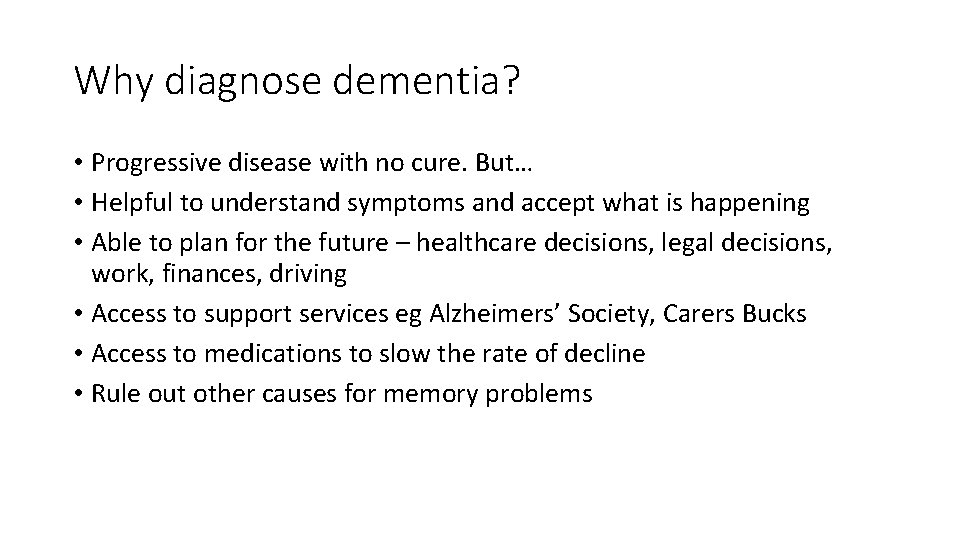
Why diagnose dementia? • Progressive disease with no cure. But… • Helpful to understand symptoms and accept what is happening • Able to plan for the future – healthcare decisions, legal decisions, work, finances, driving • Access to support services eg Alzheimers’ Society, Carers Bucks • Access to medications to slow the rate of decline • Rule out other causes for memory problems
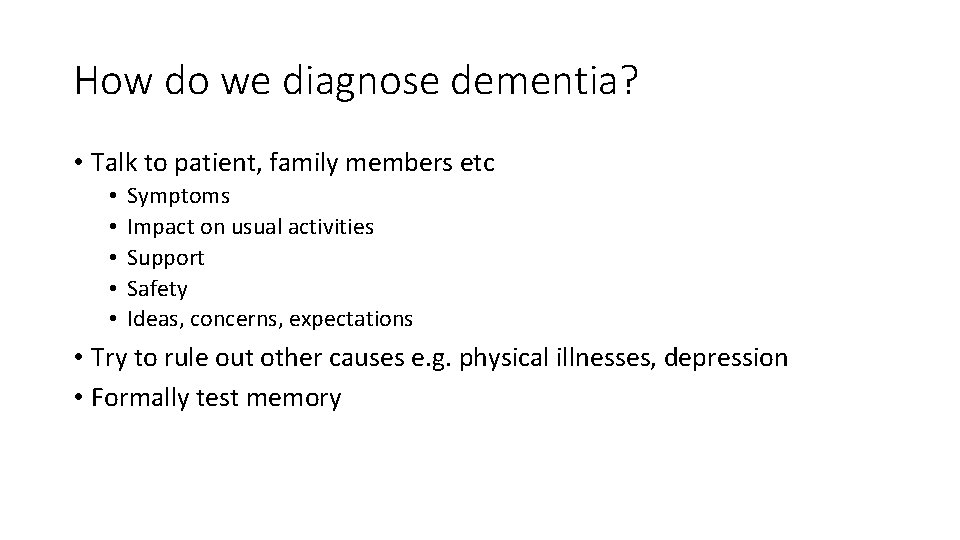
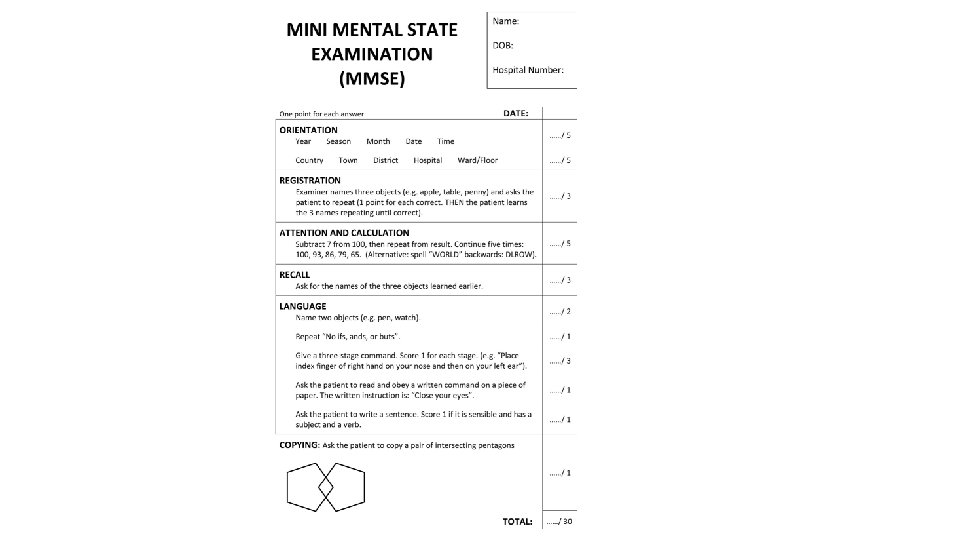
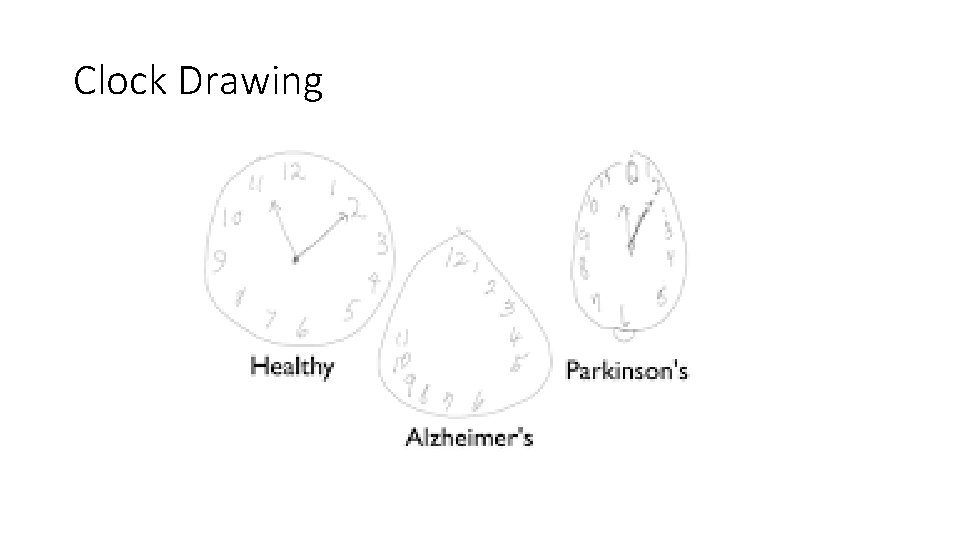
How do we diagnose dementia? • Talk to patient, family members etc • • • Symptoms Impact on usual activities Support Safety Ideas, concerns, expectations • Try to rule out other causes e. g. physical illnesses, depression • Formally test memory
Clock Drawing
Memory Clinic • Psychiatrist, specialist nurses, occupational therapists • More detailed memory testing • CT or more detailed brain scanning • Make the diagnosis • Offer support with day to day living • Prescribe medications
Support • Alzheimer's Society – for patients and carers • CPNs, OTs, psychologists in memory clinic • Primary care • Memory aids • Reminiscence • Social interaction • Finances, work • Legal advice • Driving assessments
Medications • For Alzheimer’s and lewy body dementia • Donepezil, rivastigmine, galantamine, memantine
Any questions?