International Day of NonViolence The International Day of



- Slides: 10
International Day of Non-Violence
The International Day of Non-Violence is observed on 2 October, the birthday of Mahatma Gandhi, leader of the Indian independence movement and pioneer of the philosophy and strategy of non-violence.
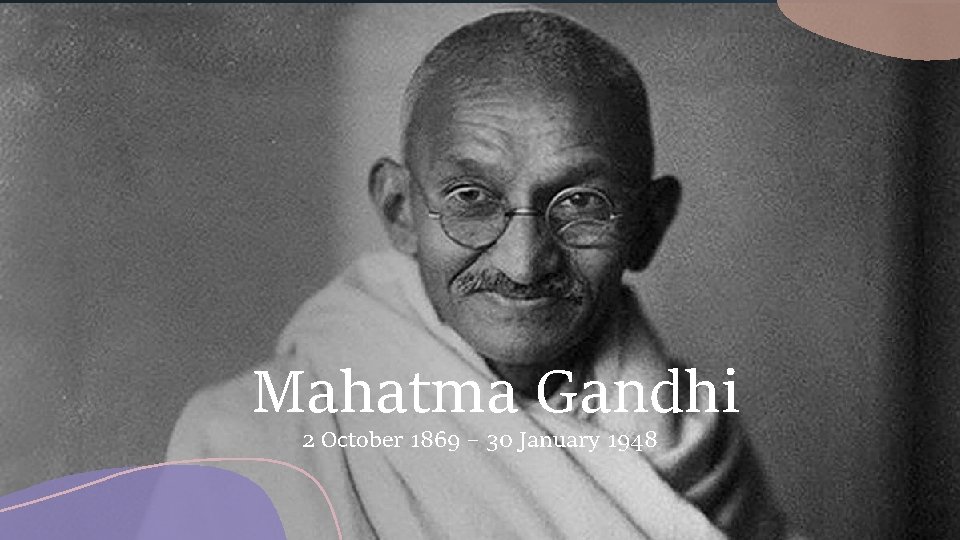
Mahatma Gandhi 2 October 1869 – 30 January 1948
• Mohandas Karamchand Gandhi 2 October 1869 – 30 January 1948) was an Indian lawyer, anti-colonial nationalist and political ethicist, who employed nonviolent resistance to lead the successful campaign for India’s independence from British rule and in turn inspired movements for civil rights and freedom across the world.
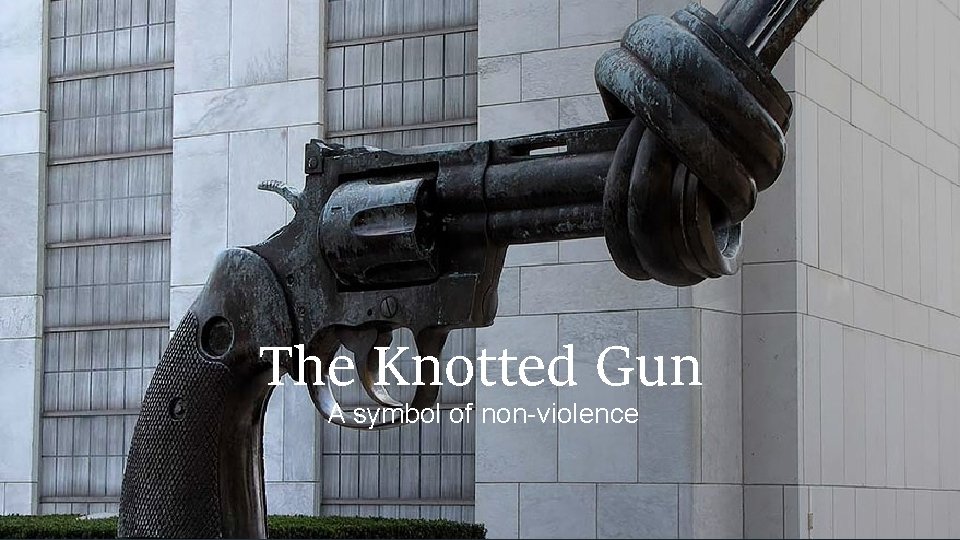
The Knotted Gun A symbol of non-violence
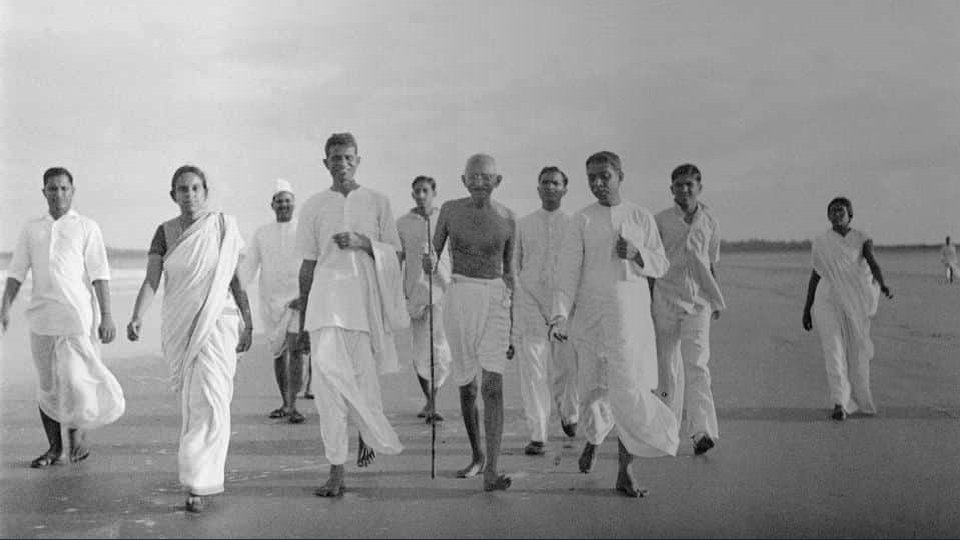
The life and leadership of Mahatma Gandhi • Mahatma Gandhi, who helped lead India to independence, has been the inspiration for non-violent movements for civil rights and social change across the world. Throughout his life, Gandhi remained committed to his belief in non-violence even under oppressive conditions and in the face of seemingly insurmountable challenges.
• The principle of non-violence — also known as non-violent resistance — rejects the use of physical violence in order to achieve social or political change. Often described as "the politics of ordinary people", this form of social struggle has been adopted by mass populations all over the world in campaigns for social justice.
Main categories of non-violence action: • Protest • Non-cooperation • Non-violent intervention
Nonviolence is a weapon of the strong