Indigenous Women and Family Violence Fernanda Dahlstrom Queensland
- Slides: 20
Indigenous Women and Family Violence Fernanda Dahlstrom Queensland Indigenous Family Violence Legal Service
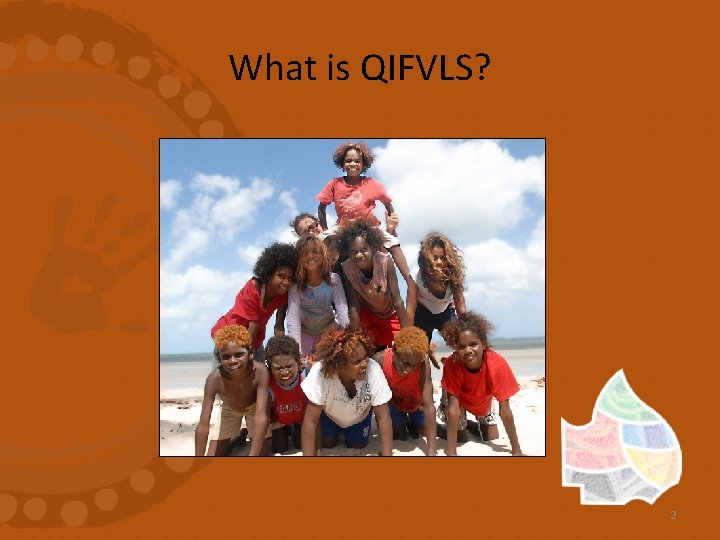
What is QIFVLS? 2
Who we can help People who identify as: • Aboriginal and/or Torres Strait Islander; and • Suffering effects of domestic or family violence including sexual assault (victims) 3
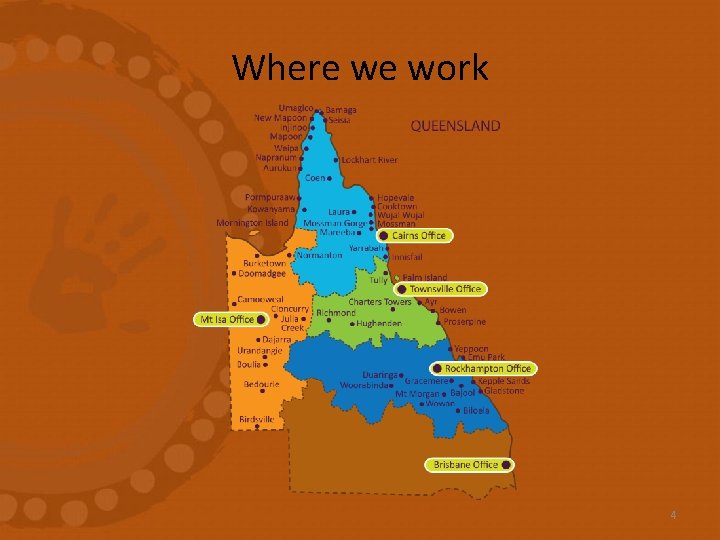
Where we work 4
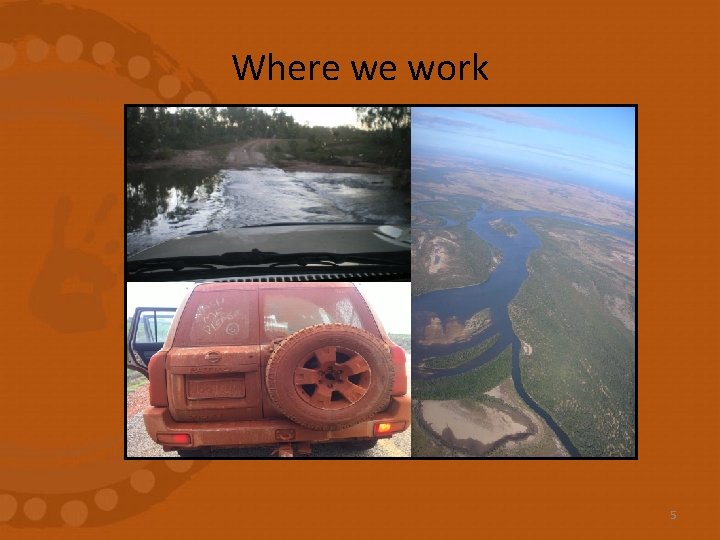
Where we work 5
What we can help with • Applying for DVOs • Responding to DVO applications (limited circumstances) • Family law matters • Child protection matters • Victims Assist • CLE
Barriers to getting support • Social taboo and shame • Normalisation of violence • Lack of culturally appropriate services • Lack of knowledge • Justice system deterrents
Our remote CLE work • Relies on networks/relationships in the community • Must be very flexible • Often impromptu and ad hoc 8
Our remote CLE work • Sensitive subject • People who most need the information are often highly traumatized • People often have limited English and a low level of formal education and no experience learning in a classroom setting
Special primary victims • The exception to reporting to police is for Special Primary Victims • Must Report to a doctor, psychologist or counsellor before making application • What is a Special Primary a child (under 18) • a person with impaired capacity • a victim of a sexual offence • a victim of an offence committed by a person in a position of power and/or trust over them • threatened or intimidated the person who committed the violence, or by someone else • In some circumstances a victim of domestic and family violence
Grant Amounts • Recovery expenses • Special assistance payment may be paid to a primary victim. The amount paid is based on the category of violence, categories A - D. • A victim may receive up to $10, 000. • Funeral cost up to $8, 000. • Distress Payment up to $10, 000. (where a family member has died).
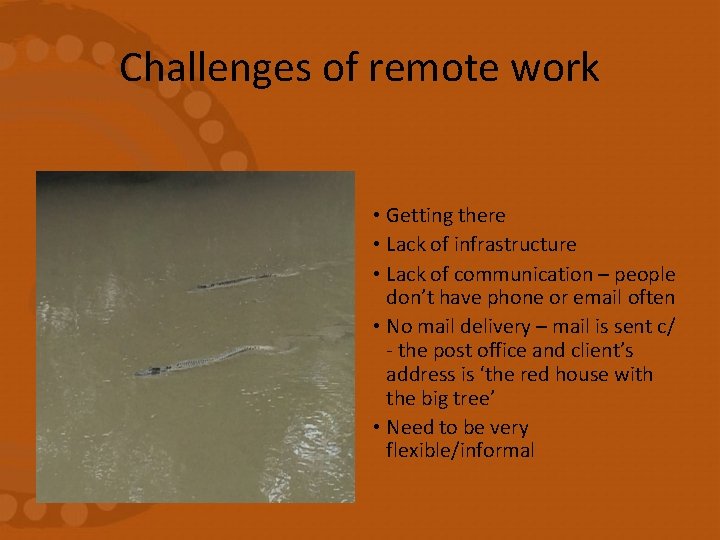
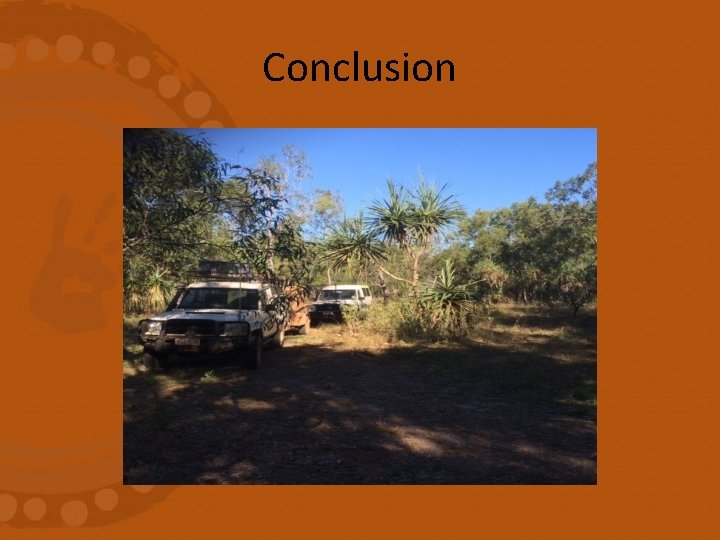
Challenges of remote work • Getting there • Lack of infrastructure • Lack of communication – people don’t have phone or email often • No mail delivery – mail is sent c/ - the post office and client’s address is ‘the red house with the big tree’ • Need to be very flexible/informal
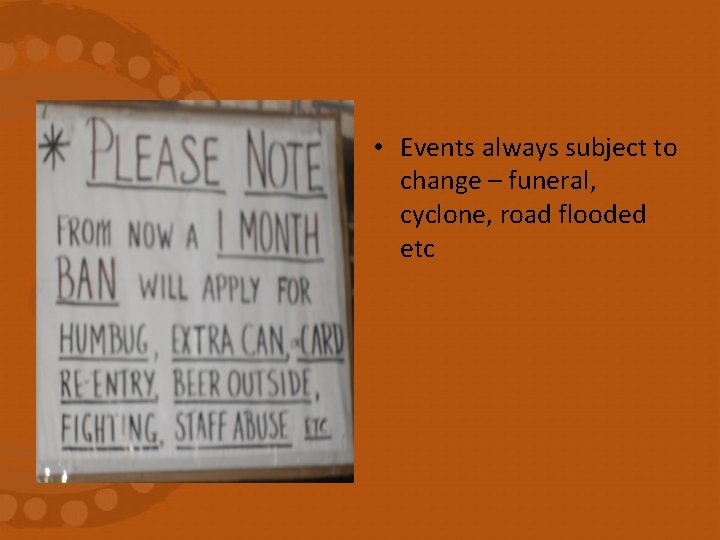
• Events always subject to change – funeral, cyclone, road flooded etc
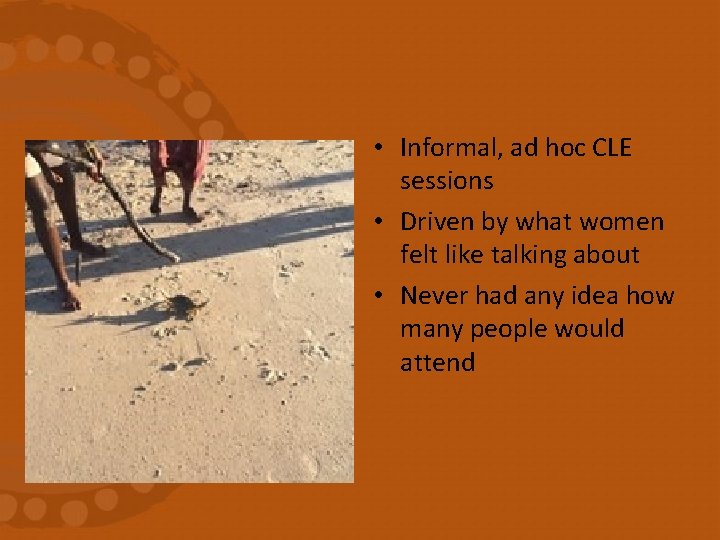
• Informal, ad hoc CLE sessions • Driven by what women felt like talking about • Never had any idea how many people would attend
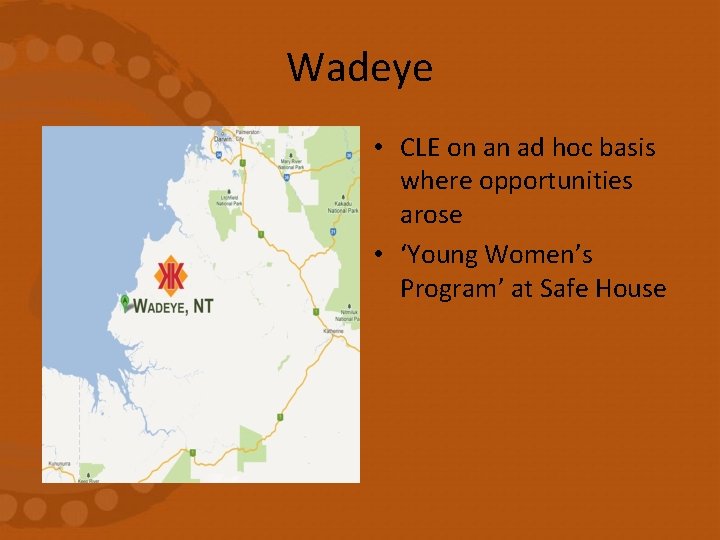
Wadeye • CLE on an ad hoc basis where opportunities arose • ‘Young Women’s Program’ at Safe House
Reality check • Not seen as useful/relevant • Sensitive subject, reluctance to talk about it • Normalised/accepted
Take away message • Help is available • We exist and can work for them • They can call us or talk to us when we’re in the community
Conclusion
Sources Academic • Prentice, Blair & O’Mullan ‘Sexual and family violence: overcoming barriers to service access for Aboriginal and Torres Strait Islander Clients’ Australian Social Work, Volume 70, 2017 Legislation • Victims of Crime Assistance Act (2009) • Domestic and Family Violence Protection Act (2012)