IN THE NAME OF ALLAH THE COMPASSIONATE THE


- Slides: 23
IN THE NAME OF ALLAH, THE COMPASSIONATE, THE MERCIFUL
Reclamation of Salt Affected Soils by Rizwan Zahoor 2004 -ag-1537 B. Sc. (Hons) Agri. Agronomy 7 th
Objectives of Reclamation: 1. To increase crop yield per unit area 2. To increase WUE 3. To improve farmers’ living standard
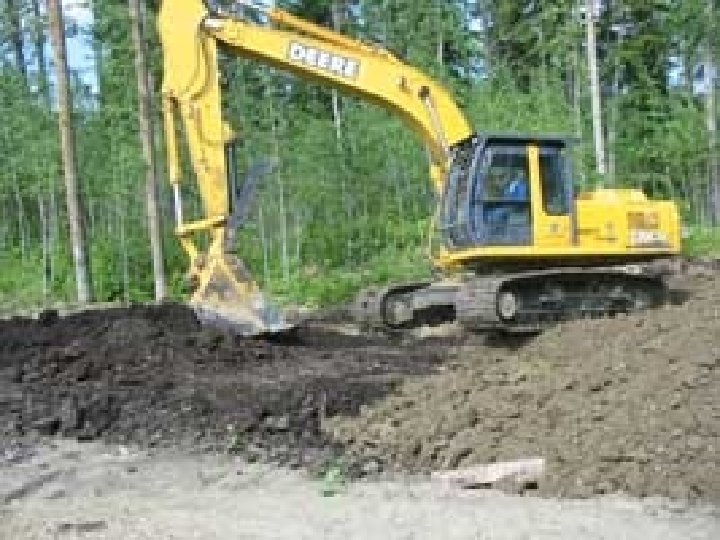
Methods of Land Reclamation: 1: Physical Methods – – – Sub soiling Deep ploughing Sanding Horizon mixing Profile inversion
2: Biological Methods Growing of crops on problem soils and/or their incorporation at the stage of maximum biomass productivity.
3: Chemical Methods It includes the application of – Gypsum – Sulphuric acid – Hydrochloric acid etc
Prerequisites for Land Reclamation: • Good surface drainage • Leveled soils • Availability good quality water • Chemical amendments
Reclamation of Saline Soils: Reclamation of saline soil is done by applying excess water to the soil surface. The removal of salts may be accomplished either by continuous ponding of water on soil surface or by intermittent leaching.
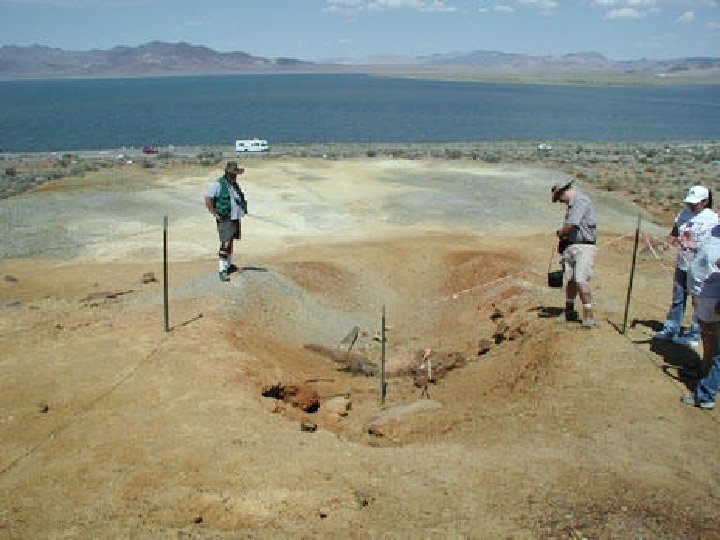
Reclamation Requirement: It is amount of water required for reclamation, usually depends upon – Salts concentration – Soil texture – Soil structure – Trenching
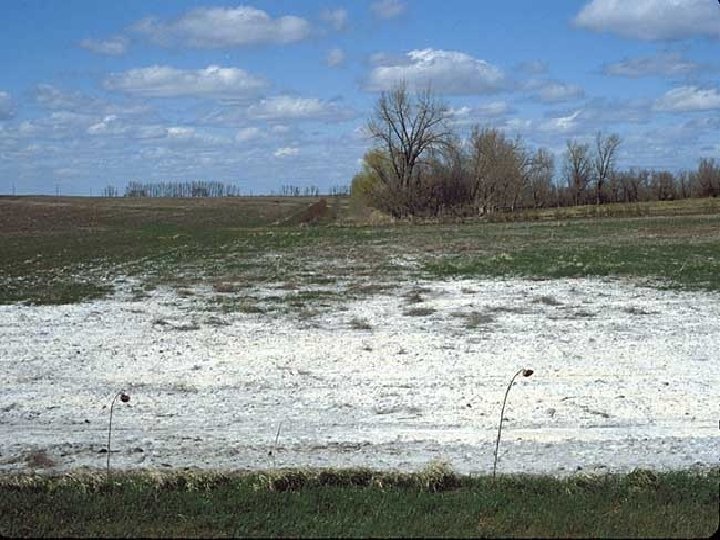
Reclamation of sodic and saline-sodic soil: Reclamation of sodic and saline-sodic soil is more difficult, time consuming and expensive than that of saline soil. It involves not only leaching a soluble salts but also the replacement of exchangeable sodium with calcium and the improvement of physical properties of soil. The two most difficult aspects of the reclamation process are • Provision of source for replacement of sodium with calcium • Water for leaching
Sources of calcium for replacing exchangeable sodium: – Irrigation water – Gypsum and lime present in soil – Chemical and biological amendments – High-salt water
Replacing exchangeable sodium: Ca. CO 3 is insoluble in water. However, the presence of lime is important in sodic and saline-sodic soil, if it is treated with acids or sulphur, it provides calcium. when vegetation is established, CO 2 released and converts the Ca. CO 3 into relatively soluble Ca(HCO 3)2.
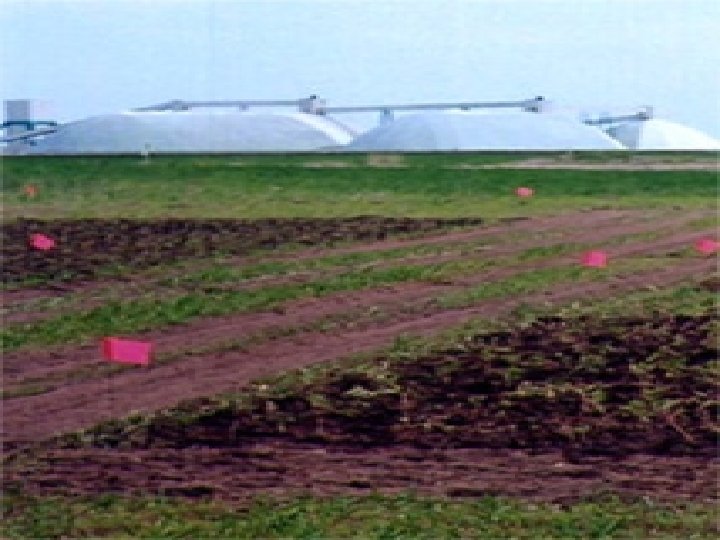
Crop During Reclamation: Some kind of vegetation should be grown during reclamation, as they help reclamation and also provide some income to farmers. Growth of crop helps reclamation in two ways • The development of roots improve the permeability and infiltration capacity of soil. • CO 2 released into the soil by roots increase solubility of Ca. CO 3.