
Immune response against tumors Tumor antigens Tumorspeciphic antigens
- Slides: 19
Immune response against tumors
Tumor antigens • Tumor-speciphic antigens – new antigens which develop in tumor cells. • Tumor associated antigens – „normal“ body antigens, but their expression is markedly increased in malignancies (e. g. carcionembryonic antigens).
Tumor antigens in different types of tumors • Virus-induced tumors: Antigens are usually virus-speciphic. • Carcinogen-induced: no inducer-related specificity of antigens. • Spontaneous tumors: antigens are usually very variable.
Immune Response to Tumors • Cytotoxic T-lymphocytes (Tc) • Natural killer (NK) cells • Antibody-dependent cellular cytotoxicity (ADCC) • Activated macrophages • Antibody response – minor importance
Protective Mechanisms of Tumors • • Low immunogenicity of tumor antigens Low expression of HLA I molecules Antigenic modulation Immunosuppression – prostaglandins, IL-10 and TGF-b like cytokines, stimulation of Ts lymphocytes • Large tumor mass
Immunodiagnostic of tumours • Detection of tumor associated/speciphic antigens • Monocloal gamapathy • Aplha-feto protein • Carcinoembryonic antigens (CEA. . . ) • Speciphic prostatic antigen…. . • Immunophenotyping of lymphoid malignancies.
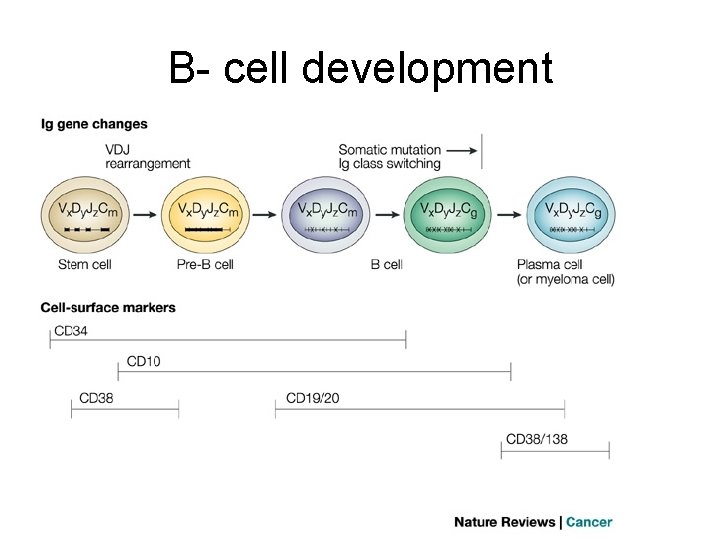
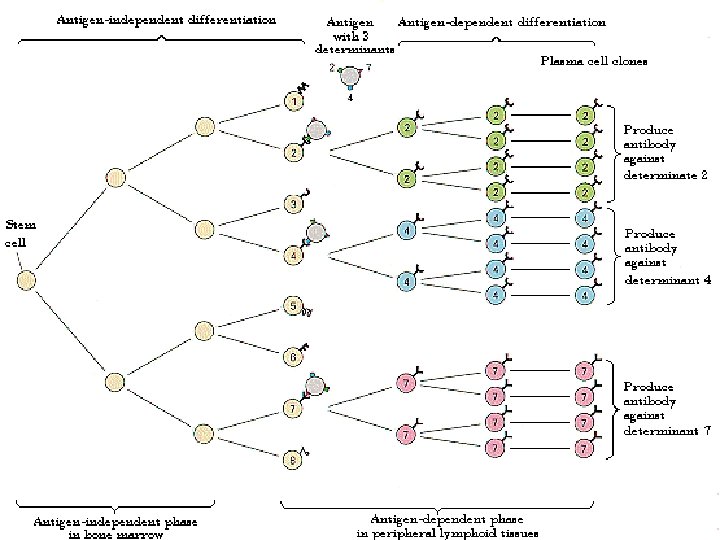
B- cell development
Immunomodulatory treatment of tumors • • Cytokines – IL-2 Interferon alpha BCG vaccine Tumor vaccination – mainly using dendritic cells
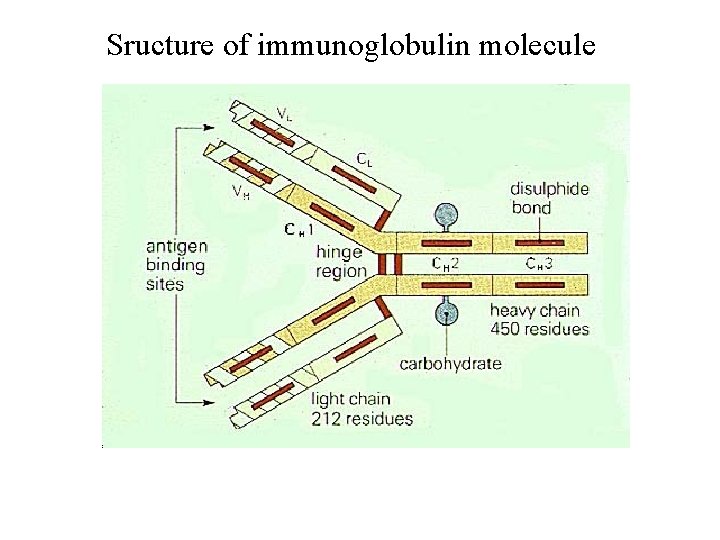
Sructure of immunoglobulin molecule
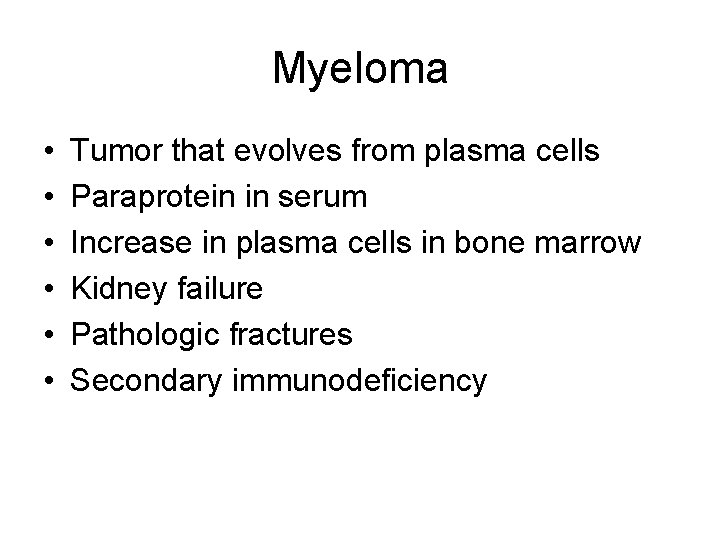
Myeloma • • • Tumor that evolves from plasma cells Paraprotein in serum Increase in plasma cells in bone marrow Kidney failure Pathologic fractures Secondary immunodeficiency
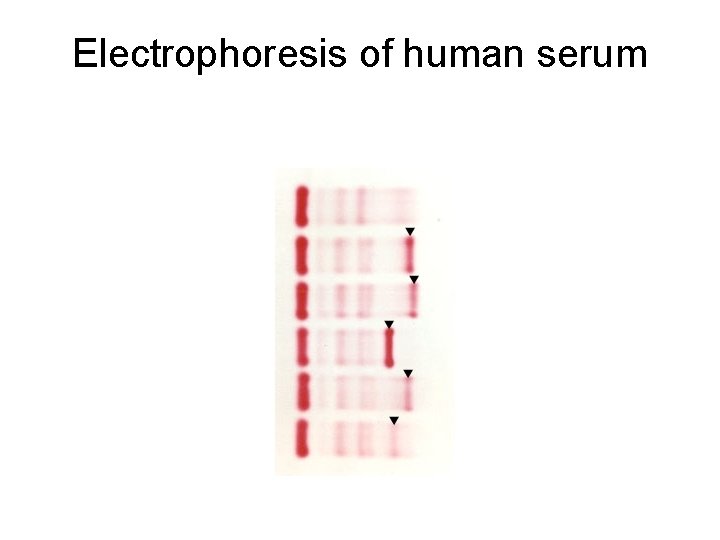
Electrophoresis of human serum
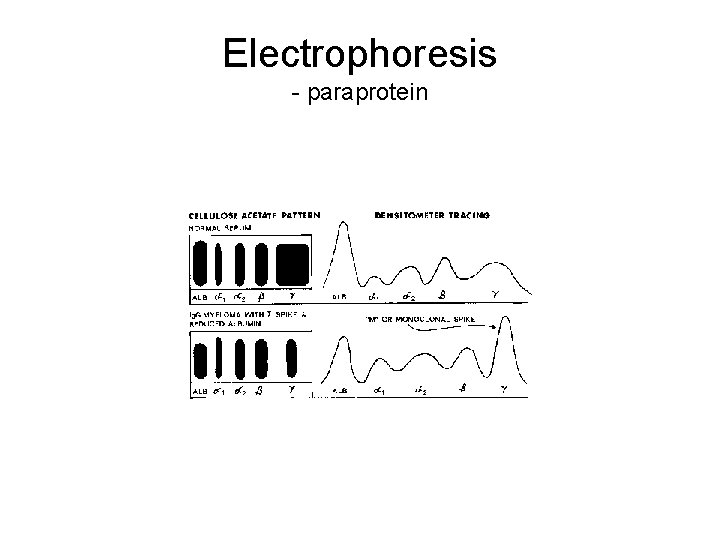
Electrophoresis - paraprotein
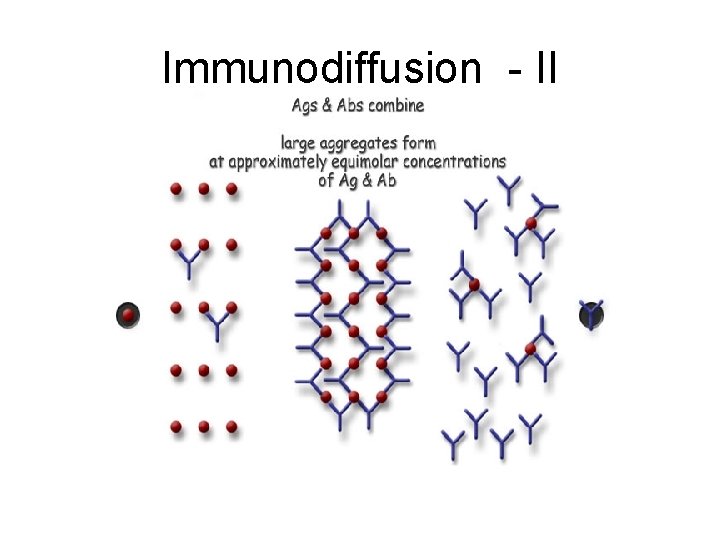
Immunodiffusion - II
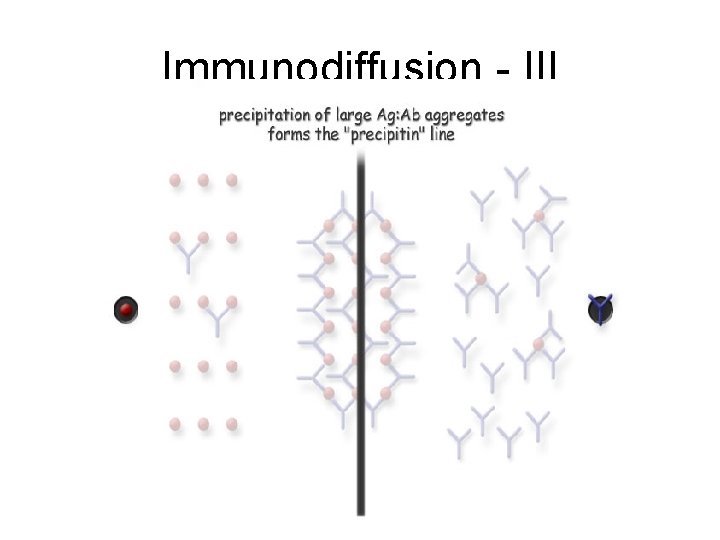
Immunodiffusion - III
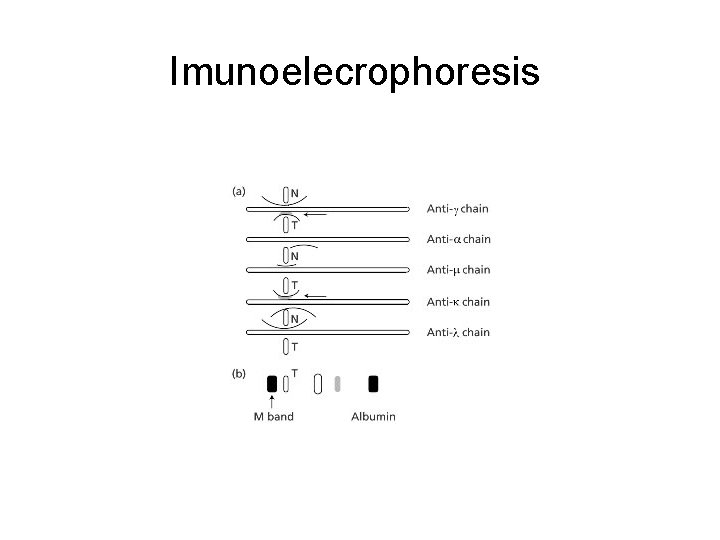
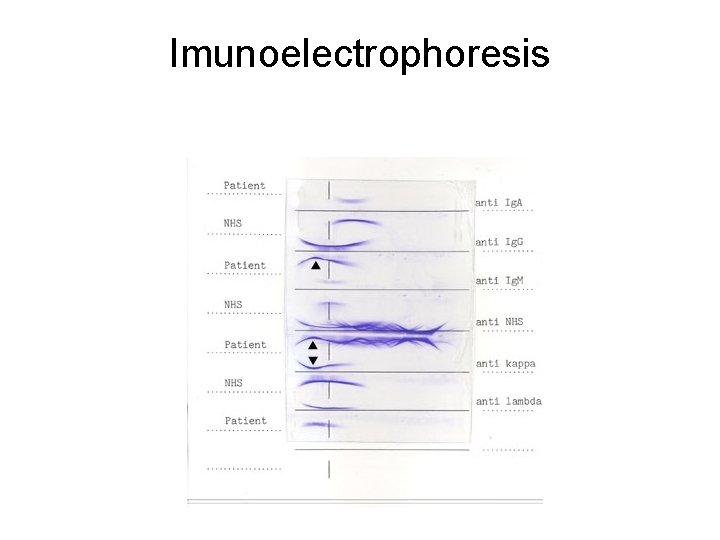
Imunoelecrophoresis
Imunoelectrophoresis (Ig. G Kappa praprotein)
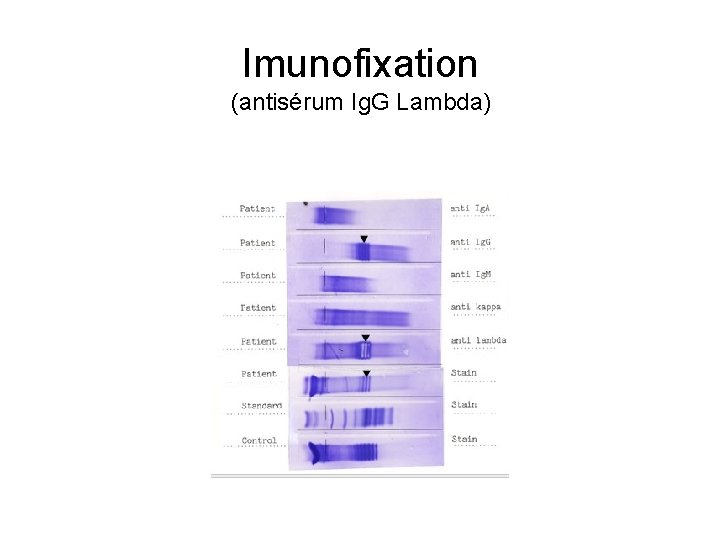
Imunofixation (antisérum Ig. G Lambda)
Paraproteins • Monoglonal immunoglobulins in human serum. • Malignat – in myleoma • Benign – mainly in old people, patients with chronic inflammation, idopatic (MGUS – monoclonal gammapathy of unknown significance) • Detected by imunoelectrophoresis, immunofixation