Hume Of the Standard of Taste Portrait of

- Slides: 25
Hume Of the Standard of Taste
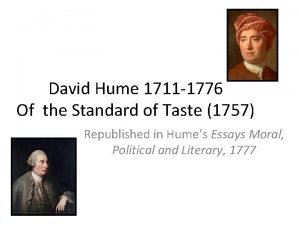
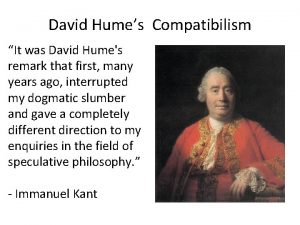
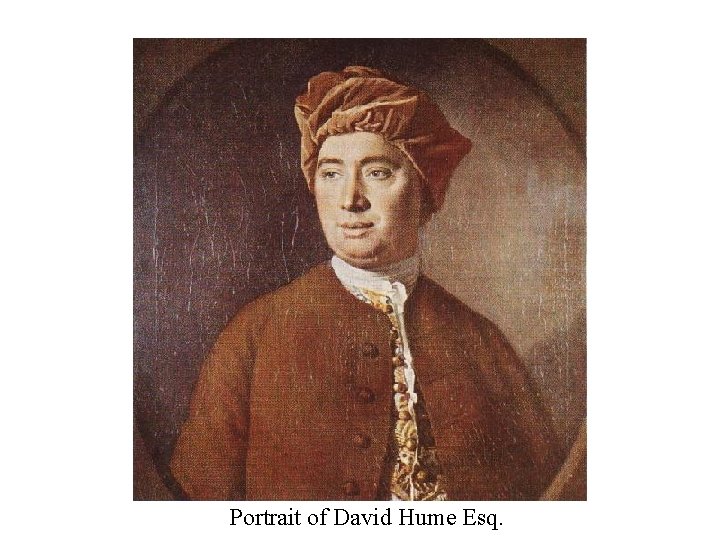
Portrait of David Hume Esq.
Career • • 1711 -1776, educated in Edinburgh Treatise of Human Nature (1739 -40) Essays Moral Political and Literary (1751) Enquiry concerning Human Understanding (1748) • Dialogues concerning Natural Religion (1779) • Of the Standard of Taste (1757)
Of the Standard of Taste • Hume’s best known treatise on aesthetics • Taste was a fashionable subject in the 18 th century • The idea of an inner sense • Tries to resolve the contradiction between subjectivity and objectivity in judgements of taste
The problem • There is no standard of taste (individuality) • Taste concerns our sentiments, not the intrinsic nature of the object • No one can be wrong in matters of taste • Yet some people are better judges in matters of art than others and some works more recognised than others • There is a standard of taste (authority)
The essay • Relativity of taste – Taste and opinion – Taste and moral sentiments • Two views of taste – A species of philosophy vs. Common sense • Rules derived from experience • Conditions of proper appreciation • Two sources of variation
Relativity (variety) of taste • Taste and opinion • Taste and morality
Two views of taste • A species of philosophy • Common sense
A species of philosophy • Judgement (intellect, reason) • Sentiment (feeling, instinct)
Difference • Opinions refer to matters of fact • Sentiments refer to themselves • Only one opinion may be right • All sentiments are right
Subjectivity of aesthetic judgements When I say: How this is beautiful! I mean: I have a certain feeling! The judgement is not about anything in the object but about my own inner state of mind
Why are sentiments right? • They do not represent what is really in the object • They mark a certain relation between the object and the mind • Example: Colours
Common sense • Some authors are better than others • Some critics are better than others
Explanation • The aesthetic qualities are derived from qualities in the objects • Intrinsic qualities in the objects cause a certain feeling in the subject • But the aesthetic qualities are not in the object • Everything depends upon the reception
Hume’s position • Judgements of taste are subjective – Describe the emotional attitude of the individual – Do not describe real qualities of things • And based on experience – Not on any a-priori rules or principles – But experience can reveal uniformities
Where do standards come from? • Experience reveals certain rules of art • General conformity in what has pleased mankind in all ages and countries • Not agreement on everything • Depends on conditions of appreciation
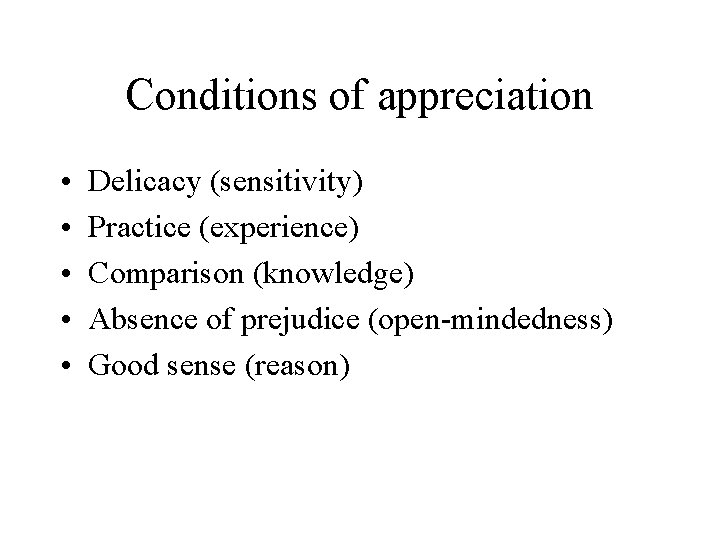
Conditions of appreciation • • • Delicacy (sensitivity) Practice (experience) Comparison (knowledge) Absence of prejudice (open-mindedness) Good sense (reason)
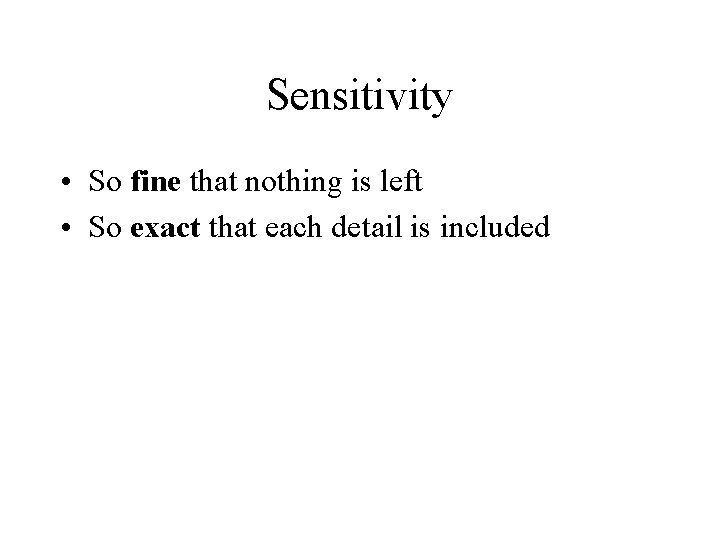
Sensitivity • So fine that nothing is left • So exact that each detail is included
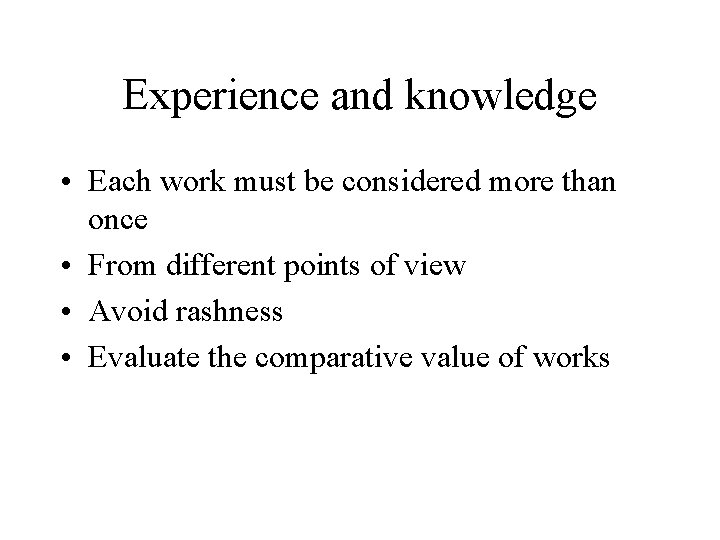
Experience and knowledge • Each work must be considered more than once • From different points of view • Avoid rashness • Evaluate the comparative value of works
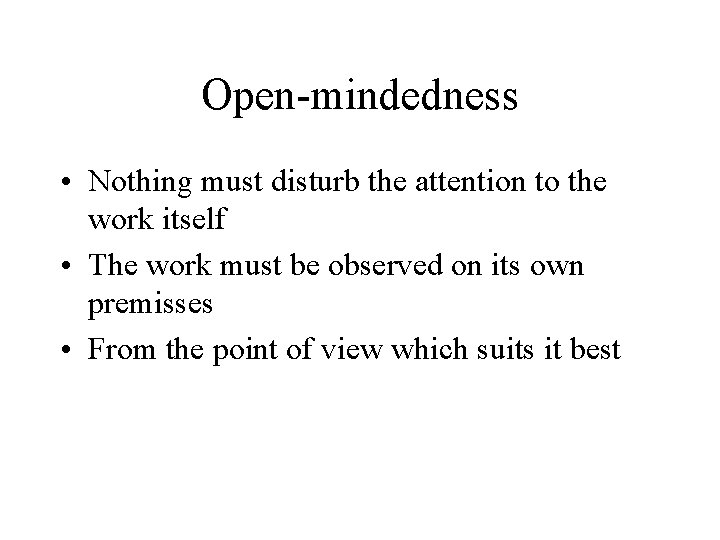
Open-mindedness • Nothing must disturb the attention to the work itself • The work must be observed on its own premisses • From the point of view which suits it best
Reason • Prevents the effect of prejudice • Considers the structure of the work – (harmony and unity of the whole) • Discovers the purpose of the work of art – (if and how it achieves that purpose)
Variation • Personality and temperement • Cultural and historical context
Hume’s paradox • Good art is the one that good critics estimate to be good • A good critic is one who can appreciate good art
Kant on the same subject • Subjective • Universal • Disinterested pleasure – Not from: Gratification – Not from: Purpose – Not from: Moral laudability
Bourdieu on taste • Socially acquiered (habitus) not natural • Serves as mark of “distinction”