HCV Screening and Linkage to Care Program in







- Slides: 42
HCV Screening and Linkage to Care Program in a Pharmacy Setting Conveying the Urgency of HCV Testing 1
How to Talk about Hepatitis C Testing 2
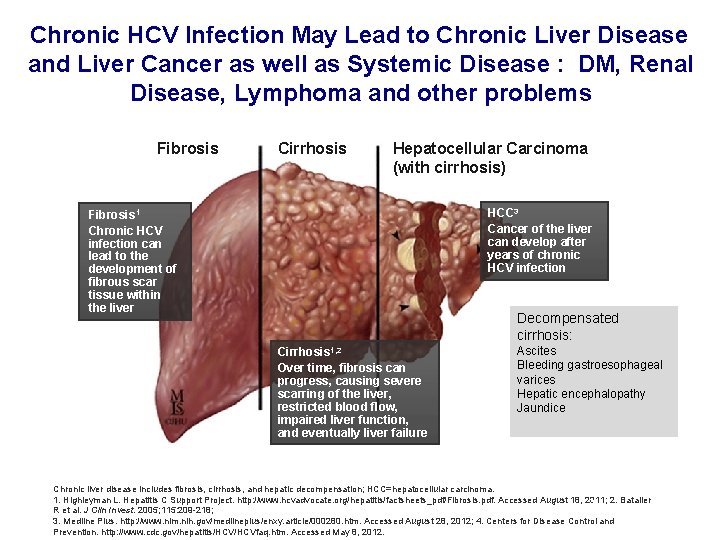
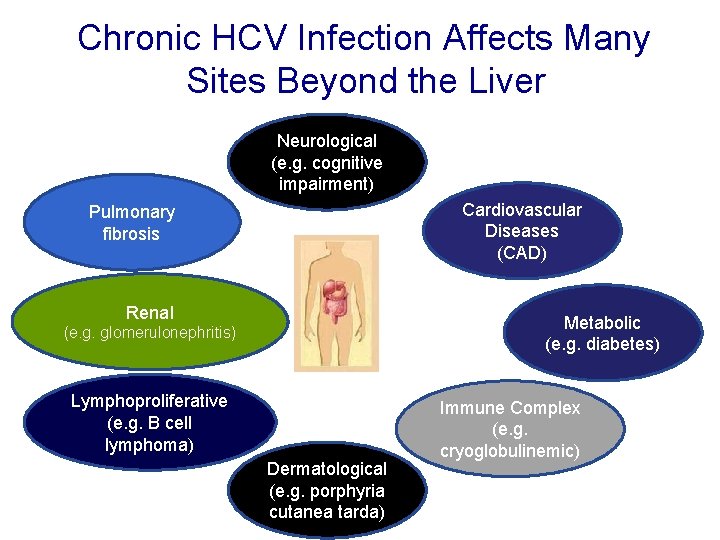
Chronic HCV Infection May Lead to Chronic Liver Disease and Liver Cancer as well as Systemic Disease : DM, Renal Disease, Lymphoma and other problems Fibrosis Cirrhosis Hepatocellular Carcinoma (with cirrhosis) HCC 3 Cancer of the liver can develop after years of chronic HCV infection Fibrosis 1 Chronic HCV infection can lead to the development of fibrous scar tissue within the liver Decompensated cirrhosis: Cirrhosis 1, 2 Over time, fibrosis can progress, causing severe scarring of the liver, restricted blood flow, impaired liver function, and eventually liver failure Ascites Bleeding gastroesophageal varices Hepatic encephalopathy Jaundice Chronic liver disease includes fibrosis, cirrhosis, and hepatic decompensation; HCC=hepatocellular carcinoma. 1. Highleyman L. Hepatitis C Support Project. http: //www. hcvadvocate. org/hepatitis/factsheets_pdf/Fibrosis. pdf. Accessed August 18, 2011; 2. Bataller 3 R et al. J Clin Invest. 2005; 115: 209 -218; 3. Medline Plus. http: //www. nlm. nih. gov/medlineplus/enxy. article/000280. htm. Accessed August 28, 2012; 4. Centers for Disease Control and Prevention. http: //www. cdc. gov/hepatitis/HCVfaq. htm. Accessed May 8, 2012.
Chronic HCV Infection Affects Many Sites Beyond the Liver Neurological (e. g. cognitive impairment) Cardiovascular Diseases (CAD) Pulmonary fibrosis Renal Metabolic (e. g. diabetes) (e. g. glomerulonephritis) Lymphoproliferative (e. g. B cell lymphoma) Dermatological (e. g. porphyria cutanea tarda) Immune Complex (e. g. cryoglobulinemic)
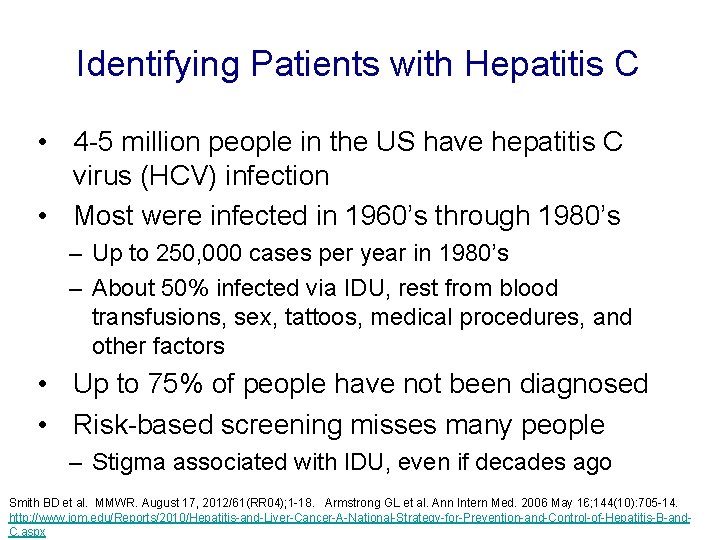
Identifying Patients with Hepatitis C • 4 -5 million people in the US have hepatitis C virus (HCV) infection • Most were infected in 1960’s through 1980’s – Up to 250, 000 cases per year in 1980’s – About 50% infected via IDU, rest from blood transfusions, sex, tattoos, medical procedures, and other factors • Up to 75% of people have not been diagnosed • Risk-based screening misses many people – Stigma associated with IDU, even if decades ago Smith BD et al. MMWR. August 17, 2012/61(RR 04); 1 -18. Armstrong GL et al. Ann Intern Med. 2006 May 16; 144(10): 705 -14. 5 http: //www. iom. edu/Reports/2010/Hepatitis-and-Liver-Cancer-A-National-Strategy-for-Prevention-and-Control-of-Hepatitis-B-and. C. aspx
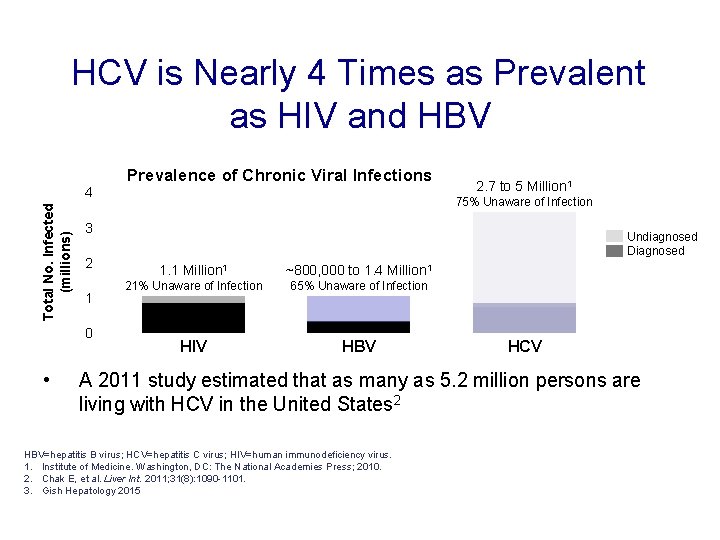
HCV is Nearly 4 Times as Prevalent as HIV and HBV Total No. Infected (millions) 4 2. 7 to 5 Million 1 75% Unaware of Infection 3 2 1 0 • Prevalence of Chronic Viral Infections Undiagnosed Diagnosed 1. 1 Million 1 ~800, 000 to 1. 4 Million 1 21% Unaware of Infection 65% Unaware of Infection HIV HBV HCV A 2011 study estimated that as many as 5. 2 million persons are living with HCV in the United States 2 HBV=hepatitis B virus; HCV=hepatitis C virus; HIV=human immunodeficiency virus. 1. Institute of Medicine. Washington, DC: The National Academies Press; 2010. 2. Chak E, et al. Liver Int. 2011; 31(8): 1090 -1101. 3. Gish Hepatology 2015
Efficient Identification of Patients with HCV 50 million “risk identified” or ~80 million 19451965 cohort who need to be tested for HCV in US 1 4 -5 million people with HCV in US 25% diagnosed with HCV Treatment and Management Improve Diagnosis 1 Tomaszewski 7 Am J Public Health 2012; 102 (11): e 101
Current Status of HCV in the US: Screening and Linkage to Care Rates Remain Low US population with chronic HCV infection 3. 2 -5 million HCV detected 1. 6 million (25 -50%) Referred to care 1. 0 – 1. 2 million (<32%-38%) HCV RNA test 630, 000 – 750, 000 (<20 -23%) Liver biopsy 380, 000 – 560, 000 (<12%-18%) Treated 220, 000 – 360, 000 (<7 -11%) Successfully treated 170, 000 – 200, 000 (<5 -6%) As modified from: Holmberg SD et al, New Engl J Med. 2013; 1859 -1861. as modfied with Gish Hepatology 2015
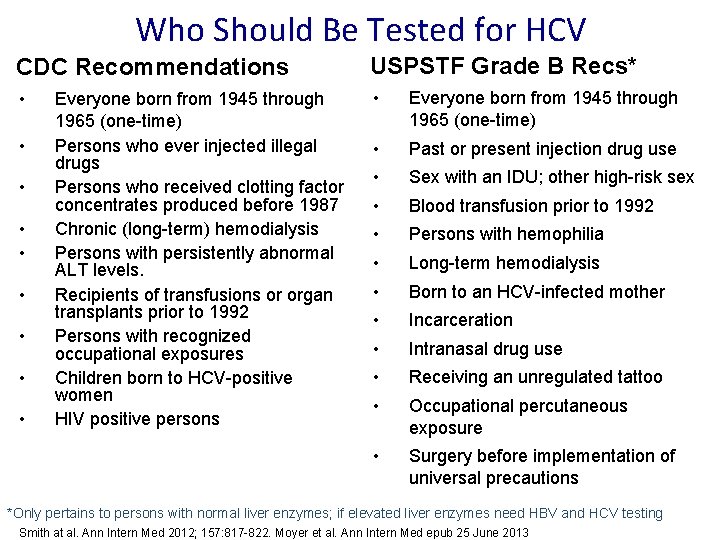
Who Should Be Tested for HCV CDC Recommendations USPSTF Grade B Recs* • • Everyone born from 1945 through 1965 (one-time) • Past or present injection drug use • Sex with an IDU; other high-risk sex • Blood transfusion prior to 1992 • Persons with hemophilia • Long-term hemodialysis • Born to an HCV-infected mother • Incarceration • Intranasal drug use • Receiving an unregulated tattoo • Occupational percutaneous exposure • Surgery before implementation of universal precautions • • Everyone born from 1945 through 1965 (one-time) Persons who ever injected illegal drugs Persons who received clotting factor concentrates produced before 1987 Chronic (long-term) hemodialysis Persons with persistently abnormal ALT levels. Recipients of transfusions or organ transplants prior to 1992 Persons with recognized occupational exposures Children born to HCV-positive women HIV positive persons 9 *Only pertains to persons with normal liver enzymes; if elevated liver enzymes need HBV and HCV testing Smith at al. Ann Intern Med 2012; 157: 817 -822. Moyer et al. Ann Intern Med epub 25 June 2013
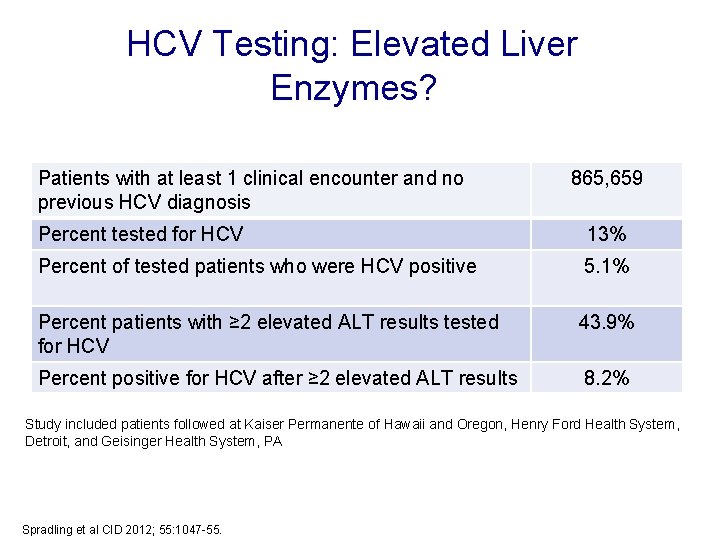
HCV Testing: Elevated Liver Enzymes? Patients with at least 1 clinical encounter and no previous HCV diagnosis 865, 659 Percent tested for HCV 13% Percent of tested patients who were HCV positive 5. 1% Percent patients with ≥ 2 elevated ALT results tested for HCV 43. 9% Percent positive for HCV after ≥ 2 elevated ALT results 8. 2% Study included patients followed at Kaiser Permanente of Hawaii and Oregon, Henry Ford Health System, Detroit, and Geisinger Health System, PA 10 Spradling et al CID 2012; 55: 1047 -55.
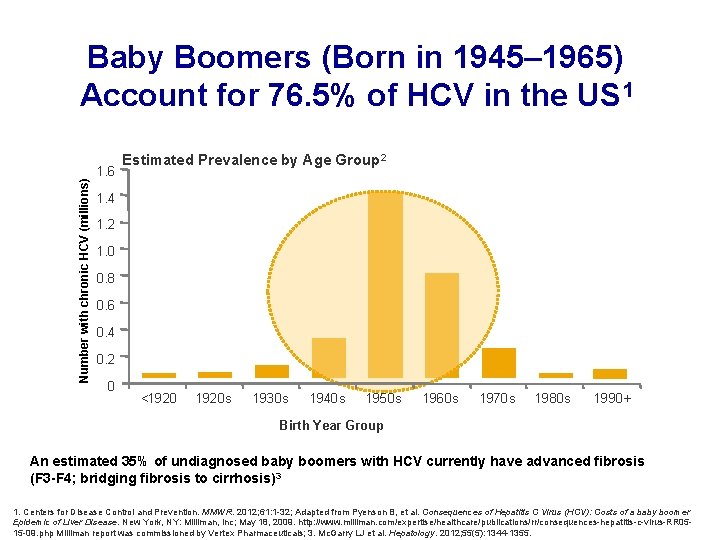
Number with chronic HCV (millions) Baby Boomers (Born in 1945– 1965) Account for 76. 5% of HCV in the US 1 1. 6 Estimated Prevalence by Age Group 2 1. 4 1. 2 1. 0 0. 8 0. 6 0. 4 0. 2 0 <1920 s 1930 s 1940 s 1950 s 1960 s 1970 s 1980 s 1990+ Birth Year Group An estimated 35% of undiagnosed baby boomers with HCV currently have advanced fibrosis (F 3 -F 4; bridging fibrosis to cirrhosis)3 11 1. Centers for Disease Control and Prevention. MMWR. 2012; 61: 1 -32; Adapted from Pyenson B, et al. Consequences of Hepatitis C Virus (HCV): Costs of a baby boomer Epidemic of Liver Disease. New York, NY: Milliman, Inc; May 18, 2009. http: //www. milliman. com/expertise/healthcare/publications/rr/consequences-hepatitis-c-virus-RR 0515 -09. php Milliman report was commissioned by Vertex Pharmaceuticals; 3. Mc. Garry LJ et al. Hepatology. 2012; 55(5): 1344 -1355.
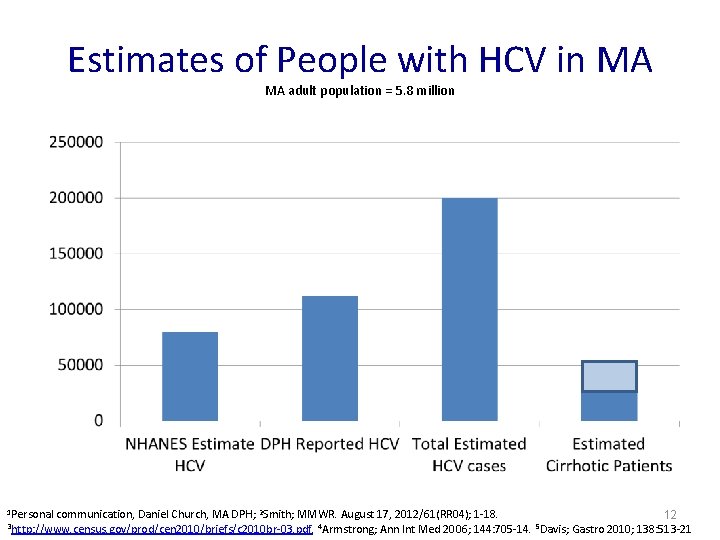
Estimates of People with HCV in MA MA adult population = 5. 8 million 1 Personal communication, Daniel Church, MA DPH; 2 Smith; MMWR. August 17, 2012/61(RR 04); 1 -18. 12 3 http: //www. census. gov/prod/cen 2010/briefs/c 2010 br-03. pdf. 4 Armstrong; Ann Int Med 2006; 144: 705 -14. 5 Davis; Gastro 2010; 138: 513 -21
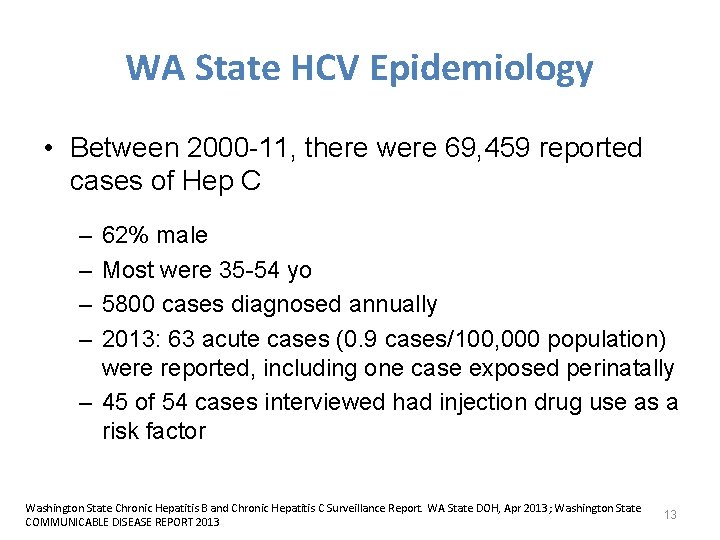
WA State HCV Epidemiology • Between 2000 -11, there were 69, 459 reported cases of Hep C – – 62% male Most were 35 -54 yo 5800 cases diagnosed annually 2013: 63 acute cases (0. 9 cases/100, 000 population) were reported, including one case exposed perinatally – 45 of 54 cases interviewed had injection drug use as a risk factor Washington State Chronic Hepatitis B and Chronic Hepatitis C Surveillance Report. WA State DOH, Apr 2013; Washington State COMMUNICABLE DISEASE REPORT 2013 13
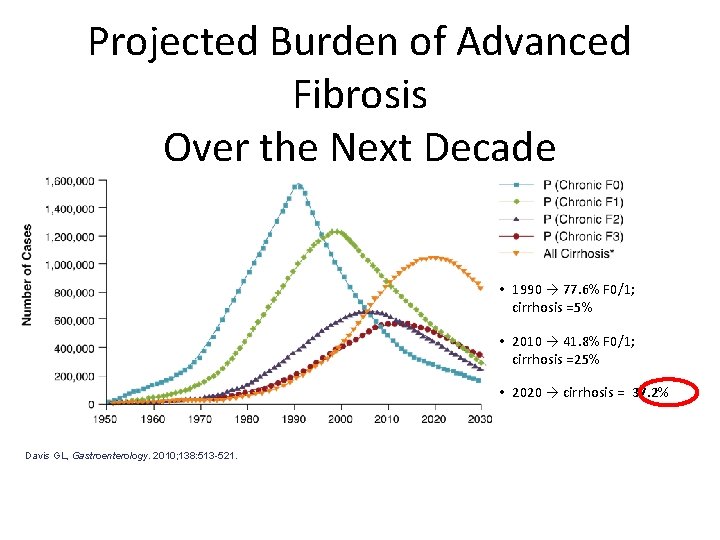
Projected Burden of Advanced Fibrosis Over the Next Decade • 1990 → 77. 6% F 0/1; cirrhosis =5% • 2010 → 41. 8% F 0/1; cirrhosis =25% • 2020 → cirrhosis = 37. 2% Davis GL, Gastroenterology. 2010; 138: 513 -521.
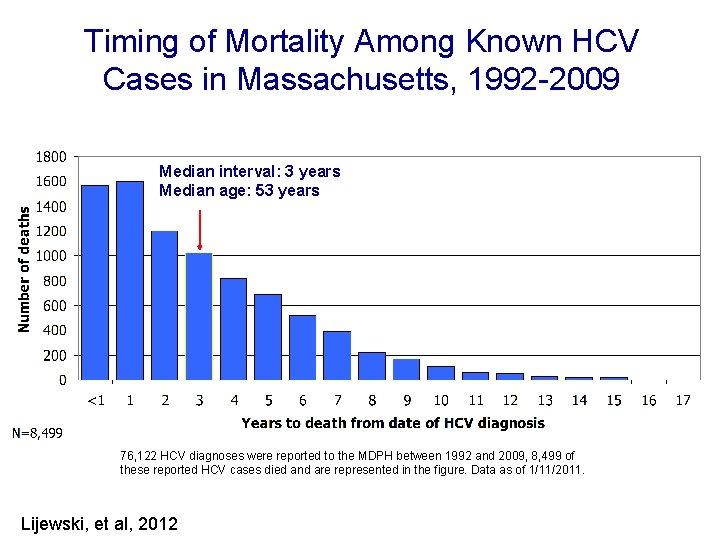
Timing of Mortality Among Known HCV Cases in Massachusetts, 1992 -2009 Median interval: 3 years Median age: 53 years 76, 122 HCV diagnoses were reported to the MDPH between 1992 and 2009, 8, 499 of these reported HCV cases died and are represented in the figure. Data as of 1/11/2011. 15 Lijewski, et al, 2012
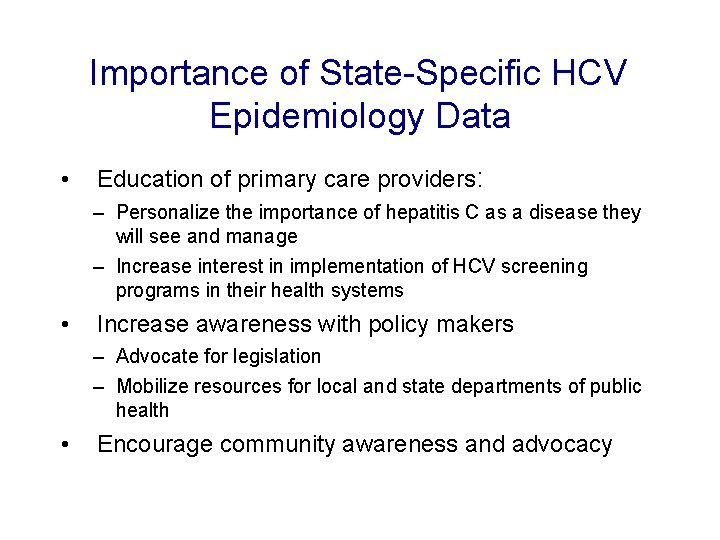
Importance of State-Specific HCV Epidemiology Data • Education of primary care providers: – Personalize the importance of hepatitis C as a disease they will see and manage – Increase interest in implementation of HCV screening programs in their health systems • Increase awareness with policy makers – Advocate for legislation – Mobilize resources for local and state departments of public health • Encourage community awareness and advocacy 16
State-Level Hepatitis C Data • State viral hepatitis coordinators spear-head state-level research with minimal resources • NVHR is helping NASTAD showcase hepatitis C data by state 17
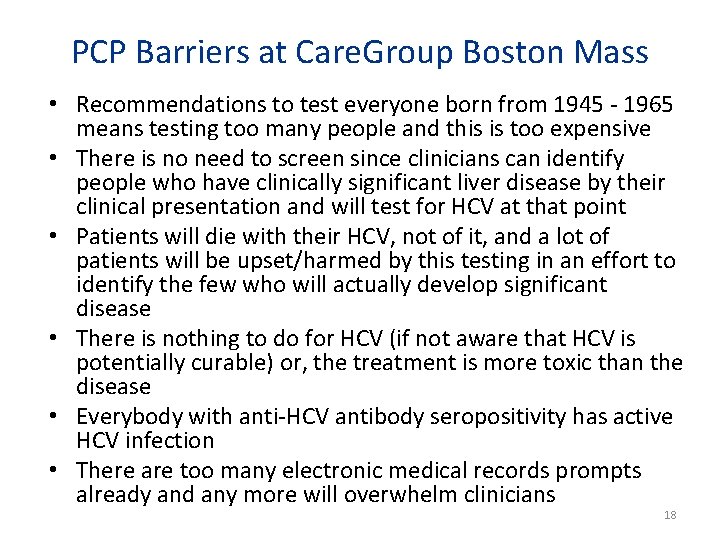
PCP Barriers at Care. Group Boston Mass • Recommendations to test everyone born from 1945 - 1965 means testing too many people and this is too expensive • There is no need to screen since clinicians can identify people who have clinically significant liver disease by their clinical presentation and will test for HCV at that point • Patients will die with their HCV, not of it, and a lot of patients will be upset/harmed by this testing in an effort to identify the few who will actually develop significant disease • There is nothing to do for HCV (if not aware that HCV is potentially curable) or, the treatment is more toxic than the disease • Everybody with anti-HCV antibody seropositivity has active HCV infection • There are too many electronic medical records prompts already and any more will overwhelm clinicians 18
Steps to Implement Birth Cohort HCV Testing • Core team: Pharmacy, Primary Care, Infectious Disease, Hepatology, Database Management, and Clinical Pathology 19
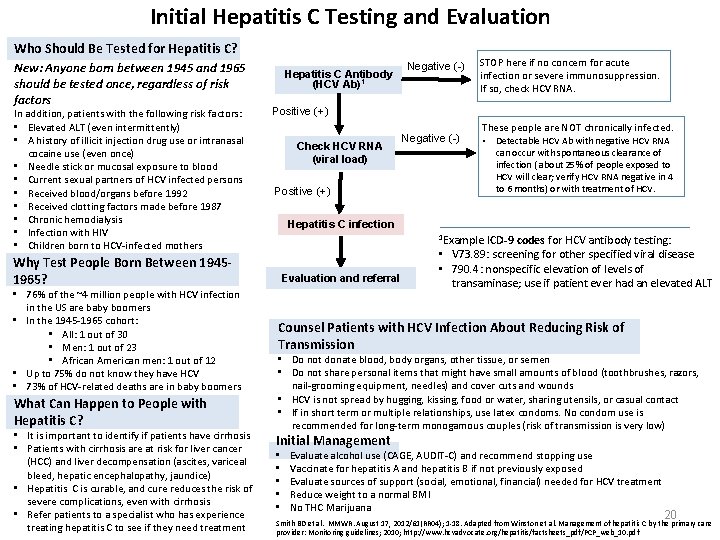
Initial Hepatitis C Testing and Evaluation Who Should Be Tested for Hepatitis C? New: Anyone born between 1945 and 1965 should be tested once, regardless of risk factors In addition, patients with the following risk factors: • Elevated ALT (even intermittently) • A history of illicit injection drug use or intranasal cocaine use (even once) • Needle stick or mucosal exposure to blood • Current sexual partners of HCV infected persons • Received blood/organs before 1992 • Received clotting factors made before 1987 • Chronic hemodialysis • Infection with HIV • Children born to HCV-infected mothers Hepatitis C Antibody (HCV Ab)1 What Can Happen to People with Hepatitis C? • It is important to identify if patients have cirrhosis • Patients with cirrhosis are at risk for liver cancer (HCC) and liver decompensation (ascites, variceal bleed, hepatic encephalopathy, jaundice) • Hepatitis C is curable, and cure reduces the risk of severe complications, even with cirrhosis • Refer patients to a specialist who has experience treating hepatitis C to see if they need treatment STOP here if no concern for acute infection or severe immunosuppression. If so, check HCV RNA. Positive (+) Check HCV RNA (viral load) Negative (-) These people are NOT chronically infected. • Detectable HCV Ab with negative HCV RNA can occur with spontaneous clearance of infection ( about 25% of people exposed to HCV will clear; verify HCV RNA negative in 4 to 6 months) or with treatment of HCV. Positive (+) Hepatitis C infection 1 Example Why Test People Born Between 19451965? • 76% of the ~4 million people with HCV infection in the US are baby boomers • In the 1945 -1965 cohort: • All: 1 out of 30 • Men: 1 out of 23 • African American men: 1 out of 12 • Up to 75% do not know they have HCV • 73% of HCV-related deaths are in baby boomers Negative (-) Evaluation and referral ICD-9 codes for HCV antibody testing: • V 73. 89: screening for other specified viral disease • 790. 4: nonspecific elevation of levels of transaminase; use if patient ever had an elevated ALT Counsel Patients with HCV Infection About Reducing Risk of Transmission • Do not donate blood, body organs, other tissue, or semen • Do not share personal items that might have small amounts of blood (toothbrushes, razors, nail-grooming equipment, needles) and cover cuts and wounds • HCV is not spread by hugging, kissing, food or water, sharing utensils, or casual contact • If in short term or multiple relationships, use latex condoms. No condom use is recommended for long-term monogamous couples (risk of transmission is very low) Initial Management • • • Evaluate alcohol use (CAGE, AUDIT-C) and recommend stopping use Vaccinate for hepatitis A and hepatitis B if not previously exposed Evaluate sources of support (social, emotional, financial) needed for HCV treatment Reduce weight to a normal BMI No THC Marijuana 20 Smith BD et al. MMWR. August 17, 2012/61(RR 04); 1 -18. Adapted from Winston et al. Management of hepatitis C by the primary care provider: Monitoring guidelines; 2010; http: //www. hcvadvocate. org/hepatitis/factsheets_pdf/PCP_web_10. pdf
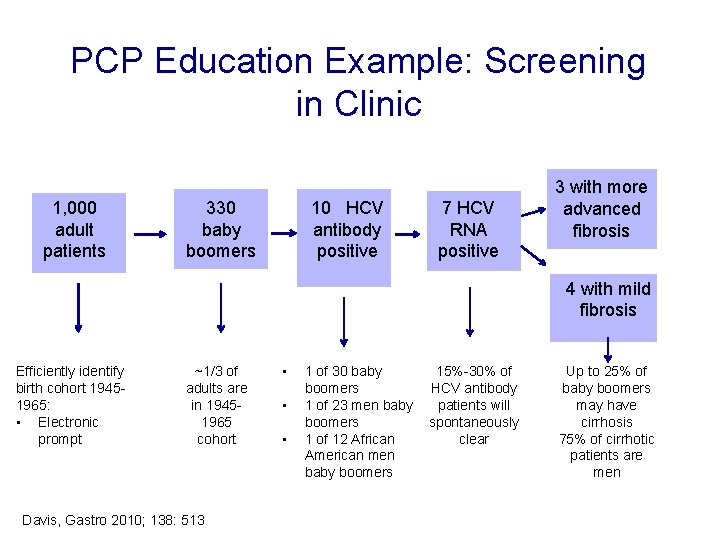
PCP Education Example: Screening in Clinic 1, 000 adult patients 330 baby boomers 10 HCV antibody positive 7 HCV RNA positive 3 with more advanced fibrosis 4 with mild fibrosis Efficiently identify birth cohort 19451965: • Electronic prompt ~1/3 of adults are in 19451965 cohort • • • 1 of 30 baby 15%-30% of boomers HCV antibody 1 of 23 men baby patients will boomers spontaneously 1 of 12 African clear American men baby boomers Up to 25% of baby boomers may have cirrhosis 75% of cirrhotic patients are men 21 Davis, Gastro 2010; 138: 513
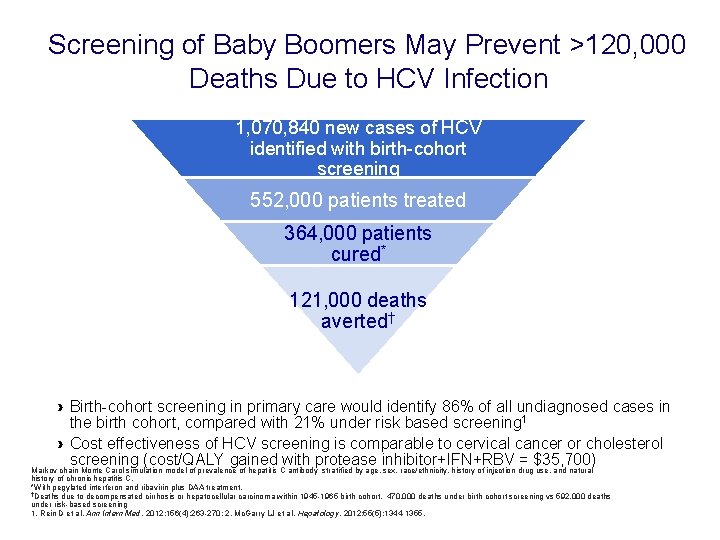
Screening of Baby Boomers May Prevent >120, 000 Deaths Due to HCV Infection 1, 070, 840 new cases of HCV identified with birth-cohort screening 552, 000 patients treated 364, 000 patients cured* 121, 000 deaths averted† › Birth-cohort screening in primary care would identify 86% of all undiagnosed cases in the birth cohort, compared with 21% under risk based screening 1 › Cost effectiveness of HCV screening is comparable to cervical cancer or cholesterol screening (cost/QALY gained with protease inhibitor+IFN+RBV = $35, 700) Markov chain Monte Carol simulation model of prevalence of hepatitis C antibody stratified by age, sex, race/ethnicity, history of injection drug use, and natural history of chronic hepatitis C. *With pegylated interferon and ribavirin plus DAA treatment. †Deaths due to decompensated cirrhosis or hepatocellular carcinoma within 1945 -1965 birth cohort. 470, 000 deaths under birth cohort screening vs 592, 000 deaths under risk-based screening 1. Rein D et al. Ann Intern Med. 2012; 156(4): 263 -270; 2. Mc. Garry LJ et al. Hepatology. 2012; 55(5): 1344 -1355. 22
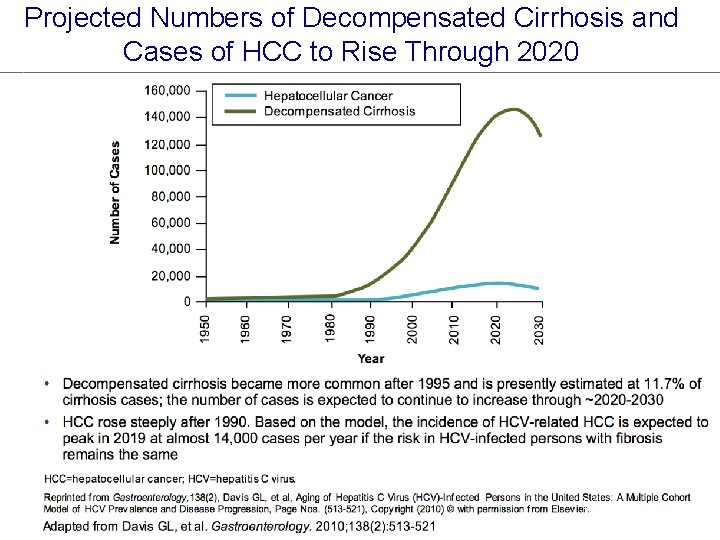
Projected Numbers of Decompensated Cirrhosis and Cases of HCC to Rise Through 2020 23
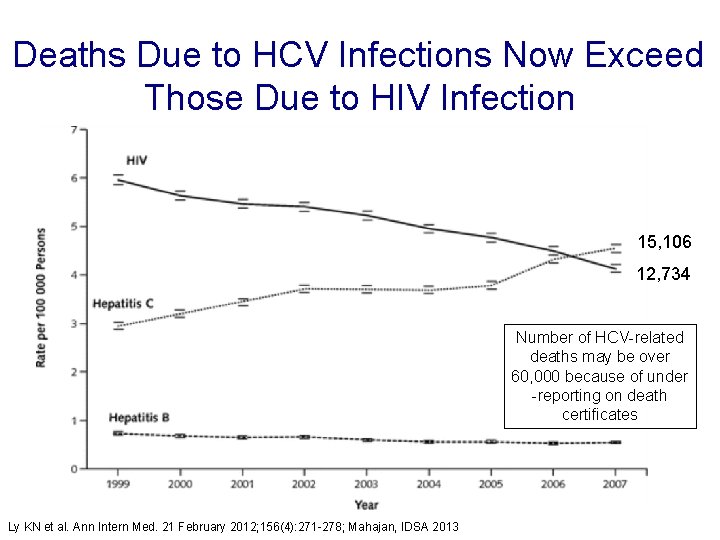
Deaths Due to HCV Infections Now Exceed Those Due to HIV Infection 15, 106 12, 734 Number of HCV-related deaths may be over 60, 000 because of under -reporting on death certificates Ly KN et al. Ann Intern Med. 21 February 2012; 156(4): 271 -278; Mahajan, IDSA 2013 24
The best way to reduce the likelihood that someone will develop severe complications of hepatitis C is to cure the infection 25
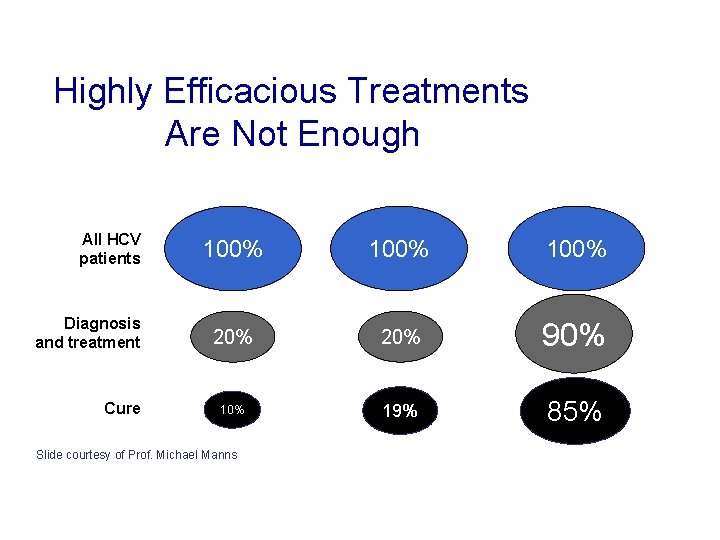
Highly Efficacious Treatments Are Not Enough All HCV patients Diagnosis and treatment Cure PEG-IFN/RBV 95% SVR and higher rates of diagnosis/treatment 100% 20% 90% 19% 85% Slide courtesy of Prof. Michael Manns
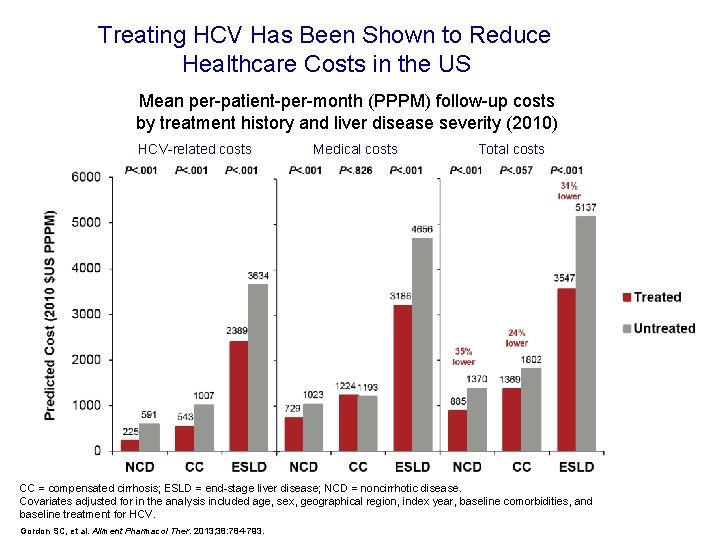
Treating HCV Has Been Shown to Reduce Healthcare Costs in the US Mean per-patient-per-month (PPPM) follow-up costs by treatment history and liver disease severity (2010) HCV-related costs Medical costs Total costs CC = compensated cirrhosis; ESLD = end-stage liver disease; NCD = noncirrhotic disease. Covariates adjusted for in the analysis included age, sex, geographical region, index year, baseline comorbidities, and baseline treatment for HCV. Gordon SC, et al. Aliment Pharmacol Ther. 2013; 38: 784 -793. 27
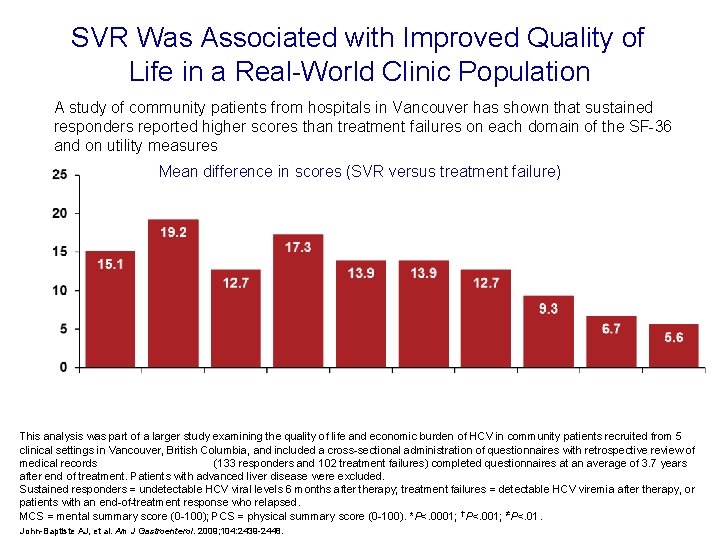
SVR Was Associated with Improved Quality of Life in a Real-World Clinic Population A study of community patients from hospitals in Vancouver has shown that sustained responders reported higher scores than treatment failures on each domain of the SF-36 and on utility measures Mean Difference Mean difference in scores (SVR versus treatment failure) * * † † † * Bodily Pain General Physical Role Social Health Functioning Emotional Functioning Vitality Mental Health PCS ≠ MCS SF-36 Scales This analysis was part of a larger study examining the quality of life and economic burden of HCV in community patients recruited from 5 clinical settings in Vancouver, British Columbia, and included a cross-sectional administration of questionnaires with retrospective review of medical records. Of these, 235 patients (133 responders and 102 treatment failures) completed questionnaires at an average of 3. 7 years after end of treatment. Patients with advanced liver disease were excluded. Sustained responders = undetectable HCV viral levels 6 months after therapy; treatment failures = detectable HCV viremia after therapy, or patients with an end-of-treatment response who relapsed. MCS = mental summary score (0 -100); PCS = physical summary score (0 -100). *P<. 0001; †P<. 001; ≠P<. 01. John-Baptiste AJ, et al. Am J Gastroenterol. 2009; 104: 2439 -2448. 28
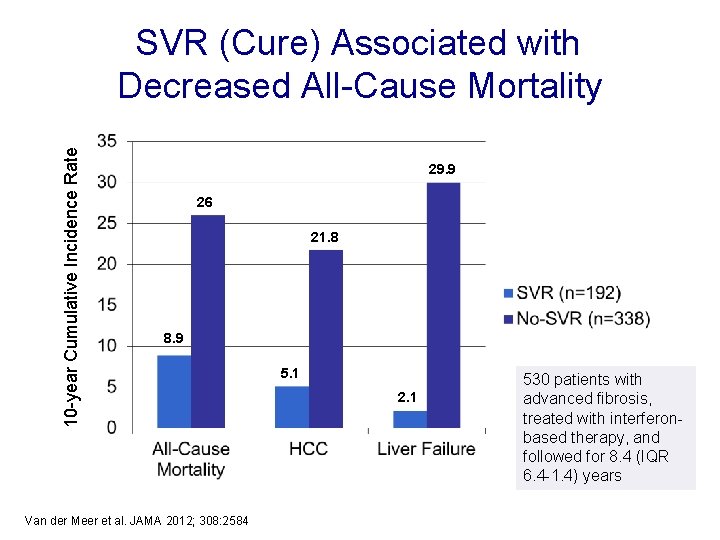
10 -year Cumulative Incidence Rate SVR (Cure) Associated with Decreased All-Cause Mortality 29. 9 26 21. 8 8. 9 5. 1 2. 1 530 patients with advanced fibrosis, treated with interferonbased therapy, and followed for 8. 4 (IQR 6. 4 -1. 4) years 29 Van der Meer et al. JAMA 2012; 308: 2584
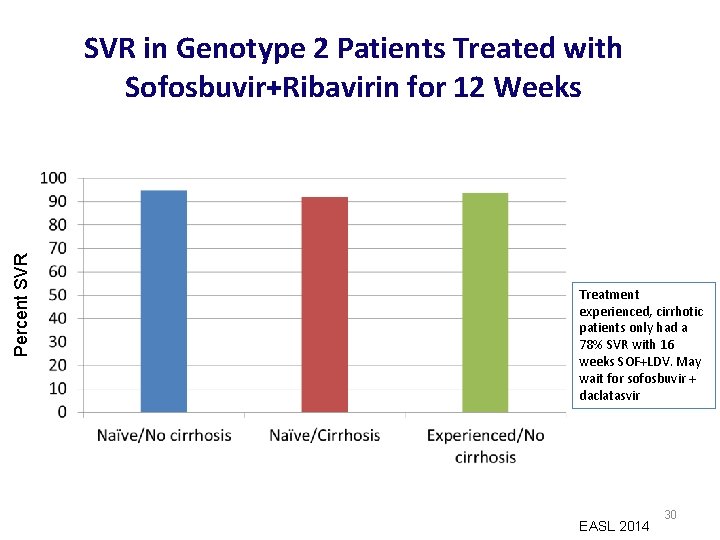
Percent SVR in Genotype 2 Patients Treated with Sofosbuvir+Ribavirin for 12 Weeks Treatment experienced, cirrhotic patients only had a 78% SVR with 16 weeks SOF+LDV. May wait for sofosbuvir + daclatasvir EASL 2014 30
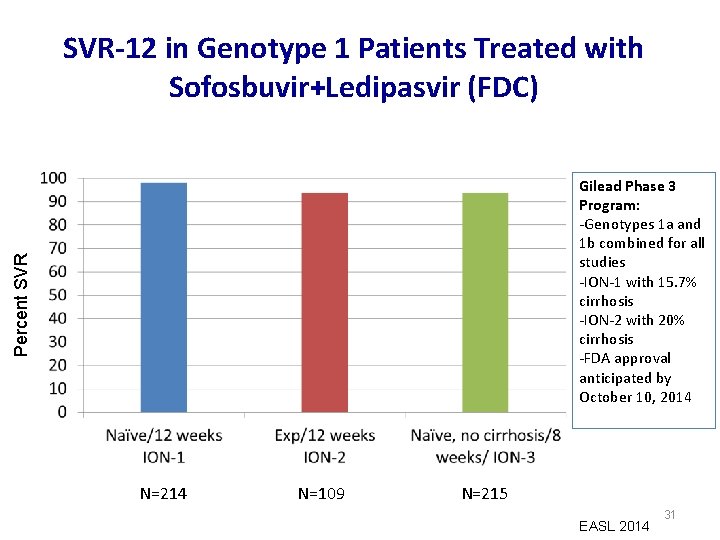
SVR-12 in Genotype 1 Patients Treated with Sofosbuvir+Ledipasvir (FDC) Percent SVR Gilead Phase 3 Program: -Genotypes 1 a and 1 b combined for all studies -ION-1 with 15. 7% cirrhosis -ION-2 with 20% cirrhosis -FDA approval anticipated by October 10, 2014 N=214 N=109 N=215 EASL 2014 31
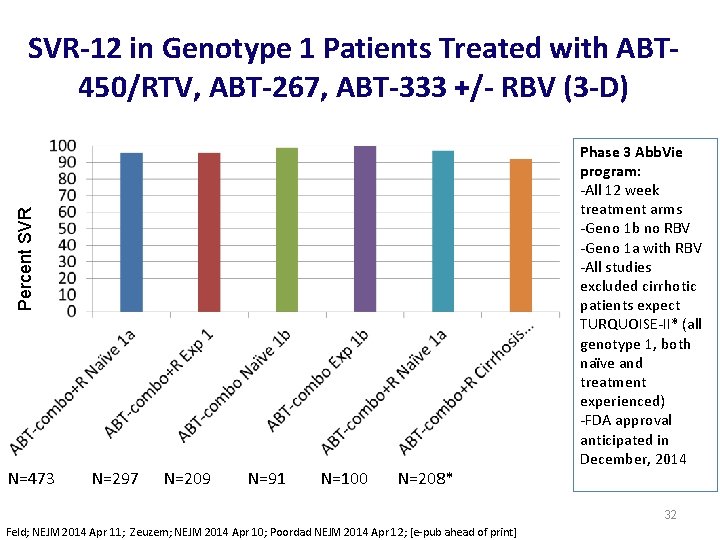
Percent SVR-12 in Genotype 1 Patients Treated with ABT 450/RTV, ABT-267, ABT-333 +/- RBV (3 -D) N=473 N=297 N=209 N=91 N=100 N=208* Phase 3 Abb. Vie program: -All 12 week treatment arms -Geno 1 b no RBV -Geno 1 a with RBV -All studies excluded cirrhotic patients expect TURQUOISE-II* (all genotype 1, both naïve and treatment experienced) -FDA approval anticipated in December, 2014 32 Feld; NEJM 2014 Apr 11; Zeuzem; NEJM 2014 Apr 10; Poordad NEJM 2014 Apr 12; [e-pub ahead of print]
Other Tools • Test and counsel ! 33
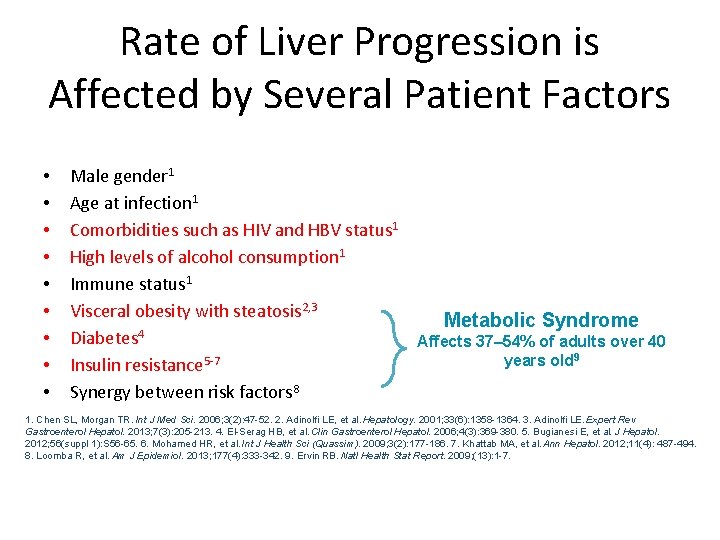
Rate of Liver Progression is Affected by Several Patient Factors • • • Male gender 1 Age at infection 1 Comorbidities such as HIV and HBV status 1 High levels of alcohol consumption 1 Immune status 1 Visceral obesity with steatosis 2, 3 Metabolic Syndrome 4 Diabetes Affects 37– 54% of adults over 40 years old 9 Insulin resistance 5 -7 Synergy between risk factors 8 1. Chen SL, Morgan TR. Int J Med Sci. 2006; 3(2): 47 -52. 2. Adinolfi LE, et al. Hepatology. 2001; 33(6): 1358 -1364. 3. Adinolfi LE. Expert Rev Gastroenterol Hepatol. 2013; 7(3): 205 -213. 4. El-Serag HB, et al. Clin Gastroenterol Hepatol. 2006; 4(3): 369 -380. 5. Bugianesi E, et al. J Hepatol. 2012; 56(suppl 1): S 56 -65. 6. Mohamed HR, et al. Int J Health Sci (Quassim). 2009; 3(2): 177 -186. 7. Khattab MA, et al. Ann Hepatol. 2012; 11(4): 487 -494. 8. Loomba R, et al. Am J Epidemiol. 2013; 177(4): 333 -342. 9. Ervin RB. Natl Health Stat Report. 2009; (13): 1 -7.
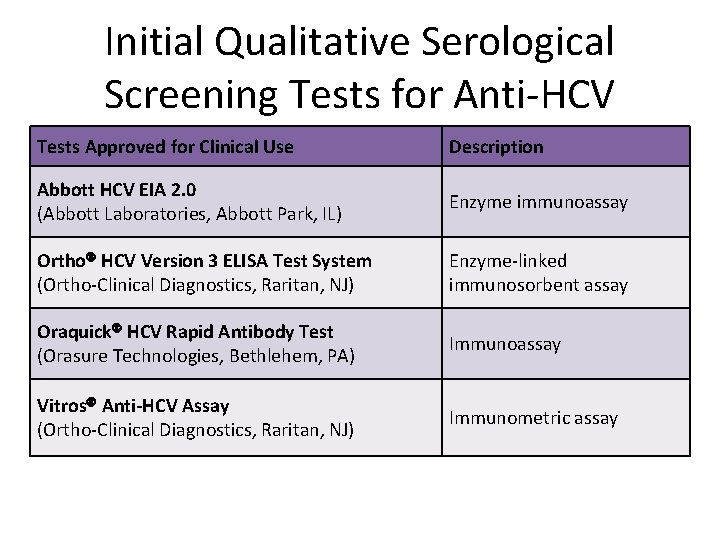
Initial Qualitative Serological Screening Tests for Anti-HCV Tests Approved for Clinical Use Description Abbott HCV EIA 2. 0 (Abbott Laboratories, Abbott Park, IL) Enzyme immunoassay Ortho HCV Version 3 ELISA Test System (Ortho-Clinical Diagnostics, Raritan, NJ) Enzyme-linked immunosorbent assay Oraquick HCV Rapid Antibody Test (Orasure Technologies, Bethlehem, PA) Immunoassay Vitros Anti-HCV Assay (Ortho-Clinical Diagnostics, Raritan, NJ) Immunometric assay Adapted from Albeldawi M et al. Cleve Clin J Med 2010; 77: 616 -626. Oraquick available at http: //www. fda. gov/default. htm. Accessed 12/4/14.
Rapid, Point of Care HCV Antibody Test • Ora. Quick – Only test approved by FDA in the US for use in detecting HCV antibodies in venous whole blood specimens – Provides results in 20 minutes – Appropriate for use in physician offices, ERs, and public health clinics and facilities – Allows patient to not be lost to follow-up Available et al http: //www. accessdata. fda. gov/cdrh_docs/pdf 8/P 080027 c. pdf. Accessed 12/4/14.
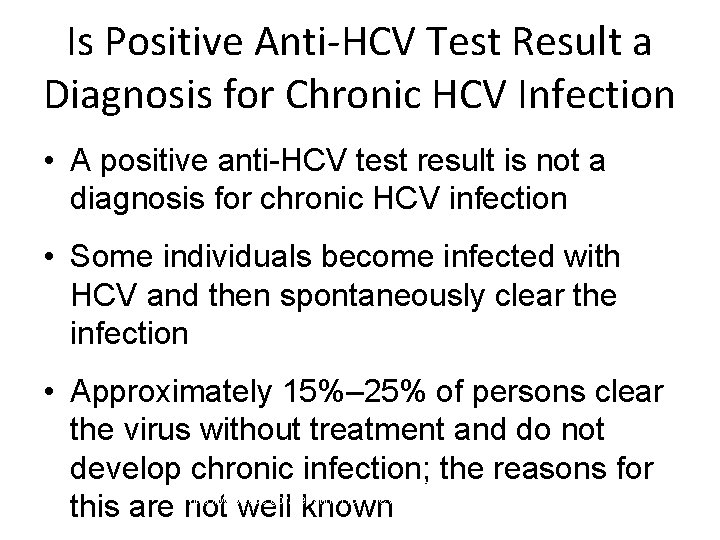
Is Positive Anti-HCV Test Result a Diagnosis for Chronic HCV Infection • A positive anti-HCV test result is not a diagnosis for chronic HCV infection • Some individuals become infected with HCV and then spontaneously clear the infection • Approximately 15%– 25% of persons clear the virus without treatment and do not develop chronic infection; the reasons for this are not well known Centers for Disease Control and Prevention. Available at http: //www. cdc. gov/hepatitis/HCVfaq. htm. Accessed 12/4/14.
Positive HCV Ab Test Should be Confirmed With a HCV RNA Assay
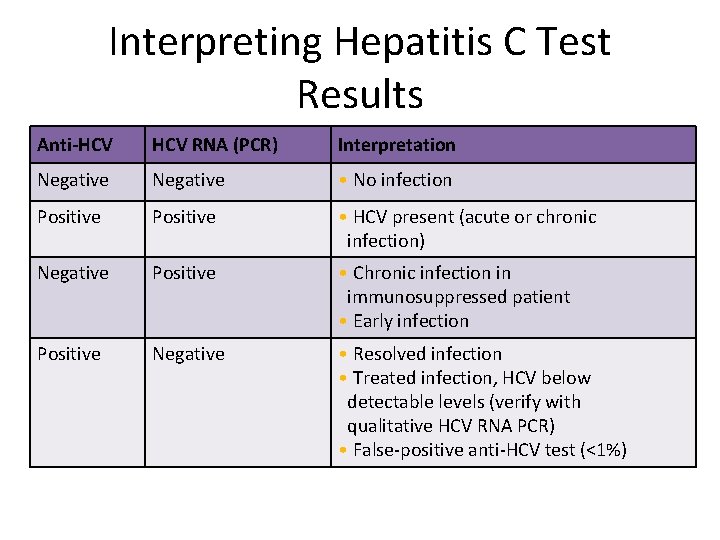
Interpreting Hepatitis C Test Results Anti-HCV RNA (PCR) Interpretation Negative • No infection Positive • HCV present (acute or chronic infection) Negative Positive • Chronic infection in immunosuppressed patient • Early infection Positive Negative • Resolved infection • Treated infection, HCV below detectable levels (verify with qualitative HCV RNA PCR) • False-positive anti-HCV test (<1%) Albeldawi M et al. Cleve Clin J Med 2010; 77: 616 -626.
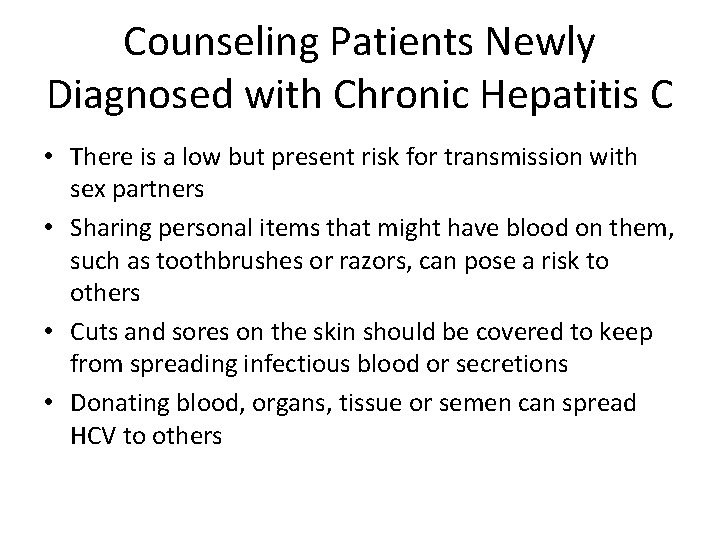
Counseling Patients Newly Diagnosed with Chronic Hepatitis C • There is a low but present risk for transmission with sex partners • Sharing personal items that might have blood on them, such as toothbrushes or razors, can pose a risk to others • Cuts and sores on the skin should be covered to keep from spreading infectious blood or secretions • Donating blood, organs, tissue or semen can spread HCV to others Centers for Disease Control and Prevention. Available at http: //www. cdc. gov/hepatitis/HCVfaq. htm. Accessed 12/4/14.
Counseling Patients Newly Diagnosed with Chronic Hepatitis C (cont) • Avoid alcohol because it can accelerate cirrhosis and end-stage liver disease • Check with a health professional before taking any prescription pills, over-the-counter drugs (such as analgesics), or supplements as these can potentially damage the liver • Get vaccinated for HBV and HAV Centers for Disease Control and Prevention. Available at http: //www. cdc. gov/hepatitis/HCVfaq. htm. Accessed 12/4/14.
Link to Care For Those Found to be HCV RNA Positive is Essential • The first step in the management of HCV is appropriate linkage to care • Link to care is evaluation by a practitioner who is prepared to provide comprehensive management, including consideration of antiviral therapy • Treatment is recommended for patients with chronic HCV infection • HCV-positive persons should be evaluated (by referral or consultation, if appropriate) for the presence of advanced fibrosis. This: – facilitates an appropriate decision regarding HCV treatment strategy – determines the need for initiating additional screening measures (eg, hepatocellular carcinoma [HCC] screening) Available at http: //www. hcvguidelines. org/full-report/hcv-testing-and-linkage-care. Accessed 12/4/14.