Food safety why the game has changed Delia
- Slides: 14
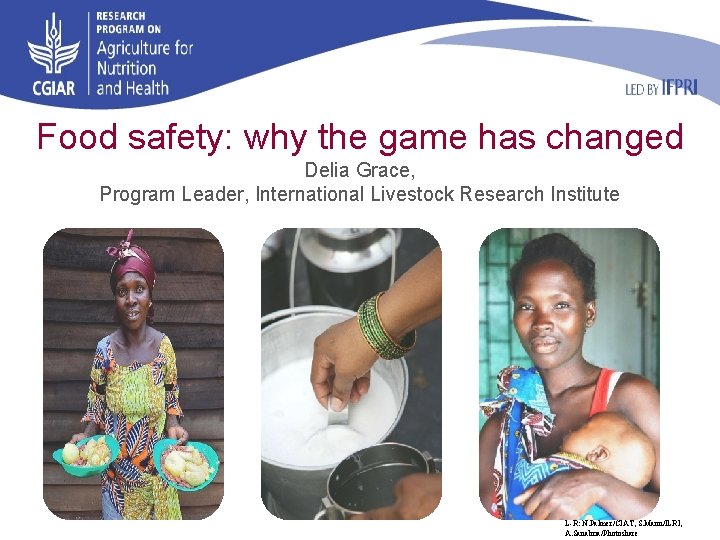
Food safety: why the game has changed Delia Grace, Program Leader, International Livestock Research Institute L-R: N. Palmer/CIAT, S. Mann/ILRI, A. Sanabria/Photoshare
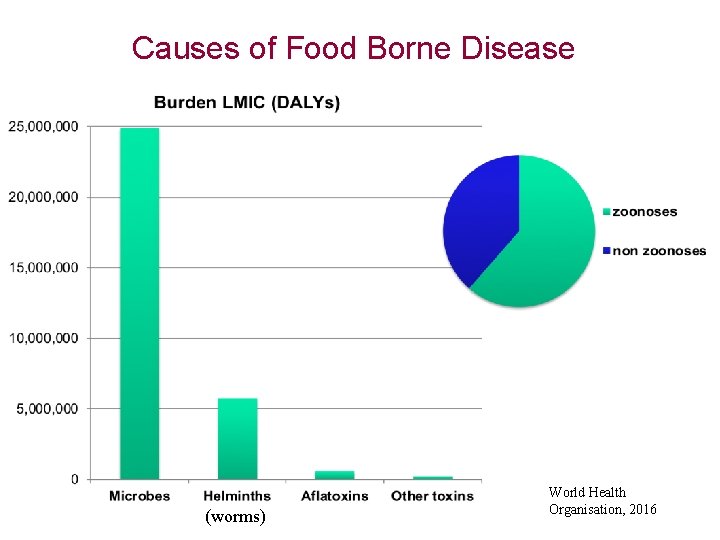
Causes of Food Borne Disease (worms) World Health Organisation, 2016
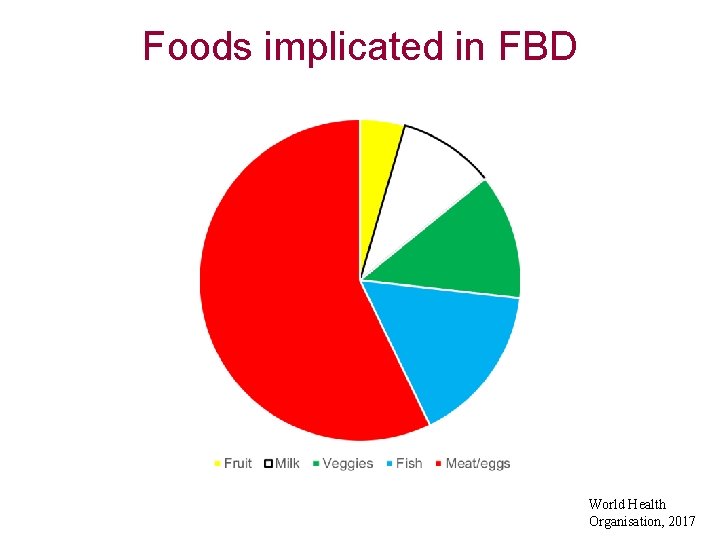
Foods implicated in FBD World Health Organisation, 2017
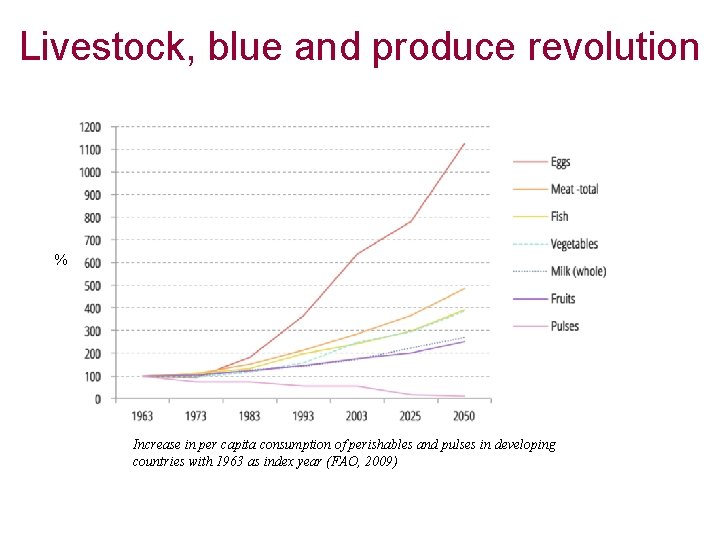
Livestock, blue and produce revolution % Increase in per capita consumption of perishables and pulses in developing countries with 1963 as index year (FAO, 2009)
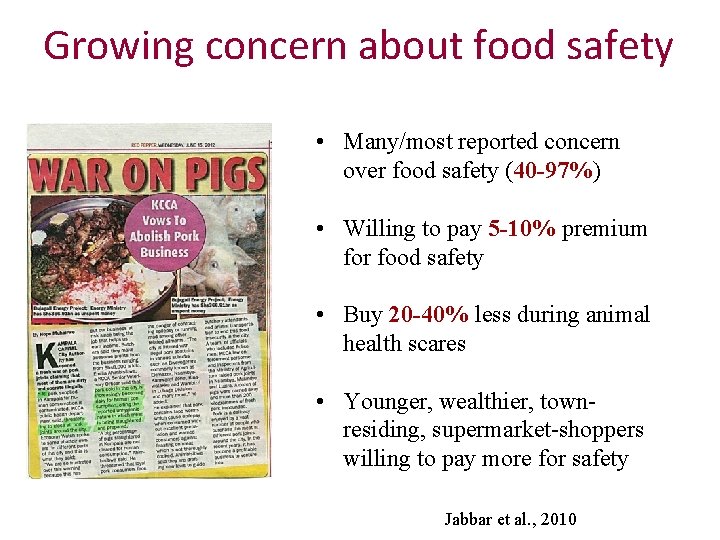
Growing concern about food safety • Many/most reported concern over food safety (40 -97%) • Willing to pay 5 -10% premium for food safety • Buy 20 -40% less during animal health scares • Younger, wealthier, townresiding, supermarket-shoppers willing to pay more for safety Jabbar et al. , 2010
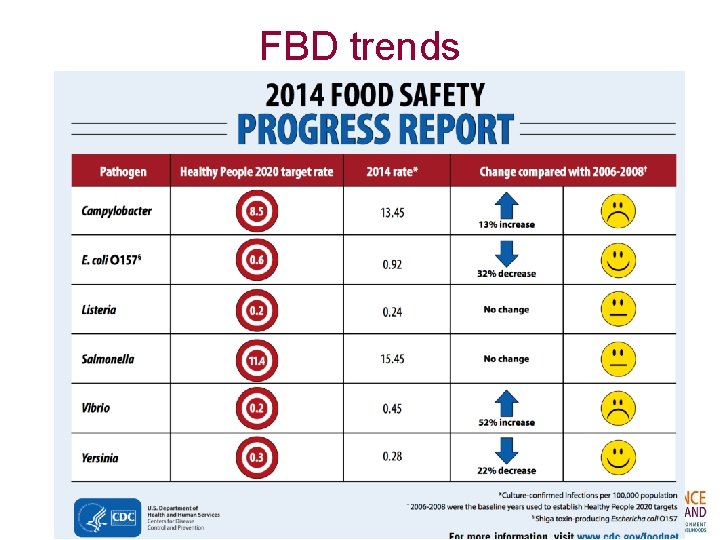
FBD trends
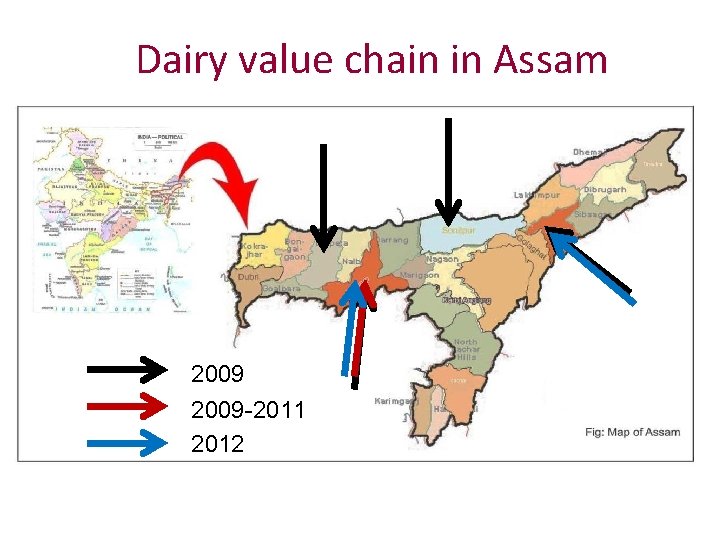
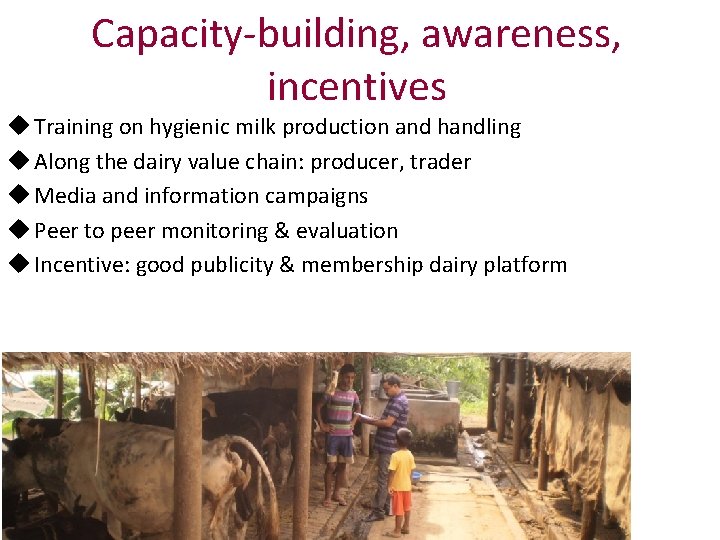
Dairy value chain in Assam Ø Concerns about milk quality in Assam Ø Training to promote knowledge and hygiene amongst producers and traders 2009 -2011 2012 7
Capacity-building, awareness, incentives u Training on hygienic milk production and handling u Along the dairy value chain: producer, trader u Media and information campaigns u Peer to peer monitoring & evaluation u Incentive: good publicity & membership dairy platform 8
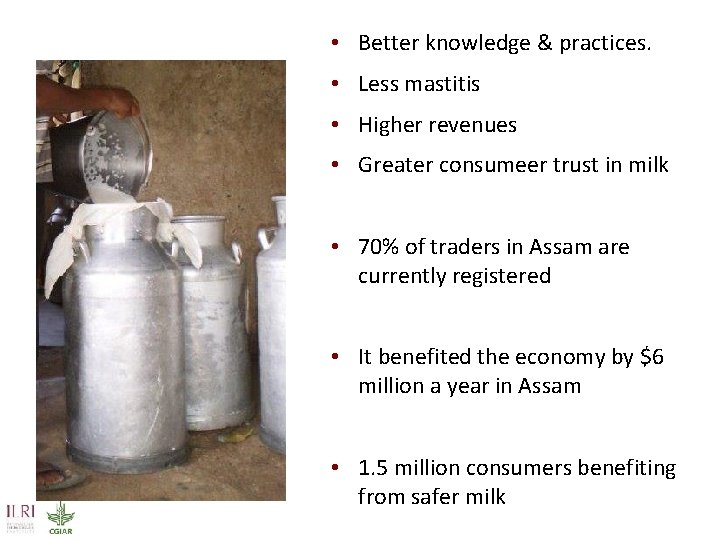
• Better knowledge & practices. • Less mastitis • Higher revenues • Greater consumeer trust in milk • 70% of traders in Assam are currently registered • It benefited the economy by $6 million a year in Assam • 1. 5 million consumers benefiting from safer milk
10
11
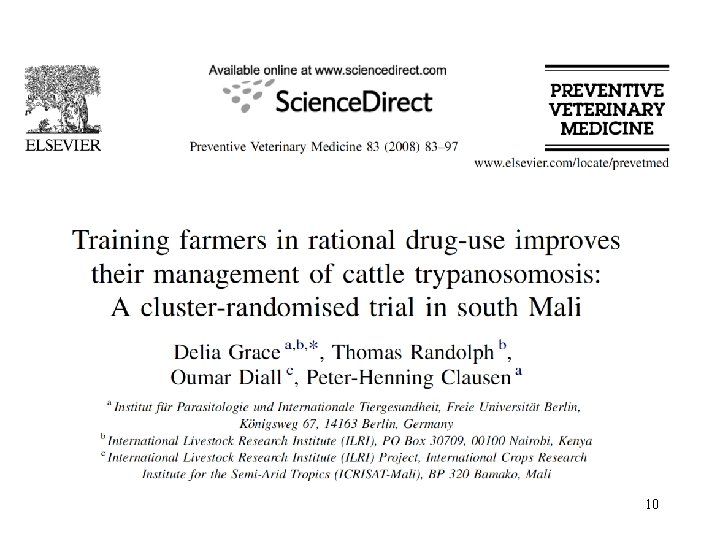
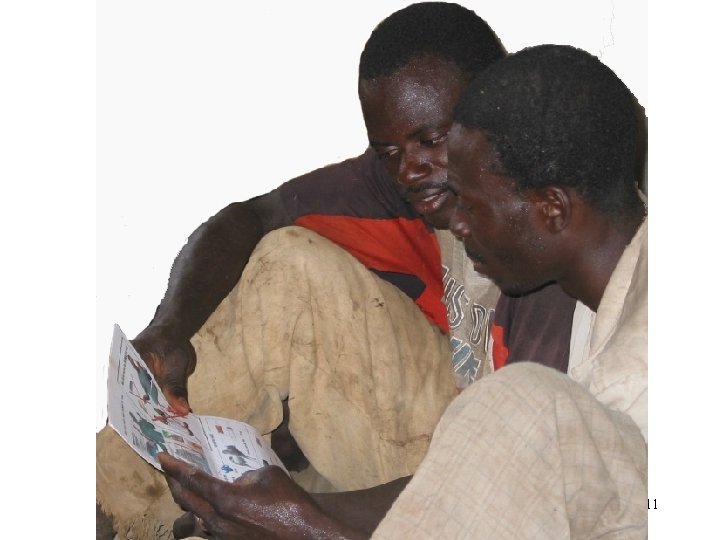
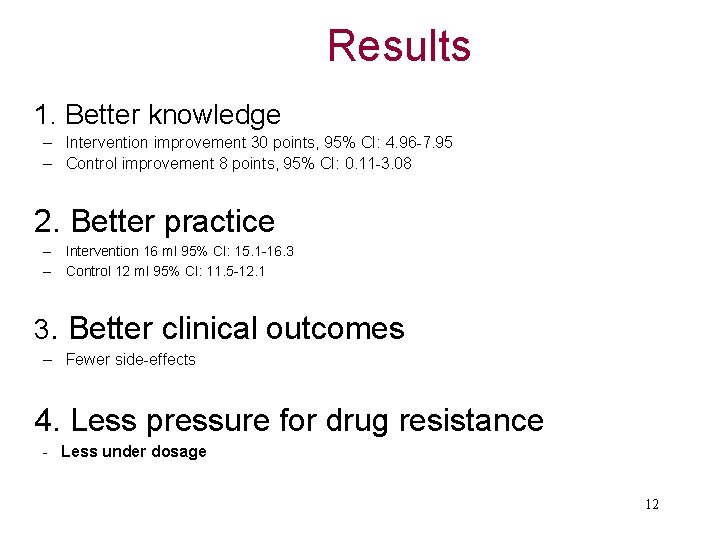
Results Ø 1. Better knowledge – Intervention improvement 30 points, 95% CI: 4. 96 -7. 95 – Control improvement 8 points, 95% CI: 0. 11 -3. 08 Ø 2. Better practice – Intervention 16 ml 95% CI: 15. 1 -16. 3 – Control 12 ml 95% CI: 11. 5 -12. 1 Ø 3. Better clinical outcomes – Fewer side-effects Ø 4. Less pressure for drug resistance - Less under dosage 12
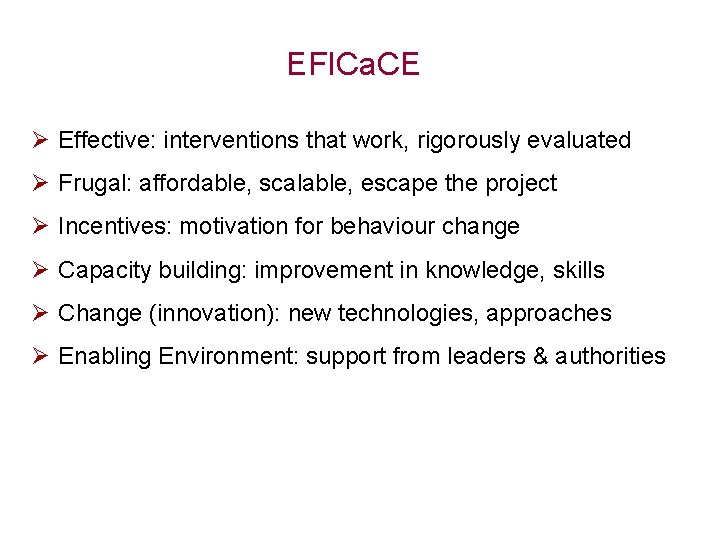
EFICa. CE Ø Effective: interventions that work, rigorously evaluated Ø Frugal: affordable, scalable, escape the project Ø Incentives: motivation for behaviour change Ø Capacity building: improvement in knowledge, skills Ø Change (innovation): new technologies, approaches Ø Enabling Environment: support from leaders & authorities
M. Hasan, c/o Photoshare a 4 nh. cgiar. org