Fitting E A RTM Foam Earplugs E H
- Slides: 22
Fitting E • A • RTM Foam Earplugs E. H. Berger Division Scientist, Occupational Health & Environmental Safety Division
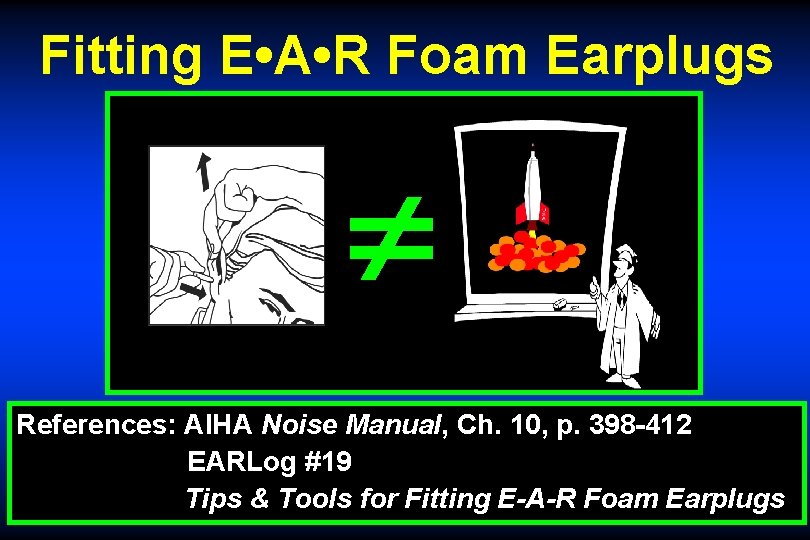
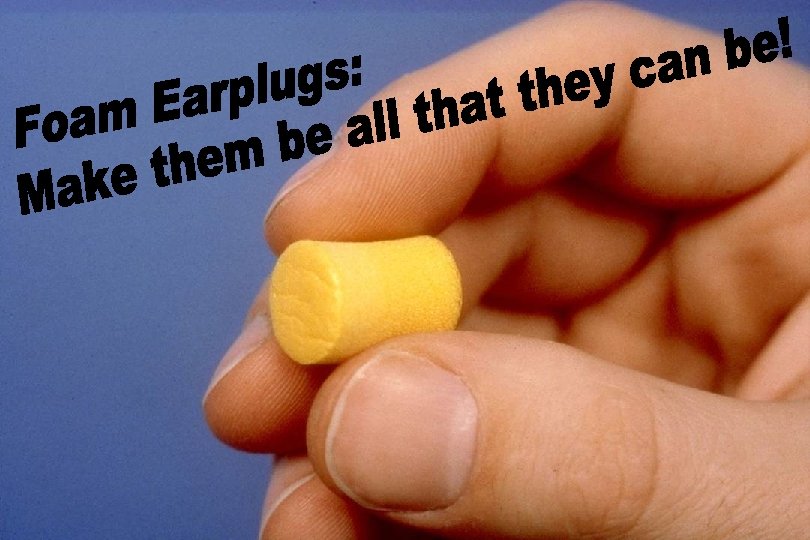
Fitting E • A • R Foam Earplugs ¹ References: AIHA Noise Manual, Ch. 10, p. 398 -412 EARLog #19 Tips & Tools for Fitting E-A-R Foam Earplugs
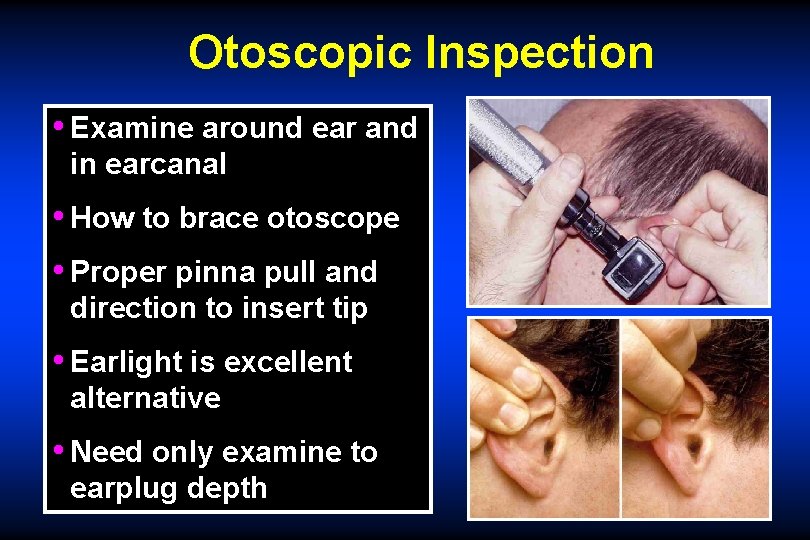
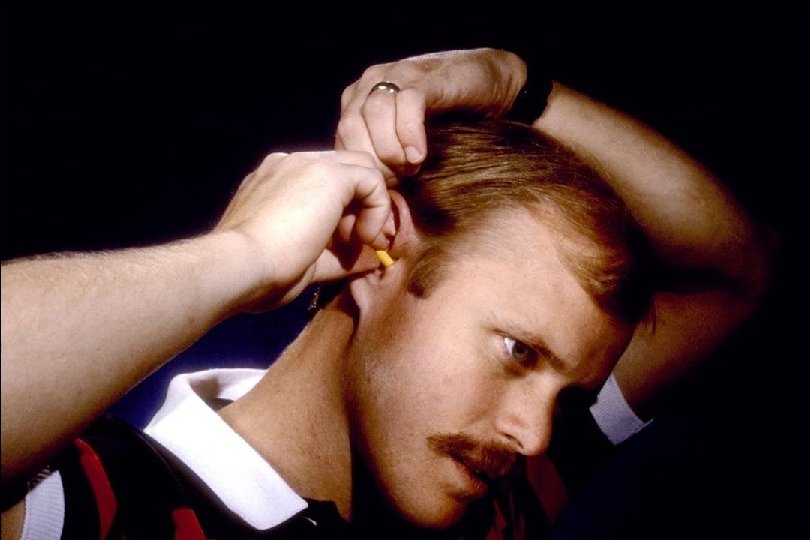
Otoscopic Inspection • Examine around ear and in earcanal • How to brace otoscope • Proper pinna pull and direction to insert tip • Earlight is excellent alternative • Need only examine to earplug depth
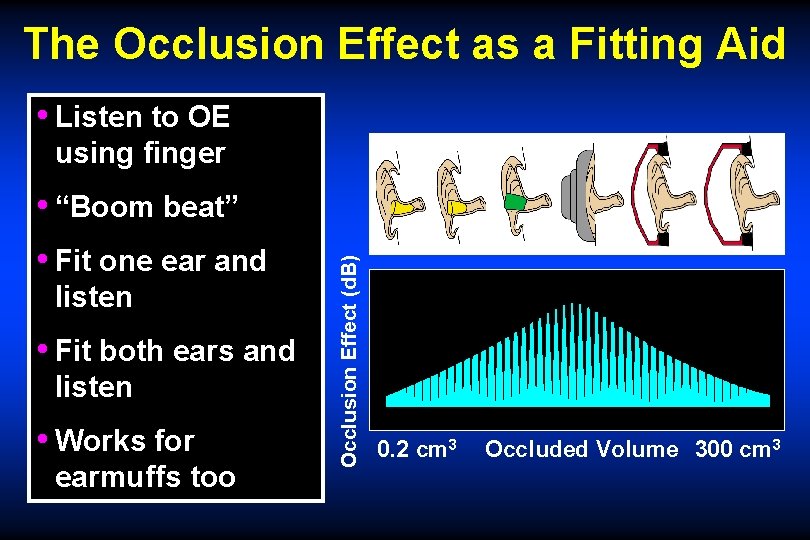
The Occlusion Effect as a Fitting Aid • Listen to OE • “Boom beat” • Fit one ear and listen • Fit both ears and listen • Works for earmuffs too Occlusion Effect (d. B) using finger 0. 2 cm 3 Occluded Volume 300 cm 3
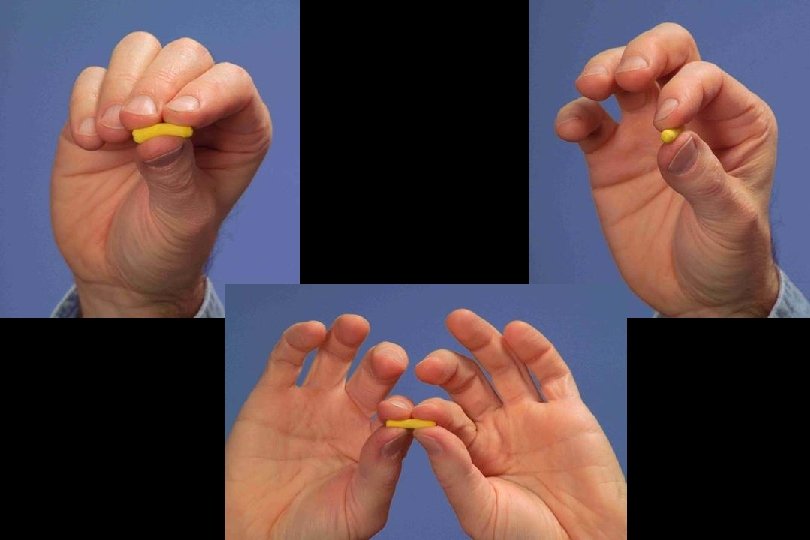
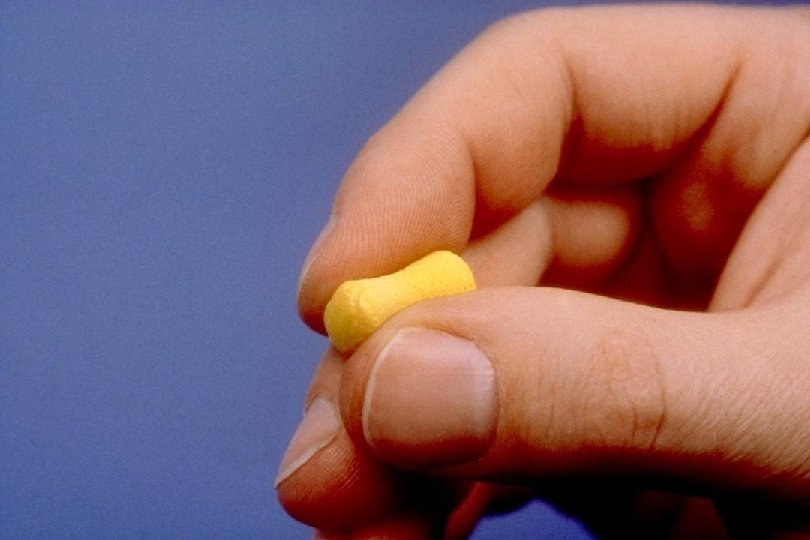
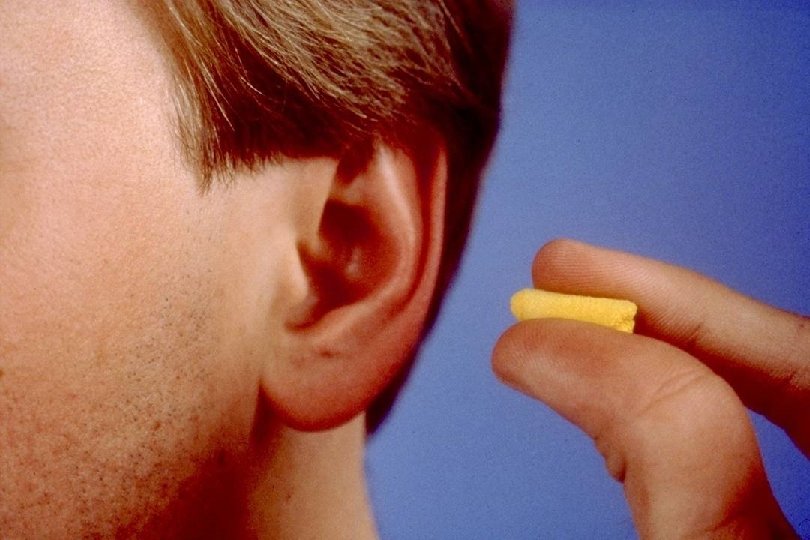
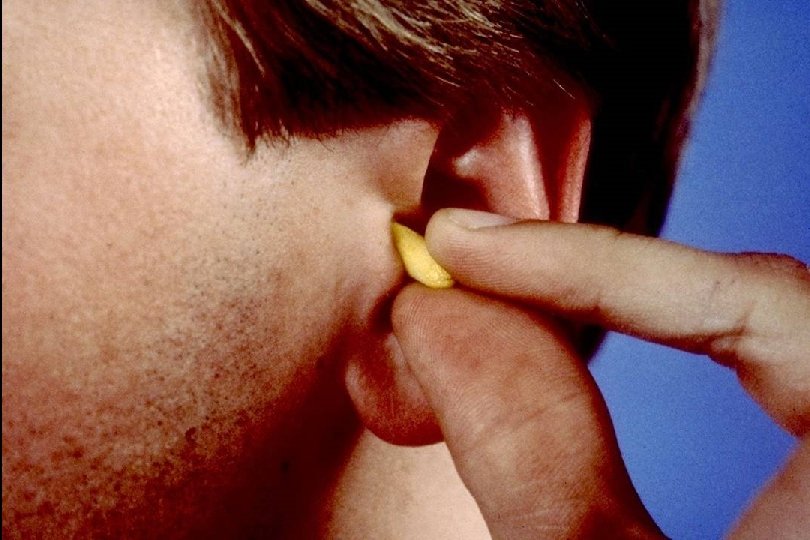
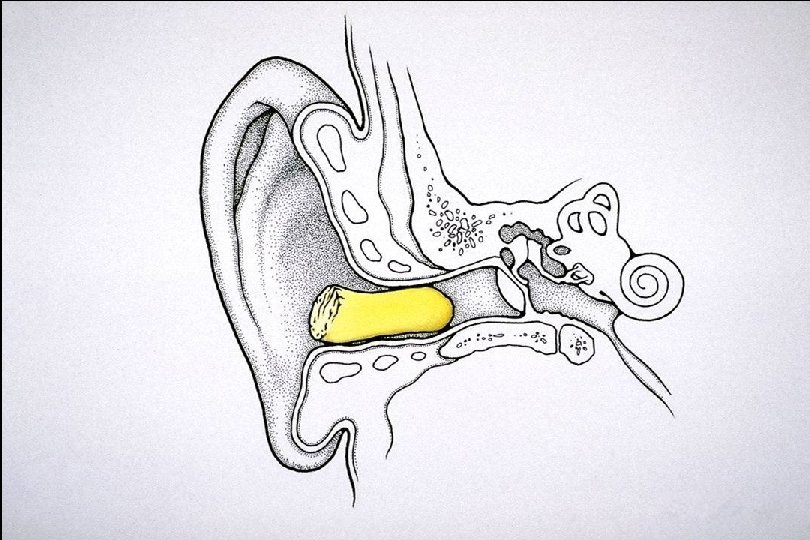
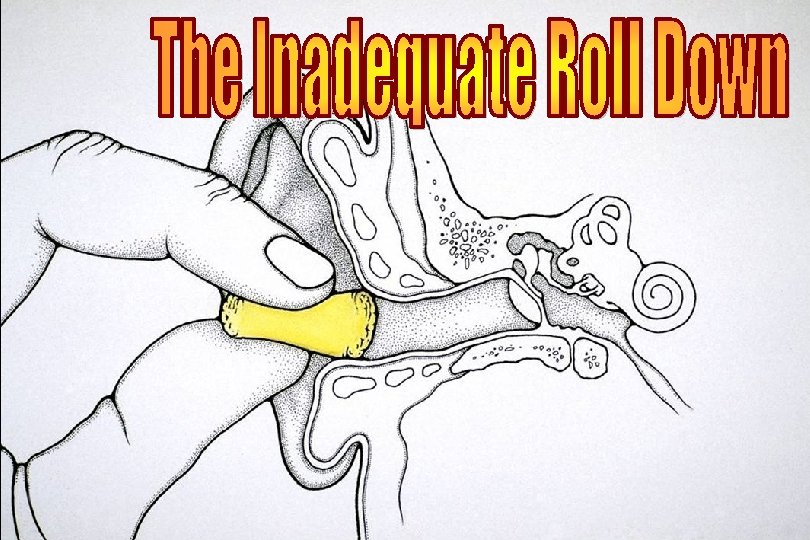
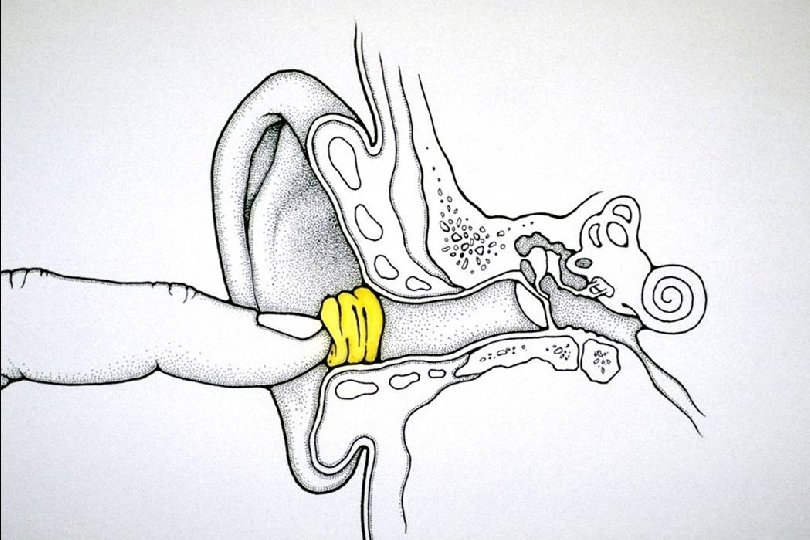
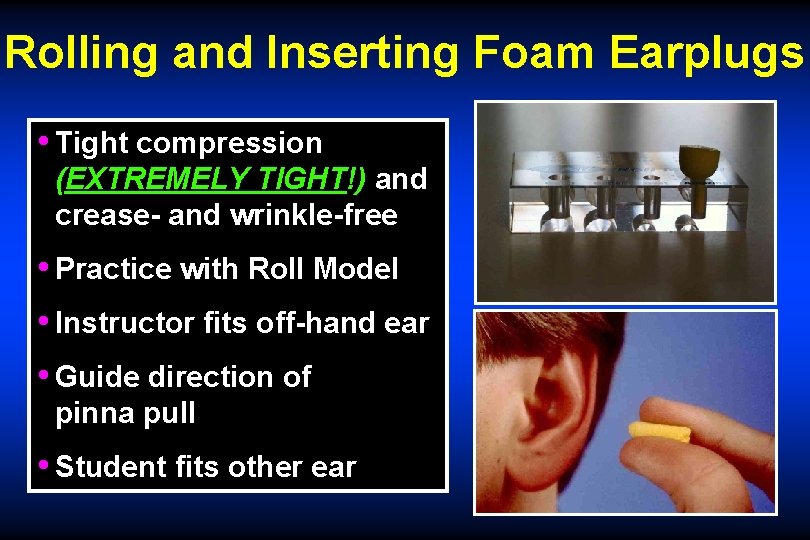
Rolling and Inserting Foam Earplugs • Tight compression (EXTREMELY TIGHT!) and crease- and wrinkle-free • Practice with Roll Model • Instructor fits off-hand ear • Guide direction of pinna pull • Student fits other ear
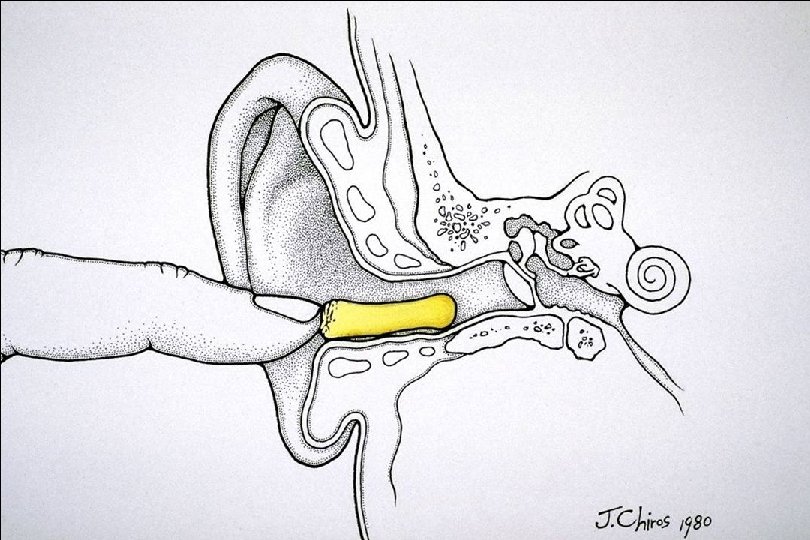
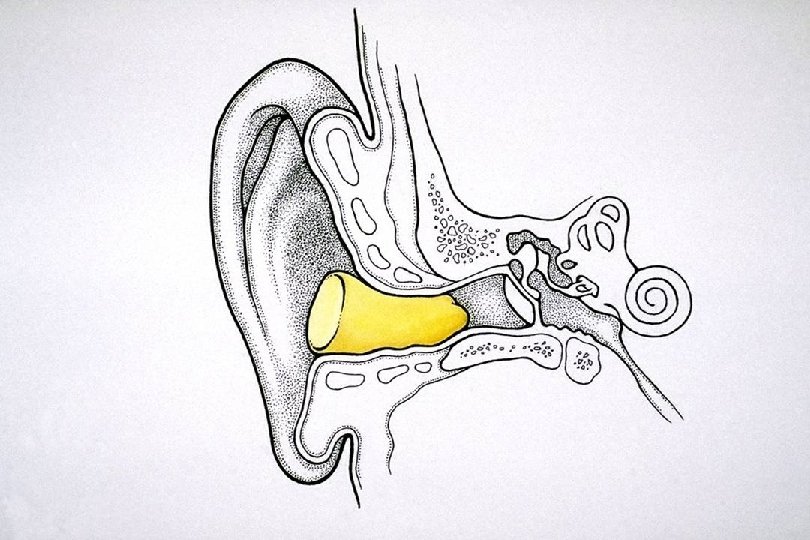
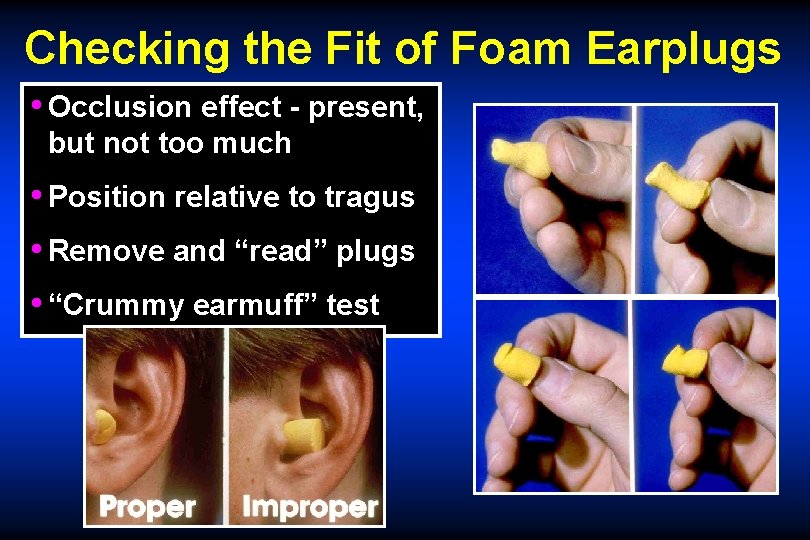
Checking the Fit of Foam Earplugs • Occlusion effect - present, but not too much • Position relative to tragus • Remove and “read” plugs • “Crummy earmuff” test
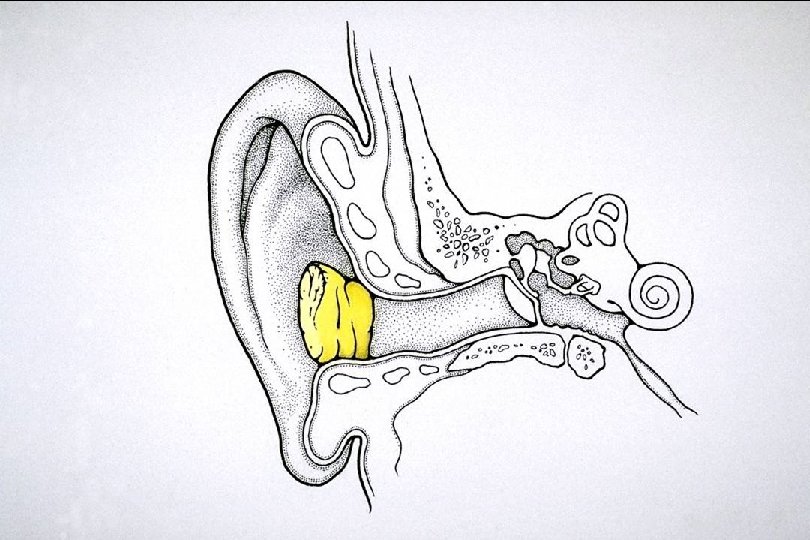
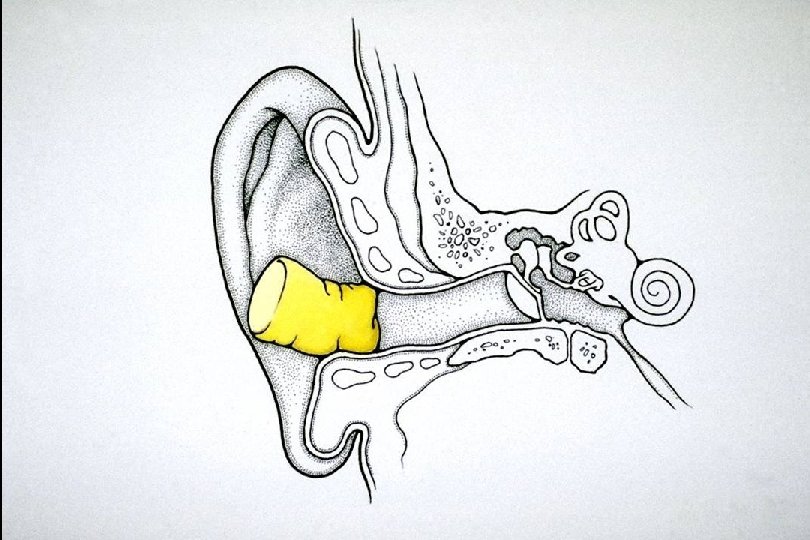
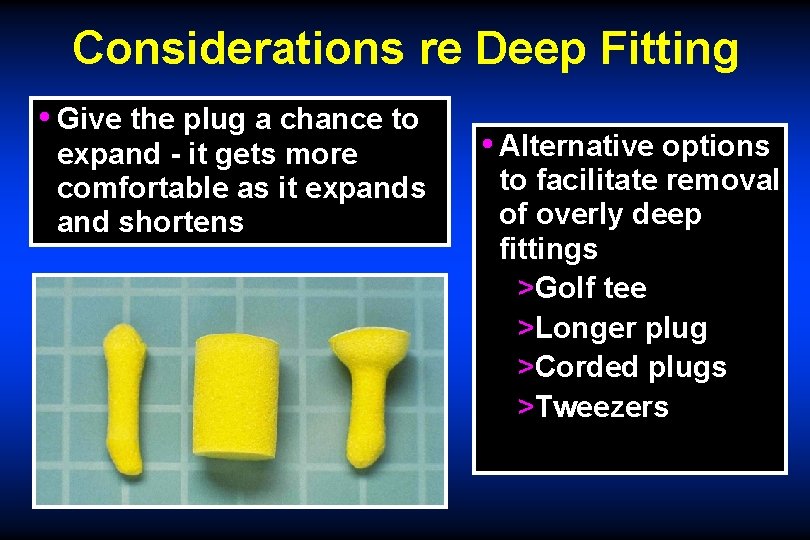
Considerations re Deep Fitting • Give the plug a chance to expand - it gets more comfortable as it expands and shortens • Alternative options to facilitate removal of overly deep fittings >Golf tee >Longer plug >Corded plugs >Tweezers
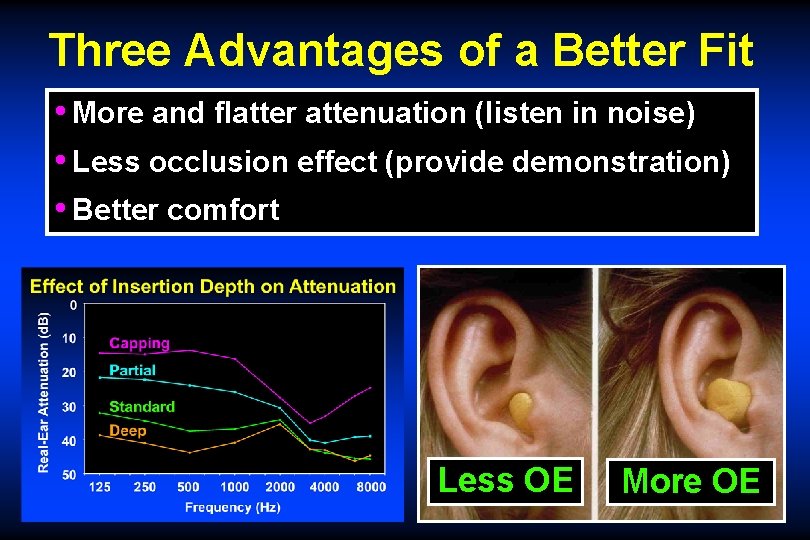
Three Advantages of a Better Fit • More and flatter attenuation (listen in noise) • Less occlusion effect (provide demonstration) • Better comfort Less OE More OE
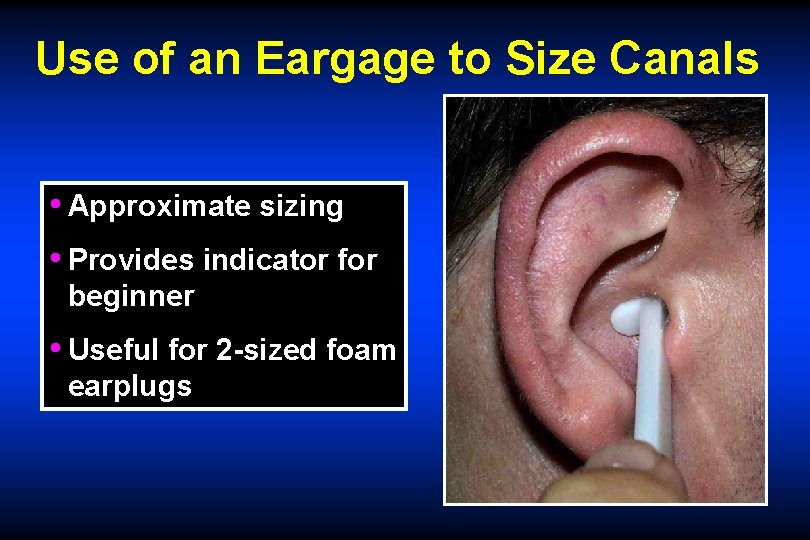
Use of an Eargage to Size Canals • Approximate sizing • Provides indicator for beginner • Useful for 2 -sized foam earplugs