ENZYMES Environmental Effects on Reaction Rates Enzymes in
- Slides: 25
ENZYMES Environmental Effects on Reaction Rates
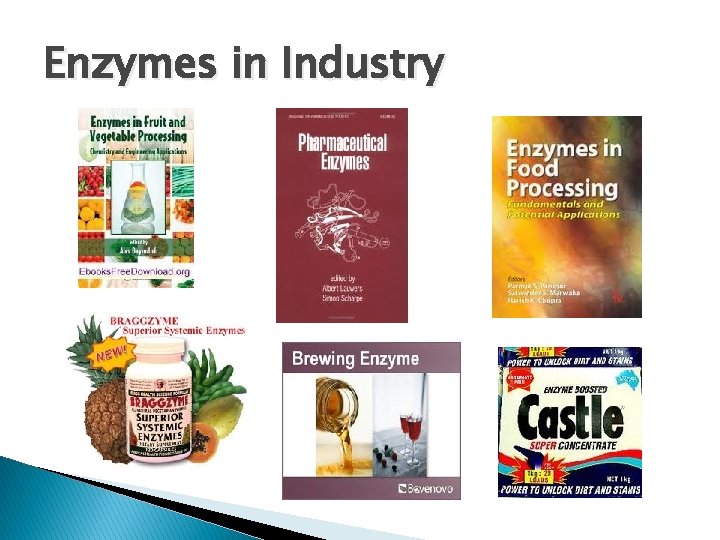
Enzymes in Industry
Topics Covered 1. 2. Effects of Temperature Effects of p. H
Required Reading � Reading is a very important component of a science course. ◦ Read the assigned pages from Mader’s Concepts of Biology Textbook: �Dynamic Activities of Cells: Chapter 5
Pretest 1. Which of the following does NOT apply to an enzyme: a. b. c. d. Catalyst Inorganic Protein All of the above apply to an enzyme
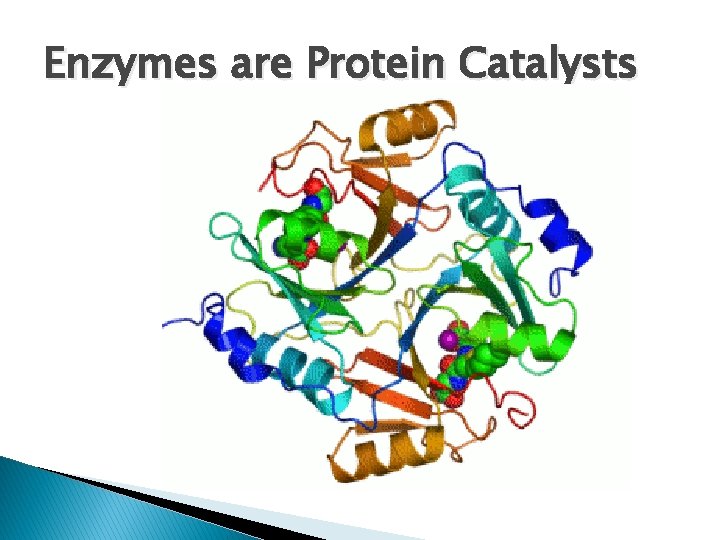
Enzymes are Protein Catalysts
Pretest 2. When an enzyme catalyzes a reaction: a. b. c. d. Substrate(s) bind in the active site Products bind in the active site The shape of the enzyme remains unchanged The enzyme is consumed by the reaction
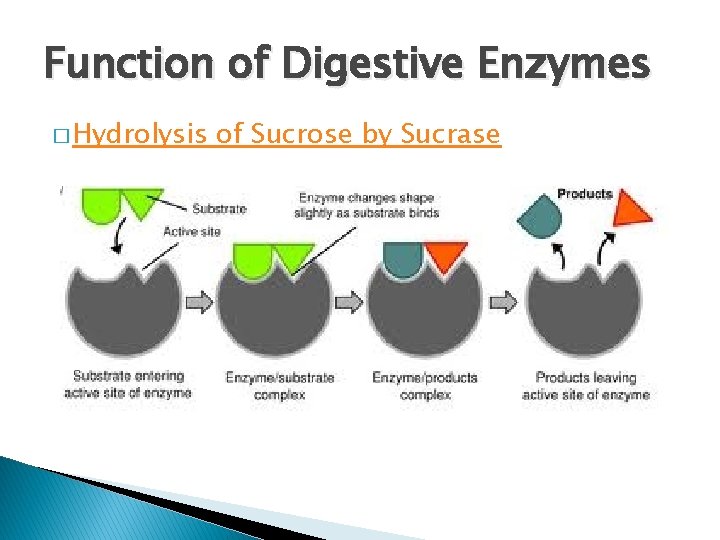
Function of Digestive Enzymes � Hydrolysis of Sucrose by Sucrase
Role of Enzymes � Enzymes serve a wide variety of functions inside living organisms. ◦ ◦ ◦ Pumping Ions Generating movement Regulating Signaling Digesting Metabolizing
Exoenzymes � Extracellular enzymes, are enzymes that are secreted by a cell and that work outside of that cell. � They are usually used for breaking up large molecules that would not be able to enter the cell otherwise.
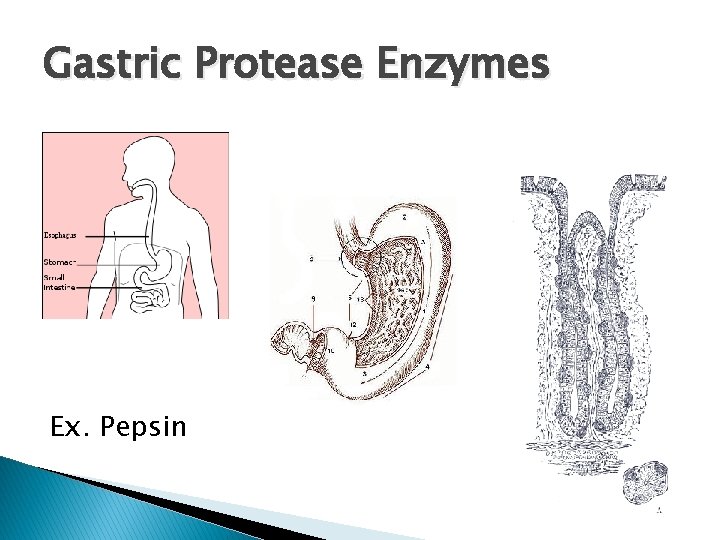
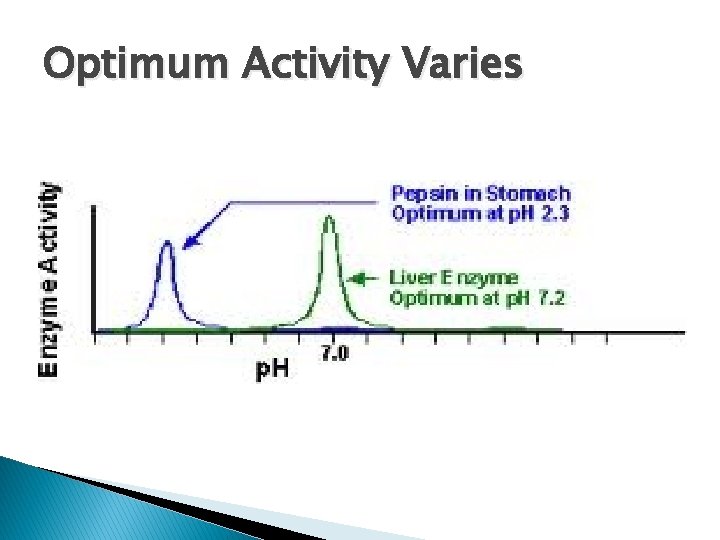
Gastric Protease Enzymes Ex. Pepsin
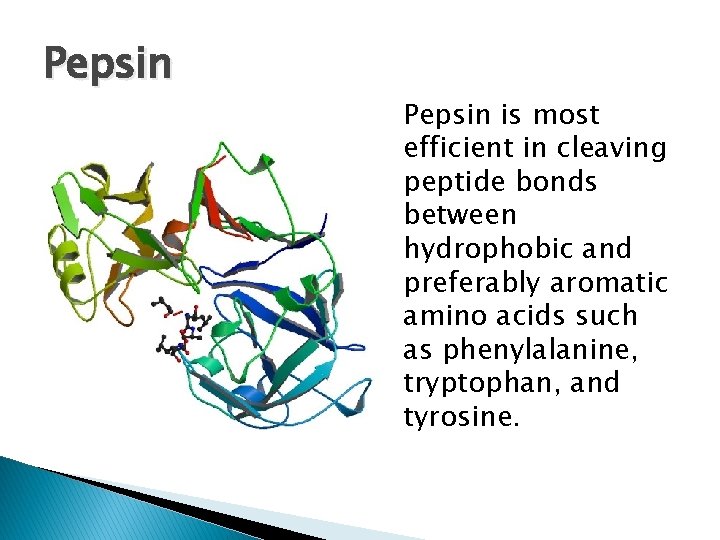
Pepsin is most efficient in cleaving peptide bonds between hydrophobic and preferably aromatic amino acids such as phenylalanine, tryptophan, and tyrosine.
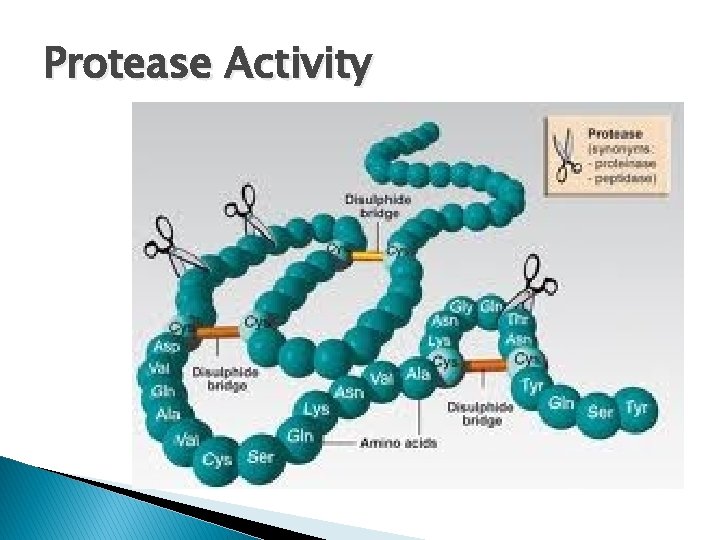
Protease Activity
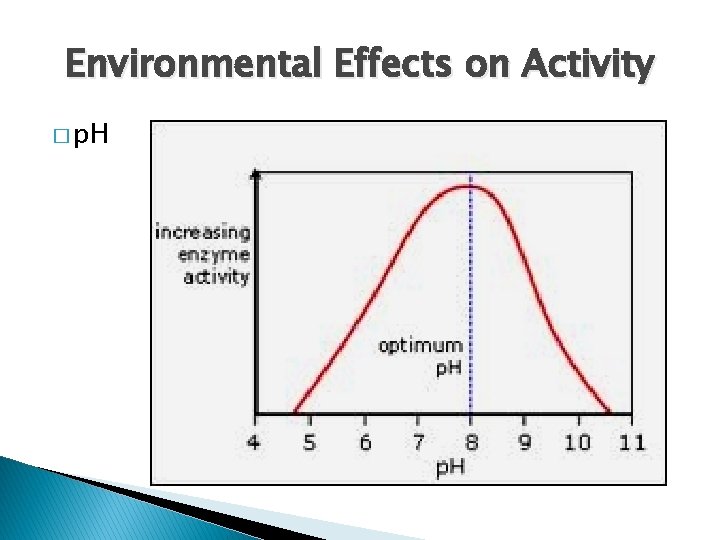
Environmental Effects on Activity � p. H
Optimum Activity Varies
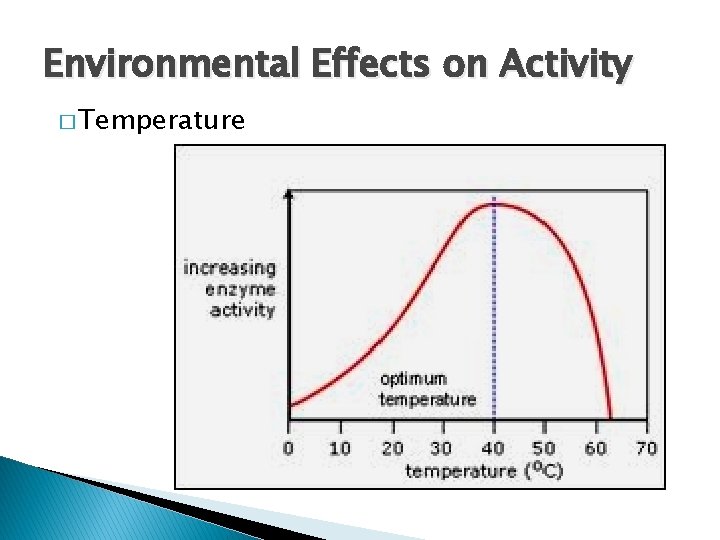
Environmental Effects on Activity � Temperature
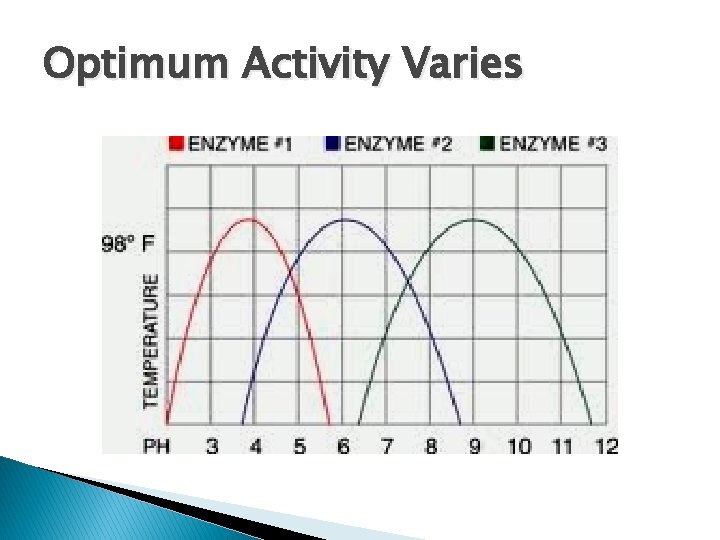
Optimum Activity Varies
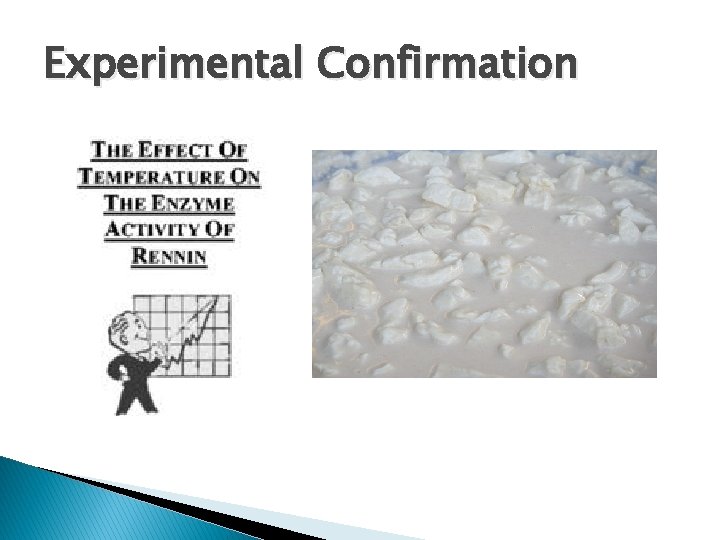
Experimental Confirmation
Rennet �Rennet is a complex of enzymes produced in any mammalian stomach to digest the mother's milk. �It is often used in the production of cheese. �Rennet contains many enzymes, including a proteolytic enzyme (protease) that coagulates the milk, causing it to separate into solids (curds) and liquid (whey).
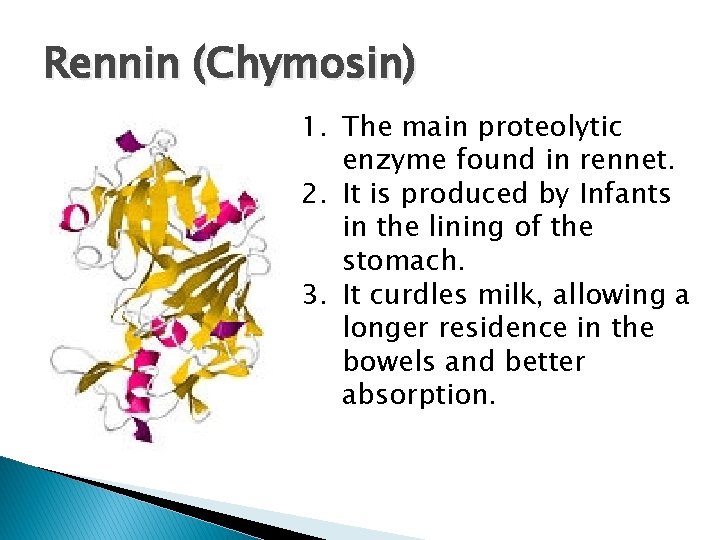
Rennin (Chymosin) 1. The main proteolytic enzyme found in rennet. 2. It is produced by Infants in the lining of the stomach. 3. It curdles milk, allowing a longer residence in the bowels and better absorption.
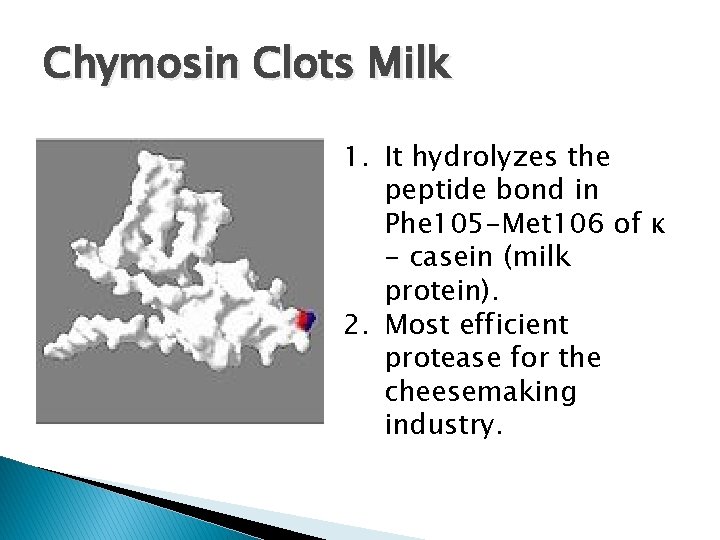
Chymosin Clots Milk 1. It hydrolyzes the peptide bond in Phe 105 -Met 106 of κ - casein (milk protein). 2. Most efficient protease for the cheesemaking industry.
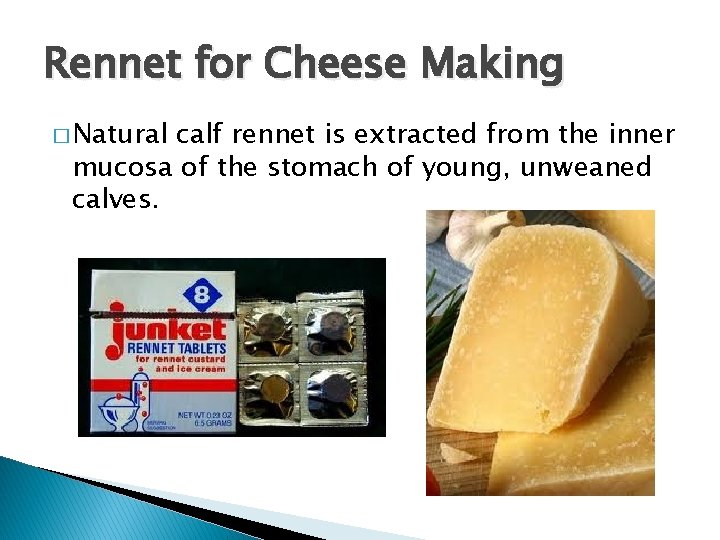
Rennet for Cheese Making � Natural calf rennet is extracted from the inner mucosa of the stomach of young, unweaned calves.
Enzyme Lab � Enzyme Chymosin (from Rennet) � Substrate Casein (from Milk) � Effects of Temperature and p. H on reaction rates
GMO Rennin � Cow genes are used to modify some bacteria, fungi or yeasts to make them produce chymosin. � Chymosin produced by genetically modified organisms was the first artificially produced enzyme to be registered and allowed by the US Food and Drug Administration. � By 2008, approximately 80% to 90% of commercially made cheeses in the US were made using GM-based rennet.
Post-Test Assignment Complete the Virtual Enzyme Lab Turn in the LAB WORKSHEET