Collegiate Orchestral Conducting Session 1 Dr Chaowen Ting
- Slides: 13
Collegiate Orchestral Conducting: Session 1 Dr. Chaowen Ting Director of Orchestral Studies, Georgia Institute of Technology Dr. Carolyn Watson Director of Orchestral Studies, University of Kansas
What is a collegiate conducting job? • A position leading an orchestra, or orchestral program at a collegiate level • Positions can be part time (adjunct/per course) or full time • Full-time positions can be tenure-track, but not necessarily • Positions are typically for nine months of the year, from August. May/June • The majority of schools divide years into Fall and Spring semesters, however a smaller number also use trimesters (or quarters)
These jobs are generally advertised as: • • Conductor/Director Orchestra Director Ensemble Director of Orchestral Studies/Activities Director of Orchestras Director of Ensembles Director of Instrumental Studies Visiting Director of Orchestral Studies (typically a 1 year position)
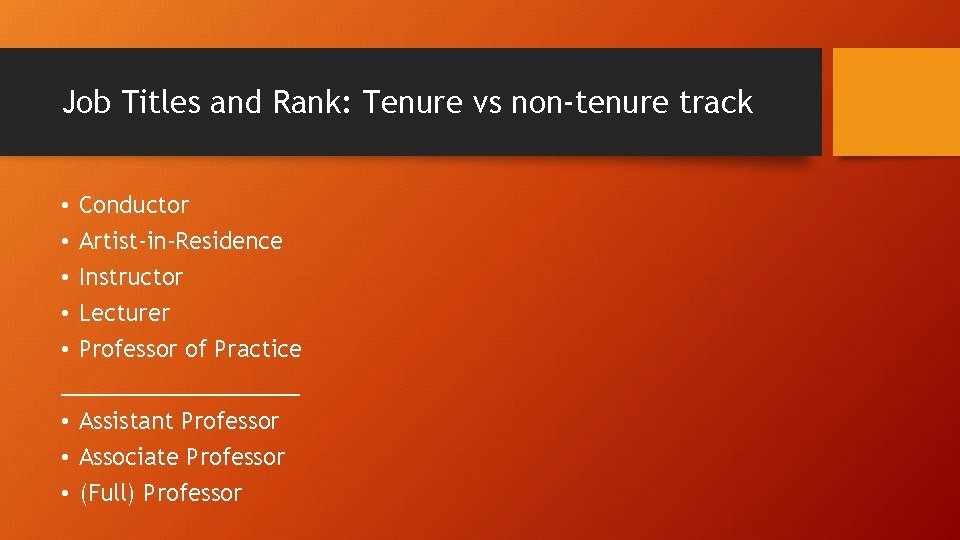
Job Titles and Rank: Tenure vs non-tenure track • Conductor • Artist-in-Residence • Instructor • Lecturer • Professor of Practice __________ • Assistant Professor • Associate Professor • (Full) Professor
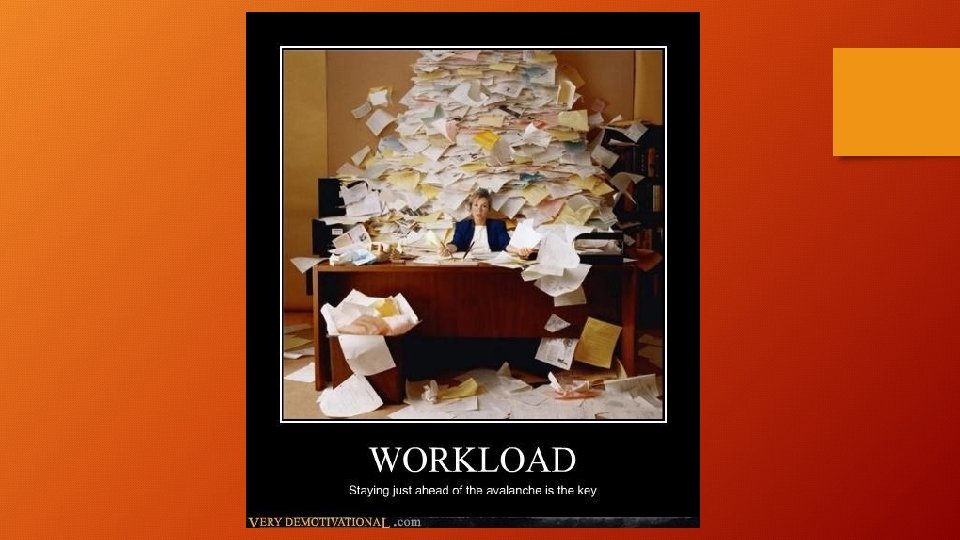
Ok sure, but what do you actually do? • Well, a lot depends on the job, and type of school • Typical duties can include conducting orchestral rehearsals and performances, opera conducting, conducting other ensembles, programming repertoire, purchasing/hiring repertoire/instruments, arranging soloists/additional players, compiling and editing concert programs, writing program notes, managing instrument/equipment transportation, arranging and editing audio recording and/or webcasts of performances, venue booking and set up for concerts and rehearsals, organizing and leading run outs and tours. Not to forget publicizing your performances, recruiting for your orchestra, connecting with local area high school directors, giving clinics, arranging side-by-sides, engaging in outreach. Then of course there is also teaching – conducting teaching, instrumental teaching, teaching other courses and classes, advising students, keeping office hours, writing letters of recommendation for students. Plus service and committee work, managing the orchestral budget, keeping the website up to date, maintaining the orchestra library, running the concerto competition, liaising with colleagues about player/instrument/venue availability, supervising GTAs and student workers, advocating for your program etc.
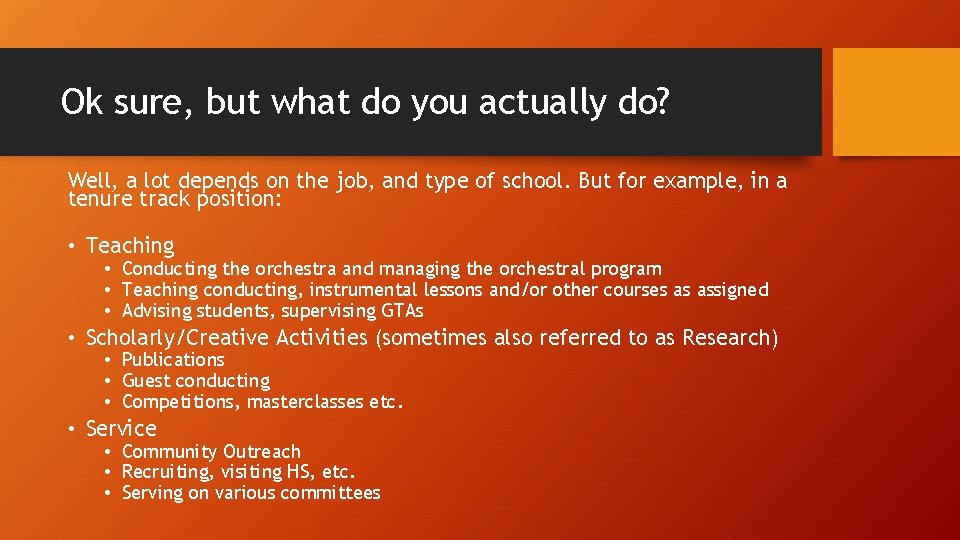
Ok sure, but what do you actually do? Well, a lot depends on the job, and type of school. But for example, in a tenure track position: • Teaching • Conducting the orchestra and managing the orchestral program • Teaching conducting, instrumental lessons and/or other courses as assigned • Advising students, supervising GTAs • Scholarly/Creative Activities (sometimes also referred to as Research) • Publications • Guest conducting • Competitions, masterclasses etc. • Service • Community Outreach • Recruiting, visiting HS, etc. • Serving on various committees
Where do I learn about college jobs? • College Music Society ($85 a year, $40 for full time students) • Chronicle of Higher Education • Online sources: All the Conducting Masterclasses, Conductor’s Guild, League of American Orchestras, social media etc.
When do I learn about college jobs? • Round 1: start of school year advertisements, typically closing dates in October/November. Generally, the largest number of jobs advertised. • Round 2: late in Spring (April/May), fewer jobs advertised • Round 3: summer, fewest jobs advertised • Generally though, keep eyes open! Sometimes positions are readvertised, or re-opened….
The Hiring Process EXAMPLE: Nov. 1 as closing date • • • Nov-Dec: Shortlist Mid-Dec to early Jan: phone interview Feb-Mar: on-campus interview April: offer, negotiation, final announcement May 1: NASM deadline
Job Description: Georgia Tech • Music: Assistant or Associate Professor of Music – Ensemble Director with emphasis in Orchestra and/or Band. • The Georgia Institute of Technology School of Music seeks to fill a full-time, nine-month, tenure-track appointment beginning Fall 2014. Responsibilities include conducting the Orchestra and for qualified candidates, the Symphonic or Concert Band. • Assist with recruiting and developing ensembles, integrating technology into performance/rehearsal, and collaboration with ensemble faculty. Additional teaching assignments may be drawn from but are not limited to comprehensive musicianship, music technology, chamber music, and music literature. • Ph. D or DMA strongly preferred, ABD and Masters will receive consideration. Salary is competitive and commensurate with experience and qualifications.
Georgia Tech • The School of Music combines tradition and technology to create unique and exciting opportunities for students in all academic programs. The Georgia Institute of Technology is one the nation’s top research universities, distinguished by its commitment to improving the human condition through advanced science and technology. • Application materials include letter of application, curriculum vitae, and names, addresses, and telephone numbers of three references are required. Additional supporting materials may include samples of performances, conducting, teaching, creative work, arrangements, transcriptions, examples of technology development and/or integration, videotape/DVD of a performance/event conducted by the applicant, and an audio recording of a recent ensemble performance. • Review of applicants will begin October 17, 2013 and continue until the position is filled. Send materials to: Ensemble Director Search, School of Music, 840 Mc. Millan Street, Georgia Institute of Technology, Atlanta, Georgia 30332 -0456. For more information, please refer to http: //www. music. gatech. edu/ or contact Dr. Frank Clark, Chair, School of Music. Telephone 404 -8964 or e-mail fclark@music. gatech. edu. Georgia Tech is an Equal Opportunity/Affirmative Action Employer.
Questions? • How do I know if I qualify for a position? What I can do to stand out from applicants? (workshops/competitions, main instrument, degree, etc. ) • Career trajectory and development for (collegiate) conductors – how to navigate professional engagements and college duties? • Challenges as a collegiate orchestra conductor: repertoire selection, levels of players, recruitment, catering to academic requirements, etc. • Diversity and inclusion in collegiate orchestral programs.