ANTIPHOSPHOLIPID SYNDROME WHATS NEW Savino Sciascia MD Ph
- Slides: 31
ANTIPHOSPHOLIPID SYNDROME WHAT’S NEW? Savino Sciascia, MD, Ph. D Center of Research of Immunopathology and Rare Diseases-CMID University of Torino AADEA Cordoba, Feb 2018
Agenda • What to do when anticoagulation fail? • ‘New' avallabile treatments • Target therapy in APS • Is it possible to stop anticoagualtion?
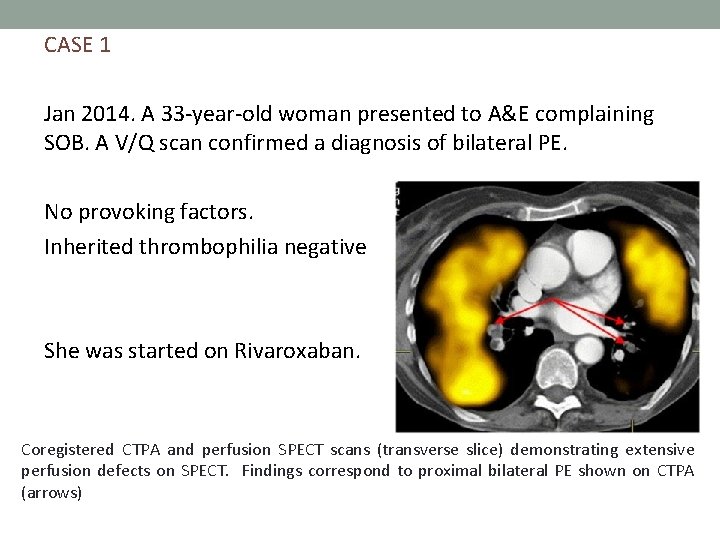
CASE 1 Jan 2014. A 33 -year-old woman presented to A&E complaining SOB. A V/Q scan confirmed a diagnosis of bilateral PE. No provoking factors. Inherited thrombophilia negative She was started on Rivaroxaban. Coregistered CTPA and perfusion SPECT scans (transverse slice) demonstrating extensive perfusion defects on SPECT. Findings correspond to proximal bilateral PE shown on CTPA (arrows)
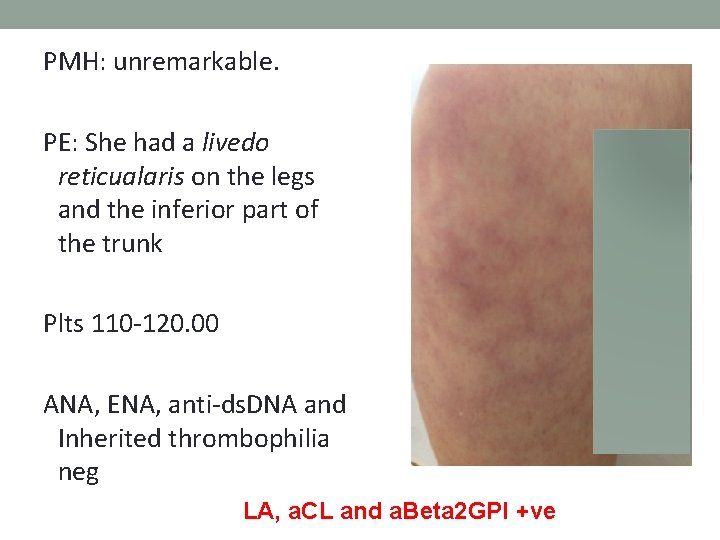
PMH: unremarkable. PE: She had a livedo reticualaris on the legs and the inferior part of the trunk Plts 110 -120. 00 ANA, ENA, anti-ds. DNA and Inherited thrombophilia neg LA, a. CL and a. Beta 2 GPI +ve
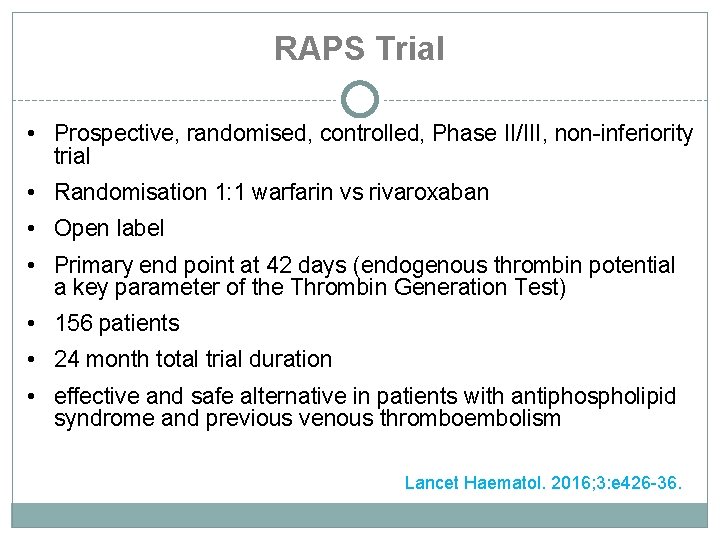
RAPS Trial • Prospective, randomised, controlled, Phase II/III, non-inferiority trial • Randomisation 1: 1 warfarin vs rivaroxaban • Open label • Primary end point at 42 days (endogenous thrombin potential a key parameter of the Thrombin Generation Test) • 156 patients • 24 month total trial duration • effective and safe alternative in patients with antiphospholipid syndrome and previous venous thromboembolism Lancet Haematol. 2016; 3: e 426 -36.
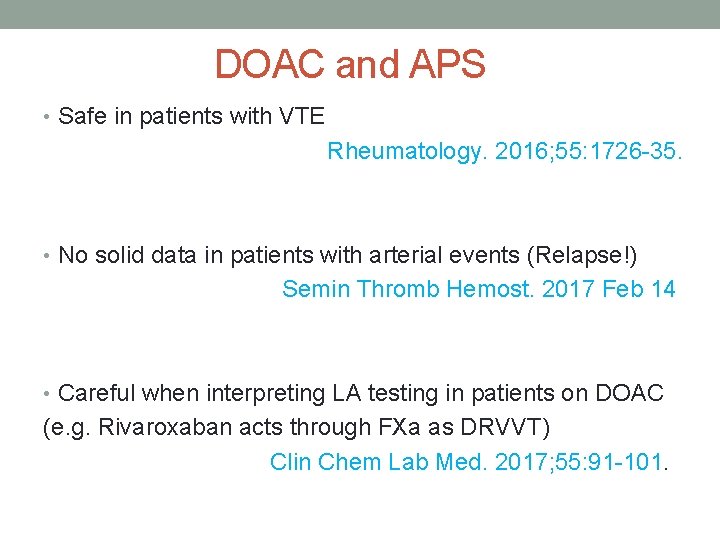
DOAC and APS • Safe in patients with VTE Rheumatology. 2016; 55: 1726 -35. • No solid data in patients with arterial events (Relapse!) Semin Thromb Hemost. 2017 Feb 14 • Careful when interpreting LA testing in patients on DOAC (e. g. Rivaroxaban acts through FXa as DRVVT) Clin Chem Lab Med. 2017; 55: 91 -101.
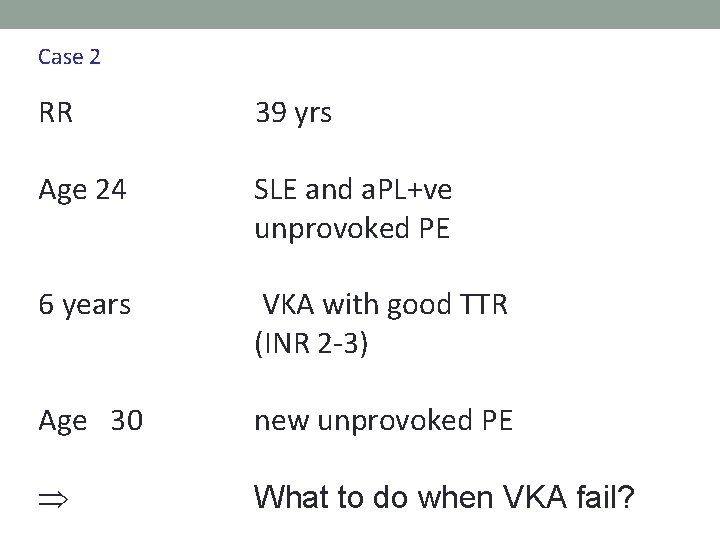
Case 2 RR 39 yrs Age 24 SLE and a. PL+ve unprovoked PE 6 years VKA with good TTR (INR 2 -3) Age 30 new unprovoked PE What to do when VKA fail?
Cases of refractory APS: no evidence! • Check compliance and TTR for patients on. VKA
Cases of refractory APS: no evidence! • Add LDA • PROs: relative safe • CONs: is it adding something in terms of venous TPx? N Engl J Med. 1995; 332: 993 -7
Cases of refractory APS: no evidence! • Increase VKA INR 3 -4 • PROs: efficacy as venous TPx • CONs: bleeding risk, difficulties in mantaining TTR N Engl J Med. 1995; 332: 993 -7.
Cases of refractory APS: no evidence! • Add HCQ • PROs: relative safe • CONs: is it adding enough in terms of venouns TPx? J Thromb Haemost. 2013; 11: 1927– 9
Anti-CD 20 depletion Therapy • Rituximab in APS mainly for extra-criteria manifestations • (severe thrombocytopenia and leg ulcers) Intern Emerg Med. 2017; 12: 1 -7 • Limited experience in thrombotic APS, mostly related to CAPS Best Pract Res Clin Rheumatol. 2012; 26: 535 -41. • PROs: relative safe, well-known drug now. • CONs: is it adding enough in terms of venouns TPx? Off label. Costs Which parameters to monitor as outcome?
IVIG • Anecdotal experience • PROs: Safe, data on long term follow-up, can be use when concomitant infection occur • CONs: expensive, limited availability, variability in regimens, dose, length of treatment Clin Exp Rheumatol. 2012; 30: 409 -13. Which parameters to monitor as outcome?
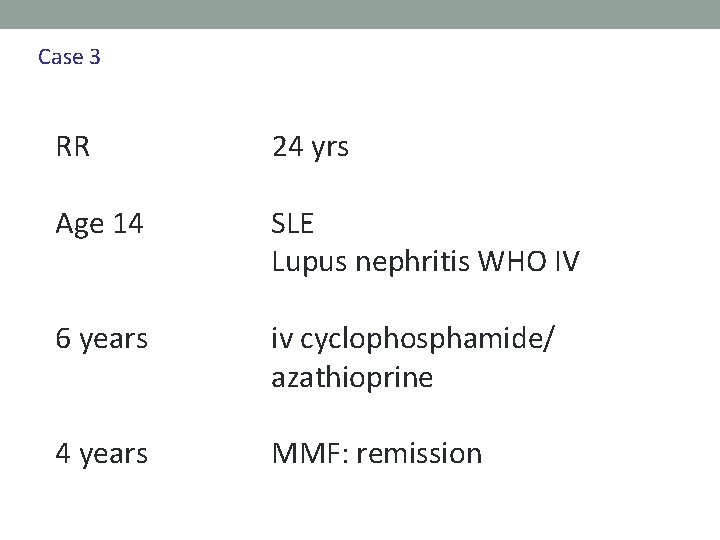
Case 3 RR 24 yrs Age 14 SLE Lupus nephritis WHO IV 6 years iv cyclophosphamide/ azathioprine 4 years MMF: remission
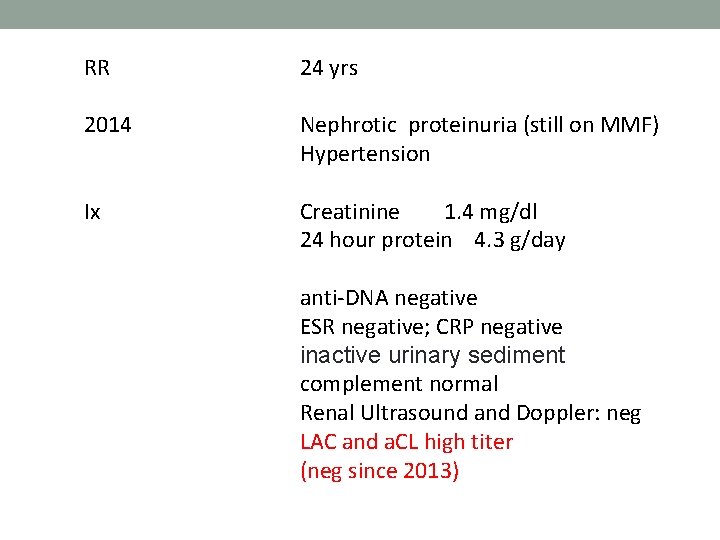
RR 24 yrs 2014 Nephrotic proteinuria (still on MMF) Hypertension Ix Creatinine 1. 4 mg/dl 24 hour protein 4. 3 g/day anti-DNA negative ESR negative; CRP negative inactive urinary sediment complement normal Renal Ultrasound and Doppler: neg LAC and a. CL high titer (neg since 2013)
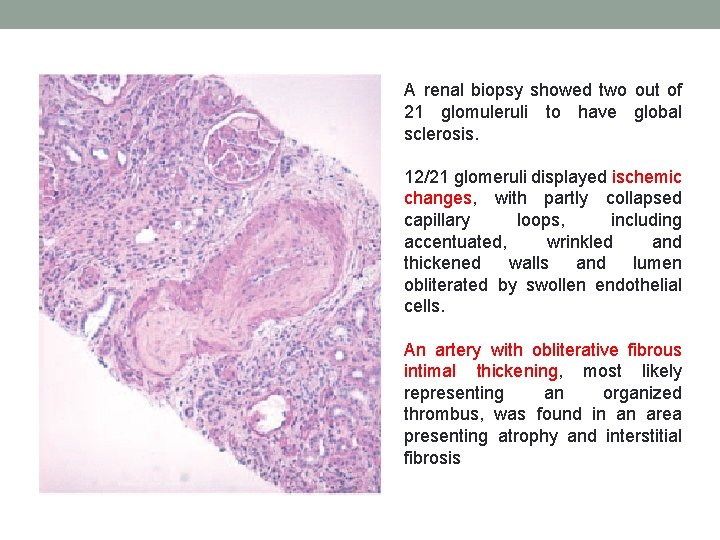
A renal biopsy showed two out of 21 glomuleruli to have global sclerosis. 12/21 glomeruli displayed ischemic changes, with partly collapsed capillary loops, including accentuated, wrinkled and thickened walls and lumen obliterated by swollen endothelial cells. An artery with obliterative fibrous intimal thickening, most likely representing an organized thrombus, was found in an area presenting atrophy and interstitial fibrosis
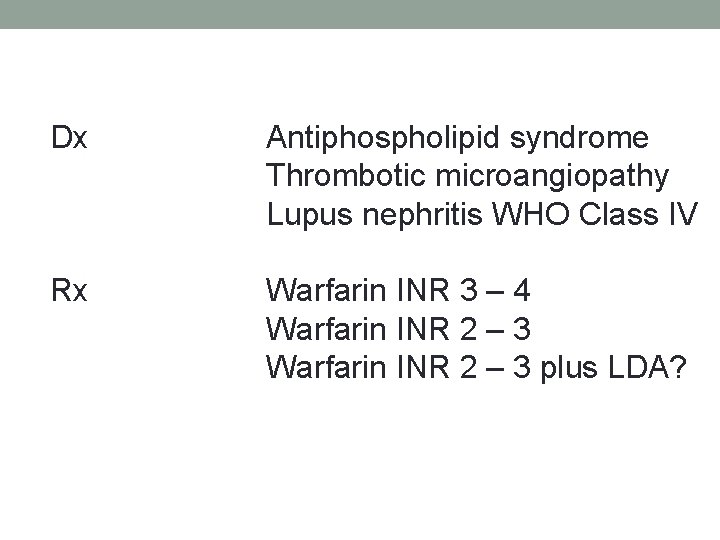
Dx Antiphospholipid syndrome Thrombotic microangiopathy Lupus nephritis WHO Class IV Rx Warfarin INR 3 – 4 Warfarin INR 2 – 3 plus LDA?
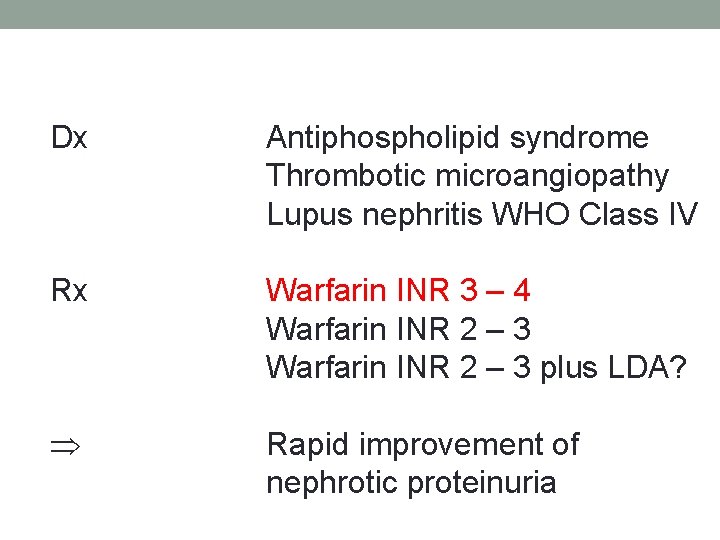
Dx Antiphospholipid syndrome Thrombotic microangiopathy Lupus nephritis WHO Class IV Rx Warfarin INR 3 – 4 Warfarin INR 2 – 3 plus LDA? Rapid improvement of nephrotic proteinuria
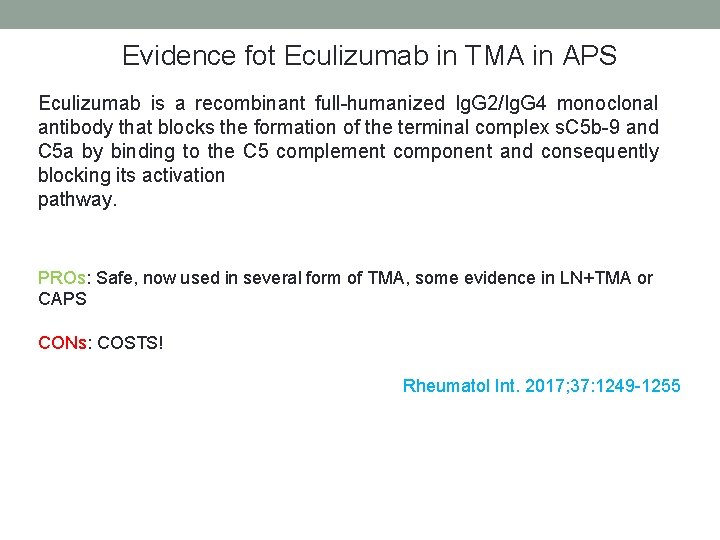
Evidence fot Eculizumab in TMA in APS Eculizumab is a recombinant full-humanized Ig. G 2/Ig. G 4 monoclonal antibody that blocks the formation of the terminal complex s. C 5 b-9 and C 5 a by binding to the C 5 complement component and consequently blocking its activation pathway. PROs: Safe, now used in several form of TMA, some evidence in LN+TMA or CAPS CONs: COSTS! Rheumatol Int. 2017; 37: 1249 -1255
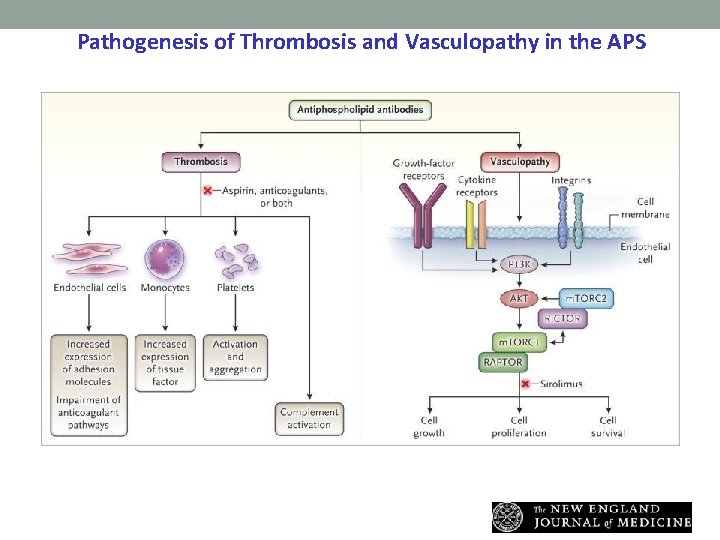
Pathogenesis of Thrombosis and Vasculopathy in the APS. Eikelboom JW, Weitz JI. N Engl J Med 2014; 371: 369 -371.
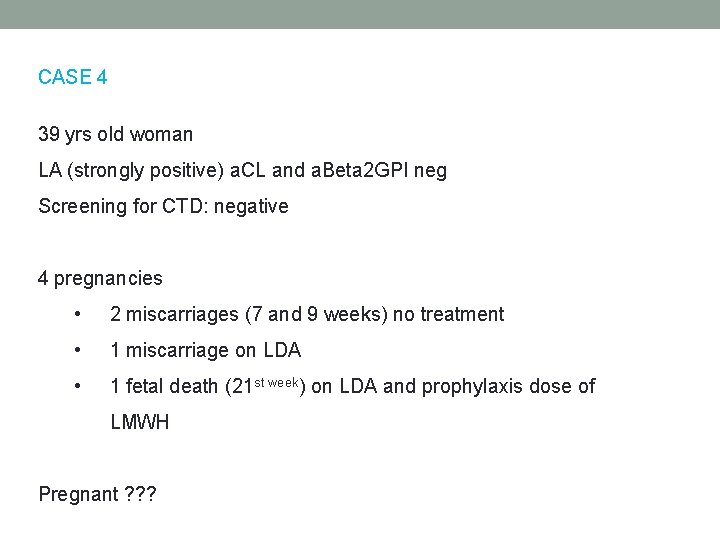
CASE 4 39 yrs old woman LA (strongly positive) a. CL and a. Beta 2 GPI neg Screening for CTD: negative 4 pregnancies • 2 miscarriages (7 and 9 weeks) no treatment • 1 miscarriage on LDA • 1 fetal death (21 st week) on LDA and prophylaxis dose of LMWH Pregnant ? ? ?
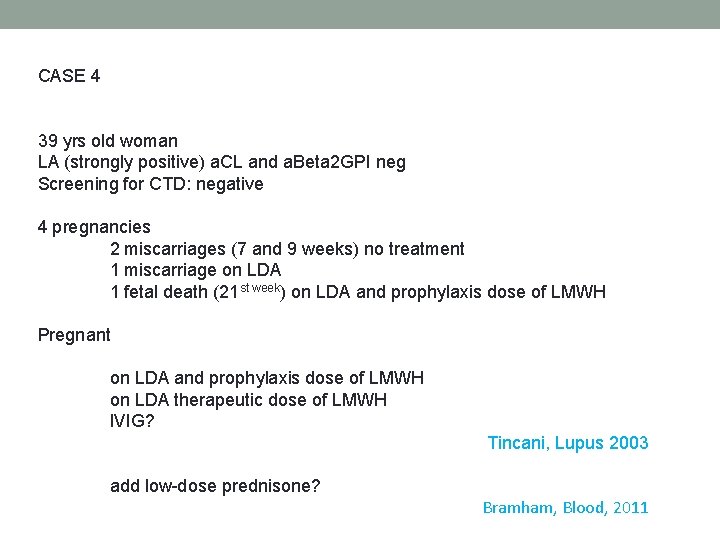
CASE 4 39 yrs old woman LA (strongly positive) a. CL and a. Beta 2 GPI neg Screening for CTD: negative 4 pregnancies 2 miscarriages (7 and 9 weeks) no treatment 1 miscarriage on LDA 1 fetal death (21 st week) on LDA and prophylaxis dose of LMWH Pregnant on LDA and prophylaxis dose of LMWH on LDA therapeutic dose of LMWH IVIG? Tincani, Lupus 2003 add low-dose prednisone? Bramham, Blood, 2011
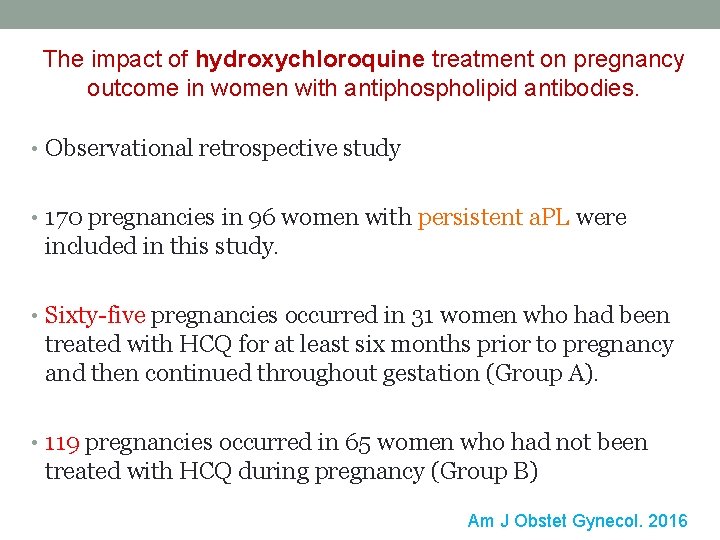
The impact of hydroxychloroquine treatment on pregnancy outcome in women with antiphospholipid antibodies. • Observational retrospective study • 170 pregnancies in 96 women with persistent a. PL were included in this study. • Sixty-five pregnancies occurred in 31 women who had been treated with HCQ for at least six months prior to pregnancy and then continued throughout gestation (Group A). • 119 pregnancies occurred in 65 women who had not been treated with HCQ during pregnancy (Group B) Am J Obstet Gynecol. 2016
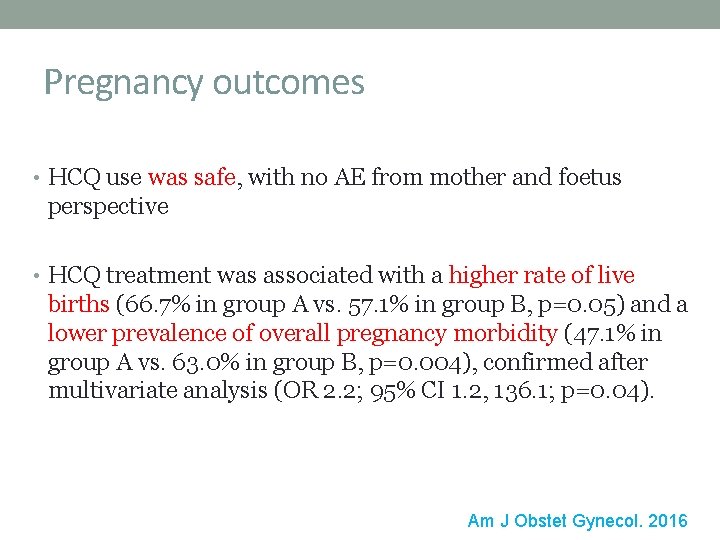
Pregnancy outcomes • HCQ use was safe, with no AE from mother and foetus perspective • HCQ treatment was associated with a higher rate of live births (66. 7% in group A vs. 57. 1% in group B, p=0. 05) and a lower prevalence of overall pregnancy morbidity (47. 1% in group A vs. 63. 0% in group B, p=0. 004), confirmed after multivariate analysis (OR 2. 2; 95% CI 1. 2, 136. 1; p=0. 04). Am J Obstet Gynecol. 2016
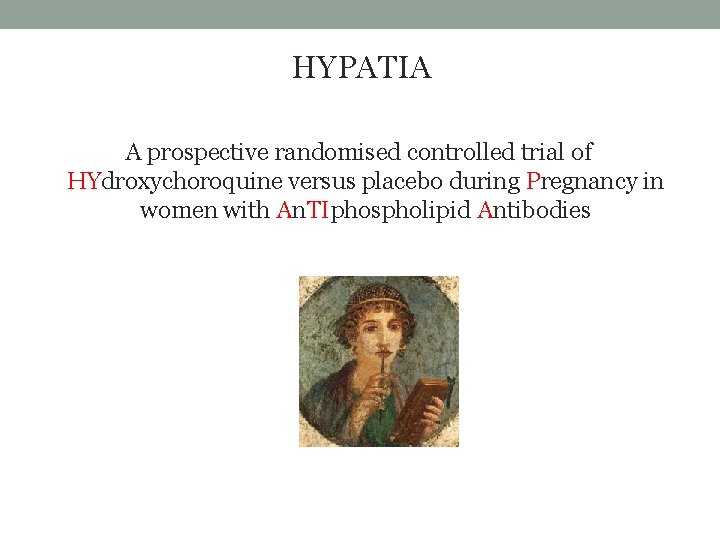
HYPATIA A prospective randomised controlled trial of HYdroxychoroquine versus placebo during Pregnancy in women with An. TIphospholipid Antibodies
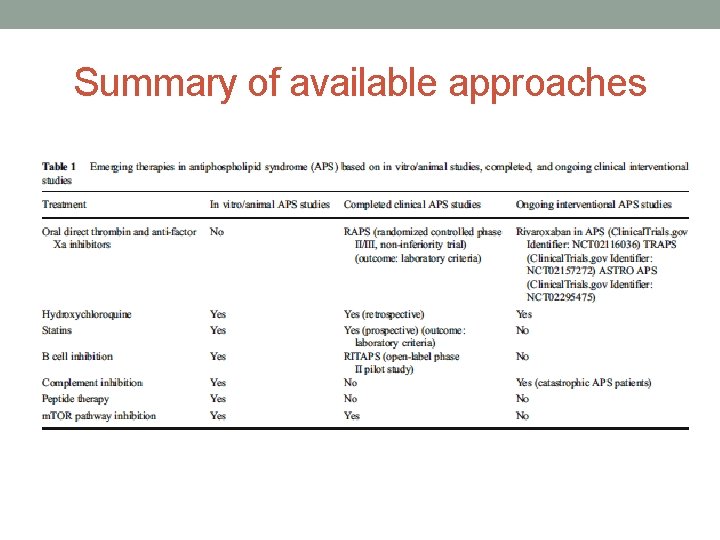
Summary of available approaches
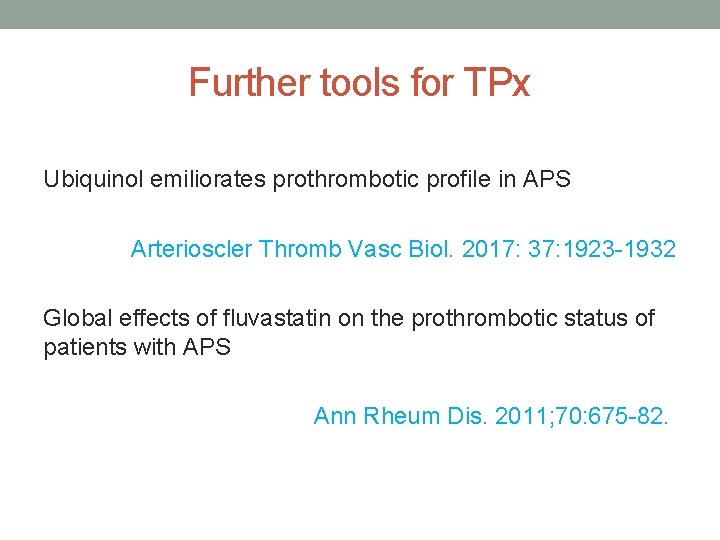
Further tools for TPx Ubiquinol emiliorates prothrombotic profile in APS Arterioscler Thromb Vasc Biol. 2017: 37: 1923 -1932 Global effects of fluvastatin on the prothrombotic status of patients with APS Ann Rheum Dis. 2011; 70: 675 -82.
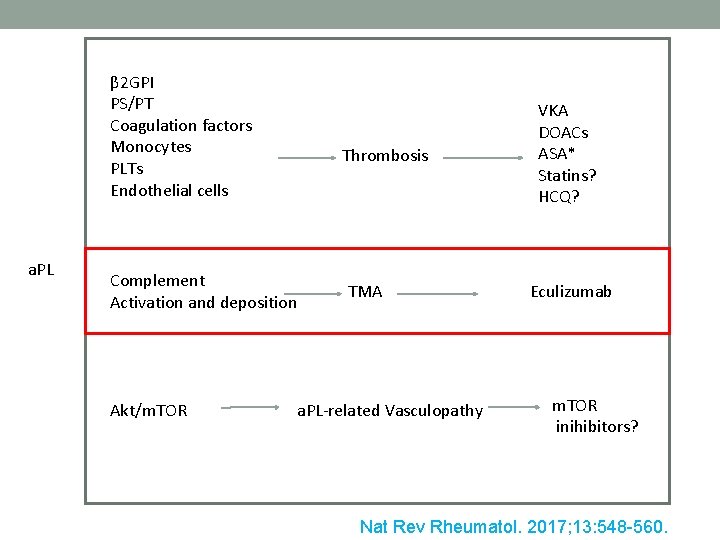
β 2 GPI PS/PT Coagulation factors Monocytes PLTs Endothelial cells a. PL Thrombosis Complement Activation and deposition Akt/m. TOR TMA a. PL-related Vasculopathy VKA DOACs ASA* Statins? HCQ? Eculizumab m. TOR inihibitors? Nat Rev Rheumatol. 2017; 13: 548 -560.
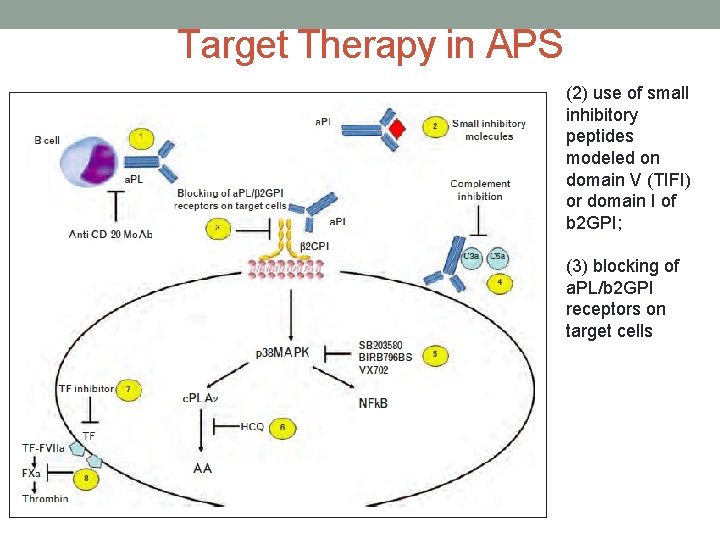
Target Therapy in APS (2) use of small inhibitory peptides modeled on domain V (TIFI) or domain I of b 2 GPI; (3) blocking of a. PL/b 2 GPI receptors on target cells
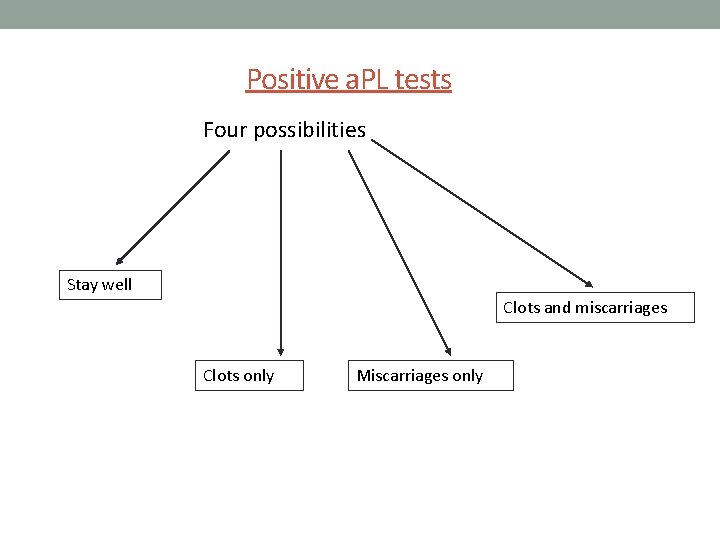
Positive a. PL tests Four possibilities Stay well Clots and miscarriages Clots only Miscarriages only
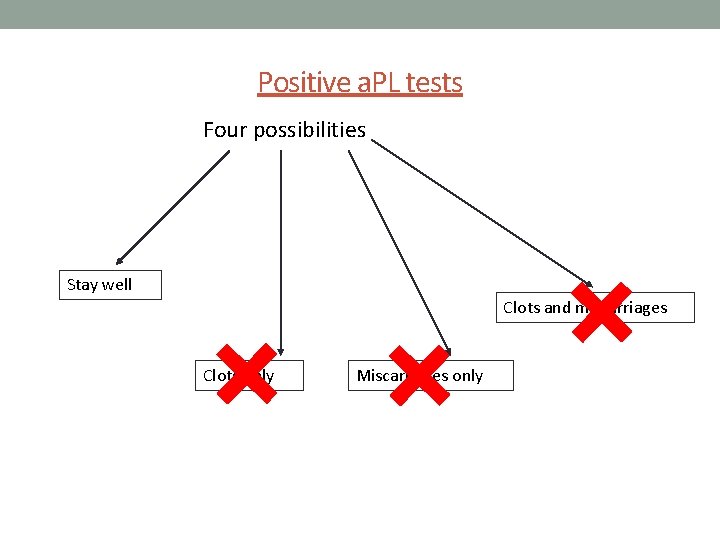
Positive a. PL tests Four possibilities Stay well Clots and miscarriages Clots only Miscarriages only