American Revolution Unit 2 Review Proclamation of 1763

- Slides: 31
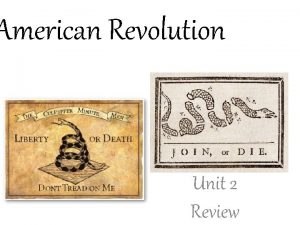
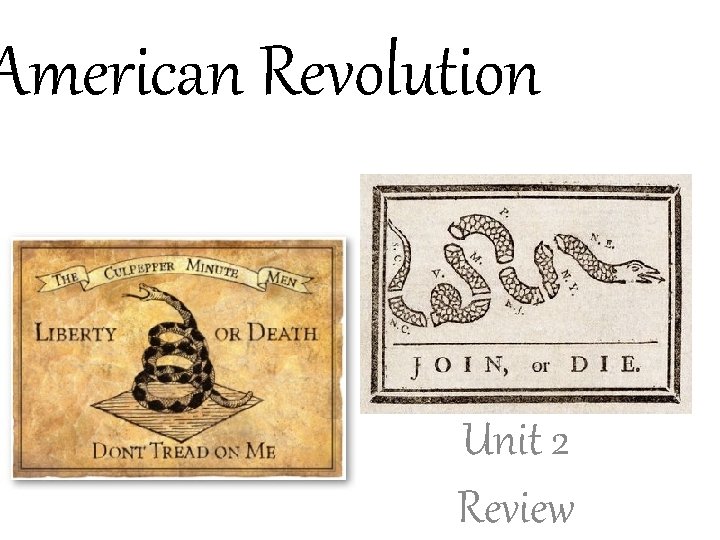
American Revolution Unit 2 Review
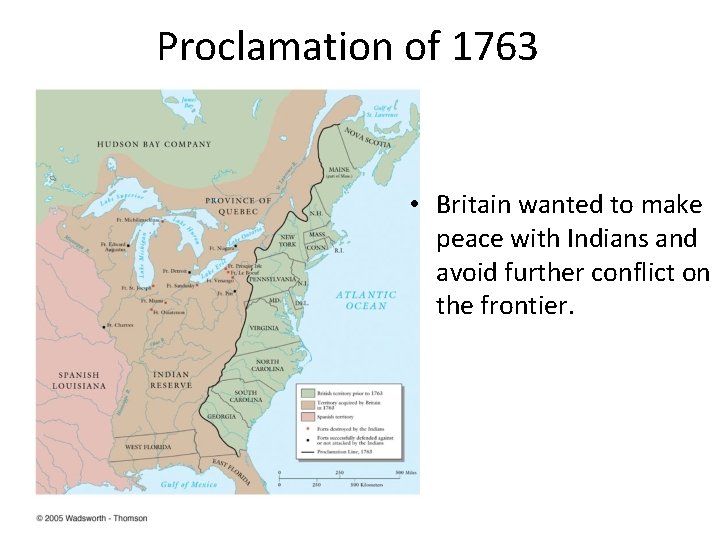
Proclamation of 1763 • Britain wanted to make peace with Indians and avoid further conflict on the frontier.
Sugar Act 1764 • Increased tax on foreign imported sugar from the West Indies.
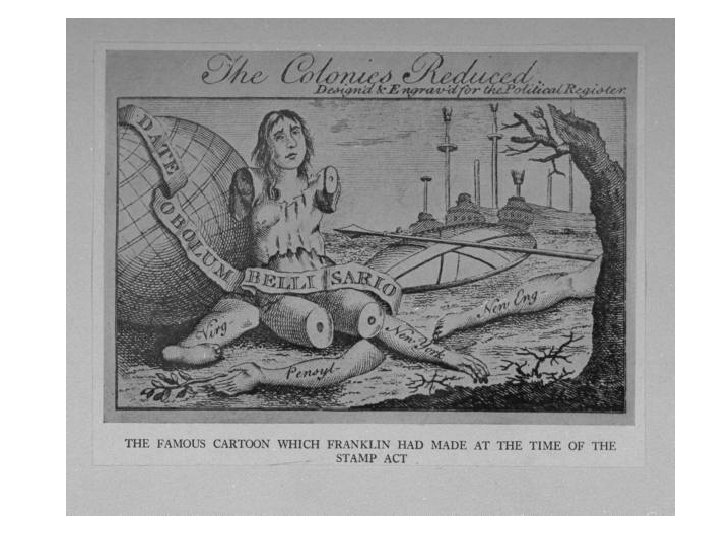
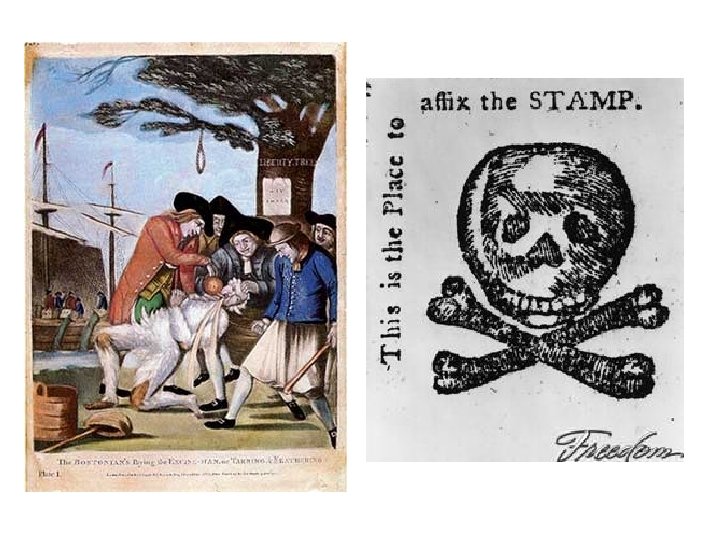
Stamp Act, 1765 • • • England was broke from the French and Indian War. Needed to raise money. Heavily enforced the Navigation Laws. Stamp Act 1765, raised taxes on anything printed. * A tax that effects all social classes.
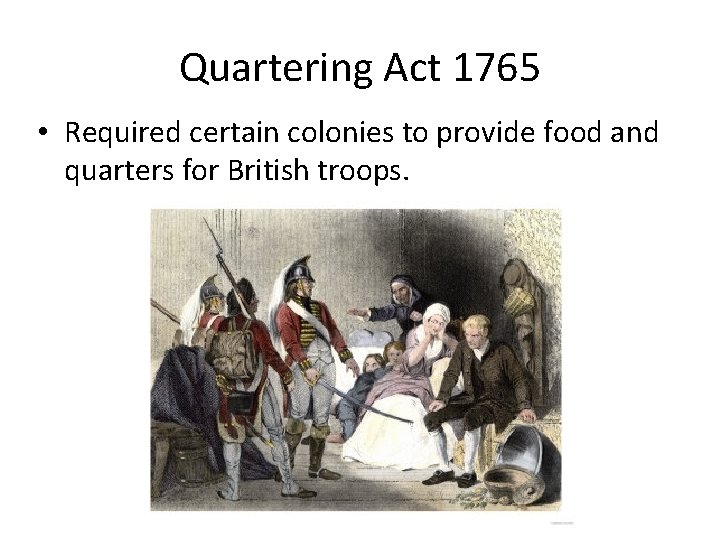
Quartering Act 1765 • Required certain colonies to provide food and quarters for British troops.
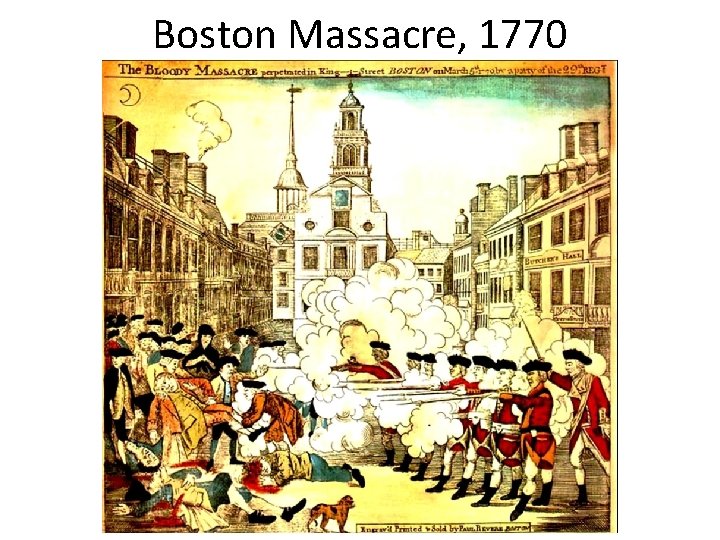
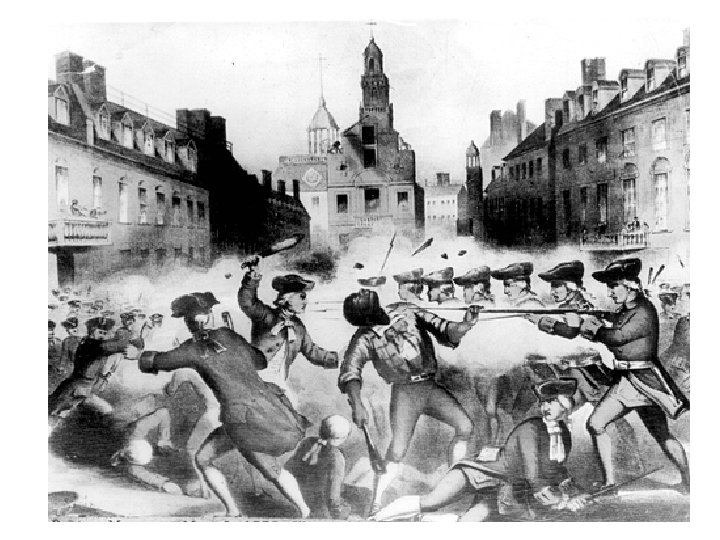
Boston Massacre, 1770
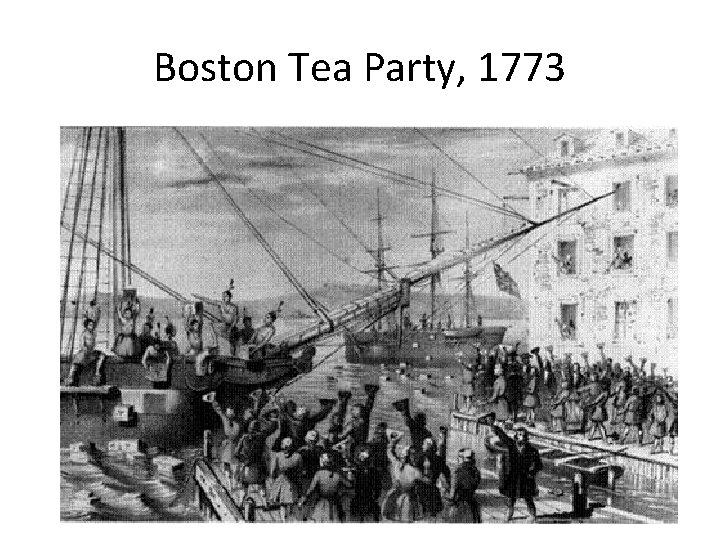
Boston Tea Party, 1773
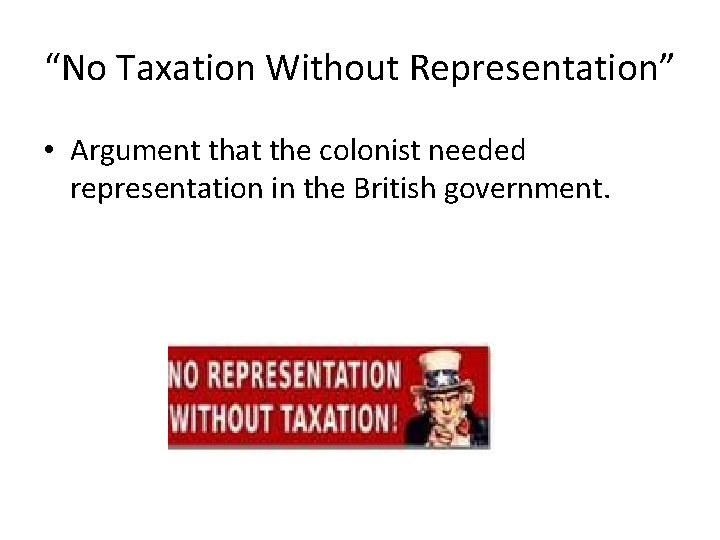
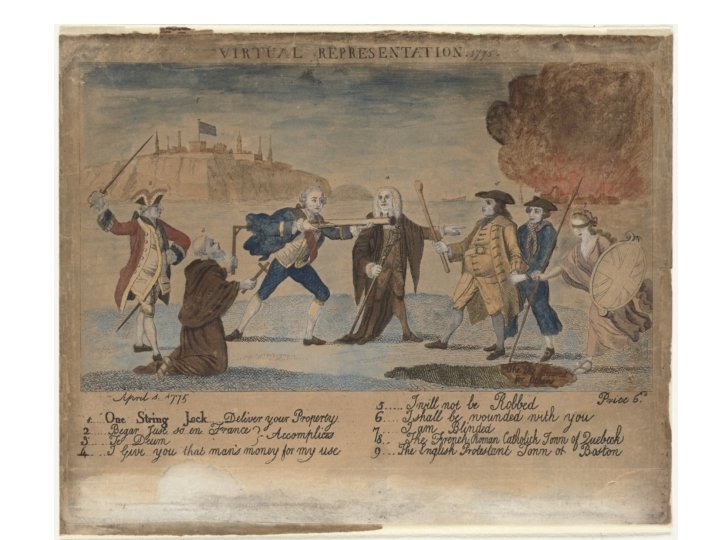
“No Taxation Without Representation” • Argument that the colonist needed representation in the British government.
First Continental Congress, 1774 • 12 out of the 13 colonies joined in Philadelphia, PA. • There to discuss Intolerable Acts • Called for complete boycott of British goods. Began forming militias (minutemen). – Not calling for independence.
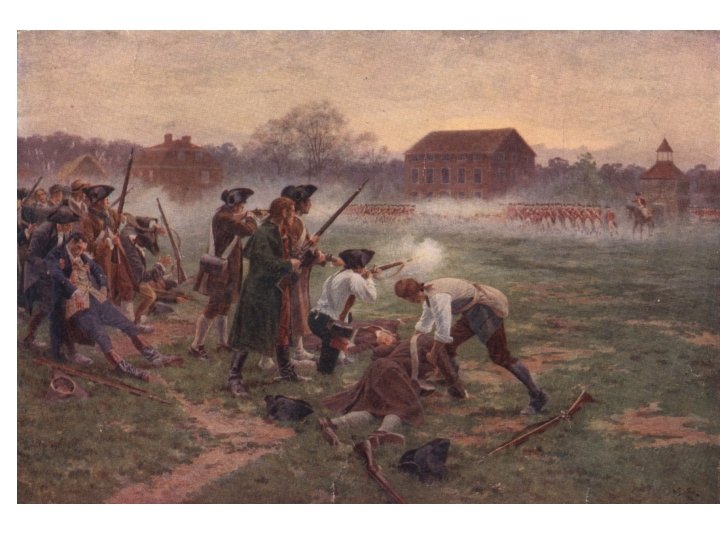
Lexington & Concord • April 1775 • British soldiers moved to Lexington to seize colonists’ arsenal of weapons. • Battle ensues and 300 dead.
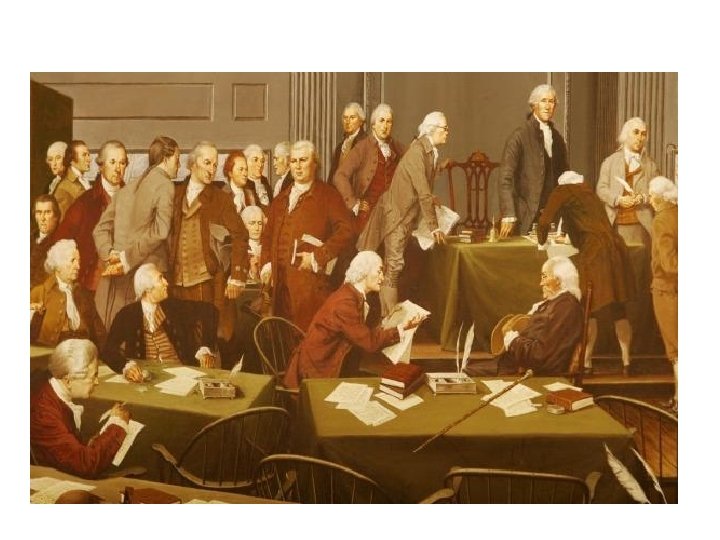
2 nd Continental Congress • • • Met in Philadelphia. All 13 colonies are represented. No fight for independence, they just wanted to continue fighting in the hope that King George III & Parliament would correct problems. George Washington selected to lead: Army background.
• Intentions unclear the first year of the war. • July 1775: Continental Congress: Olive Branch Petition- professing American loyalty to the Crown, begging the King to prevent hostilities. • August 1775: King George III decides “No Reconciliation. ” 1. Colonies are rebelling. 2. Hired Hessians “German Soldiers” to fight the rebels.
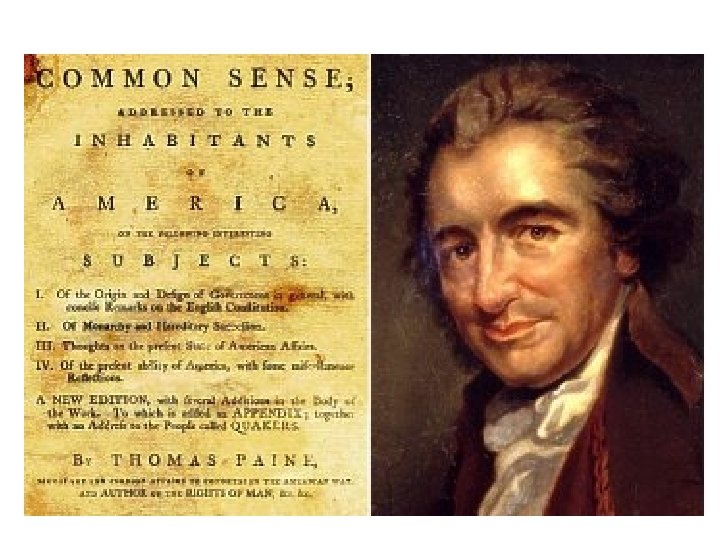
Thomas Paine • Why do Americans continue to deny independence? – Loyalty to empire deeply ingrained – Poor unity among colonies • “Common Sense” - pamphlet – 120, 000 copies sold – “Royal Brute of Great Britain” – Rights of man – Power flowed from the people
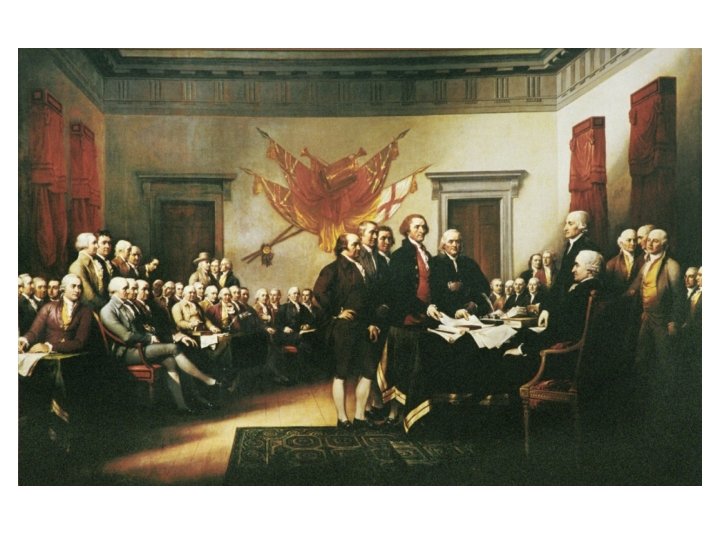
Declaration of Independence • July 4, 1776, Thomas Jefferson • Justification of rebellion lies in the idea of natural rights. • http: //www. youtube. com/watch? v=C 7 o 5 k. Wr b. JJE
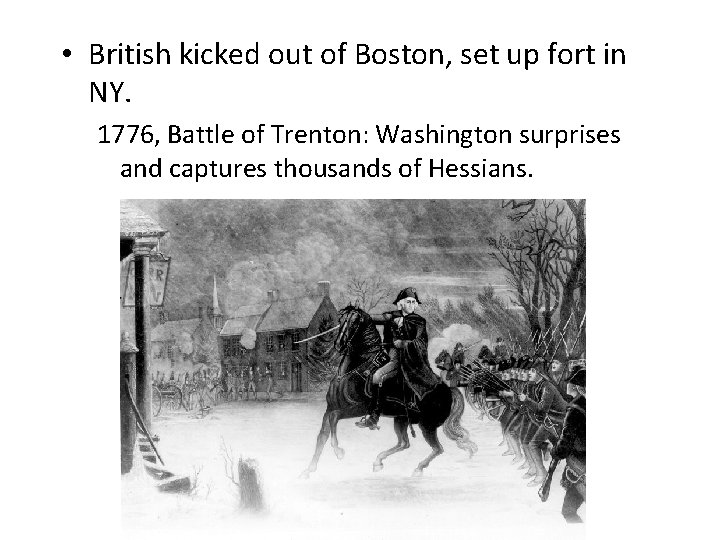
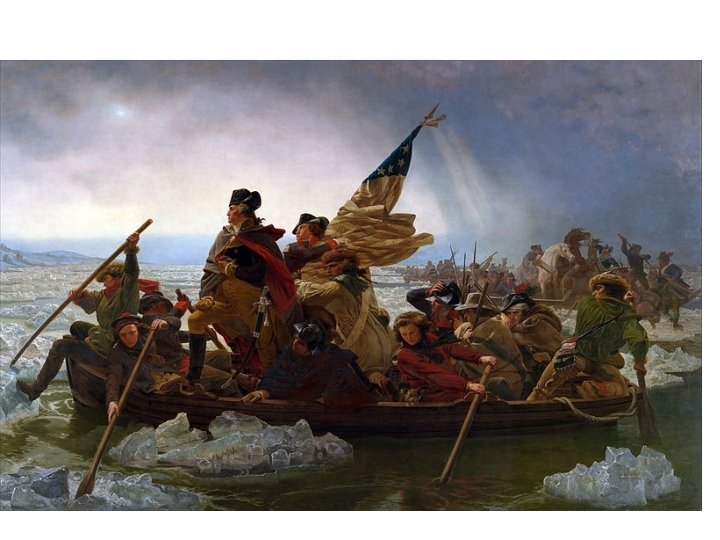
• British kicked out of Boston, set up fort in NY. 1776, Battle of Trenton: Washington surprises and captures thousands of Hessians.
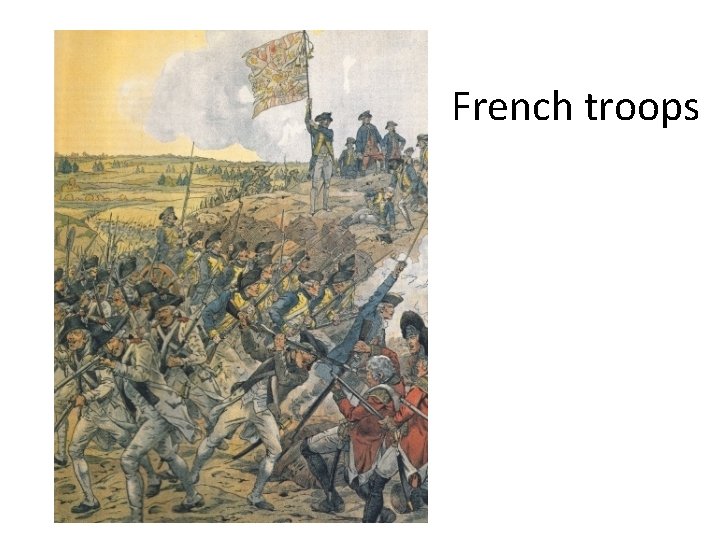
France seeks revenge on Britain • 1778 - Ben Franklin secures a Treaty of Alliance with France • Spain & Holland followed, conflict turns global • 1778 -1783: France supplies America with weapons, money, equipment, ½ of all armed forces, and virtually all naval power
French troops
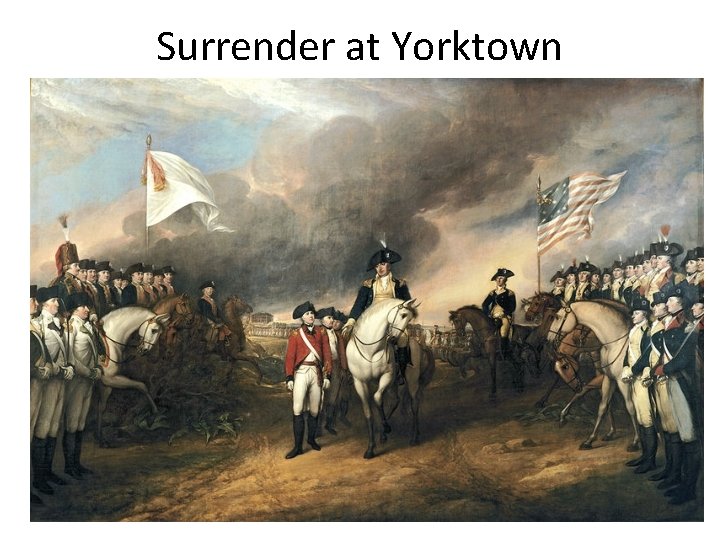
Yorktown, 1781 • French help Americans lead an assault while British are waiting for reinforcements and supplies • British surrender 7, 000 troops • British begin growing tired of the fight
Surrender at Yorktown
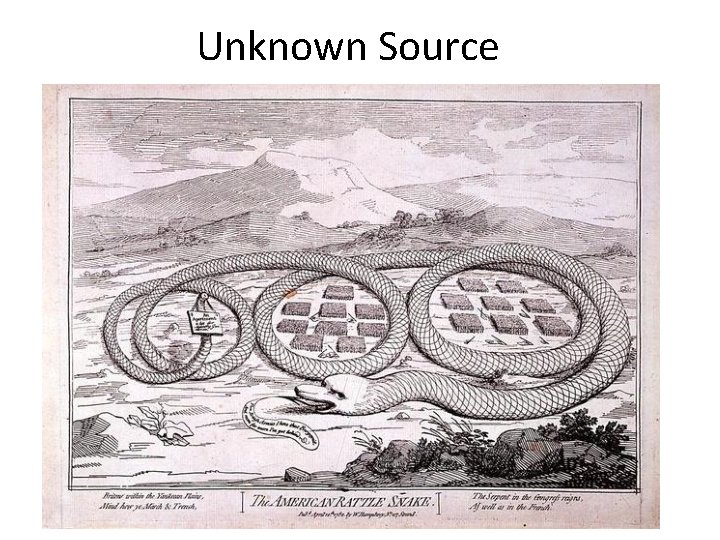
Unknown Source
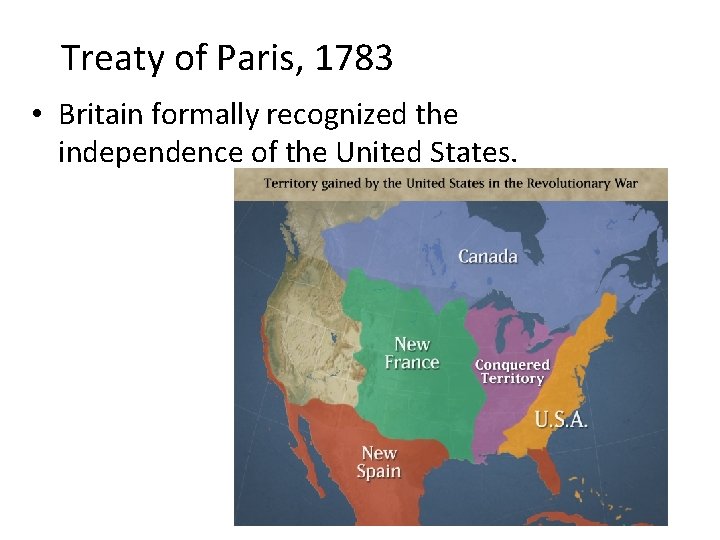
Treaty of Paris, 1783 • Britain formally recognized the independence of the United States.
Clips • http: //www. youtube. com/watch? v=2 YHl_0 P 2 EJ 4