3 1 3 When Cells Lose Control Understanding


- Slides: 37
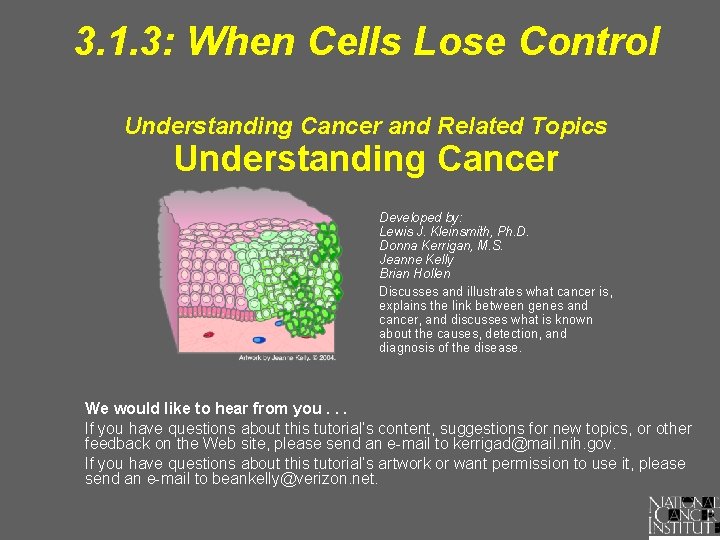
3. 1. 3: When Cells Lose Control Understanding Cancer and Related Topics Understanding Cancer Developed by: Lewis J. Kleinsmith, Ph. D. Donna Kerrigan, M. S. Jeanne Kelly Brian Hollen Discusses and illustrates what cancer is, explains the link between genes and cancer, and discusses what is known about the causes, detection, and diagnosis of the disease. We would like to hear from you. . . If you have questions about this tutorial’s content, suggestions for new topics, or other feedback on the Web site, please send an e-mail to kerrigad@mail. nih. gov. If you have questions about this tutorial’s artwork or want permission to use it, please send an e-mail to beankelly@verizon. net.
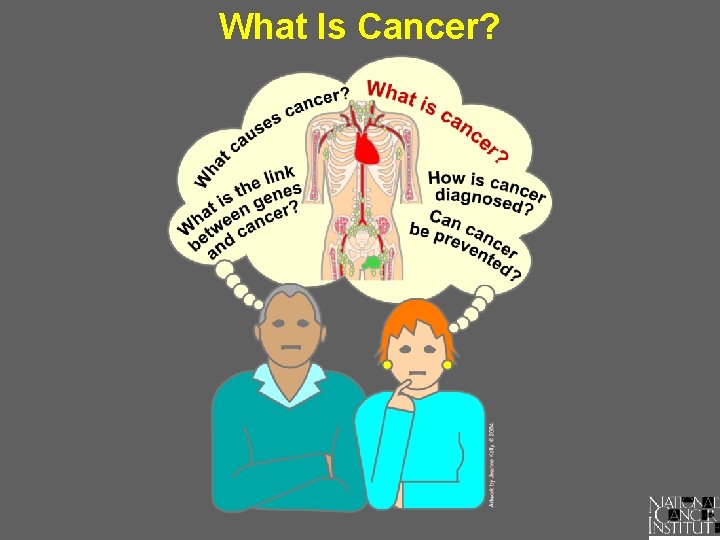
What Is Cancer?
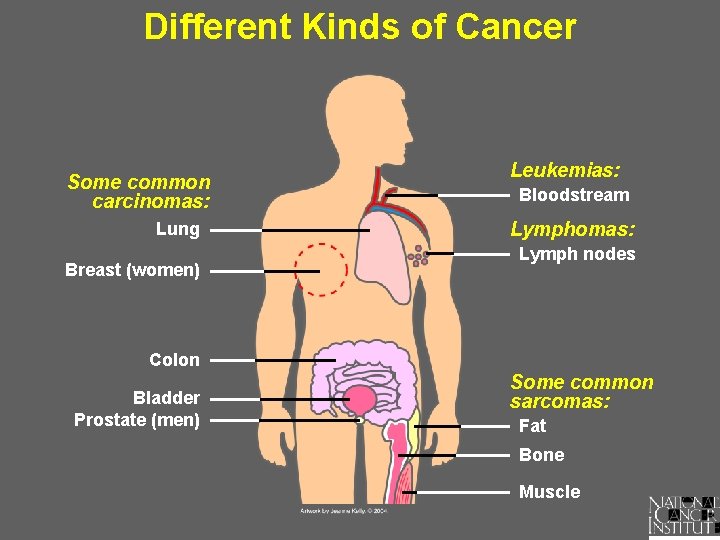
Different Kinds of Cancer Some common carcinomas: Lung Breast (women) Leukemias: Bloodstream Lymphomas: Lymph nodes Colon Bladder Prostate (men) Some common sarcomas: Fat Bone Muscle
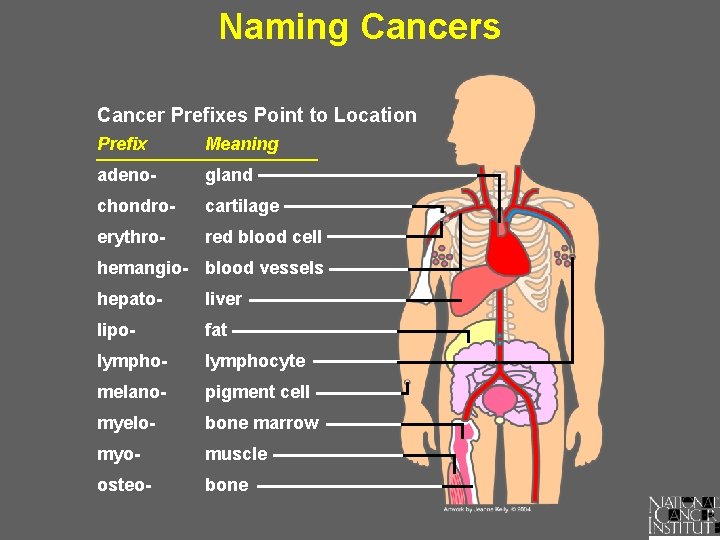
Naming Cancers Cancer Prefixes Point to Location Prefix Meaning adeno- gland chondro- cartilage erythro- red blood cell hemangio- blood vessels hepato- liver lipo- fat lympho- lymphocyte melano- pigment cell myelo- bone marrow myo- muscle osteo- bone
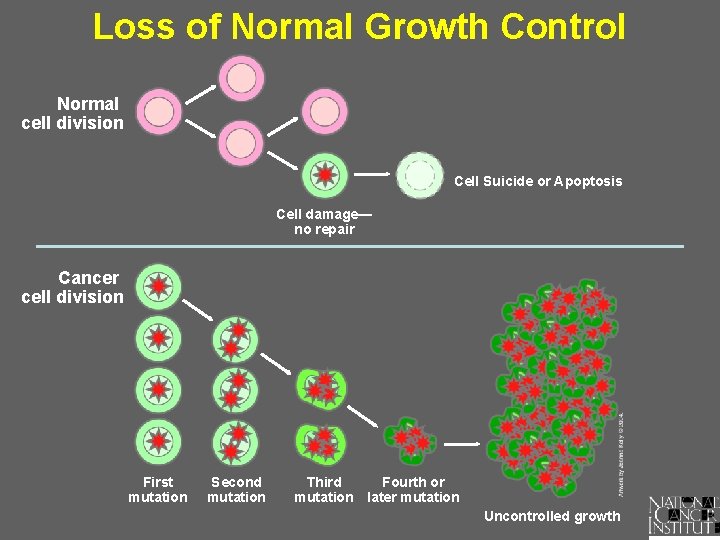
Loss of Normal Growth Control Normal cell division Cell Suicide or Apoptosis Cell damage— no repair Cancer cell division First mutation Second mutation Third Fourth or mutation later mutation Uncontrolled growth
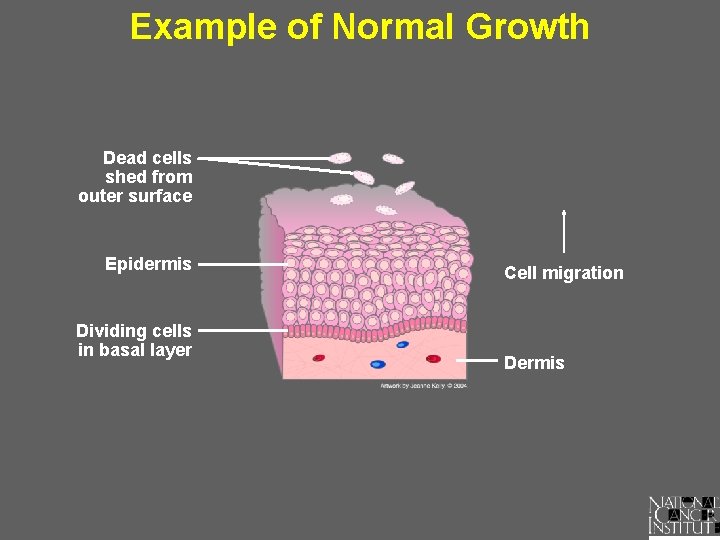
Example of Normal Growth Dead cells shed from outer surface Epidermis Dividing cells in basal layer Cell migration Dermis
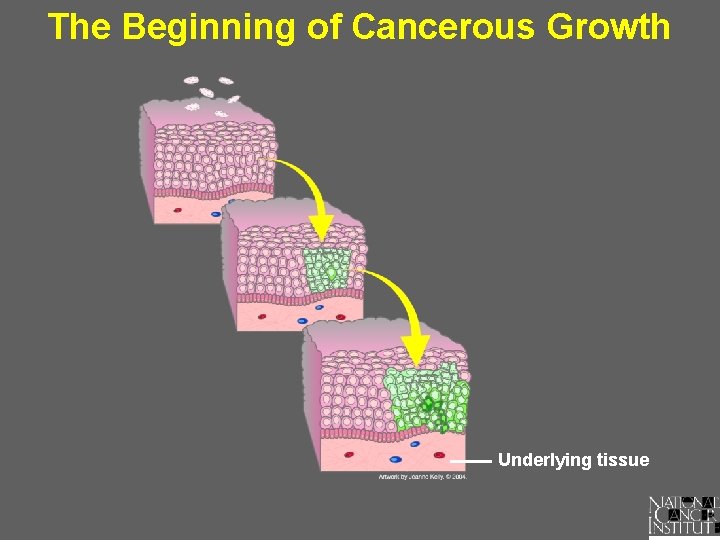
The Beginning of Cancerous Growth Underlying tissue
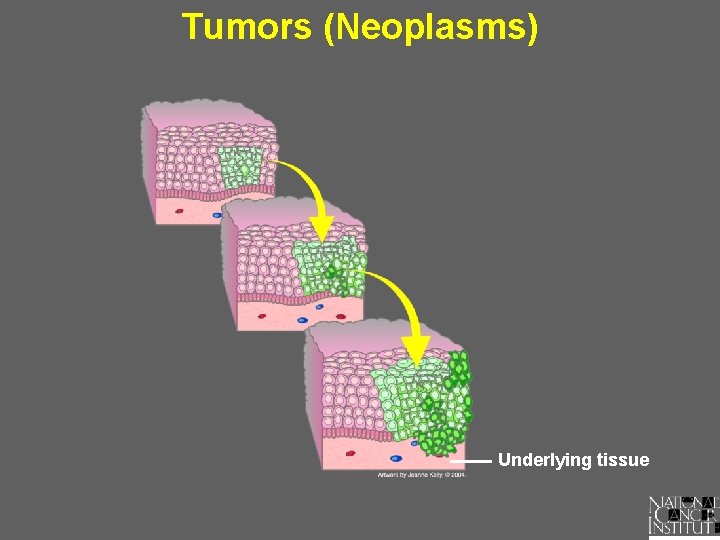
Tumors (Neoplasms) Underlying tissue
Invasion and Metastasis 1 Cancer cells invade surrounding tissues and blood vessels 2 Cancer cells are transported by the circulatory system to distant sites 3 Cancer cells reinvade and grow at new location
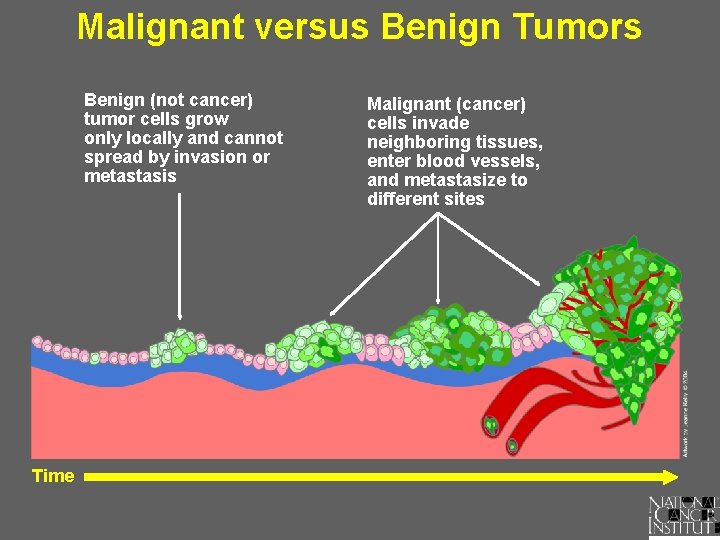
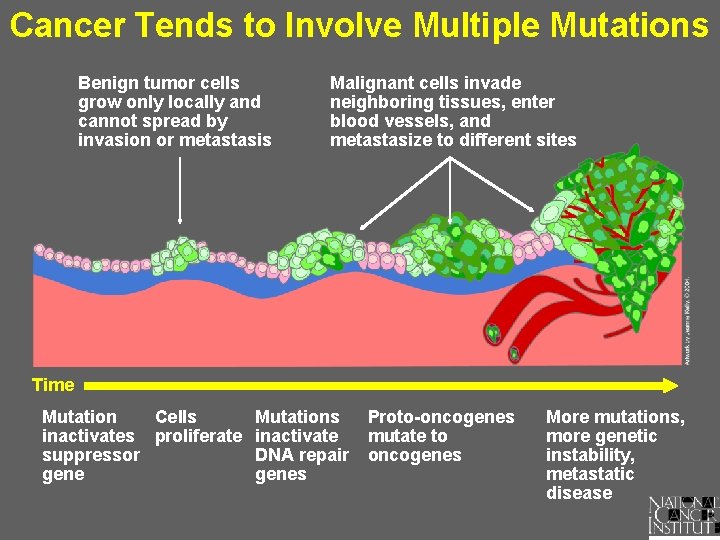
Malignant versus Benign Tumors Benign (not cancer) tumor cells grow only locally and cannot spread by invasion or metastasis Time Malignant (cancer) cells invade neighboring tissues, enter blood vessels, and metastasize to different sites
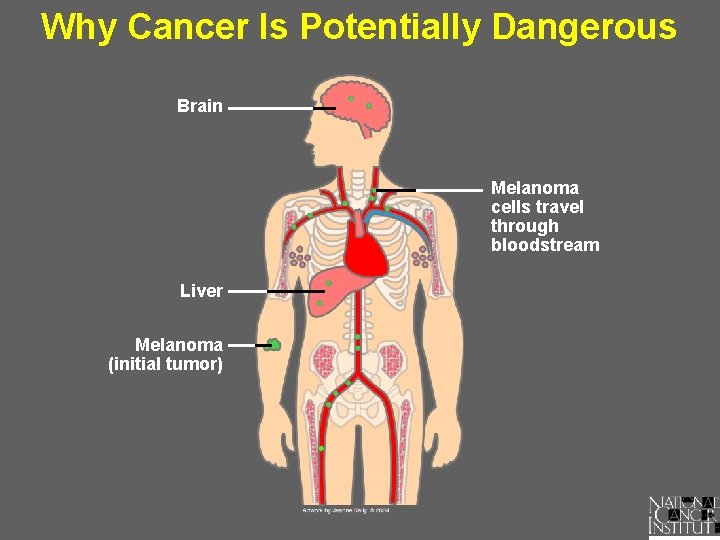
Why Cancer Is Potentially Dangerous Brain Melanoma cells travel through bloodstream Liver Melanoma (initial tumor)
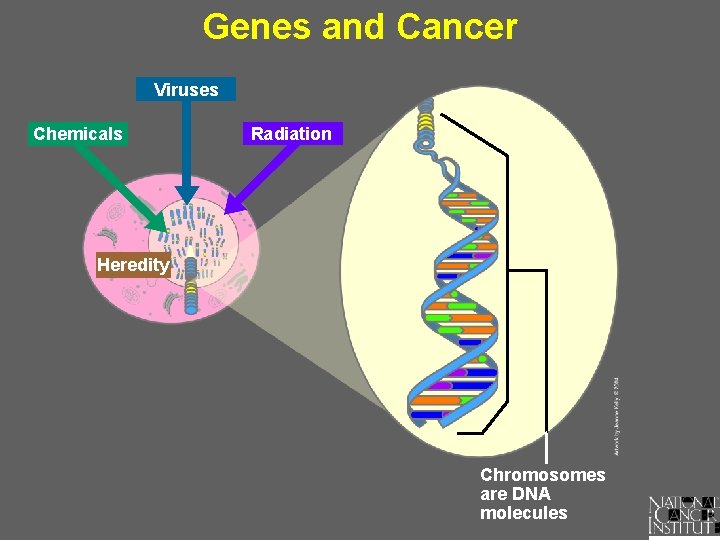
Genes and Cancer Viruses Chemicals Radiation Heredity Chromosomes are DNA molecules
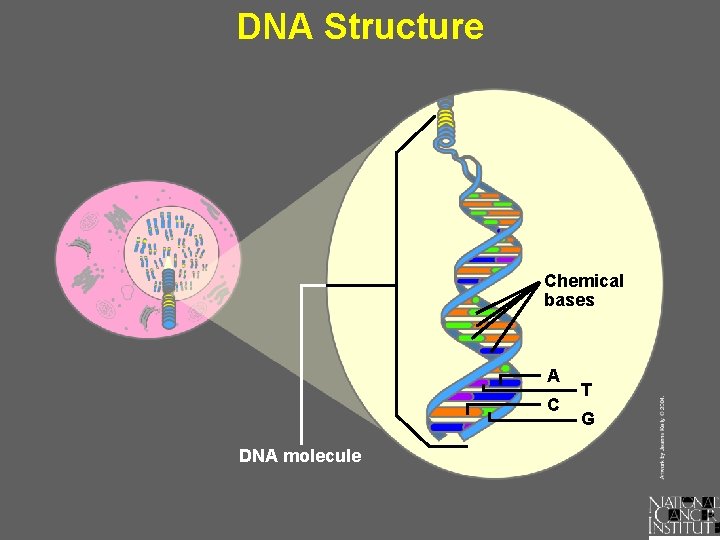
DNA Structure Chemical bases A C DNA molecule T G
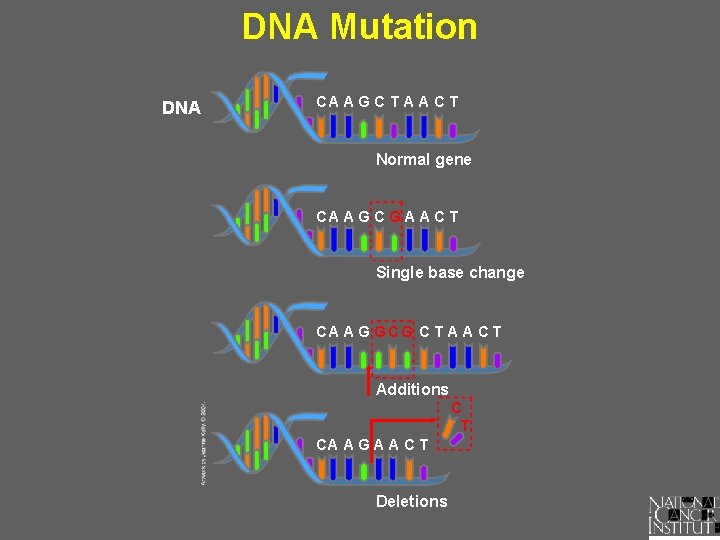
DNA Mutation DNA CA AG C T A A C T Normal gene CA AG C G A A C T Single base change CA A G G CG C T A A C T Additions C T CA A G A A C T Deletions
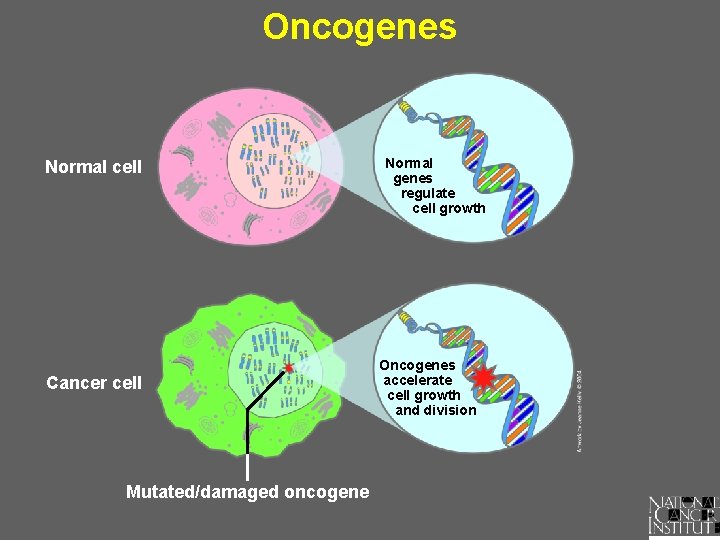
Oncogenes Normal cell Cancer cell Mutated/damaged oncogene Normal genes regulate cell growth Oncogenes accelerate cell growth and division
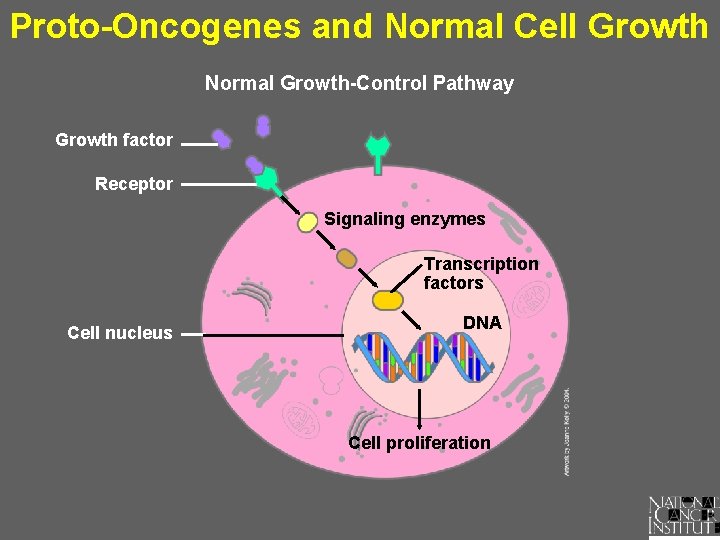
Proto-Oncogenes and Normal Cell Growth Normal Growth-Control Pathway Growth factor Receptor Signaling enzymes Transcription factors Cell nucleus DNA Cell proliferation
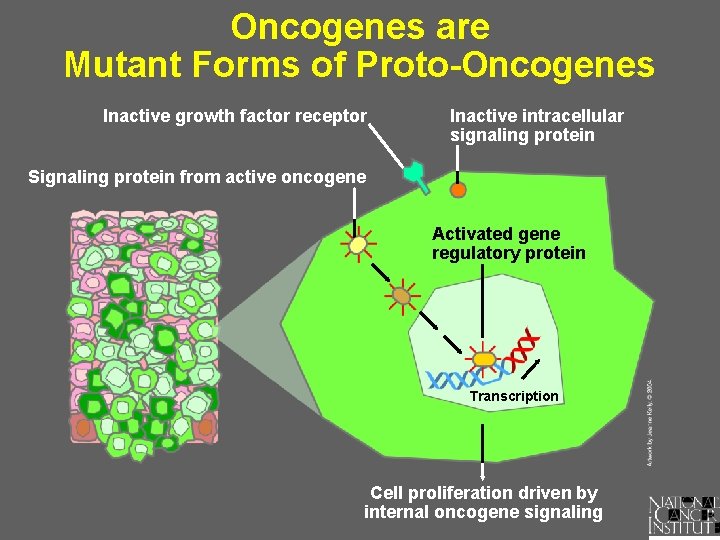
Oncogenes are Mutant Forms of Proto-Oncogenes Inactive growth factor receptor Inactive intracellular signaling protein Signaling protein from active oncogene Activated gene regulatory protein Transcription Cell proliferation driven by internal oncogene signaling
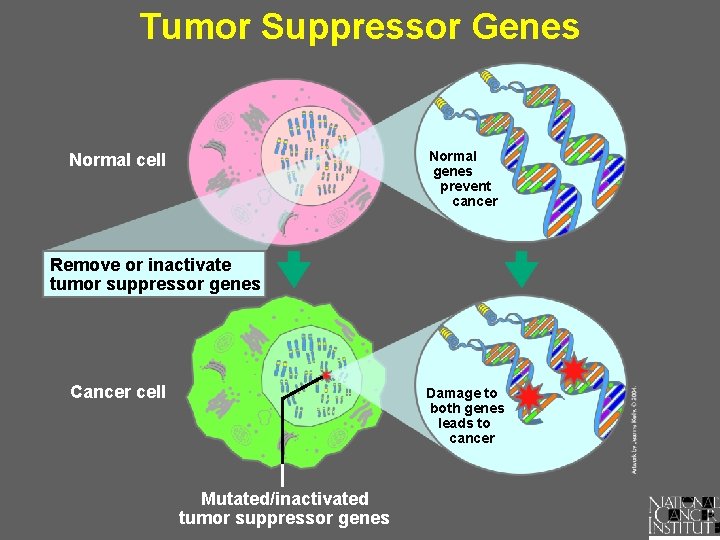
Tumor Suppressor Genes Normal genes prevent cancer Normal cell Remove or inactivate tumor suppressor genes Cancer cell Damage to both genes leads to cancer Mutated/inactivated tumor suppressor genes
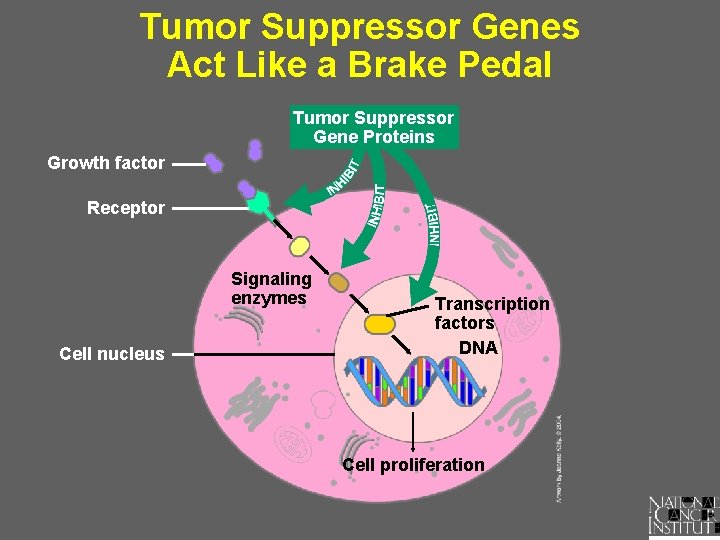
Tumor Suppressor Genes Act Like a Brake Pedal Tumor Suppressor Gene Proteins Growth factor Receptor Signaling enzymes Cell nucleus Transcription factors DNA Cell proliferation
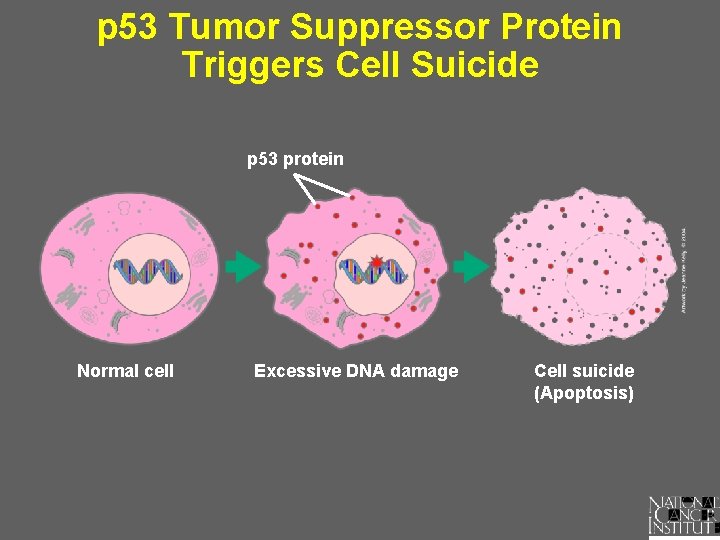
p 53 Tumor Suppressor Protein Triggers Cell Suicide p 53 protein Normal cell Excessive DNA damage Cell suicide (Apoptosis)
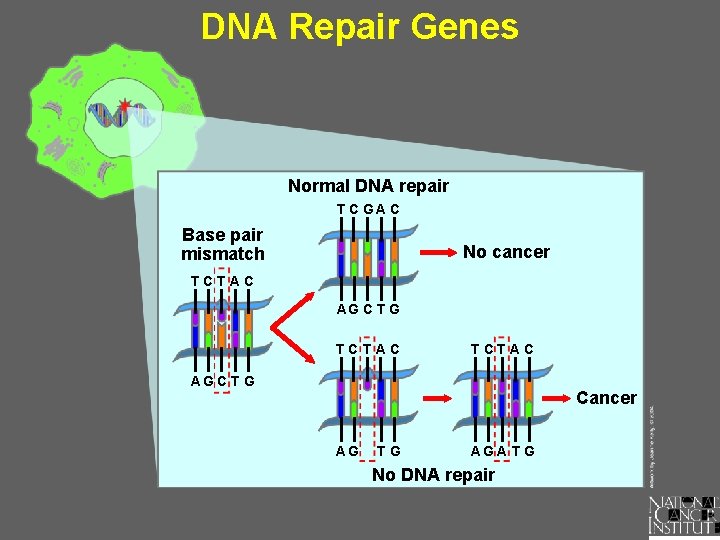
DNA Repair Genes Normal DNA repair T C GA C Base pair mismatch No cancer TC T AC AG C T G TC TAC TCT AC AG C T G Cancer AG TG AG A T G No DNA repair
Cancer Tends to Involve Multiple Mutations Benign tumor cells grow only locally and cannot spread by invasion or metastasis Malignant cells invade neighboring tissues, enter blood vessels, and metastasize to different sites Time Mutation Cells inactivates proliferate suppressor gene Mutations inactivate DNA repair genes Proto-oncogenes mutate to oncogenes More mutations, more genetic instability, metastatic disease
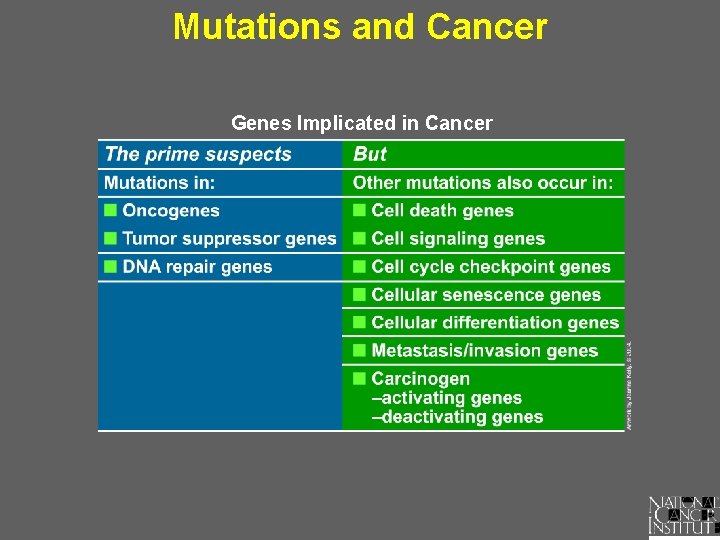
Mutations and Cancer Genes Implicated in Cancer
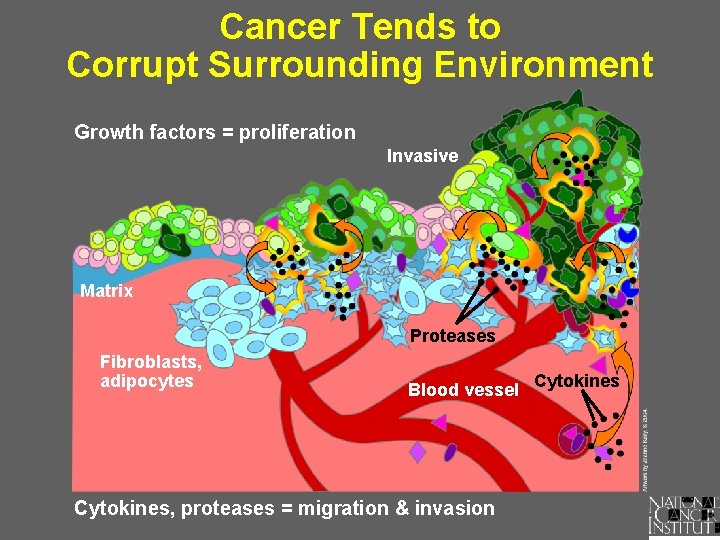
Cancer Tends to Corrupt Surrounding Environment Growth factors = proliferation Invasive Matrix Proteases Fibroblasts, adipocytes Blood vessel Cytokines, proteases = migration & invasion Cytokines
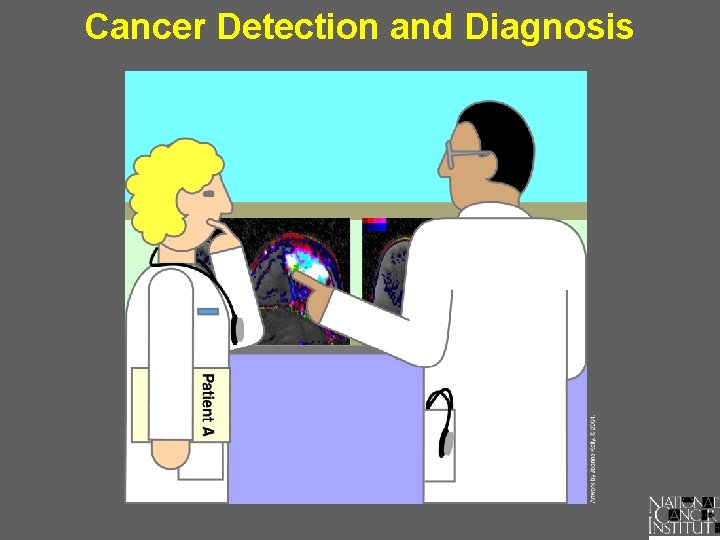
Cancer Detection and Diagnosis
Early Cancer May Not Have Any Symptoms
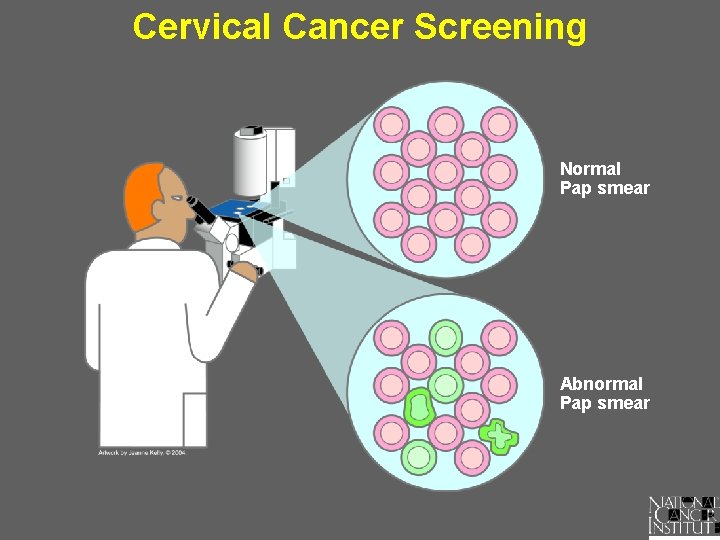
Cervical Cancer Screening Normal Pap smear Abnormal Pap smear
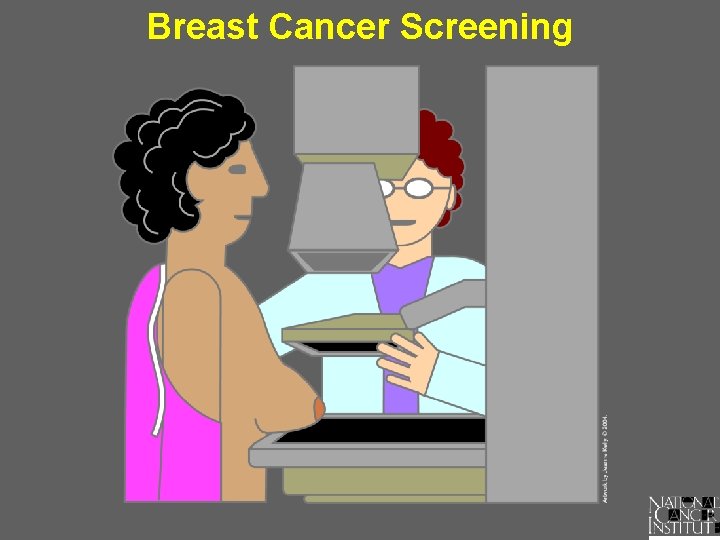
Breast Cancer Screening
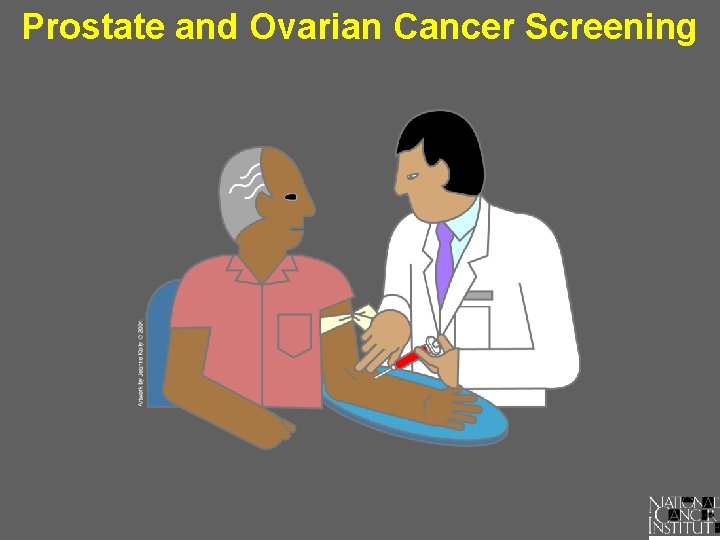
Prostate and Ovarian Cancer Screening
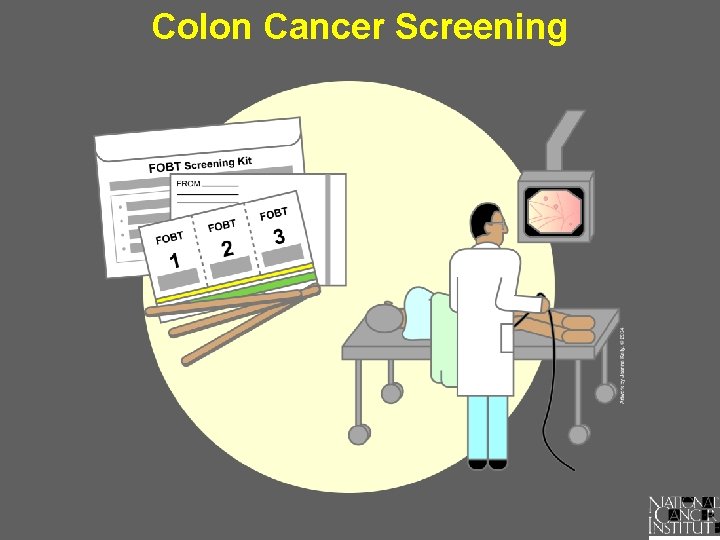
Colon Cancer Screening
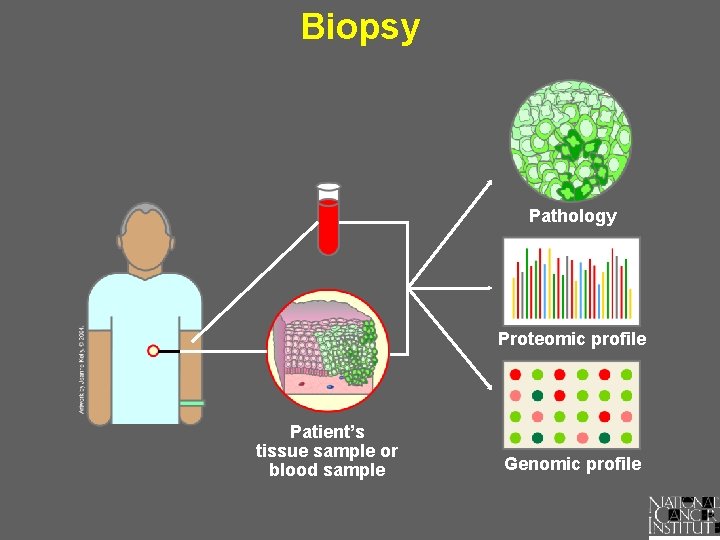
Biopsy Pathology Proteomic profile Patient’s tissue sample or blood sample Genomic profile
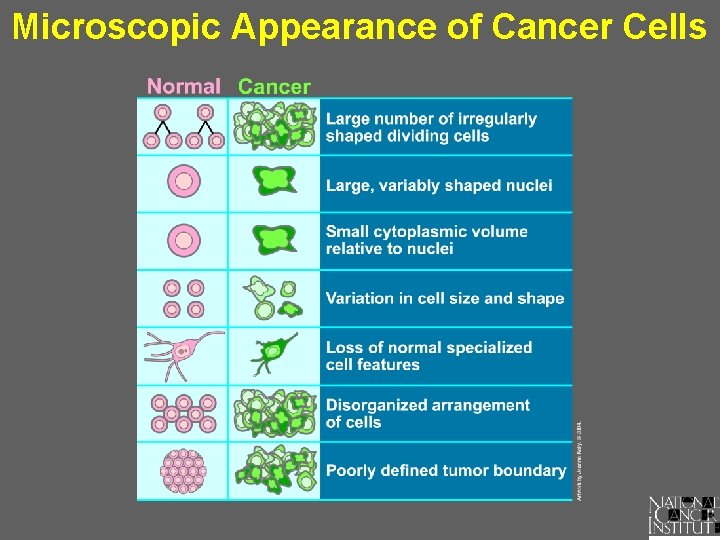
Microscopic Appearance of Cancer Cells
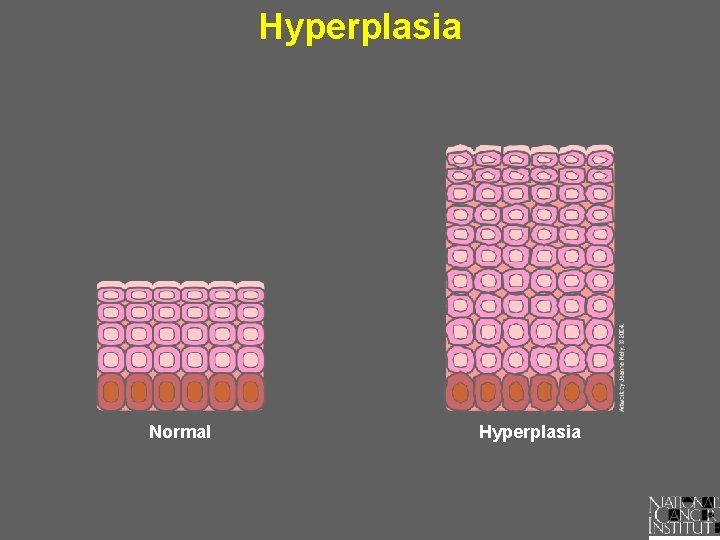
Hyperplasia Normal Hyperplasia
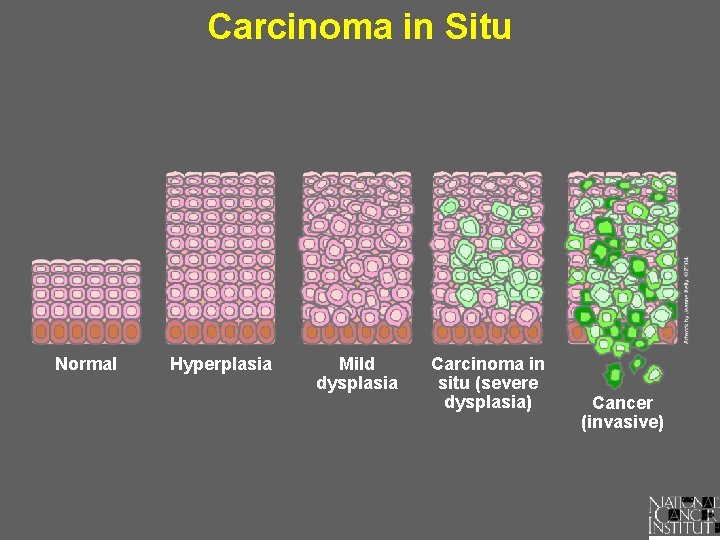
Dysplasia Normal Hyperplasia Mild dysplasia
Carcinoma in Situ Normal Hyperplasia Mild dysplasia Carcinoma in situ (severe dysplasia) Cancer (invasive)
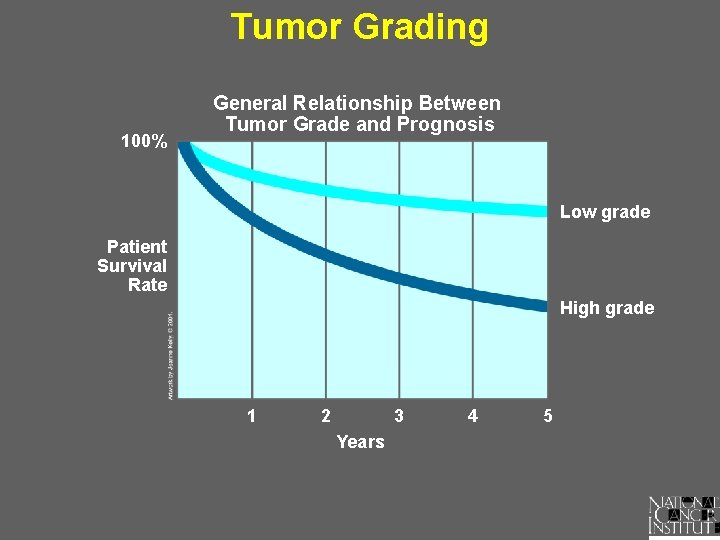
Tumor Grading 100% General Relationship Between Tumor Grade and Prognosis Low grade Patient Survival Rate High grade 1 2 3 Years 4 5
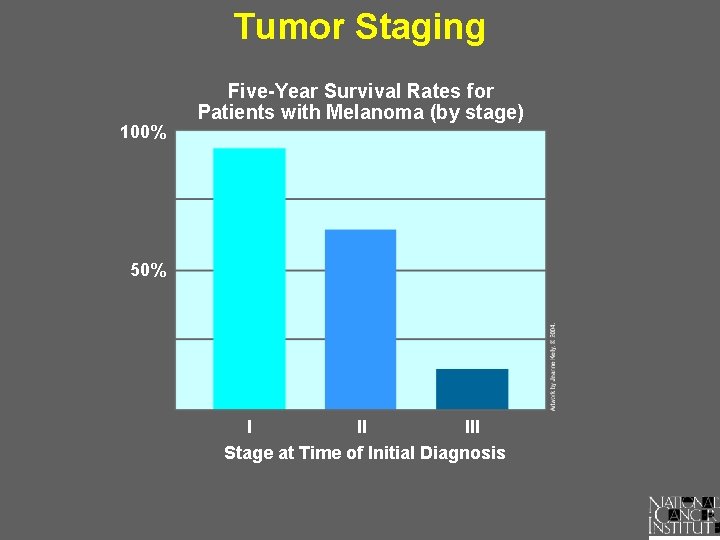
Tumor Staging 100% Five-Year Survival Rates for Patients with Melanoma (by stage) 50% I II III Stage at Time of Initial Diagnosis