Welcome to class of Trends in International Marketing



- Slides: 17
Welcome to class of Trends in International Marketing by Dr. Satyendra Singh Professor, Marketing and International Business University of Winnipeg Canada s. singh@uwinnipeg. ca http: //abem. uwinnipeg. ca www. abem. ca/conference
“We are living through a crisis of the international system. ” --Kofi Annan • Industrial countries Prosperity • Poor countries did not benefit substantially • Legitimate deficit – WTO, UN, WHO, … – because their decision making is dominated by large industrial nations • Others argue developing countries exercise power in complete disproportion to their relative standing in world affairs and in destructive manner.
Micro-Marketing Forecasts… Borrowing Culture Healthy lifestyle Learn to relax The debate between religiosity and secularism – Materialism and spiritualism. • Income on rise • • – Affordability – Luxury products • Sports • Recreation • Tourism
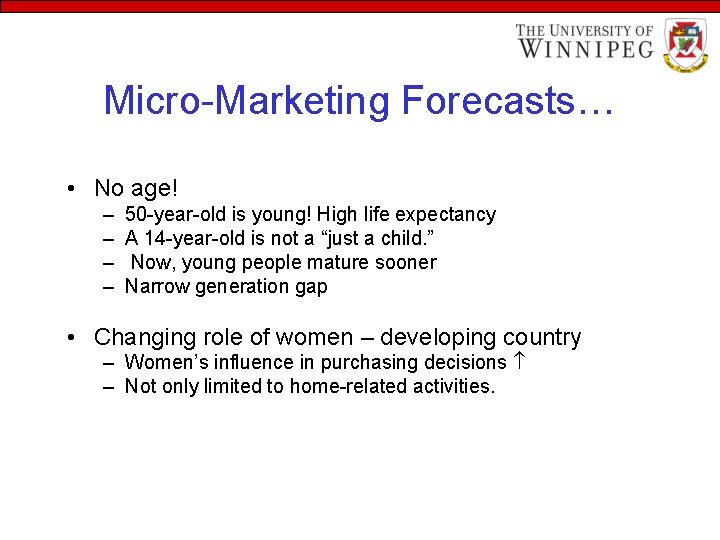
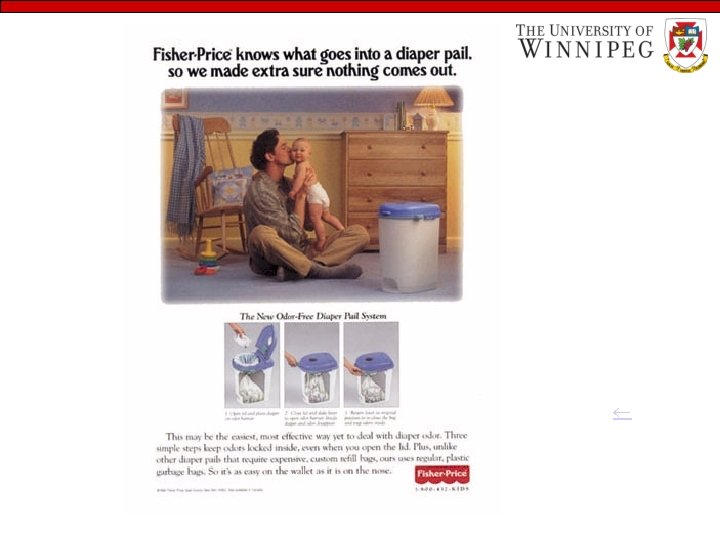
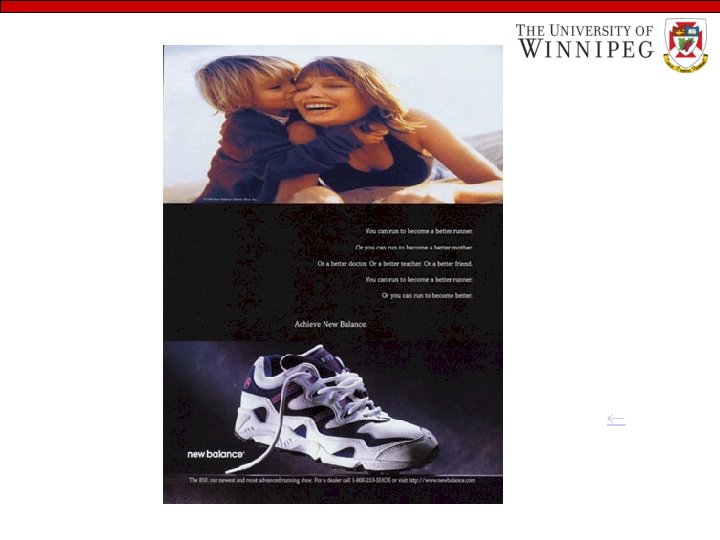
Micro-Marketing Forecasts… • No age! – – 50 -year-old is young! High life expectancy A 14 -year-old is not a “just a child. ” Now, young people mature sooner Narrow generation gap • Changing role of women – developing country – Women’s influence in purchasing decisions – Not only limited to home-related activities.
Micro-Marketing Forecasts • Buying experiences rather than products – Absolut vodka • Relationship between the brand its consumers. • Ethics in branding now important – Customers more knowledgeable and demanding • Truth in branding
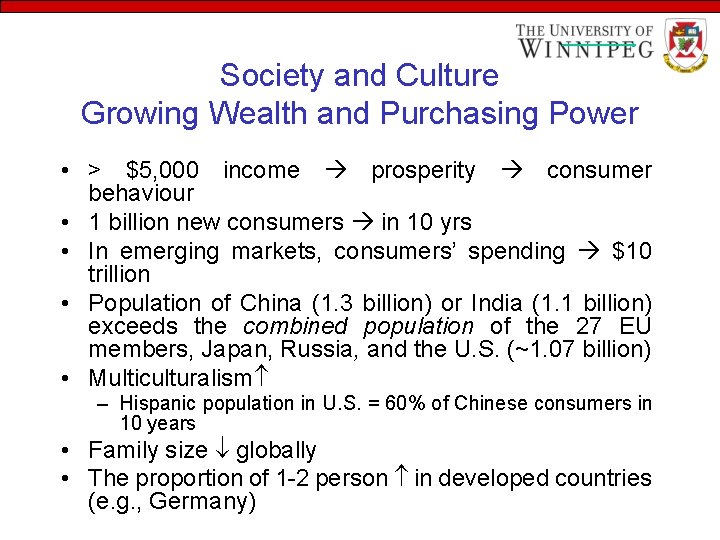
Society and Culture Growing Wealth and Purchasing Power • > $5, 000 income prosperity consumer behaviour • 1 billion new consumers in 10 yrs • In emerging markets, consumers’ spending $10 trillion • Population of China (1. 3 billion) or India (1. 1 billion) exceeds the combined population of the 27 EU members, Japan, Russia, and the U. S. (~1. 07 billion) • Multiculturalism – Hispanic population in U. S. = 60% of Chinese consumers in 10 years • Family size globally • The proportion of 1 -2 person in developed countries (e. g. , Germany)
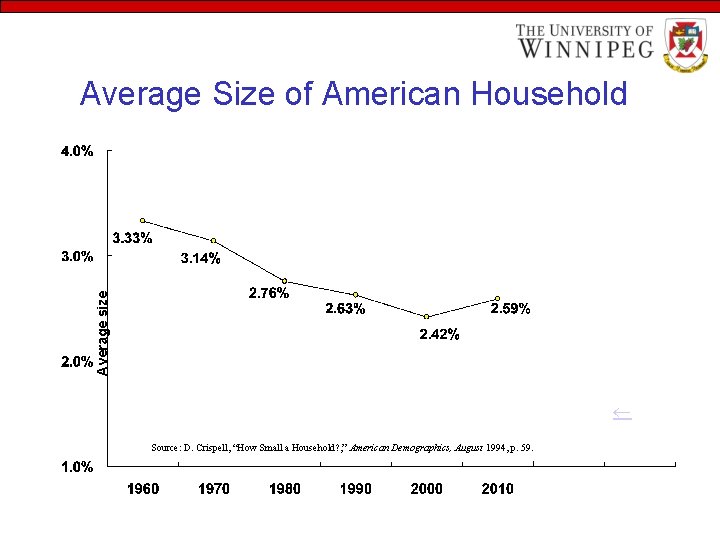
Average size Average Size of American Household Source: D. Crispell, “How Small a Household? , ” American Demographics, August 1994, p. 59.
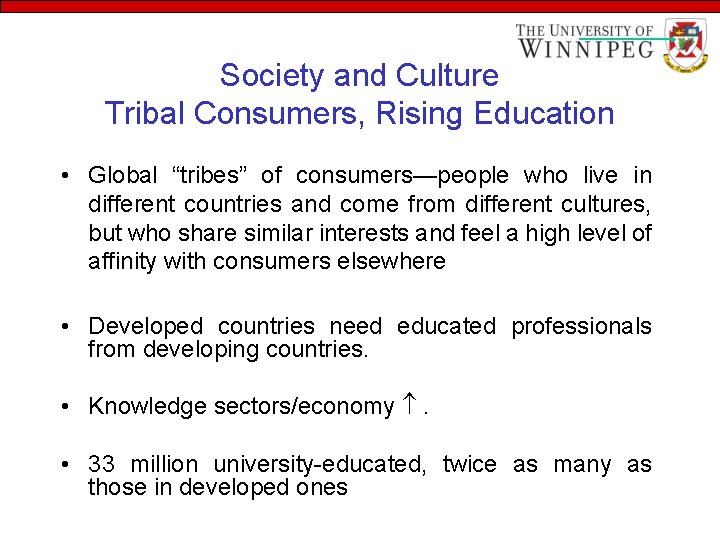
Society and Culture Tribal Consumers, Rising Education • Global “tribes” of consumers—people who live in different countries and come from different cultures, but who share similar interests and feel a high level of affinity with consumers elsewhere • Developed countries need educated professionals from developing countries. • Knowledge sectors/economy . • 33 million university-educated, twice as many as those in developed ones
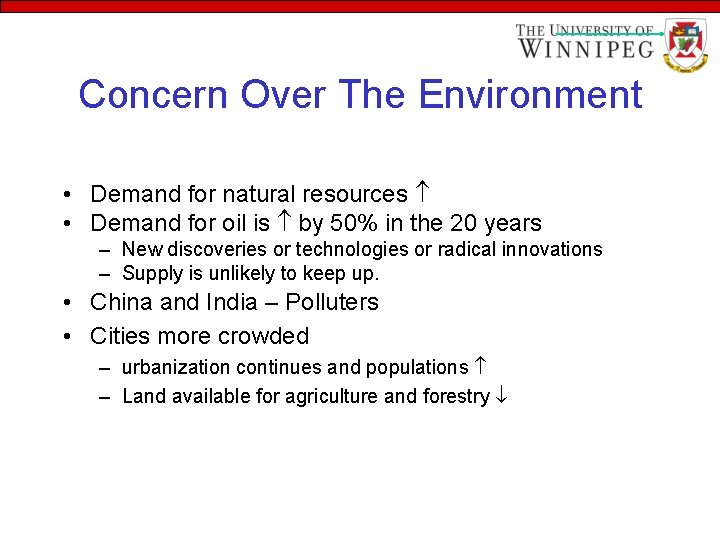
Concern Over The Environment • Demand for natural resources • Demand for oil is by 50% in the 20 years – New discoveries or technologies or radical innovations – Supply is unlikely to keep up. • China and India – Polluters • Cities more crowded – urbanization continues and populations – Land available for agriculture and forestry
Economies and Markets Bottom of the Pyramid (BOPM) Markets • 4 billion people low purchasing power – two-thirds of the global population – Grow by about 50%, to 6 billion, over the next half century or so. • BRIC+Mexico+Turkey+South Africa+ Indonesia+ Thailand = Japan+Germany+France+UK+Italy • $ by selling to world’s poorest • “Business” and “social responsibility” can work together to benefit both companies and the societies these companies serve
Foundations of Consumer Protection • 4 basic consumer rights by U. S. President John F. Kennedy in 1963: – The right to safety – The right to be informed – The right to choose – The right to be heard • Because of changed conditions since then, today we may add two more – The right to privacy – The right to a clean and healthy environment
Canada and International Marketing: The Future • Canada in International Markets – Top 50 exporters = one-half of Canadian exports – Export concentration few companies. – Some of these large exporters are subsidiaries of U. S. corporations who produce in Canada for USA – The other 50 percent of Canada’s exports is accounted for by thousands of smaller firms