The Italian Renaissance Key Concepts I Why in





- Slides: 50
The Italian Renaissance -Key Concepts-
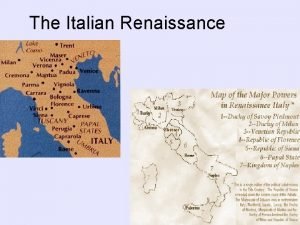
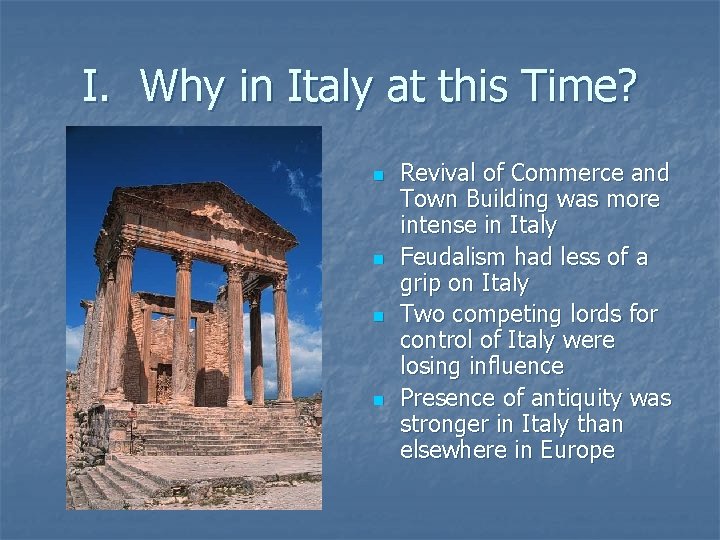
I. Why in Italy at this Time? n n Revival of Commerce and Town Building was more intense in Italy Feudalism had less of a grip on Italy Two competing lords for control of Italy were losing influence Presence of antiquity was stronger in Italy than elsewhere in Europe
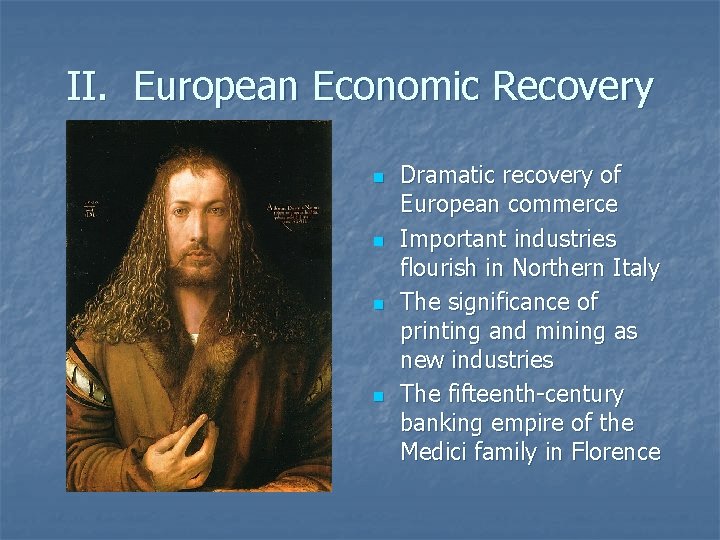
II. European Economic Recovery n n Dramatic recovery of European commerce Important industries flourish in Northern Italy The significance of printing and mining as new industries The fifteenth-century banking empire of the Medici family in Florence
III. Renaissance Economics n n Profit-making became more important than Church doctrine To overcome guilt, profitmakers indulge in philanthropy Influence of guilds declining High profits led to economic diversification
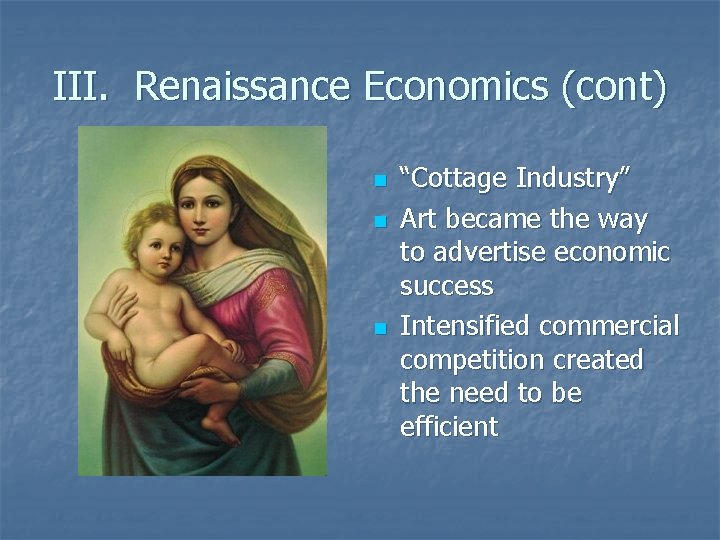
III. Renaissance Economics (cont) n n n “Cottage Industry” Art became the way to advertise economic success Intensified commercial competition created the need to be efficient
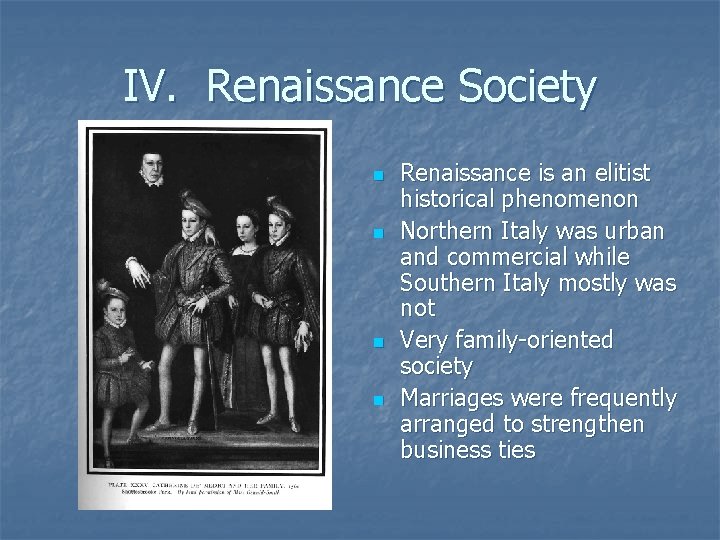
IV. Renaissance Society n n Renaissance is an elitist historical phenomenon Northern Italy was urban and commercial while Southern Italy mostly was not Very family-oriented society Marriages were frequently arranged to strengthen business ties
IV. Renaissance Society (cont) n n n Father’s authority over his family Some wealthy women played an important role in Italian city-states --Isabella d’Este of Mantua Concentration of wealth among great families -- “populo grosso”
IV. Renaissance Society (cont) n n n Extreme social stratification divided into factions around the wealthiest families Poor increasingly attempting to improve their social status --The Ciompi Revolt (1378) -- “populo minuto” “The Cult of the Individual”
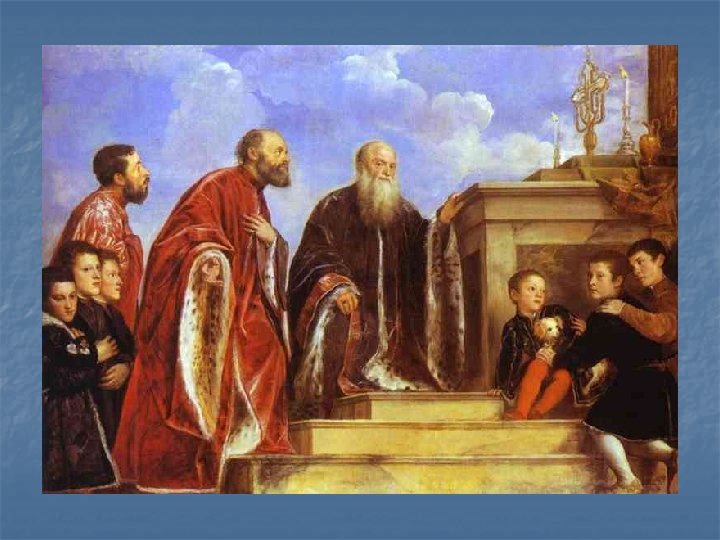
IV. Renaissance Society (cont) n n n Number of portraits painted during this era illustrates focus on the individual A true nobleman Growing humanism and secularism in a Christian context Focus on man’s free will Rewards for living excellently came in this life
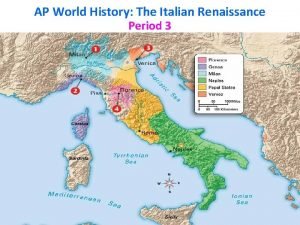
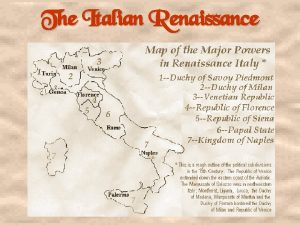
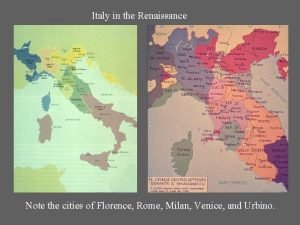
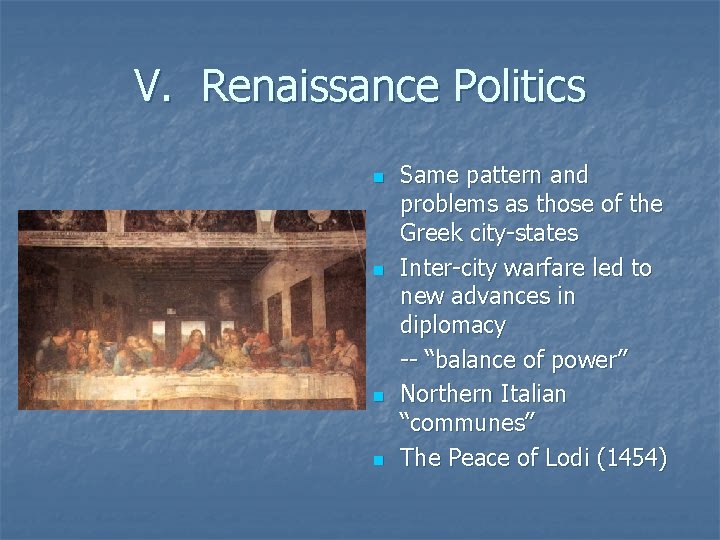
V. Renaissance Politics n n Same pattern and problems as those of the Greek city-states Inter-city warfare led to new advances in diplomacy -- “balance of power” Northern Italian “communes” The Peace of Lodi (1454)
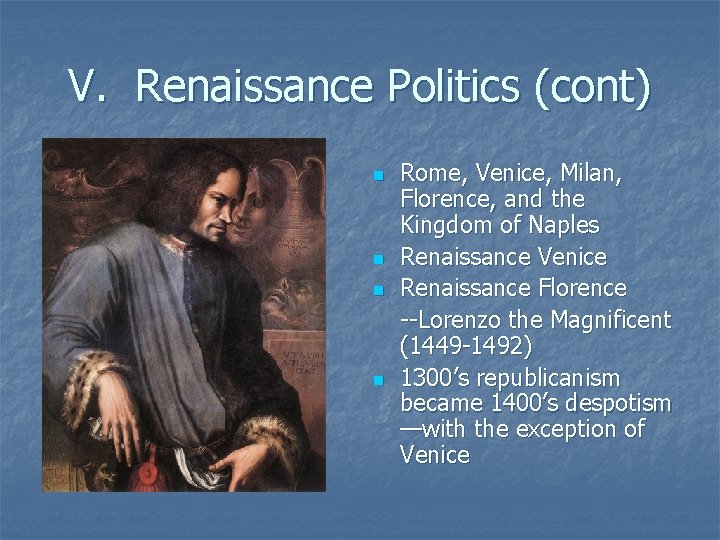
V. Renaissance Politics (cont) n n Rome, Venice, Milan, Florence, and the Kingdom of Naples Renaissance Venice Renaissance Florence --Lorenzo the Magnificent (1449 -1492) 1300’s republicanism became 1400’s despotism —with the exception of Venice
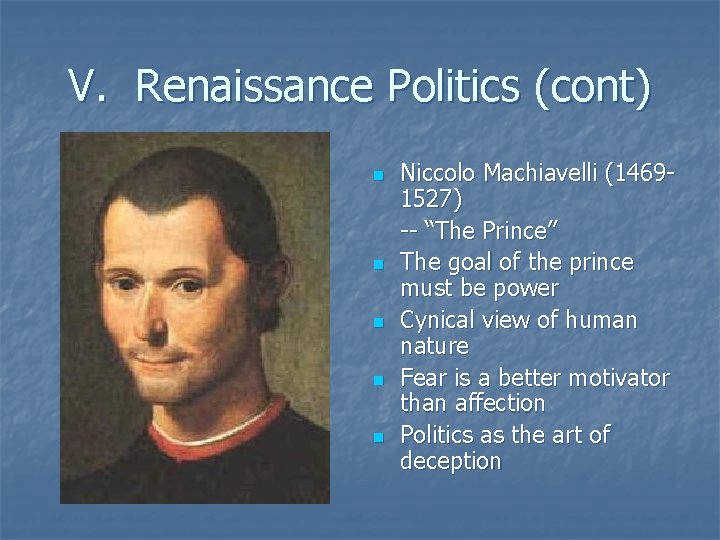
V. Renaissance Politics (cont) n n n Niccolo Machiavelli (14691527) -- “The Prince” The goal of the prince must be power Cynical view of human nature Fear is a better motivator than affection Politics as the art of deception
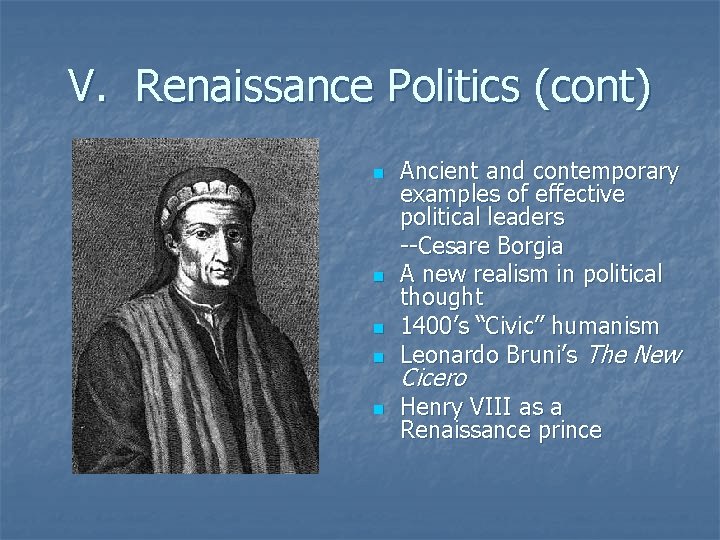
V. Renaissance Politics (cont) n n n Ancient and contemporary examples of effective political leaders --Cesare Borgia A new realism in political thought 1400’s “Civic” humanism Leonardo Bruni’s The New Cicero Henry VIII as a Renaissance prince
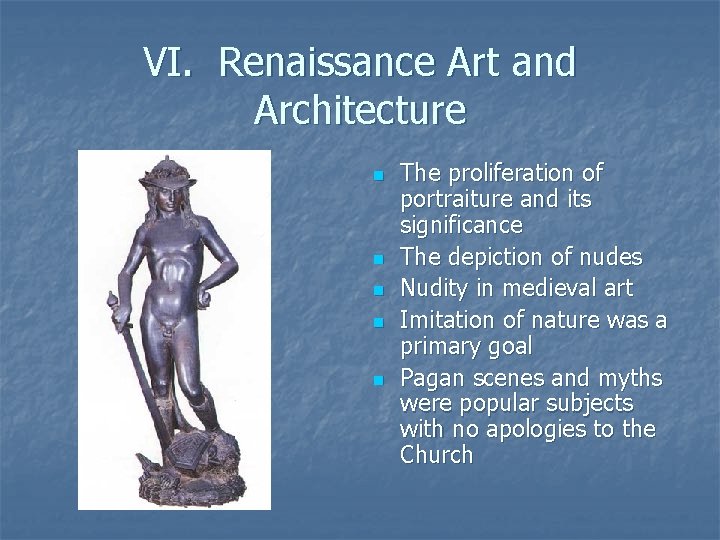
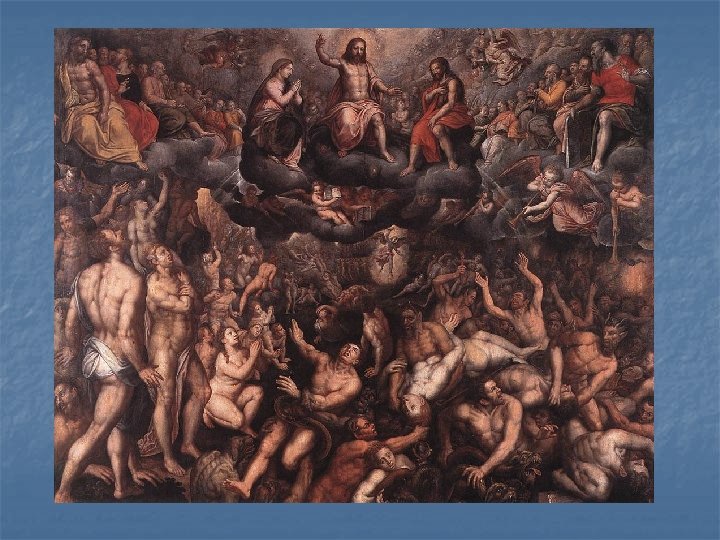
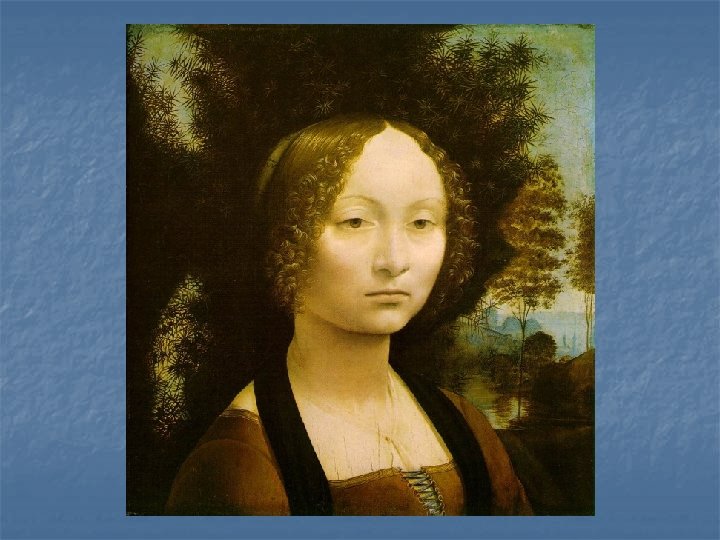
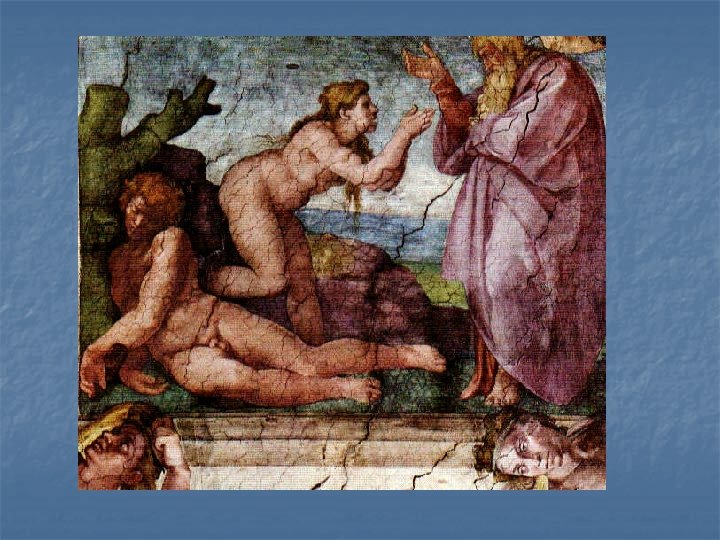
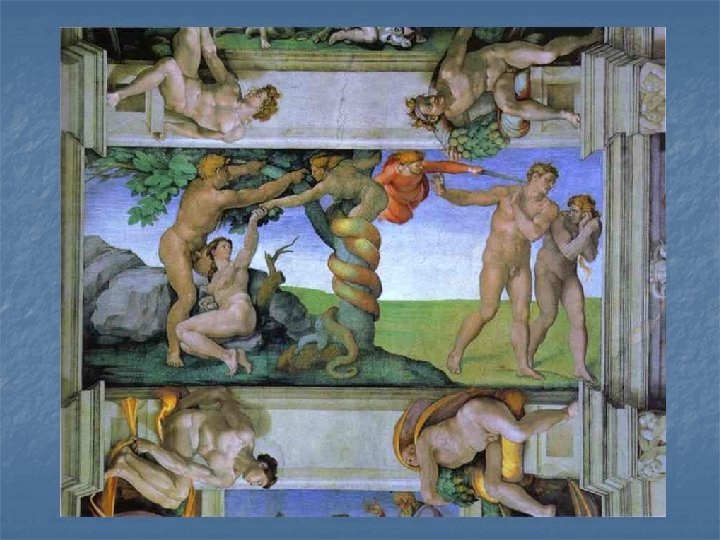
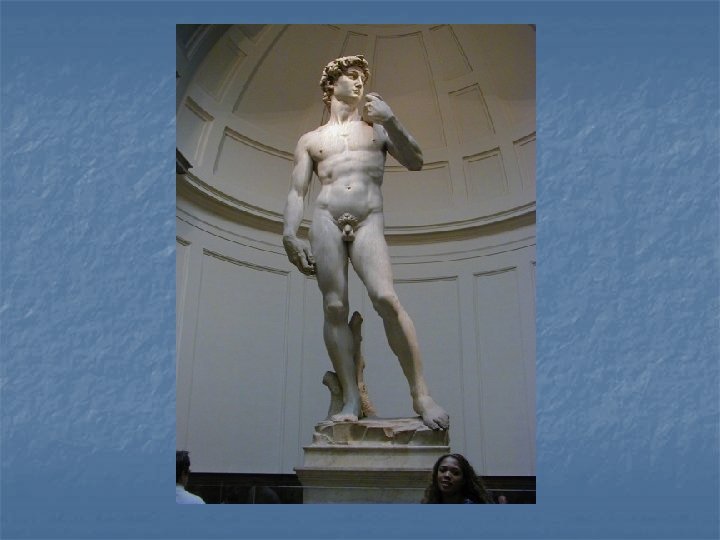
VI. Renaissance Art and Architecture n n n The proliferation of portraiture and its significance The depiction of nudes Nudity in medieval art Imitation of nature was a primary goal Pagan scenes and myths were popular subjects with no apologies to the Church
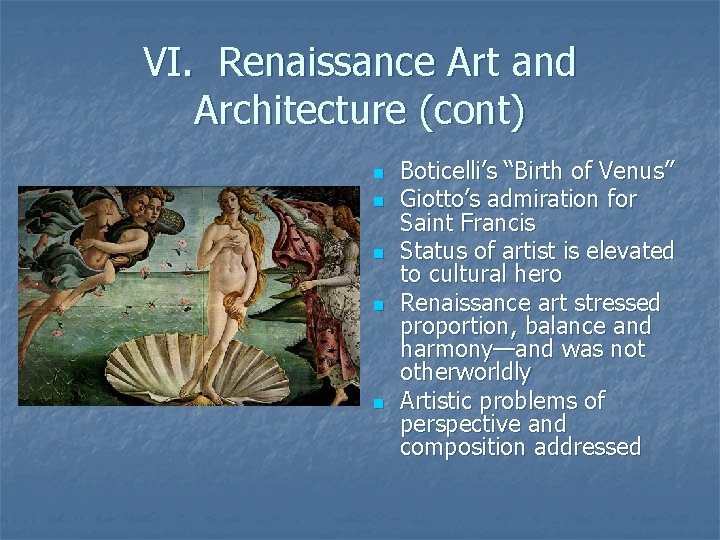
VI. Renaissance Art and Architecture (cont) n n n Boticelli’s “Birth of Venus” Giotto’s admiration for Saint Francis Status of artist is elevated to cultural hero Renaissance art stressed proportion, balance and harmony—and was not otherworldly Artistic problems of perspective and composition addressed
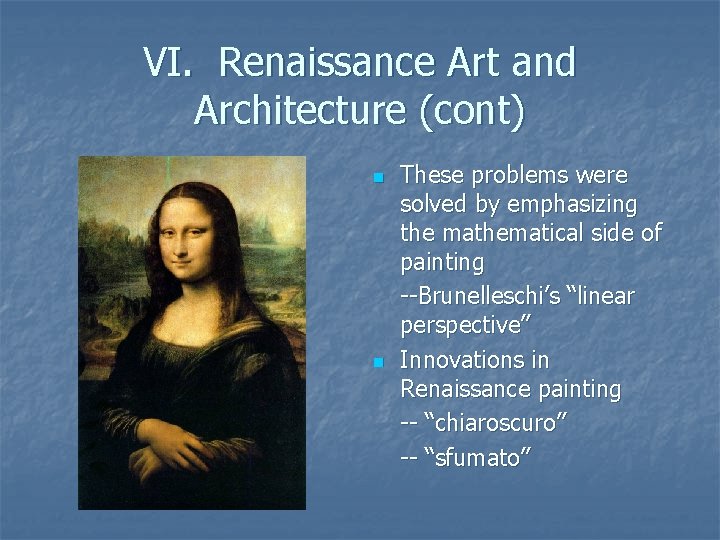
VI. Renaissance Art and Architecture (cont) n n These problems were solved by emphasizing the mathematical side of painting --Brunelleschi’s “linear perspective” Innovations in Renaissance painting -- “chiaroscuro” -- “sfumato”
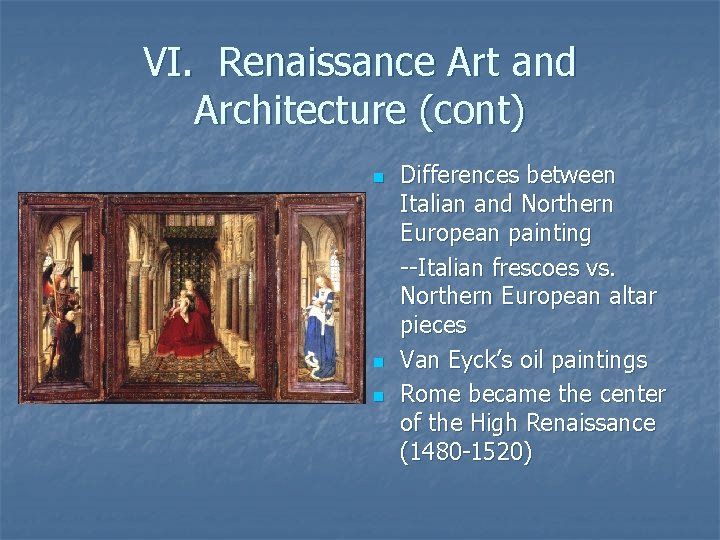
VI. Renaissance Art and Architecture (cont) n n n Differences between Italian and Northern European painting --Italian frescoes vs. Northern European altar pieces Van Eyck’s oil paintings Rome became the center of the High Renaissance (1480 -1520)
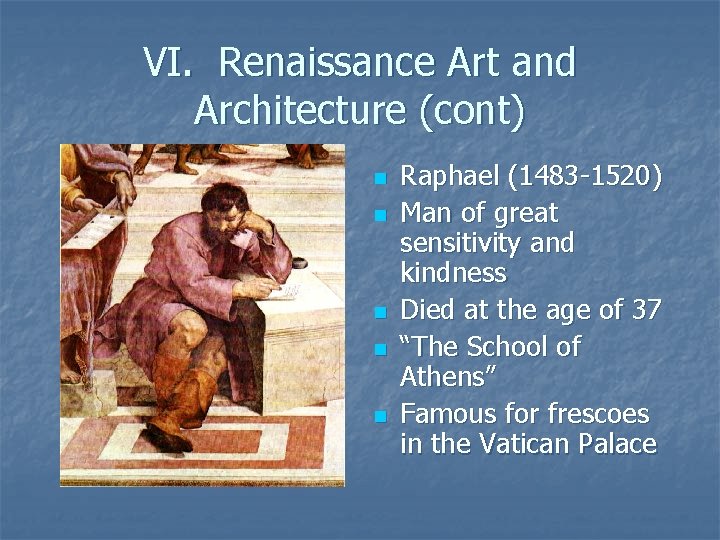
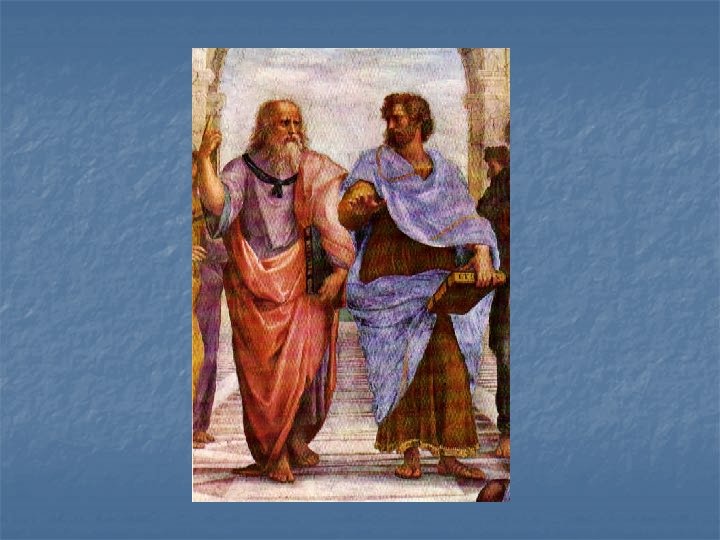
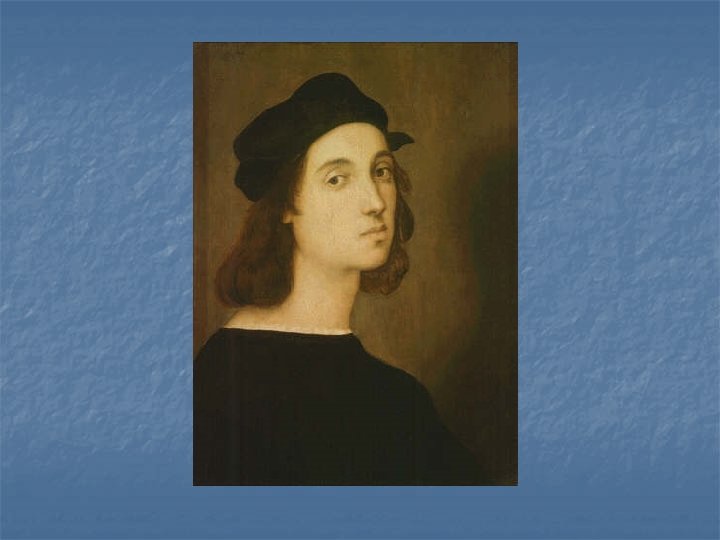
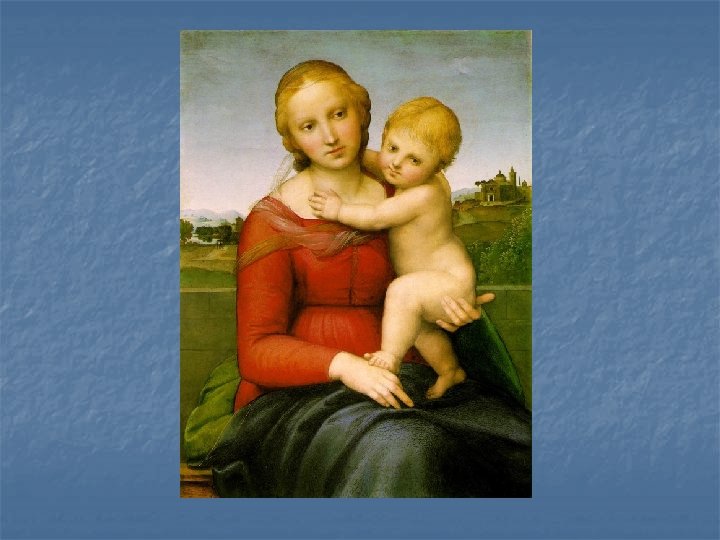
VI. Renaissance Art and Architecture (cont) n n n Raphael (1483 -1520) Man of great sensitivity and kindness Died at the age of 37 “The School of Athens” Famous for frescoes in the Vatican Palace
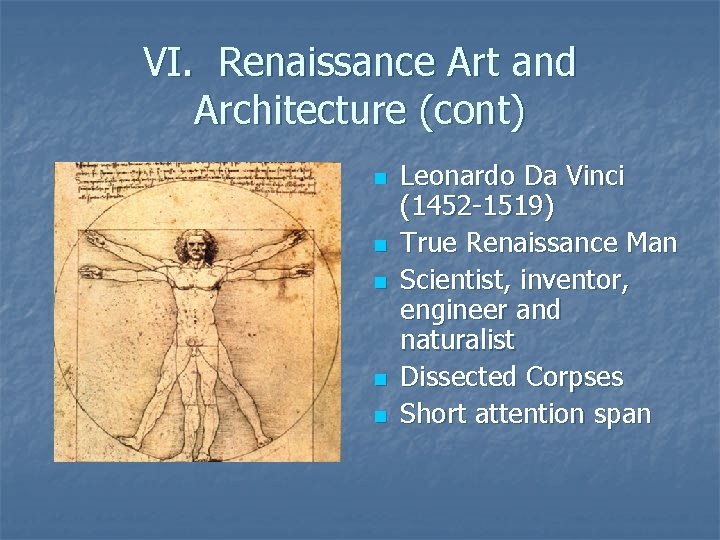
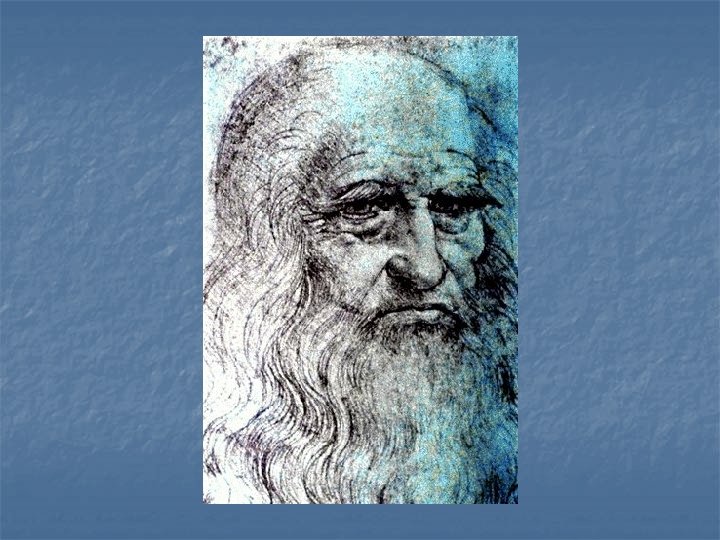
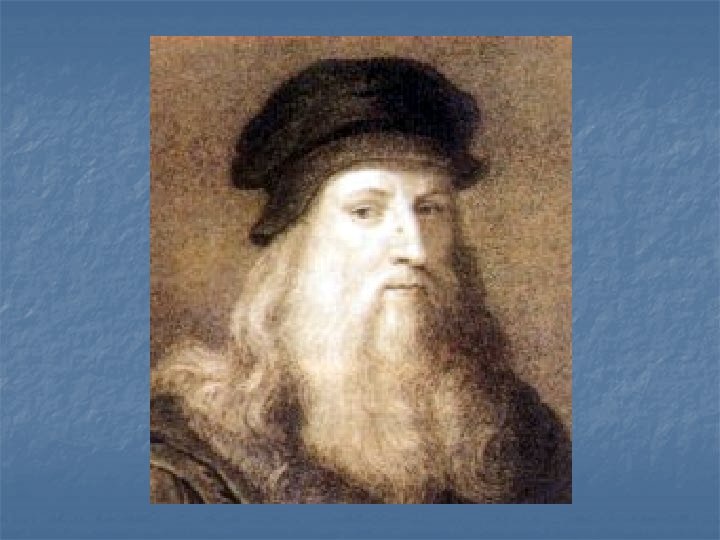
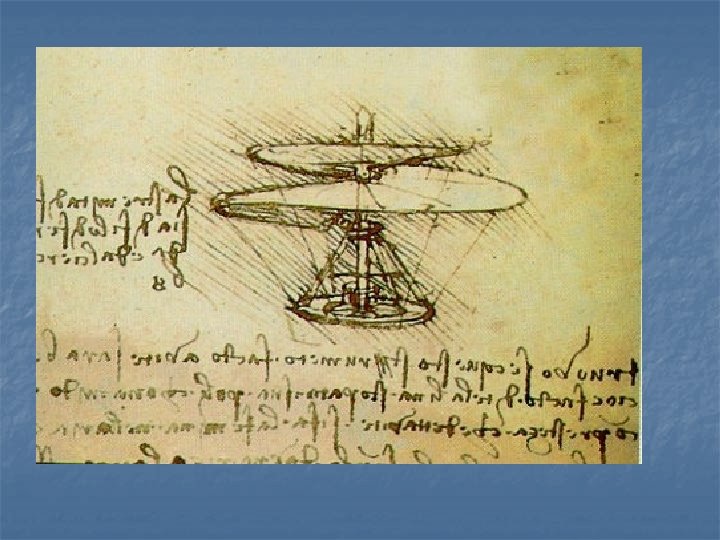
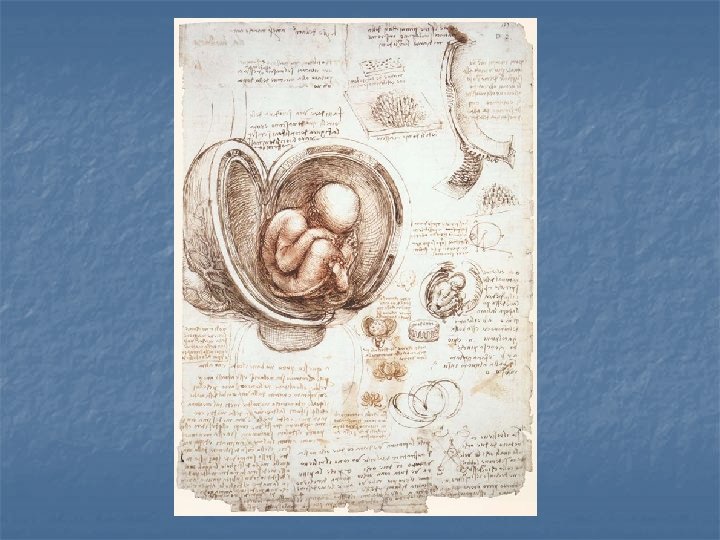
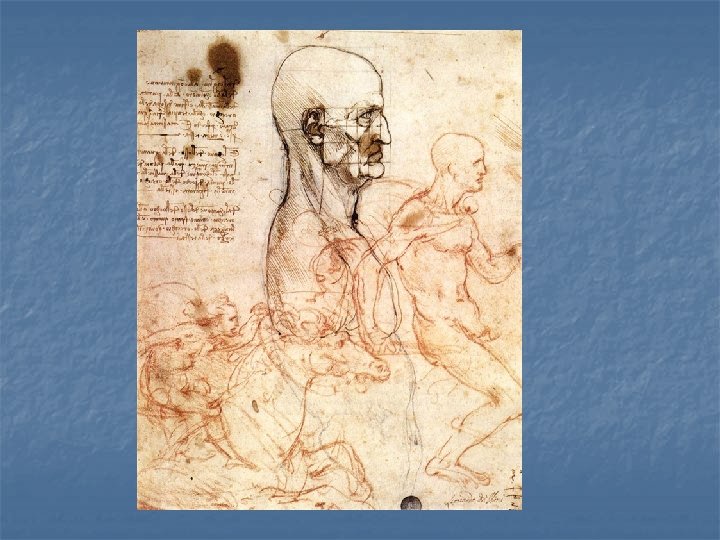
VI. Renaissance Art and Architecture (cont) n n n Leonardo Da Vinci (1452 -1519) True Renaissance Man Scientist, inventor, engineer and naturalist Dissected Corpses Short attention span
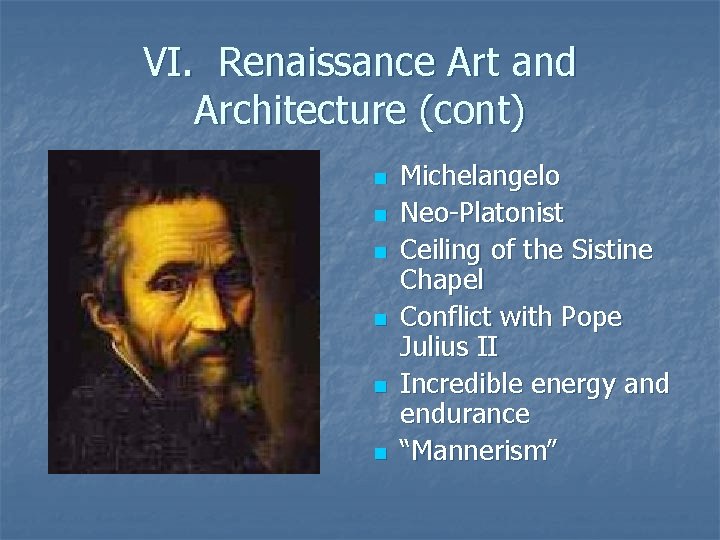
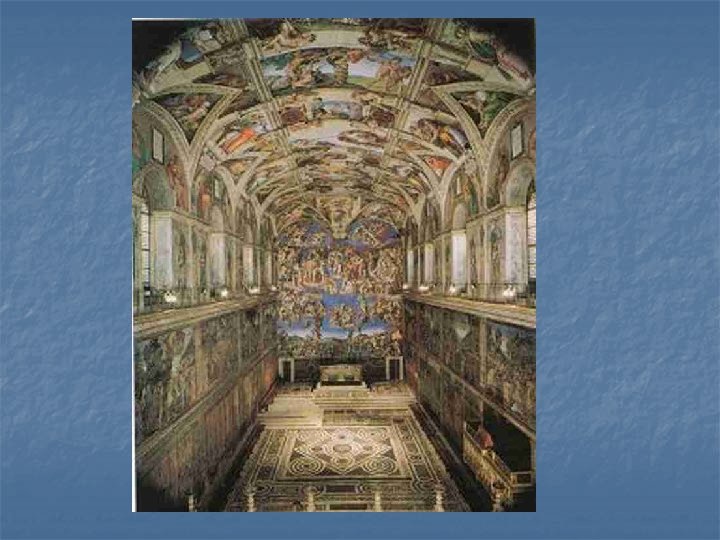
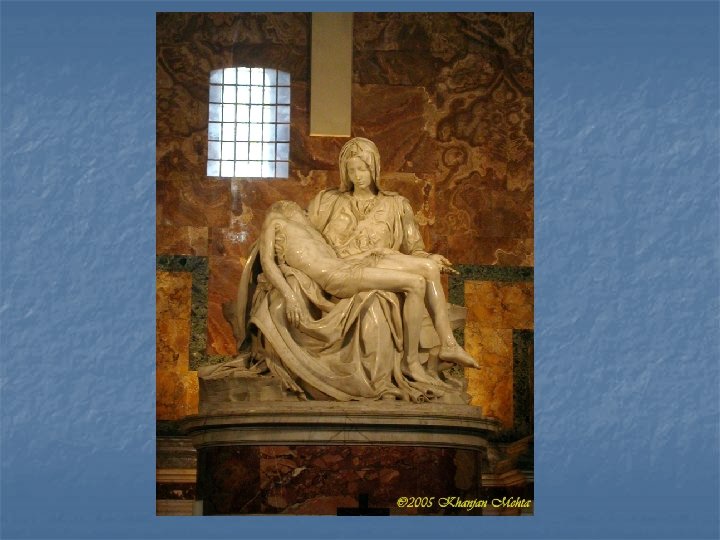
VI. Renaissance Art and Architecture (cont) n n n Michelangelo Neo-Platonist Ceiling of the Sistine Chapel Conflict with Pope Julius II Incredible energy and endurance “Mannerism”
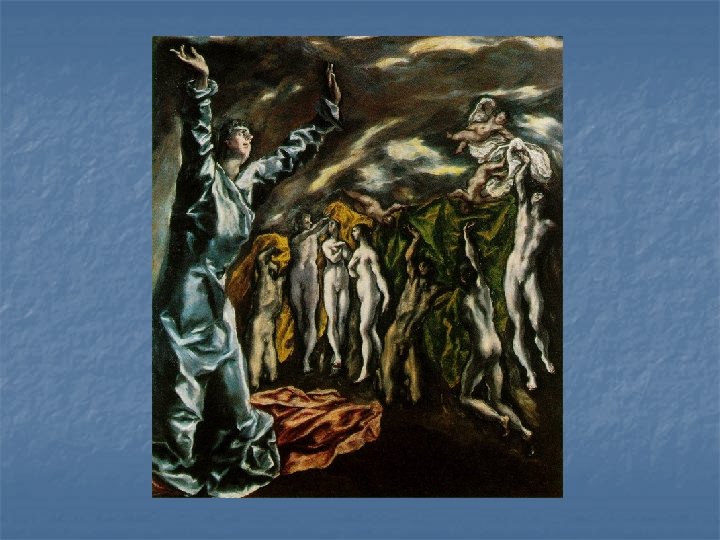
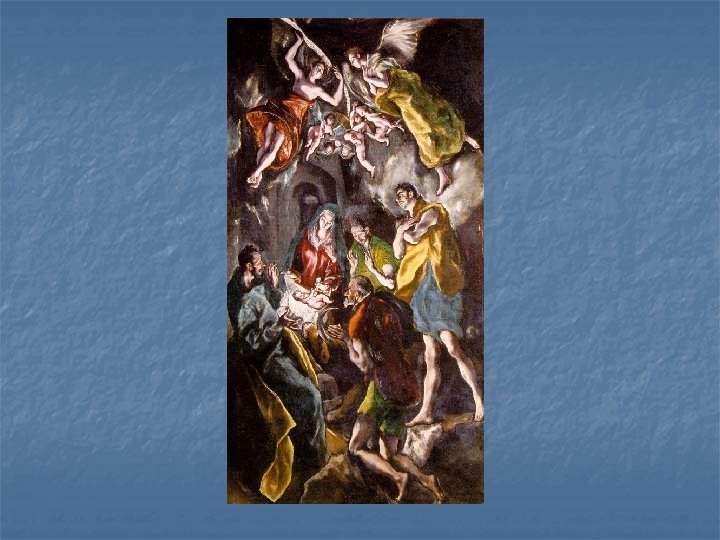
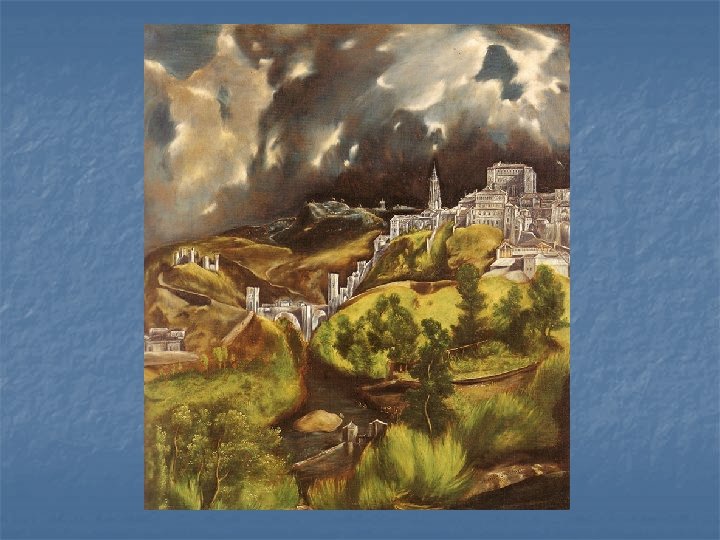
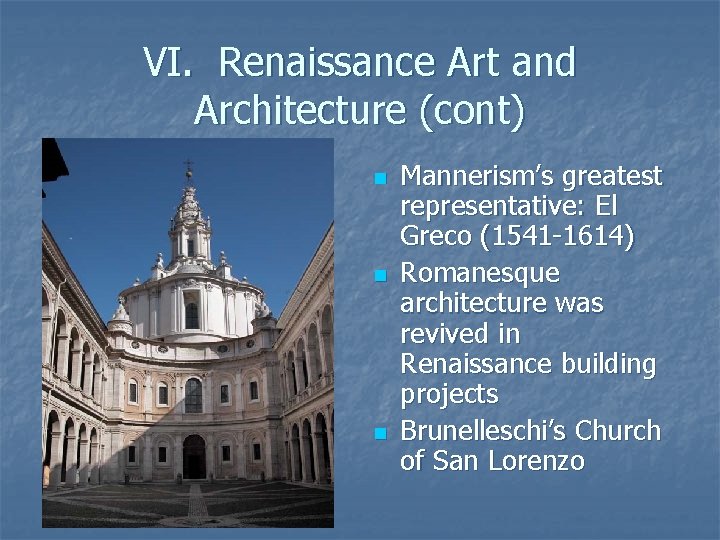
VI. Renaissance Art and Architecture (cont) n n n Mannerism’s greatest representative: El Greco (1541 -1614) Romanesque architecture was revived in Renaissance building projects Brunelleschi’s Church of San Lorenzo
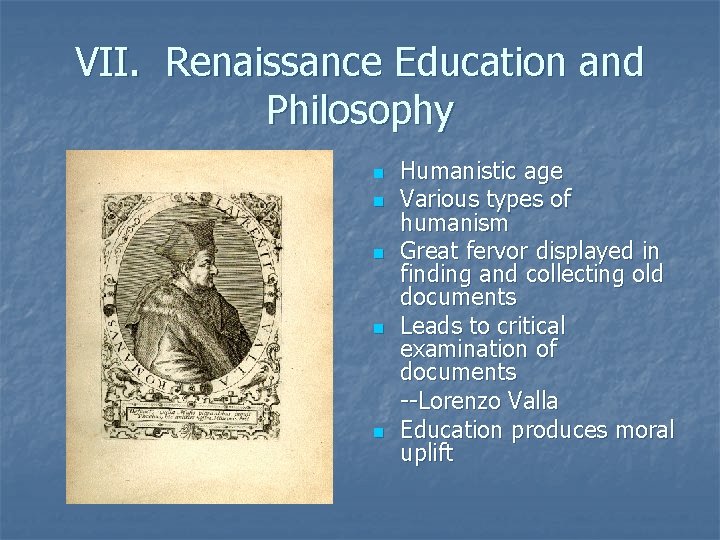
VII. Renaissance Education and Philosophy n n n Humanistic age Various types of humanism Great fervor displayed in finding and collecting old documents Leads to critical examination of documents --Lorenzo Valla Education produces moral uplift
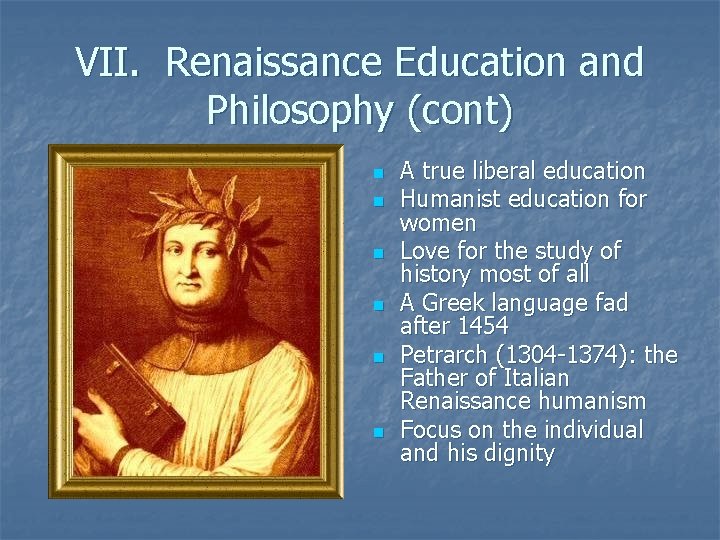
VII. Renaissance Education and Philosophy (cont) n n n A true liberal education Humanist education for women Love for the study of history most of all A Greek language fad after 1454 Petrarch (1304 -1374): the Father of Italian Renaissance humanism Focus on the individual and his dignity
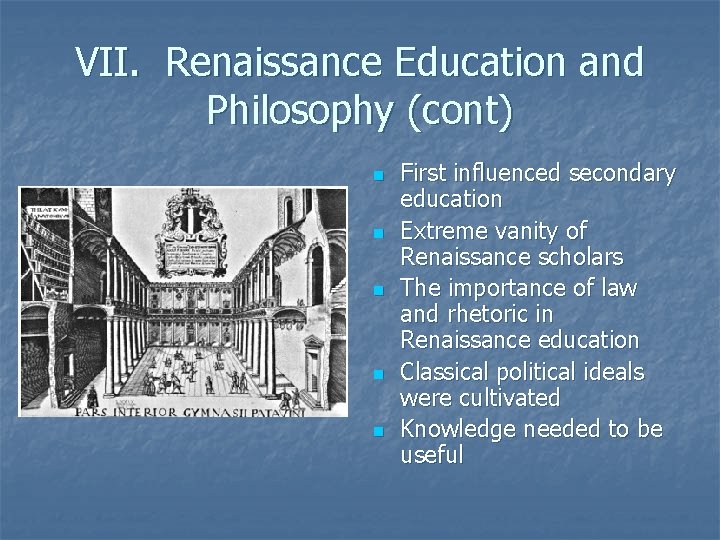
VII. Renaissance Education and Philosophy (cont) n n n First influenced secondary education Extreme vanity of Renaissance scholars The importance of law and rhetoric in Renaissance education Classical political ideals were cultivated Knowledge needed to be useful
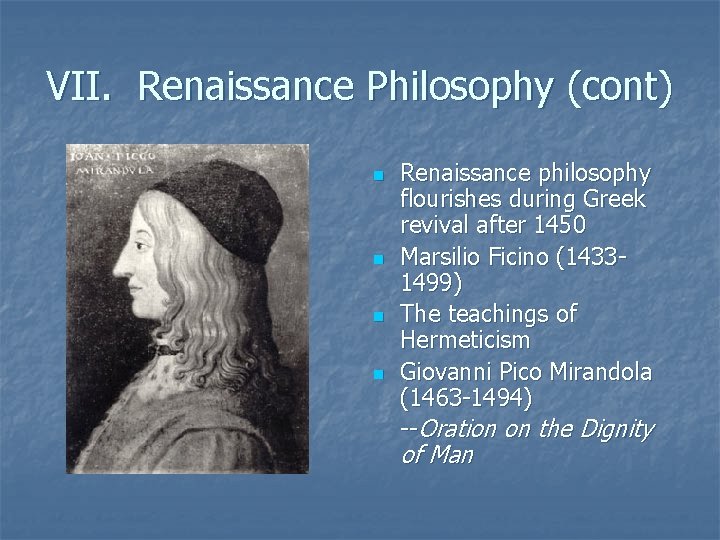
VII. Renaissance Philosophy (cont) n n Renaissance philosophy flourishes during Greek revival after 1450 Marsilio Ficino (14331499) The teachings of Hermeticism Giovanni Pico Mirandola (1463 -1494) --Oration on the Dignity of Man
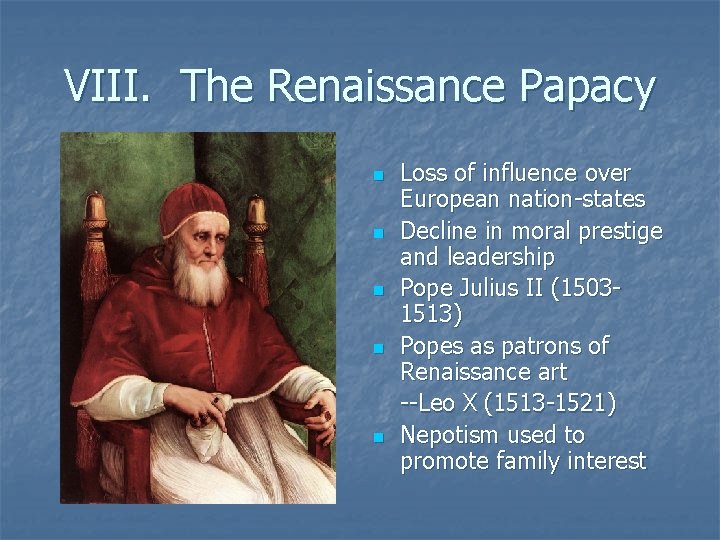
VIII. The Renaissance Papacy n n n Loss of influence over European nation-states Decline in moral prestige and leadership Pope Julius II (15031513) Popes as patrons of Renaissance art --Leo X (1513 -1521) Nepotism used to promote family interest
IX. Spread of Humanism to the Rest of Europe n n n The significance of Gutenberg’s printing press Explosion of printed materials --By 1500, 40, 000 titles printed and between 8 -10 million copies The impact of movabletype printing presses: research and literacy
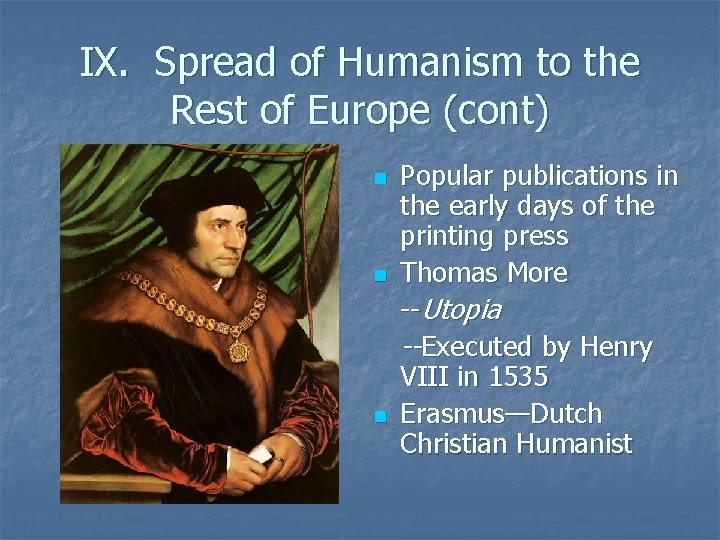
IX. Spread of Humanism to the Rest of Europe (cont) n n n Popular publications in the early days of the printing press Thomas More --Utopia --Executed by Henry VIII in 1535 Erasmus—Dutch Christian Humanist
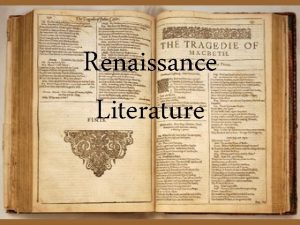
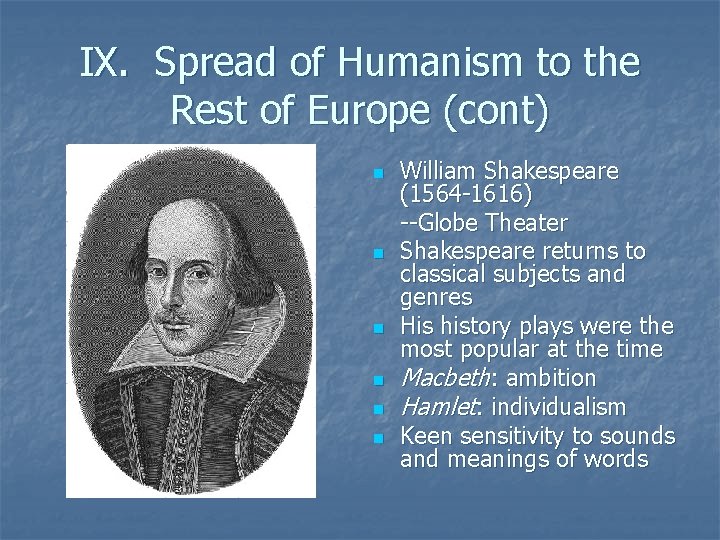
IX. Spread of Humanism to the Rest of Europe (cont) n n n William Shakespeare (1564 -1616) --Globe Theater Shakespeare returns to classical subjects and genres His history plays were the most popular at the time Macbeth: ambition Hamlet: individualism Keen sensitivity to sounds and meanings of words