Temperate and Tropical Deserts Perhaps the most challenging




- Slides: 38
Temperate and Tropical Deserts
Perhaps the most challenging physical conditions in the terrestrial environment…
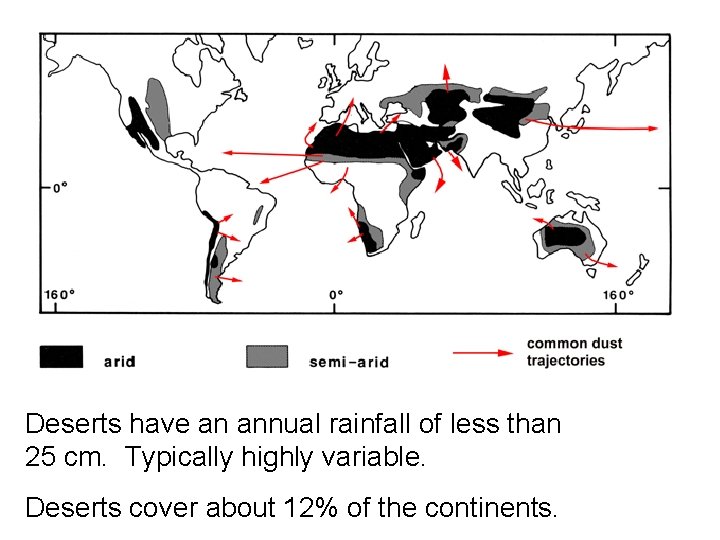
Deserts have an annual rainfall of less than 25 cm. Typically highly variable. Deserts cover about 12% of the continents.
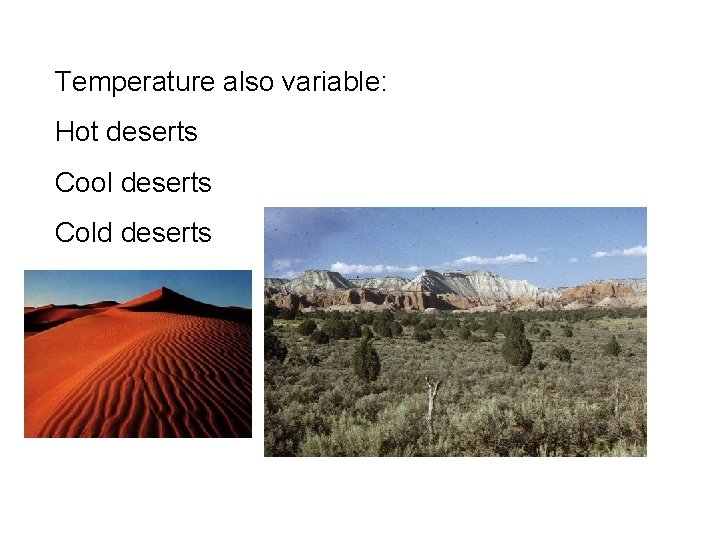
Temperature also variable: Hot deserts Cool deserts Cold deserts
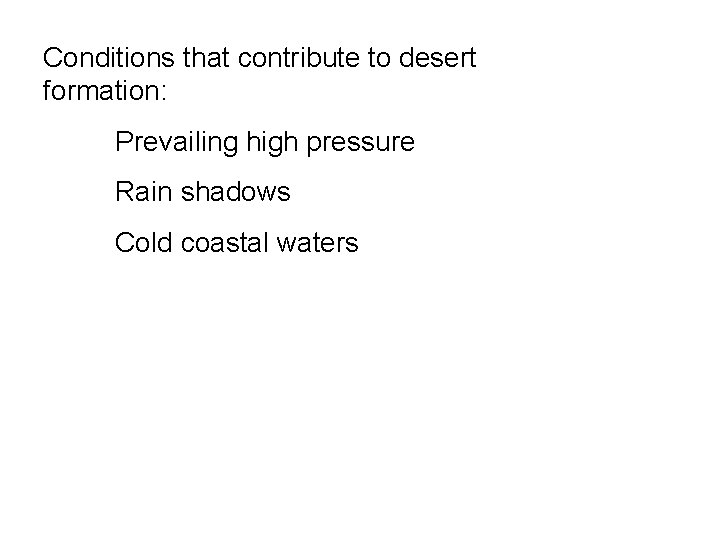
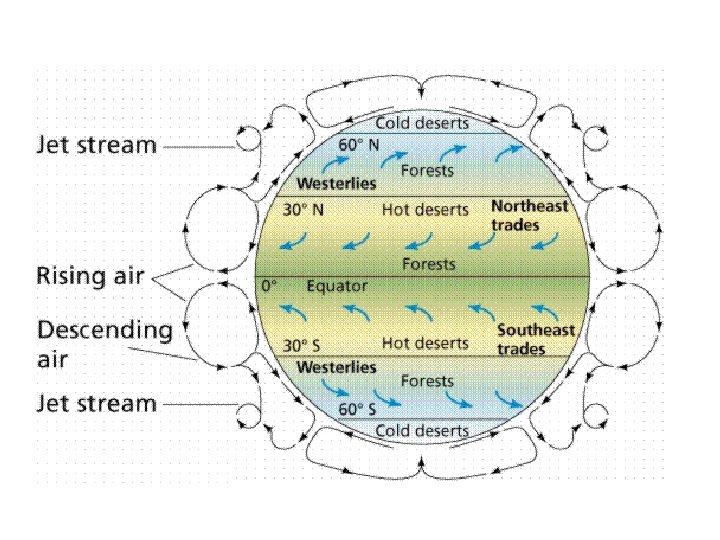
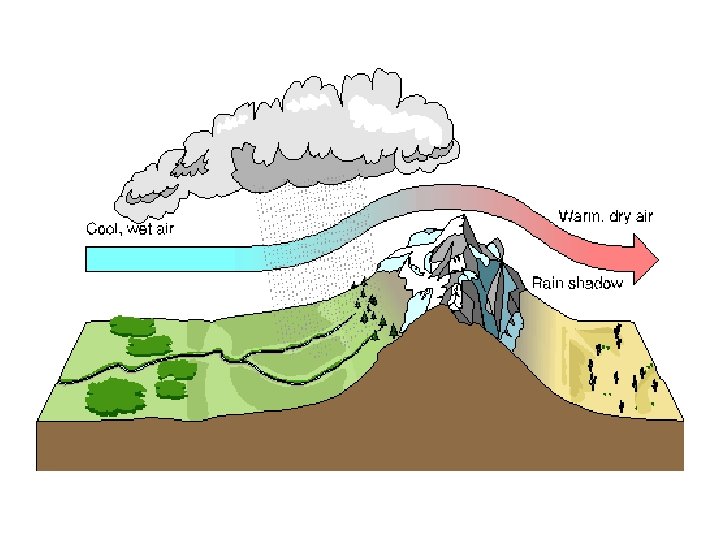
Conditions that contribute to desert formation: Prevailing high pressure Rain shadows Cold coastal waters
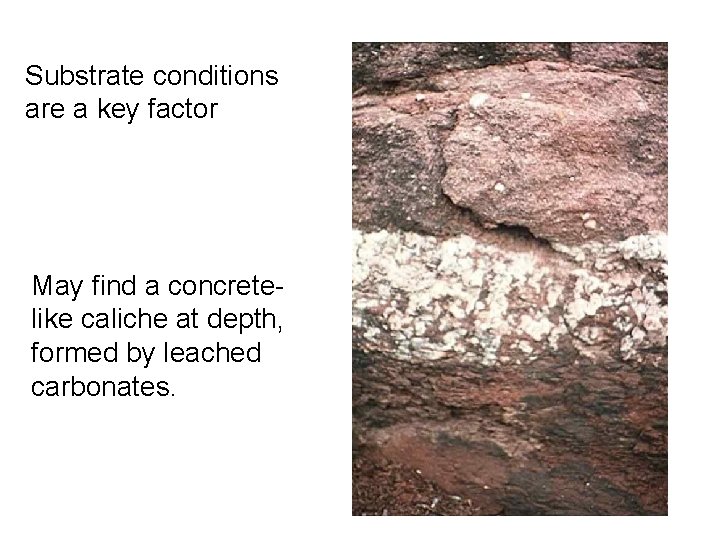
Substrate conditions are a key factor May find a concretelike caliche at depth, formed by leached carbonates.
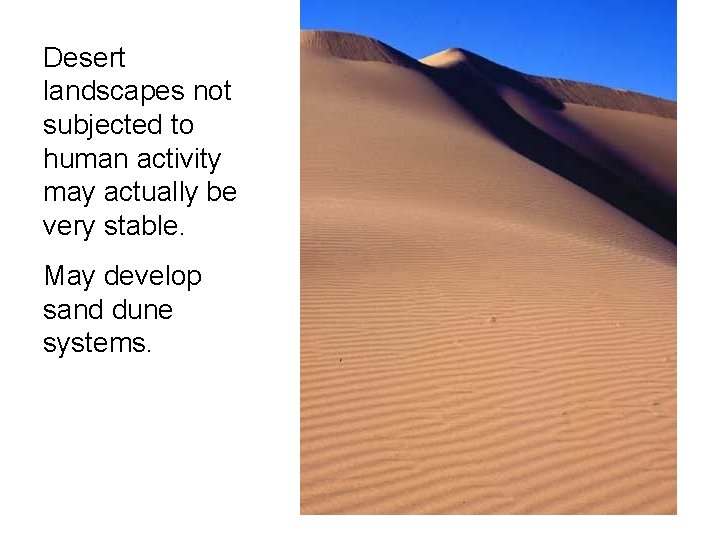
Desert landscapes not subjected to human activity may actually be very stable. May develop sand dune systems.
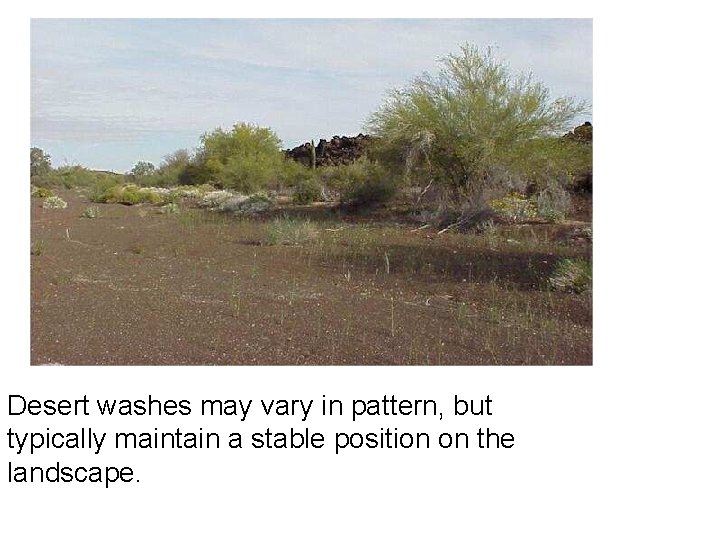
Desert washes may vary in pattern, but typically maintain a stable position on the landscape.
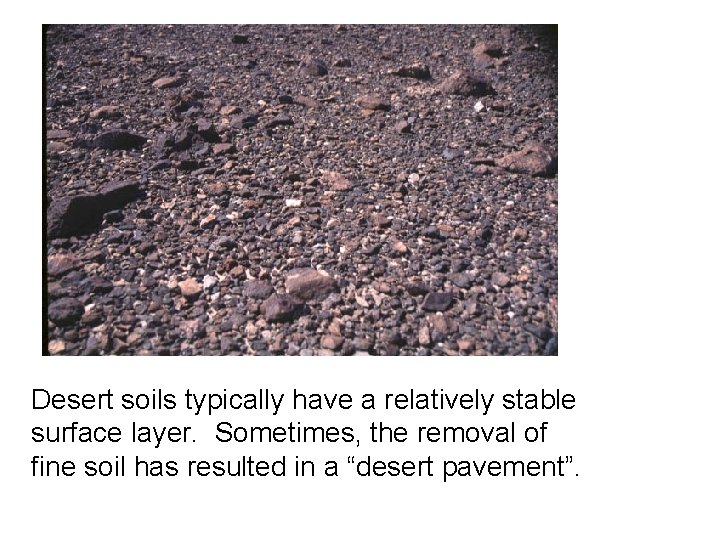
Desert soils typically have a relatively stable surface layer. Sometimes, the removal of fine soil has resulted in a “desert pavement”.
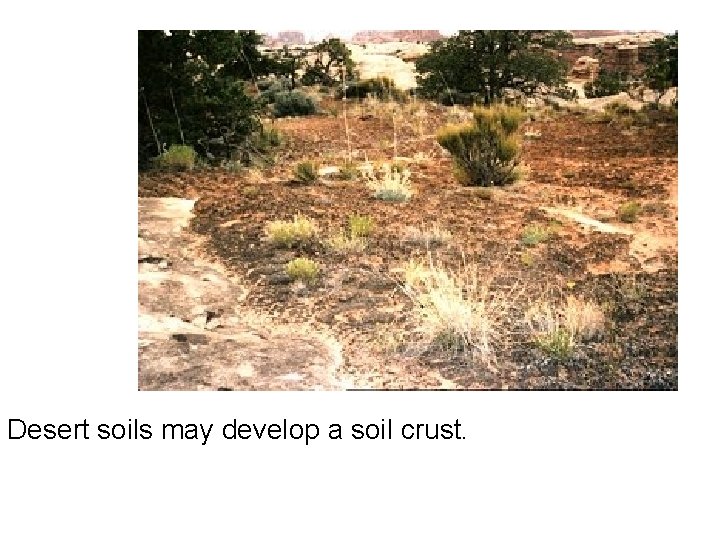
Desert soils may develop a soil crust.
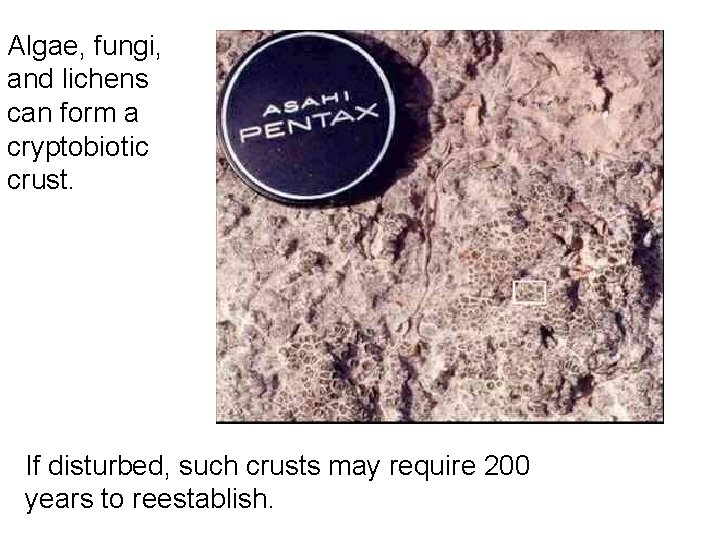
Algae, fungi, and lichens can form a cryptobiotic crust. If disturbed, such crusts may require 200 years to reestablish.
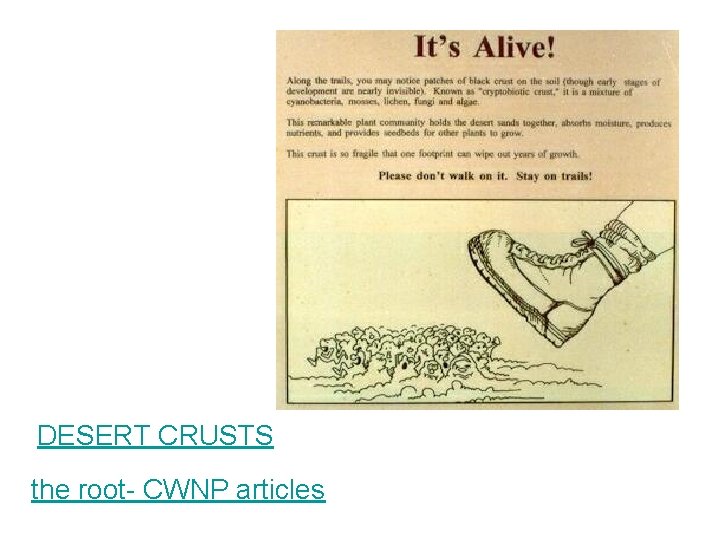
DESERT CRUSTS the root- CWNP articles
Arid and semiarid are particularly vulnerable to human impact. Impacts include: Overgrazing Cutting of fuel-wood Physical disturbance of the surface.
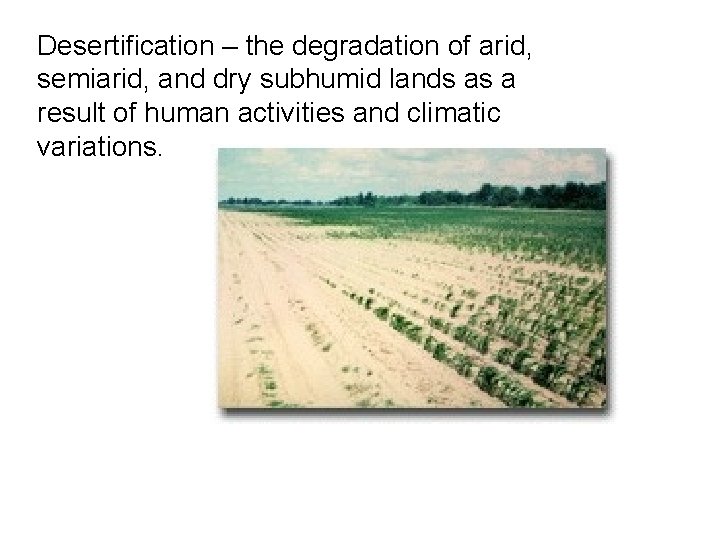
Desertification – the degradation of arid, semiarid, and dry subhumid lands as a result of human activities and climatic variations.
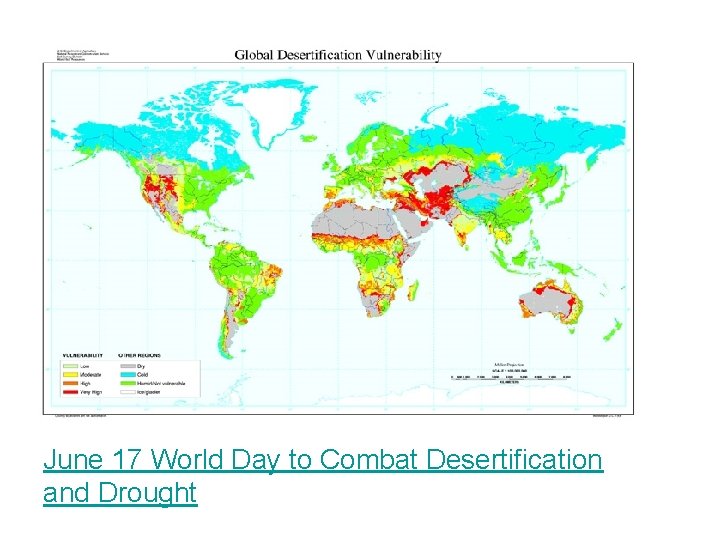
June 17 World Day to Combat Desertification and Drought
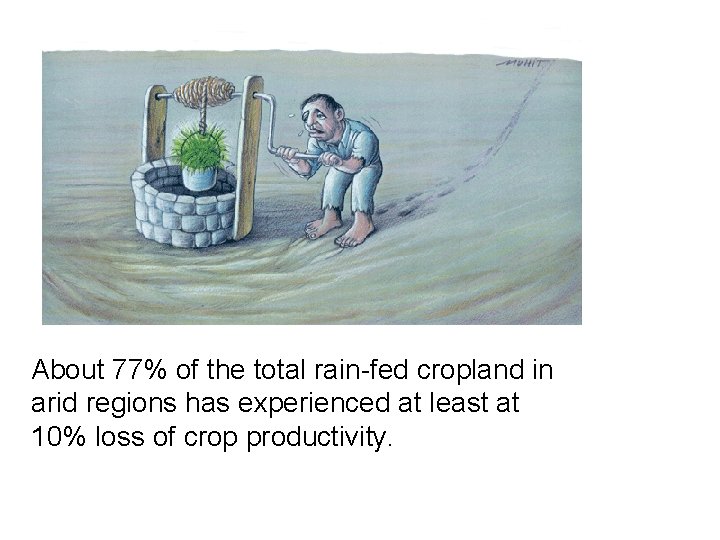
About 77% of the total rain-fed cropland in arid regions has experienced at least at 10% loss of crop productivity.
Conservation Problems in North American Deserts
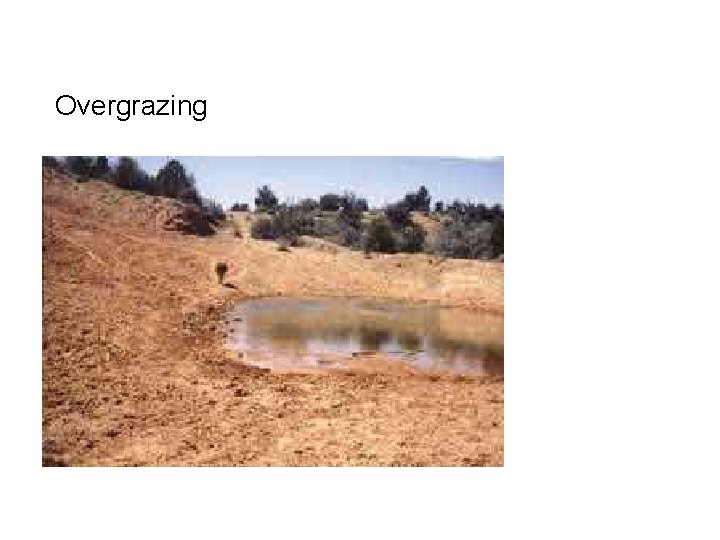
Overgrazing
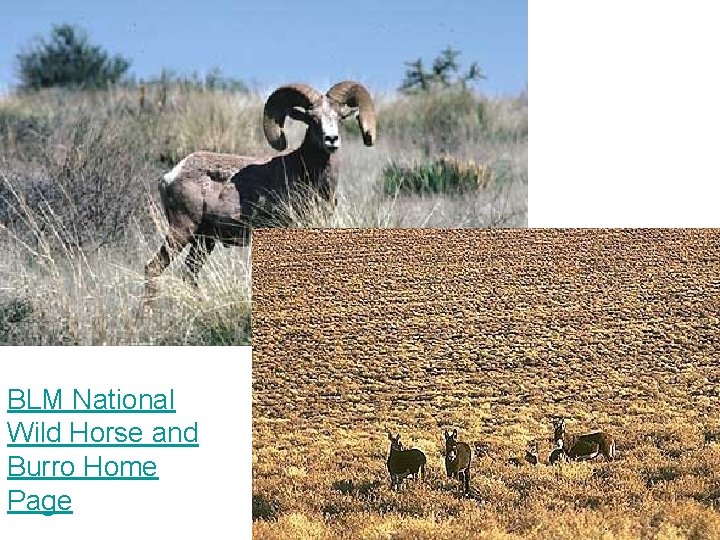
BLM National Wild Horse and Burro Home Page
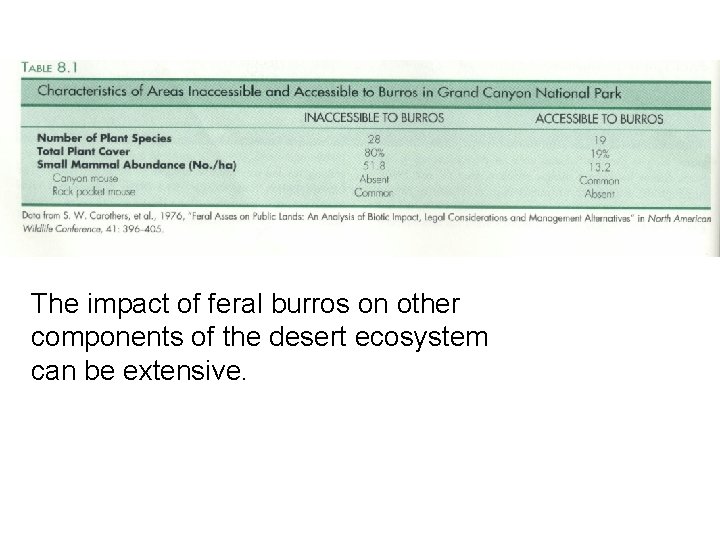
The impact of feral burros on other components of the desert ecosystem can be extensive.
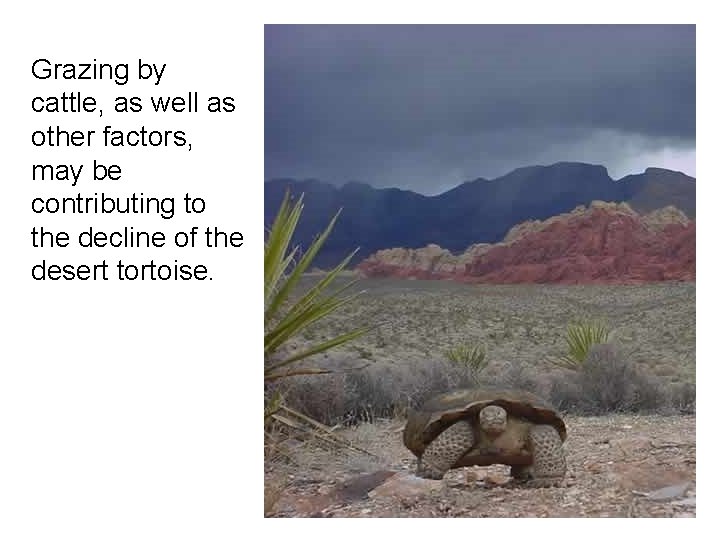
Grazing by cattle, as well as other factors, may be contributing to the decline of the desert tortoise.
Graze # 1: an interactive simulation
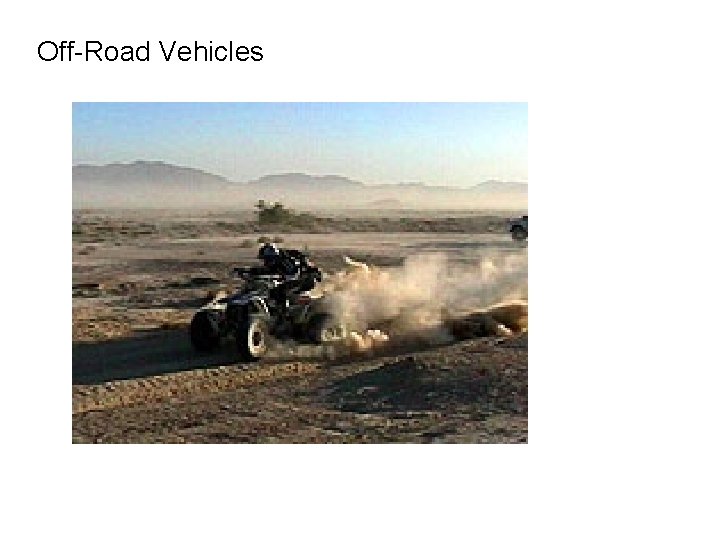
Off-Road Vehicles
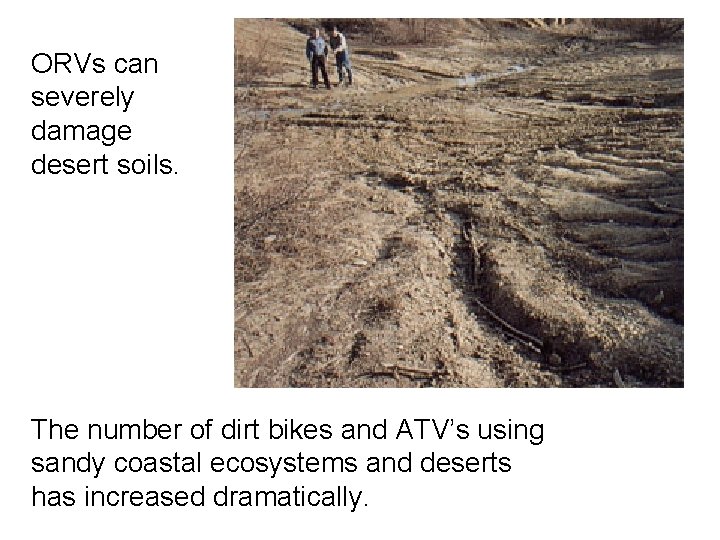
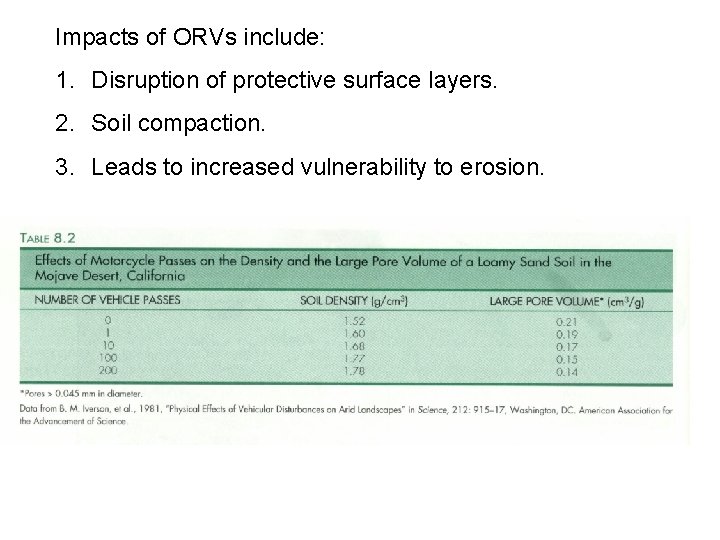
ORVs can severely damage desert soils. The number of dirt bikes and ATV’s using sandy coastal ecosystems and deserts has increased dramatically.
Impacts of ORVs include: 1. Disruption of protective surface layers. 2. Soil compaction. 3. Leads to increased vulnerability to erosion.
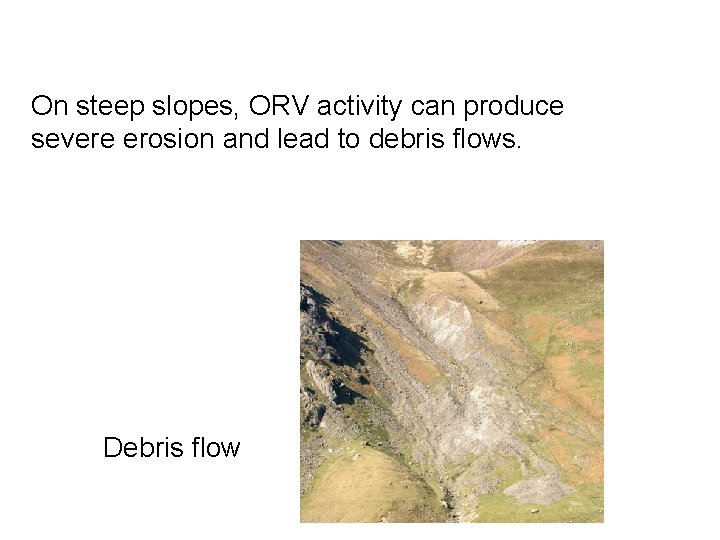
On steep slopes, ORV activity can produce severe erosion and lead to debris flows. Debris flow
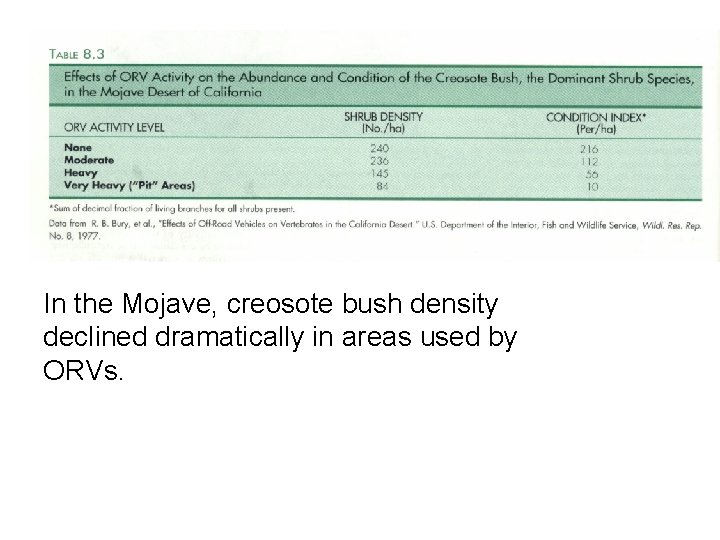
In the Mojave, creosote bush density declined dramatically in areas used by ORVs.
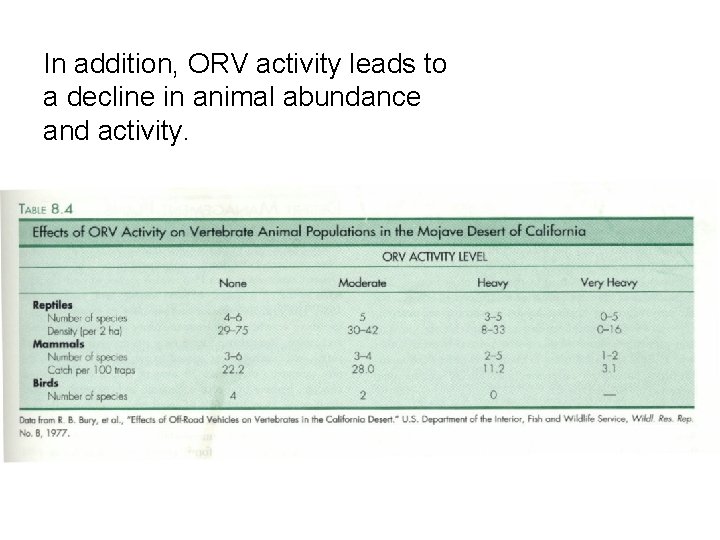
In addition, ORV activity leads to a decline in animal abundance and activity.
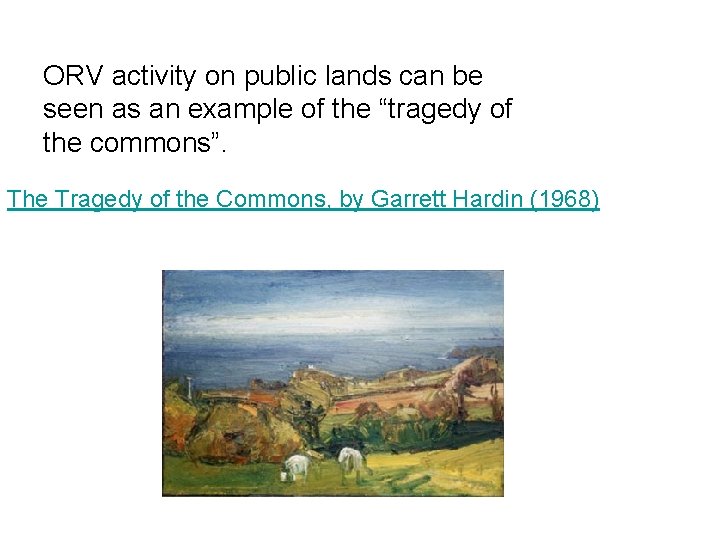
ORV activity on public lands can be seen as an example of the “tragedy of the commons”. The Tragedy of the Commons, by Garrett Hardin (1968)
Exotic Plants
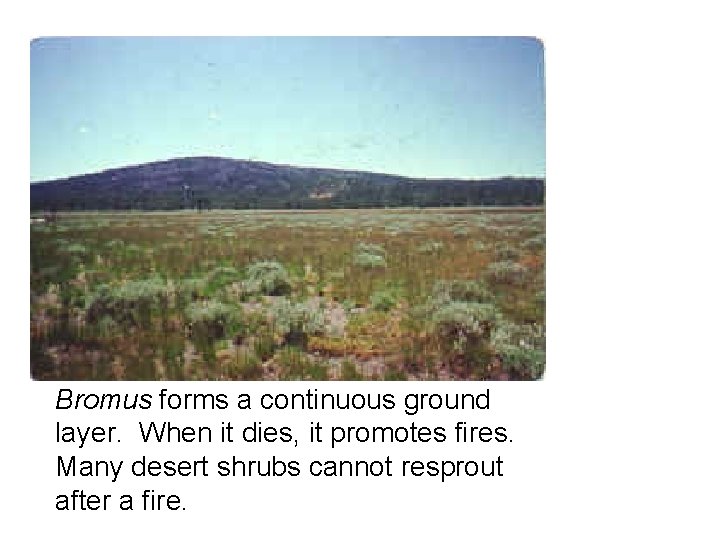
Bromus forms a continuous ground layer. When it dies, it promotes fires. Many desert shrubs cannot resprout after a fire.
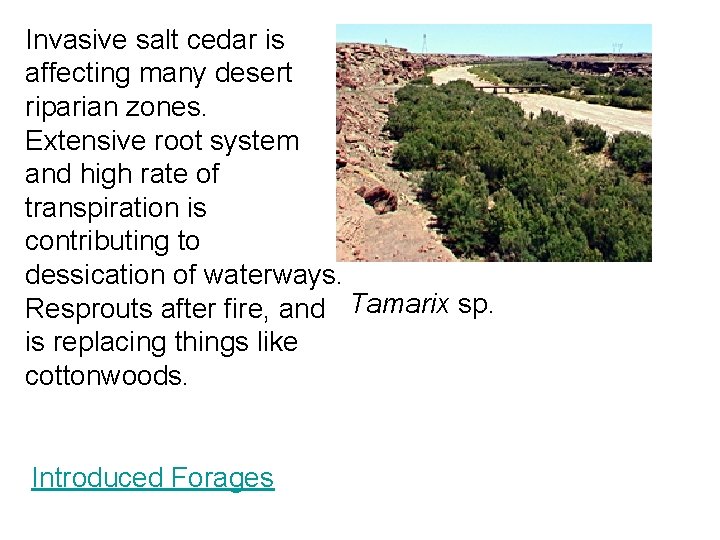
Invasive salt cedar is affecting many desert riparian zones. Extensive root system and high rate of transpiration is contributing to dessication of waterways. Resprouts after fire, and Tamarix sp. is replacing things like cottonwoods. Introduced Forages