Statistical Advising OXSTAT meeting University of Oxford 20


- Slides: 38
Statistical Advising OXSTAT meeting, University of Oxford 20 November 2019 Jamie Sergeant Lecturer in Biostatistics Centre for Biostatistics, University of Manchester
NIHR Statistics Group • Session first delivered at the NIHR Statistics Group annual conference in Sheffield, June 2019 • NIHR Statistics Group Improving Statistical Literacy working group • Broad aim: Improve statistical literacy throughout the NIHR
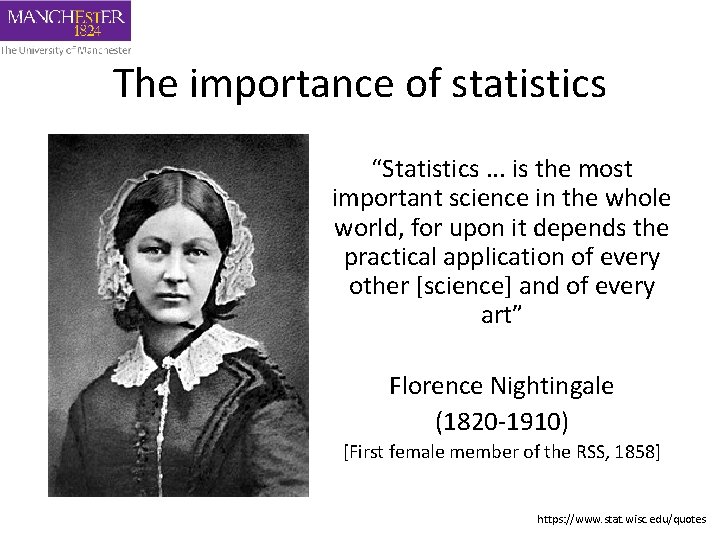
The importance of statistics “Statistics. . . is the most important science in the whole world, for upon it depends the practical application of every other [science] and of every art” Florence Nightingale (1820 -1910) [First female member of the RSS, 1858] https: //www. stat. wisc. edu/quotes
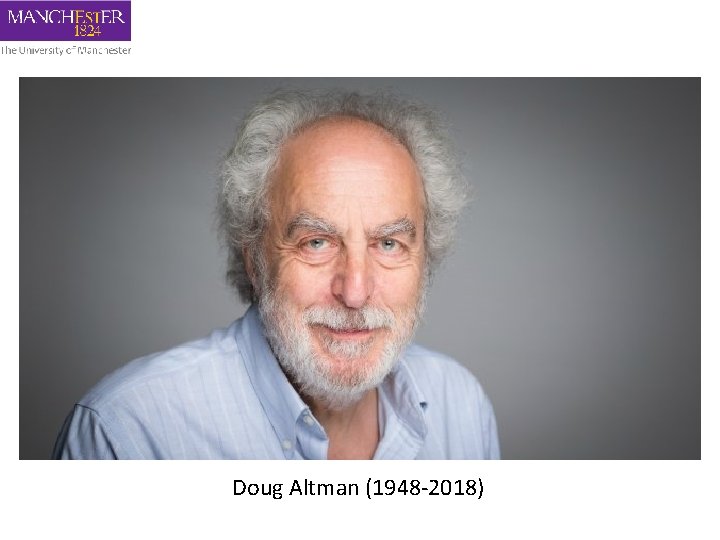
Doug Altman (1948 -2018)
• “The majority of statistical analyses are performed by people with an inadequate understanding of statistical methods. They are then peer reviewed by people who are generally no more knowledgeable. Sadly, much research may benefit researchers rather more than patients, especially when it is carried out primarily as a ridiculous career necessity” Doug Altman (1998) https: //www. telegraph. co. uk/obituaries/2018/06/11/douglas-altmanstatistician-obituary/
• “The good news is that statistical analysis is becoming easier and cheaper. The bad news is that statistical analysis is becoming easier and cheaper. ” Hofacker (1983) Quoted in: Altman (1999). Practical Statistics for Medical Research
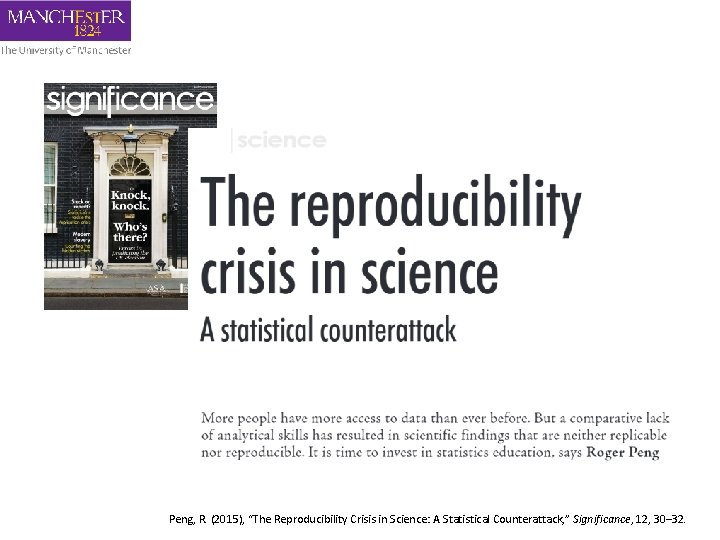
Peng, R. (2015), “The Reproducibility Crisis in Science: A Statistical Counterattack, ” Significance, 12, 30– 32.
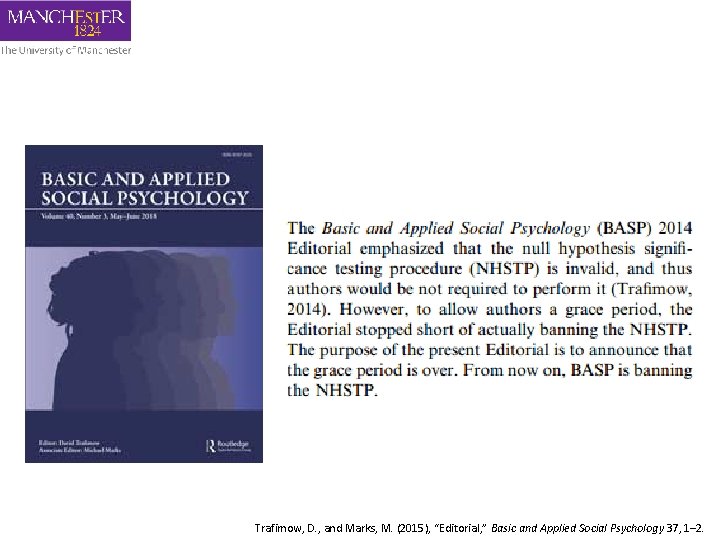
Trafimow, D. , and Marks, M. (2015), “Editorial, ” Basic and Applied Social Psychology 37, 1– 2.
Ioannidis, PLo. S Medicine, 2005
ASA Statement on Statistical Significance and P-Values (2016) • “While the p-value can be a useful statistical measure, it is commonly misused and misinterpreted. ”
Biostatistical advice • There is a role for (bio)statistical advice • There is a necessity for (bio)statistical advice
Statistical Advising • Broad aim: put advising on the agenda • Aims: – Gain a better picture of practice – Is there a “best” practice? – Consider the role and value of advising – Discuss issues and challenges
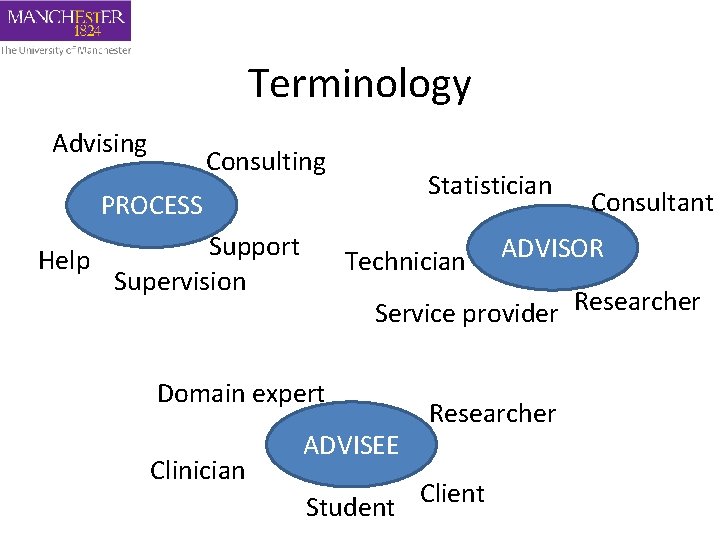
Terminology Advising Consulting Statistician PROCESS Support Help Supervision Technician ADVISOR Service provider Researcher Domain expert Clinician Consultant ADVISEE Student Researcher Client
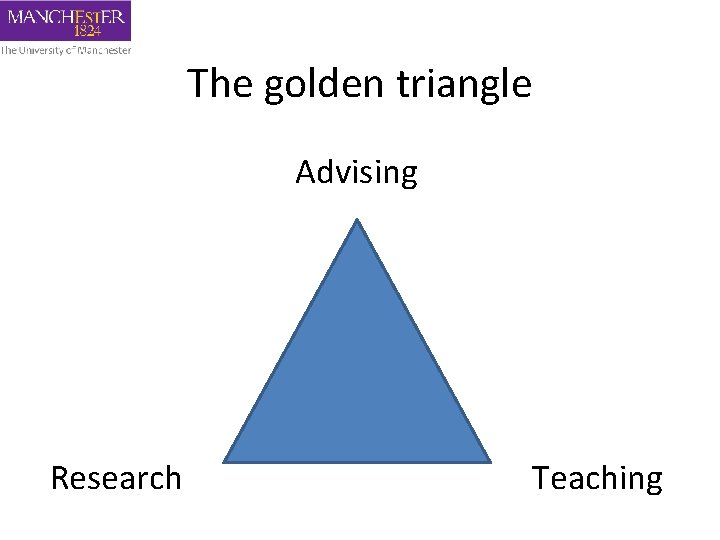
The golden triangle Advising Research Teaching
Who approaches you and your group for advice? • • Students Clinicians Research groups …
How is the handling of requests for advice organised? • • • Structure Funding Administration Record keeping …
What role do the statisticians play in the scientific process? • • • Service providers Data workers Supervisors Collaborators Embedded in a research group …
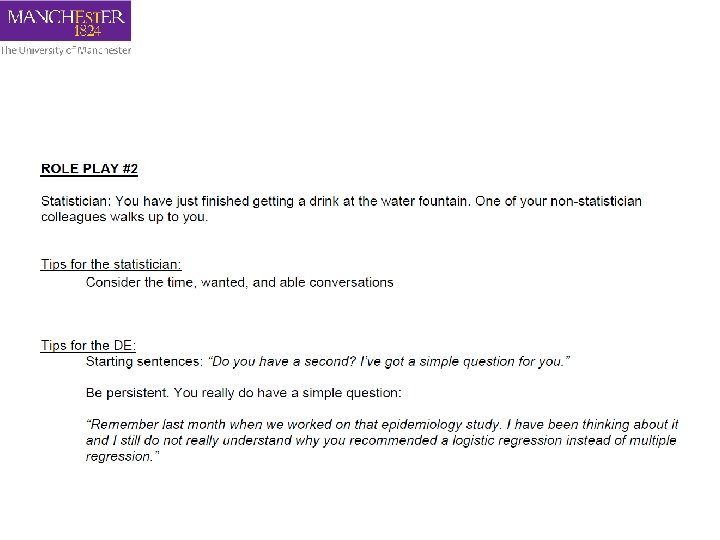
An advising session • • • Initial contact Expectations Structure Communication …
(Ethical) issues • • • Authorship Sensitive data Advisees not following advice Fundamentally flawed research …
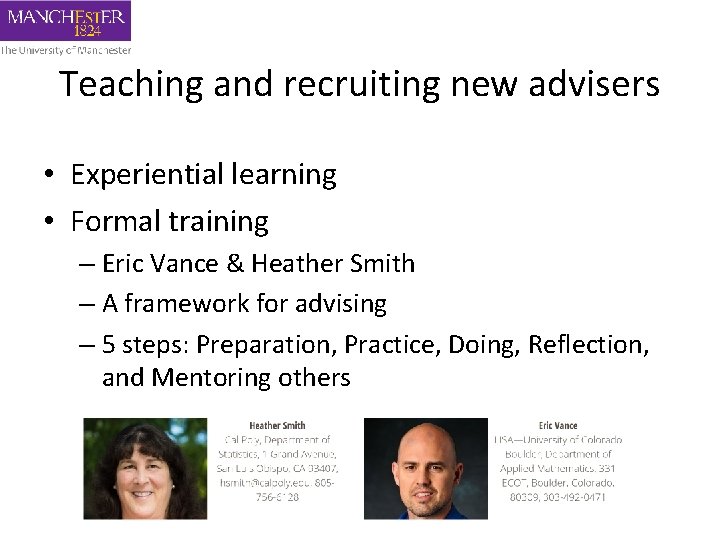
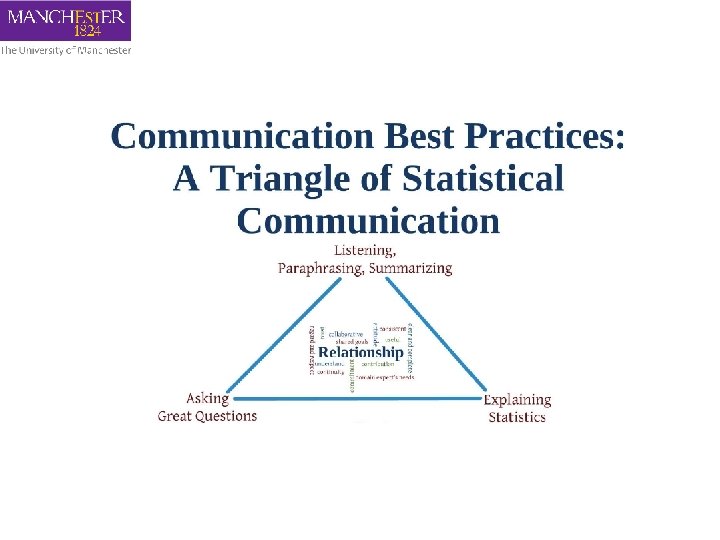
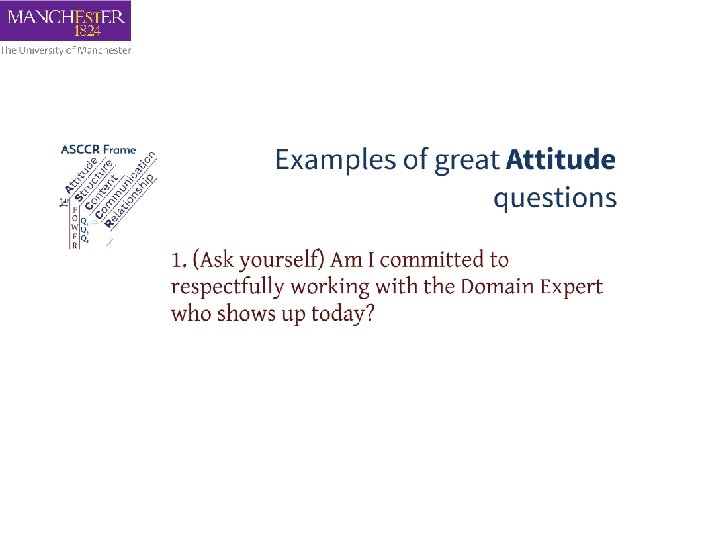
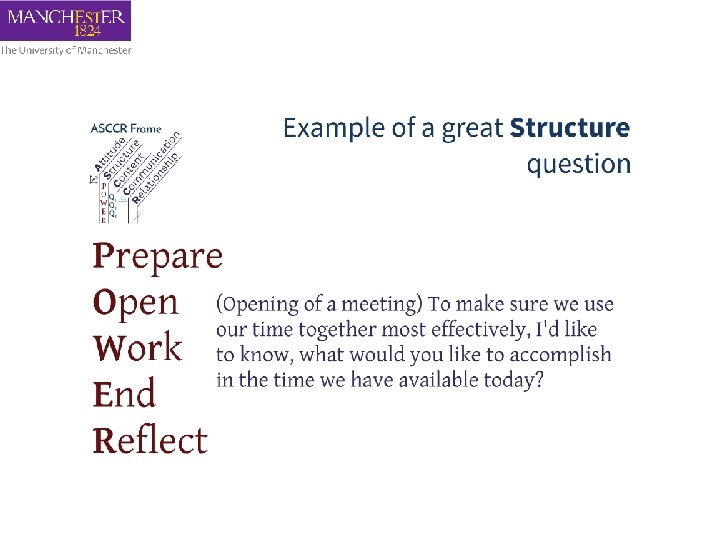
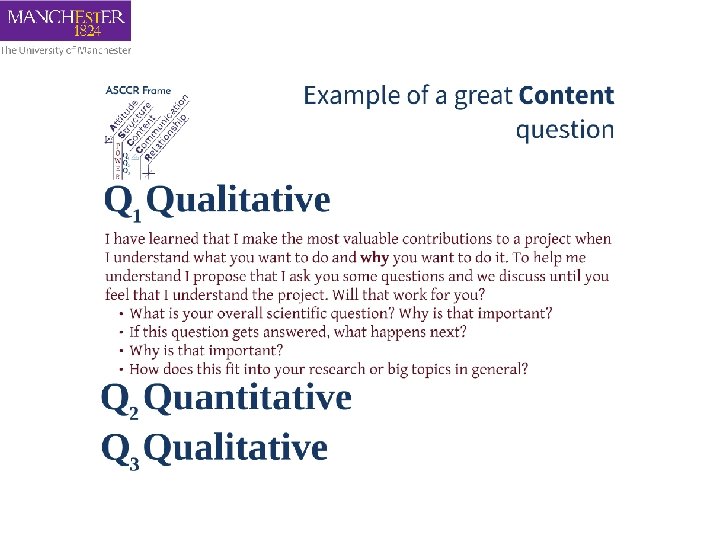
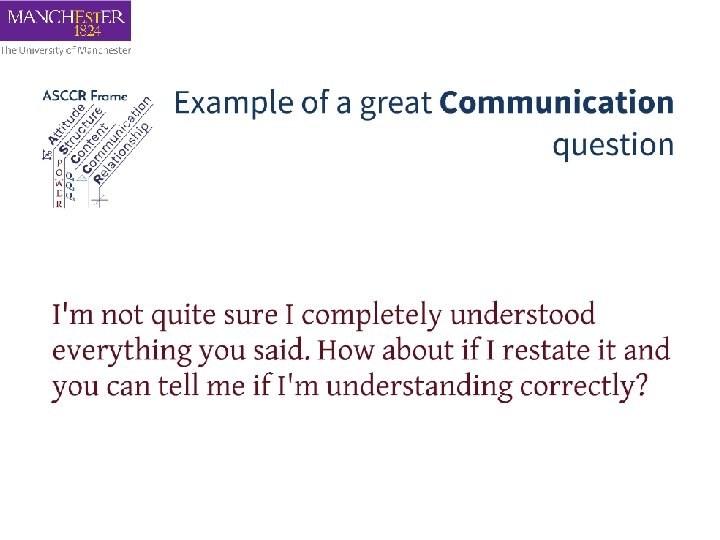
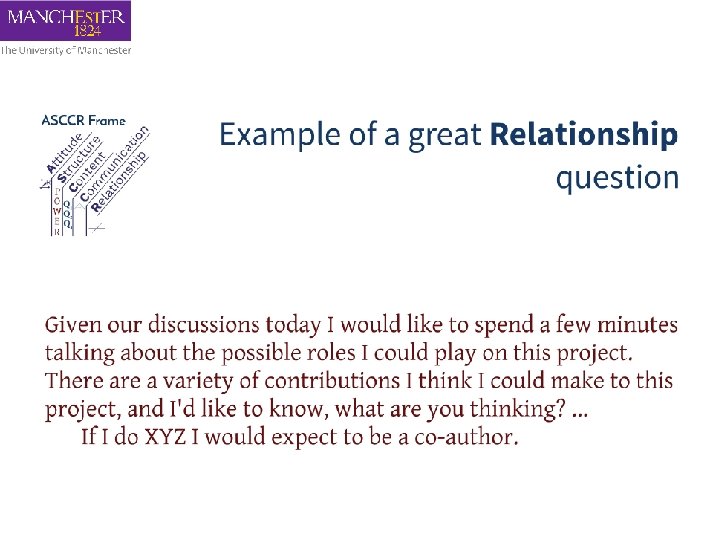
Teaching and recruiting new advisers • Experiential learning • Formal training – Eric Vance & Heather Smith – A framework for advising – 5 steps: Preparation, Practice, Doing, Reflection, and Mentoring others
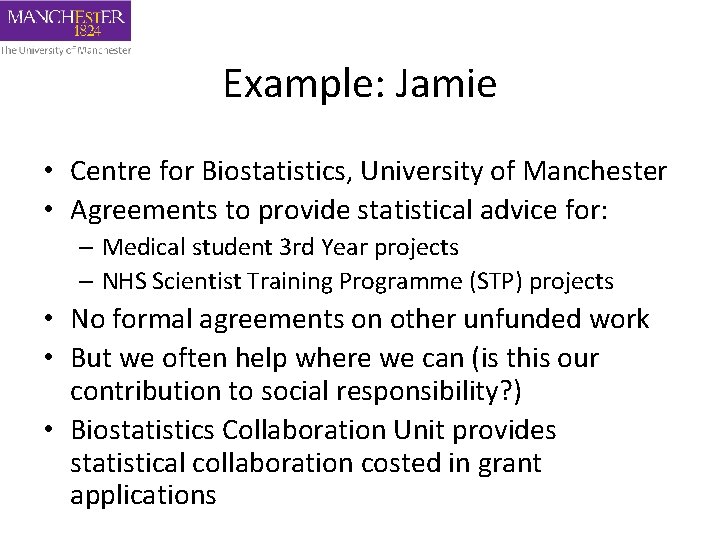
Example: Jamie • Centre for Biostatistics, University of Manchester • Agreements to provide statistical advice for: – Medical student 3 rd Year projects – NHS Scientist Training Programme (STP) projects • No formal agreements on other unfunded work • But we often help where we can (is this our contribution to social responsibility? ) • Biostatistics Collaboration Unit provides statistical collaboration costed in grant applications
Example: Iftekhar Khan
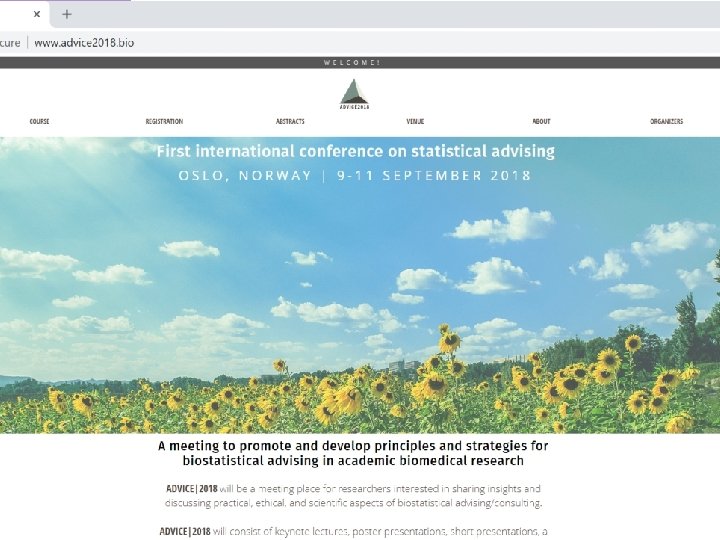
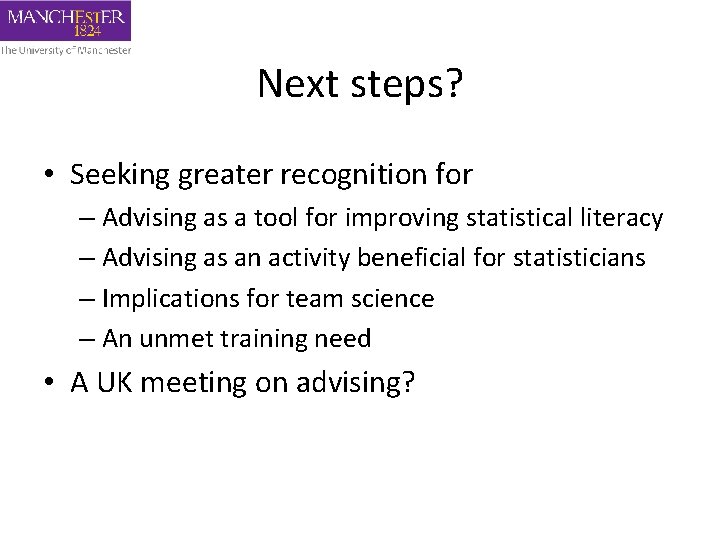
Next steps? • Seeking greater recognition for – Advising as a tool for improving statistical literacy – Advising as an activity beneficial for statisticians – Implications for team science – An unmet training need • A UK meeting on advising?