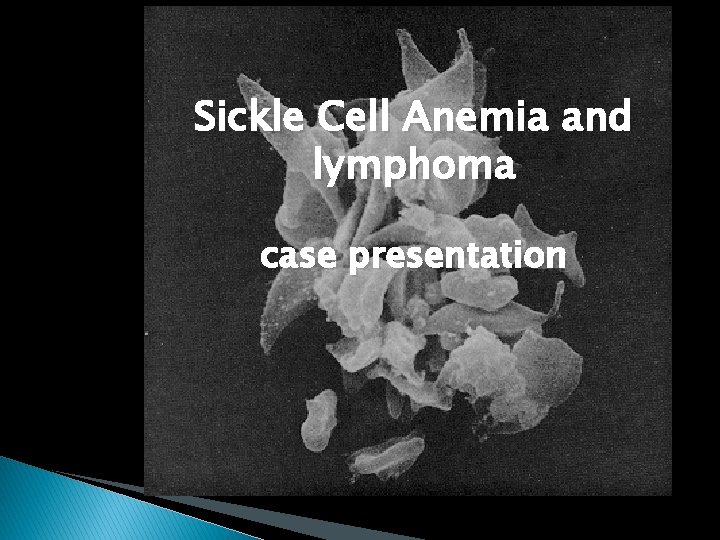
Sickle Cell Anemia and lymphoma case presentation Marzieh











- Slides: 30
Sickle Cell Anemia and lymphoma case presentation
Marzieh Sabzechian Pediatric hematologist oncologist
Hemoglobin S-Beta thalassemia Beta thalassaemia gene reduces the amount of Hb. A that can be made Sickle haemoglobin (Hb. S) + reduced Hb. A Milder form of Sickle Cell Disorder than sickle cell anemia
§ Hydroxyurea § The first effective drug treatment for adults with severe sickle cell anemia reported in early 1995 § Daily doses of the anticancer drug, hydroxyurea, reduced the frequency of painful crises, acute chest syndrome, needed fewer blood transfusions § Increases production of fetal hemoglobin in the blood § Fetal hemoglobin seems to prevent sickling of red cells § cells containing fetal hemoglobin tend to survive longer in the bloodstream
Hydroxyurea (HU) is a chemotherapeutic agent used in adults and children severely affected with sickle cell anaemia (SCA). Current indications are: recurrent painful crises, more than two acute chest syndromes, early chronic organ damage (respiratory, renal, hepatic, myocardial insufficiencies), association with an auto-immune disease or Hb level below 6 g/d. L
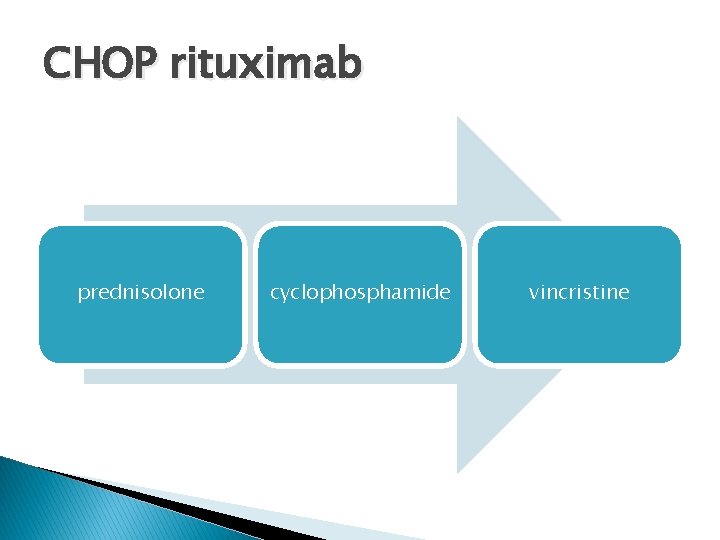
CHOP rituximab
CHOP rituximab prednisolone cyclophosphamide vincristine
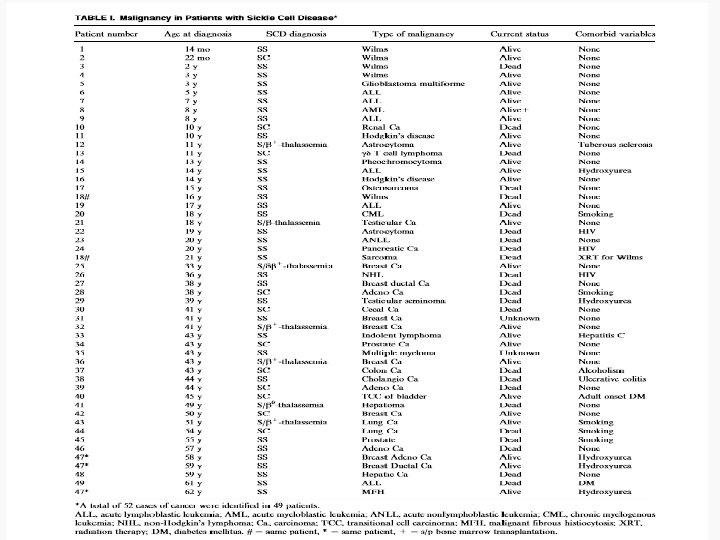
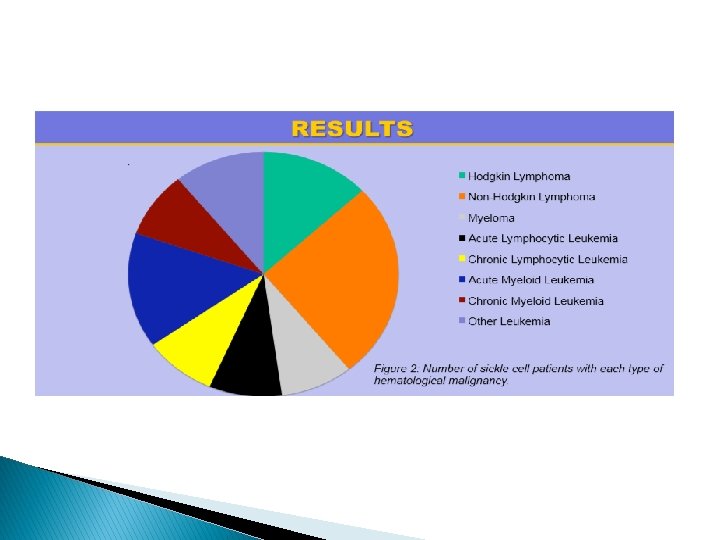
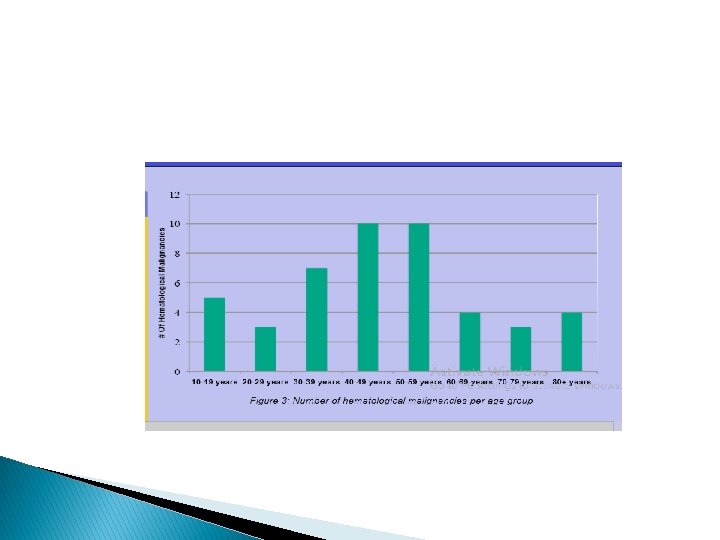
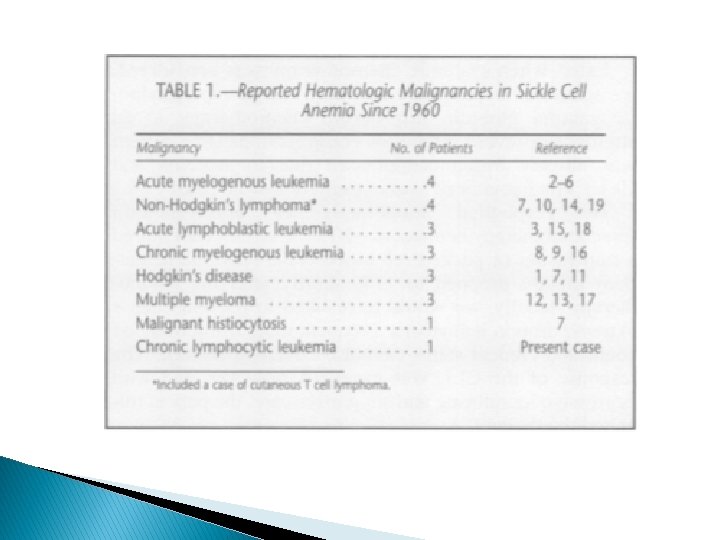
REPORTS OF HEMATOLOGIC MALIGNANCIES in patients with sickle cell anemia are rare-only two cases (Hodgkin's disease and acute myeloblastic leukemia) before 1960. Since then, significant improvement has been made in supportive care of sickle cell anemia patients (such as early institution of antibiotics in suspected infections), and more hematological malignancies have been reported, including : acute lymphoblastic leukemia, chronic granulocytic leukemia, multiple myeloma, malignant histiocytosis, non-Hodgkin's lymphoma, and cutaneous T cell lymphoma.
SCD is associated with high proliferative rates of bone marrow cells, chronic inflammation and immune dysregulation all of which could predispose to malignancy.
. Although extramedullary hematopoesis is a recognized cause of reactive lymphadenopathy in sickle cell disease, but when the lymph nodes are persistent and associated with other manifestation like fever and weight loss other differential diagnosis needs to be entertained. These include infections especially tuberculosis, malignancy, lymphoproliferative and immunologic disorders.
HU is the only drug that has been proven to modify the disease at short- or middle-term with an acceptable short- term toxicity. However, few data are available about the potential risk of carcinogenesis.
Risk of malignancies The other issue related to the use of this cytostatic drug concerns the risk of malignancies. There is no evidence that hemoglobinopathies are associated with an increased risk of malignancy. To date, several malignancies have been reported in patients with SCD receiving hydroxyurea but implication of this drug in the pathogenesis of these malignancies is not possible.
Advances in medical therapy, screening and patient education will likely prolong the life span of many patients with sickle cell disease. The average life expectancy in patients with sickle cell disease has improved significantly. It is plausible that the longer patient’s live with sickle cell disease the more likely they are to develop malignancies, including hematological malignancies
Although the relationship between these malignancies and sickle cell disease is not yet defined, the possibility of a common chromosomal alteration has been suggested, however , further cytogenetic studies are still needed
References
1. Steensma DP, Gibbons RJ, Higgs DR. Acquired alphathalassemia in association with myelodysplastic syndrome and other hematologic malignancies. Blood 2005; 105: 44352. 2. Paydas S. Sickle cell anemia and hematological neoplasias. Leuk Lymphoma 2002; 43: 1431 -4. 3. Dawkins FW, Kim KS, Squires RS, et al. Cancer incidence rate and mortality rate in sickle cell disease patients at Howard University Hospital: 1986 -1995. Am J Hematol 1997; 55: 188 -92. 4. Schultz WH, Ware RE. Malignancy in patients with sickle cell disease. Am J Hematol 2003; 74: 249 -53. 5. Brousseau DC, Panepinto JA, Nimmer M, Hoffmann RG. The number of people with sickle-cell disease in the United States: national and state estimates. Am J Hematol 2010; 85: 77 -8. 6. Steinberg MH, Mc. Carthy WF, Castro O, et al. The risks and benefits of long-term use of hydroxyurea in sickle cell anemia: A 17. 5 year follow-up. Am J Hematol 2010; 85: 403 -8. 7. Chen L, Zhuang M, Shah HQ, Lin JH. Chronic myelogenous leukemia in sickle cell anemia. Arch Pathol Lab Med 2005; 129: 423 -4.
Thank you