Selected Topics in Astrophysics Prof Wladimir Lyra Live
- Slides: 15
Selected Topics in Astrophysics Prof Wladimir Lyra Live Oak, 1119 -G Office Hours: Mon 4 pm-5 pm Class hours: Mon/Wed 5 pm-6: 15 pm
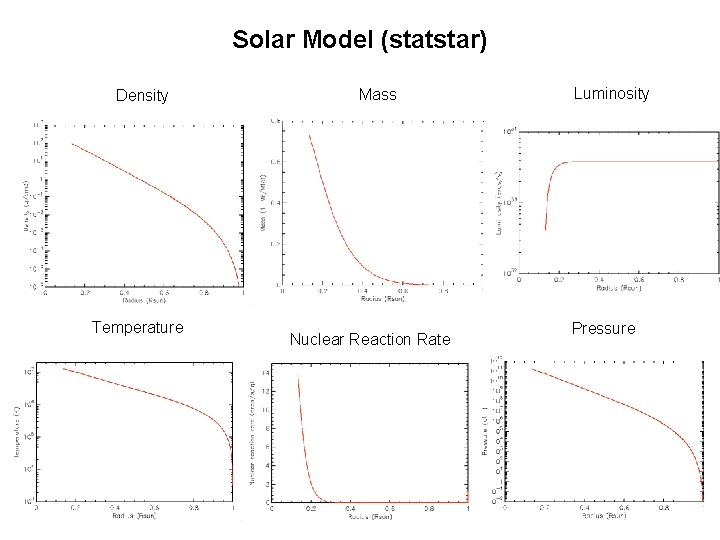
Solar Model (statstar) Density Temperature Mass Nuclear Reaction Rate Luminosity Pressure
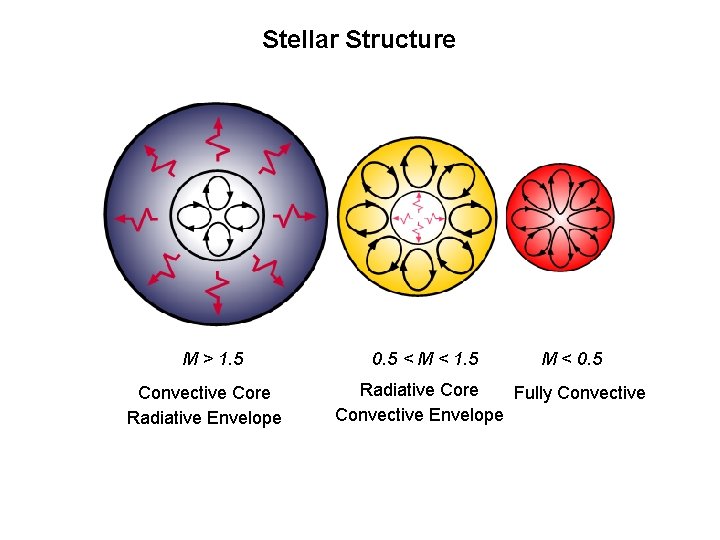
Stellar Structure M > 1. 5 Convective Core Radiative Envelope 0. 5 < M < 1. 5 M < 0. 5 Radiative Core Fully Convective Envelope
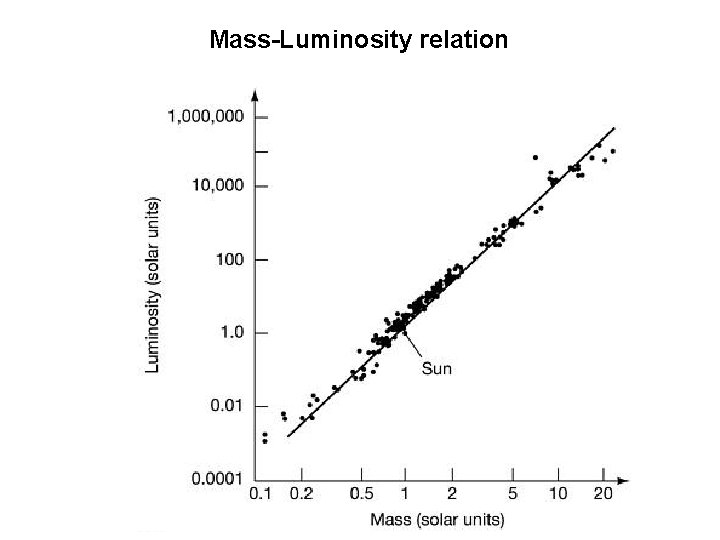
Mass-Luminosity relation
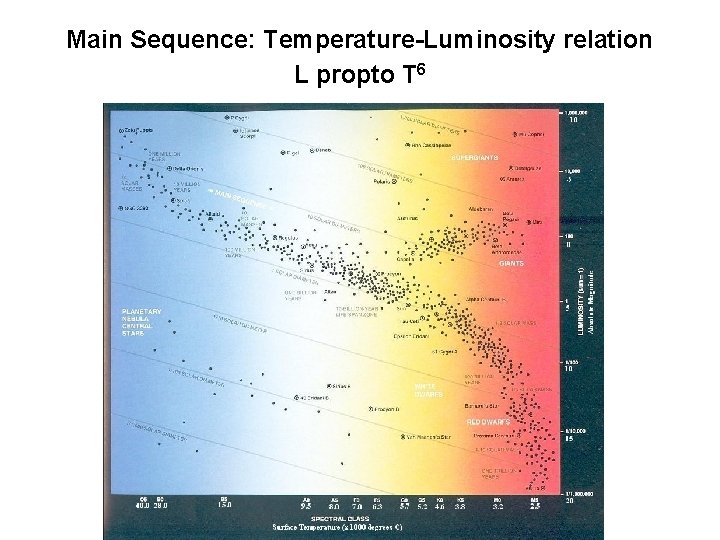
Main Sequence: Temperature-Luminosity relation L propto T 6
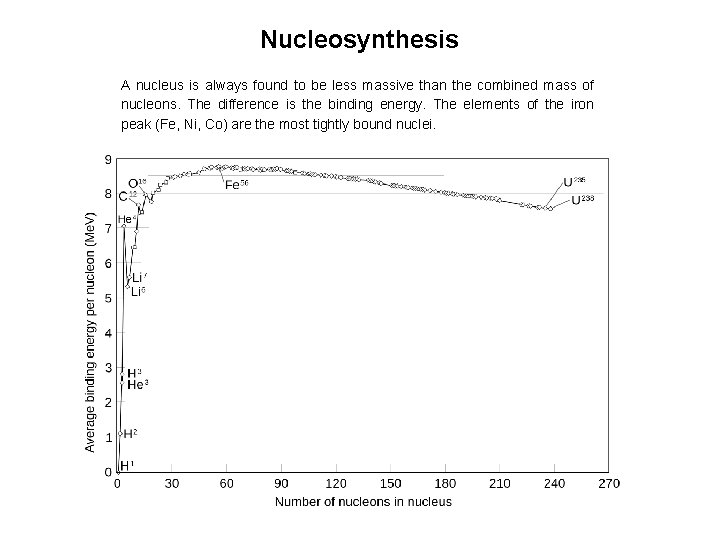
Nucleosynthesis A nucleus is always found to be less massive than the combined mass of nucleons. The difference is the binding energy. The elements of the iron peak (Fe, Ni, Co) are the most tightly bound nuclei.
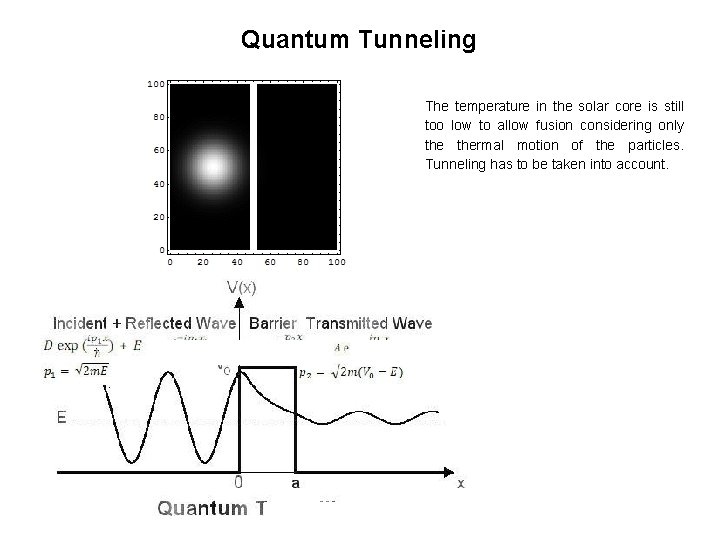
Quantum Tunneling The temperature in the solar core is still too low to allow fusion considering only thermal motion of the particles. Tunneling has to be taken into account.
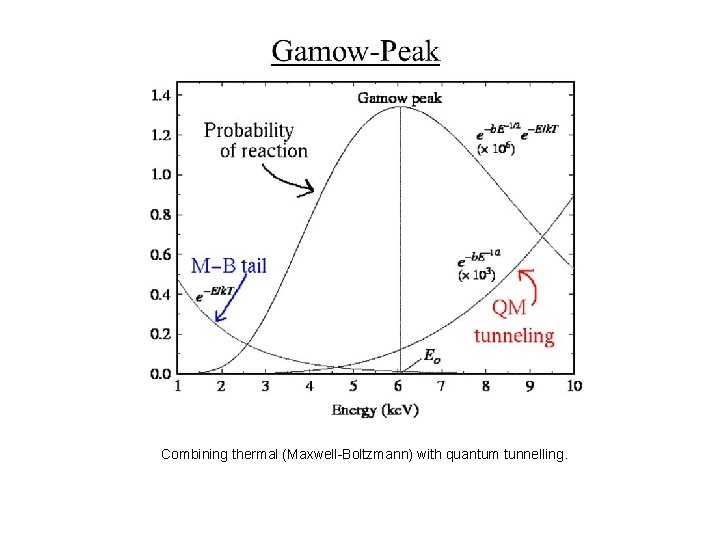
Combining thermal (Maxwell-Boltzmann) with quantum tunnelling.
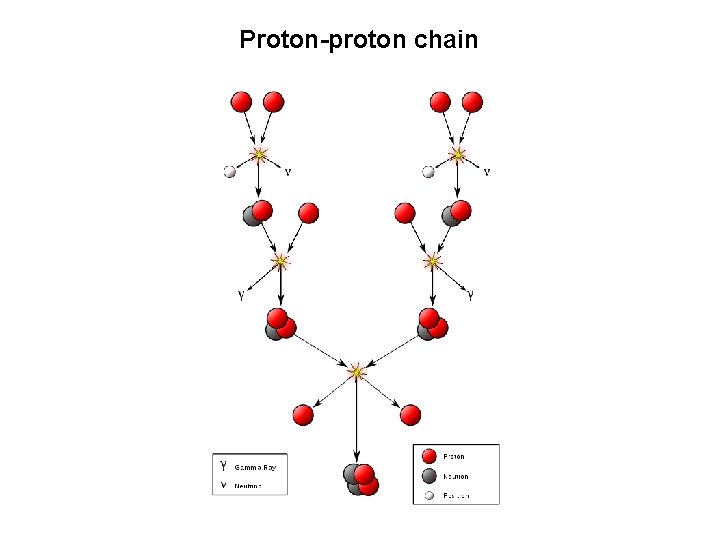
Proton-proton chain
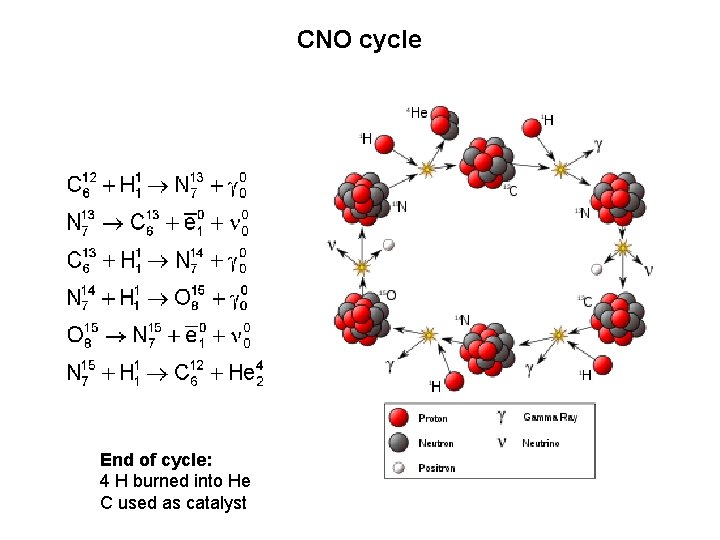
CNO cycle End of cycle: 4 H burned into He C used as catalyst
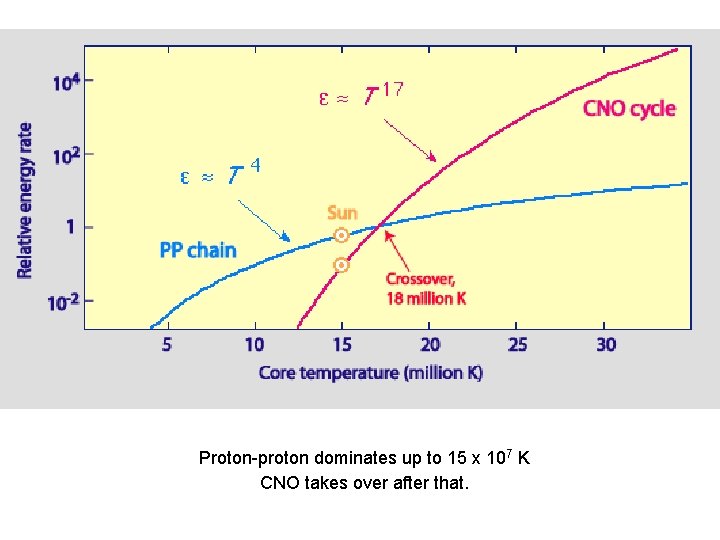
Proton-proton dominates up to 15 x 107 K CNO takes over after that.
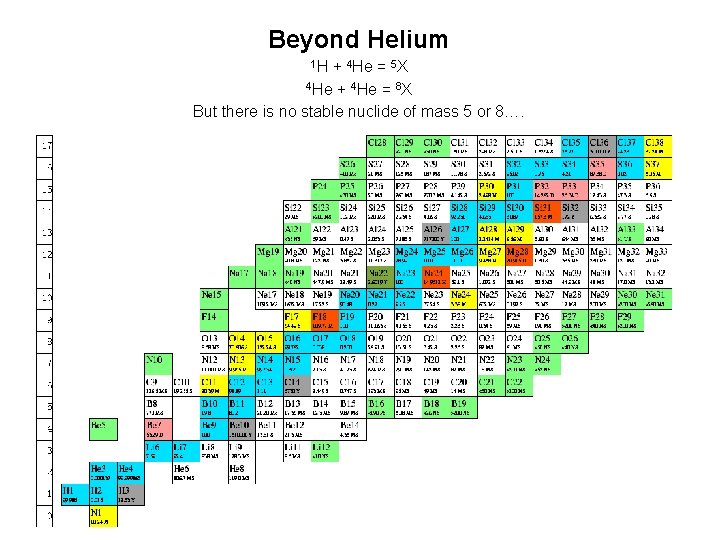
Beyond Helium 1 H + 4 He = 5 X 4 He + 4 He = 8 X But there is no stable nuclide of mass 5 or 8….
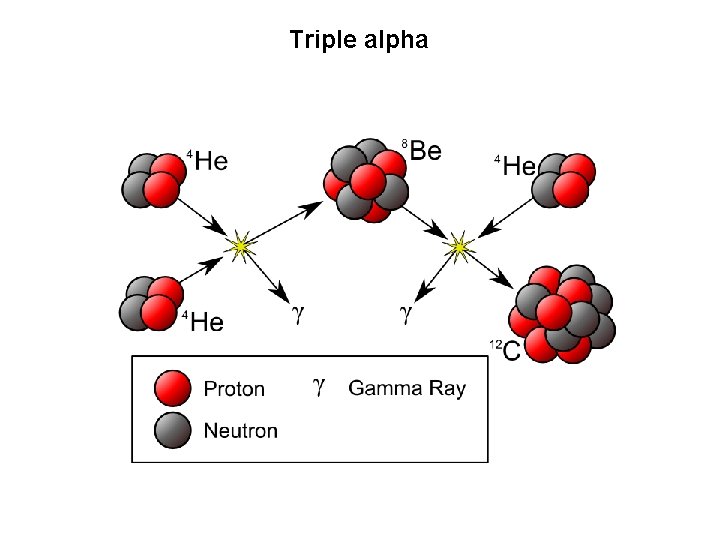
Triple alpha
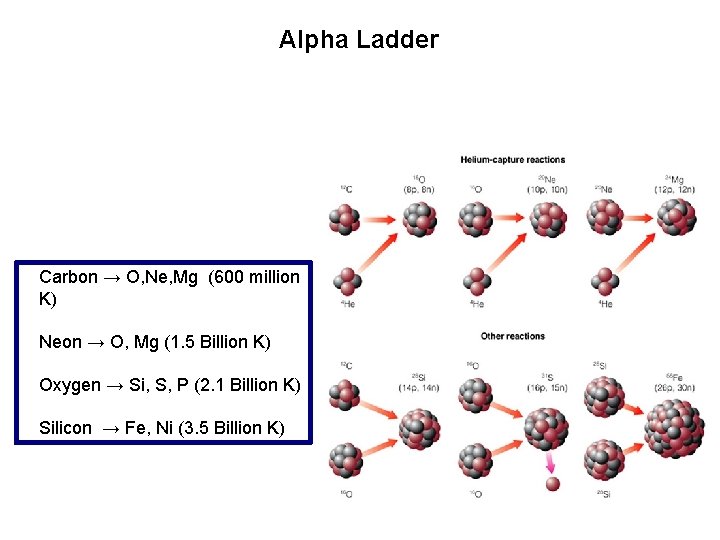
Alpha Ladder Carbon → O, Ne, Mg (600 million K) Neon → O, Mg (1. 5 Billion K) Oxygen → Si, S, P (2. 1 Billion K) Silicon → Fe, Ni (3. 5 Billion K)
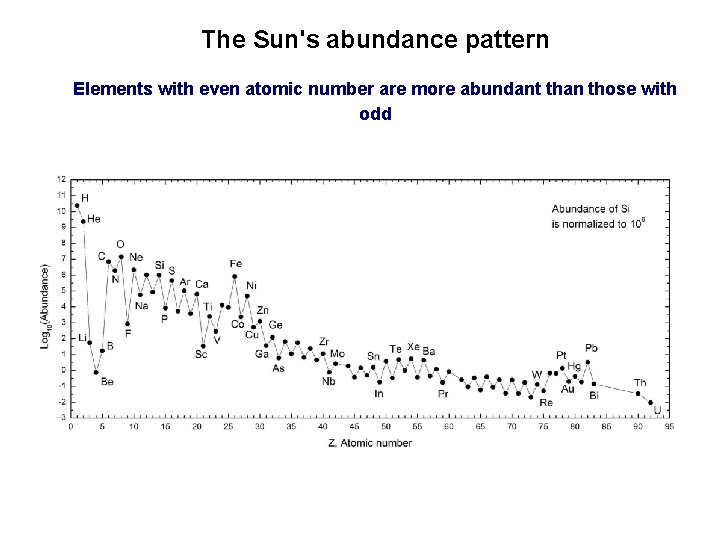
The Sun's abundance pattern Elements with even atomic number are more abundant than those with odd Expected, since Iron is the end of the fusion sequence.