Presentation of Enfants du Mekong Preah Vihear January

- Slides: 34
Presentation of “Enfants du Mekong” Preah Vihear – January 2016
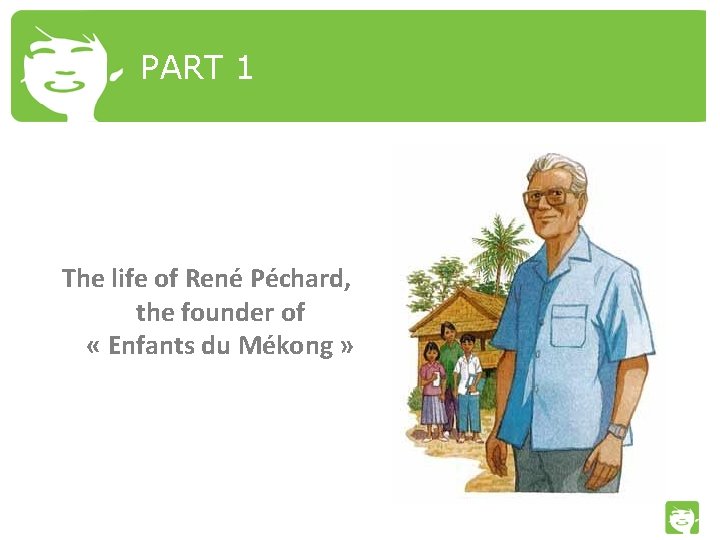
PART 1 The life of René Péchard, the founder of « Enfants du Mékong »
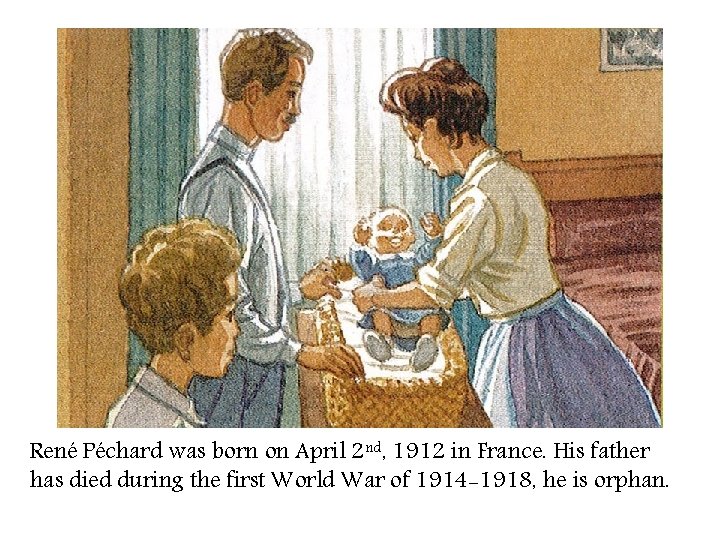
René Péchard was born on April 2 nd, 1912 in France. His father has died during the first World War of 1914 -1918, he is orphan.
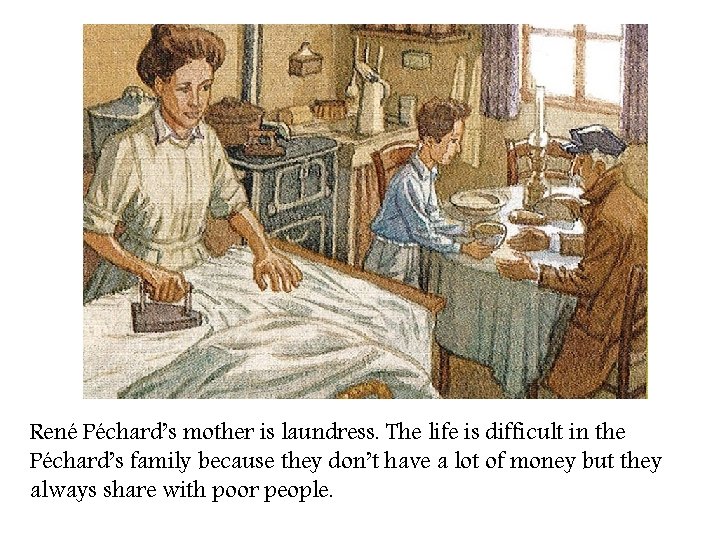
René Péchard’s mother is laundress. The life is difficult in the Péchard’s family because they don’t have a lot of money but they always share with poor people.
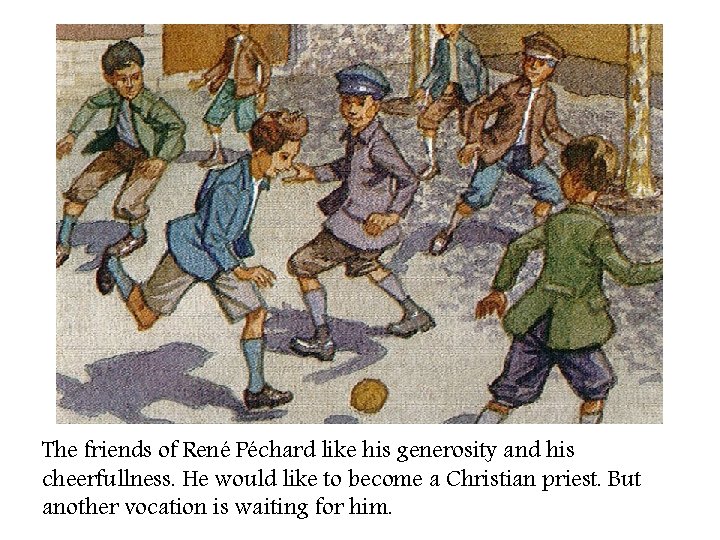
The friends of René Péchard like his generosity and his cheerfullness. He would like to become a Christian priest. But another vocation is waiting for him.
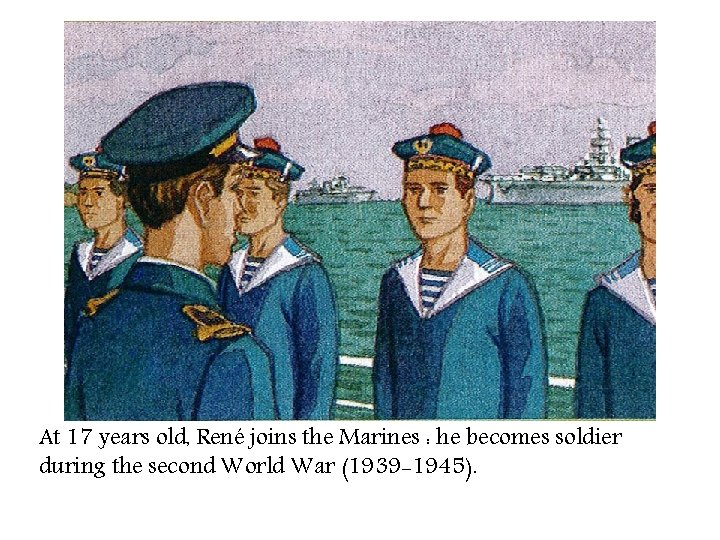
At 17 years old, René joins the Marines : he becomes soldier during the second World War (1939 -1945).
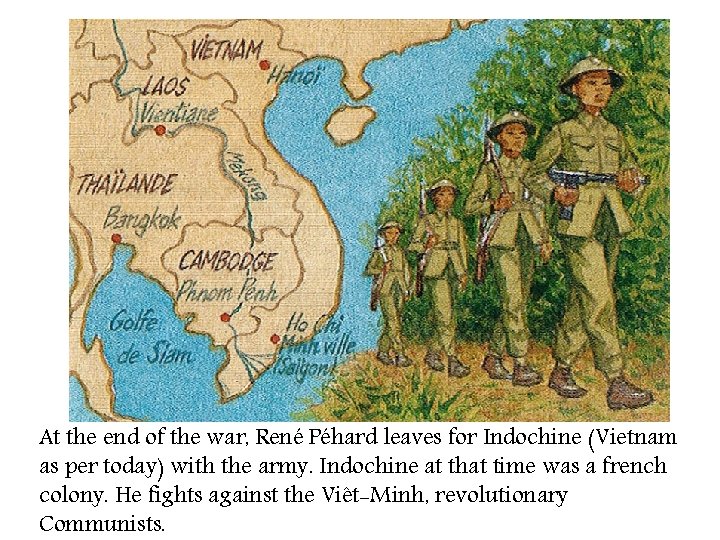
At the end of the war, René Péhard leaves for Indochine (Vietnam as per today) with the army. Indochine at that time was a french colony. He fights against the Viêt-Minh, revolutionary Communists.
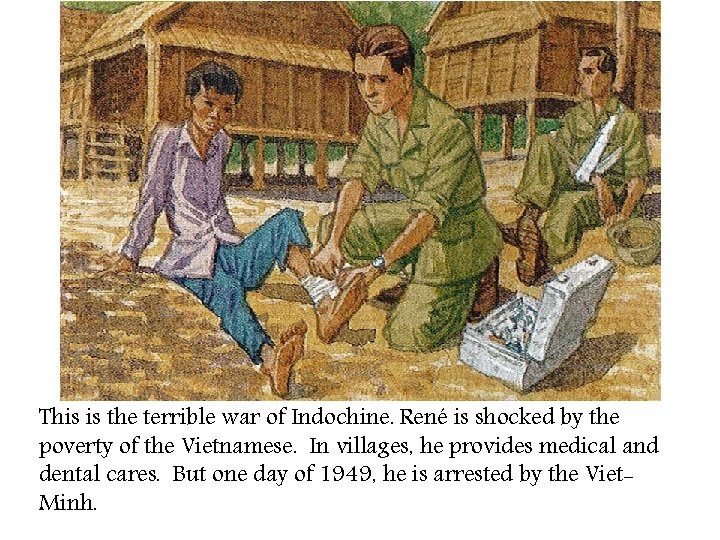
This is the terrible war of Indochine. René is shocked by the poverty of the Vietnamese. In villages, he provides medical and dental cares. But one day of 1949, he is arrested by the Viet. Minh.
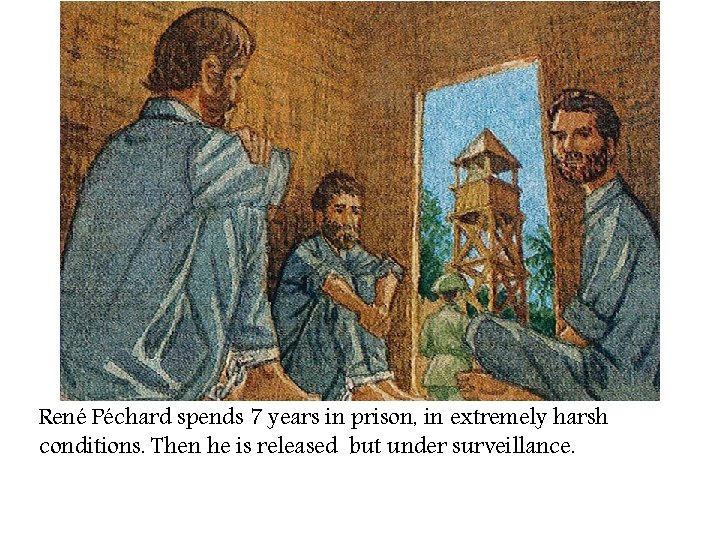
René Péchard spends 7 years in prison, in extremely harsh conditions. Then he is released but under surveillance.
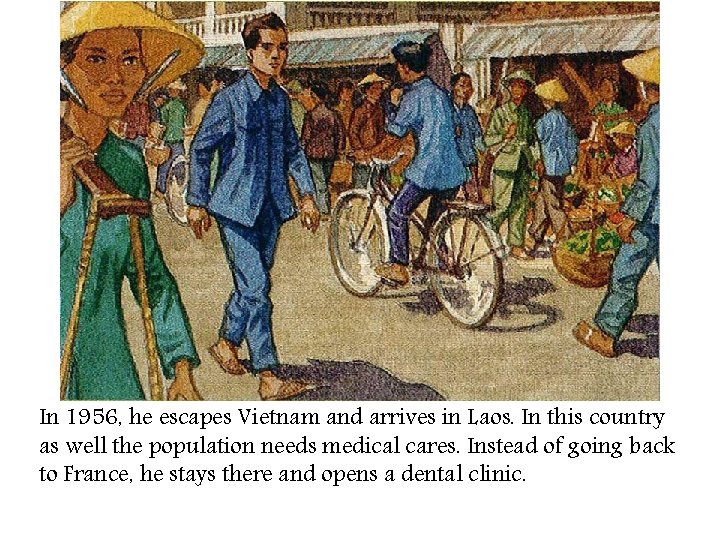
In 1956, he escapes Vietnam and arrives in Laos. In this country as well the population needs medical cares. Instead of going back to France, he stays there and opens a dental clinic.
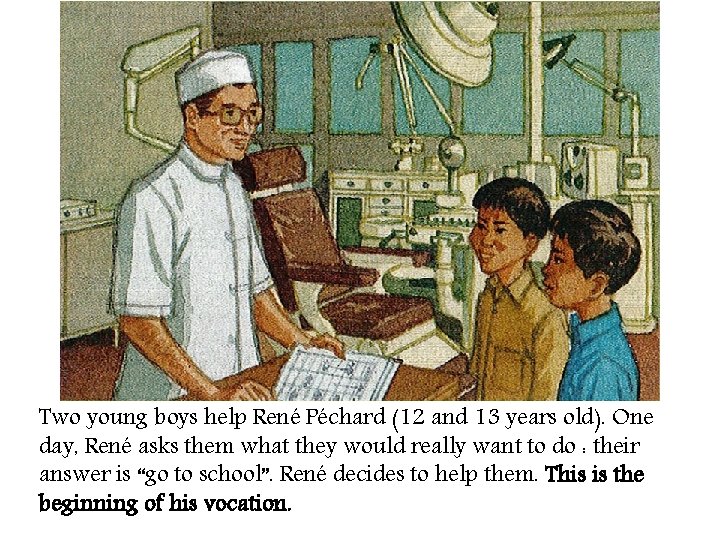
Two young boys help René Péchard (12 and 13 years old). One day, René asks them what they would really want to do : their answer is “go to school”. René decides to help them. This is the beginning of his vocation.
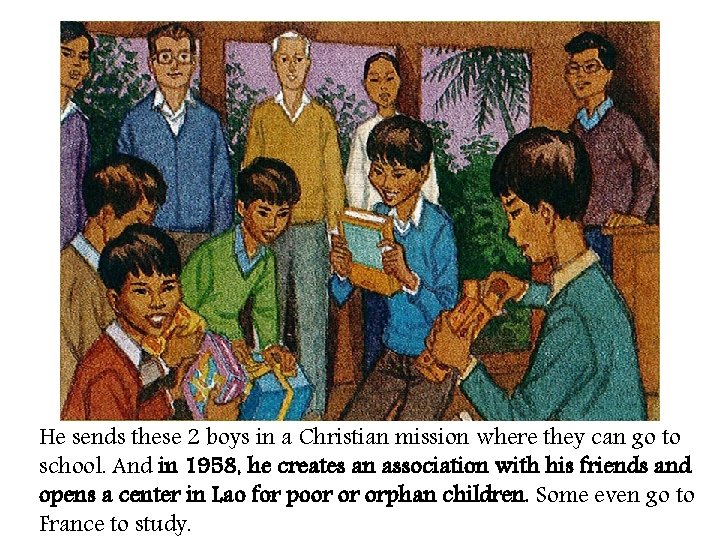
He sends these 2 boys in a Christian mission where they can go to school. And in 1958, he creates an association with his friends and opens a center in Lao for poor or orphan children. Some even go to France to study.
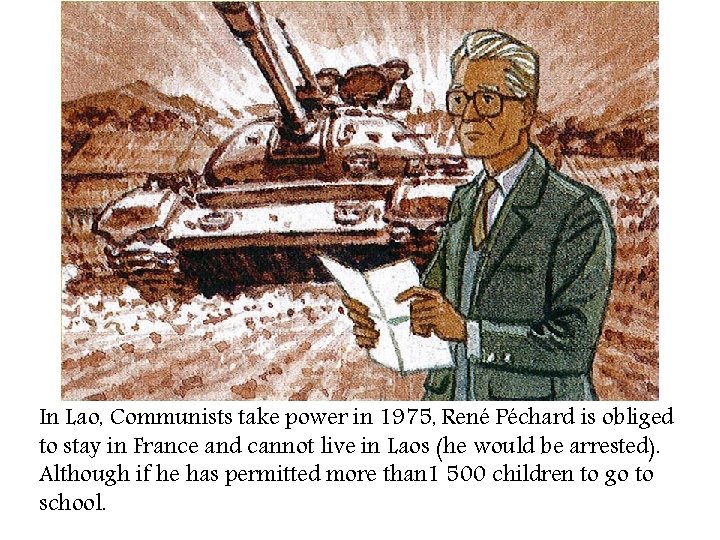
In Lao, Communists take power in 1975, René Péchard is obliged to stay in France and cannot live in Laos (he would be arrested). Although if he has permitted more than 1 500 children to go to school.
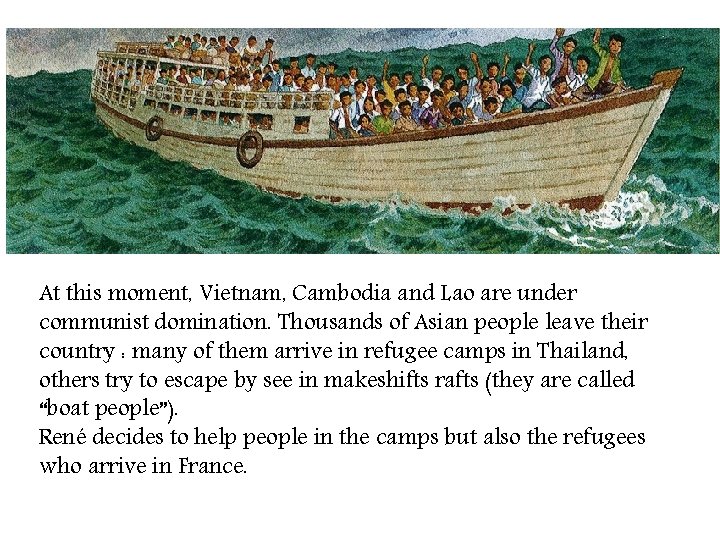
At this moment, Vietnam, Cambodia and Lao are under communist domination. Thousands of Asian people leave their country : many of them arrive in refugee camps in Thailand, others try to escape by see in makeshifts rafts (they are called “boat people”). René decides to help people in the camps but also the refugees who arrive in France.
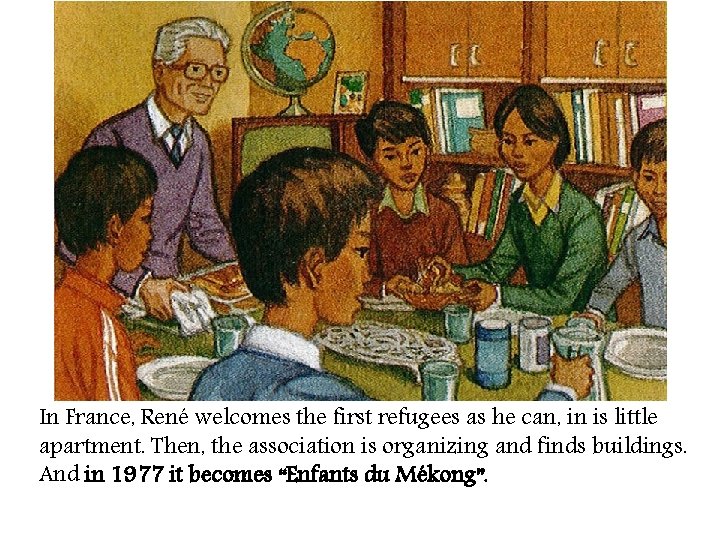
In France, René welcomes the first refugees as he can, in is little apartment. Then, the association is organizing and finds buildings. And in 1977 it becomes “Enfants du Mékong”.
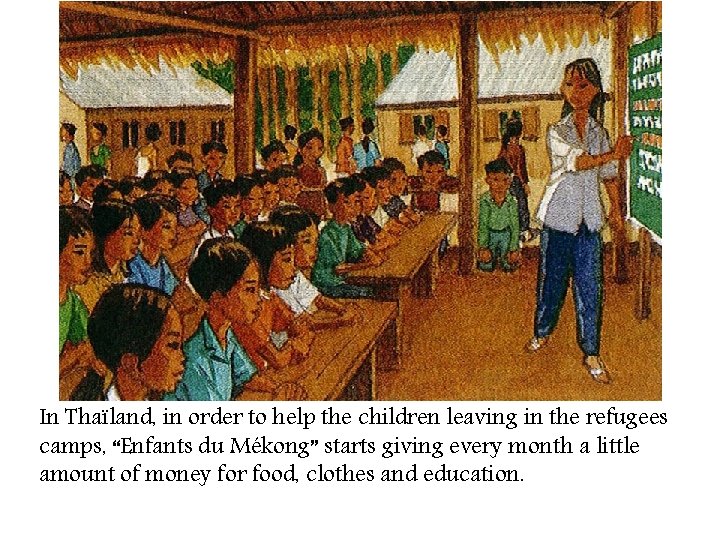
In Thaïland, in order to help the children leaving in the refugees camps, “Enfants du Mékong” starts giving every month a little amount of money for food, clothes and education.
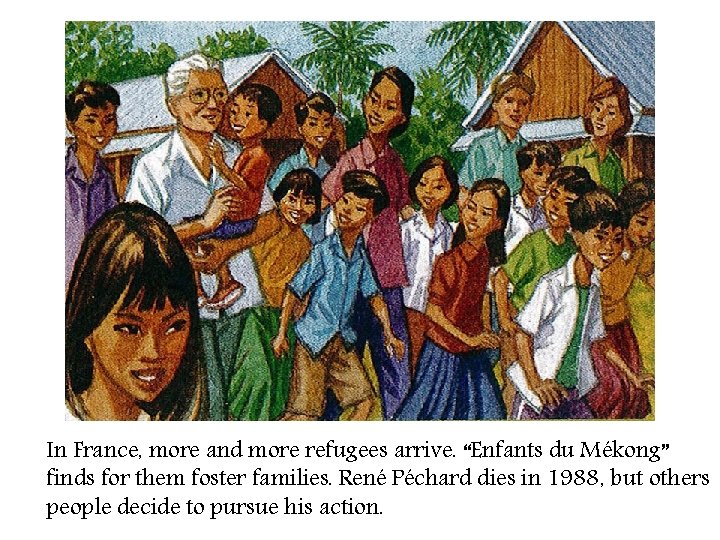
In France, more and more refugees arrive. “Enfants du Mékong” finds for them foster families. René Péchard dies in 1988, but others people decide to pursue his action.
PART 2 The heart of « Enfants du Mékong » action
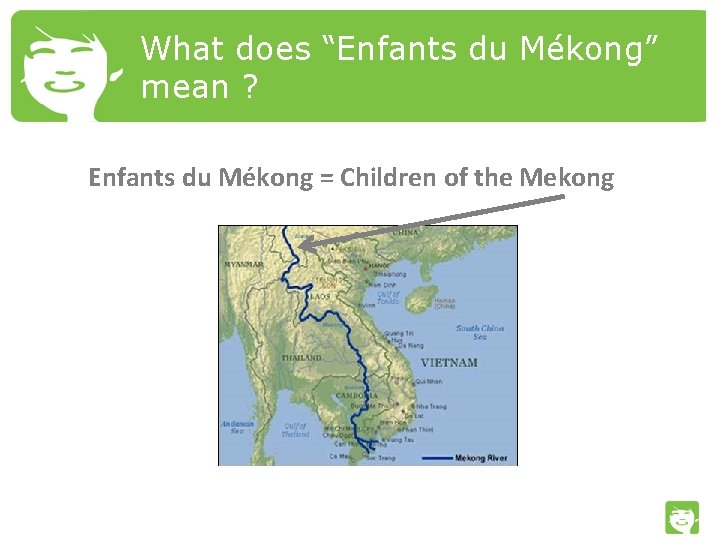
What does “Enfants du Mékong” mean ? Enfants du Mékong = Children of the Mekong
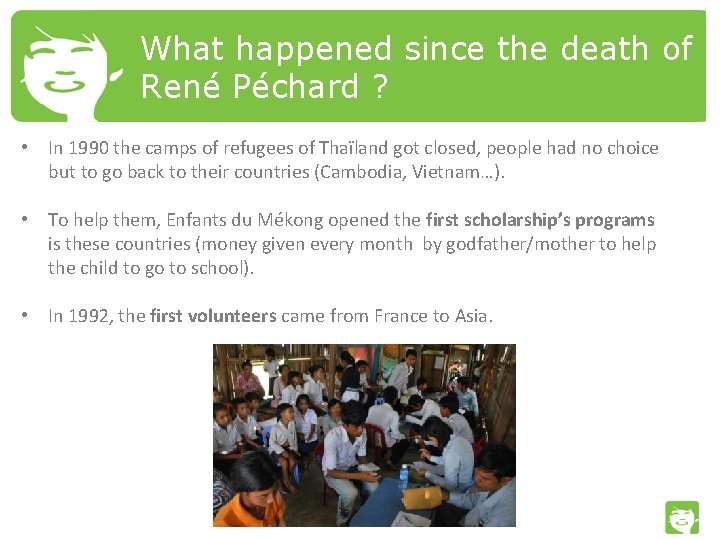
What happened since the death of René Péchard ? • In 1990 the camps of refugees of Thaïland got closed, people had no choice but to go back to their countries (Cambodia, Vietnam…). • To help them, Enfants du Mékong opened the first scholarship’s programs is these countries (money given every month by godfather/mother to help the child to go to school). • In 1992, the first volunteers came from France to Asia.
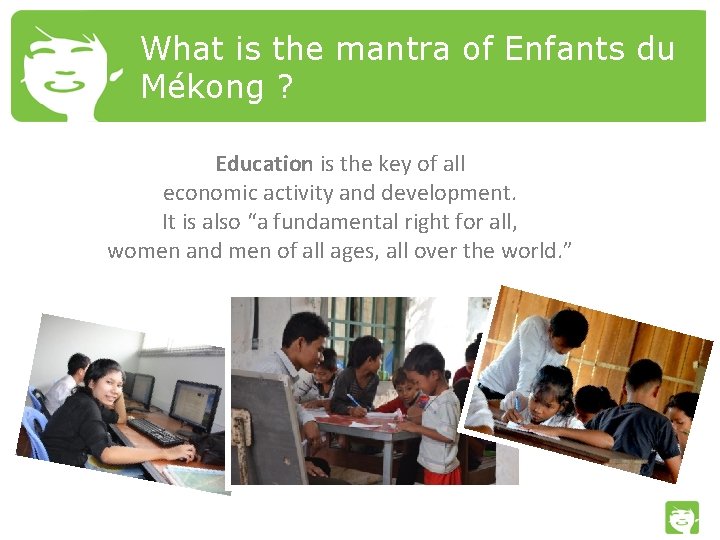
What is the mantra of Enfants du Mékong ? Education is the key of all economic activity and development. It is also “a fundamental right for all, women and men of all ages, all over the world. ”
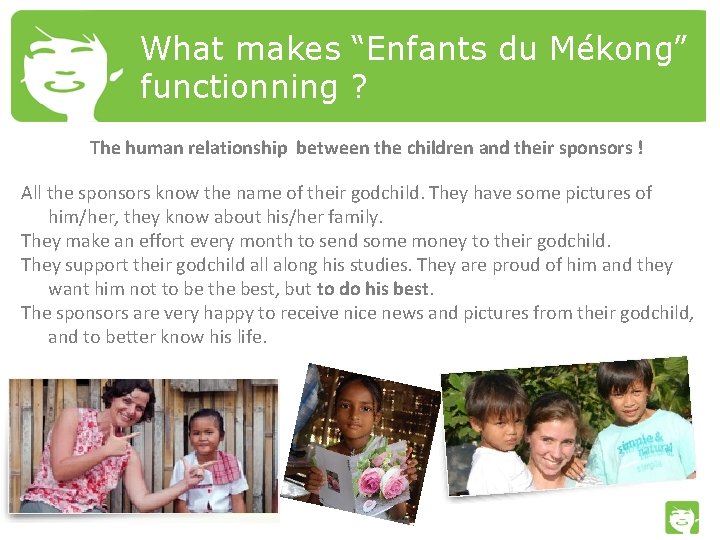
What makes “Enfants du Mékong” functionning ? The human relationship between the children and their sponsors ! All the sponsors know the name of their godchild. They have some pictures of him/her, they know about his/her family. They make an effort every month to send some money to their godchild. They support their godchild all along his studies. They are proud of him and they want him not to be the best, but to do his best. The sponsors are very happy to receive nice news and pictures from their godchild, and to better know his life.
PART 3 Territories and actions of « Enfants du Mékong » today
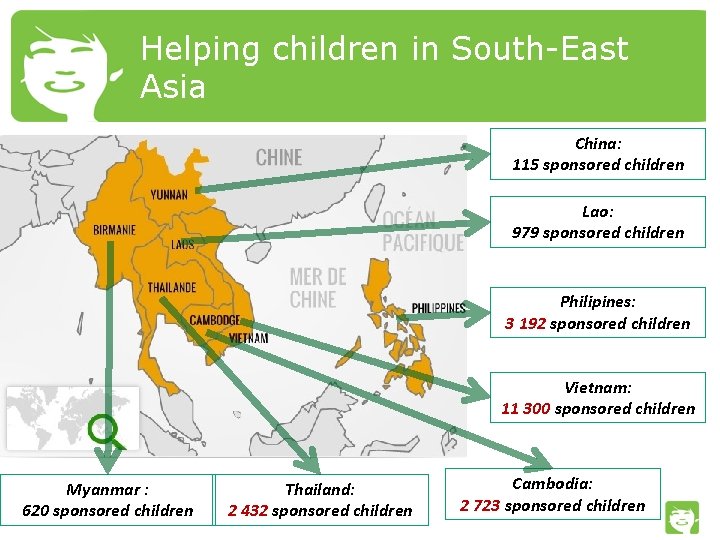
Helping children in South-East Asia China: 115 sponsored children Lao: 979 sponsored children Philipines: 3 192 sponsored children Vietnam: 11 300 sponsored children Myanmar : 620 sponsored children Thailand: 2 432 sponsored children Cambodia: 2 723 sponsored children
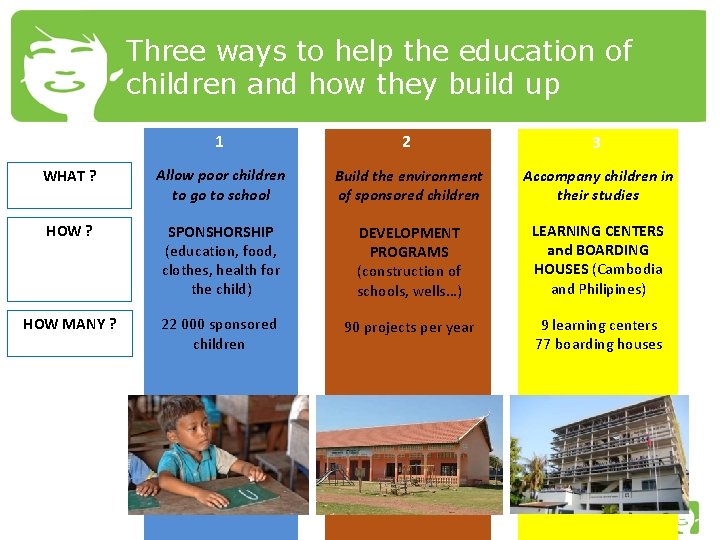
Three ways to help the education of children and how they build up 1 2 3 WHAT ? Allow poor children to go to school Build the environment of sponsored children Accompany children in their studies HOW ? SPONSHORSHIP (education, food, clothes, health for the child) DEVELOPMENT PROGRAMS (construction of schools, wells…) LEARNING CENTERS and BOARDING HOUSES (Cambodia and Philipines) HOW MANY ? 22 000 sponsored children 90 projects per year 9 learning centers 77 boarding houses
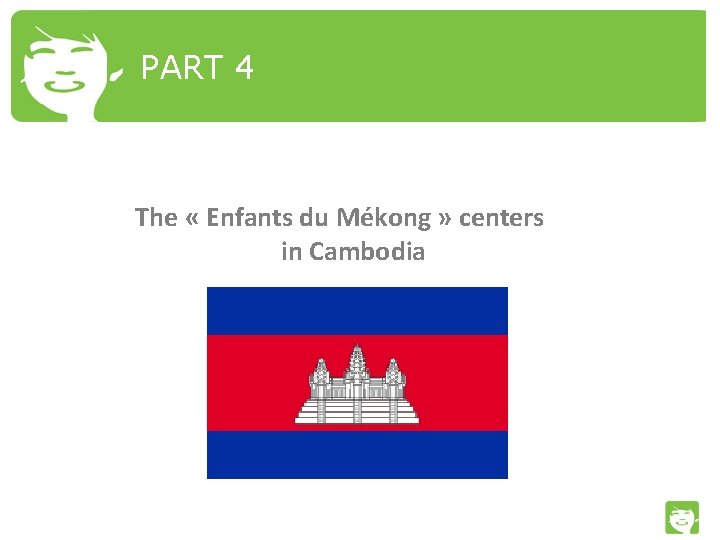
PART 4 The « Enfants du Mékong » centers in Cambodia
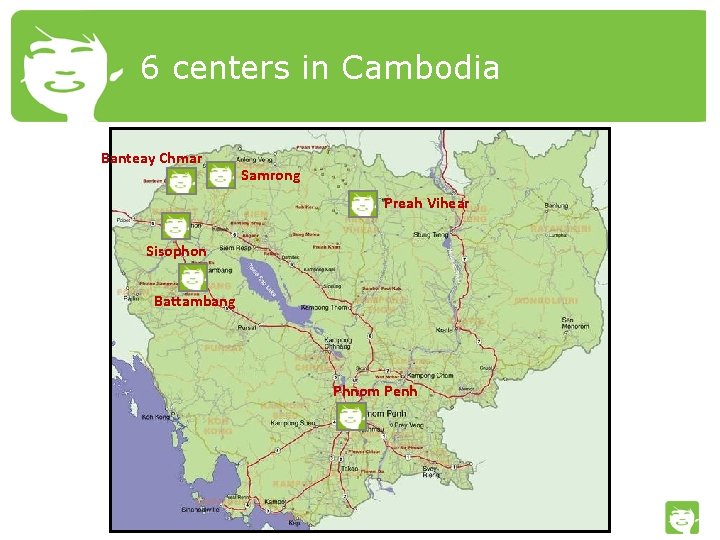
6 centers in Cambodia Banteay Chmar Samrong Preah Vihear Sisophon Battambang Phnom Penh
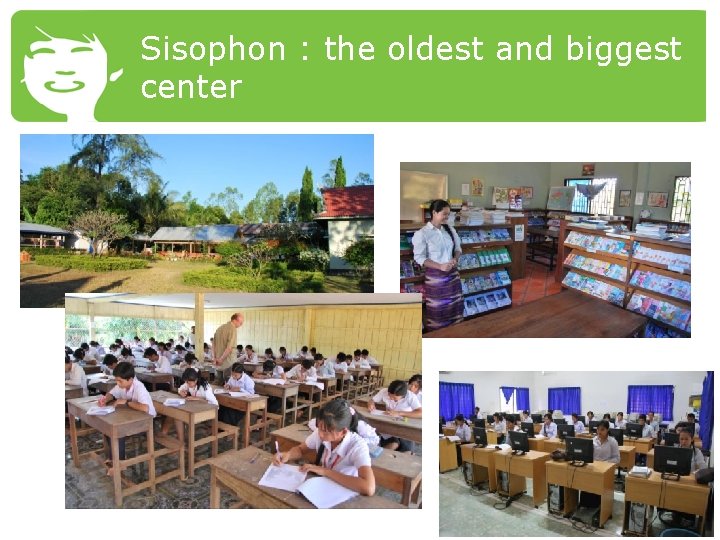
Sisophon : the oldest and biggest center
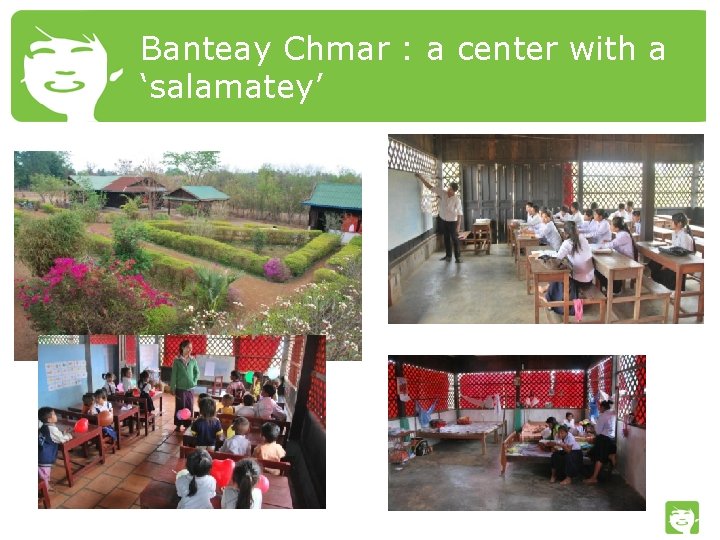
Banteay Chmar : a center with a ‘salamatey’
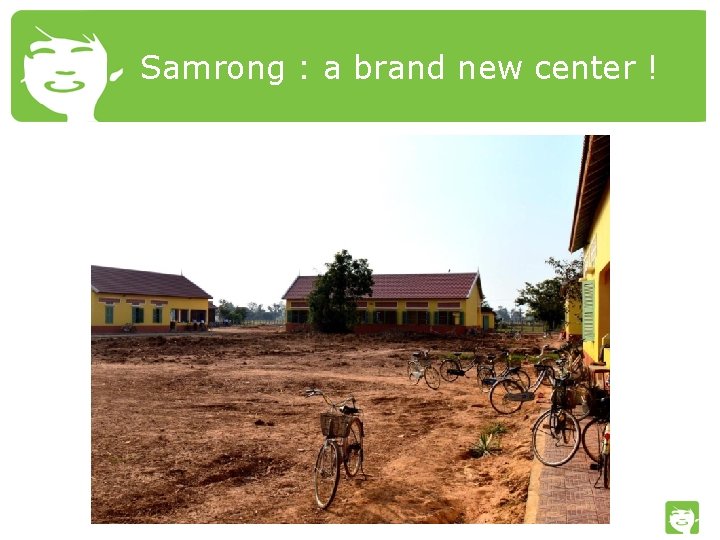
Samrong : a brand new center !
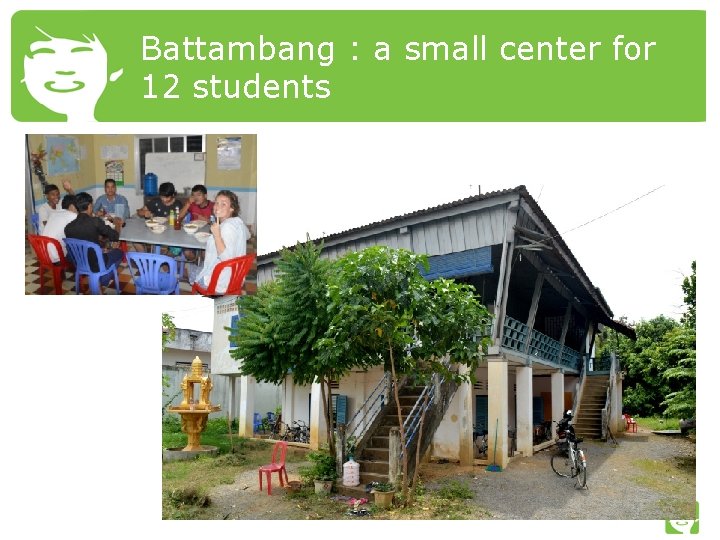
Battambang : a small center for 12 students
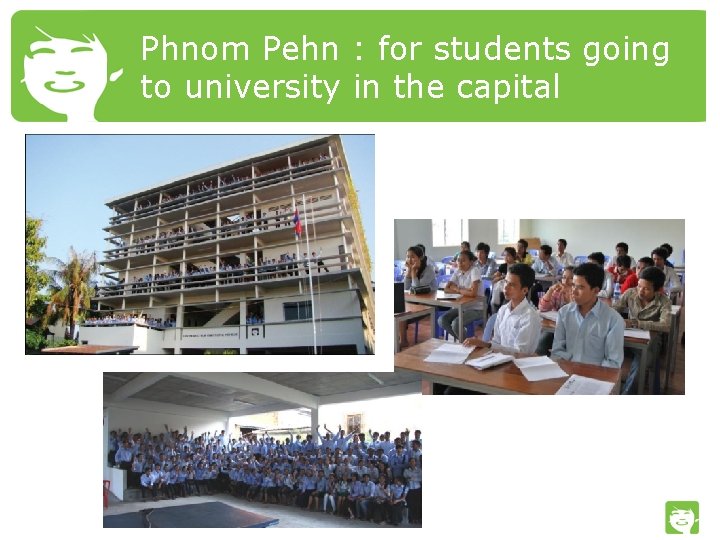
Phnom Pehn : for students going to university in the capital
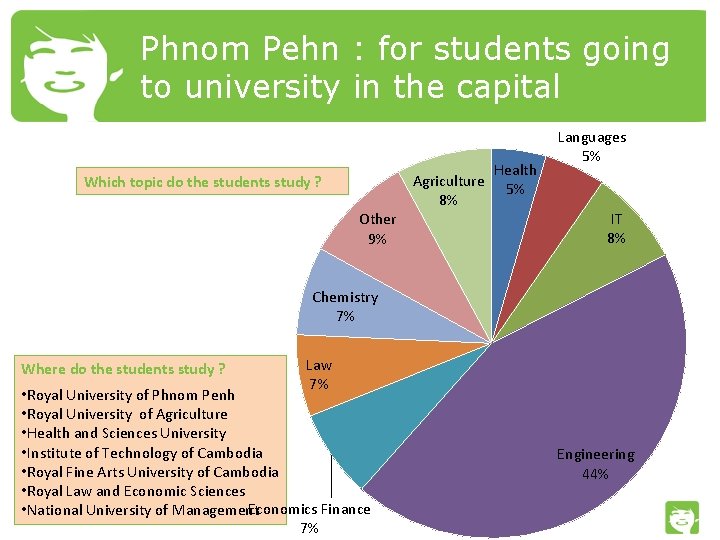
Phnom Pehn : for students going to university in the capital Which topic do the students study ? Other 9% Agriculture 8% Health 5% Languages 5% IT 8% Chemistry 7% Where do the students study ? Law 7% • Royal University of Phnom Penh • Royal University of Agriculture • Health and Sciences University • Institute of Technology of Cambodia • Royal Fine Arts University of Cambodia • Royal Law and Economic Sciences Economics Finance • National University of Management 7% Engineering 44%
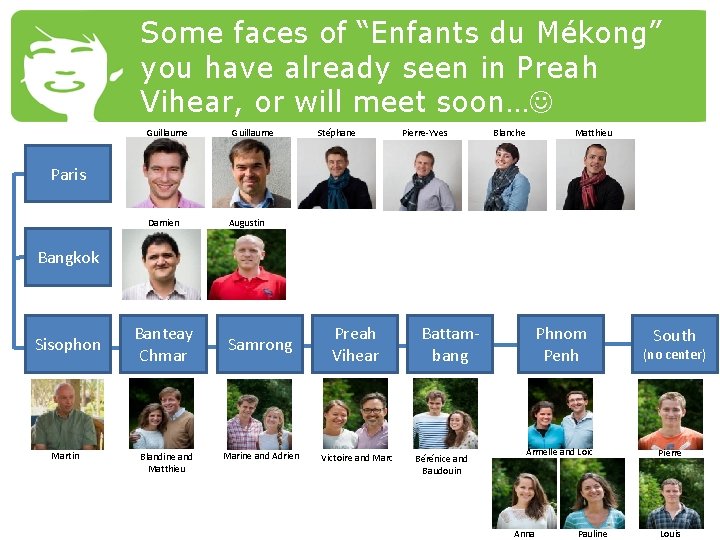
Some faces of “Enfants du Mékong” you have already seen in Preah Vihear, or will meet soon… Guillaume Stéphane Pierre-Yves Matthieu Blanche Paris Damien Augustin Bangkok Sisophon Martin Banteay Chmar Blandine and Matthieu Samrong Preah Vihear Marine and Adrien Victoire and Marc Battambang Bérénice and Baudouin Phnom Penh Armelle and Loïc Anna Pauline South (no center) Pierre Louis