PHY 132 Introduction to Physics II Class 12
- Slides: 37
PHY 132 Introduction to Physics II Class 12 – Outline: • Electric Potential Difference: a. k. a. “Voltage” • Electric Potential of: – Parallel Plate Capacitor • Next week: no classes – Point Charge • Week of Feb. 23: new teams in Practicals, Andrew takes – Many Charges over lectures.
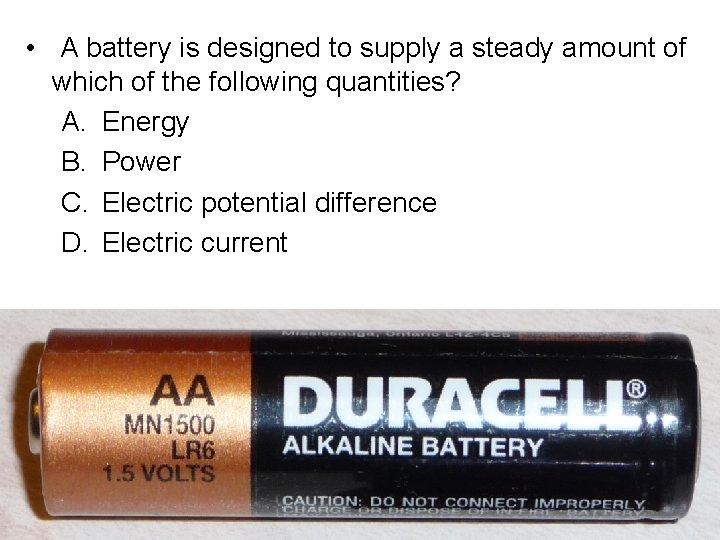
• A battery is designed to supply a steady amount of which of the following quantities? A. Energy B. Power C. Electric potential difference D. Electric current
Class 12 Preclass Quiz on Mastering. Physics § 97% got: The units of potential difference are Volts. § 78% got: New units for the electric field were introduced in chapter 28. Old units were N/C. The new units are V/m. § You can show that these units are equivalent to each other: 1 N/C 1 V/m
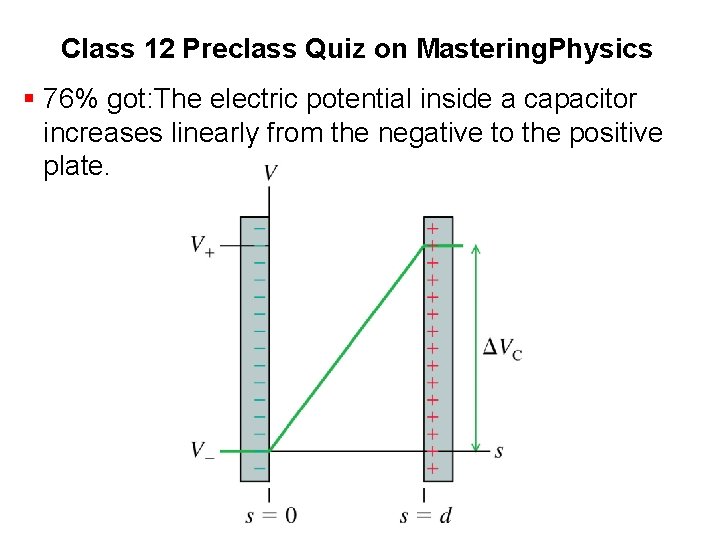
Class 12 Preclass Quiz on Mastering. Physics § 76% got: The electric potential inside a capacitor increases linearly from the negative to the positive plate.
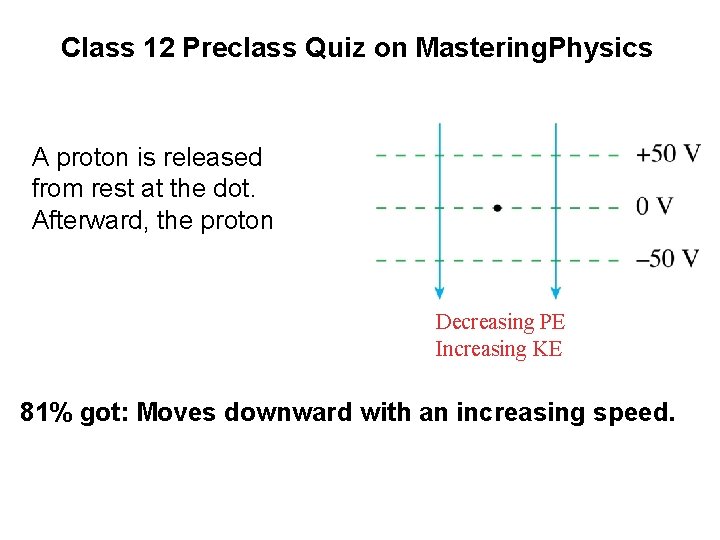
Quick. Check 28. 6 Class 12 Preclass Quiz on Mastering. Physics A proton is released from rest at the dot. Afterward, the proton Decreasing PE Increasing KE 81% got: Moves downward with an increasing speed.
Class 12 Preclass Quiz – Student Comments… § “Can the voltage ever be negative? ” § Harlow answer: Yes! Electric potential is just the electric potential energy divided by charge of the probe charge. The E. P. E. can be negative, so electric potential can be negative too. § “Is there a real difference between a "normal" capacitor and a parallel-plate capacitor? ” § Harlow answer: Parallel plate capacitor is more specific. There are many different geometries of capacitors out there, including ones rolled up like a burrito.
Class 12 Preclass Quiz – Student Comments… § “I just wish there was a bigger difference in the naming between potential energy and electric potential difference. The day when physics runs out of names for quantities. . . ” § Harlow answer: agreed. “electric potential” is in Volts, “electric potential energy” is in Joules… They sound the same, but they are not. § “when is the next midterm? ” § Harlow answer: Tue. Mar. 10 at 6: 00 pm – about 4 weeks from now.
Class 12 Preclass Quiz – Student Comments… § Q: What did one quantum physicist say when he wanted to fight another quantum physicist? § A: Let me atom! § Did you hear oxygen and magnesium got together? § OMg! § What type of rodent causes another creature to accelerate when near it? § A field mouse!
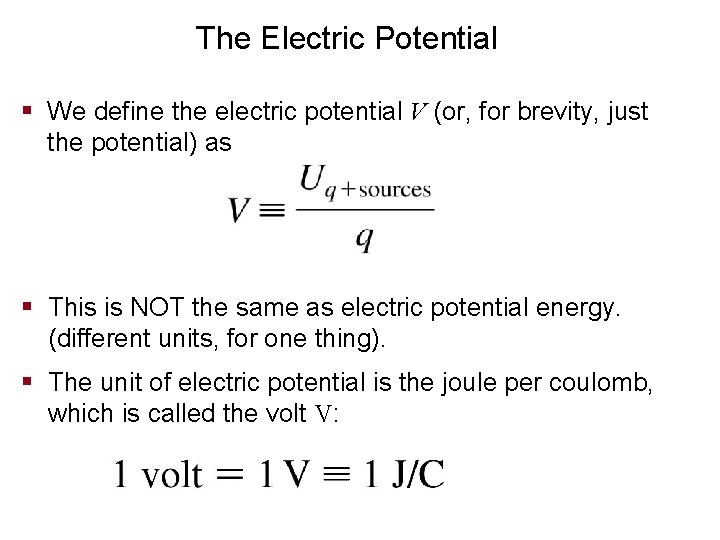
The Electric Potential § We define the electric potential V (or, for brevity, just the potential) as § This is NOT the same as electric potential energy. (different units, for one thing). § The unit of electric potential is the joule per coulomb, which is called the volt V:
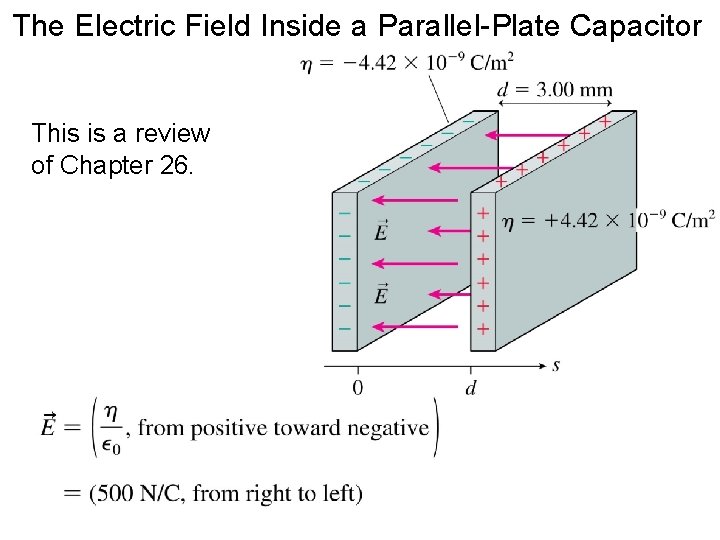
The Electric Field Inside a Parallel-Plate Capacitor This is a review of Chapter 26.
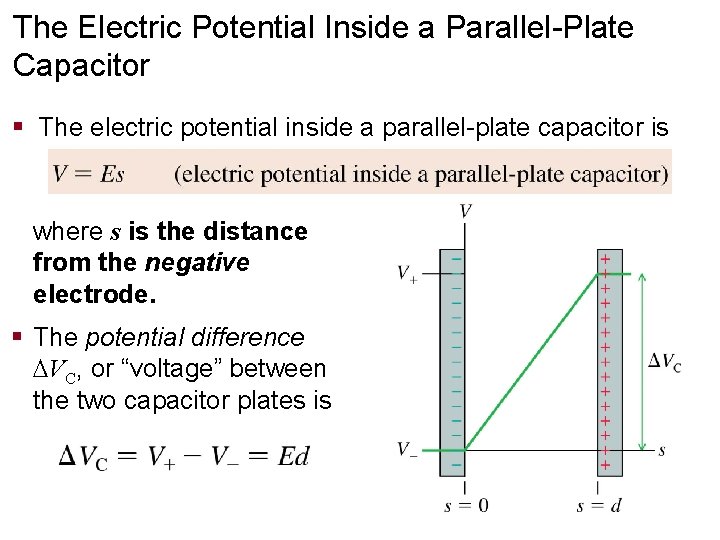
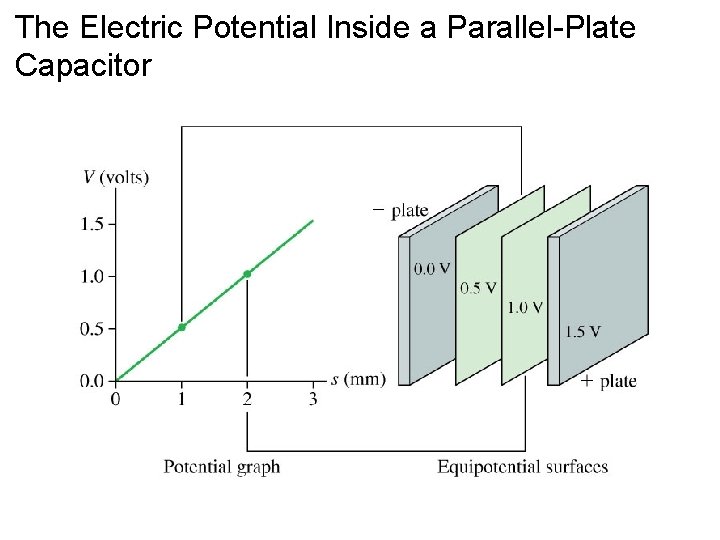
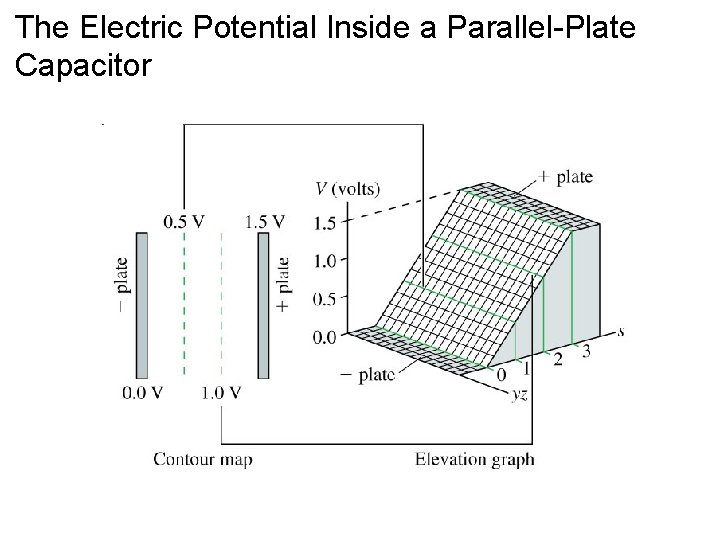
The Electric Potential Inside a Parallel-Plate Capacitor § The electric potential inside a parallel-plate capacitor is where s is the distance from the negative electrode. § The potential difference VC, or “voltage” between the two capacitor plates is
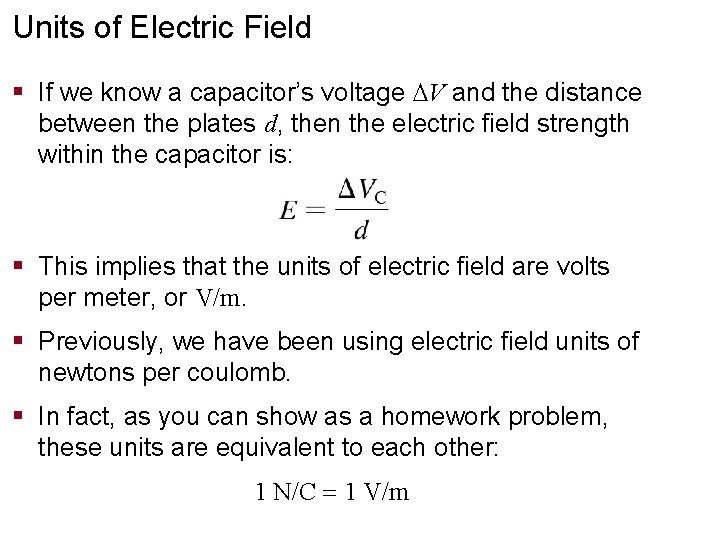
Units of Electric Field § If we know a capacitor’s voltage V and the distance between the plates d, then the electric field strength within the capacitor is: § This implies that the units of electric field are volts per meter, or V/m. § Previously, we have been using electric field units of newtons per coulomb. § In fact, as you can show as a homework problem, these units are equivalent to each other: 1 N/C 1 V/m
The Electric Potential Inside a Parallel-Plate Capacitor
The Electric Potential Inside a Parallel-Plate Capacitor
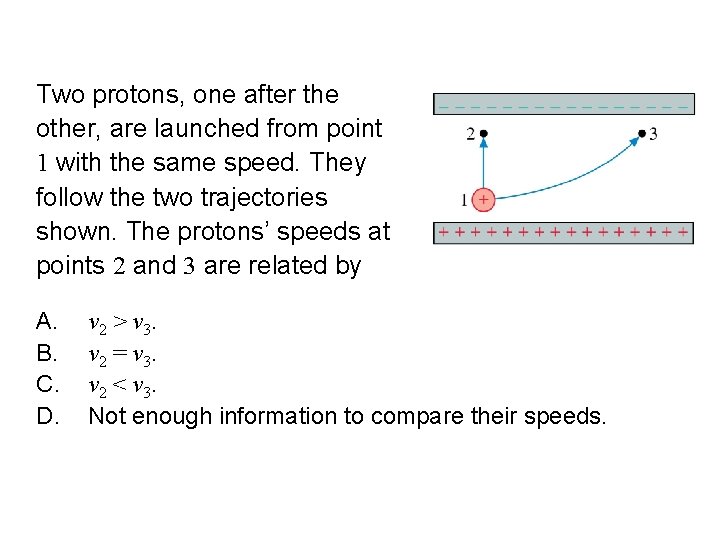
Quick. Check 28. 9 Two protons, one after the other, are launched from point 1 with the same speed. They follow the two trajectories shown. The protons’ speeds at points 2 and 3 are related by A. B. C. D. v 2 > v 3. v 2 = v 3. v 2 < v 3. Not enough information to compare their speeds.
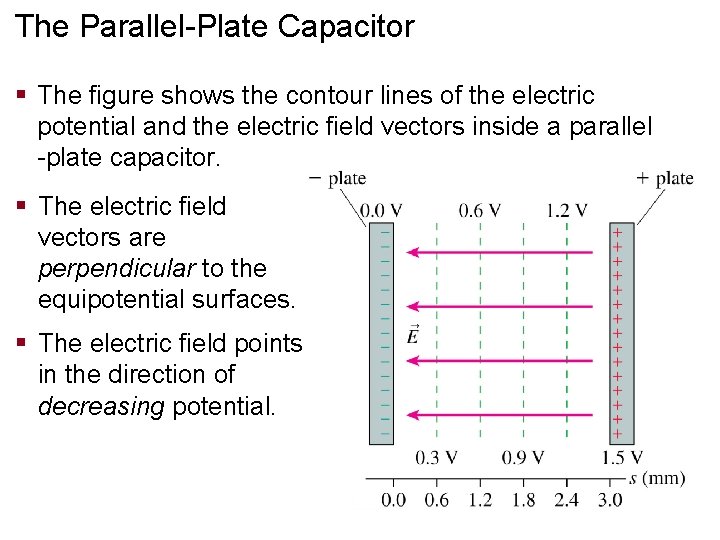
The Parallel-Plate Capacitor § The figure shows the contour lines of the electric potential and the electric field vectors inside a parallel -plate capacitor. § The electric field vectors are perpendicular to the equipotential surfaces. § The electric field points in the direction of decreasing potential.
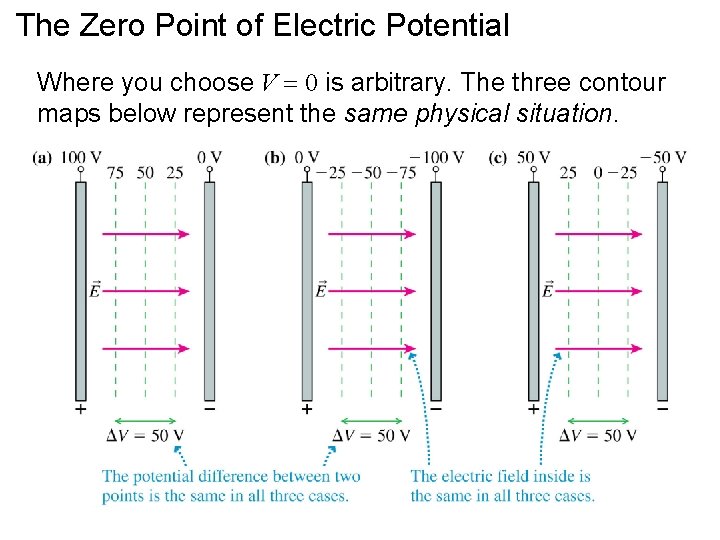
The Zero Point of Electric Potential Where you choose V 0 is arbitrary. The three contour maps below represent the same physical situation.
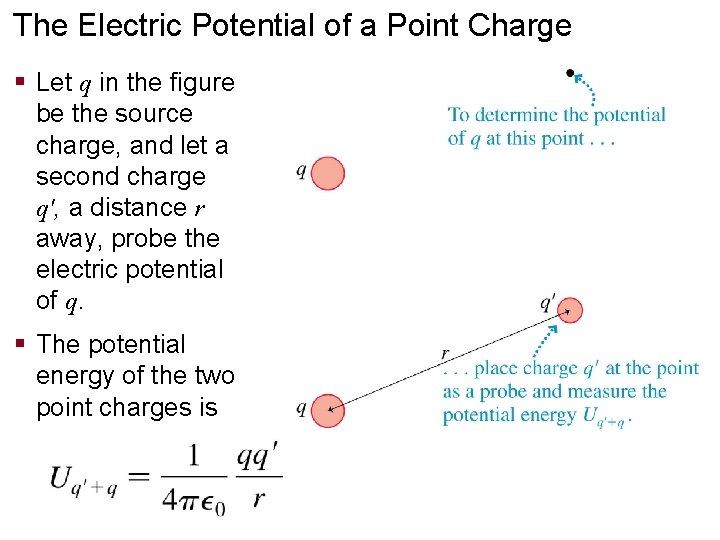
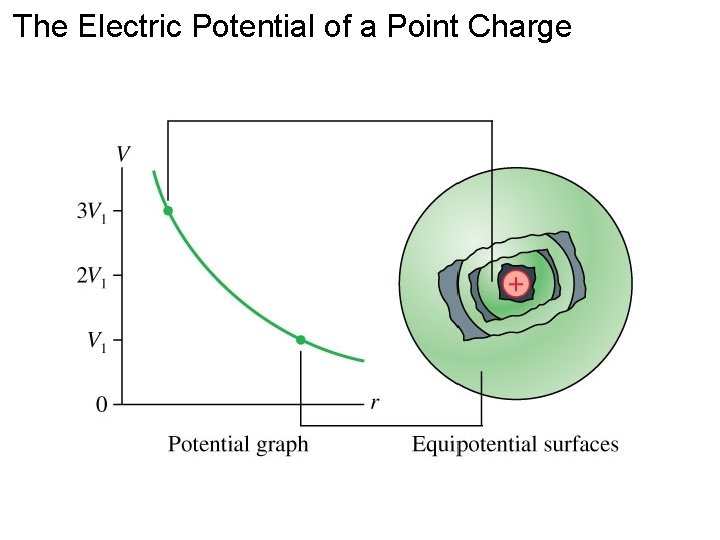
The Electric Potential of a Point Charge § Let q in the figure be the source charge, and let a second charge q', a distance r away, probe the electric potential of q. § The potential energy of the two point charges is
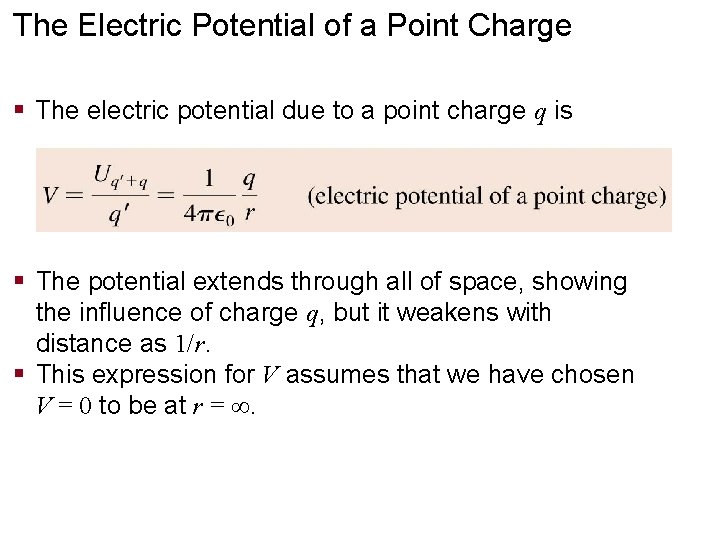
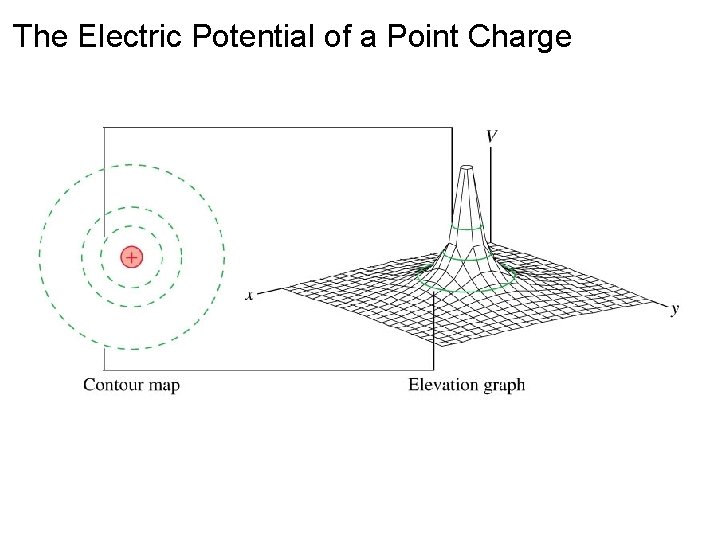
The Electric Potential of a Point Charge § The electric potential due to a point charge q is § The potential extends through all of space, showing the influence of charge q, but it weakens with distance as 1/r. § This expression for V assumes that we have chosen V = 0 to be at r = .
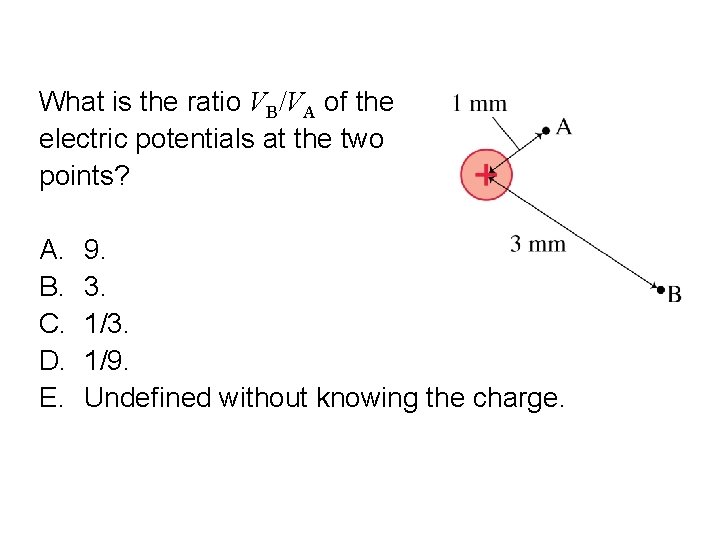
Quick. Check 28. 10 What is the ratio VB/VA of the electric potentials at the two points? A. B. C. D. E. 9. 3. 1/9. Undefined without knowing the charge.
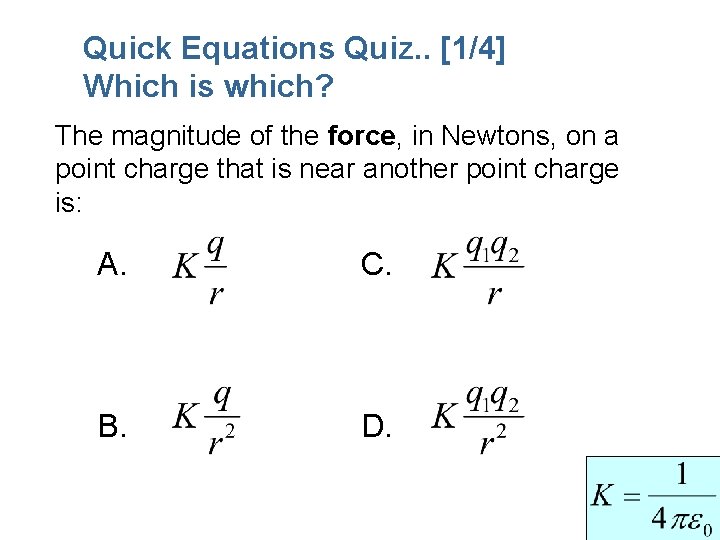
Quick Equations Quiz. . [1/4] Which is which? The magnitude of the force, in Newtons, on a point charge that is near another point charge is: A. C. B. D.
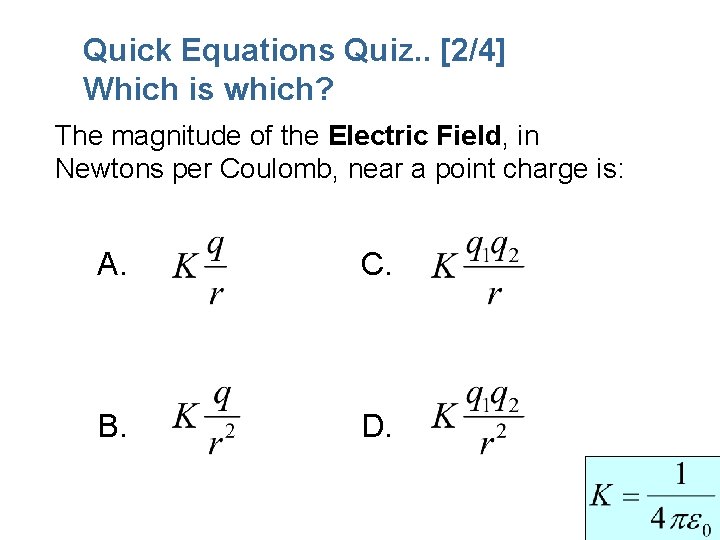
Quick Equations Quiz. . [2/4] Which is which? The magnitude of the Electric Field, in Newtons per Coulomb, near a point charge is: A. C. B. D.
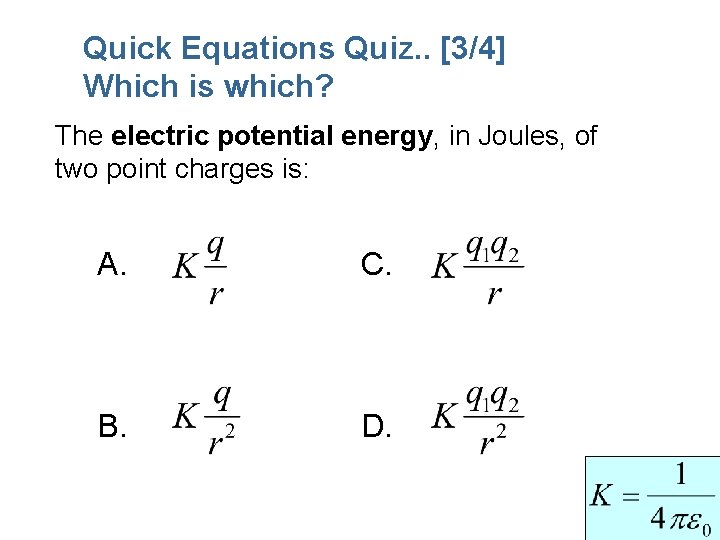
Quick Equations Quiz. . [3/4] Which is which? The electric potential energy, in Joules, of two point charges is: A. C. B. D.
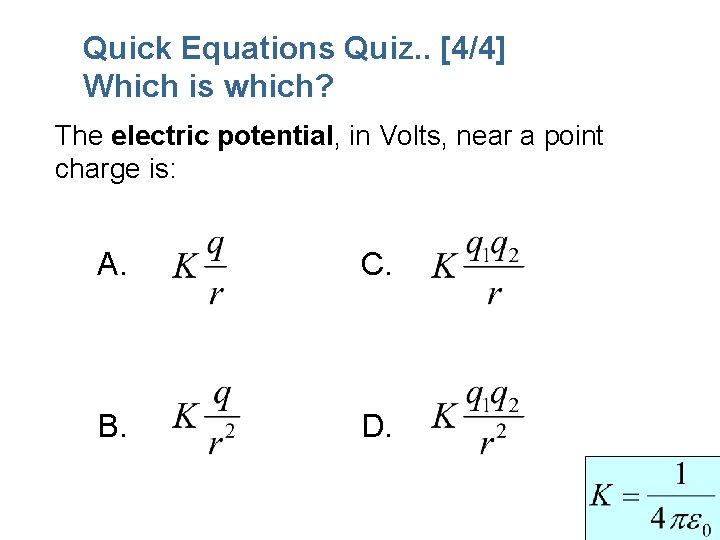
Quick Equations Quiz. . [4/4] Which is which? The electric potential, in Volts, near a point charge is: A. C. B. D.
The Electric Potential of a Point Charge
The Electric Potential of a Point Charge
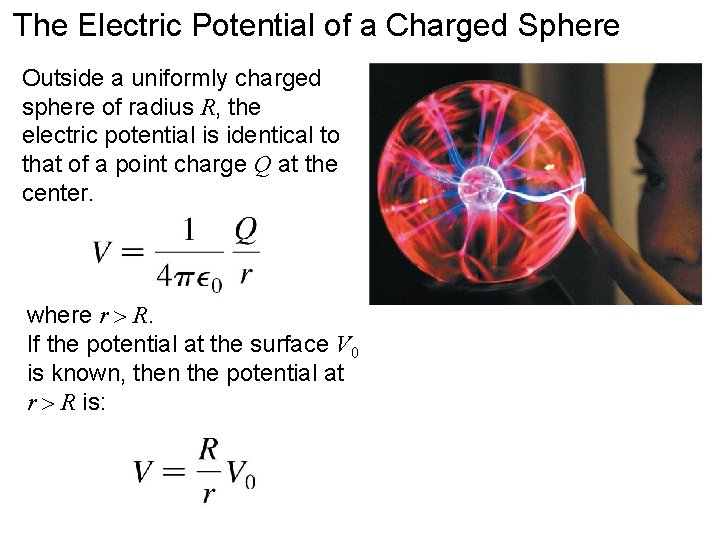
The Electric Potential of a Charged Sphere Outside a uniformly charged sphere of radius R, the electric potential is identical to that of a point charge Q at the center. where r R. If the potential at the surface V 0 is known, then the potential at r R is:
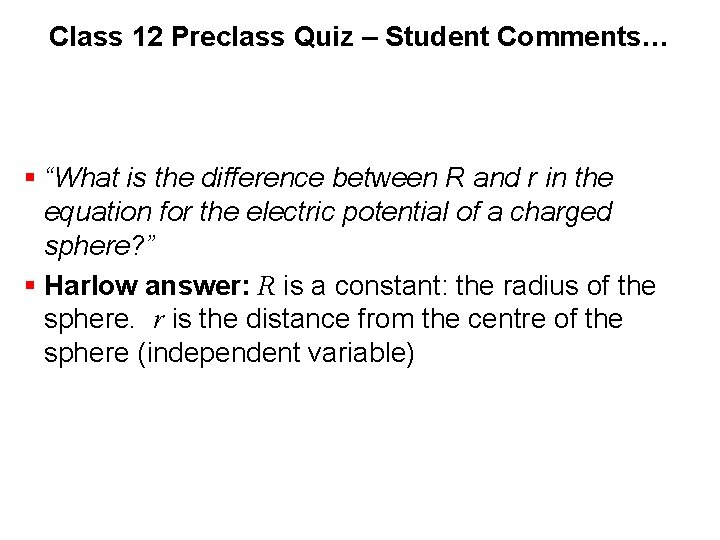
Class 12 Preclass Quiz – Student Comments… § “What is the difference between R and r in the equation for the electric potential of a charged sphere? ” § Harlow answer: R is a constant: the radius of the sphere. r is the distance from the centre of the sphere (independent variable)
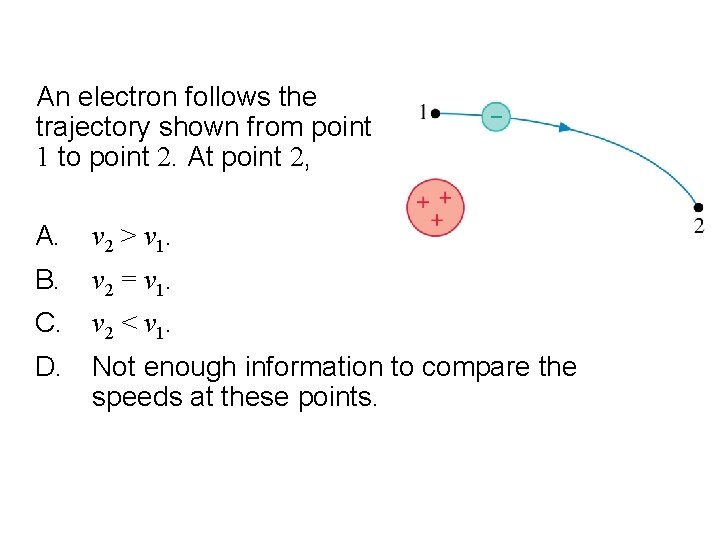
Quick. Check 28. 11 An electron follows the trajectory shown from point 1 to point 2. At point 2, A. v 2 > v 1. B. v 2 = v 1. C. v 2 < v 1. D. Not enough information to compare the speeds at these points.
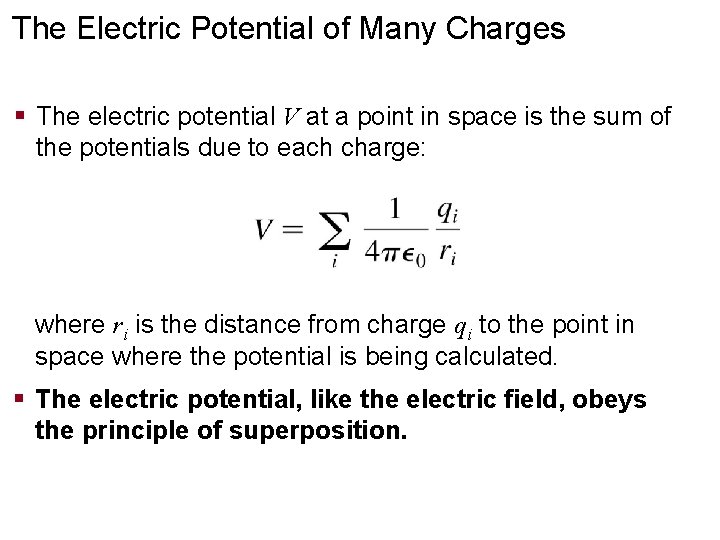
The Electric Potential of Many Charges § The electric potential V at a point in space is the sum of the potentials due to each charge: where ri is the distance from charge qi to the point in space where the potential is being calculated. § The electric potential, like the electric field, obeys the principle of superposition.
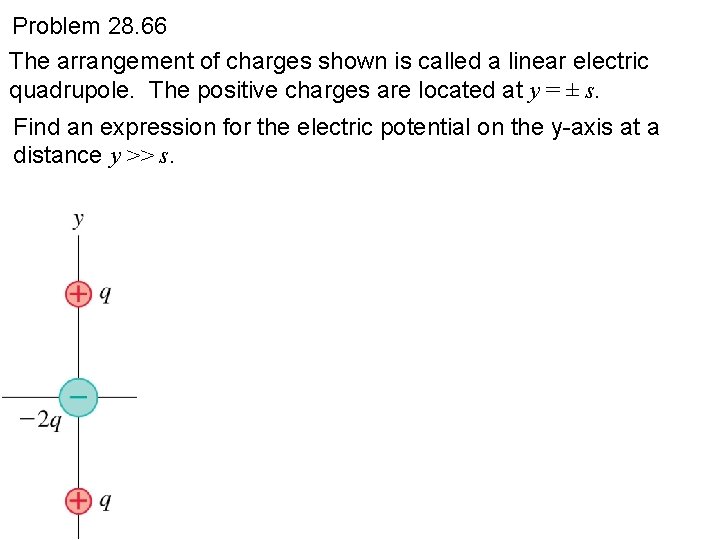
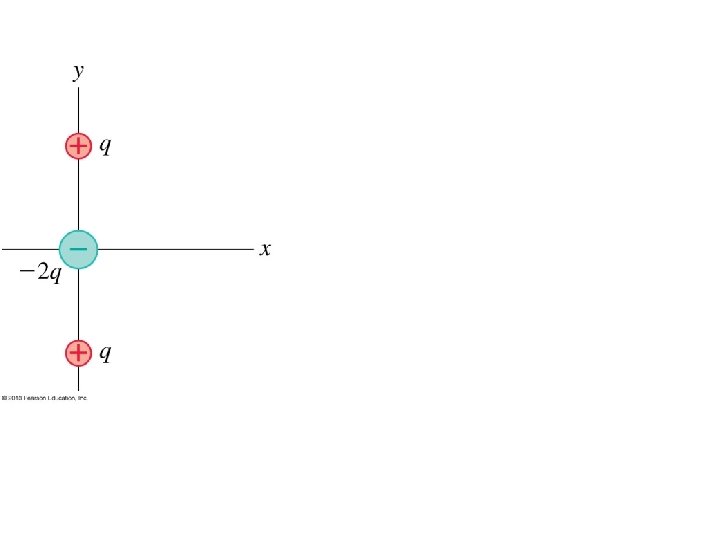
Problem 28. 66 The arrangement of charges shown is called a linear electric quadrupole. The positive charges are located at y = ± s. Find an expression for the electric potential on the y-axis at a distance y >> s.
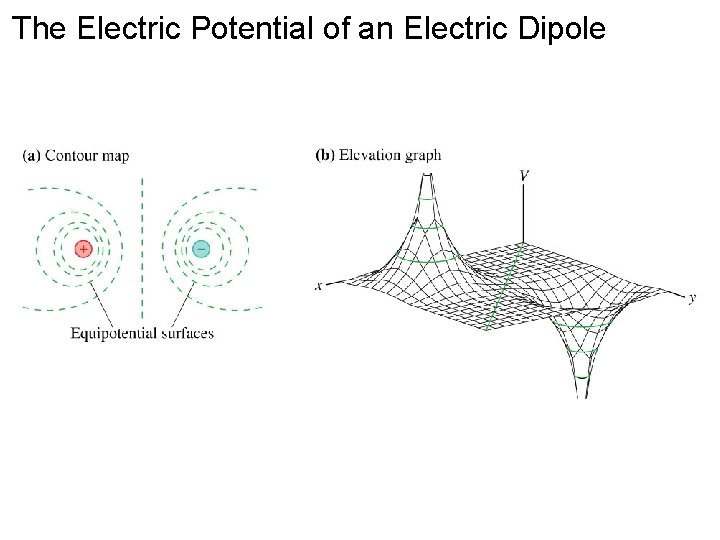
The Electric Potential of an Electric Dipole
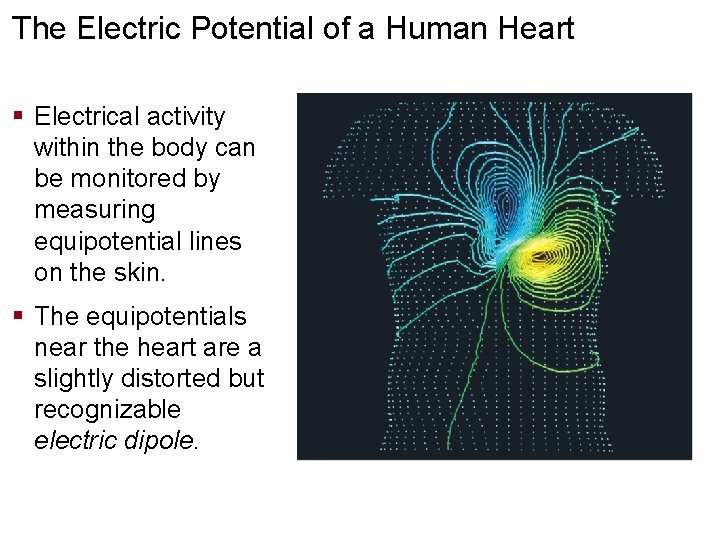
The Electric Potential of a Human Heart § Electrical activity within the body can be monitored by measuring equipotential lines on the skin. § The equipotentials near the heart are a slightly distorted but recognizable electric dipole.
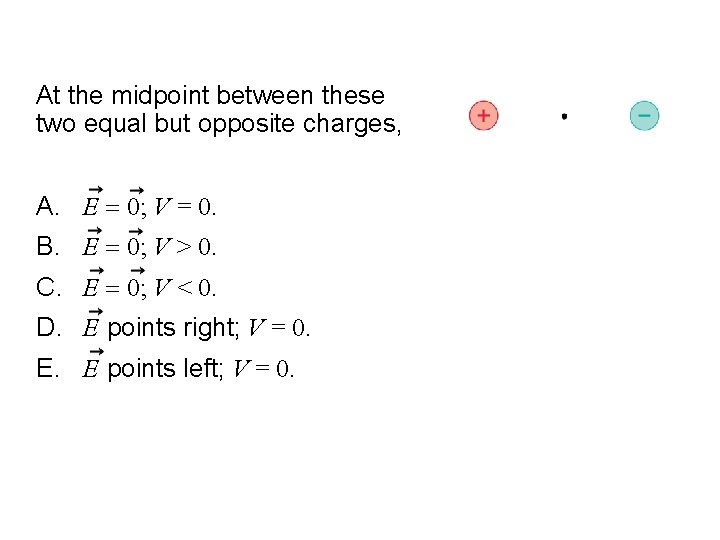
Quick. Check 28. 12 At the midpoint between these two equal but opposite charges, A. E 0; V = 0. B. E 0; V > 0. C. E 0; V < 0. D. E points right; V = 0. E. E points left; V = 0.
The next test… • Term Test 2 is in 4 weeks: • Tuesday, Mar. 10 6: 10 pm in room TBA • This will cover Chapters 25, 26, 28, 29 and conceptual questions (clicker-style questions) from Chapter 30 • Remember the second half of chapter 23 on lenses will not be tested on the midterm or final exam.
Have a great Reading Week!! • I hope you enjoy the rest of your semester, and please keep coming to see me in office hours: Tuesdays 12 -1 and Fridays 10 -11 am, plus any time you see my door is open on your way to Practicals!! Feel free to stop by and even just say hi! • Exception: Next week, Reading Week, I do not have office hours. • When you get back on Feb. 23, Professor Meyertholen will start where I am leaving off: Chapter 29, connecting Electric Potential with Electric Field. • And even after you are no longer my students, please stay in touch and drop by whenever you like!