PED MINUS LEFT Mark Poch PE PTOE Darcy
- Slides: 28
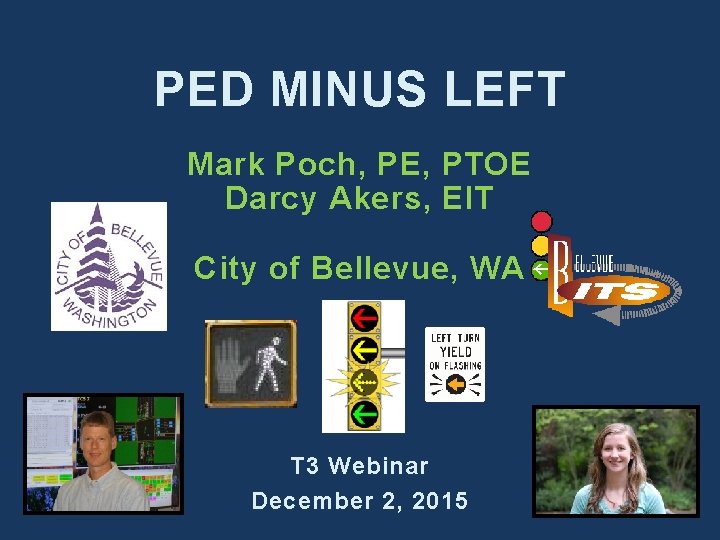
PED MINUS LEFT Mark Poch, PE, PTOE Darcy Akers, EIT City of Bellevue, WA T 3 Webinar December 2, 2015
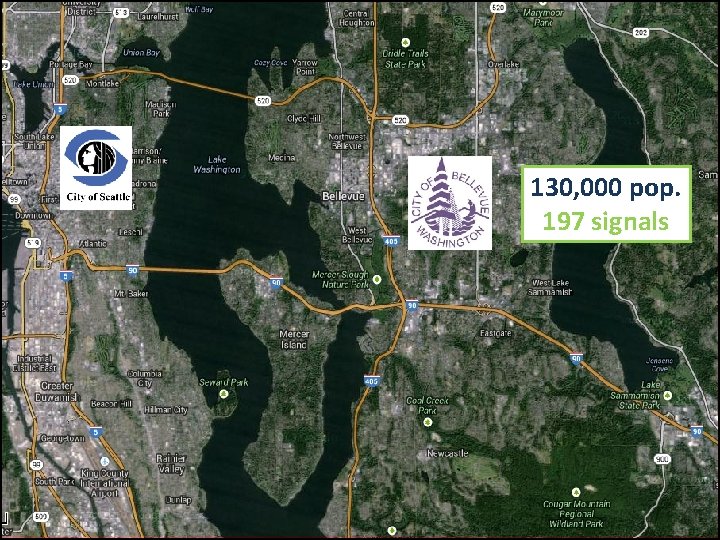
130, 000 pop. 197 signals
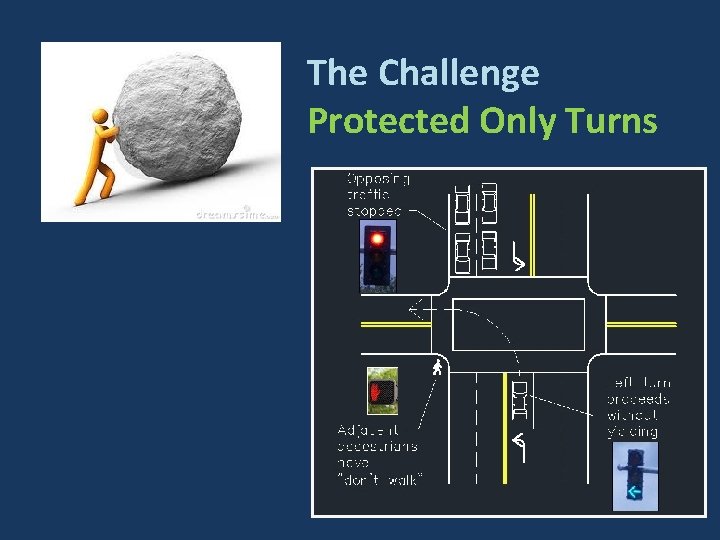
The Challenge Protected Only Turns
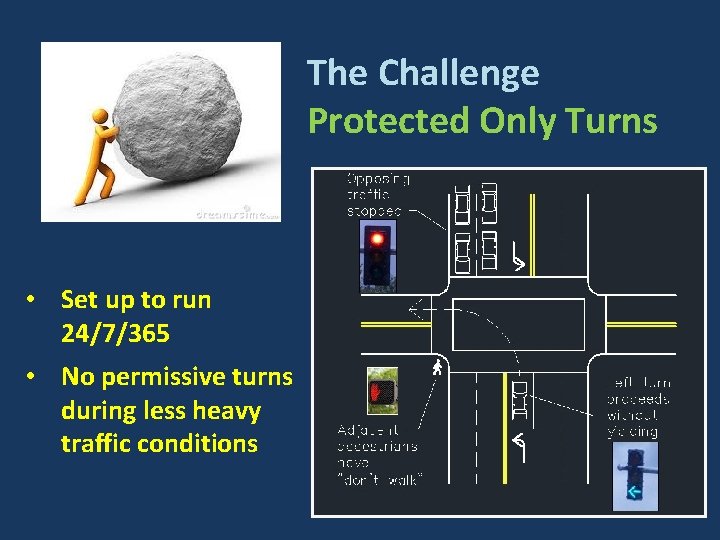
The Challenge Protected Only Turns • Set up to run 24/7/365 • No permissive turns during less heavy traffic conditions
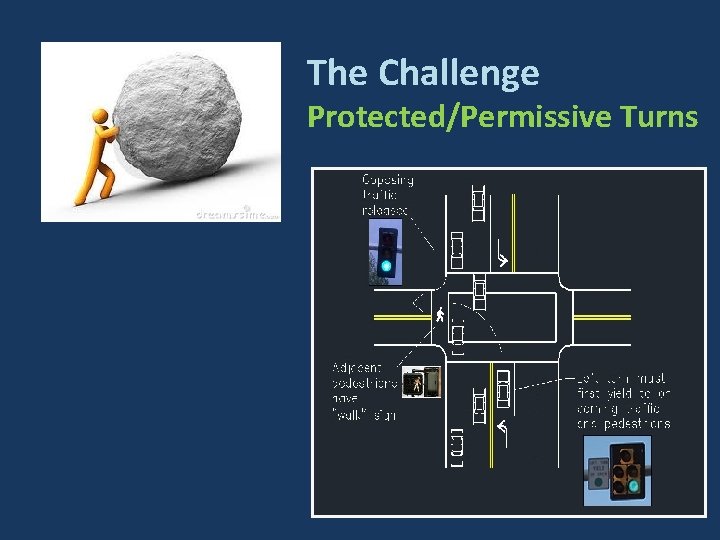
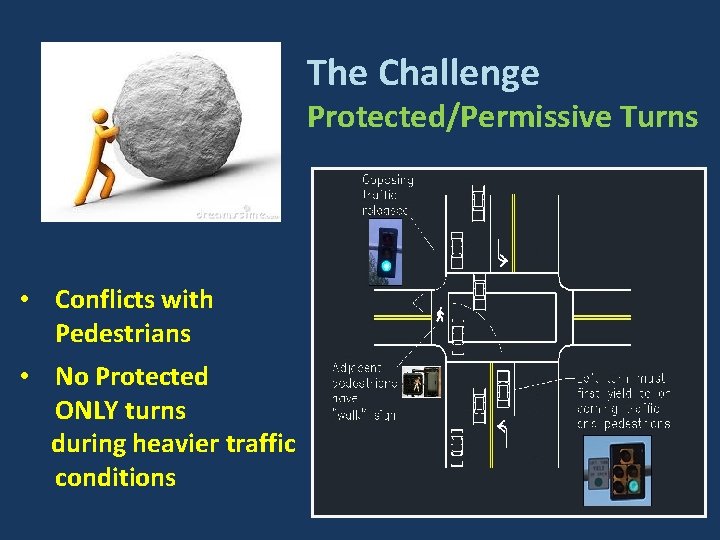
The Challenge Protected/Permissive Turns
The Challenge Protected/Permissive Turns • Conflicts with Pedestrians • No Protected ONLY turns during heavier traffic conditions
The Challenge How to provide the right LT phasing at the right time?
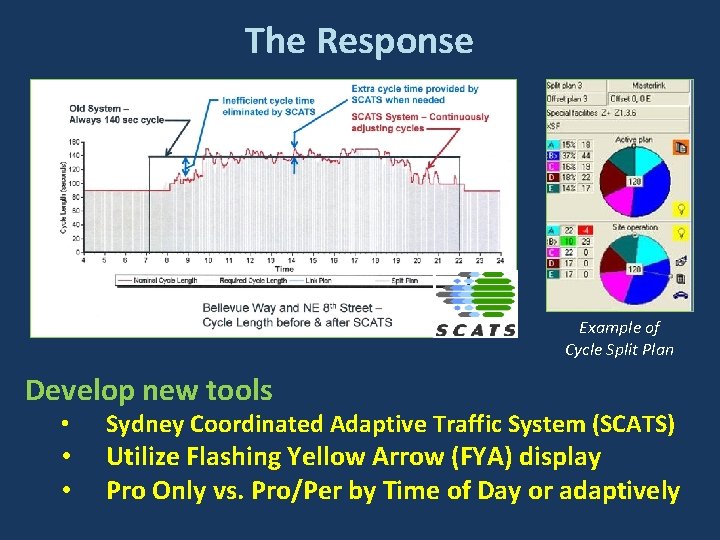
The Response Example of Cycle Split Plan Develop new tools • • • Sydney Coordinated Adaptive Traffic System (SCATS) Utilize Flashing Yellow Arrow (FYA) display Pro Only vs. Pro/Per by Time of Day or adaptively
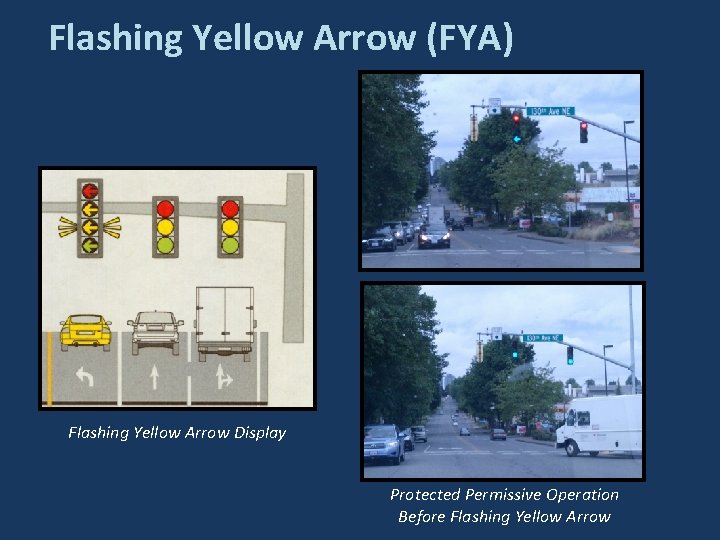
Flashing Yellow Arrow (FYA) Flashing Yellow Arrow Display Protected Permissive Operation Before Flashing Yellow Arrow
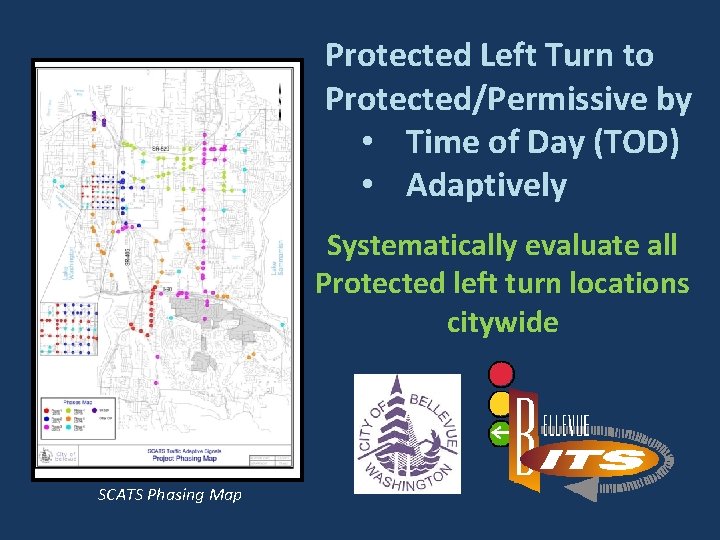
Protected Left Turn to Protected/Permissive by • Time of Day (TOD) • Adaptively Systematically evaluate all Protected left turn locations citywide SCATS Phasing Map
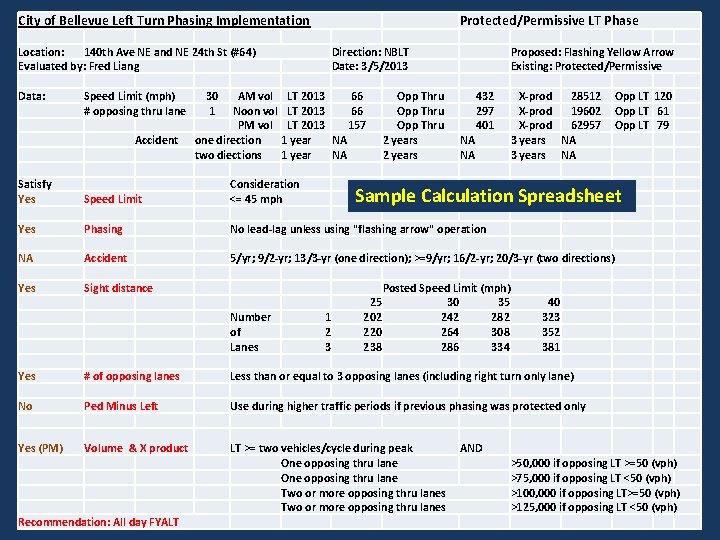
City of Bellevue Left Turn Phasing Implementation Location: 140 th Ave NE and NE 24 th St (#64) Evaluated by: Fred Liang Data: Speed Limit (mph) # opposing thru lane Accident Satisfy Yes NA Yes No Yes (PM) Speed Limit Phasing Accident Sight distance # of opposing lanes Ped Minus Left Volume & X product Recommendation: All day FYALT 30 1 Protected/Permissive LT Phase Direction: NBLT Date: 3/5/2013 AM vol LT 2013 66 Noon vol LT 2013 66 PM vol LT 2013 157 one direction 1 year NA two diections 1 year NA Opp Thru 2 years Proposed: Flashing Yellow Arrow Existing: Protected/Permissive 432 297 401 NA NA X-prod 28512 X-prod 19602 X-prod 62957 3 years NA Opp LT 120 Opp LT 61 Opp LT 79 Consideration <= 45 mph No lead-lag unless using "flashing arrow" operation 5/yr; 9/2 -yr; 13/3 -yr (one direction); >=9/yr; 16/2 -yr; 20/3 -yr (two directions) Posted Speed Limit (mph) 25 30 35 40 Number 1 202 242 282 323 of 2 220 264 308 352 Lanes 3 238 286 334 381 Less than or equal to 3 opposing lanes (including right turn only lane) Use during higher traffic periods if previous phasing was protected only Sample Calculation Spreadsheet LT >= two vehicles/cycle during peak One opposing thru lane Two or more opposing thru lanes AND >50, 000 if opposing LT >=50 (vph) >75, 000 if opposing LT <50 (vph) >100, 000 if opposing LT>=50 (vph) >125, 000 if opposing LT <50 (vph)
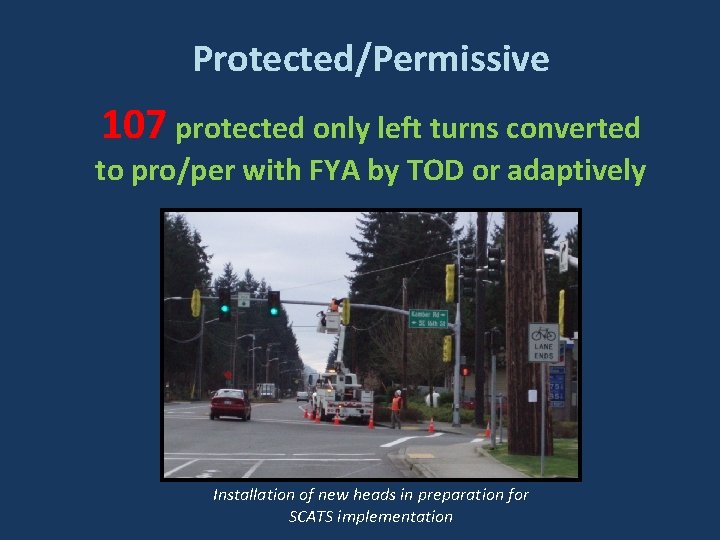
Protected/Permissive 107 protected only left turns converted to pro/per with FYA by TOD or adaptively Installation of new heads in preparation for SCATS implementation
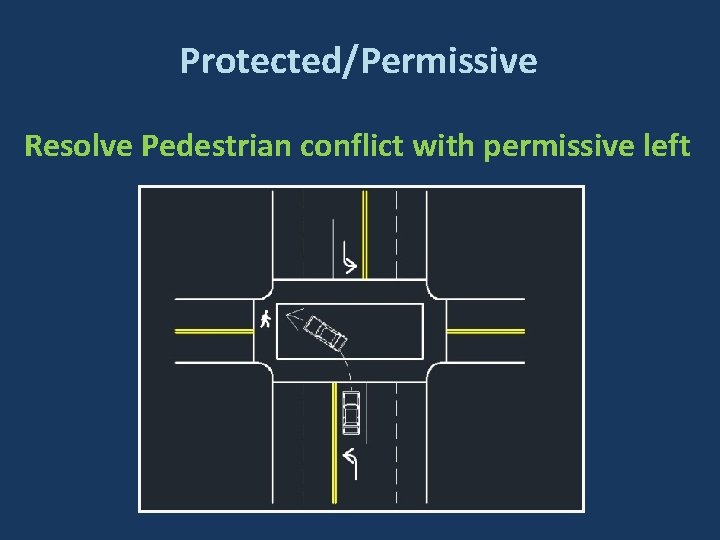
Protected/Permissive Resolve Pedestrian conflict with permissive left
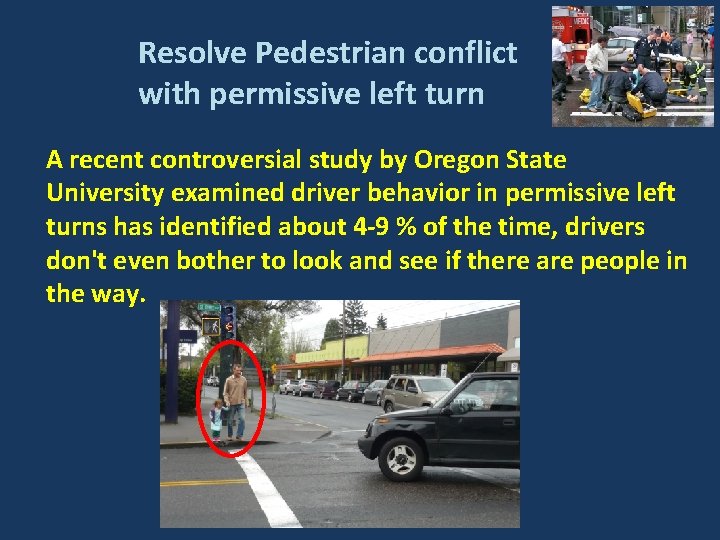
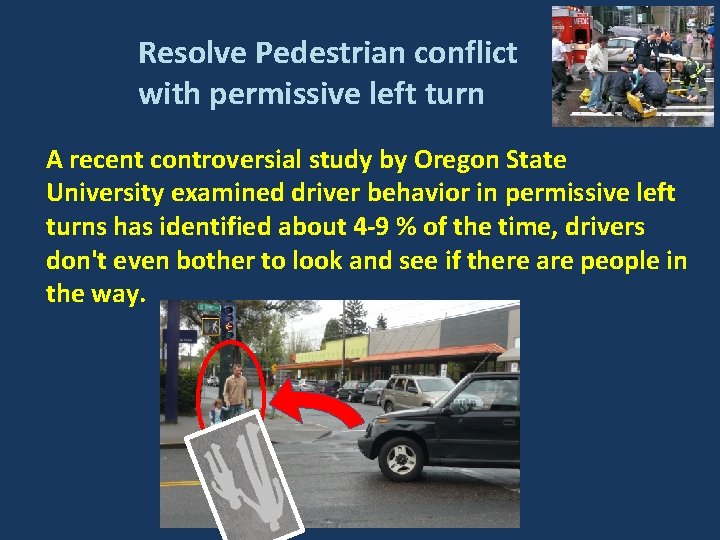
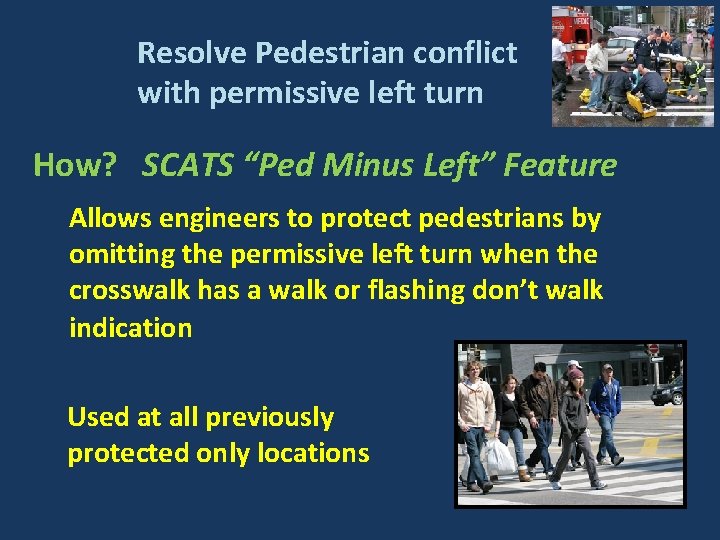
Resolve Pedestrian conflict with permissive left turn A recent controversial study by Oregon State University examined driver behavior in permissive left turns has identified about 4 -9 % of the time, drivers don't even bother to look and see if there are people in the way.
Resolve Pedestrian conflict with permissive left turn A recent controversial study by Oregon State University examined driver behavior in permissive left turns has identified about 4 -9 % of the time, drivers don't even bother to look and see if there are people in the way.
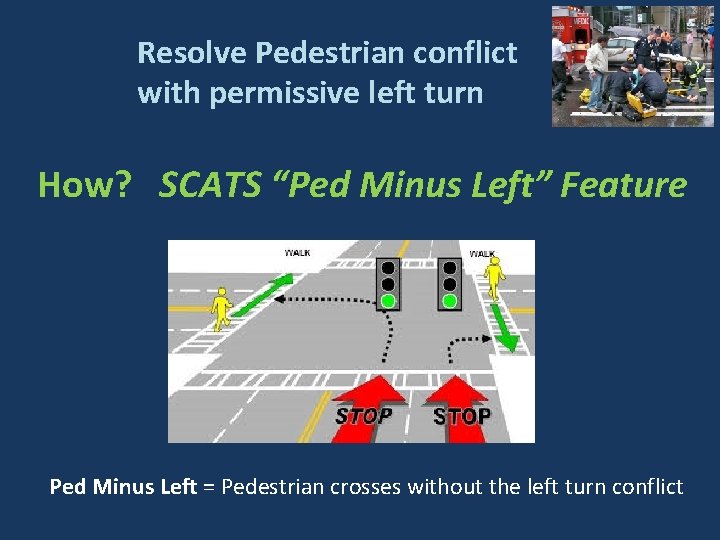
Resolve Pedestrian conflict with permissive left turn How? SCATS “Ped Minus Left” Feature Ped Minus Left = Pedestrian crosses without the left turn conflict
Resolve Pedestrian conflict with permissive left turn How? SCATS “Ped Minus Left” Feature Allows engineers to protect pedestrians by omitting the permissive left turn when the crosswalk has a walk or flashing don’t walk indication Used at all previously protected only locations
Ped Minus Left Example
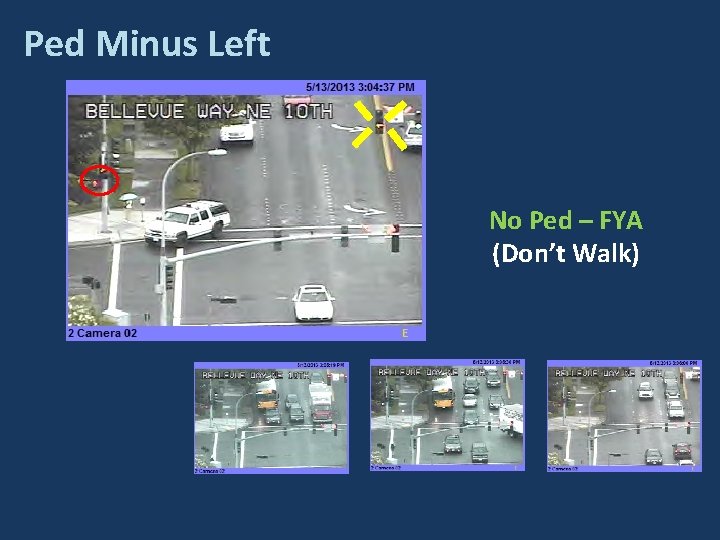
Ped Minus Left No Ped – FYA (Don’t Walk)
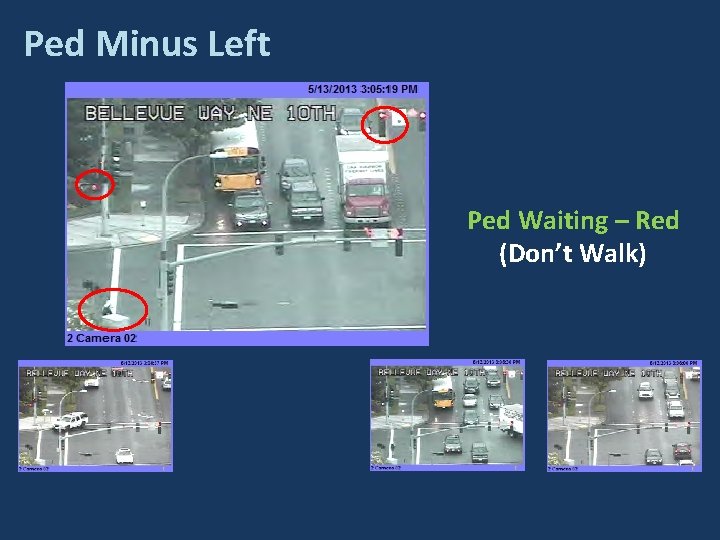
Ped Minus Left Ped Waiting – Red (Don’t Walk)
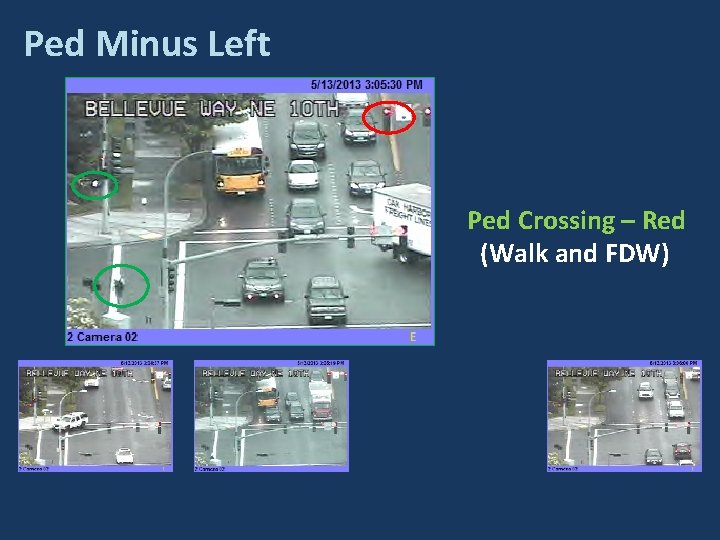
Ped Minus Left Ped Crossing – Red (Walk and FDW)
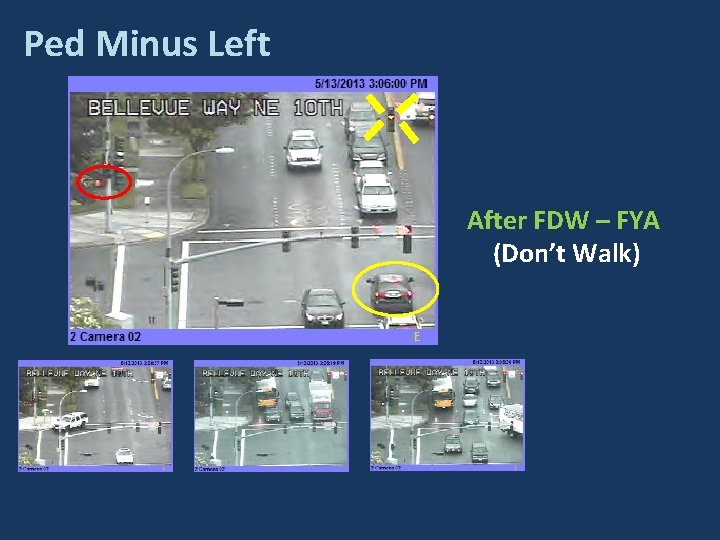
Ped Minus Left After FDW – FYA (Don’t Walk)
Ped Minus Left Video Example
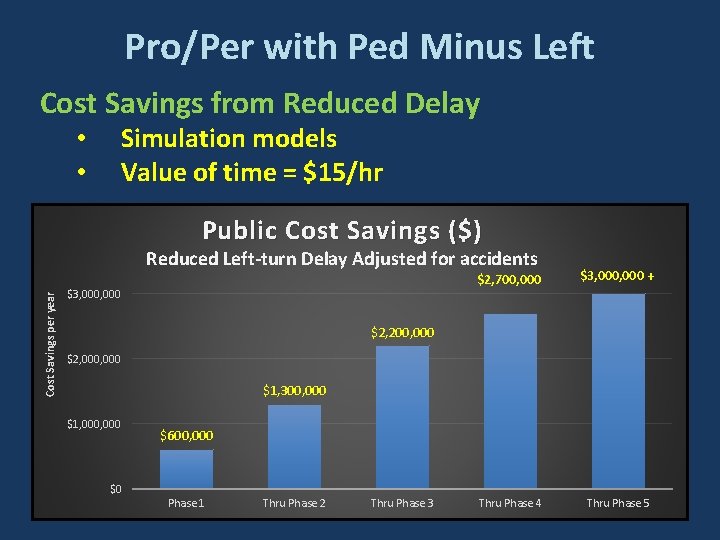
Pro/Per with Ped Minus Left Cost Savings from Reduced Delay • • Simulation models Value of time = $15/hr Public Cost Savings ($) Cost Savings per year Reduced Left-turn Delay Adjusted for accidents $3, 000 $2, 700, 000 $3, 000 + Thru Phase 4 Thru Phase 5 $2, 200, 000 $2, 000 $1, 300, 000 $1, 000 $600, 000 $0 Phase 1 Thru Phase 2 Thru Phase 3
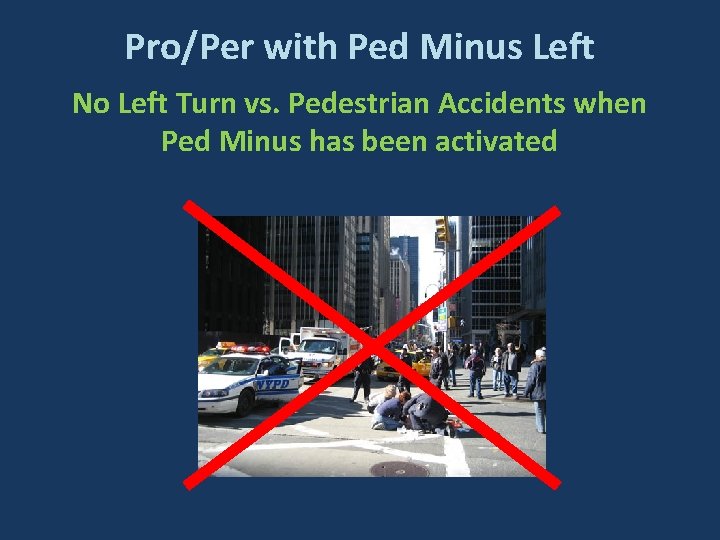
Pro/Per with Ped Minus Left No Left Turn vs. Pedestrian Accidents when Ped Minus has been activated
Final Thoughts WHY? ? BELLEVUE INTELLIGENT TRANSPORTATION SYSTEM • Net Left Turn Improvement Benefit = $3 million/yr • Decreased Vehicle and Pedestrian Delays • SCATS Project Cost = $5. 5 million (one time) • Not possible without Ped Minus Left • Potential for standard application