
Overview Intro fact and fiction What is science





- Slides: 47
Overview • Intro: fact and fiction • What is science? • What Science is not – Stereotypes – Myths • Assumptions of science – Empricism – Determinism – parsimony • Methods of Science – Objectivity – control – Operational definition
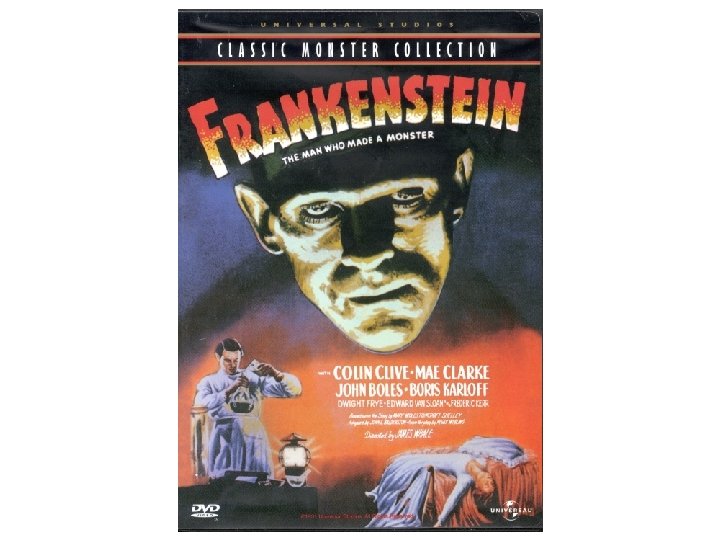
FACT AND FICTION?
• How about a little more credibility!
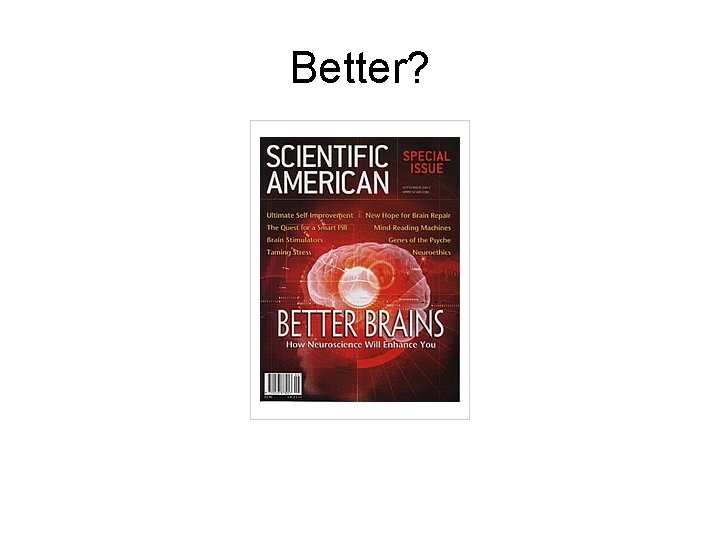
Better?
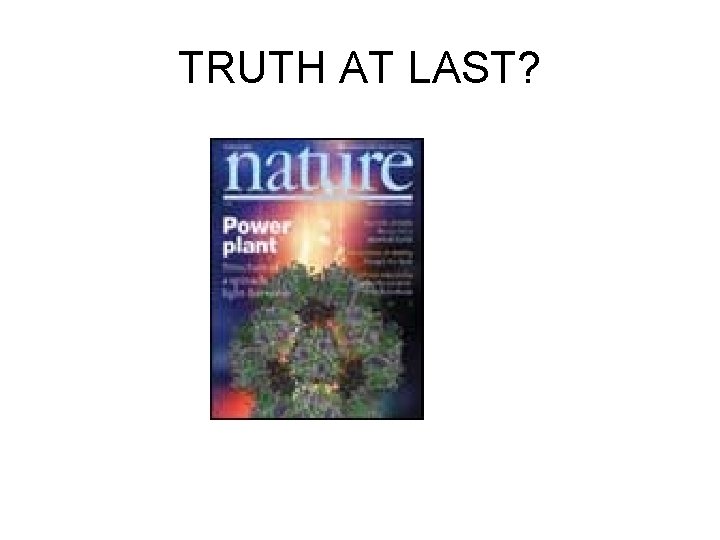
TRUTH AT LAST?
• Credibility is good but… – It does not insure “truth. ” –SCIENCE!. . in the pursuit of truth!
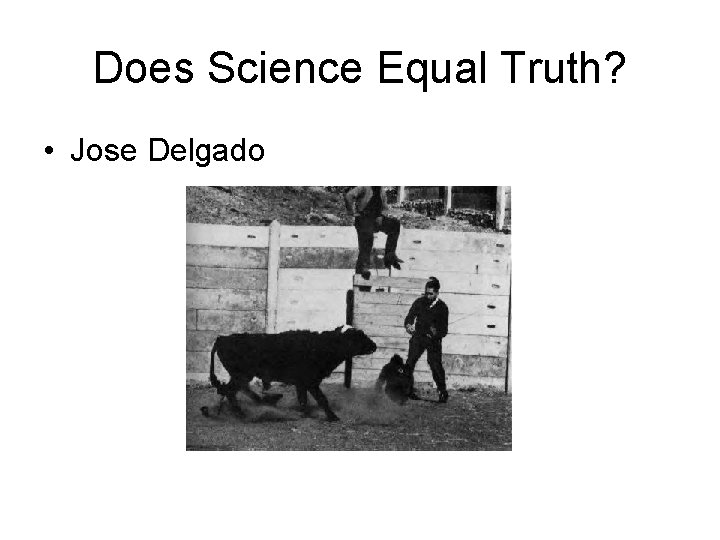
Does Science Equal Truth? • Jose Delgado
A screening Process may be important!
How do most Humans make their decisions about truth? • • Tenacity Authority Intuition Logic and rationalism
Most of us have difficulties seeing errors in our thinking • “THE AXIOMS OF HUMAN BELIEF”
• Humans believe their belief is correct
AXIOMS • When Challenged?
How gullible are we? – Did Clinton Inhale? – Does nicotine cause addiction?
AXIOMS • Humans jump to conclusions.
Axioms • Simplify complex situations
Axioms • Resist deep consideration
Axioms • Vulnerable to perceptual and social illusion
Axioms • Infinite capacity to be….
Axioms • Difficulty identifying our own misconceptions. • So What can we do?
Recognize the problems • We will not be able to approach truth without recognition of our limitations • Devise mechanisms that help reduce these problems.
SCIENCE • What is Science? • Science is NOT….
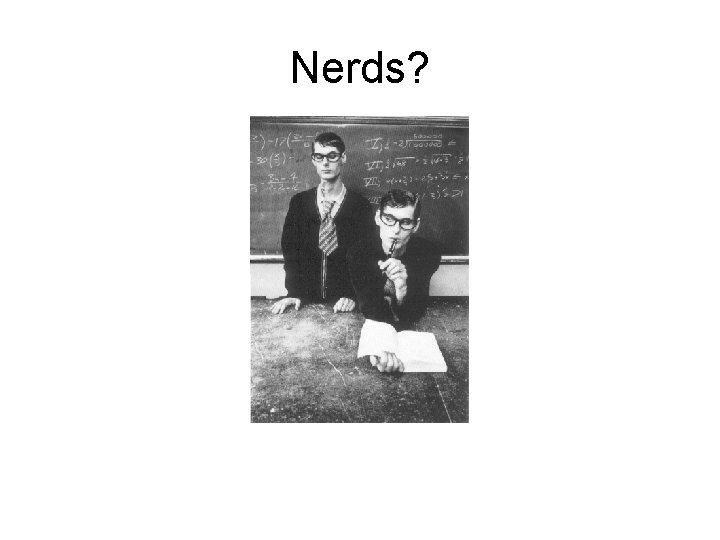
STEREOTYPES OF SCIENCE?
Nerds?
So what is Science? • METHOD! – A set of principles of observation, measurement and control that seek to uncover objective reality. – “Self-correcting”
Assumptions of science – Truth will be revealed over time with the Scientific Method – Empiricism-consensual validation – Determinism – parsimony
Overview of the Methods of Science – Objectivity – control – Operational definition – Probabilistic thinking – Amorality
Goals of Science • • • Practicality Describe Predict Understand Control
Characteristics of a Good Scientist? • ?
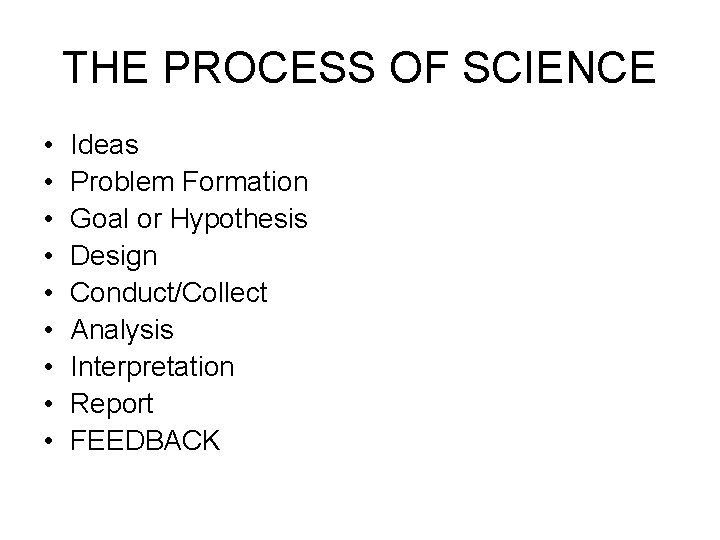
THE PROCESS OF SCIENCE • • • Ideas Problem Formation Goal or Hypothesis Design Conduct/Collect Analysis Interpretation Report FEEDBACK
IDEAS • • Common observation Logic Practical problems Intuition • Theory
IDEAS cont’ • Theory – Explains – Simplifies – Unifies – interesting • Testable/falsifiable
Theory vs Observational approaches • Deductive vs inductive reasoning – Not truly separable – Popular emphasis on deduction • But…. • Descriptive vs Inferential (experimental) Research
Descriptive vs Experimental Research • Describing vs identifying causes • Consider reactivity and “control. ”
Descriptive Research • Poor or Less rigorous approaches: – Anecdotal observation – Case study – Systematic exploration
Better approaches • Archival research – Where could we find meaningful records?
• Naturalistic observation – Naturalistic means unobtrusive • • Technology Distance observation Concealment Acclimatization/fade
• Naturalistic observation with Intervention – A standardized “naturalistic” event
• Naturalistic Observation-participant observer
THE PROCESS OF SCIENCE • • • Ideas Problem Formation Goal or Hypothesis Design Conduct/Collect Analysis Interpretation Report FEEDBACK
Which technique would you choose to study…say • Human sexual intimacy?
Psychological Phenomena that are: • • Private Sensitive Rare internal
SELF-REPORT approaches……. SURVEYS • What do we want to know • Construction – Questions – responses • Who do we want to know about -Administration – sampling