MASTITIS1 Inflammation of one or more quarters of
- Slides: 22
MASTITIS-1
Inflammation of one or more quarters of the udder Inflammation of the mammary gland, can be caused by a wide range of organisms, including Gram-negative bacteria Gram-positive bacteria Mycoplasma Mycotic Other factors
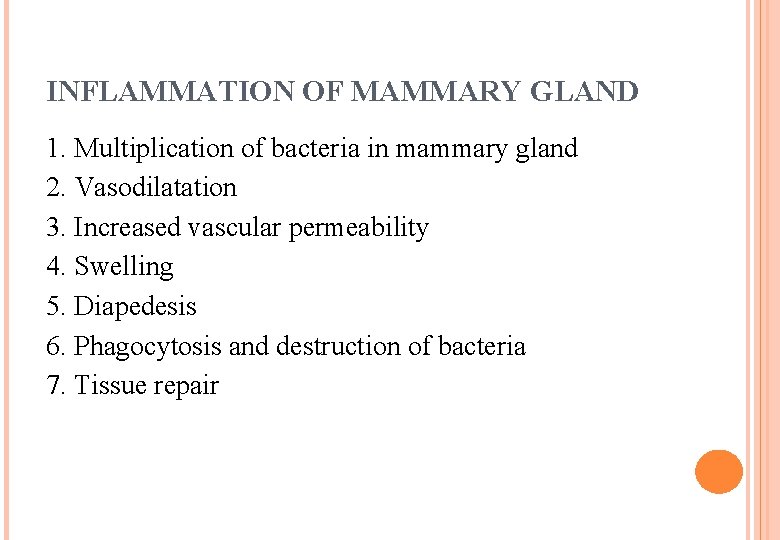
INFLAMMATION OF MAMMARY GLAND 1. Multiplication of bacteria in mammary gland 2. Vasodilatation 3. Increased vascular permeability 4. Swelling 5. Diapedesis 6. Phagocytosis and destruction of bacteria 7. Tissue repair
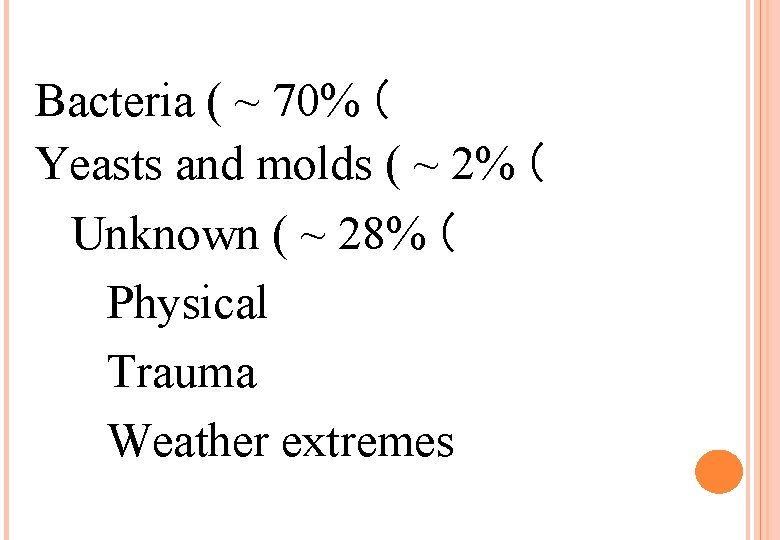
Bacteria ( ~ 70% ( Yeasts and molds ( ~ 2% ( Unknown ( ~ 28% ( Physical Trauma Weather extremes
STAPHYLOCOCCUS AUREUS Facultative intracellular pathogen Antibiotic resistance resulting from genetic mutations (MRSA) Difficult to eliminate Many forms Acute, chronic, subclinical Chronic & subclinical predominates Produces many enzymes/toxins Invasive-hyaluronidase Resists phagocytosis & immune system Forms abscesses; may result in fibrosis Gangrenous mastitis
STREPT. AGALACTIAE Gram positive Inhabits ducts and cisterns Does not survive in environment Causes 20 -40 subclinicals for each clinical Susceptible to penicillin Streptococcus agalactia, Staphylococcus aureus and Mycoplasma bovis Usually chronic, subclinical mastitis
MYCOPLASMA Between a bacteria and a virus No cell wall so antibiotics are ineffective Teat dipping is a good preventative Isolation and culling
COLIFORMS E. coli, Klebsiella spp. , Enterobacter spp. , Citrobacter spp. Gram negative Transient peracute/acute mastitis Endotoxin Very sick – death More prevalent in warm, wet weather
E. COLI From mild to fatal, is largely attributed to hostcharacteristics The high incidence of clinical E. coli mastitis in early lactation. Due to non-lactating period rather than the lactating period E. coli mastitis are transient and end with death of either the host or the pathogen. Klebsiella Clinical signs similar to E. coli Associated with soil contamination
OTHER ENVIRONMENTAL ORGANISMS Pseudomonas Gram negative, ubiquitous Antibiotic resistance Protheca Algae Wet soil and mud Yeasts Excessive antibiotic therapy Contaminated infusions
ECONOMIC LOSSES Mastitis accounted for 26% of the total cost of all dairy cattle diseases. Losses from mastitis were twice as high as losses from infertility and reproductive diseases.
THE HEALTH CONCERNS OF MASTITIS Animal health Loss of functional quarter Lowered milk production Death of cow Human health Poor quality milk antibiotic residues in milk
Reduced milk production Discarded milk Early cow replacement costs Reduced cow sale value Drugs Veterinary services Labor
TYPES OF MASTITIS Clinical Sub-clinical OR Contagious Environmental
CLINICAL FORMS OF MASTITIS Peracute Mastitis Acute Mastitis Subacute Mastitis Chronic Mastitis
PERACUTE MASTITIS Sudden onset severe inflammation of the udder Serous milk Systemic illness often precedes the symptoms manifested in the milk and mammary gland
ACUTE MASTITIS Sudden onset Moderate to severe inflammation of the udder Decreased production, and occurrence of serous milk/fibrin clots Systemic signs are similar but less severe than for the peracute form.
SUBACUTE MASTITIS Mild inflammation No visible changes in udder Small flakes or clots in the milk The milk may have an off-color There are no systemic signs of illness.
CHRONIC MASTITIS Chronic mastitis may persist in a subclinical form for months or years with occasional clinical flare-ups. Treatment usually involves treating the clinical flare-ups, or culling the cow from the herd.
SUBCLINICAL MASTITIS The most common form of mastitis More common than clinical mastitis No gross inflammation of the udder No gross changes in the milk Decreased production and decreased milk quality Elevated Somatic Cell Count
CONTAGIOUS MASTITIS Primary habitat bacteria live on/in the udder and teat lesions Poor survival of bacteria in the environment Spread from cow to cow, primarily during milking by milkcontaminated fomites at milking, milker's hands, milking machine?
ENVIRONMENTAL MASTITIS Environment to cow Primary habitat of bacterial is in the environment (feces, soil, bedding, water). Environmental contact at milking time or between milkings