Leadership Part 1 Defining Your Leadership Style UW

- Slides: 20
Leadership Part 1: Defining Your Leadership Style UW LEAH Seminar Laura Richardson, MD, MPH
Goals for This Talk • Define leadership • Discuss the difference between leadership and management • Reflect on individual leadership qualities
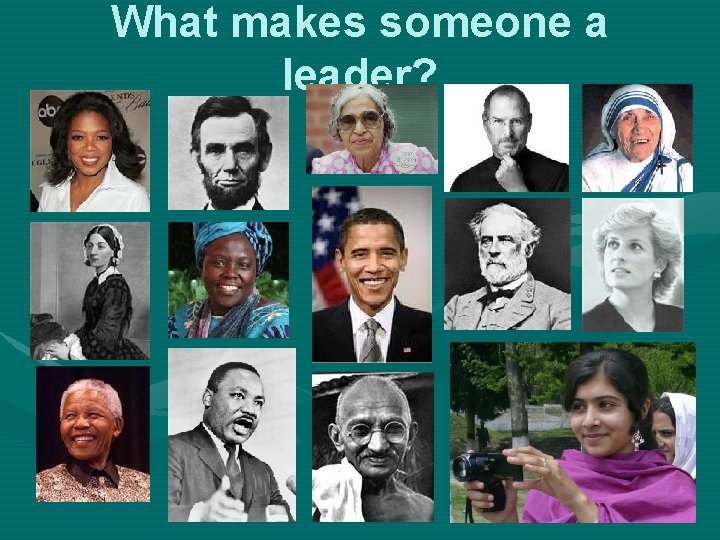
What makes someone a leader?
What are the key qualities of a leader? • Passion and heart • Ability to communicate and inspire shared vision • Self-reflection and awareness • Willingness to share (power, successes, failures) • Ability to operate under uncertainty • Focus on the big picture
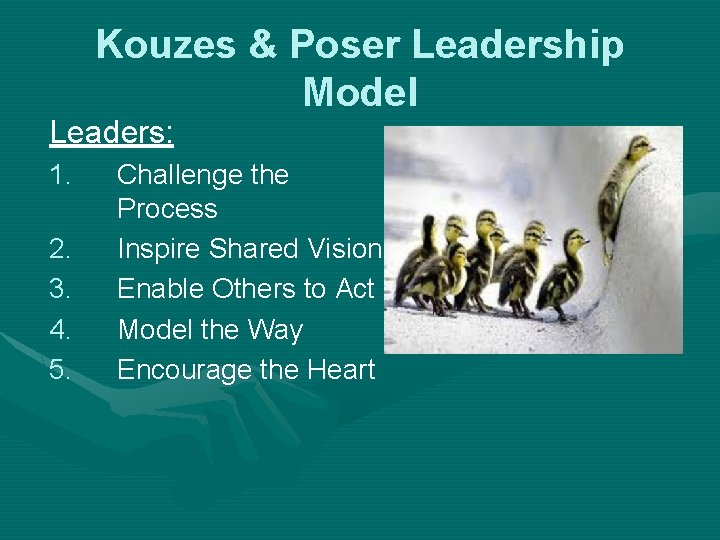
Kouzes & Poser Leadership Model Leaders: 1. 2. 3. 4. 5. Challenge the Process Inspire Shared Vision Enable Others to Act Model the Way Encourage the Heart
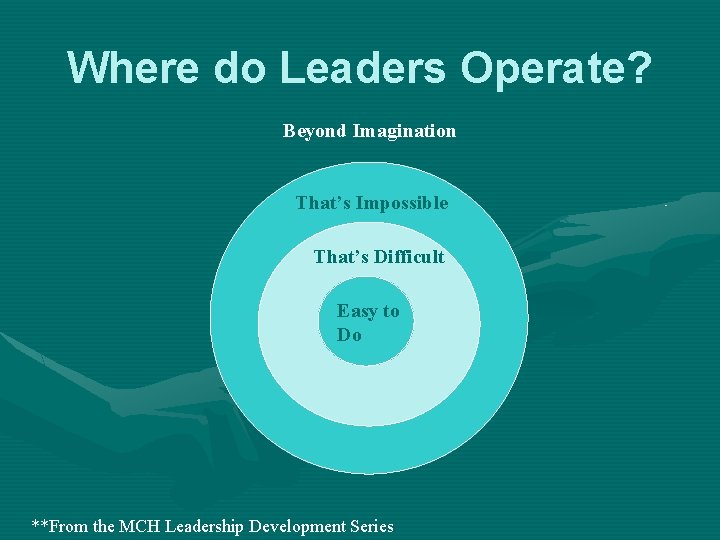
Where do Leaders Operate? Beyond Imagination That’s Impossible That’s Difficult Easy to Do **From the MCH Leadership Development Series
Leaders Operate in Many Spheres • Research and the creation of new knowledge or technology • Design of new organizational structures and schema: challenging the status quo • Caretakers of the well-being of others • Teachers and nurturers of values and learning • Enablers of action in others
Management versus Leadership Management: • Coping with complexity • Ensuring order and consistency • Planning and budgeting • Organizing and staffing to accomplish objectives • Problem solving Leadership • Nurturing and delivering of change • Setting the direction • Developing and sharing a vision • Aligning people • Motivating and inspiring
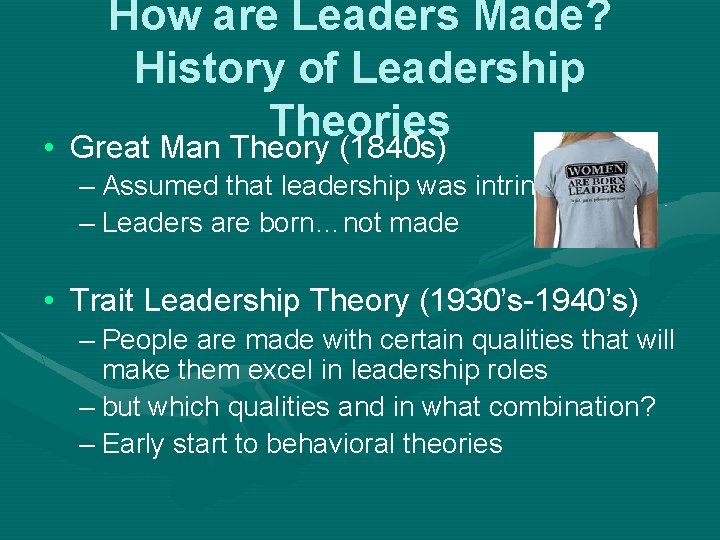
• How are Leaders Made? History of Leadership Theories Great Man Theory (1840 s) – Assumed that leadership was intrinsic – Leaders are born…not made • Trait Leadership Theory (1930’s-1940’s) – People are made with certain qualities that will make them excel in leadership roles – but which qualities and in what combination? – Early start to behavioral theories
Leadership Theories (continued) • Behavioral Theories (1940’s-1950’s) – A leader’s behavior is the best predictor of his leadership influence and success – 3 groups of leaders: people oriented, task oriented, and participatory oriented – Leadership can be taught • Contingency Theories (1960’s) – There is no single way of leading: leadership style should be based on situation.
Leadership Theories (continued) • Transactional Leadership Theories (1970’s) – Leadership is formed through a series of mutually beneficial exchanges: if you do this for me, I will do this for you – Followers will choose a leader that maximizes their pleasurable experiences and minimizes negatives • Transformational Leadership Theories (1970’s) – Leader’s transform their followers through their inspirational nature and charismatic personalities such that followers identify with the leader and its purpose – Rules and regulations are guided by group norms
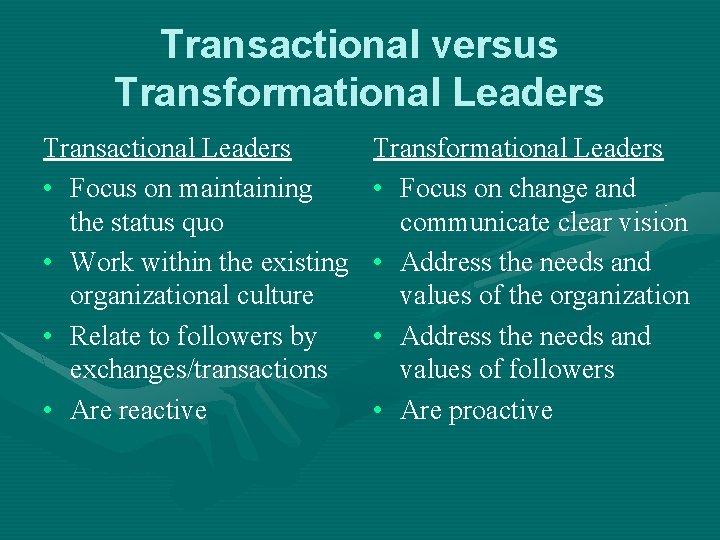
Transactional versus Transformational Leaders Transactional Leaders • Focus on maintaining the status quo • Work within the existing organizational culture • Relate to followers by exchanges/transactions • Are reactive Transformational Leaders • Focus on change and communicate clear vision • Address the needs and values of the organization • Address the needs and values of followers • Are proactive
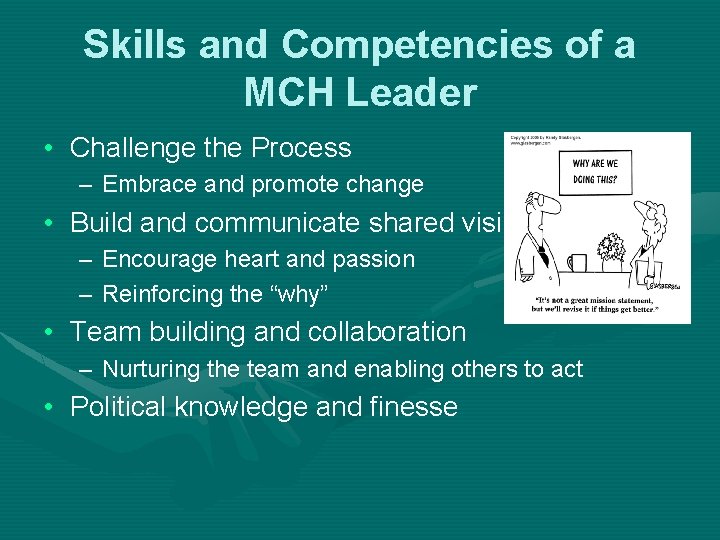
Skills and Competencies of a MCH Leader • Challenge the Process – Embrace and promote change • Build and communicate shared vision – Encourage heart and passion – Reinforcing the “why” • Team building and collaboration – Nurturing the team and enabling others to act • Political knowledge and finesse
How does one become a leader in Maternal Child Health? • http: //www. jhsph. edu/custom/mod_staticvi deoplayer/_includes/cfm/popup. Video. cfm? src=Centers. Institutes/Womens. Childrens. H ealth. Policy. Center/mch/Interviews/28 learni ngtolead. flv
Key Points • Management and leadership have different purposes and may require different skill sets • Both skill sets are critical for effectiveness leaders should also be good managers • Leaders are focused on change • Leaders inspire others to work toward change • True leaders are not ego driven
Video: What it takes to start a movement. • http: //www. bing. com/videos/search? q=Ted +talk+how+to+start+a+movement&mid=B 66 ACC 4998 AB 66 BF 7 FC 7 B 66 ACC 4998 A B 66 BF 7 FC 7&view=detail&FORM=VIRE 8
Other Resources • MCH Leadership Development Series: http: //www. jhsph. edu/research/centers-andinstitutes/womens-and-childrens-health-policycenter/MCHLDS/ • Other TED Talk on Leadership: http: //www. bing. com/videos/search? q=tony+robbin s+ted+talk&mid=A 95684 DC 20 AB 785572 DFA 95 684 DC 20 AB 785572 DF&view=detail&FORM=VI RE 4
Interview with an MCH professional - 2 • http: //www. jhsph. edu/custom/mod_staticvi deoplayer/_includes/cfm/popup. Video. cfm? src=Centers. Institutes/Womens. Childrens. H ealth. Policy. Center/mch/Interviews/1 learnin gtolead 2. flv