KS 3 Epilepsy awareness psychosocial impact lesson Why
- Slides: 28
KS 3 Epilepsy awareness & psychosocial impact lesson
Why does everyone need to know about epilepsy?
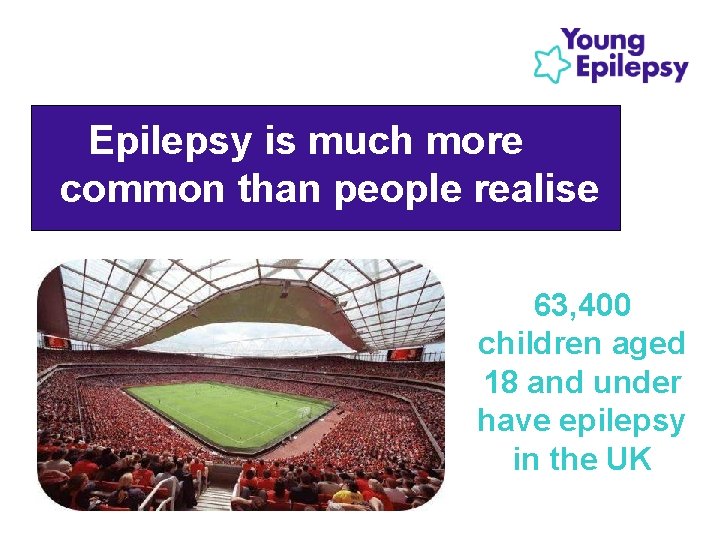
Epilepsy is much more common than people realise 63, 400 children aged 18 and under have epilepsy in the UK
Epilepsy can take effect suddenly for a short time We can all help people with epilepsy to stay safe
In epilepsy, what part of the body can suddenly become confused for a short time?
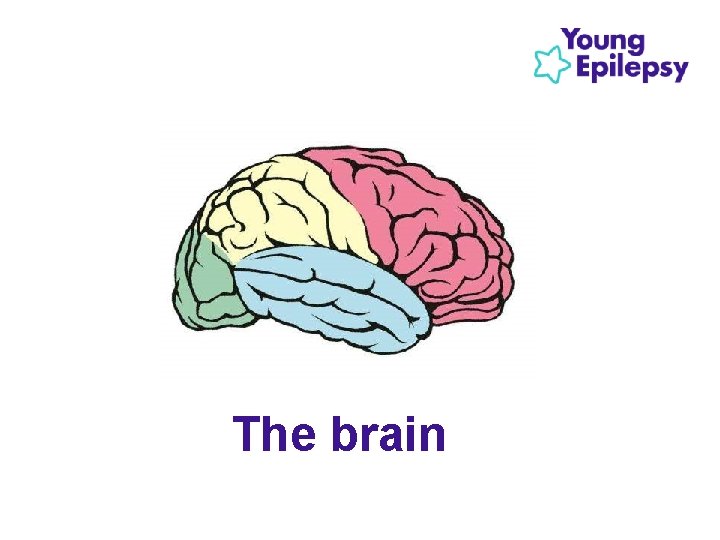
The brain
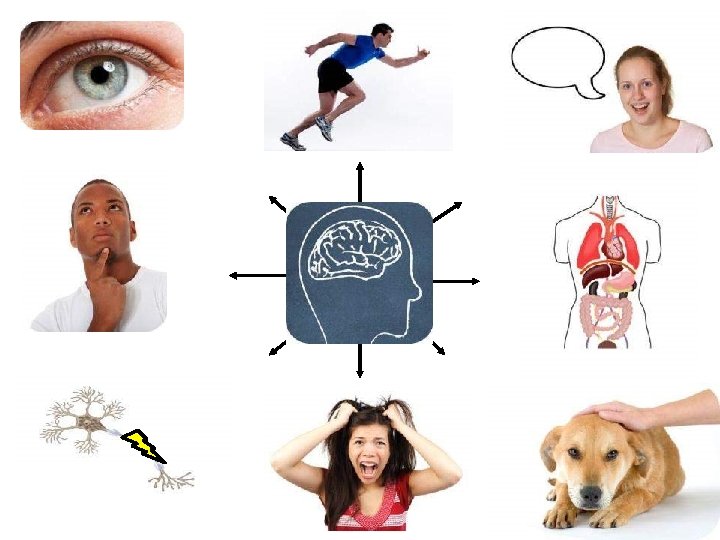
What does the brain do?
How does our brain control our body?
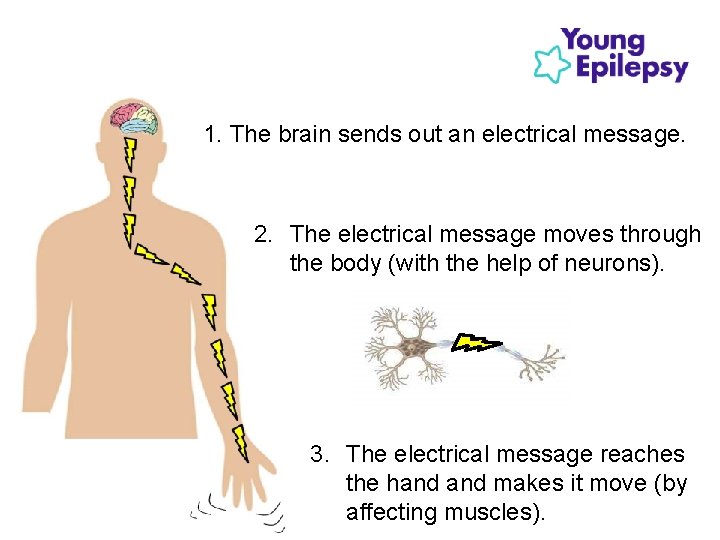
1. The brain sends out an electrical message. 2. The electrical message moves through the body (with the help of neurons). 3. The electrical message reaches the hand makes it move (by affecting muscles).
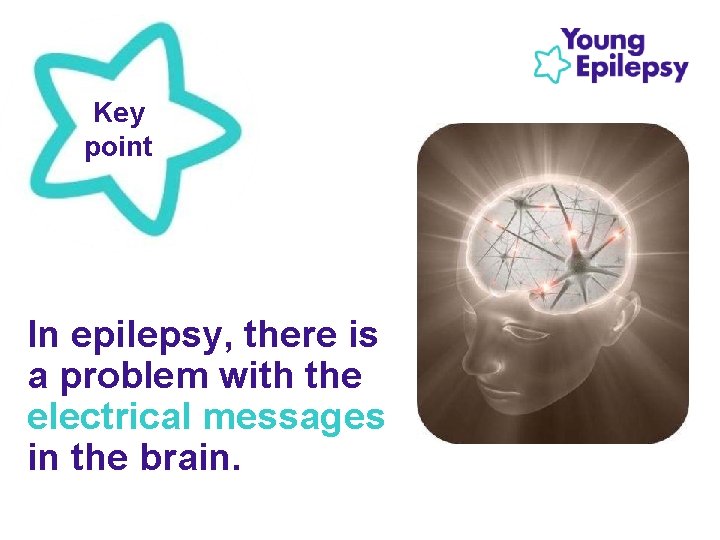
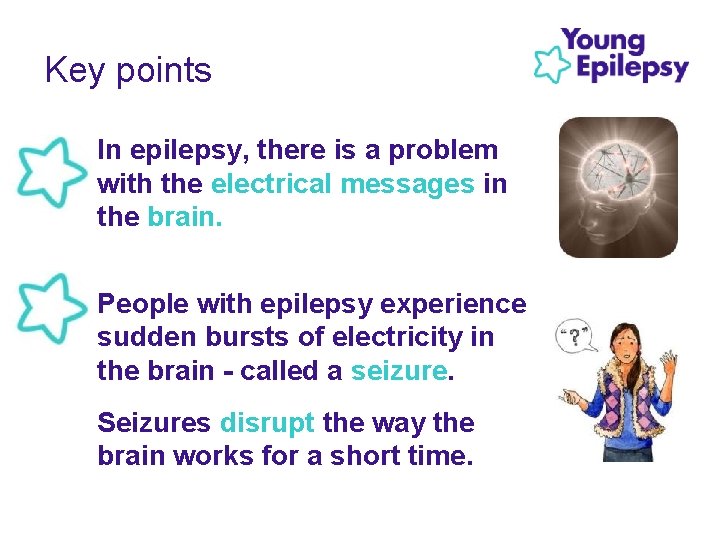
Key point In epilepsy, there is a problem with the electrical messages in the brain.
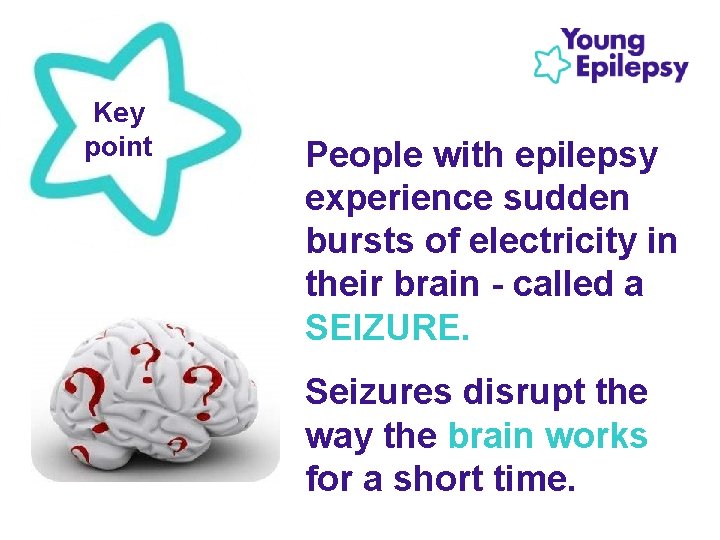
Key point People with epilepsy experience sudden bursts of electricity in their brain - called a SEIZURE. Seizures disrupt the way the brain works for a short time.
What might it look like when someone has a seizure?
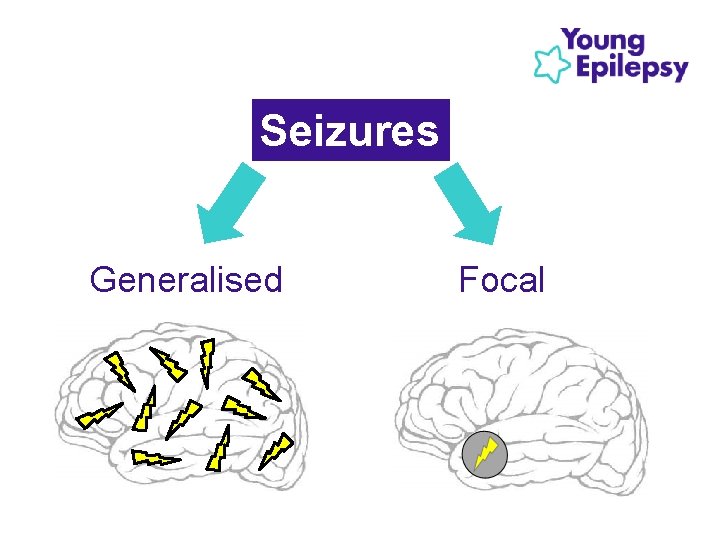
Seizures Generalised Focal
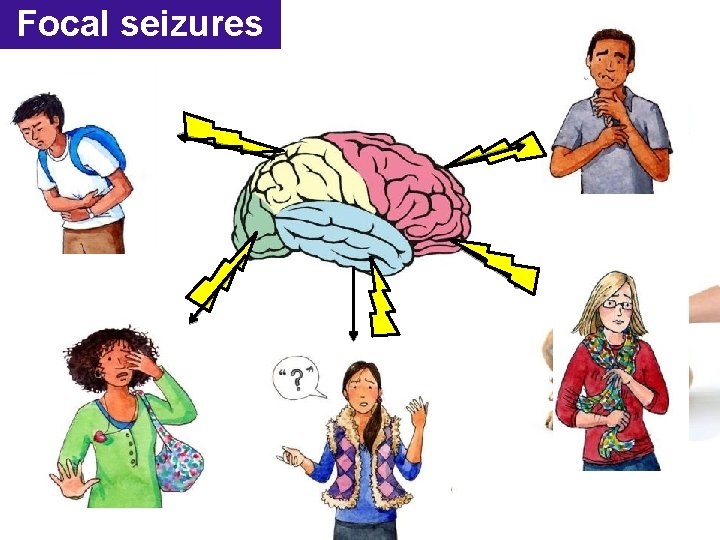
Focal seizures
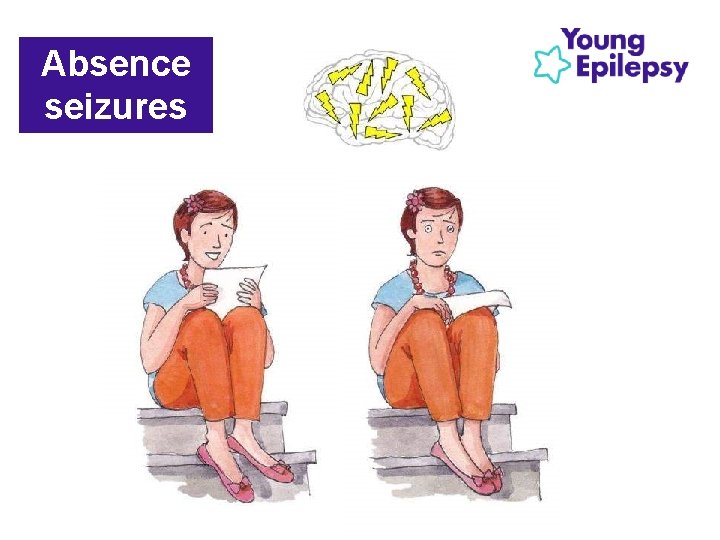
Absence seizures
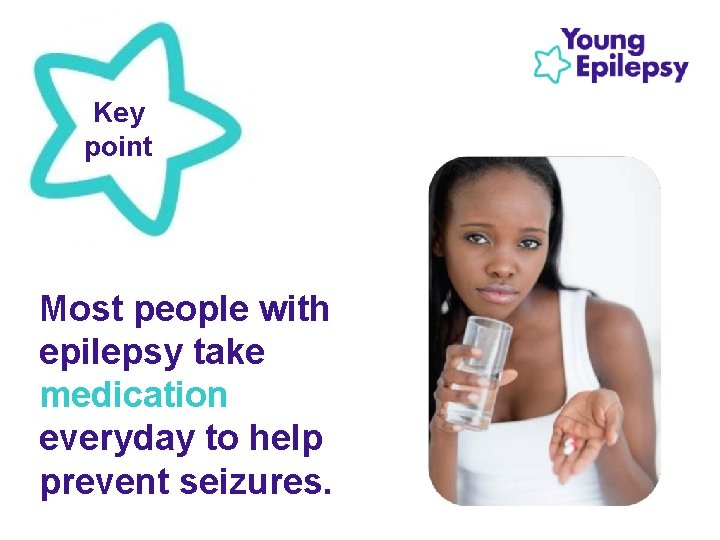
Key point Most people with epilepsy take medication everyday to help prevent seizures.
Modelling a seizure
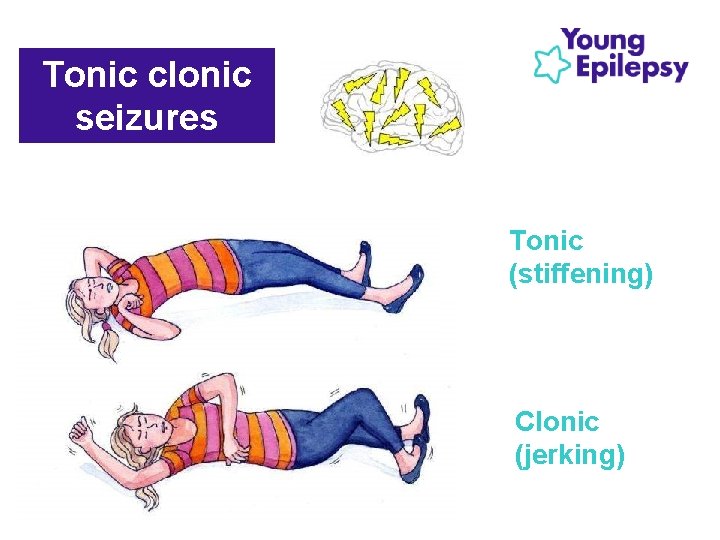
Tonic clonic seizures Tonic (stiffening) Clonic (jerking)
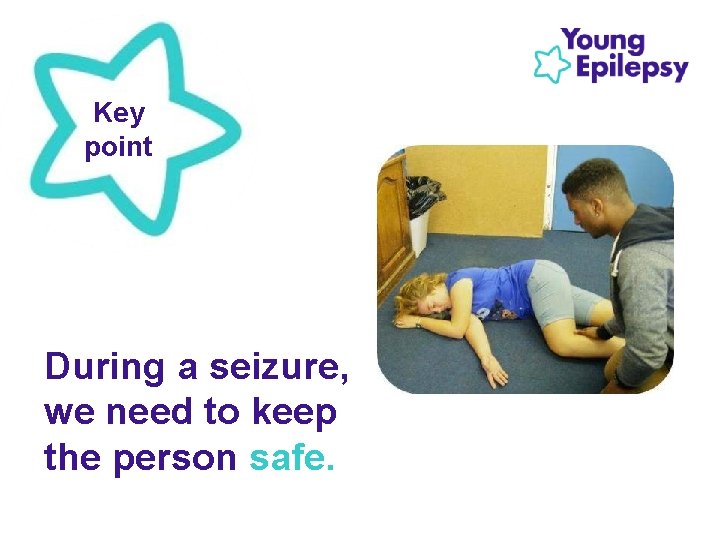
Key point During a seizure, we need to keep the person safe.
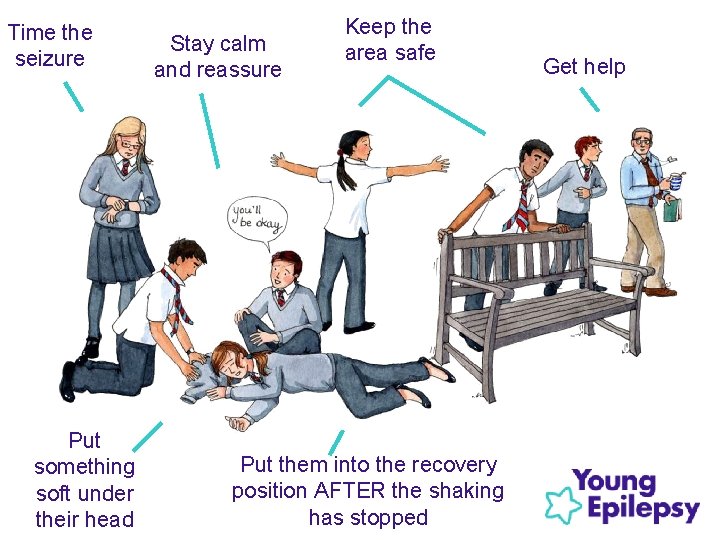
Time the seizure Put something soft under their head Stay calm and reassure Keep the area safe Put them into the recovery position AFTER the shaking has stopped Get help
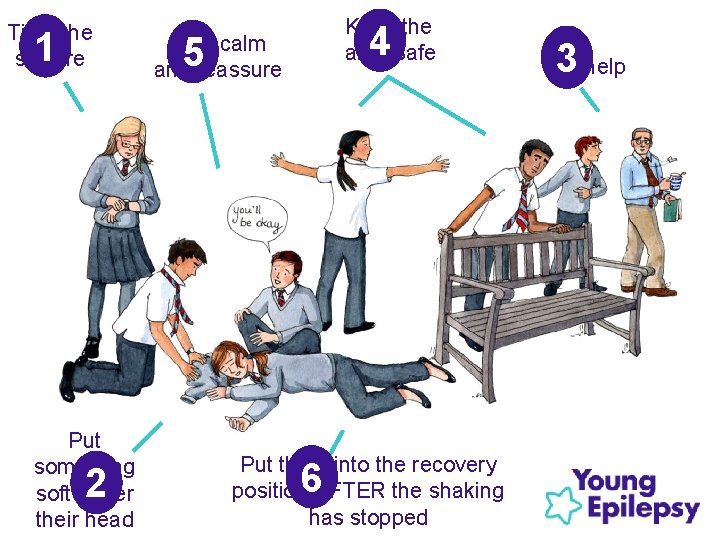
Time the seizure 1 Put something soft under their head 2 Keep the area safe 4 5 Stay calm and reassure Put them into the recovery position AFTER the shaking has stopped 6 3 Get help
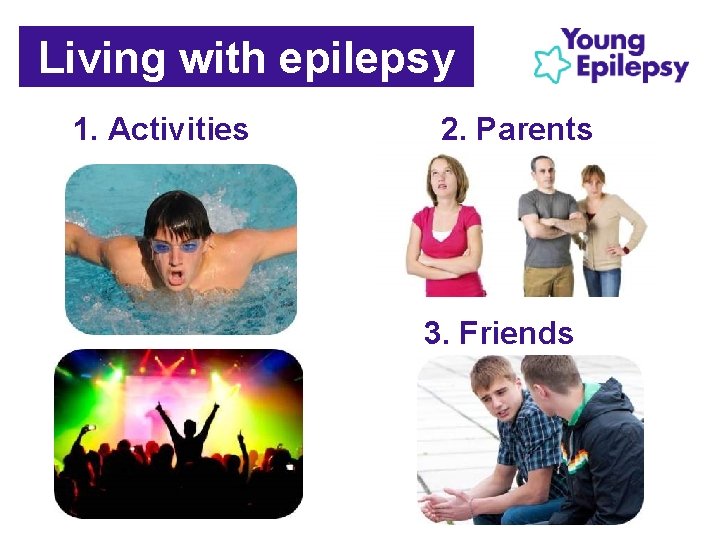
Living with epilepsy 1. Activities 2. Parents 3. Friends
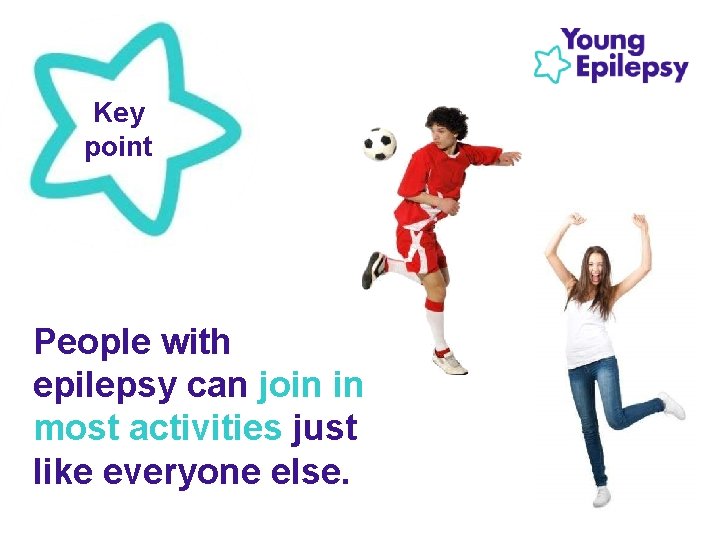
Key point People with epilepsy can join in most activities just like everyone else.
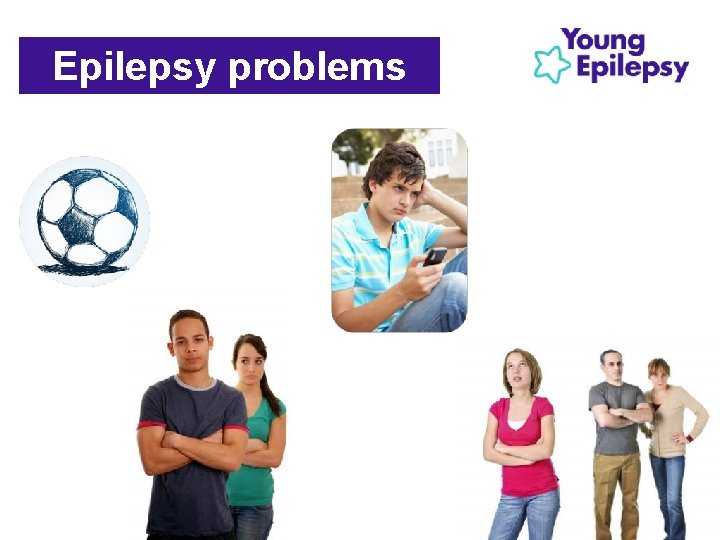
Epilepsy problems
Key points • In epilepsy, there is a problem with the electrical messages in the brain. • People with epilepsy experience sudden bursts of electricity in the brain - called a seizure. Seizures disrupt the way the brain works for a short time.
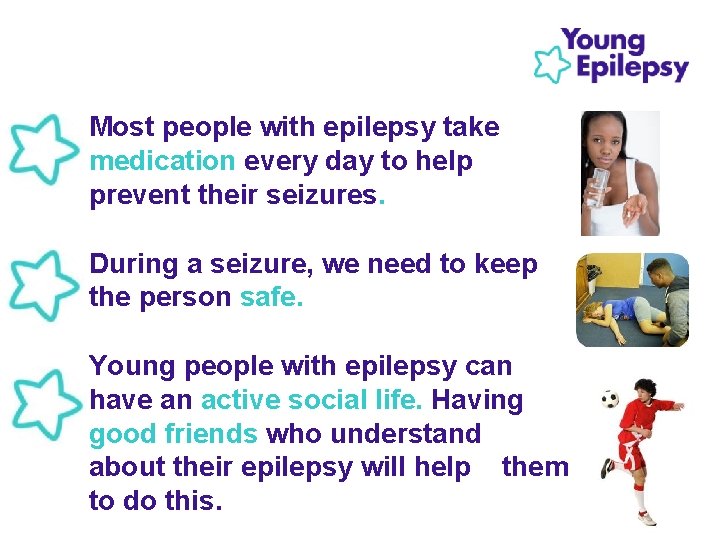
• Most people with epilepsy take medication every day to help prevent their seizures. • During a seizure, we need to keep the person safe. • Young people with epilepsy can have an active social life. Having good friends who understand about their epilepsy will help them to do this.
KS 3 Epilepsy awareness & psychosocial impact lesson